
Taxi fleets reward mechanical stubbornness over style, and the cars that dominated cab ranks across decades earned that spot through durability rather than flash. From New York’s boxy Checkers to Soviet-era Volgas, each model traded showroom polish for a frame, engine or body that could survive relentless daily abuse. Here are ten cars that outlasted everything else on the road.
1. Checker Marathon: New York’s Steel Workhorse
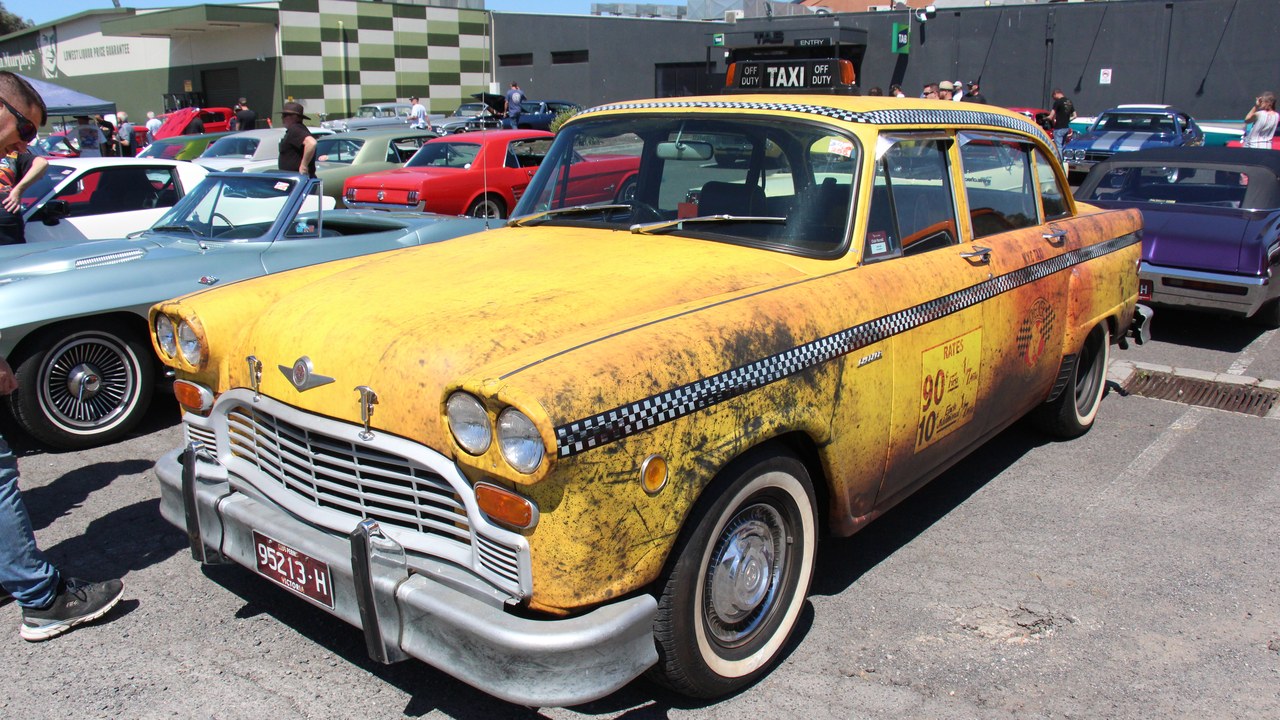
Checker Motors built the Marathon as a purpose-made taxicab, favoring a boxy steel body, a cavernous rear bench and a truck-grade frame over passenger-car styling. A 1981 example built specifically for New York City duty now sits in The Henry Ford’s collection, preserved as a museum artifact rather than a working cab.
The design barely changed across decades of production, and that stubbornness became the point: fleet owners wanted a cab that shrugged off curb strikes and endless idling, not one that flattered a showroom floor. Checker’s refusal to chase annual styling cycles let mechanics standardize repairs across an entire fleet, stretching service lives well past what ordinary sedans could manage.
2. Austin FX4: London’s Forty-Year Icon
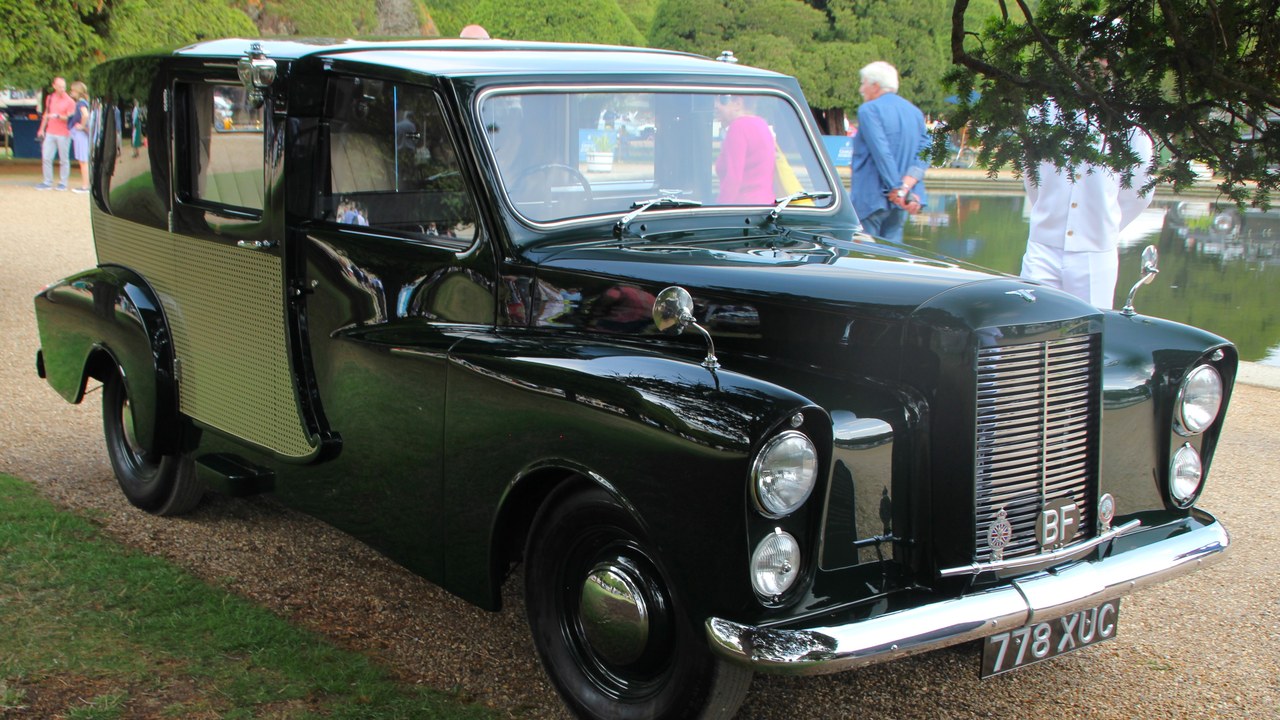
Carbodies introduced the Austin FX4 in 1958 as London’s purpose-built black cab, fitted with a diesel engine, a tight turning circle and a raised roof built for a top hat. London Transport Museum’s collection notes trace how the FX4 stayed in production across numerous variants for roughly 40 years.
Ownership passed between manufacturers over that span, but the silhouette barely moved, letting garages across the city stock the same parts for decades running. Drivers valued the tight turning circle for U-turns on narrow streets, and the elevated roofline let passengers step in without stooping, a detail that outlasted several attempted replacements before newer designs finally took hold.
3. Nissan NV200: New York’s Chosen Successor
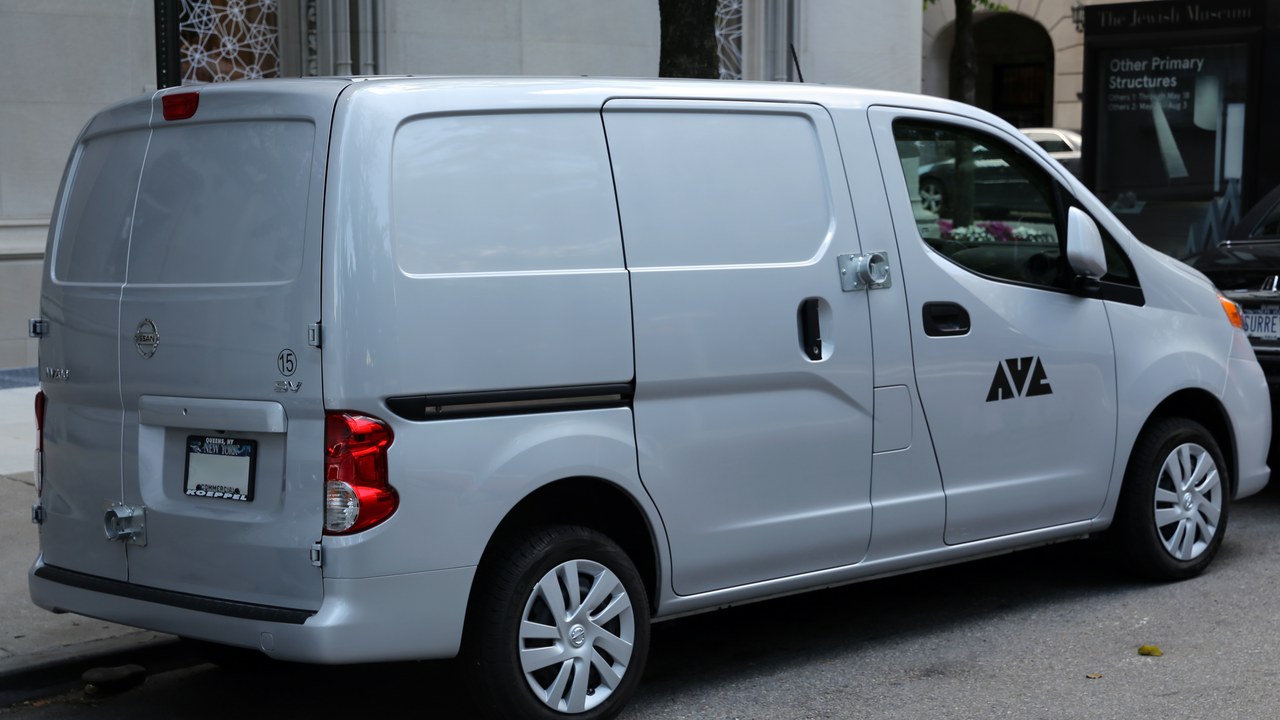
New York City selected the Nissan NV200 as its official Taxi of Tomorrow on May 3, 2011, ending a lengthy competition among automakers pitching purpose-built cabs to replace the aging Crown Victoria fleet. Nissan’s own announcement framed the compact van as a dedicated cab rather than a converted passenger car.
The van-based body gave passengers sliding doors, a low step-in height and a panoramic roof panel, features ordinary sedans could not match on crowded curbs. Drivers gained a partition, a phone charger and reading lights built into the design from the outset, and the NV200 became the standard yellow cab shape for years before ride-hailing apps reshaped the city’s taxi economics.
4. Hindustan Ambassador: Kolkata’s Yellow Fleet
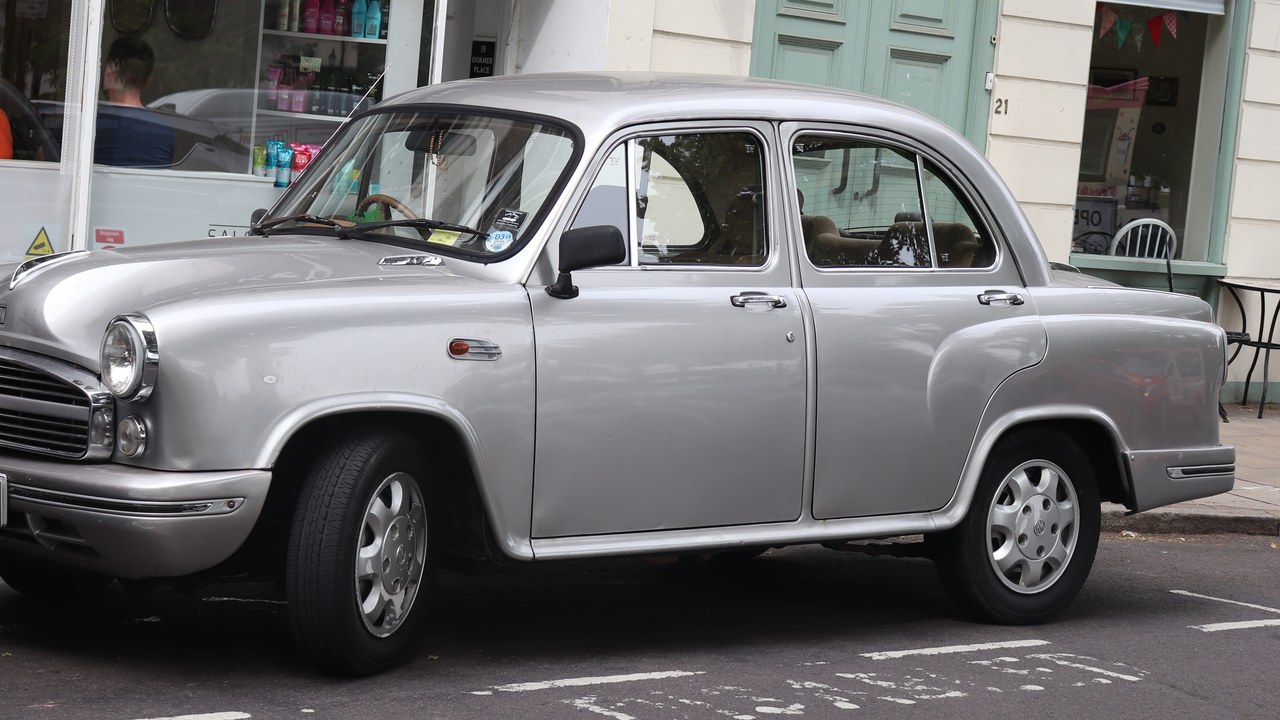
Built on a 1950s Morris Oxford platform, the Hindustan Ambassador became Kolkata’s signature yellow taxi and a fixture of Indian roads for generations. Coverage of the taxis’ decline notes that Hindustan Motors halted Ambassador production in 2014 after decades of unbroken output.
Its rounded body and simple mechanicals made the car easy to repair with basic tools, a trait that mattered on streets where spare parts and skilled labor could be scarce. Even after the factory line stopped, aging Ambassadors kept working Kolkata’s streets for years longer than their production run alone suggested, until fleet-age rules and dwindling parts supplies finally pushed the model into retirement.
5. Premier Padmini: Mumbai’s Kaali-Peeli Farewell
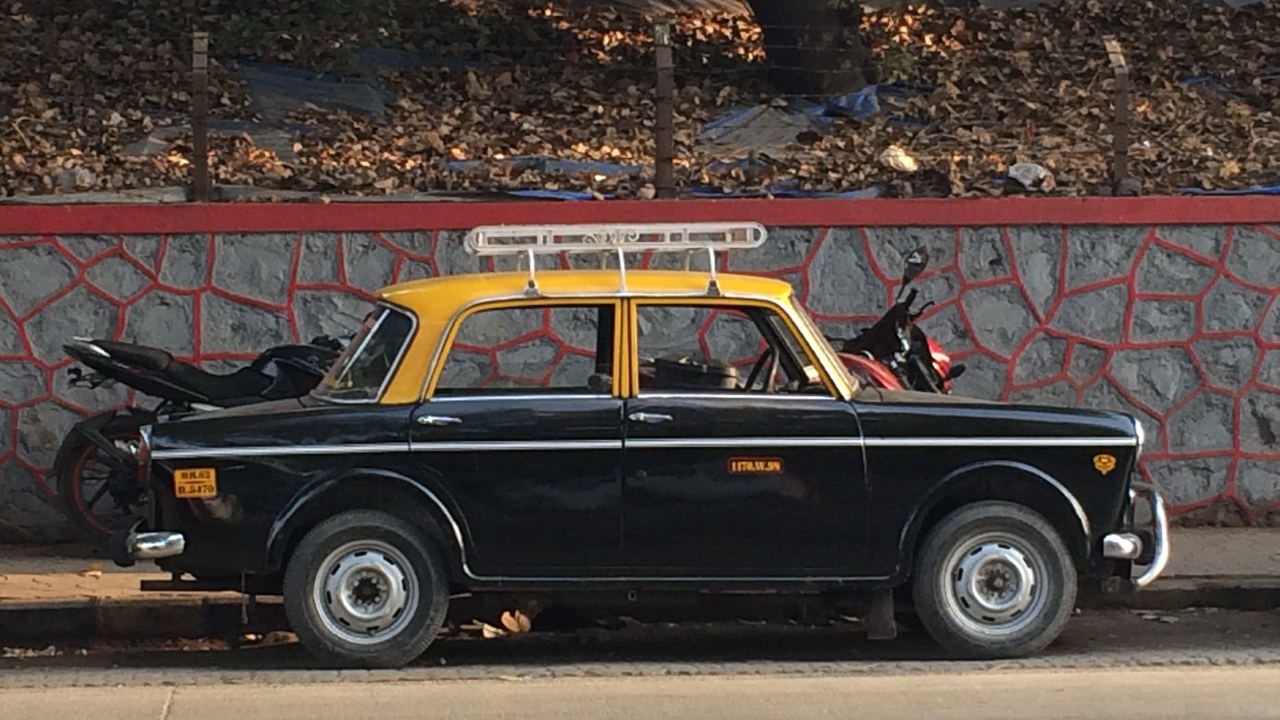
Built from a licensed Fiat 1100 design, the Premier Padmini became Mumbai’s black-and-yellow kaali-peeli taxi and a symbol of the city for six decades. Reporting on the taxis’ exit placed the last licensed Padmini cabs off the road in October 2023, retired under a 20-year age limit on commercial vehicles.
The boxy sedan’s simple carbureted engine and narrow body suited Mumbai’s congested lanes long after more modern rivals arrived, and its dented, sun-faded paint became part of the city’s visual identity rather than a mark against it. Once the age cap caught up with the surviving fleet, the Padmini’s exit closed out one of the longest continuous taxi runs on the subcontinent.
6. Ford Crown Victoria: America’s Default Cab
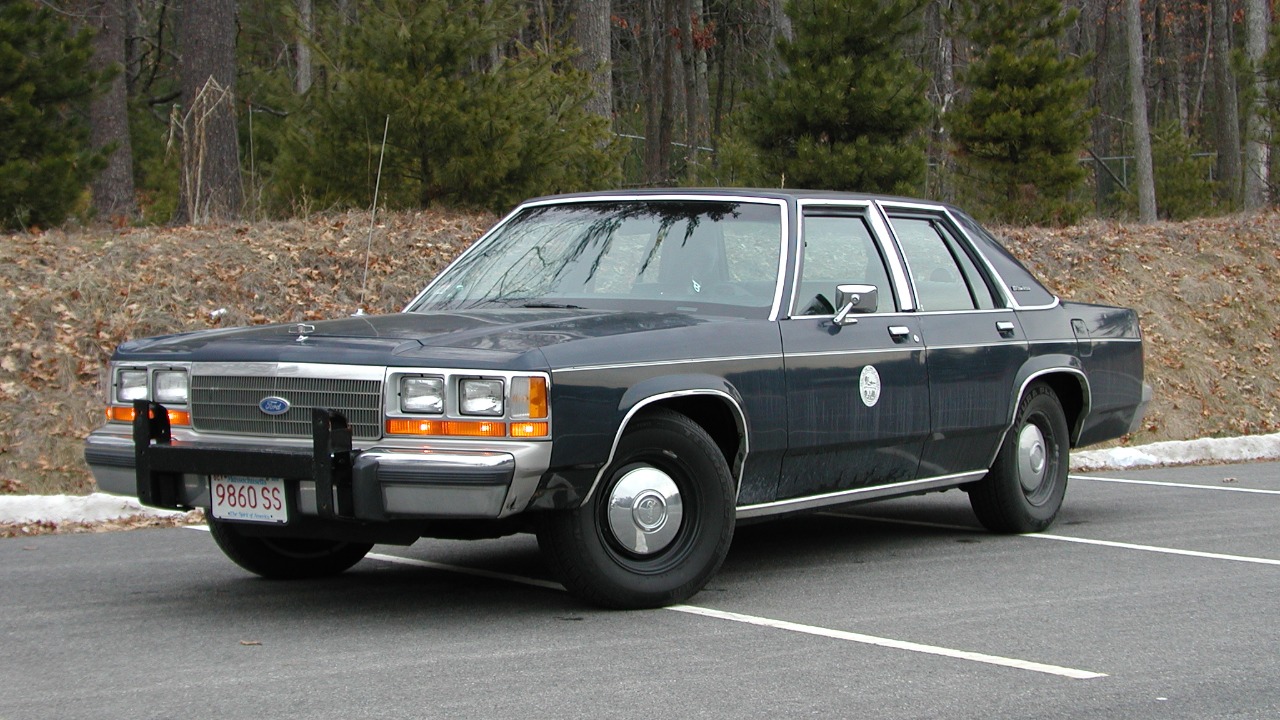
Ford built a stretched, long-wheelbase version of the Crown Victoria from 2002 to 2011 aimed squarely at taxi and livery fleets rather than private buyers. The model’s production history shows the body-on-frame sedan outlasting most rivals as the default American cab.
Its solid rear axle and reinforced frame tolerated the potholes and constant idling that wore out unibody sedans within a few years, while a roomy trunk and back seat suited airport runs and long shifts alike. Even after Ford ended the line in 2011, thousands of Crown Victorias kept working city streets, their simple drivetrains easy enough for independent garages to service without factory support.
7. Toyota Crown Comfort: Japan’s Purpose-Built Cab

Toyota engineered the Crown Comfort as a purpose-built taxi sedan, offering a simple LPG-fueled engine and a durable body distinct from its passenger-car Crown siblings. Production records for the model span December 1995 to January 2018, more than 22 years without a full redesign.
LPG fuel kept running costs low for fleet operators working long daily shifts, and the mechanically conservative layout meant taxi companies could keep the same cab on the road for a decade or more between replacements. The Comfort’s boxy, upright shape became instantly recognizable on city streets, a rare case of a taxi outliving the passenger model that first inspired it.
8. Mercedes-Benz W123: The Half-Million-Kilometer Diesel
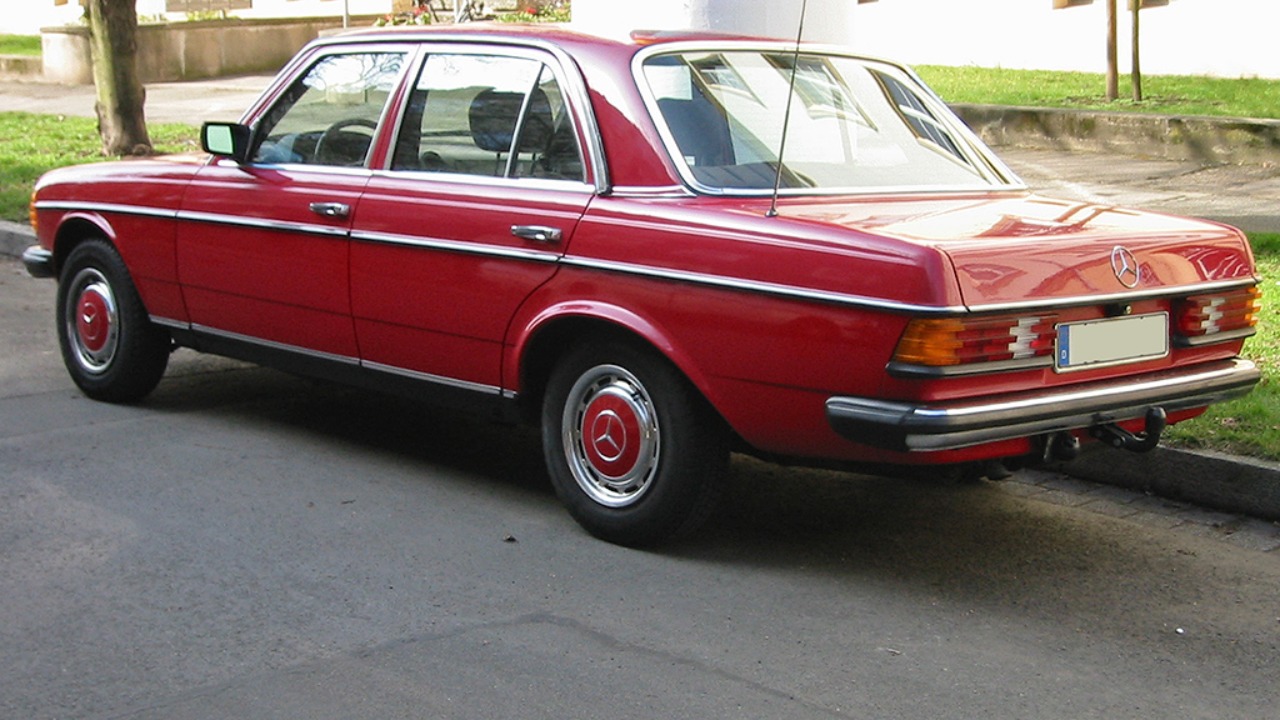
German taxi operators gravitated toward the Mercedes-Benz W123, particularly its diesel variants, through the late 1970s and 1980s for fleet duty. The model’s documented reliability record shows cabs regularly passing 500,000 kilometres with only minor mechanical issues along the way.
The overbuilt diesel engine and simple mechanical fuel injection tolerated years of stop-start city driving that would strain lighter engines, and a body built with thicker steel than typical passenger sedans shrugged off constant door use. That combination made the W123 an economic choice for fleets calculating cost per kilometre rather than sticker price, and surviving examples still turn up as working cabs today.
9. Peugeot 504: Africa’s Bush Taxi Standard
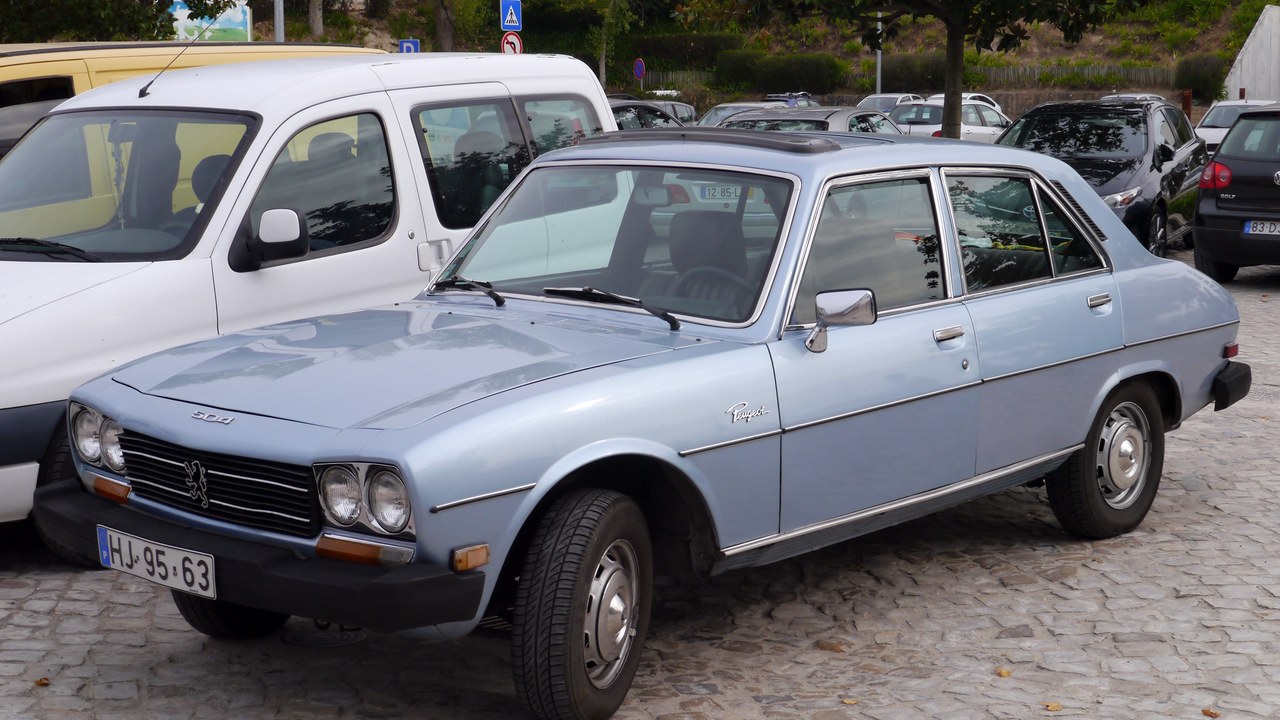
The Peugeot 504, especially its wagon and pickup variants, became one of the most common vehicles pressed into bush taxi service across Africa. The model’s service history credits its high ground clearance and simple mechanicals with keeping it running on unpaved routes other sedans avoided.
Operators packed far more passengers and cargo aboard than the car was designed to carry, relying on the 504’s tough suspension and easily serviced engine to absorb the abuse. Decades after Peugeot stopped building the model in Europe, local assembly and a steady supply of secondhand parts kept 504s working rural routes long after most contemporaries had disappeared from the road.
10. GAZ-24 Volga: The Soviet Union’s Only Cab
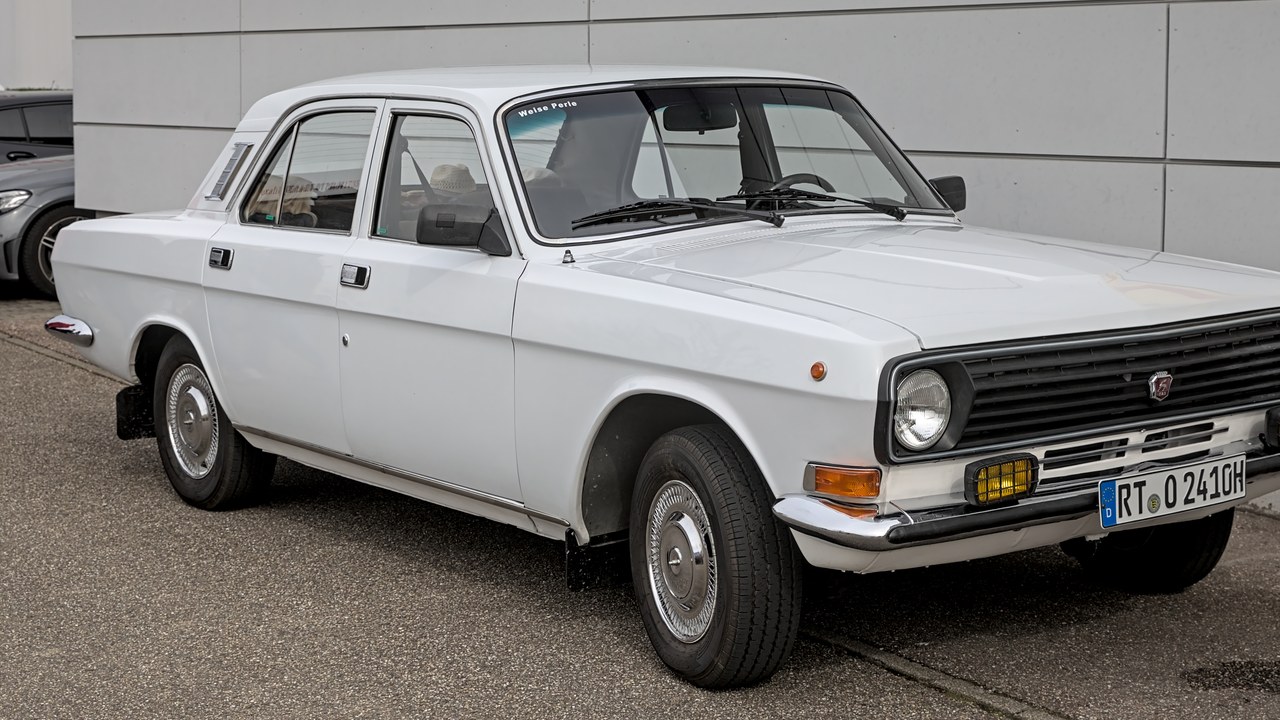
The GAZ-24 Volga was almost the only taxi permitted to operate across the Soviet Union, with the dedicated GAZ-24-01 taxi variant arriving in 1971. The model’s production details describe a state-controlled fleet with little competing choice for riders or drivers.
State planning left little room for alternative models, so the Volga’s mechanical simplicity became a practical necessity rather than a marketing feature, since state garages needed to service an entire national fleet from one common parts supply. Its heavy build and low-revving engine suited the long, unpredictable routes typical of Soviet cities, and surviving examples remain recognizable symbols of that era’s transportation system.
More from Morning Overview
