
Honda and Acura have built a reputation for durability, yet owner reports and federal filings show some expensive exceptions. Transmissions, oil consumption, engine bearings and corroding subframes all appear in the record. Here are ten models where the repair bill can run well into four figures.
AI, explained every day: The Deep View is the go-to daily newsletter for 600,000+ founders, knowledge workers and professionals who want to stay up to date with artificial intelligence.
We may earn a commission if you sign up.
1. Honda Odyssey: Transmission Trouble Early
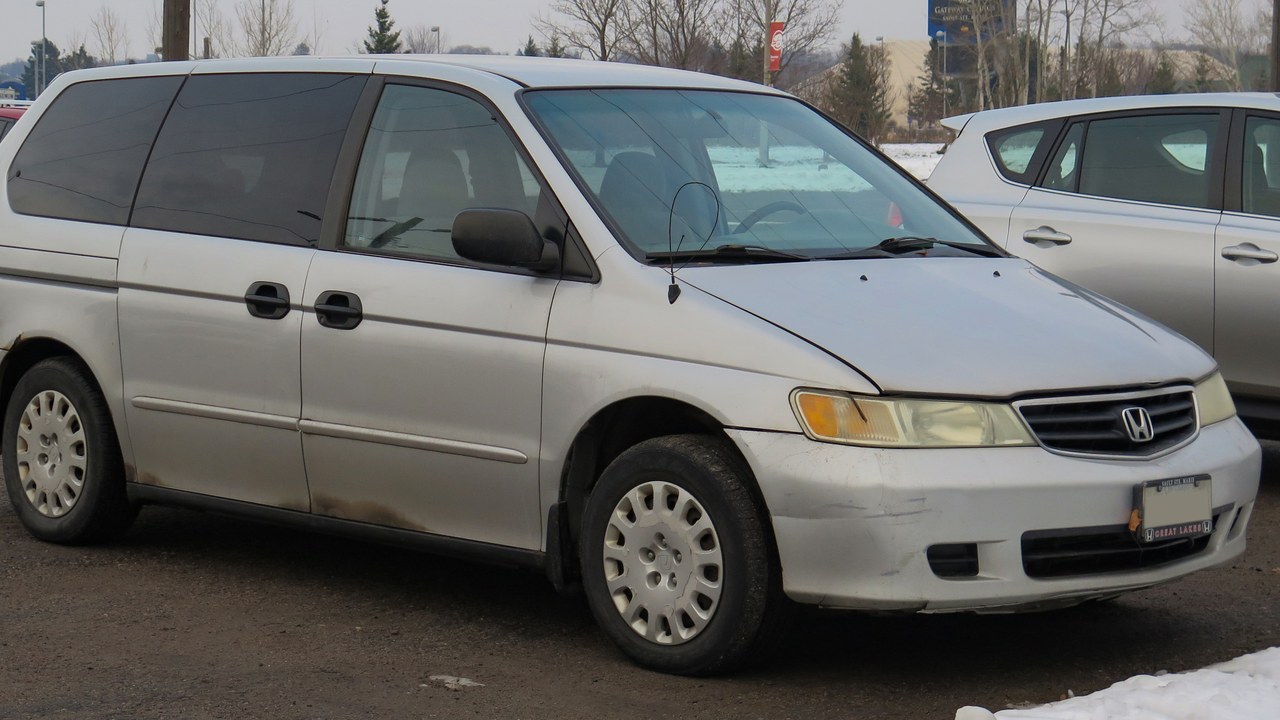
The 2002 Honda Odyssey is rated the worst year for the minivan, with transmission failure averaging $3,400 to fix at 98,000 miles, according to CarComplaints owner reports. That model year sits within a file of 2,964 complaints for the Odyssey overall.
Anyone shopping an early-2000s Odyssey should ask for transmission service records and test-drive it long enough to feel every shift. A seller who cannot document fluid changes or past repairs is a warning sign worth weighing against the asking price.
2. Honda Accord: Most Complaints of Any Honda
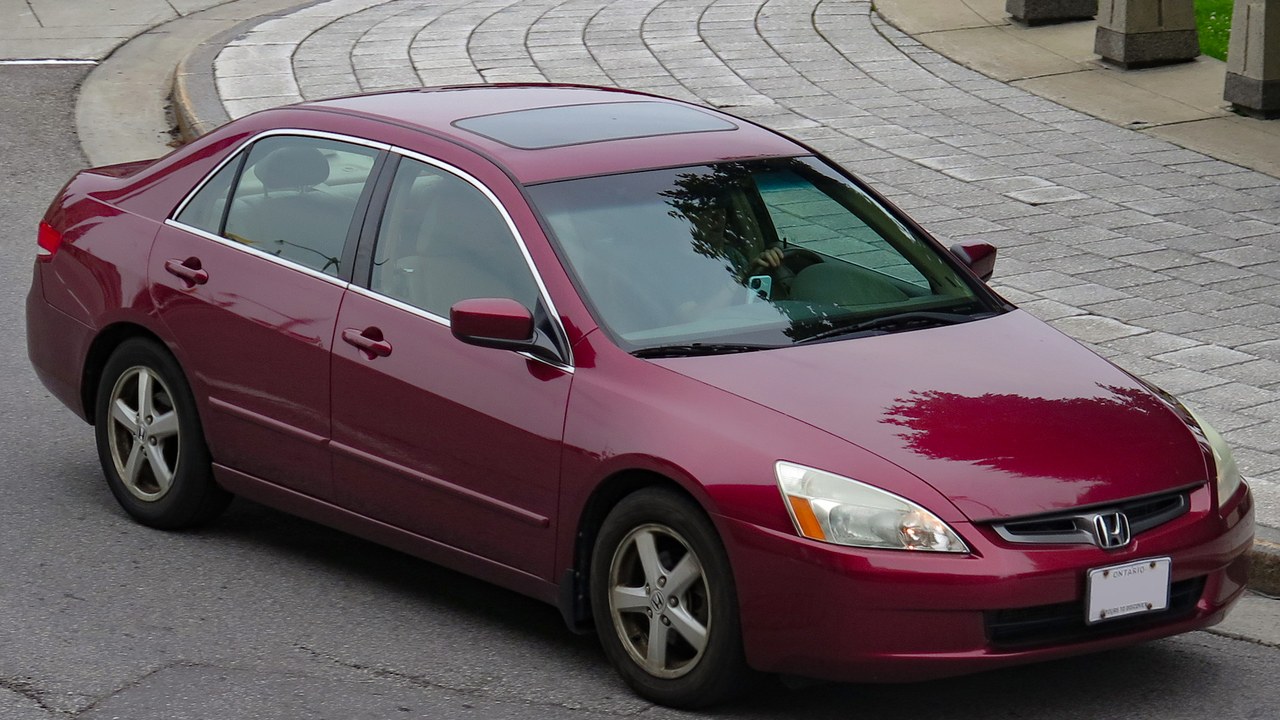
Transmission failure on the 2003 Accord averages $2,700 to fix at 98,000 miles, per CarComplaints Honda listings. The Accord also has 12,906 complaints on file, the most of any Honda model, which reflects its long sales run as much as any single flaw.
Because the complaint pile is so large, it helps to look at the specific model year rather than the nameplate. A 2003 car deserves a close look at shifting behavior and maintenance history before any money changes hands.
3. Honda CR-V: Braking Surprise
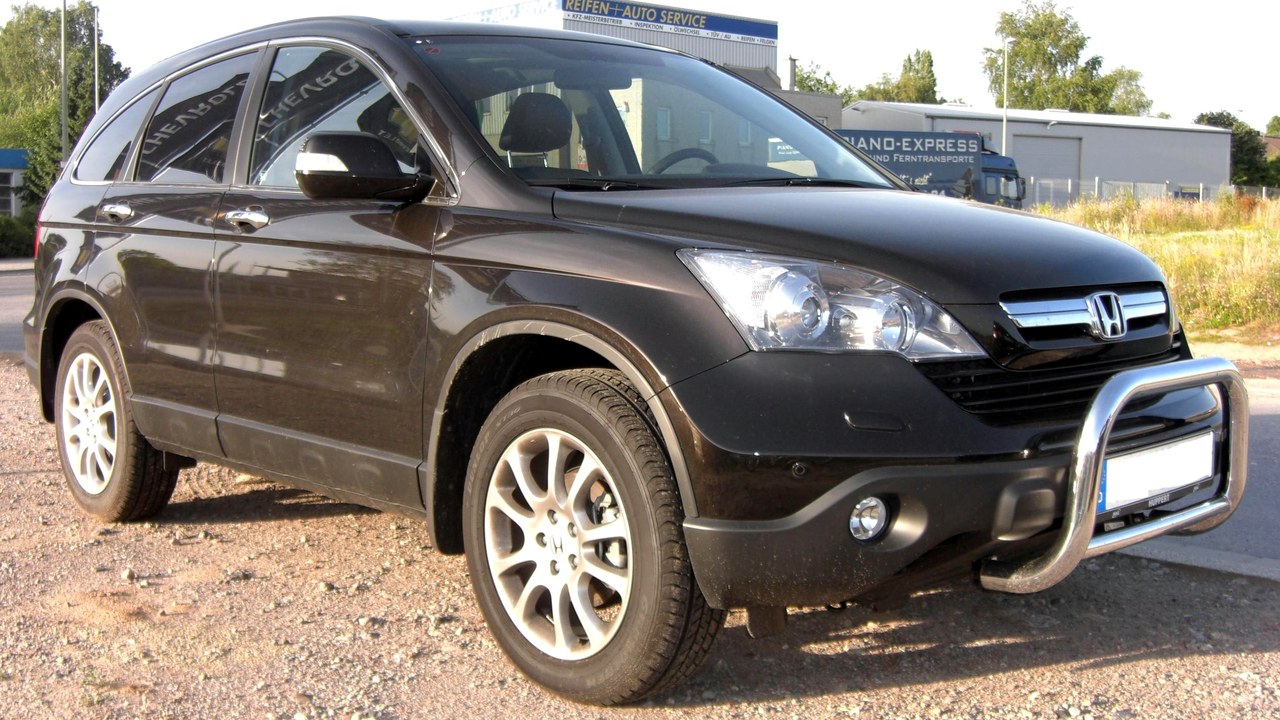
Owners of the 2011 Honda CR-V reported unwanted acceleration when braking, a problem that averages $5,000 to fix at 16,000 miles. CarComplaints data rates 2011 as the worst year for the crossover and counts 3,781 complaints for the model overall.
The low average mileage matters, since it means the trouble showed up early in the vehicle’s life. Buyers of a used 2011 should check recall status by VIN at NHTSA and ask what repairs, if any, were already done. A smooth test drive with no surging at low speed is the minimum to expect.
4. Honda Pilot: Federal Engine Probe
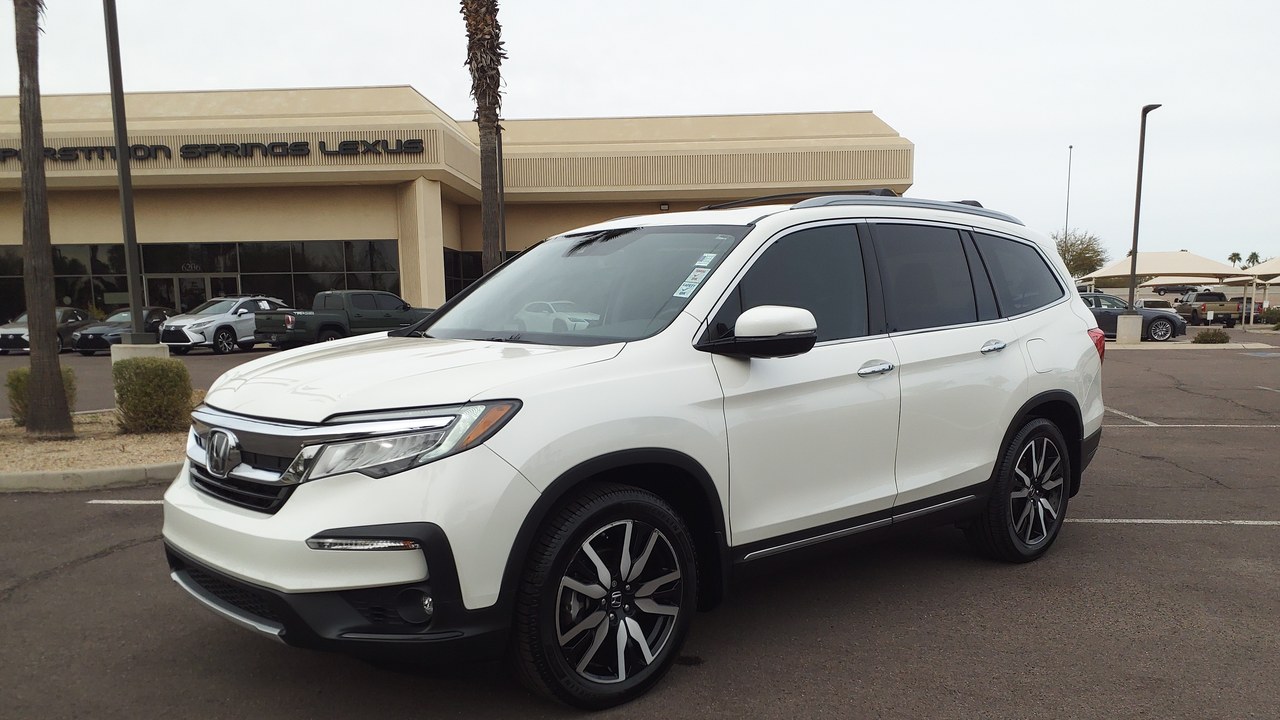
NHTSA opened an investigation covering more than 1.4 million Honda and Acura vehicles, including 2016-2020 Pilots, after 414 reports of connecting rod bearing failures in the 3.5-liter V6, as Malay Mail reported. Bearing failures of that kind can destroy an engine.
A probe is not a finding of defect, so owners should treat it as a prompt for homework. Checking the VIN for open recalls and keeping oil-change receipts are sensible steps with any V6 Pilot from those years. A mechanic can also listen for abnormal engine noise.
5. Honda Ridgeline: Small Pile, Worst Year
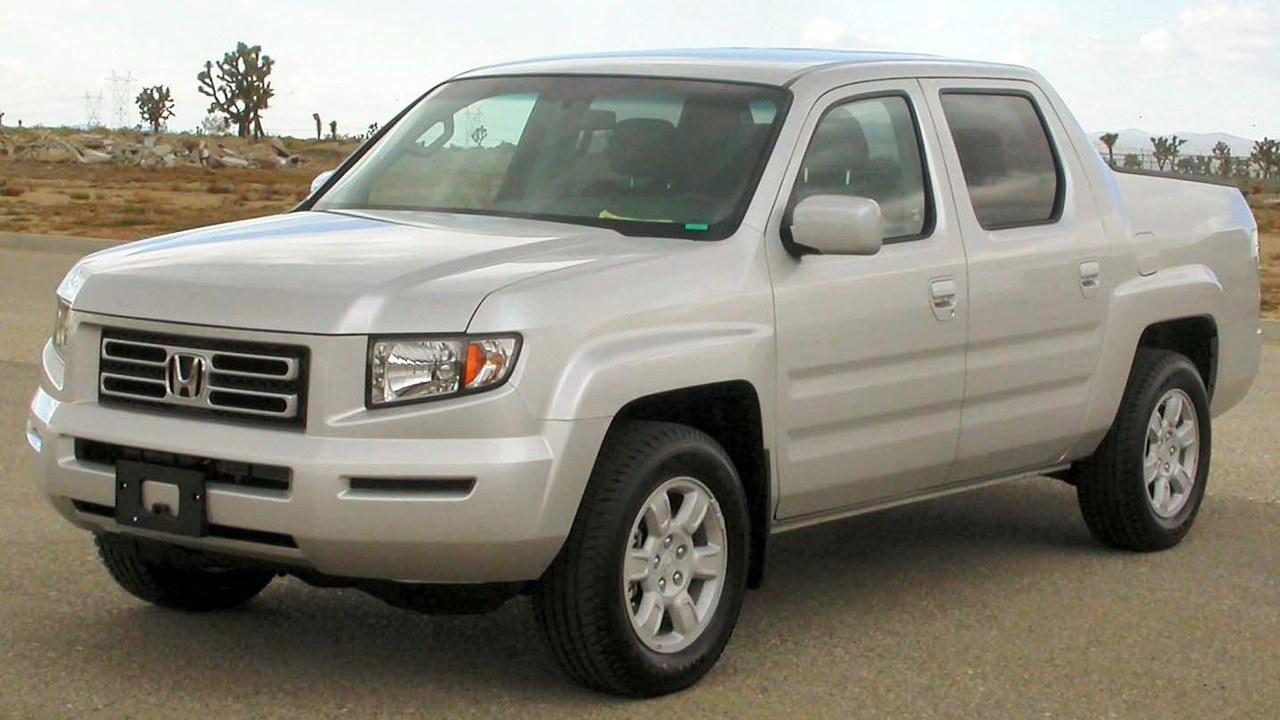
CarComplaints counts 363 complaints for the Honda Ridgeline, with the 2006 model year drawing the most at 92, according to its Ridgeline complaint page. The truck’s overall tally is modest next to the Accord or CR-V.
This is the thinnest entry in the group, and a smaller complaint count can simply mean fewer trucks sold. Still, a used Ridgeline from the worst year merits a thorough pre-purchase inspection and a look at service records. Documented maintenance counts for a lot on a vehicle this age.
6. Honda Passport: Software Lawsuit
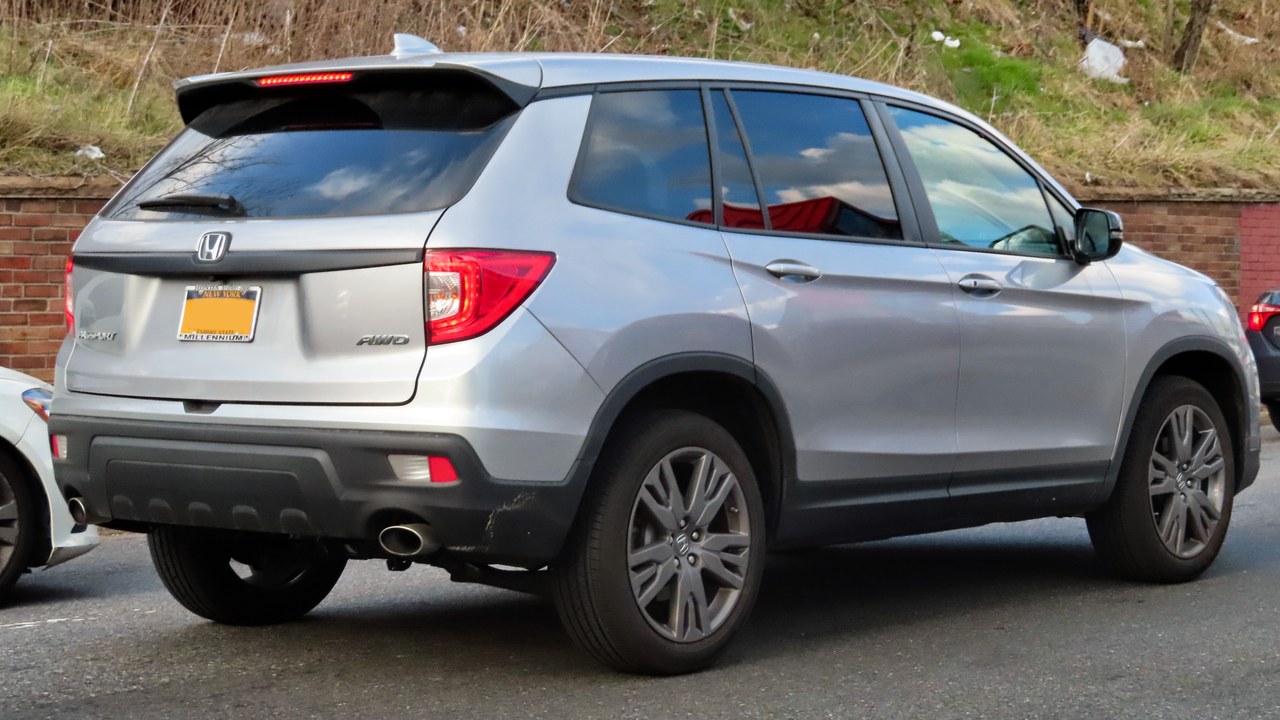
A class action covers 2019-present Passports over the software calibration of the ZF nine-speed automatic, alleging improper design or calibration of its control software, as summarized in a CarComplaints lawsuit report. The same suit lists certain Pilot, Odyssey and Ridgeline years.
These are allegations, not findings, and the case does not prove any individual vehicle is faulty. Passport shoppers should test-drive for hesitation or rough shifts and ask a dealer whether transmission software updates have been applied. Written proof of any past transmission work is worth requesting.
7. Acura TL: The Oil Problem
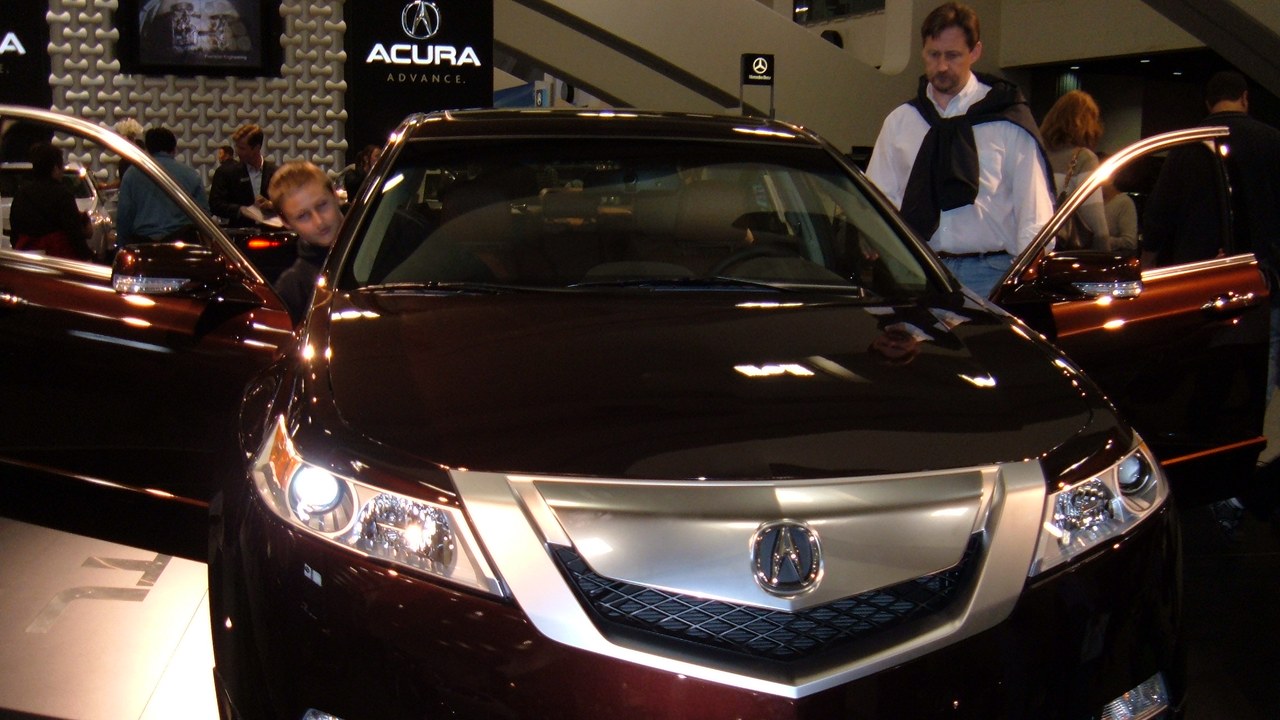
Excessive oil consumption on the 2010 Acura TL is the No. 1 Acura problem on CarComplaints Acura pages, averaging $6,500 to fix at 63,000 miles. The TL has 414 complaints on file.
That is the repair behind the headline figure and a good reason to inspect oil level and service history closely. Buyers of a used 2010 TL should ask whether the engine has ever been repaired for consumption and check the dipstick during a long test drive. Low oil on a short drive is a red flag.
8. Acura TLX: Early Gear Jerks
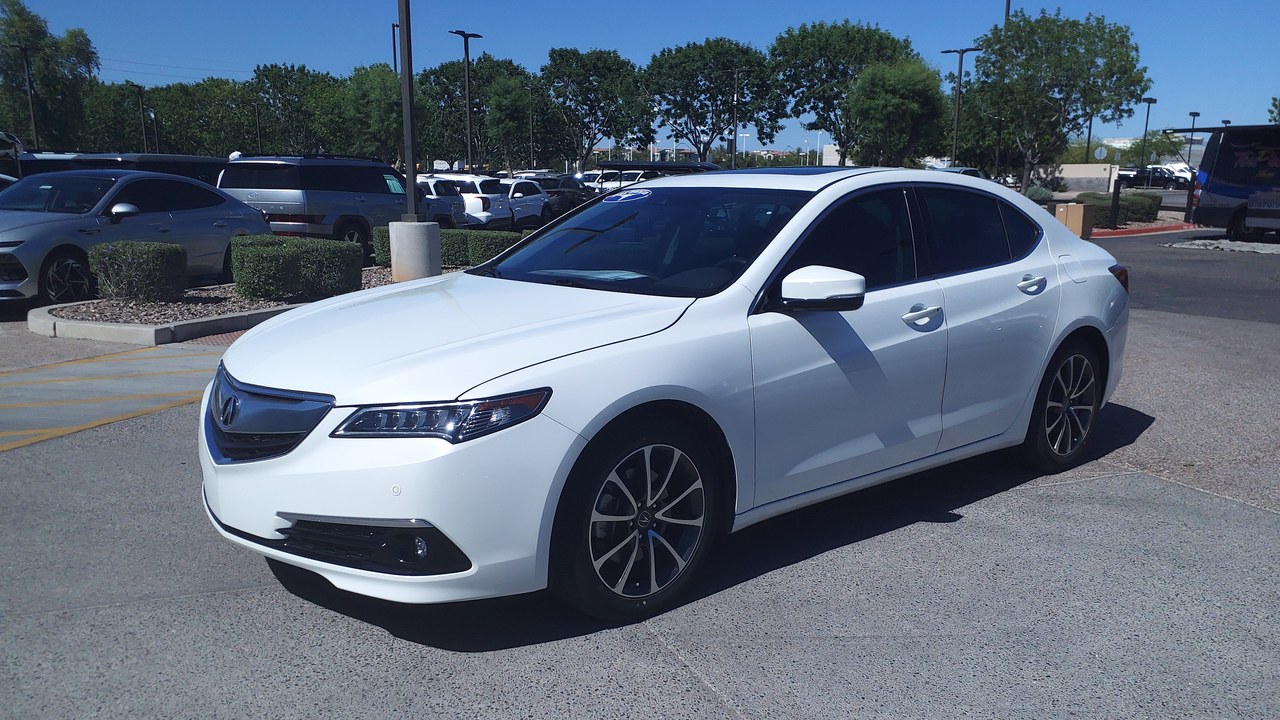
The 2015 Acura TLX is CarComplaints’ worst Acura model year, with jerking between gears reported at an average of just 5,000 miles, according to the site’s Acura model overview. The TLX has 245 complaints on file.
Problems that appear this early usually surface while a car is still under warranty, which is the best time to document them. Used buyers should drive the car through a full range of speeds and watch for harsh or hesitant shifts. Any complaint history with the previous owner should be asked about directly.
9. Acura MDX: Corroding Subframe Recall

NHTSA’s recall campaign record covers 2014-2020 Acura MDXs, 965,561 vehicles in all, because the rear subframe may corrode at the suspension mounting points. The agency says that can result in rear suspension component failure.
Owners and used-car shoppers can enter a VIN at NHTSA to confirm whether the recall applies and whether the remedy has been done. Rust-belt cars deserve an underbody inspection regardless of recall status. Surface rust near the mounting points is worth photographing and raising with the seller.
10. Acura RDX: Among the Worst Five
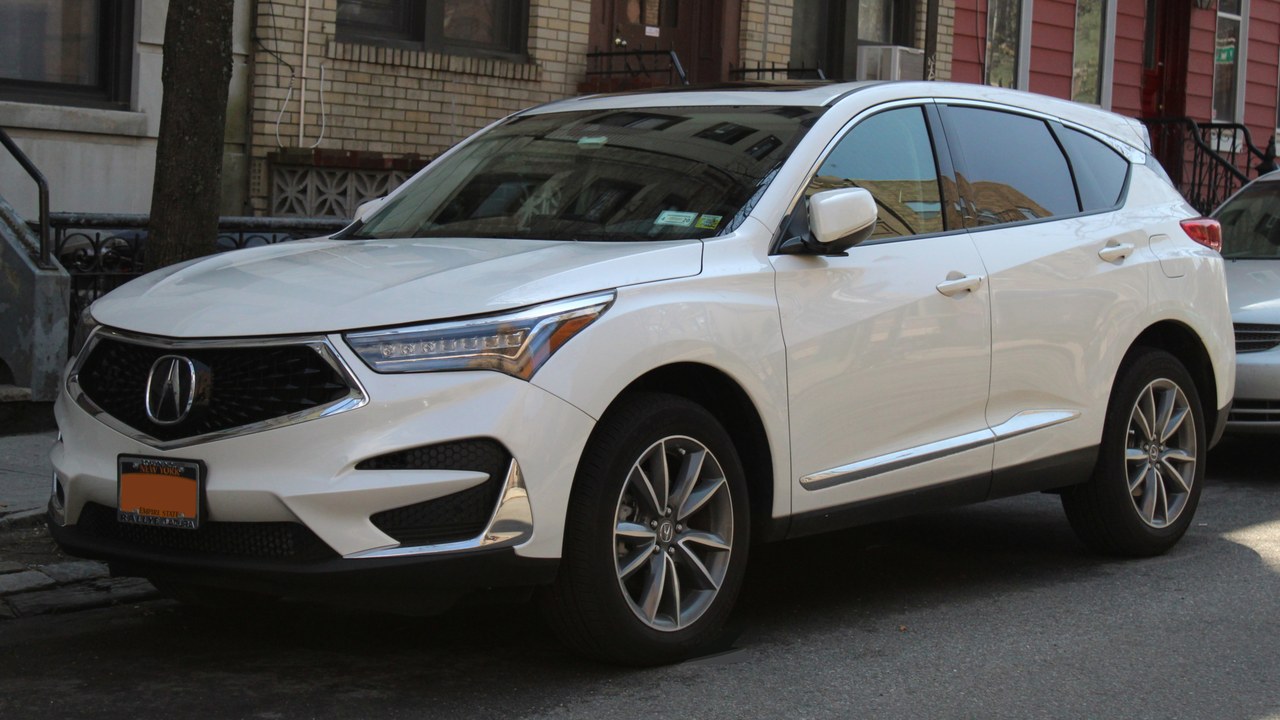
CarComplaints lists the 2019 Acura RDX among the brand’s five worst models, alongside the 2015 TLX, 2016 MDX, 2004 TL and 2010 TL, on its Acura worst models page. The RDX has 214 complaints on file.
The source gives a ranking and a count rather than a repair cost, so the exact expense of the typical problem is not established here. A pre-purchase inspection and a VIN recall check are the practical way to size up a specific 2019 RDX.
AI, explained every day: Get The Deep View →
We may earn a commission if you sign up.
More from Morning Overview
- A handful of car transmissions are so tough that mechanics say they almost never die
- Two Kentucky residents died when a small plane crashed at Missouri’s Lake of the Ozarks, and the NTSB is investigating
- 11 engines built to run well past 200,000 miles
- Melting permafrost is setting off a newly identified kind of catastrophic landslide, scientists say
