
Engine failures on Hyundai and Kia models turn up in two kinds of records: owner complaints with repair costs attached, and a settlement that extended powertrain coverage. Both point to expensive trouble on particular model years. Here are ten models where the documentation is hardest to ignore.
The day in tech, in one email: TLDR is the daily newsletter with links and TLDRs of the most interesting stories in startups, tech and programming.
We may earn a commission if you sign up.
1. Kia Sorento: Worst Year Tops Seven Grand
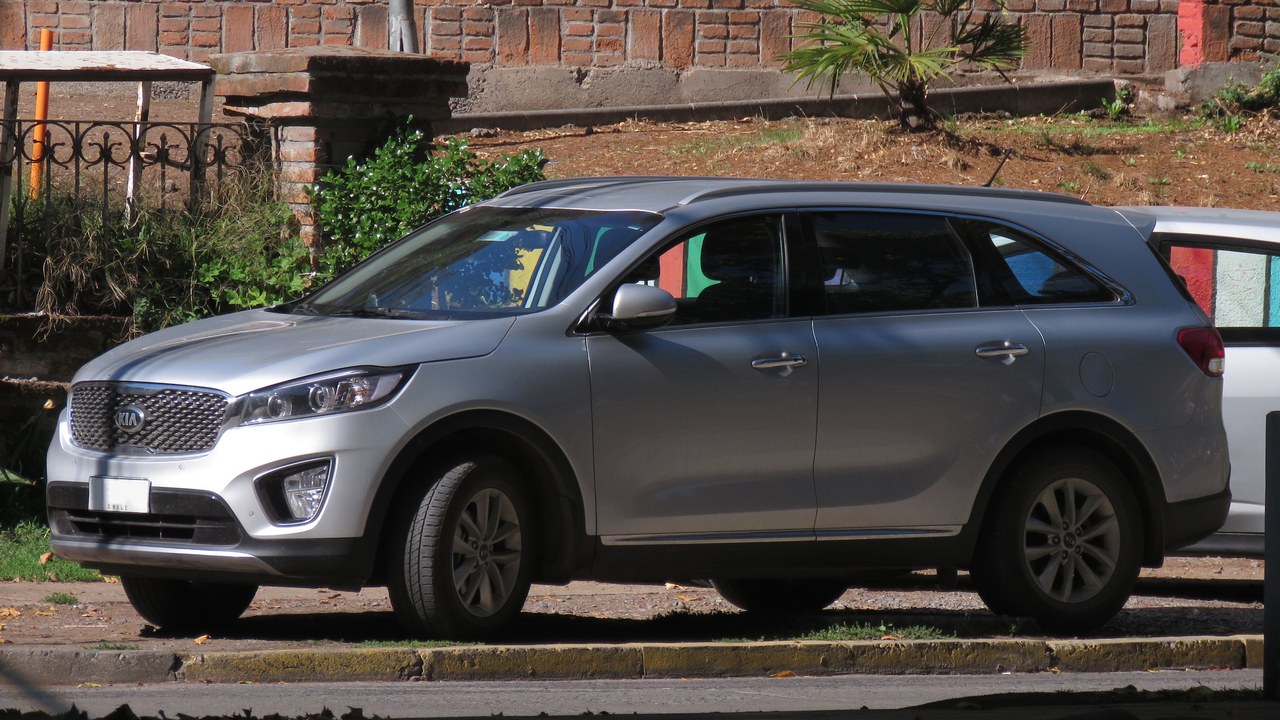
According to owner complaints filed with CarComplaints, the Kia Sorento’s worst year is 2016, when engine failures averaged $7,300 to fix at 94,000 miles. Earlier years were no kinder in the CarComplaints Sorento records, with 2015 at $6,800 and a blown engine in 2014 at $8,900. The model has 1,236 complaints on file overall.
Averages are not guarantees, but bills of that size at under 100,000 miles justify asking a seller for service records and checking recall status by VIN at NHTSA before buying a used Sorento. Treating the complaint figures as a warning sign rather than a verdict keeps the decision grounded.
2. Hyundai Sonata: A Seized Sonata
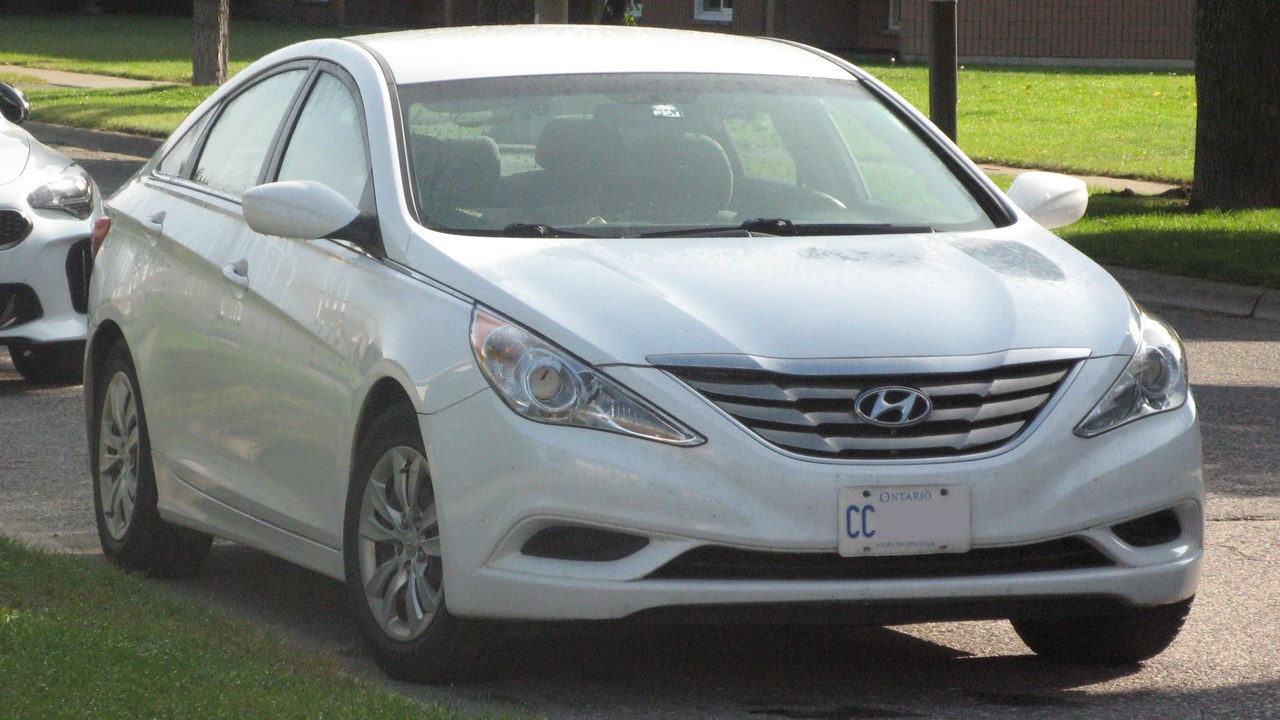
The No. 1 problem on CarComplaints.com’s Hyundai brand page listing is a seized engine on the 2011 Sonata. Owners reported an average repair cost of $5,100 at roughly 96,000 miles, which makes it the top-ranked complaint for the whole brand.
A seized engine is among the most severe failures a car can have. Buyers considering a Sonata from that era should ask for proof of regular oil changes and have a mechanic inspect the engine before any deal. Complaint-site data reflects only owners who chose to report, so it shows patterns rather than exact failure rates.
3. Hyundai Santa Fe: Blown at 61,000 Miles
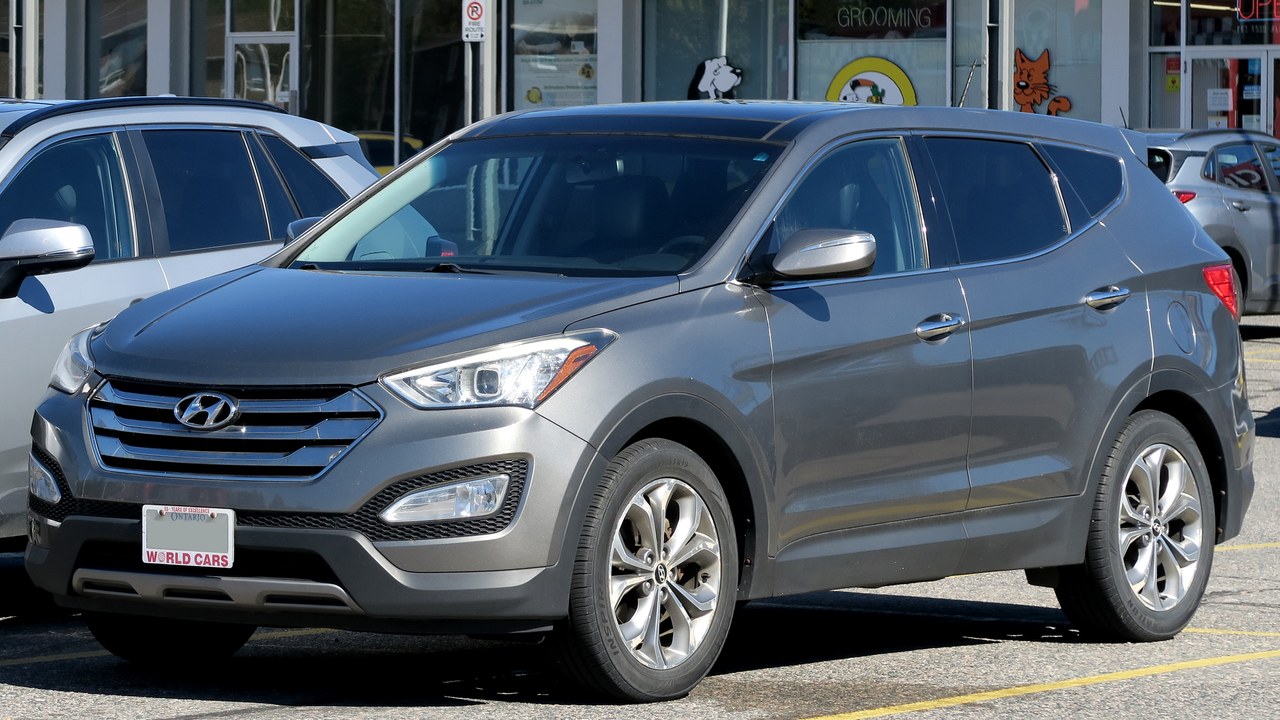
Engine problems are the Santa Fe’s worst complaint category, according to its CarComplaints Santa Fe page, which lists 1,217 complaints. The 2014 model stands out, with engine-blown reports averaging $7,500 at only 61,000 miles.
Failures at that mileage sit well inside the age of many used examples, so a Santa Fe shopper has reason to dig into maintenance history. Checking by VIN whether any engine recall or warranty extension applies is free and quick. A pre-purchase inspection by an independent mechanic is inexpensive next to a bill of that size.
4. Kia Soul: Two Costly Engine Calls

Owners of the 2016 Kia Soul reported a blown engine averaging $7,000 to fix at 100,000 miles. The CarComplaints Soul page also lists knocking on the 2014 model averaging $8,300 at 101,000 miles, out of 485 complaints on file.
Both problems arrive around the six-figure mileage mark, when many Souls are on their second or third owner. Anyone buying one should listen for engine knock on a cold start and ask what service the previous owner kept up. A compression check during a pre-purchase inspection can reveal internal wear before it becomes a failure.
5. Kia Sportage: Dies While Driving
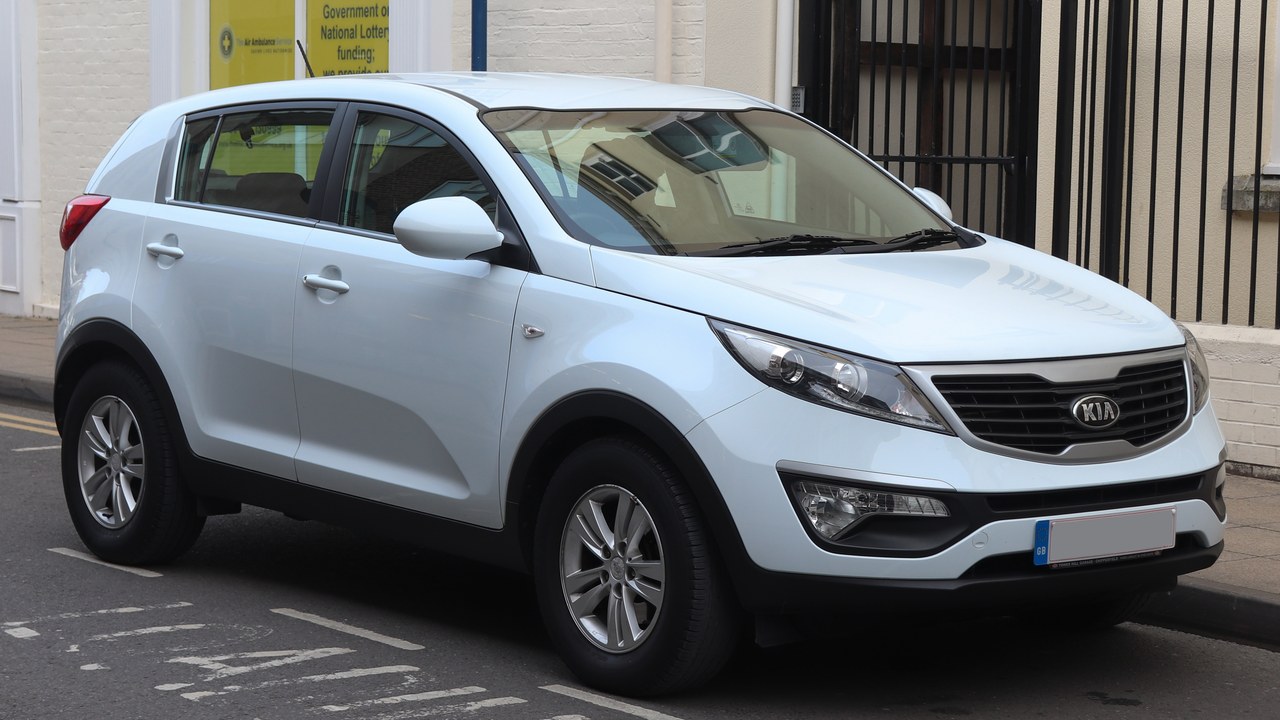
The top complaint on the 2012 Kia Sportage is an engine that stopped working while driving. Owners put the average repair at $5,600 at 88,000 miles, according to the CarComplaints Sportage page, which holds 392 complaints for the model.
An engine that quits in traffic is a safety issue as well as a repair bill. A test drive that includes highway speeds, plus a look at service records, is a sensible way to screen a used Sportage. Oil level and oil-change history are worth checking on any high-mileage example.
6. Hyundai Elantra: Stalls Before 53,000 Miles
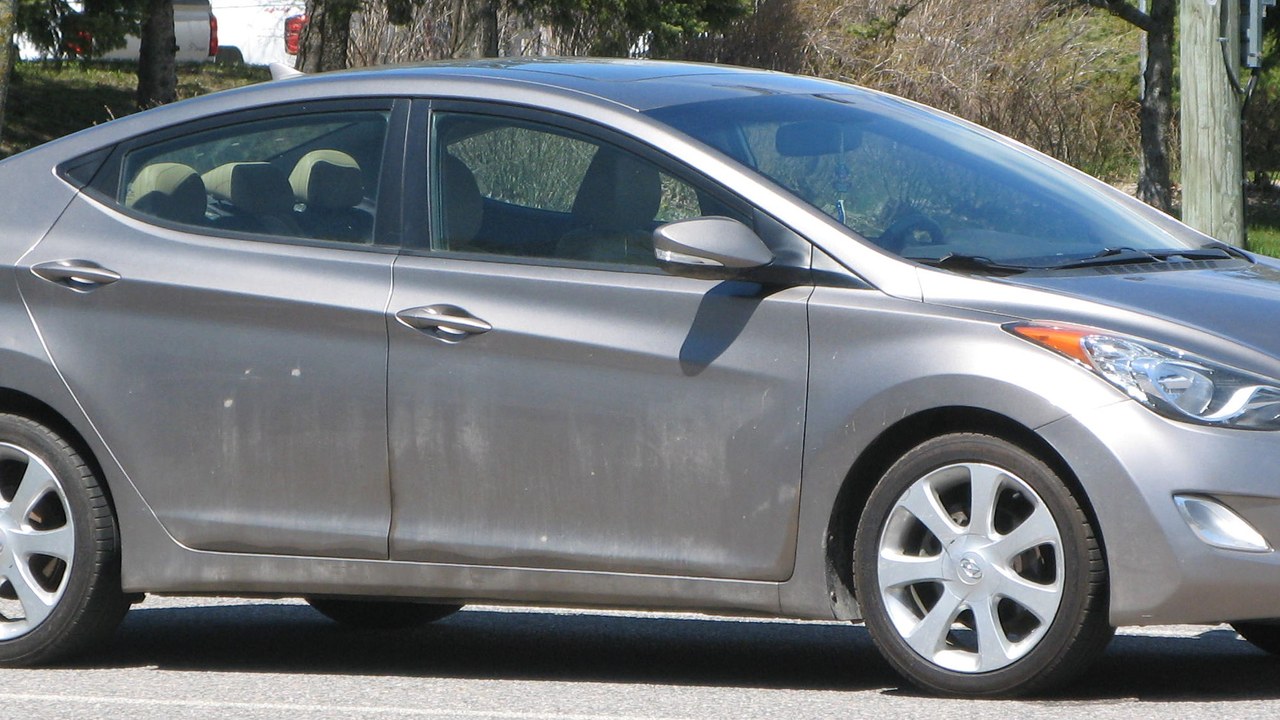
On the 2014 Hyundai Elantra, an engine that stalls or dies while driving averages $5,600 to fix at just 53,000 miles. The model’s CarComplaints Elantra page also shows ticking in the 2013 engine averaging $4,900 at 78,000 miles, among 1,658 complaints.
Early-mileage failures suggest checking whether any warranty coverage still applies. Ticking noises deserve attention too, since a mechanic can often tell whether they are minor or an early warning. Dealers can also confirm open recalls and any service campaigns tied to engine software or parts.
7. Kia Optima: Failure at 103,000 Miles
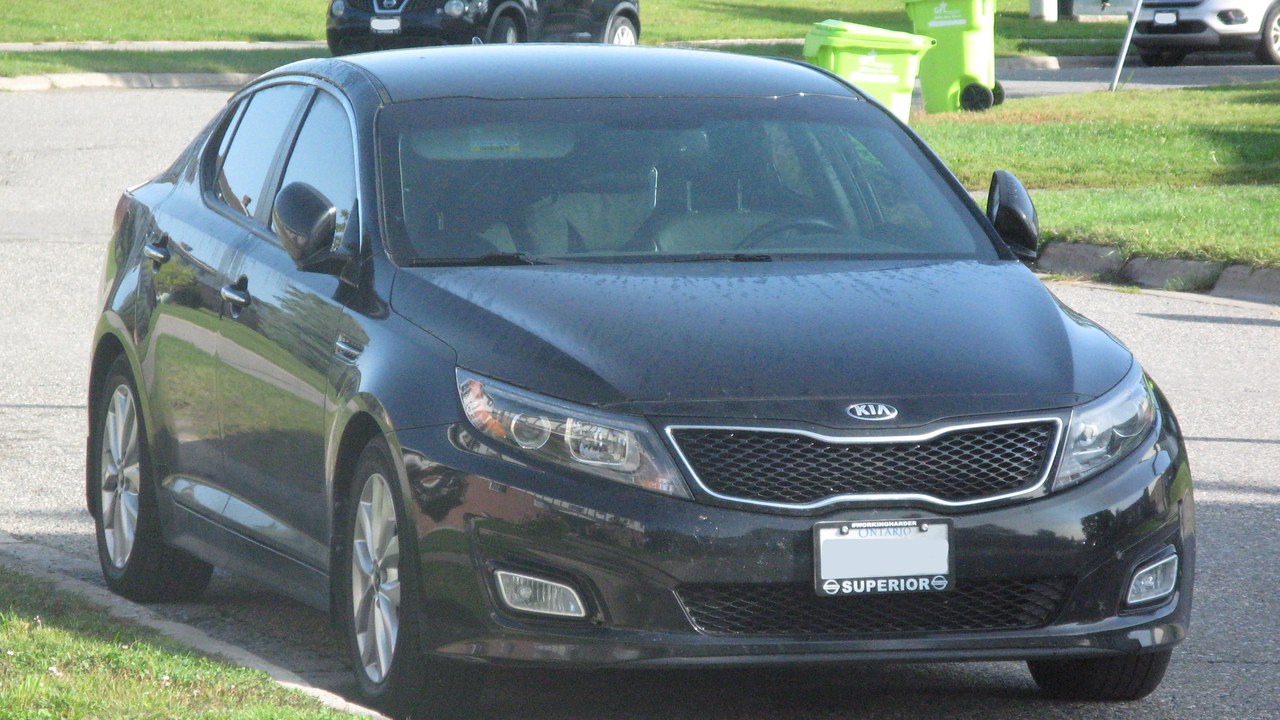
Engine failure on the 2011 Kia Optima ranks third among the brand’s problems on CarComplaints, averaging $4,600 to fix at 103,000 miles. The CarComplaints Kia listing shows 787 complaints for the Optima overall.
A bill near $4,600 can approach the value of an older sedan. Prospective buyers of a used Optima should ask whether the engine has ever been replaced and request documentation if it has. Any engine replacement in the car’s past should come with paperwork from the shop that did it.
8. Kia Forte: Settlement Covers Forte
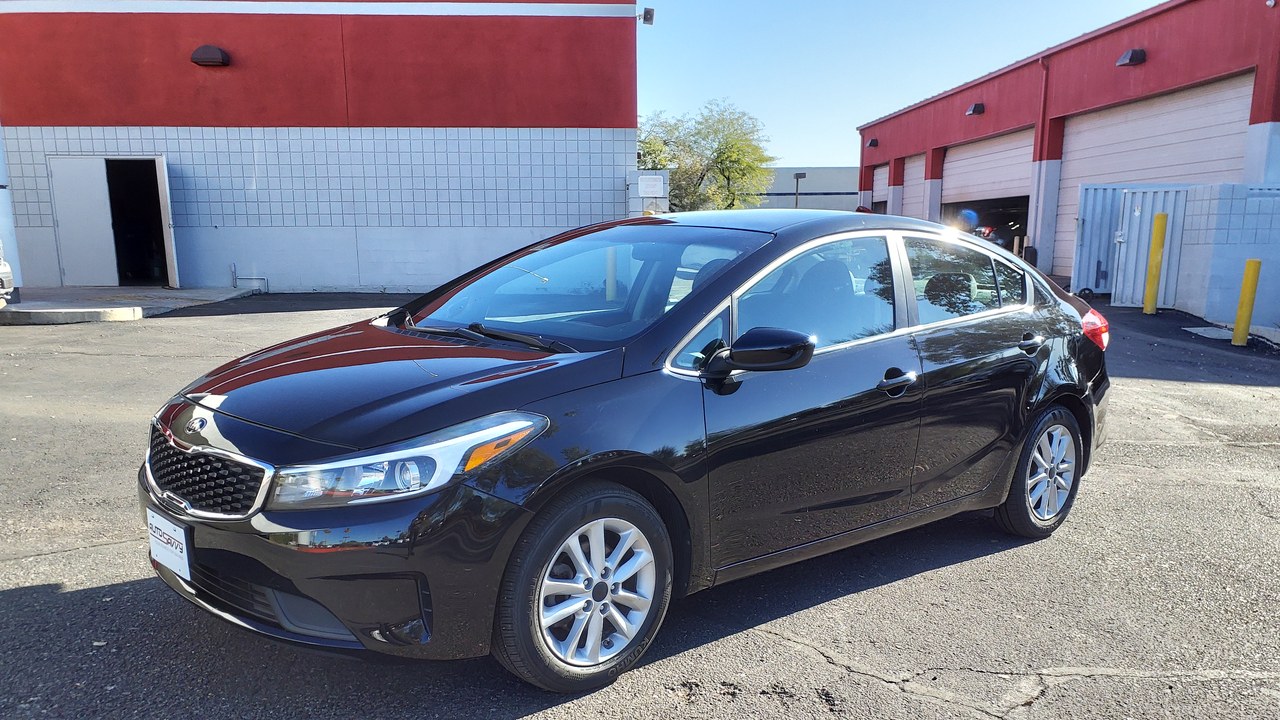
Kia Fortes from 2010 to 2018 were included in a Hyundai-Kia settlement over engines described as prone to seizure, stalling, failure and possibly catching fire. As Carscoops settlement report describes, powertrain warranties were extended to 15 years or 150,000 miles.
Owners of those model years should confirm by VIN whether the extended coverage applies to their car, and what conditions or paperwork the carmakers attached to it. Terms and eligibility can vary, so the written settlement notice is the document to rely on.
9. Hyundai Tucson: Tucson Makes the List
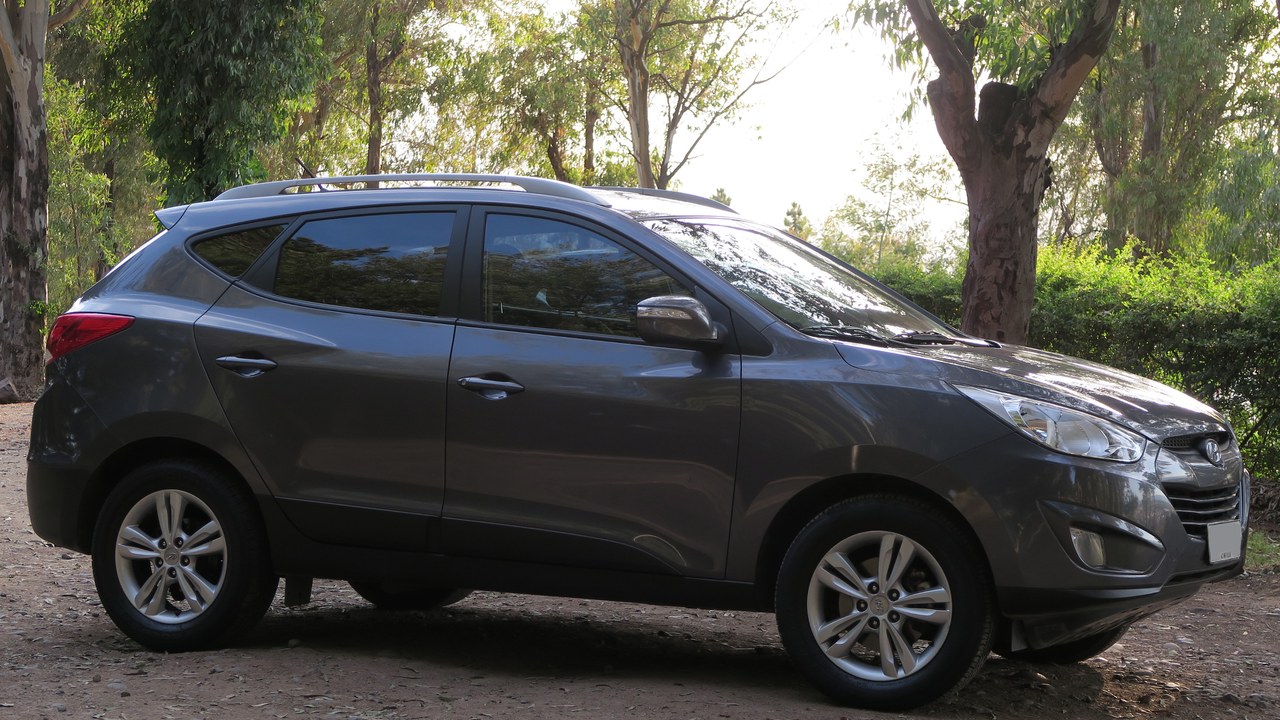
The Hyundai Tucson appears on the list of models in the Hyundai-Kia engine settlement, which targets engines prone to seizure, stalling, failure and fire. Carscoops settlement coverage notes the settlement came with a powertrain extension of 15 years or 150,000 miles.
Tucson owners and used-car shoppers can ask a dealer to confirm the car’s eligibility by VIN. Keeping oil-change records is the kind of paperwork that tends to matter if an engine claim ever comes up. Warranty extensions often depend on documented maintenance, so records are worth keeping in the glovebox.
10. Hyundai Veloster: Veloster Is Covered Too
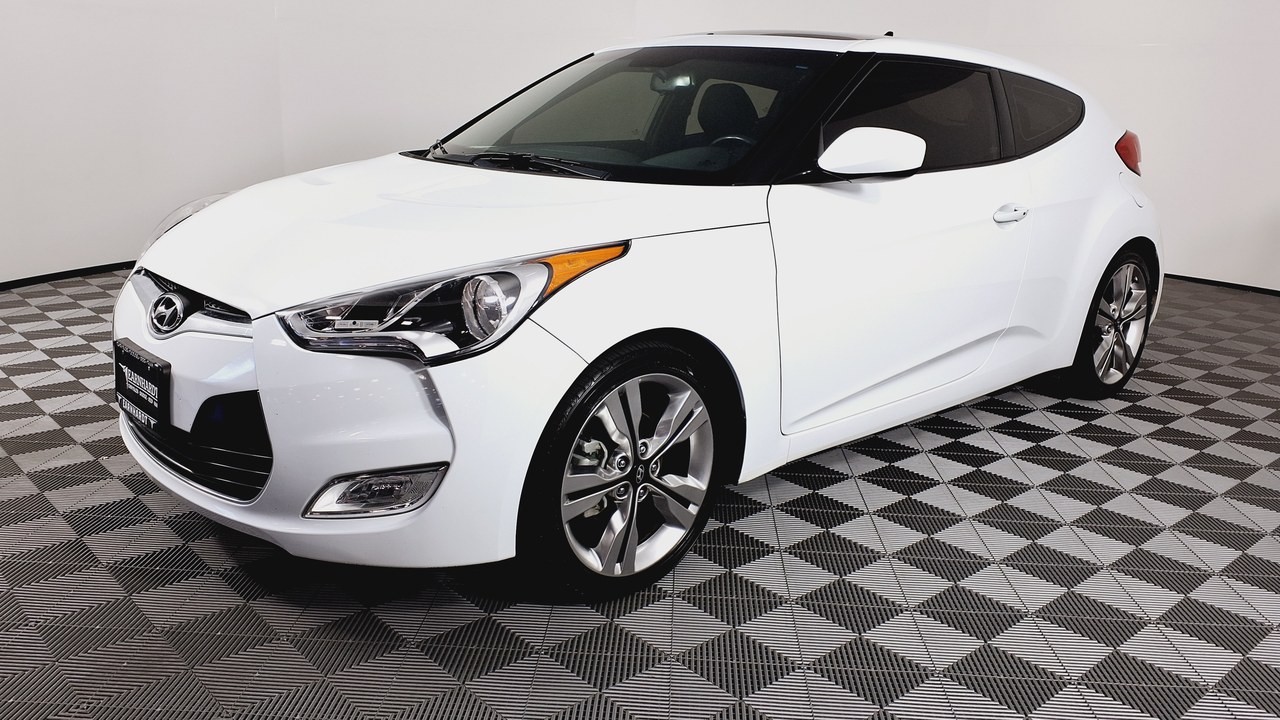
Velosters from 2012 to 2017 are on the Hyundai-Kia settlement list for engines prone to seizure, stalling, failure and fire, with powertrain coverage extended to 15 years or 150,000 miles, as Carscoops settlement summary reports.
The coverage matters most to second and third owners, who often are unaware of it. Checking a Veloster’s VIN with Hyundai or NHTSA before buying can show whether the extension and any related repairs apply. A seller who cannot supply service records is a reason to negotiate or walk away.
The day in tech, in one email: Get TLDR →
We may earn a commission if you sign up.
More from Morning Overview
- Zero Motorcycles unveiled an electric motorcycle targeted at under $8K and a street-legal dirt bike at EICMA
- The Justice Department asked courts to undo approvals for three offshore wind farms, one already making power
- Neanderthals in Spain carved a wooden object that matches nothing archaeologists have ever found
- The FAA wants $2.39 million from a flight school it says flew a Cessna about 280 times with an unapproved part
