
Volkswagen and Audi have built plenty of appealing cars, but owner complaint data and recall filings show where some of them have turned costly. Oil consumption, sludge, transmission damage, a corroding steering bolt and battery fire risk all appear in the record. Here are ten models and model years where the repair bills or safety notices stand out.
Save more, waste less: The Cool Down’s newsletter sends smart, simple changes that help you and the planet in your everyday life.
We may earn a commission if you sign up.
1. Volkswagen Jetta: Transmission Grinding
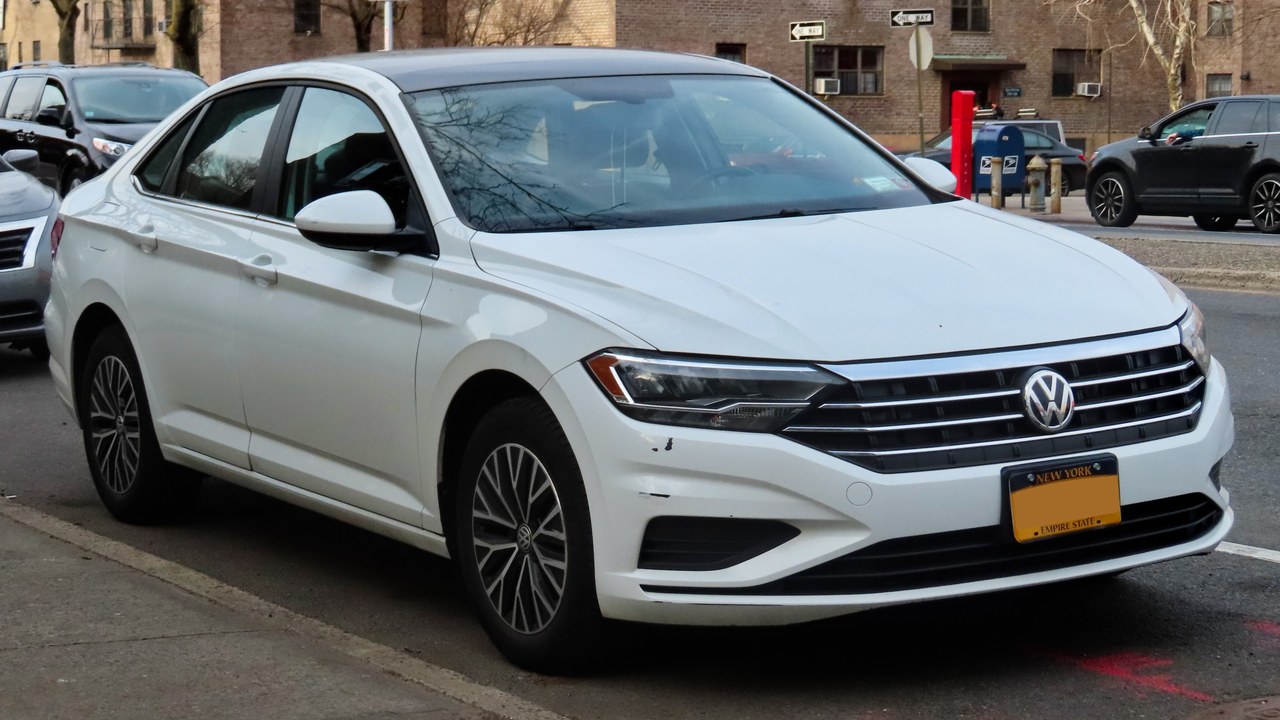
According to owner complaints filed with CarComplaints, the Jetta has 1,402 complaints, and its top problem is a CarComplaints Volkswagen overview on the 2019 model, which averages $26,000 to fix at just 17,000 miles.
That mileage is low enough that the car would often still be under factory coverage. Shoppers considering a 2019 Jetta should ask for the full service history and have the transmission checked on a long test drive. Complaint figures reflect owner reports rather than a formal count of every car sold, so they are best read as a warning sign.
2. Volkswagen Passat: Sludge Ends Engines
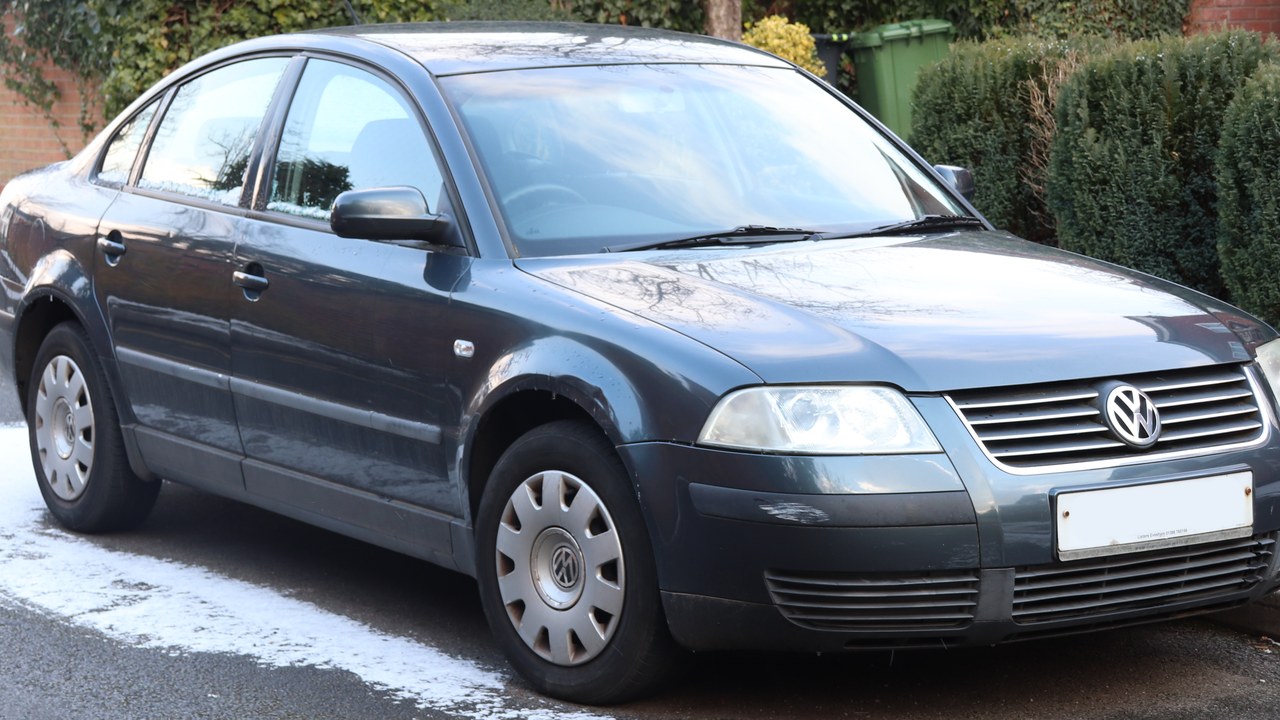
Owner reports on CarComplaints Volkswagen listing rank oil sludge resulting in engine failure on the 2002 Passat as the second-worst problem, averaging $2,800 to fix at 92,000 miles.
Sludge is tied to neglected oil changes, so records matter on an older car like this. Anyone looking at a 2002 Passat should ask for proof of regular oil service before buying. Those complaint-site figures are self-reported by owners, but the pattern is consistent enough to justify caution. Walking away from an example with no records is a defensible choice.
3. Volkswagen Atlas: Corroding Steering Bolt
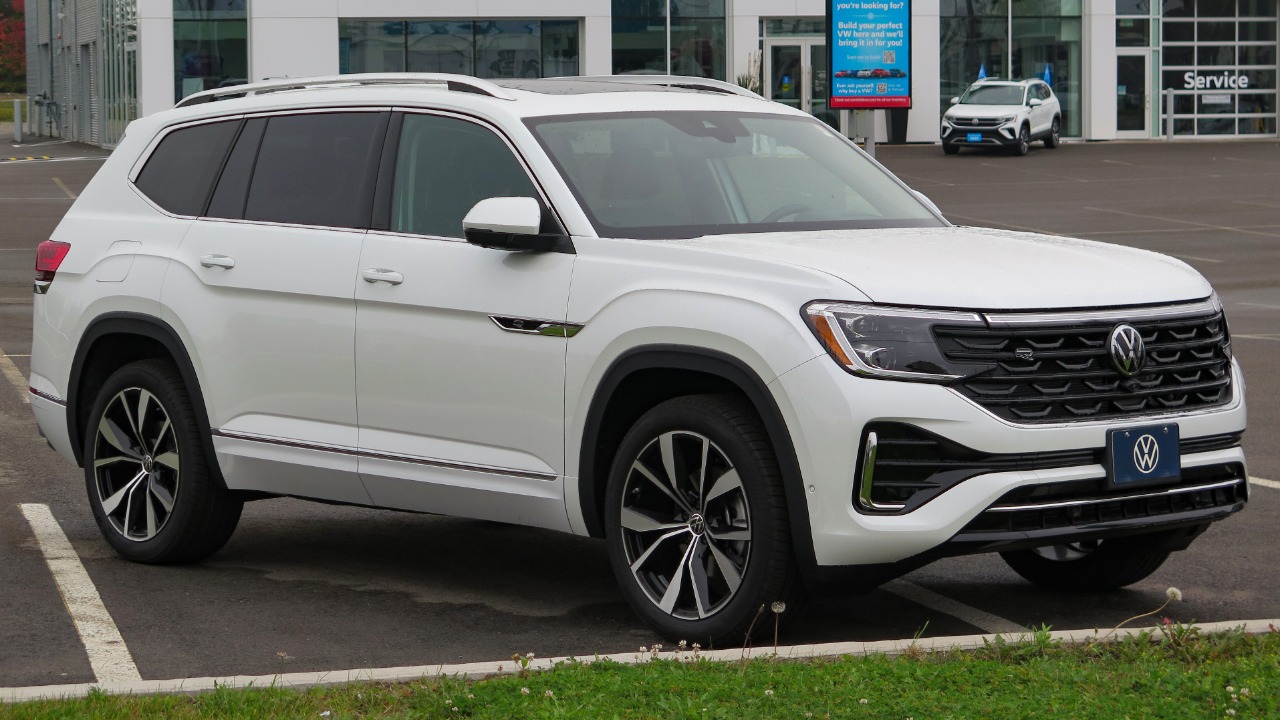
A steering-rack bolt can corrode and break on 208,724 Volkswagen Tiguans, Atlases and Audi Q3s, leaving the driver without steering control, according to the NHTSA campaign record for campaign 26V590000. The 2018-2019 Atlas is among the covered models.
Dealers handle the repair, and a VIN check at NHTSA.gov shows whether a specific Atlas is covered. A used Atlas from those years should not be bought without confirming the recall was completed. Complaint listings and recall data are both worth checking before any used purchase, and the NHTSA lookup is free and takes only a minute.
4. Audi A4: Thirsty Oil Habit
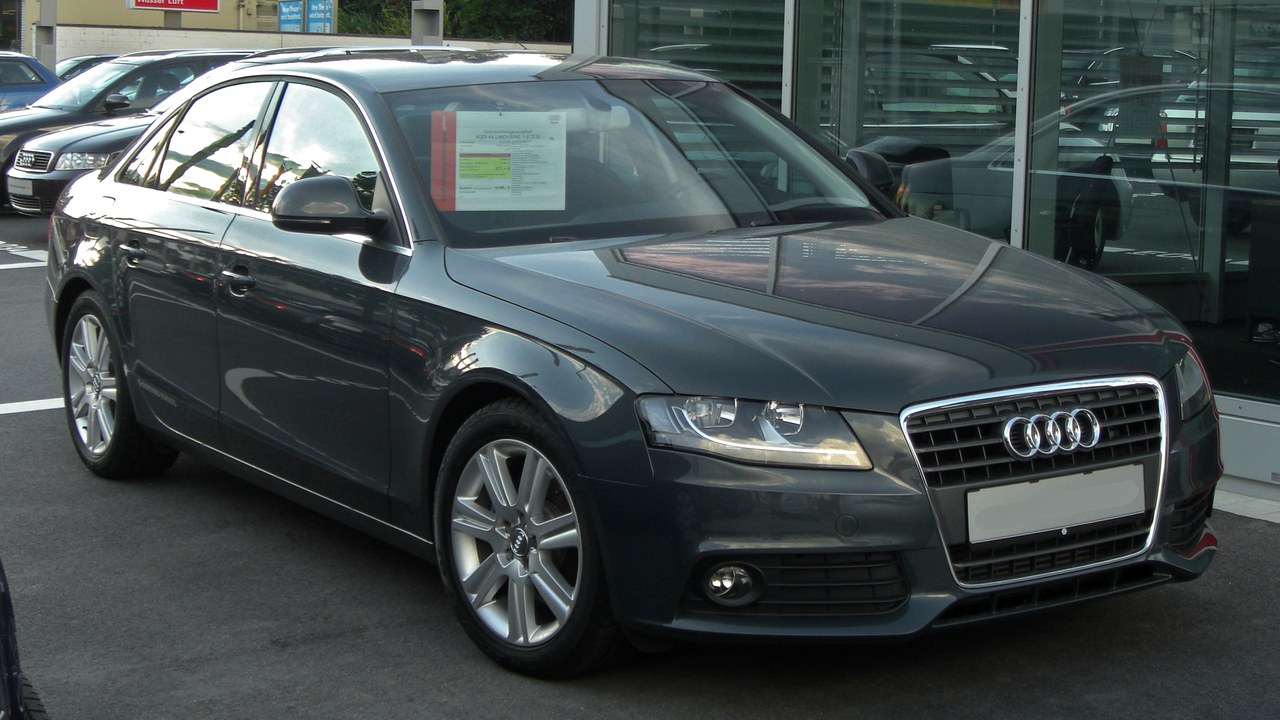
The 2011 A4 is the top Audi problem on CarComplaints Audi overview, where excessive oil usage averages $6,000 to fix at 65,000 miles. The A4 has 286 complaints in total.
Checking the oil level between changes is wise on any car with this reputation. A buyer should ask whether the engine has been repaired, and have an independent mechanic assess any 2011 example. Complaint-site averages are self-reported, so individual repair bills can come in higher or lower, but the pattern is consistent enough to justify caution when shopping.
5. Audi Q5: Oil Burn At 70,000
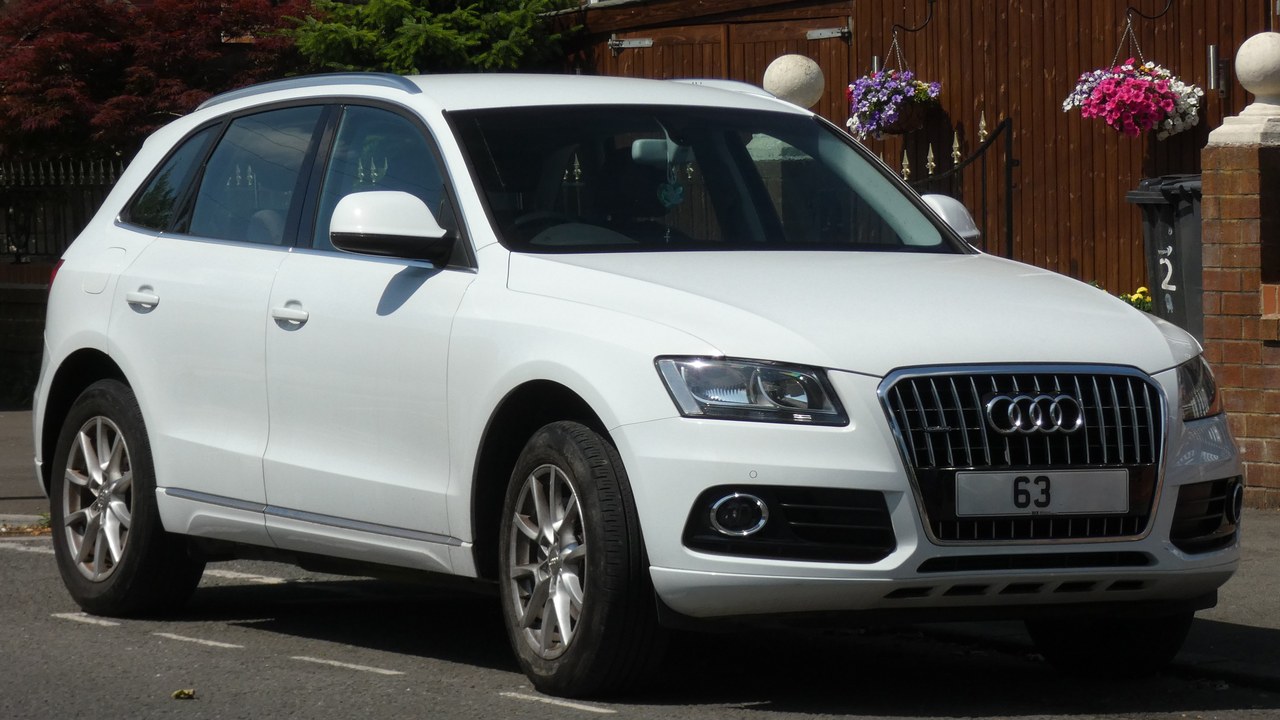
Excessive oil consumption on the 2014 Q5 averages $3,200 to fix at 70,000 miles, per the CarComplaints Audi overview, among 225 Q5 complaints.
Owners and shoppers can watch for low-oil warnings and ask for records of any engine work. A pre-purchase inspection is a reasonable expense on a used Q5 from this period. Those figures come from owner submissions, so actual bills vary by shop and by how much work an engine needs. Still, a repair estimate in the thousands is a meaningful risk to price into a used purchase, and the seller should be asked about it directly.
6. Audi A3: Early Oil Consumption
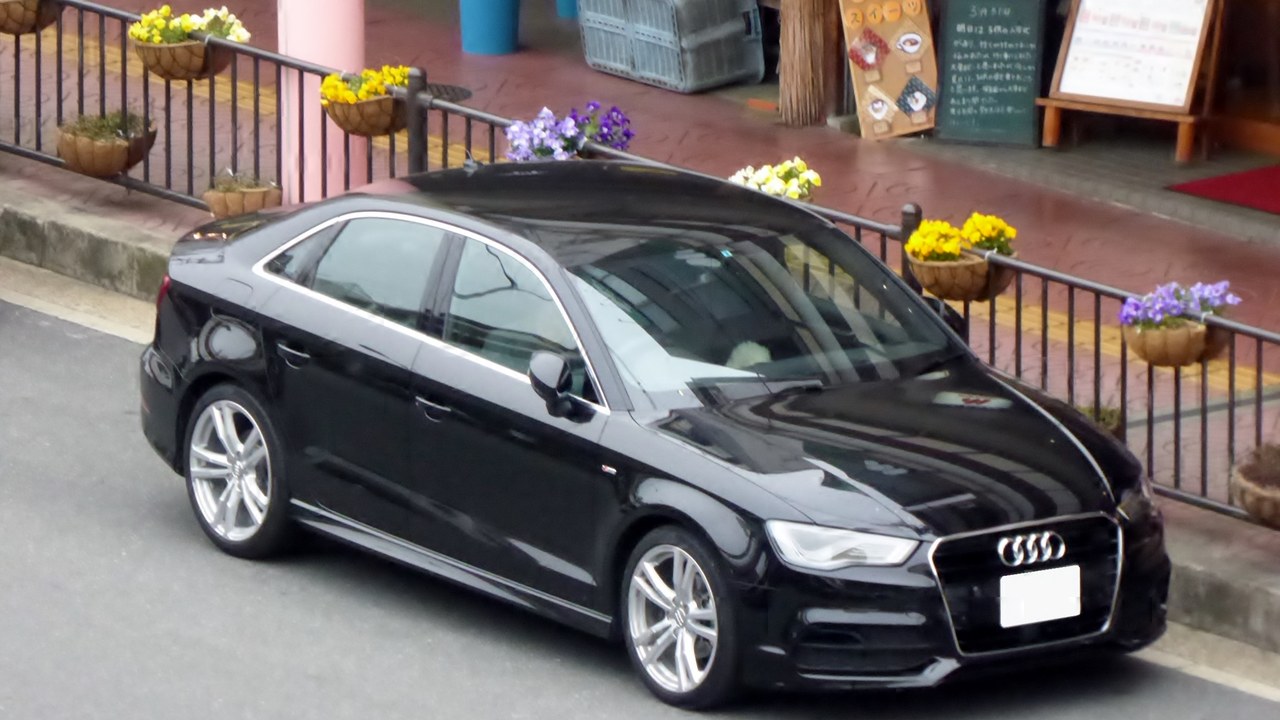
The 2015 A3 shows excessive oil consumption averaging $3,200 to fix at only 37,000 miles in the CarComplaints Audi listing.
The low mileage is the striking part, since many owners would not expect trouble that soon. Used shoppers should ask whether the oil consumption issue was ever addressed, and top off oil regularly. Since the complaint data is owner-submitted, actual bills differ by shop. A repair estimate in the thousands is still a meaningful risk to weigh in a used purchase, so the seller deserves a direct question about it.
7. Audi Q3: Same Bolt Recall
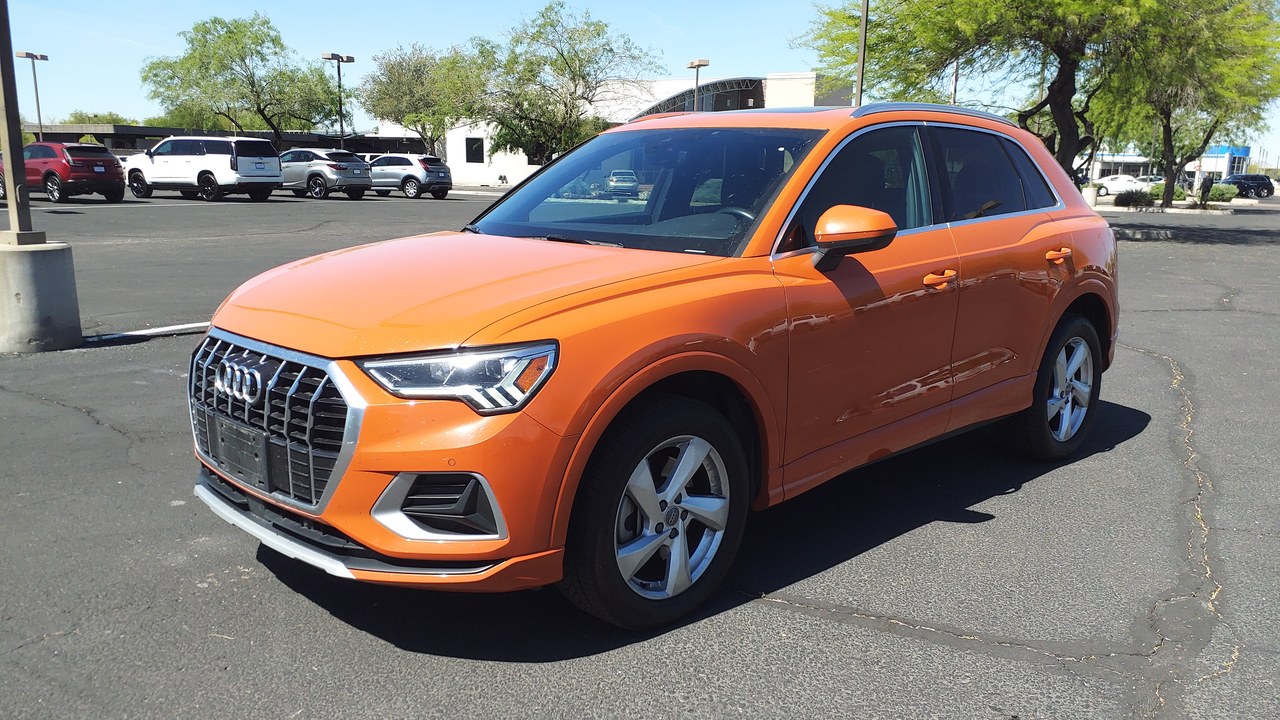
The 2019-2021 Audi Q3 is in the same 208,724-vehicle steering-rack bolt recall as the Atlas, and NHTSA says a mounting bolt may corrode and break and risk loss of steering control, per its NHTSA recall page.
Dealers will replace the right-side steering rack mounting bolt at no cost. Q3 owners should confirm the VIN is covered, and shoppers should insist the work is documented before purchase. The recall page lists the fix, but only the owner or seller can show that it was actually performed. A printed repair order from the dealer settles the question.
8. Audi e-tron: Moisture And Fire Risk

The e-tron SUV was recalled in the United States in June 2019 over battery fire risk, because moisture could seep into battery cells through a wiring harness, according to a TechCrunch recall report.
That recall dates to the model’s launch period, so the details belong to a much earlier time. Anyone shopping for a used e-tron should check the VIN for completed recall work and ask about battery health. Battery recalls of this kind typically involve inspection or replacement work at a dealer, so records of completed service are worth requesting.
9. Audi Q7: Maintenance Adds Up

CarEdge puts the Audi Q7’s 10-year maintenance at $13,147, and a mechanic in a MoneyLion maintenance feature calls German cars ‘the perfect example of what’s wrong with over-engineering’.
Estimates like this come from averages rather than any single owner’s bills. Budgeting for upkeep before buying a Q7, and getting a pre-purchase inspection, is the practical takeaway. Maintenance projections cover a decade of ownership, so they reflect long-run costs more than any single year. Anyone tempted by a lower used price should weigh it against that long-run figure and the cost of repairs.
10. Audi A7: Repair Bills List
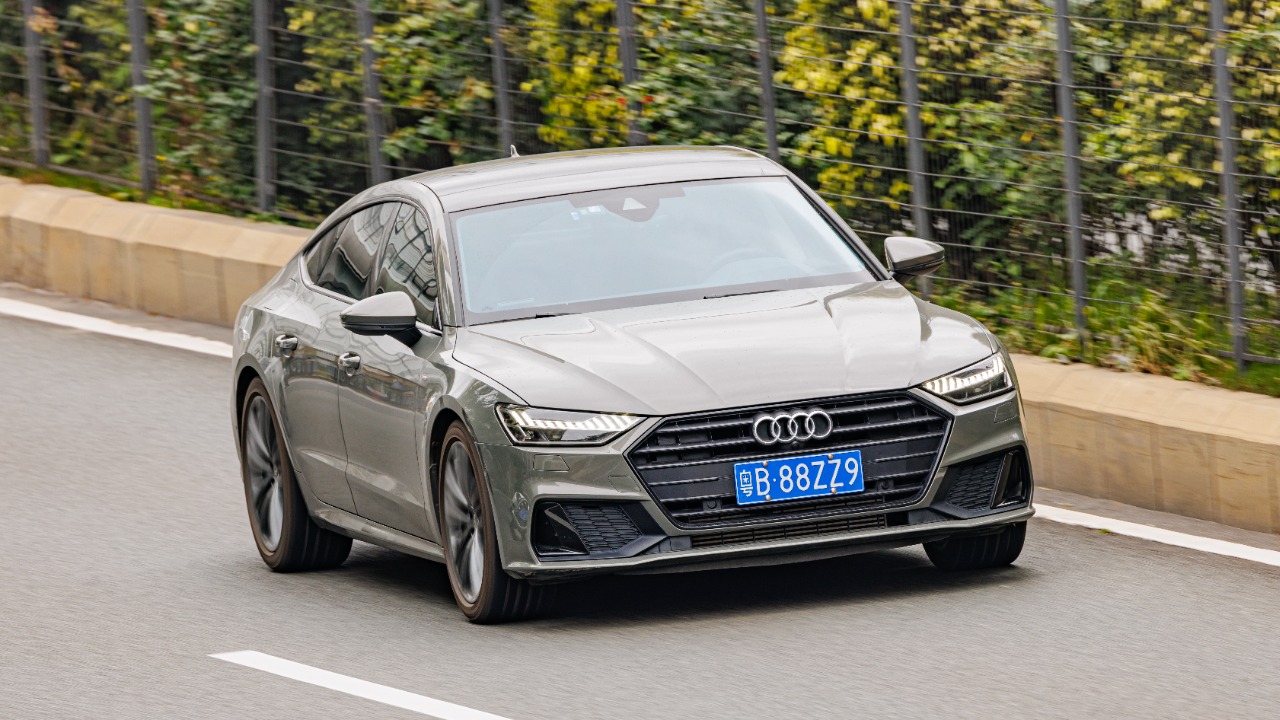
A 2019 Ratchet and Wrench list of luxury cars with high repair costs puts the Audi A7 Quattro on top, at $1,501 in average annual repair cost.
The article is several years old, so current costs may differ and the figure is best treated as a rough indicator. Shoppers can ask owners and independent shops what an A7 actually costs to maintain. It is also a single source, and the list focuses on luxury cars as a group, so it works better as a prompt to ask questions than as a firm forecast of any one owner’s costs.
Save more, waste less: Subscribe to The Cool Down →
We may earn a commission if you sign up.
More from Morning Overview
- Over 20 trillion gallons of rain fell on the Four Corners states and Nevada in two weeks
- A handful of car transmissions are so tough that mechanics say they almost never die
- Two Kentucky residents died when a small plane crashed at Missouri’s Lake of the Ozarks, and the NTSB is investigating
- 11 engines built to run well past 200,000 miles
