
Gas prices remain a daily budget line for most drivers, and crossover shoppers increasingly weigh real-world fuel economy as heavily as cargo space or price. Hybrid powertrains have narrowed the mileage gap between crossovers and sedans, letting compact SUVs post numbers once reserved for compact cars. The models below stand out for real-world gas mileage among these ten crossovers.
1. Toyota RAV4: Hybrid Efficiency Leader
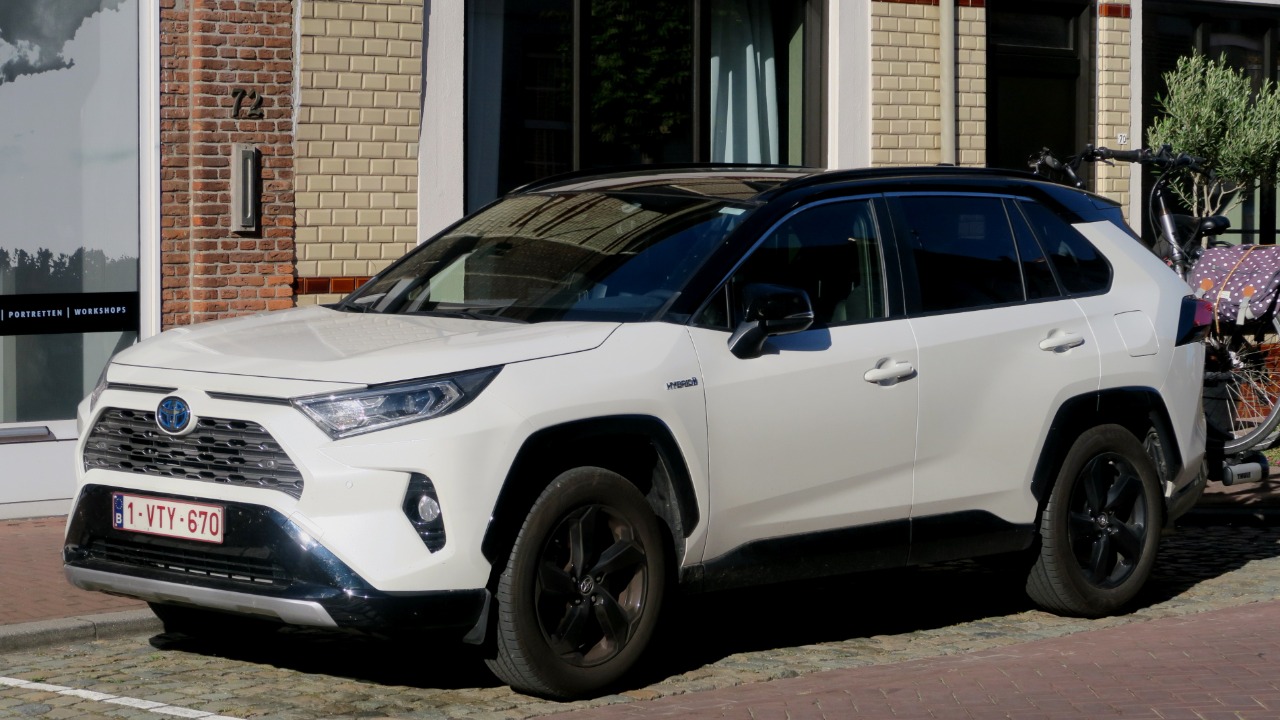
The Toyota RAV4 Hybrid pairs a 2.5-liter engine with an electric-assist all-wheel-drive system that consistently returns EPA-rated combined mileage in the low 40s, a figure most owners report matching in real-world mixed driving. Toyota’s hybrid powertrain design uses regenerative braking and an electric motor on the rear axle to recover energy a gas-only crossover would waste in stop-and-go traffic.
Its popularity has made the RAV4 Hybrid one of the best-selling vehicles in the country, though buyers in some regions still face waitlists and dealer markups for the most efficient trims.
2. Honda CR-V: Frugal Hybrid Standout
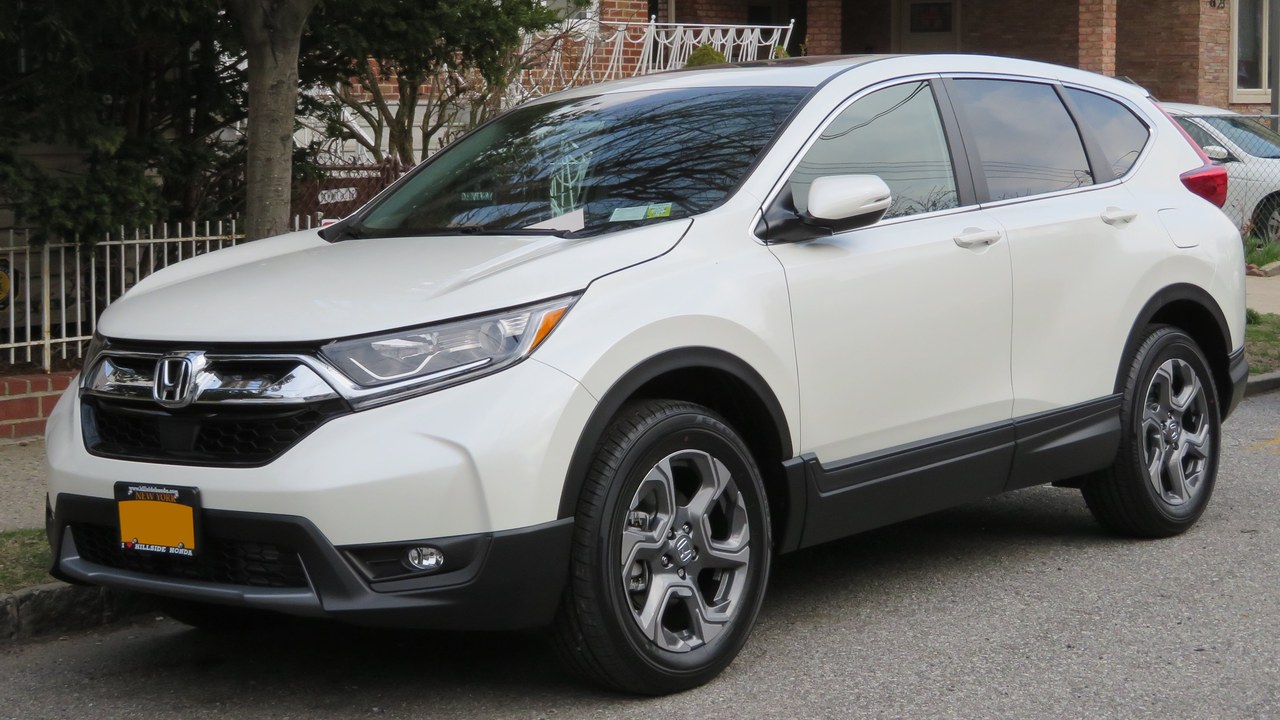
The Honda CR-V Hybrid combines a 2.0-liter engine with two electric motors in a system that lets the crossover run on electric power alone at low speeds, which is why owners routinely report real-world mileage in the high 30s to low 40s. Honda’s two-motor hybrid system shifts seamlessly between gas and electric propulsion depending on load and speed.
The CR-V Hybrid also carries one of the more spacious cabins in its class, so drivers do not sacrifice interior room to get the added efficiency.
3. Hyundai Tucson: Hybrid Fuel Stretcher
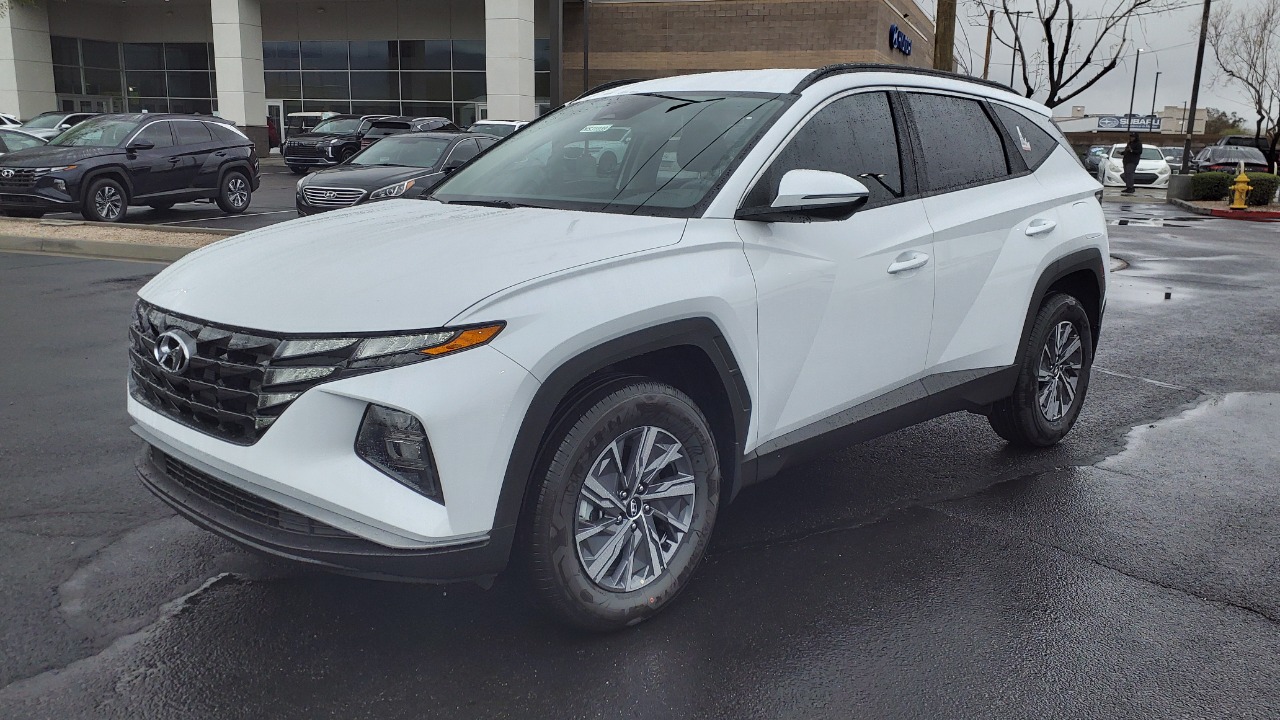
The Hyundai Tucson Hybrid uses a turbocharged 1.6-liter engine paired with an electric motor and a six-speed automatic, a combination that routinely delivers real-world mileage well above the non-hybrid Tucson’s numbers, especially in stop-and-go city driving where the electric motor carries more of the load. Hyundai’s turbo hybrid setup favors low-end electric torque, which reduces the engine’s workload and helps the crossover avoid the fuel penalty that usually comes with added all-wheel-drive hardware.
The Tucson Hybrid is also one of the more affordable hybrid crossovers on sale, undercutting several rivals with a similar mileage edge, which makes it a common cross-shop for buyers balancing price against long-term fuel savings.
4. Kia Sportage: Shared Hybrid Efficiency
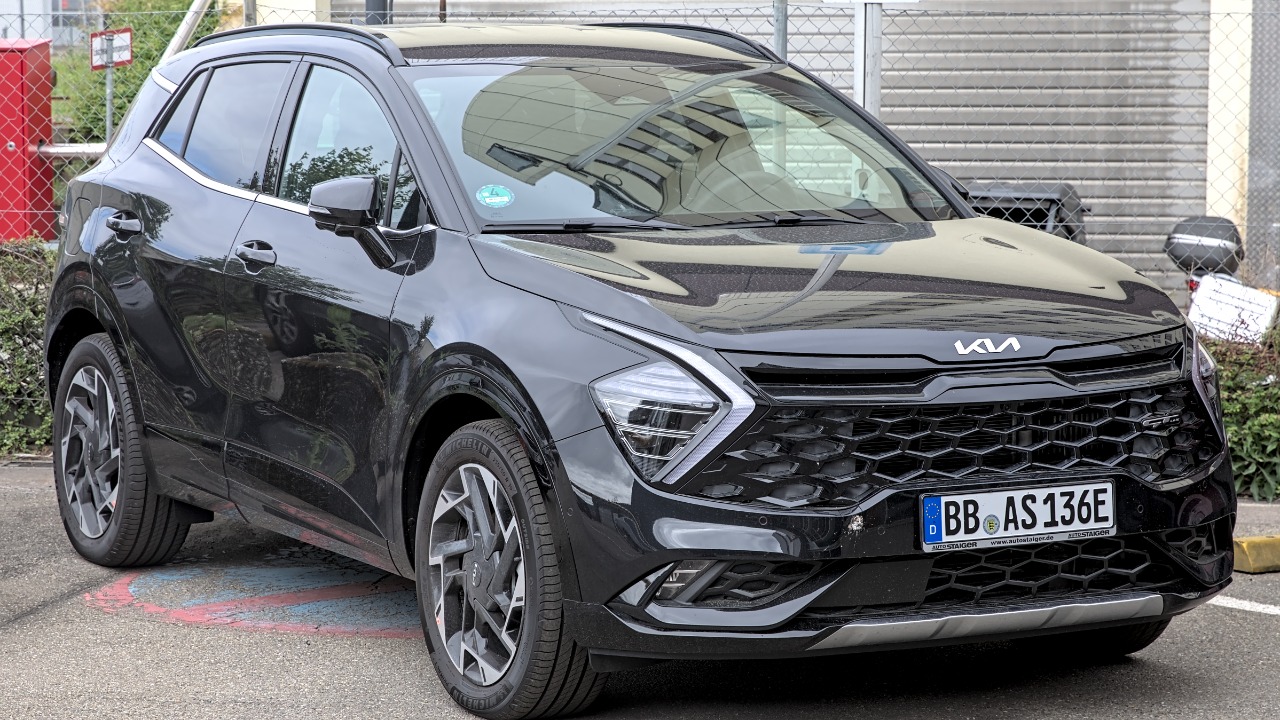
The Kia Sportage Hybrid rides on the same turbo hybrid powertrain as the Tucson, giving it comparable real-world mileage in the low-to-mid 30s combined depending on trim and drivetrain, with front-wheel-drive versions edging out the all-wheel-drive option at the pump. Kia’s corporate hybrid architecture lets both siblings share development costs while each keeps its own styling and feature set.
Buyers cross-shopping the Sportage and Tucson hybrids often end up choosing on styling, warranty terms, and dealer pricing rather than mileage, since the two post nearly identical real-world numbers.
5. Ford Escape: City Mileage Winner
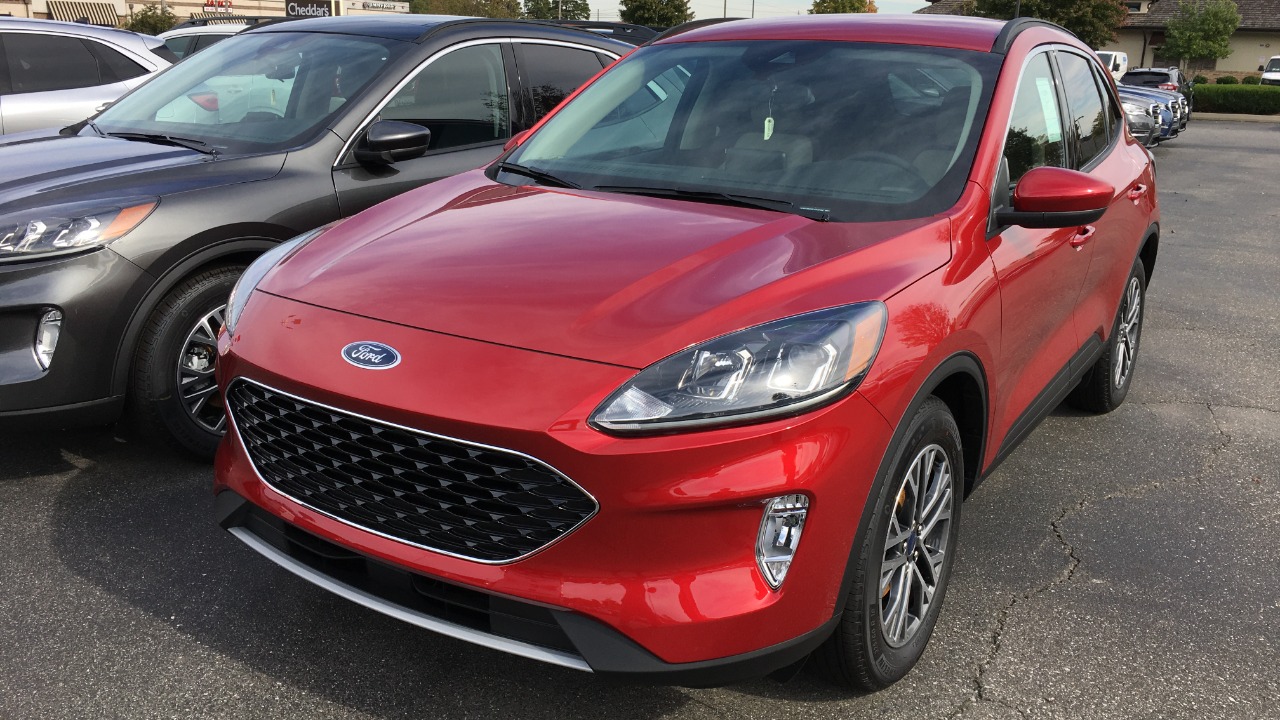
The Ford Escape Hybrid pairs a 2.5-liter engine with an electric motor tuned for stop-and-go driving, and owners consistently report some of the strongest city mileage in the segment, a byproduct of a system built to lean on electric power at low speed. Ford’s hybrid drivetrain tuning favors electric-only operation at parking-lot and neighborhood speeds, where a conventional engine is least efficient.
Highway mileage narrows the gap versus rivals, so the Escape Hybrid’s biggest efficiency edge shows up mainly for commuters who spend more time in heavier, slower-moving traffic than on the open road.
6. Nissan Rogue: Turbo-Three Sipper

The Nissan Rogue drops the traditional four-cylinder for a smaller turbocharged three-cylinder engine, a downsizing move that helps it post real-world mileage competitive with some hybrids despite lacking any electric assistance at all. Nissan’s variable-compression turbo engine adjusts its compression ratio on the fly, shifting toward efficiency under light throttle and toward power when the driver demands it.
Because it is not a hybrid, the Rogue’s mileage still trails the true class leaders, but it comfortably beats most conventionally-engined crossovers of similar size and price.
7. Mazda CX-50: Efficient Hybrid Newcomer
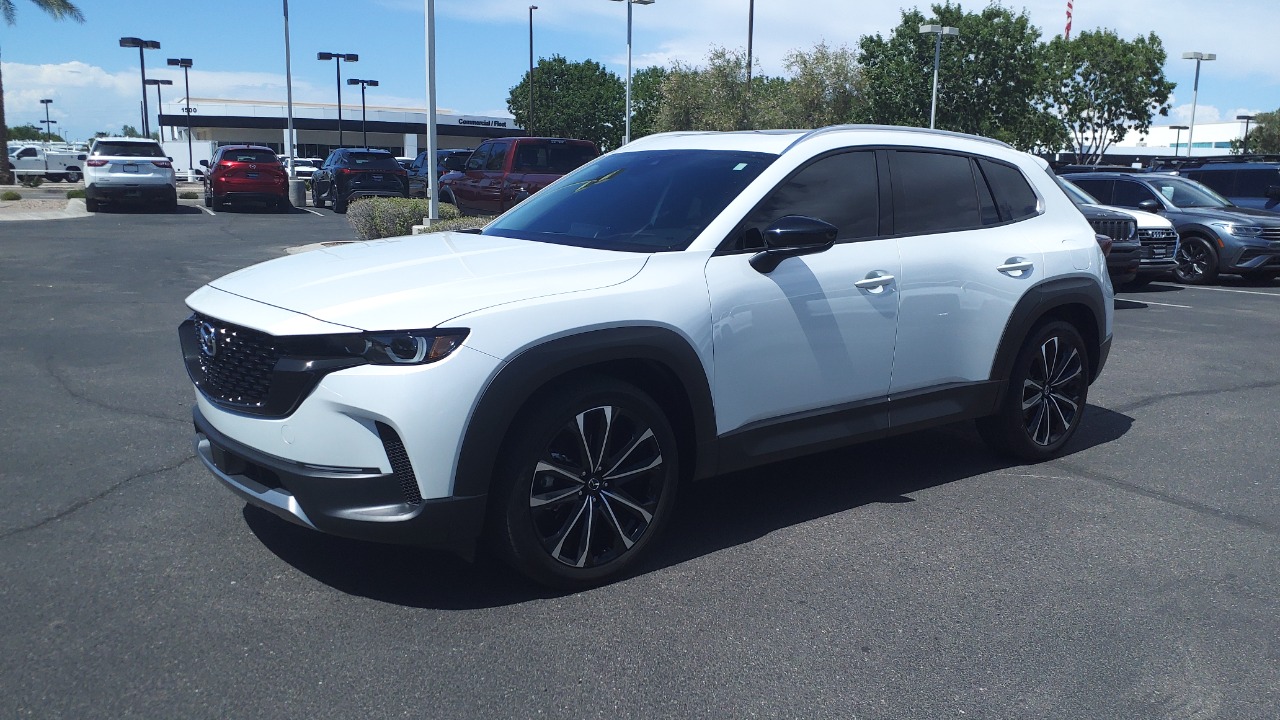
The Mazda CX-50 Hybrid borrows its powertrain from Toyota rather than developing one in-house, using the same efficient hybrid system found in the RAV4 to deliver strong real-world mileage in a more style-focused body. Mazda’s Toyota-sourced hybrid deal let the automaker add an efficient option quickly, without spending years engineering its own hybrid system from the ground up.
The arrangement means Mazda loyalists finally get RAV4-level mileage without switching brands, closing a gap in the lineup that had persisted for years.
8. Subaru Crosstrek: Light AWD Achiever
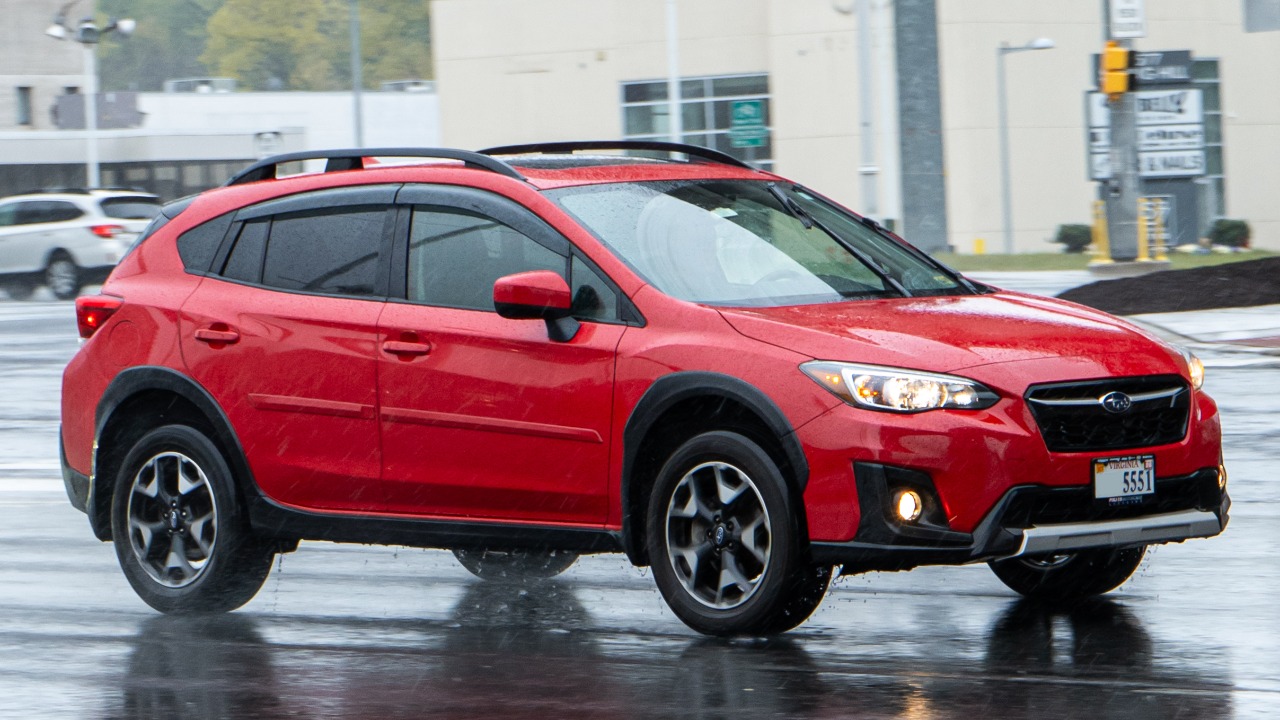
The Subaru Crosstrek keeps real-world mileage relatively high for a standard all-wheel-drive crossover mainly because it is smaller and lighter than nearly every other vehicle on this list. Subaru’s standard AWD system normally costs a mileage penalty versus front-wheel-drive-only competitors, but the Crosstrek’s compact size and modest curb weight offset much of that trade-off.
A hybrid version exists too, though the standard gas engine already performs well enough on its own that many buyers skip the upgrade and keep the simpler, cheaper powertrain.
9. Toyota Corolla Cross: Compact Hybrid Champion
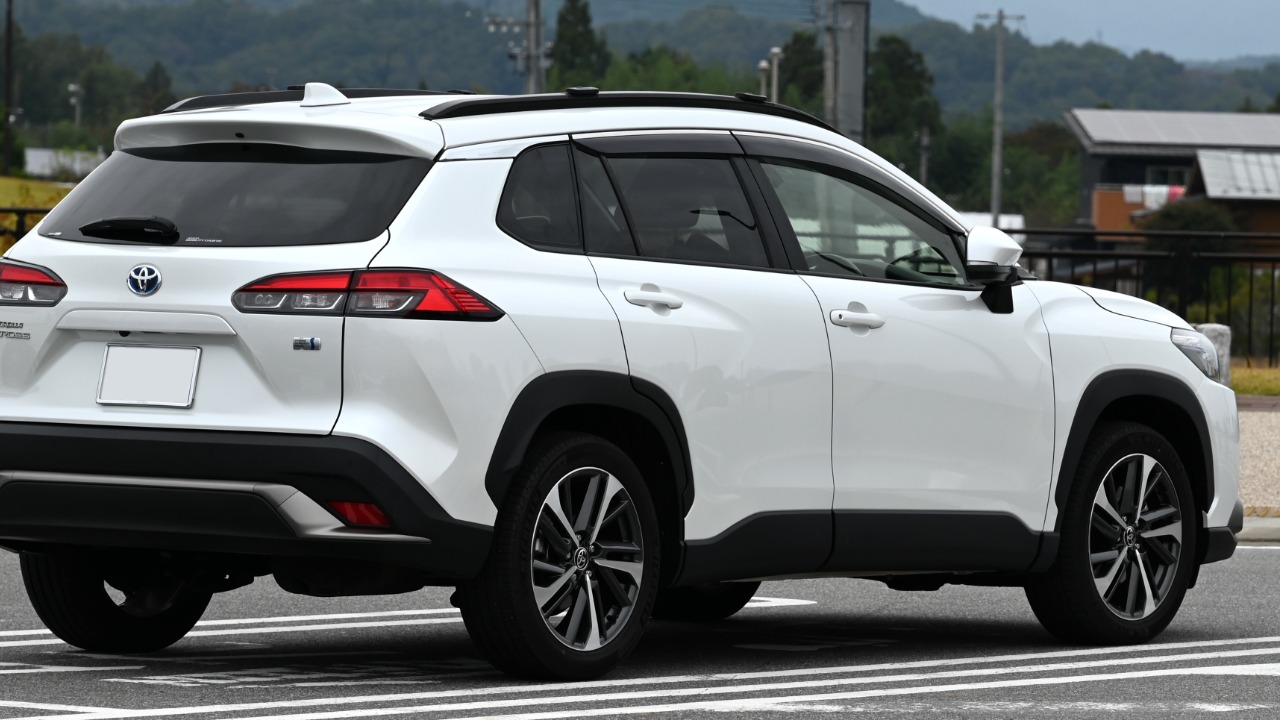
The Toyota Corolla Cross Hybrid is the smallest and lightest vehicle on this list, and that combination lets its hybrid powertrain top 40 mpg in real-world mixed driving without needing a bigger battery or motor. Toyota’s compact hybrid platform shares core hybrid hardware with the larger RAV4 but benefits from noticeably less mass to move.
The trade-off is less cargo and passenger room than the RAV4, which is the compromise many buyers accept in exchange for the extra mileage and a lower price tag.
10. Kia Niro: Purpose-Built Economy
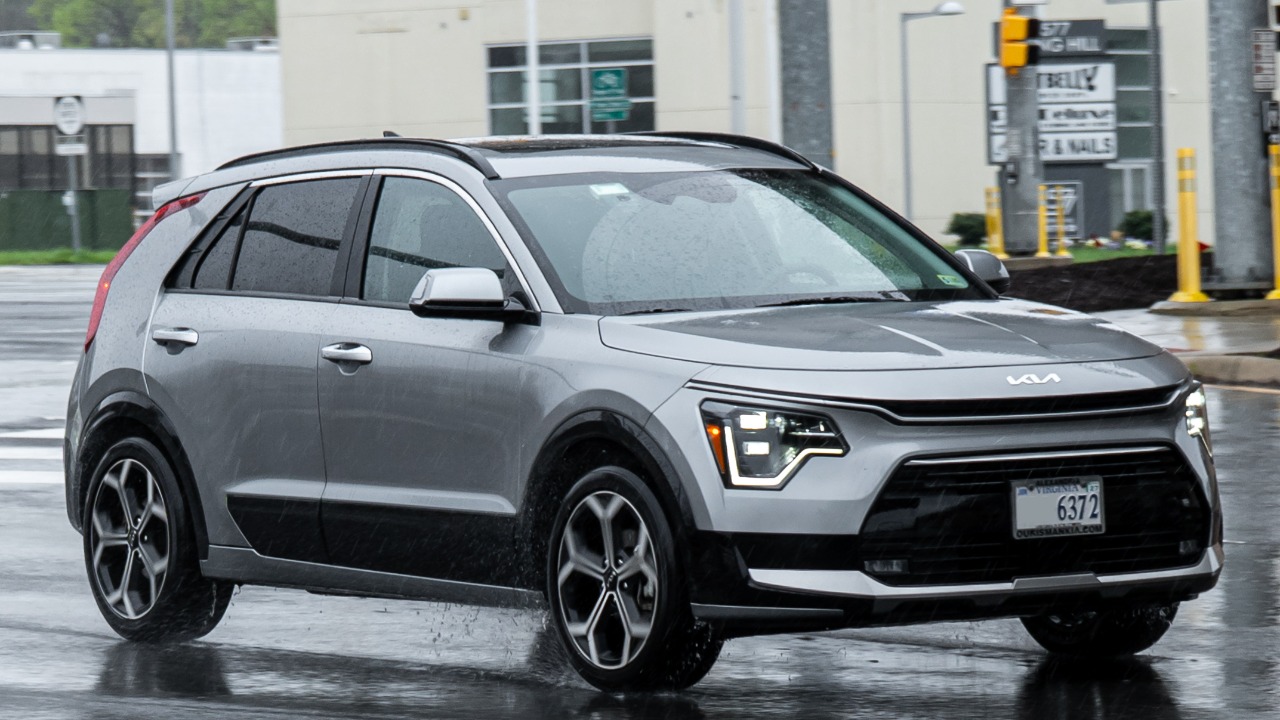
The Kia Niro was designed around efficiency from the outset rather than adapted from an existing conventional crossover, and its hybrid model routinely posts some of the best real-world mileage in the entire class. Kia’s dedicated hybrid platform was engineered specifically around the battery and motor rather than shoehorning them into a design built for a gas engine.
A plug-in hybrid version pushes mileage even further for drivers who can charge regularly, though the standard hybrid remains the volume seller thanks to its lower upfront price.
More from Morning Overview
