
Few objects trigger nostalgia quite like the game console that once dominated a childhood living room. From wood-grained pioneers to sleek disc-readers, each machine below reshaped how families played and what home entertainment could be. These ten classic systems, spanning roughly a quarter-century, trace the industry’s climb from simple pixels to lifelike worlds and living-room dominance.
1. Atari 2600: The console that launched home gaming
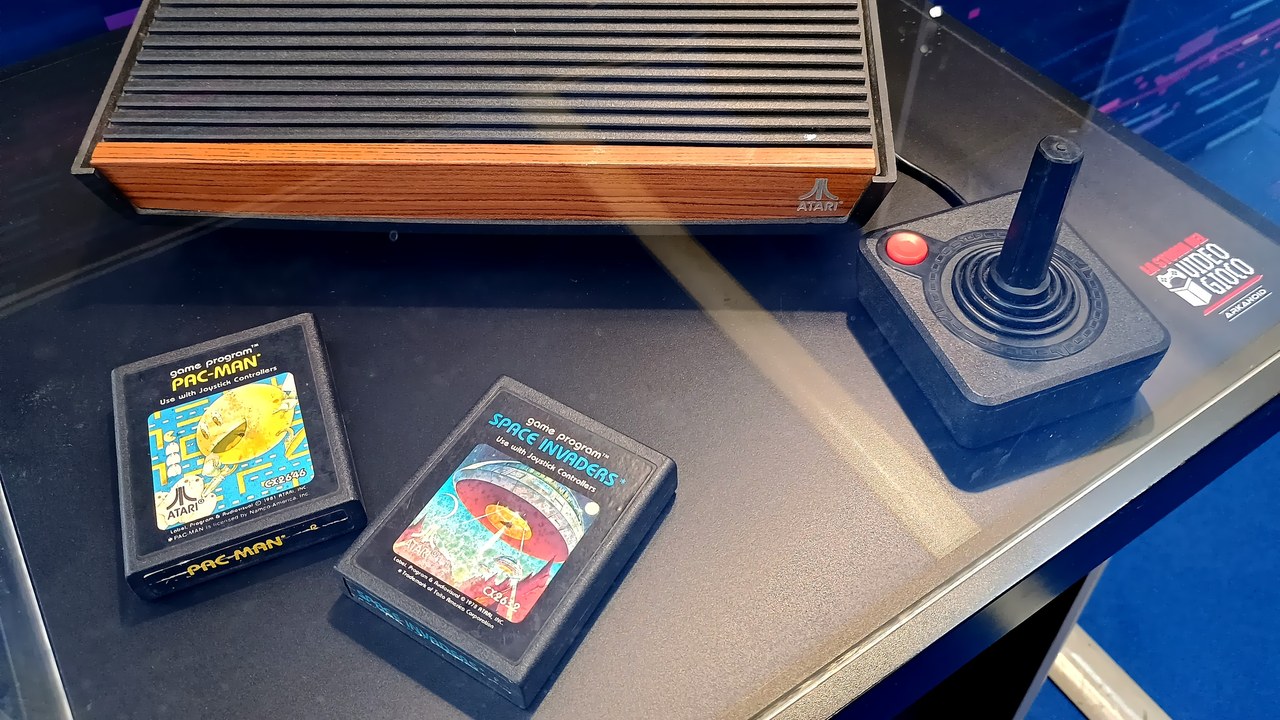
Released in 1977, the Atari 2600 brought interchangeable-cartridge gaming into American homes and turned Atari into a household name. Its woodgrain front panel, silver switches, and single-button joystick became instantly recognizable fixtures of late-1970s and early-1980s living rooms.
Titles such as Space Invaders and Pac-Man drove sales into the tens of millions of units and helped define an entire generation of players. Though the 1983 industry crash battered its fortunes, the machine remains a foundational symbol of how video games first arrived at home, and its influence still echoes through the consoles that followed.
2. Nintendo Entertainment System: The NES that revived the industry
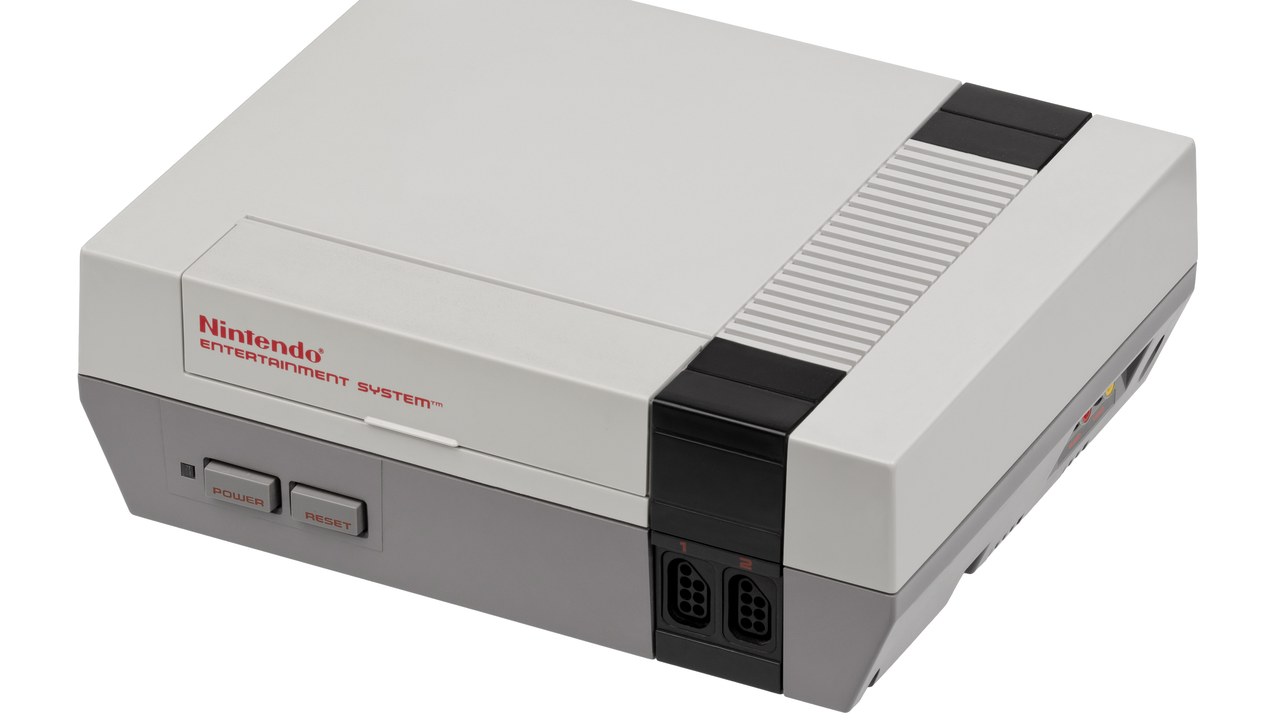
After the 1983 crash gutted American gaming, Nintendo’s Nintendo Entertainment System arrived in 1985 and rebuilt the shattered market almost single-handedly. Its front-loading cartridge slot, boxy gray shell, and simple rectangular controller quickly became familiar fixtures in homes across the country.
Strict quality control and blockbuster franchises like Super Mario Bros. and The Legend of Zelda restored consumer trust and drew wary developers back. By the end of the decade, the system had sold tens of millions of units and firmly reestablished home consoles as a mainstream American pastime.
3. Sega Genesis: Sega’s 16-bit challenger
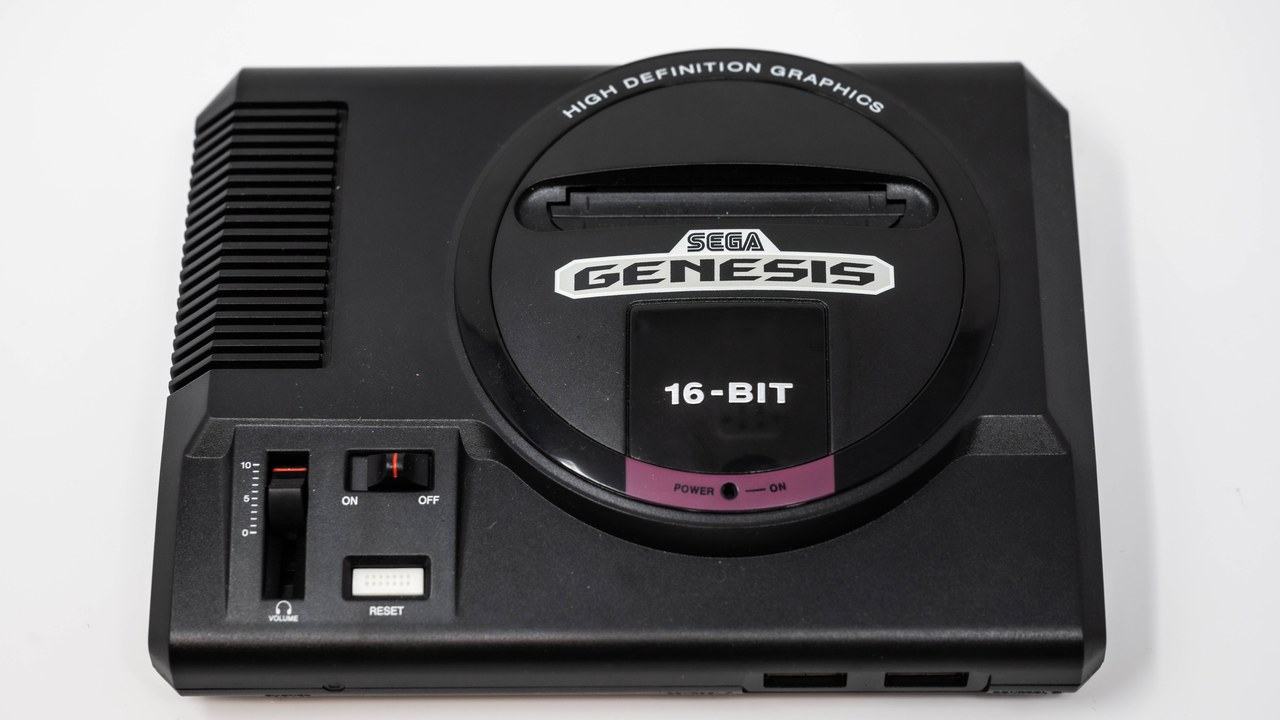
Launched in North America in 1989, the Sega Genesis pushed home gaming firmly into the 16-bit era with faster action and sharper, more colorful graphics. Its sleek black casing and bold marketing positioned Sega as a daring, edgier alternative to Nintendo.
Sonic the Hedgehog gave the system a rebellious blue mascot and fueled a fierce console rivalry that reshaped the entire industry. Aggressive advertising and a deep sports and arcade lineup helped the console capture significant market share, cementing its place as one of the era’s most defining machines.
4. Super Nintendo Entertainment System: The 16-bit Nintendo icon
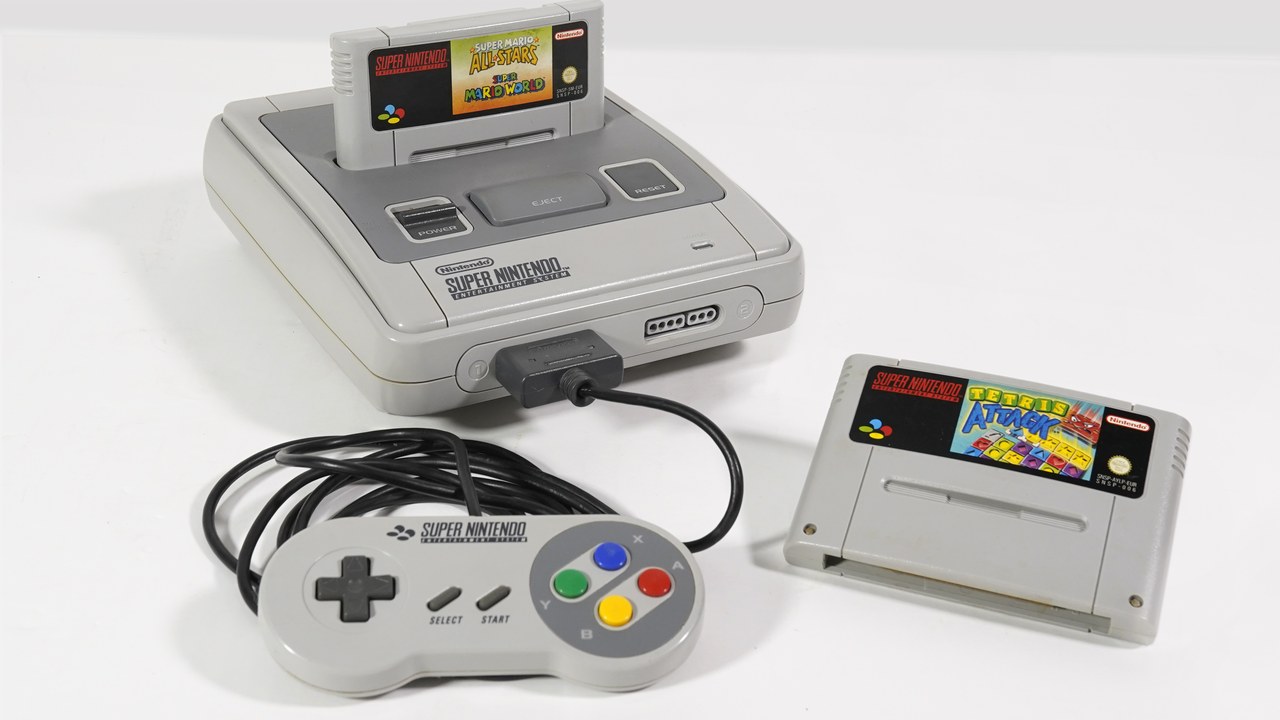
Nintendo answered Sega in 1991 with the Super Nintendo Entertainment System, a 16-bit powerhouse celebrated for its rich color palette and layered, scrolling visuals. Its rounded controller added two shoulder buttons that meaningfully expanded how games could be designed and played.
Landmark releases such as Super Mario World, A Link to the Past, and Super Metroid showcased the hardware’s remarkable depth and polish. Prized for a celebrated library and its lasting influence on game design, the system endures today as a treasured favorite among collectors and retro enthusiasts everywhere.
5. Sony PlayStation: The disc console that went mainstream
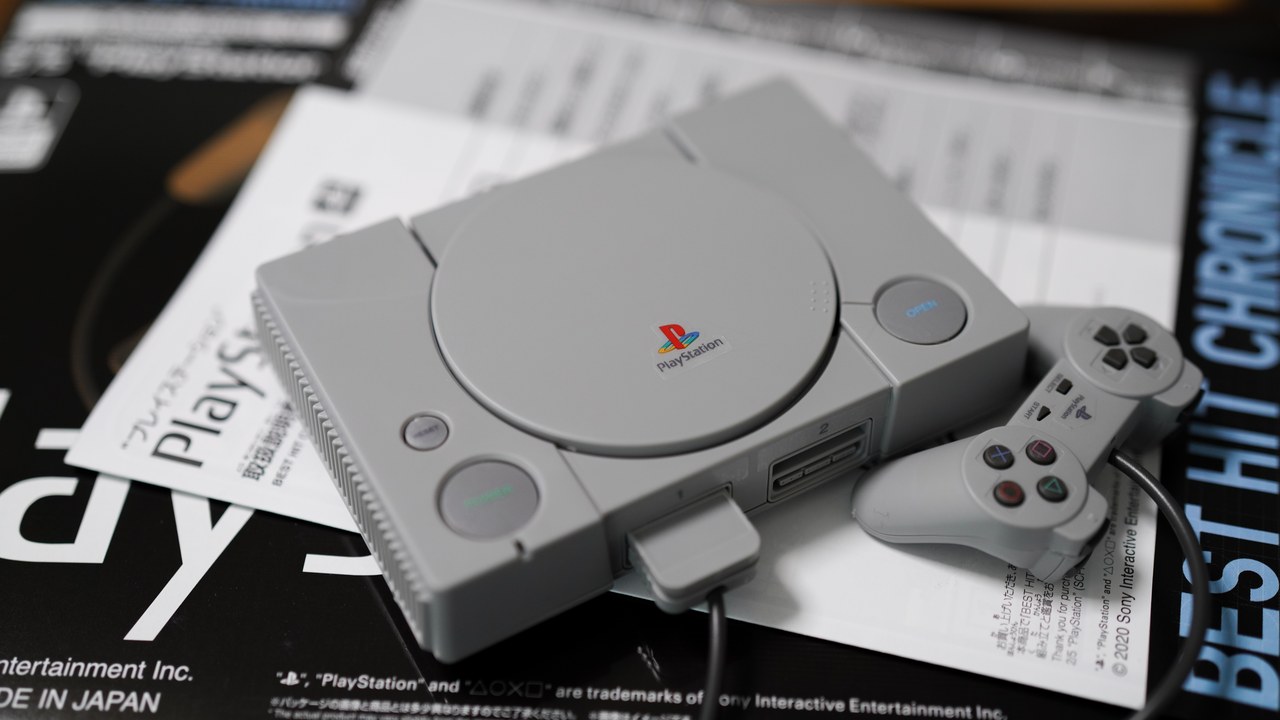
Sony entered the console business in 1994 with the original PlayStation, which abandoned cartridges in favor of cheaper, higher-capacity CD-ROMs. The sleek gray, disc-based machine helped expand gaming’s audience well beyond the traditional base of children and teenagers.
A deep library of 3D titles, from Final Fantasy VII to Gran Turismo and Metal Gear Solid, made the disc format a cultural mainstay. Becoming the first console to ship more than 100 million units, the PlayStation proved discs were the future and established Sony as a dominant force in gaming.
6. Nintendo 64: The cartridge 3D pioneer
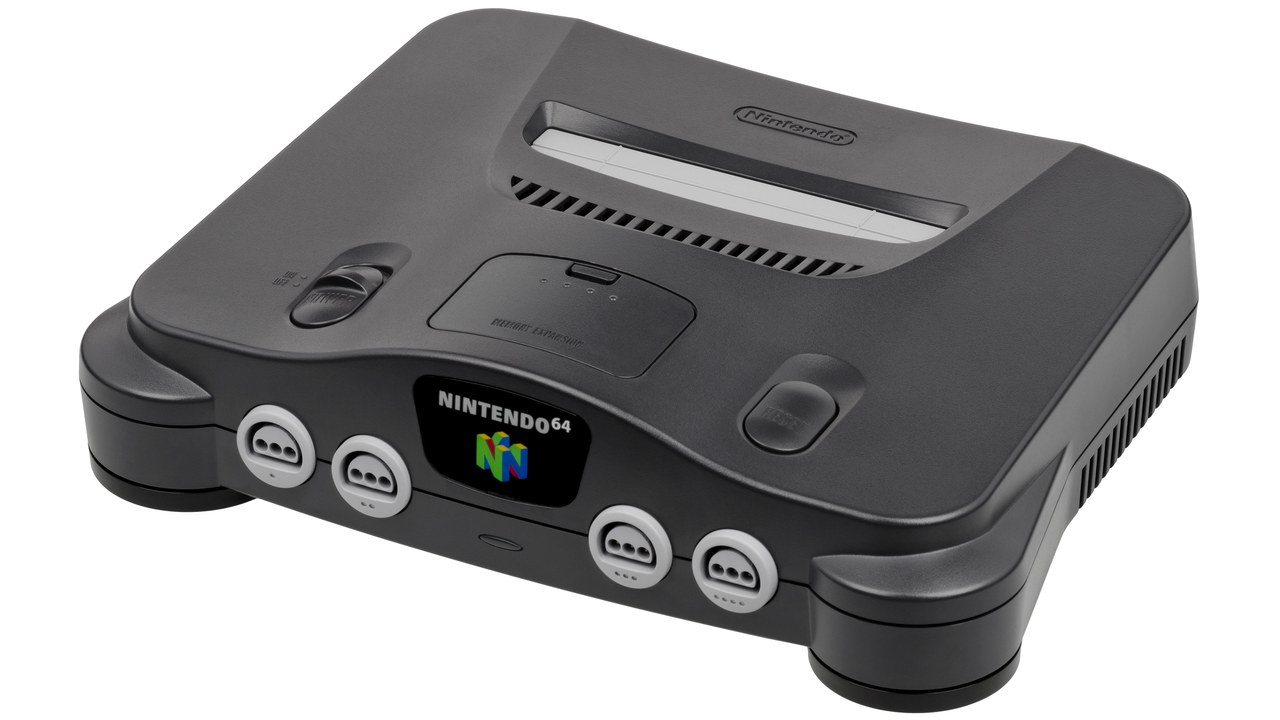
Arriving in 1996, the Nintendo 64 stuck stubbornly with cartridges while delivering genuinely groundbreaking three-dimensional worlds. Its distinctive three-pronged controller introduced an analog stick that fundamentally reshaped how players moved through and navigated virtual spaces.
Super Mario 64 and Ocarina of Time set enduring standards for 3D design, movement, and camera control that developers studied for years. Four built-in controller ports also made it a living-room staple for multiplayer nights, with GoldenEye 007 turning split-screen shooters into a social event for an entire generation.
7. Sega Dreamcast: The ahead-of-its-time online console
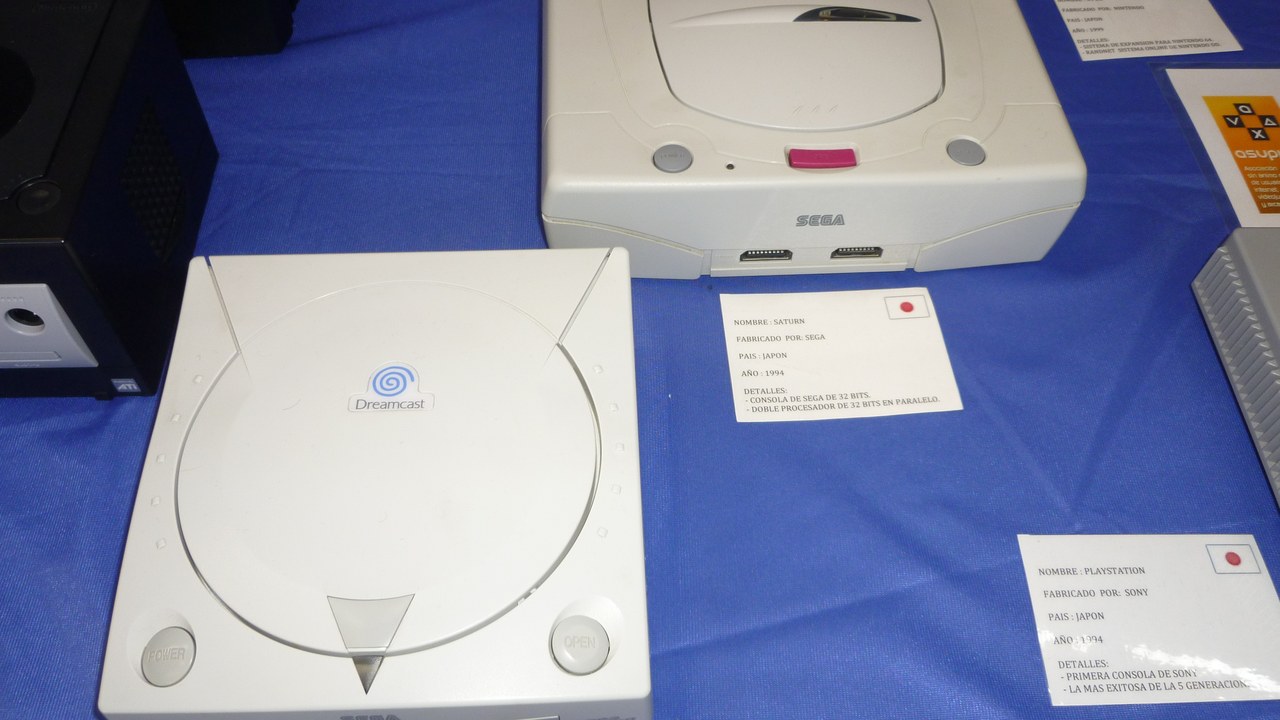
Sega’s Dreamcast launched in North America in 1999 as the very first sixth-generation home console. Notably, it shipped with a built-in modem, letting players compete against strangers online years before its rivals fully embraced internet play.
A memorable launch lineup including Sonic Adventure, Soul Calibur, and Crazy Taxi earned critical praise for the ambitious, powerful machine. Financial pressure and the looming PlayStation 2 cut its commercial life short by 2001, yet the Dreamcast is now remembered fondly as a forward-thinking system that simply arrived too early.
8. Sony PlayStation 2: The best-selling console ever
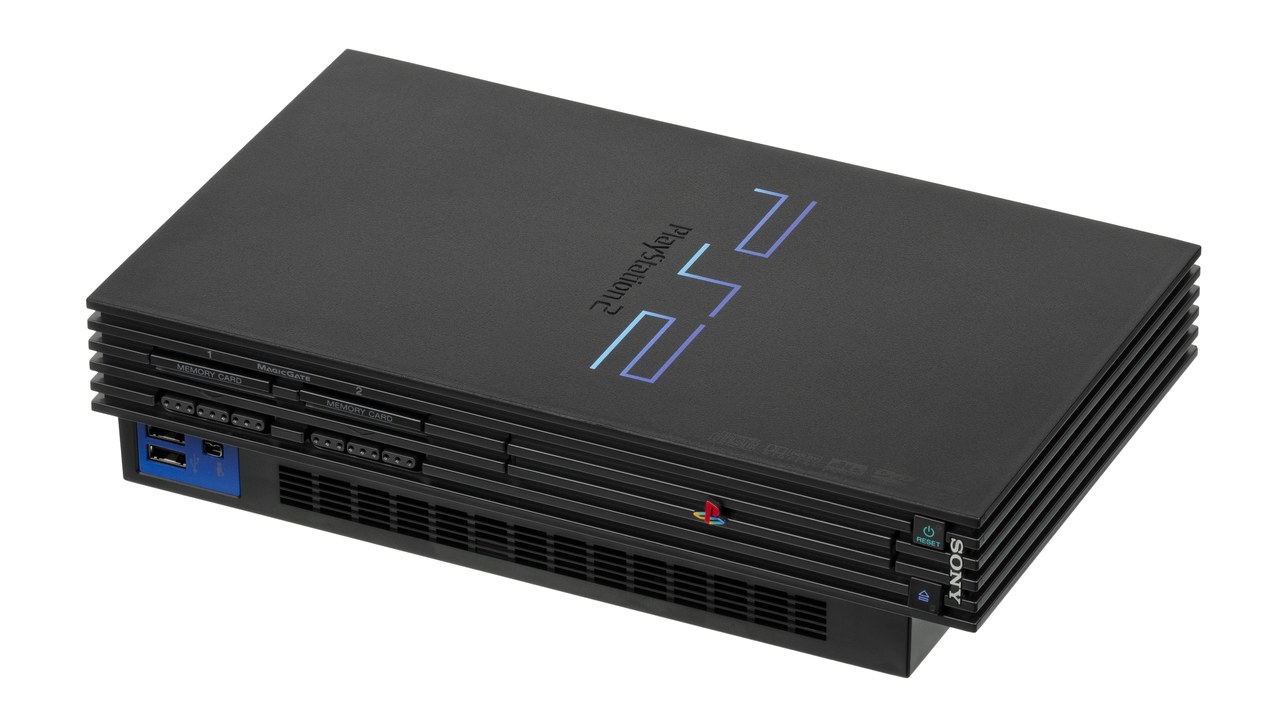
Released in 2000, the PlayStation 2 paired an enormous game library with a built-in DVD player, effectively doubling as an affordable home-theater device. That clever combination drew both dedicated gamers and casual film fans into stores in staggering numbers.
Its sprawling catalog spanned genres from Grand Theft Auto to Guitar Hero, keeping the system relevant and selling for well over a decade. Moving more than 155 million units worldwide, it stands as the best-selling home console in history and a defining fixture of early-2000s entertainment.
9. Microsoft Xbox: Microsoft’s debut console
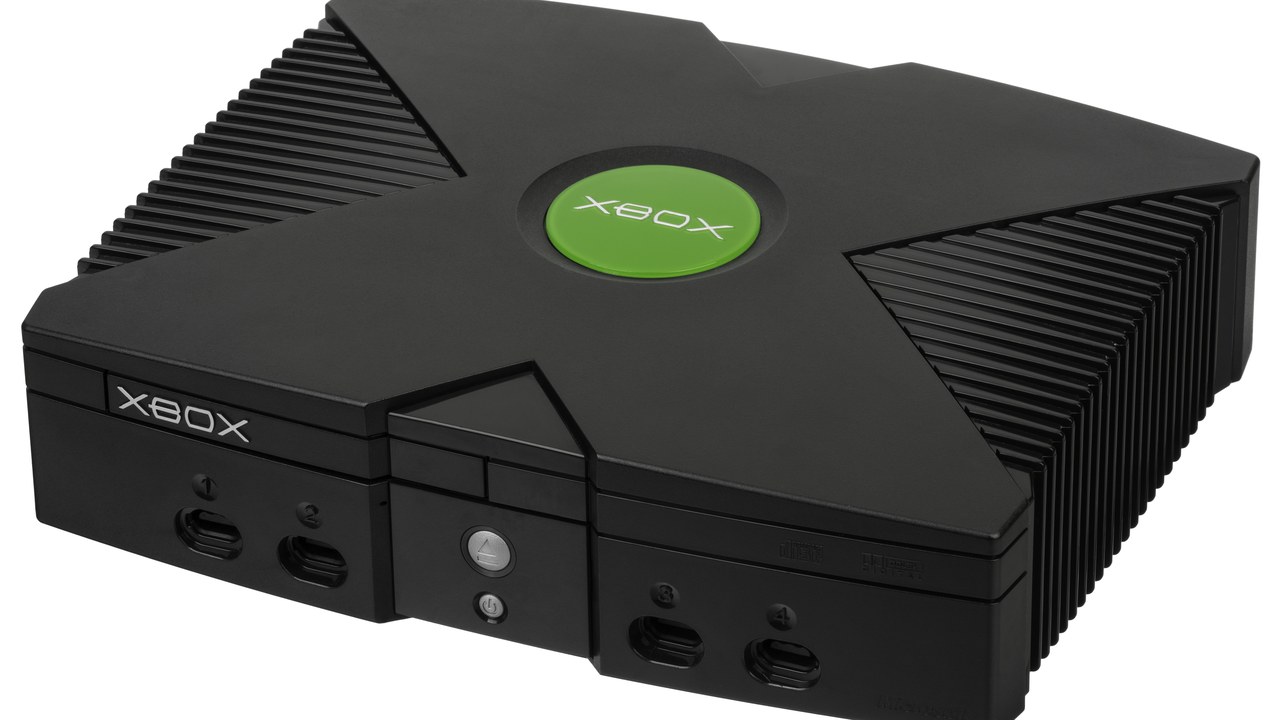
Microsoft entered the console race in 2001 with the original Xbox, a powerful black machine built around an internal hard drive and PC-derived hardware. Its considerable heft and glowing green-jeweled logo made the system unmistakable on any store shelf.
Halo: Combat Evolved became a system-defining hit, and Xbox Live introduced a polished online service that permanently reshaped console multiplayer gaming. Though it trailed the PlayStation 2 in overall sales, the console established Microsoft as a lasting industry player and laid the groundwork for the successful Xbox brand that followed.
10. Intellivision: Mattel’s Atari Challenger
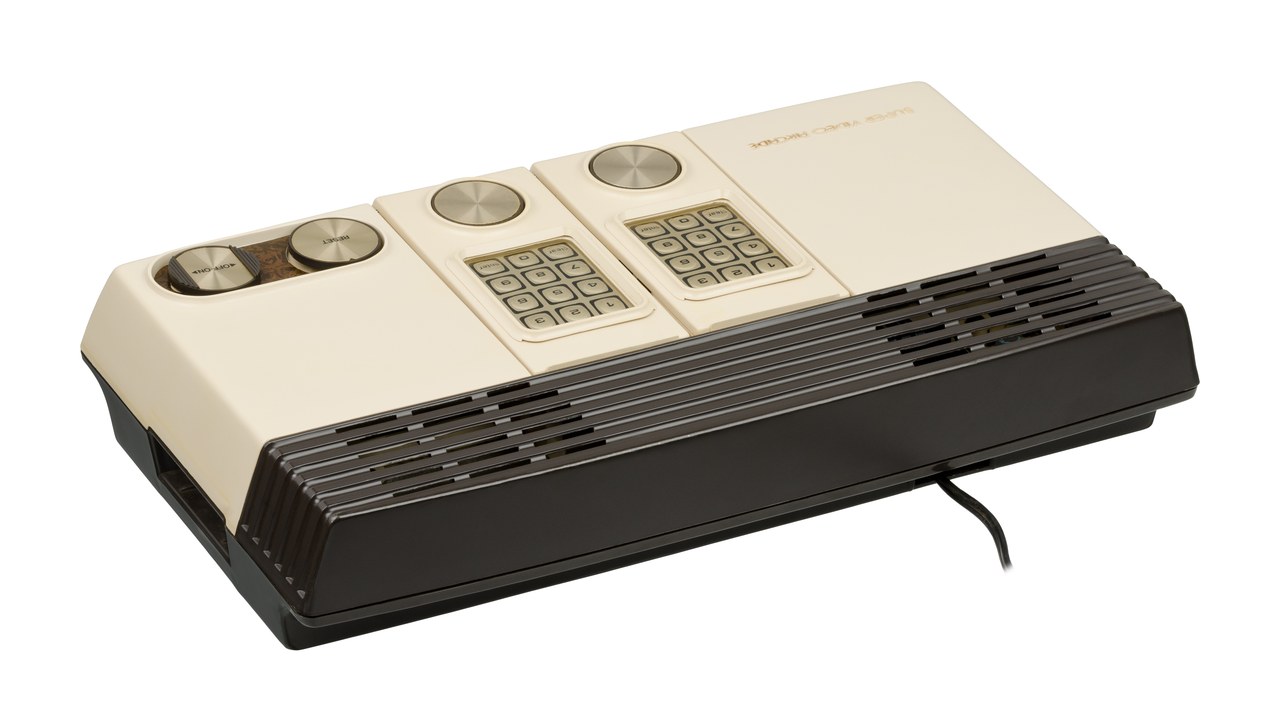
Mattel’s Intellivision reached homes at the turn of the 1980s as a direct challenger to the Atari 2600, promising sharper graphics and more detailed sound. The Mattel Intellivision leaned on that technical edge in a famous advertising rivalry that pitted the two systems against each other in living rooms across the country.
Its distinctive keypad controllers and sports and strategy titles built a loyal following during the early console boom. Though the industry’s mid-1980s crash cut its run short, the Intellivision is remembered as one of the era’s defining machines and an early proof that consoles would compete on graphics and depth, not just price.
More from Morning Overview
- A California supervolcano has bulged upward about two and a half feet since 1978
- The FTC is warning about a scam quietly draining thousands from victims
- The NSA is again telling phone owners to switch off one location setting
- A handful of car transmissions are so tough mechanics say they almost never fail
