
Detroit spent the late 1950s through the 1970s turning the two-door coupe into a rolling statement of comfort, status and style. The cars below range from the model that launched the category to later efforts that sold in huge numbers or barely caught on. Here are thirteen personal luxury coupes from the flashiest stretch of the American showroom.
Read next on Morning Overview: A dangerous unpatched Windows exploit is now public and can hand attackers full control
1. Ford Thunderbird: Category Founder
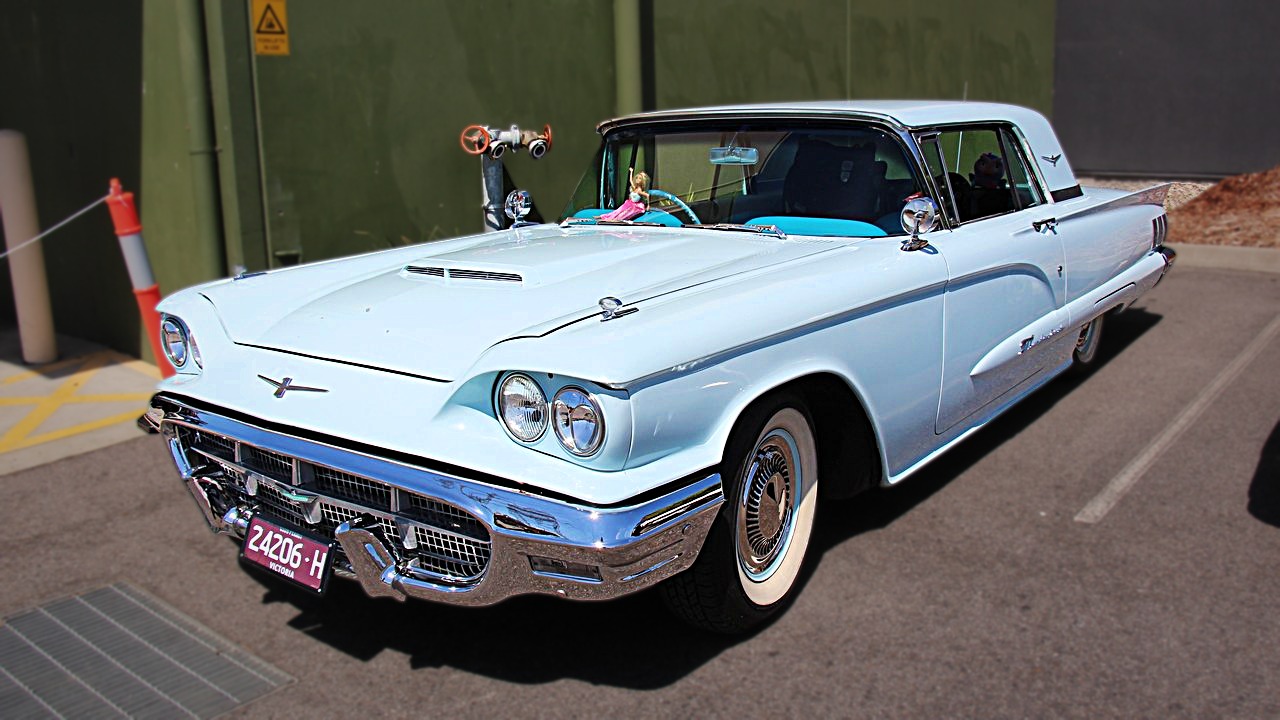
The four-seat 1958 Thunderbird is credited in a Curbside Classic roundup with having founded the personal-luxury-coupe category, turning a two-seat sports car into something a family could use. Ford sold over 90,000 T-Birds in 1960, a figure the earlier two-seater never approached.
For collectors, the second-generation “Square Bird” remains the entry point to the whole genre, and it explains why every rival on this list chased the same formula of coupe styling, a plush cabin and room for four. Its place in the story is hard to overstate, since later rivals were measured against it.
2. Buick Riviera: Sales Hit
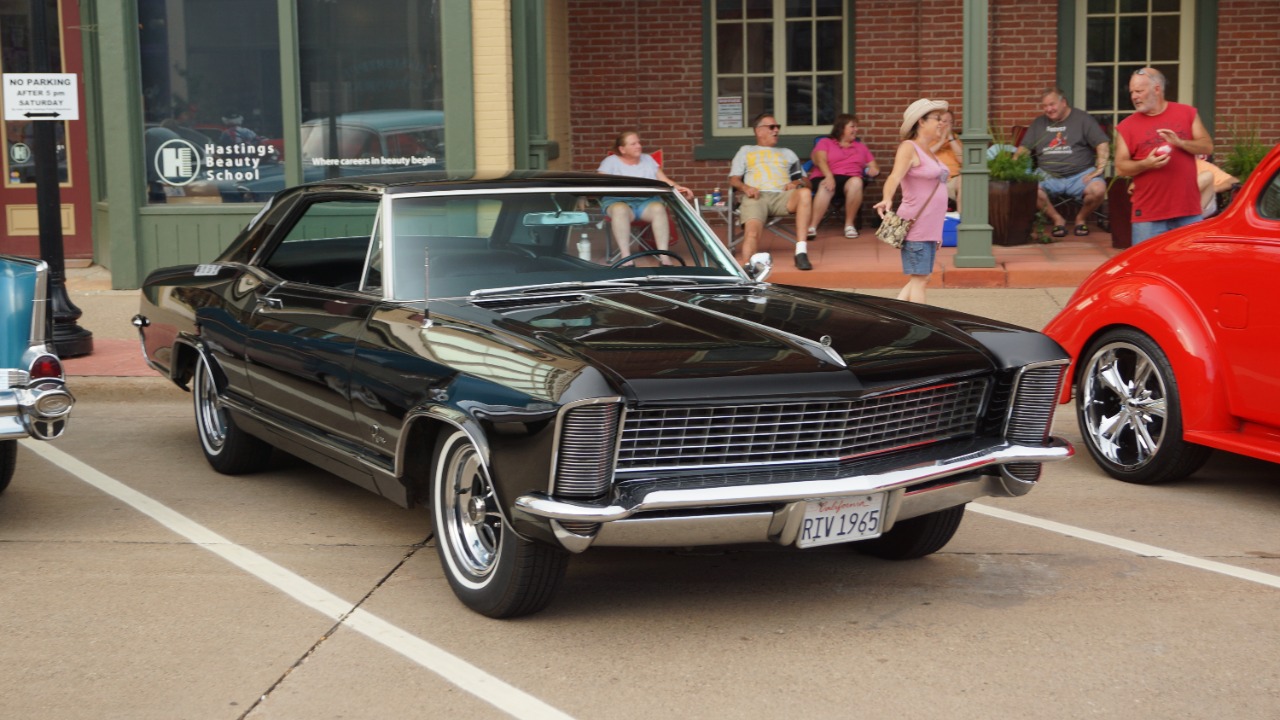
Buick’s Riviera arrived for 1963 and, according to Wikipedia’s overview of the segment, 1963-65 sales totaled 112,244. The nameplate then ran a long road, ending in 1998 with just 1,956 cars built in its final year.
That arc, from instant showroom success to a quiet farewell, makes the first-generation Riviera the one to look for today, since it captures the car at the point when buyers wanted it most. Collectors also appreciate how clean the original design looks beside the heavier cars that followed it in later years.
3. Oldsmobile Toronado: Front-Drive Gamble
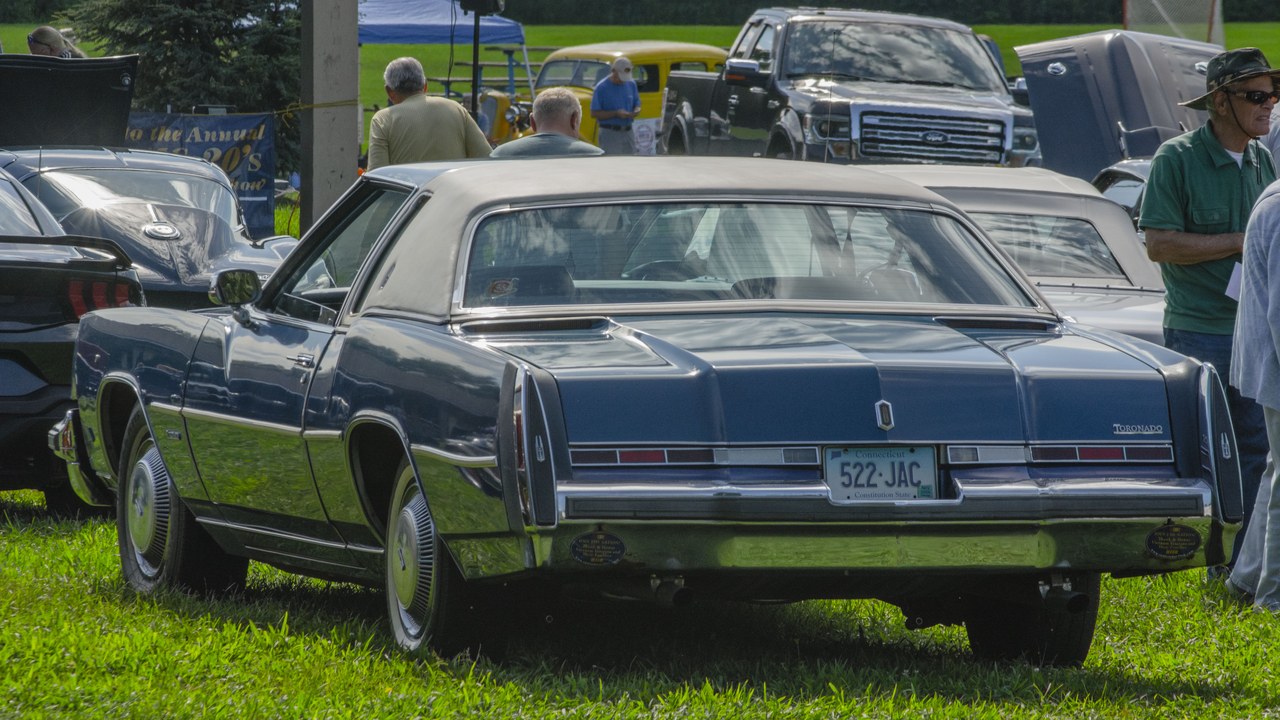
Oldsmobile’s 1966 Toronado put front-wheel drive under a big personal luxury coupe, yet the Curbside Classic write-up concludes that the layout was not dynamically a game-changer. The advantage it did offer was better traction in snow and ice.
Owners of surviving first-generation cars tend to value the unusual packaging and bold styling over any handling claims, which is probably the fairest way to judge a car built to make a statement. The car remains a conversation piece at any gathering of classic Detroit machinery.
4. Cadillac Eldorado: Longest Run
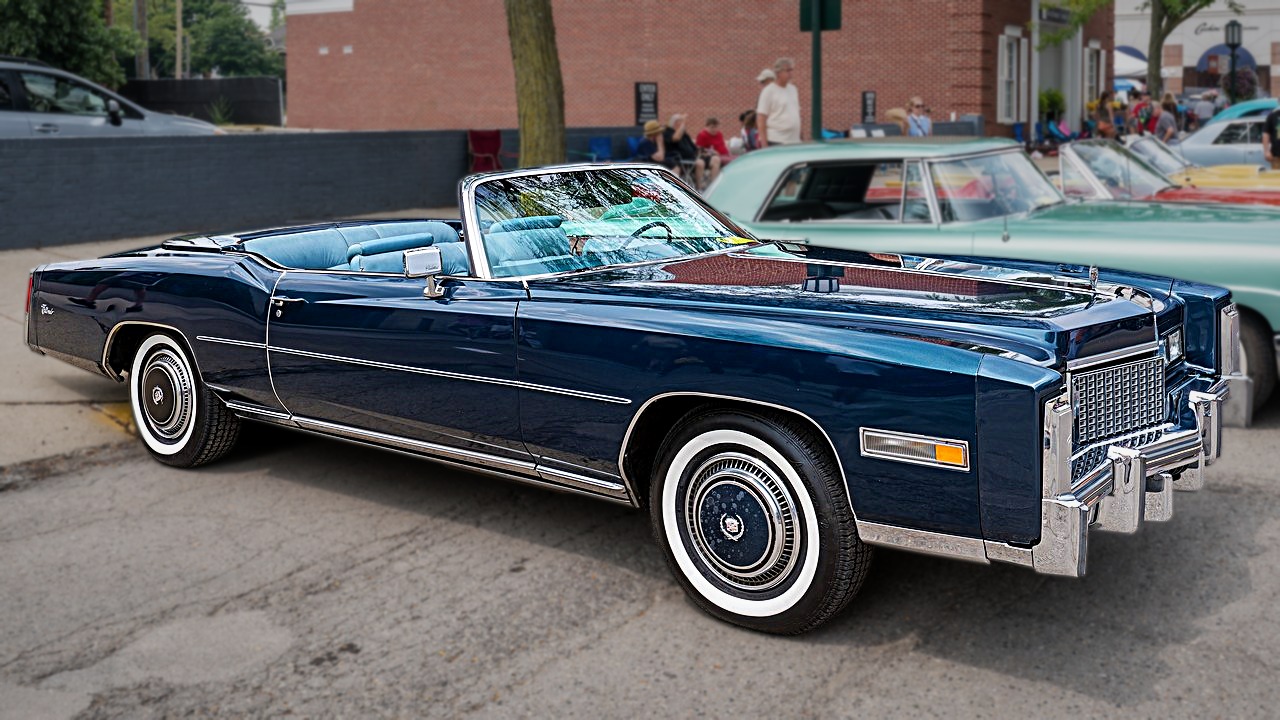
Cadillac’s Eldorado holds the record as the longest-running personal luxury nameplate, a 50-year stretch from 1953 that ended with a final run of 1,596 cars in April 2002. Few badges in any segment lasted that long.
Because the name spanned so many body styles, buyers should check which era a given car belongs to. The 1967 version stands as one of the defining shapes of the Detroit luxury coupe. Condition and originality matter far more than the badge alone, so prospective owners should inspect carefully before paying up.
5. Continental Mark III: Radial Pioneer
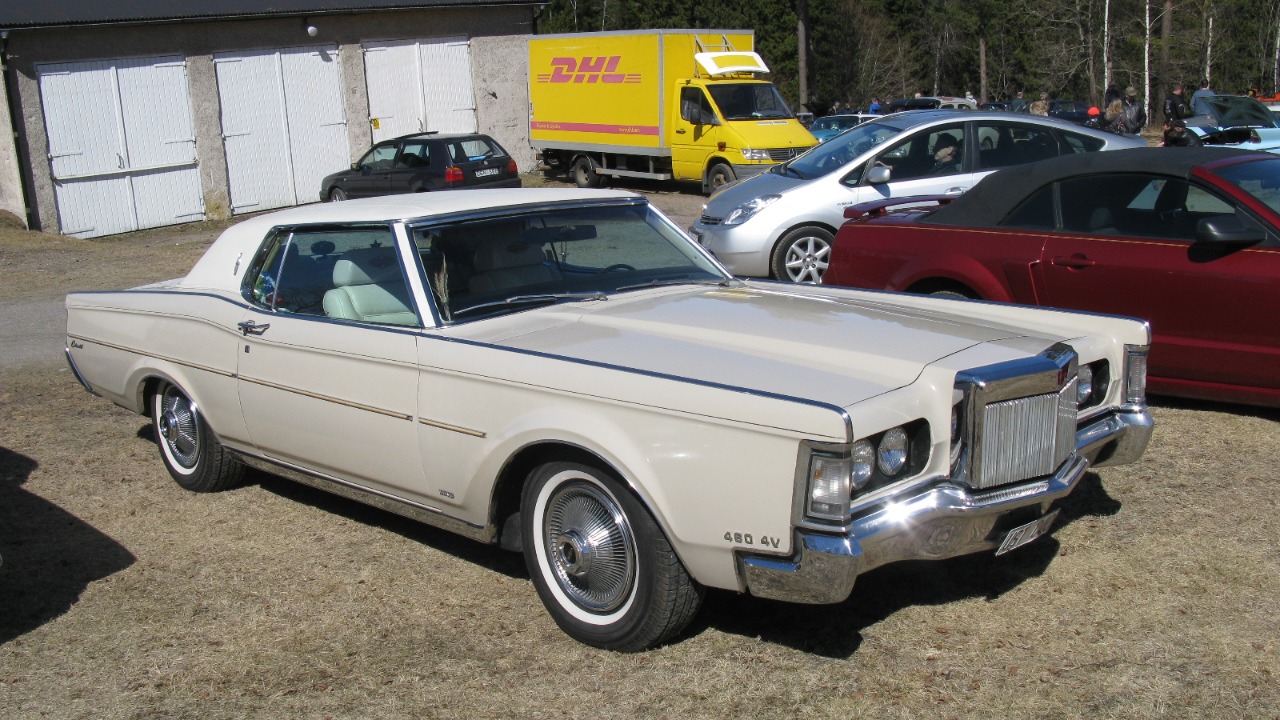
Lincoln’s Continental Mark III of 1969 was, per Wikipedia, the first American-made vehicle with radial tires as standard equipment. It also sold 30,858 units, comfortably ahead of the Cadillac Eldorado’s 23,333.
Beating the Eldorado in sales gave Lincoln a rare win over its Cadillac rival, and the long-hood, short-deck Mark III set the template for the personal luxury look of the decade ahead. It also carried a formal grille treatment that made the car instantly recognizable on the street.
6. Studebaker Avanti: Fiberglass Rebel
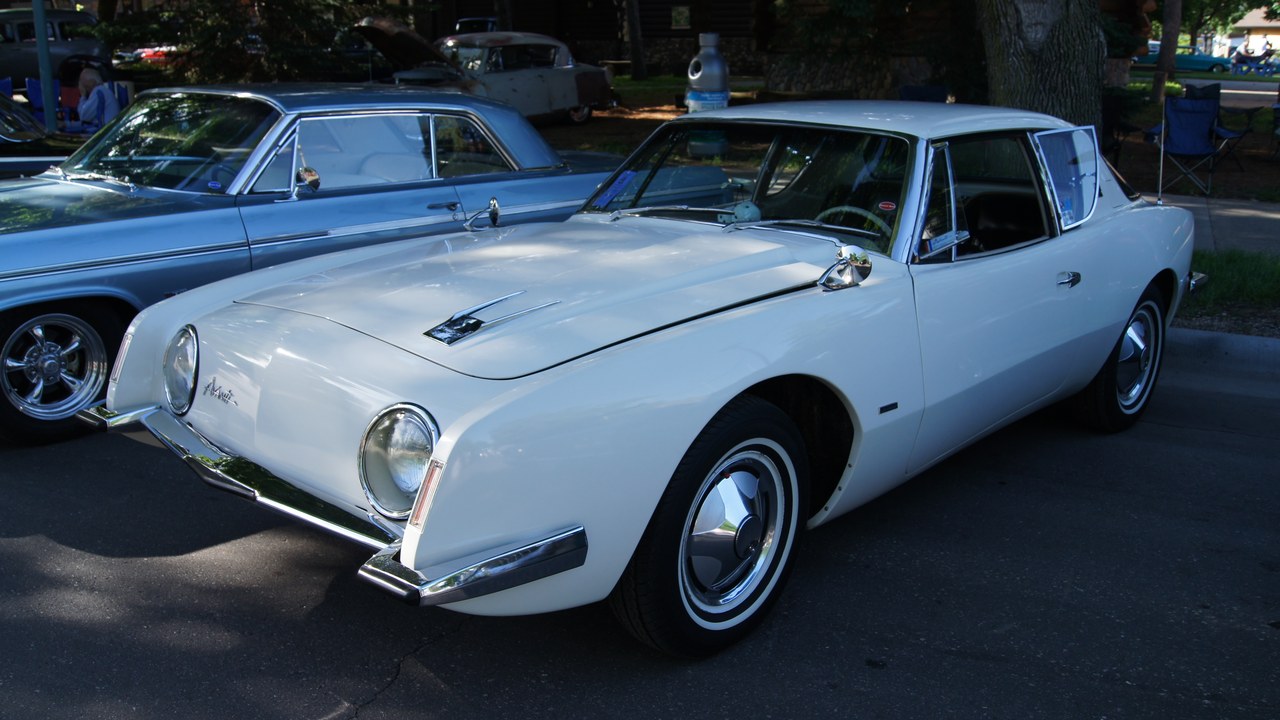
Studebaker built just 4,647 Avantis before ending production for 1964. Wikipedia describes the fiberglass-bodied coupe as America’s only four-passenger high-performance personal car, a distinction that sets it apart from every other entry here.
The low production run and radical styling make the original Avanti a favorite among collectors of orphan marques, and a reminder that the company’s final push was more daring than its balance sheet allowed. Anyone shopping for one should expect a specialist community and a ready supply of advice.
7. Pontiac Grand Prix: Modern Duesenberg
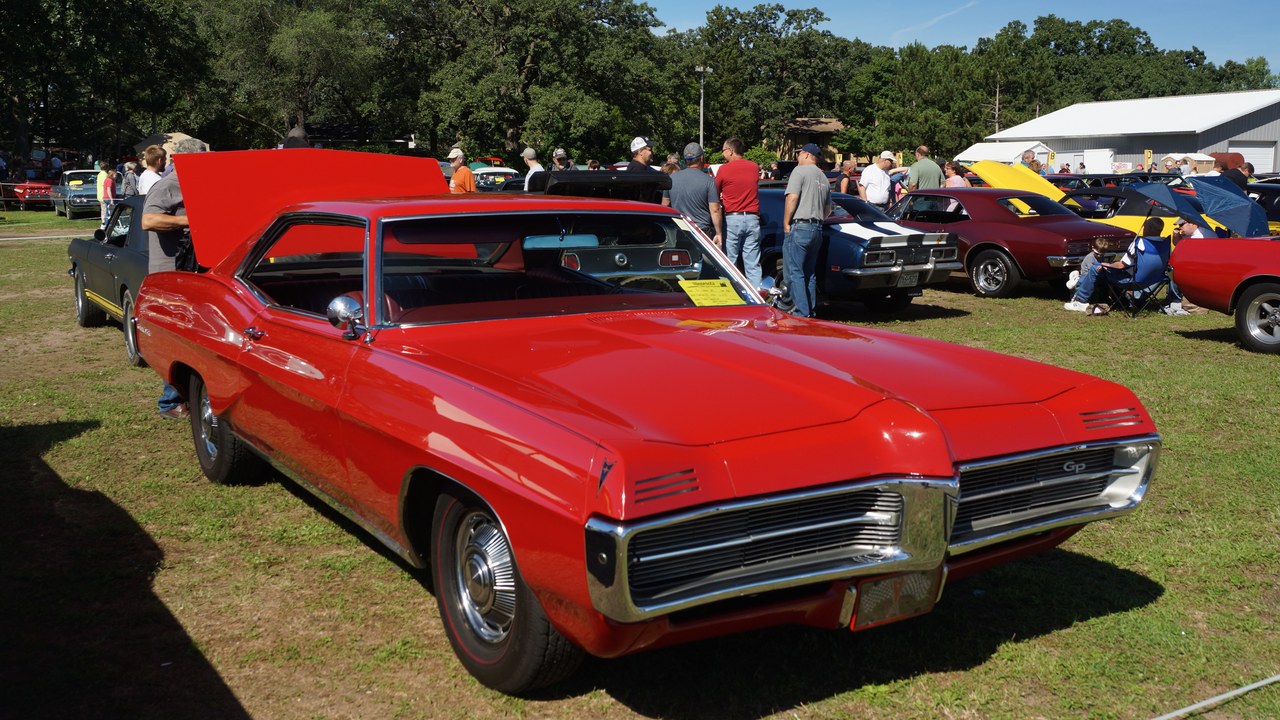
Developed under John DeLorean and priced about $900 below the Thunderbird, Pontiac’s Grand Prix borrowed Duesenberg Model J badges and was pitched in Hagerty’s account as a modern-day Duesenberg. The cut-rate pricing was part of the plan.
The original 1960s formula, a long hood and a sporty cabin at a sharp price, gave Pontiac a foothold in the segment and helped set up the Grand Prix as a lasting nameplate. Later generations kept the badge alive well beyond the era covered here.
8. Chevrolet Monte Carlo: Sales Monster
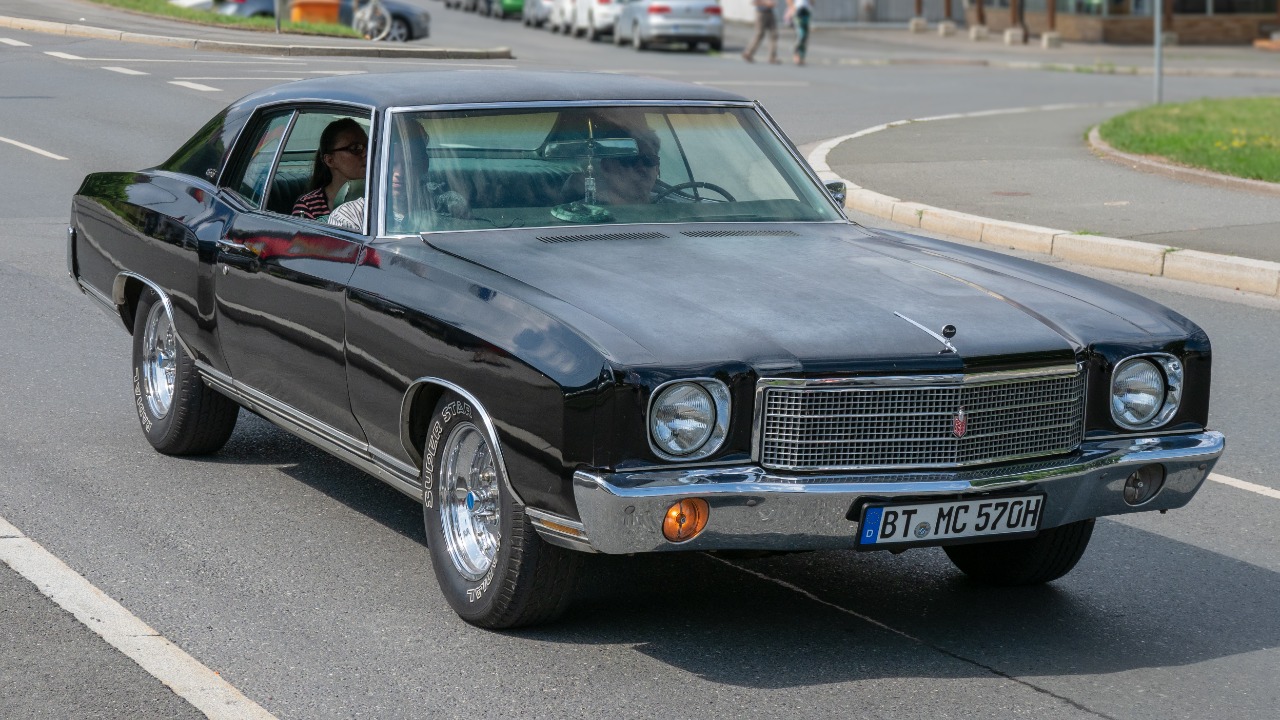
Chevrolet’s Monte Carlo found a huge audience, with Hagerty noting that sales were just under 290,000 in 1974 and 411,000 in 1977. The SS 454 package, by contrast, lasted only 1970-71, with 5,742 sold.
That split explains the market today: the high-volume later cars are everywhere, while the early SS 454 remains the scarce, muscle-minded version that collectors hunt for. Buyers should confirm which option package a car actually carries before agreeing to a price.
9. Chrysler Cordoba: Montalban Magic
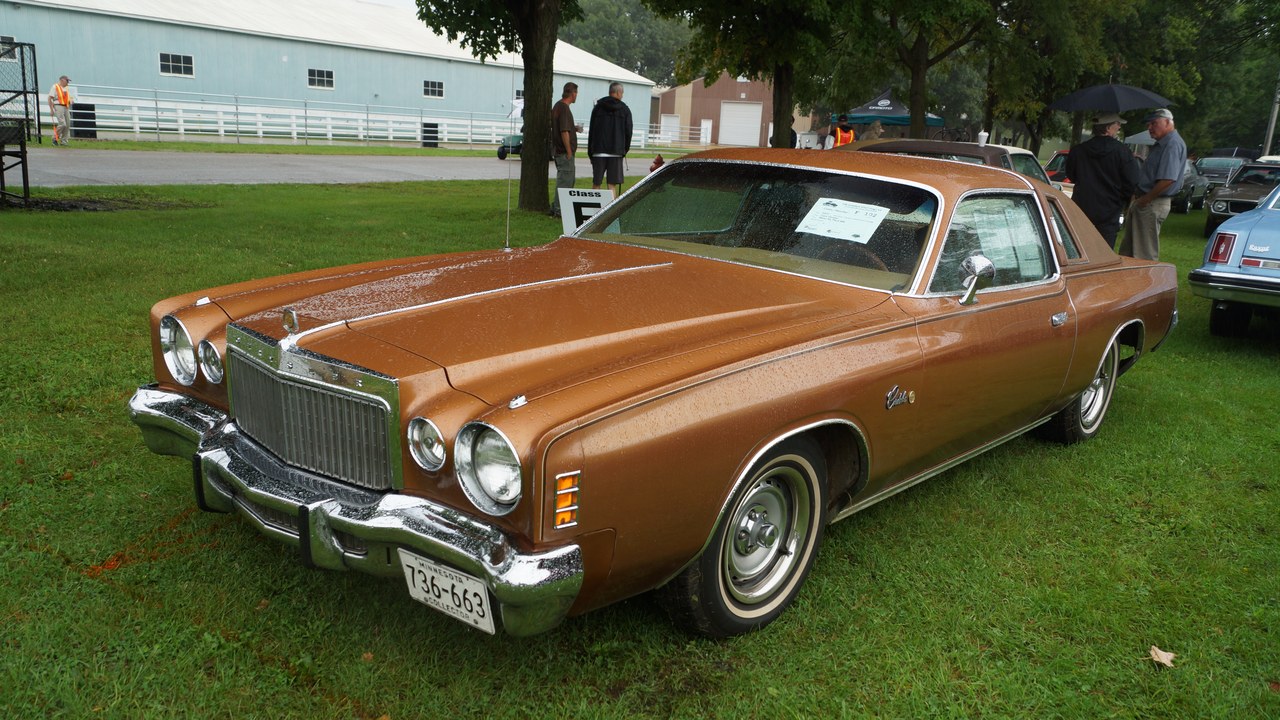
Chrysler’s first personal luxury coupe, the Cordoba, was pitched by Ricardo Montalban and sold about 183,146 in 1977. Hagerty adds that it outsold the Charger about five to one, a lopsided result for the same company.
The Cordoba shows how quickly buyers shifted from muscle to plush comfort in the mid-1970s, and why Chrysler leaned so hard on a celebrity voice to sell the idea. The coupe’s formal roofline and velour interiors captured the mood of the period well.
10. Ford Elite: Tradition Keeper
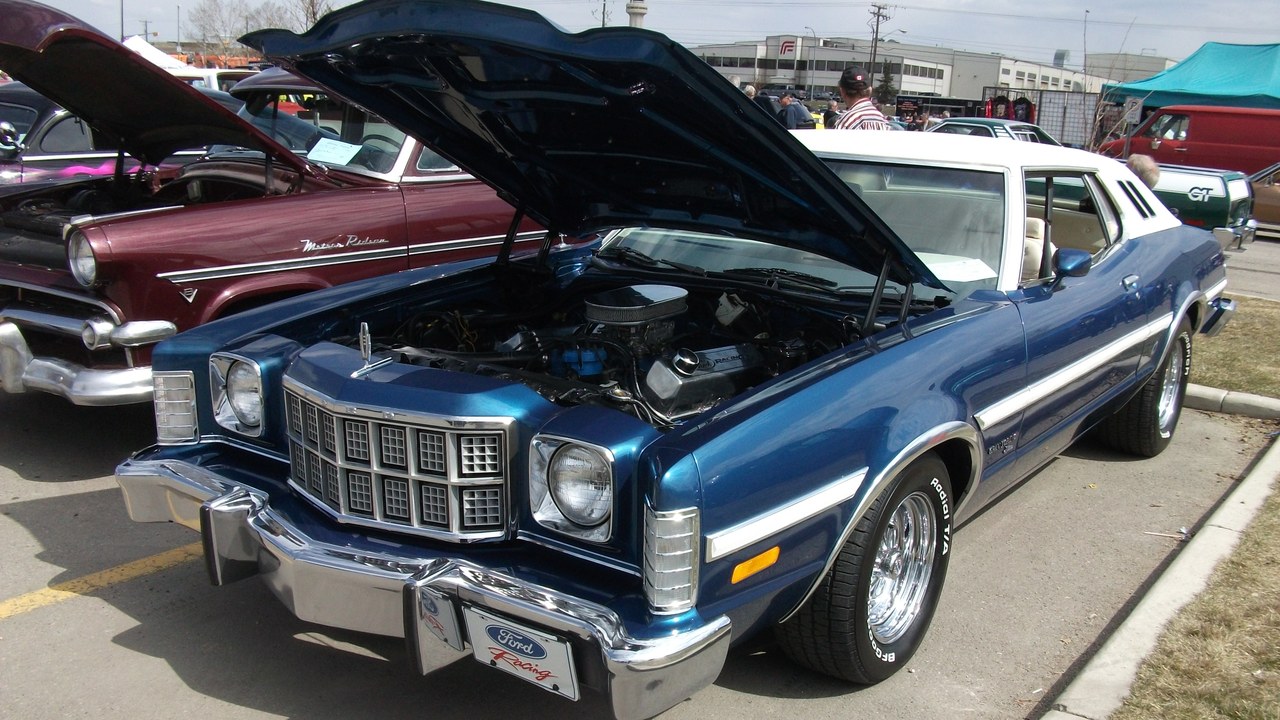
Marketed from 1974 to 1976 as a mid-size car in the Thunderbird tradition, the Ford Elite sold almost 125,000 in 1975, roughly double the Cougar XR-7. That was strong business for a model with such a short life.
Collectors tend to treat the Elite as a footnote to the Thunderbird story, but the sales numbers show that buyers of the era were glad to get Thunderbird style in a more modest package. Its short run adds a little rarity for anyone who enjoys the less obvious corners of the hobby.
11. Mercury Cougar: Slow Seller
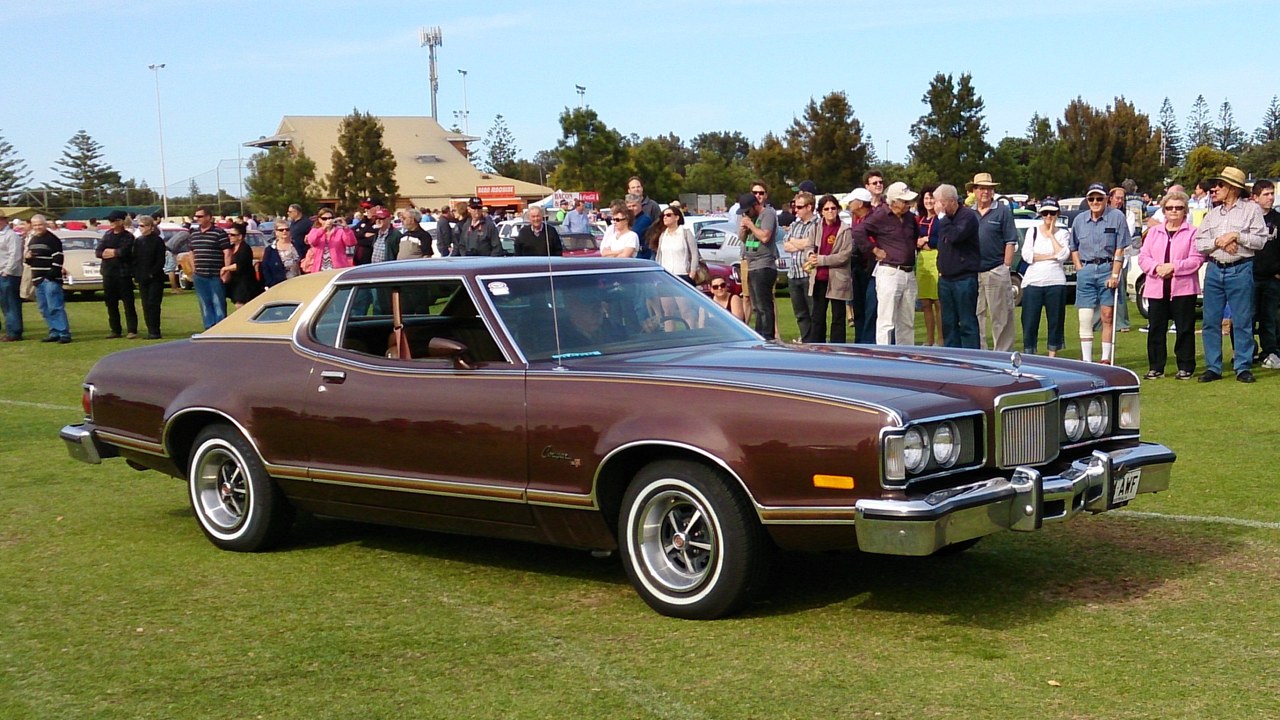
The upsized 1974 Cougar XR-7 had a tougher time, as Wikipedia reports that it sold about 60,000 units in 1975, compared with almost 125,000 Ford Elites. The gap stands out given that both cars sat in similar showrooms.
For buyers today, the lower volume can be a plus, since the XR-7 sold at a fraction of the Elite’s volume. Condition, rather than rarity, usually decides how much a car brings.
12. Dodge Charger (1975): Ignored Redesign
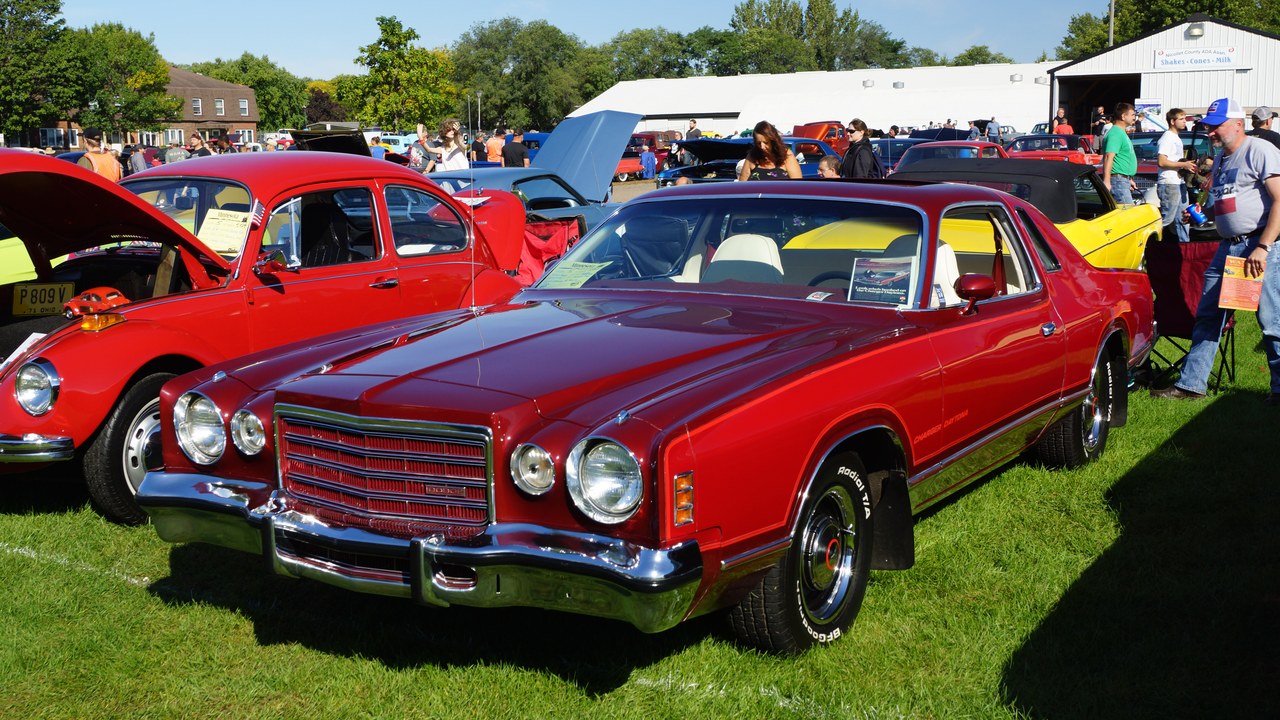
Dodge pushed the Charger into personal luxury territory for 1975, but Hagerty reports that customers largely ignored the 1975 model, with about 30,000 bought.
The cooler reception turned the redesigned Charger into a cautionary tale about taking a muscle-car name into a very different market, and it remains the least celebrated car on this list. Anyone drawn to the nameplate’s earlier muscle years will find this car a very different proposition.
13. Studebaker Gran Turismo Hawk: Loewy Legacy
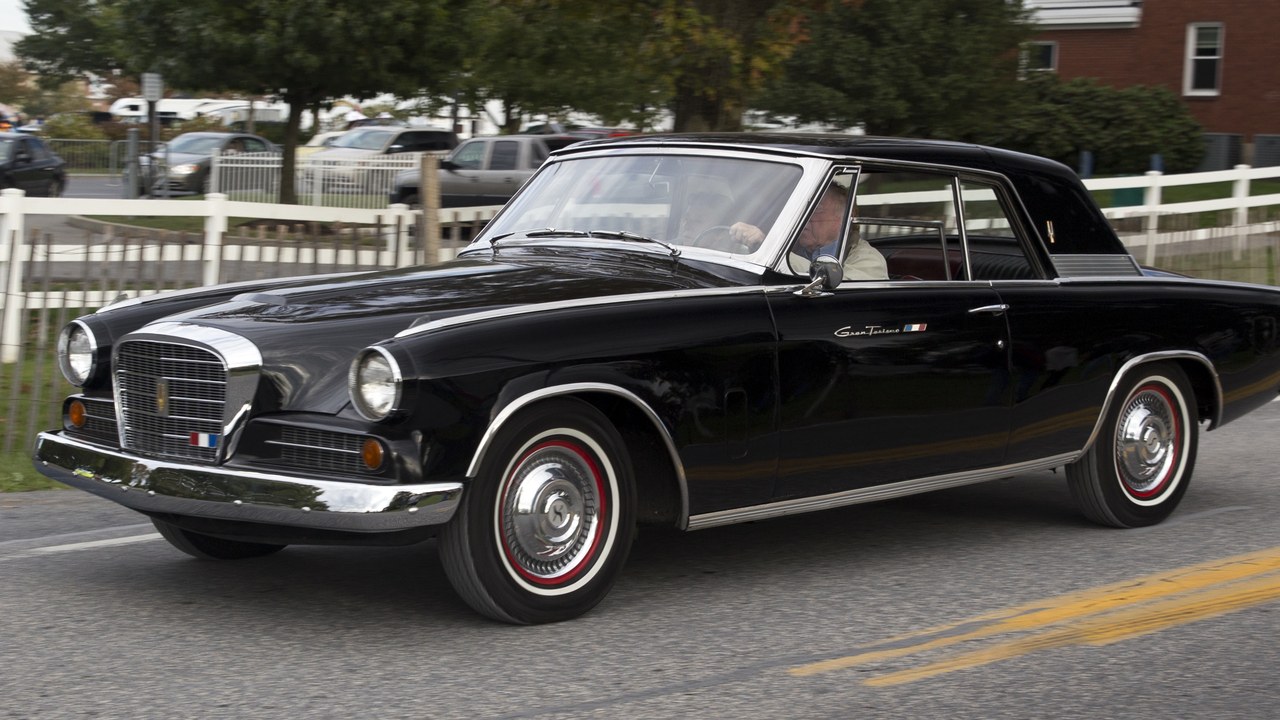
Brooks Stevens’ 1962-64 update of the Loewy-designed Hawk gave Studebaker a sleeker take on the formula, and the Curbside Classic roundup says the Gran Turismo Hawk was built in fairly limited numbers. Its clean, upright roofline set it apart.
That scarcity, plus the connection to a famous design, makes the Gran Turismo Hawk a fun find for collectors who prefer something offbeat to the usual Detroit fare. Parts support exists through the Studebaker owners’ community, which helps keep restorations practical.
More from Morning Overview
- Some new Subaru Crosstreks and Foresters shouldn’t be driven because of a crash risk
- Arizona declared a statewide emergency after storms and floods battered homes and roads
- California’s Long Valley supervolcano is quietly sinking, its biggest drop on record
- A 2,000-year-old nomad tomb in Mongolia held a glass cup that may have traveled from Rome
