
Rear-hinged back doors, nicknamed suicide doors, have shown up on everything from a 1961 Lincoln to a modern electric hatchback. Some solved real structural problems, while others were pure style or clever packaging, and a few are still sold with the feature today. Here are thirteen cars that dared to use them.
Read next on Morning Overview: Microsoft says its November Windows security updates are breaking printing for some users
1. Lincoln Continental (1961): Convertible Solution
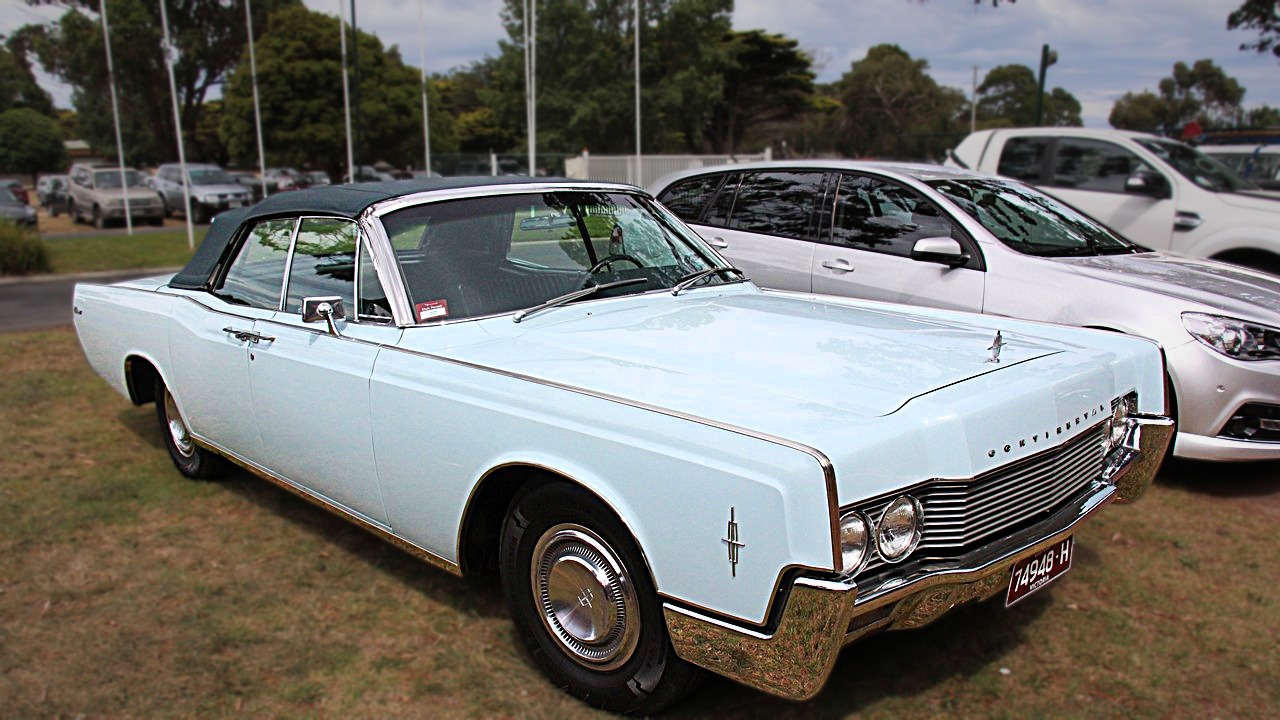
Lincoln wanted a four-door convertible, but the body structure presented a problem without a conventional B-pillar. Rear-hinged doors solved it, and the four-door convertible problem carried them on the Continental built from 1961 to 1969.
The arrangement made an open four-door body workable and gave the car a look that became the nameplate’s signature. Collectors still treat the doors as the main reason to seek one out, and they remain the feature most people remember about these Lincolns.
2. Tucker 48: Postwar Rebel
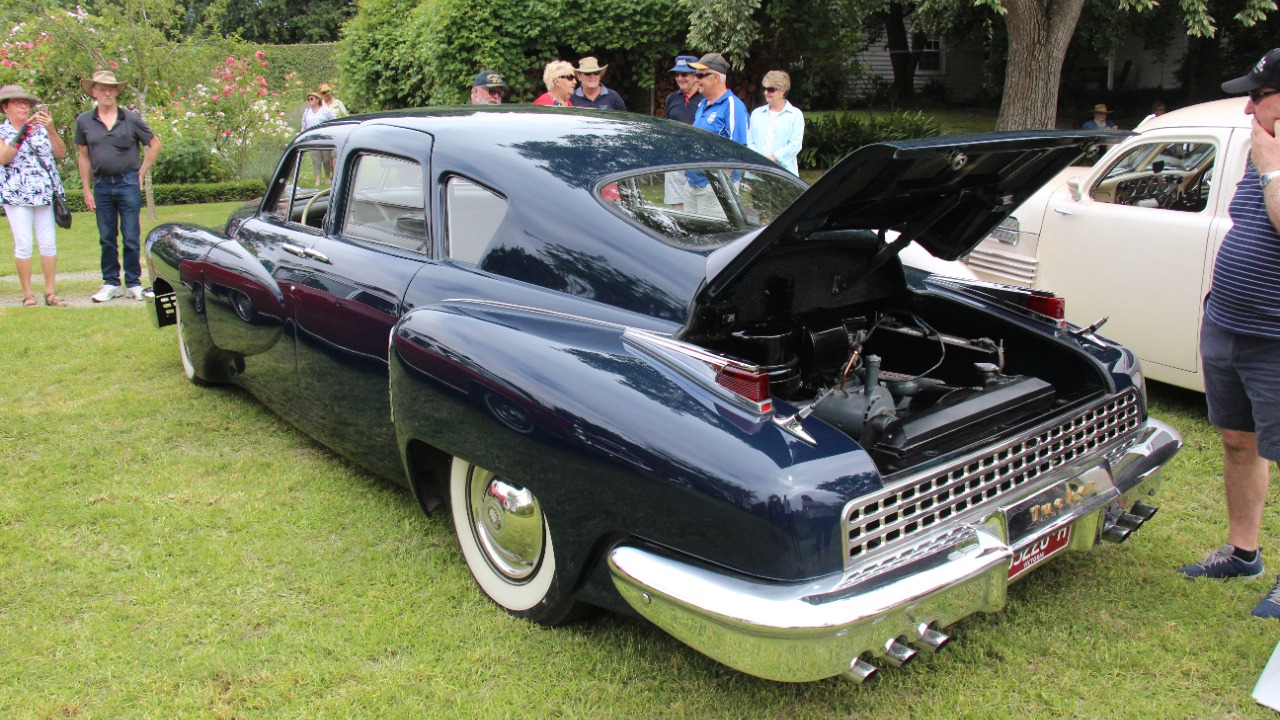
Preston Tucker’s postwar 48 also came with rear-hinged doors, according to a Jalopnik look at why automakers abandoned the layout after the 1960s. The sedan came from a short-lived independent builder, and the doors were one of several unconventional choices meant to set it apart from established Detroit rivals.
Few Tucker cars were ever built, so surviving examples are rare and prized. Seeing one with its doors open is an unusual treat at a show, and it shows that the style was not limited to Lincoln.
3. Ford Thunderbird (1967-71): Last American Holdout
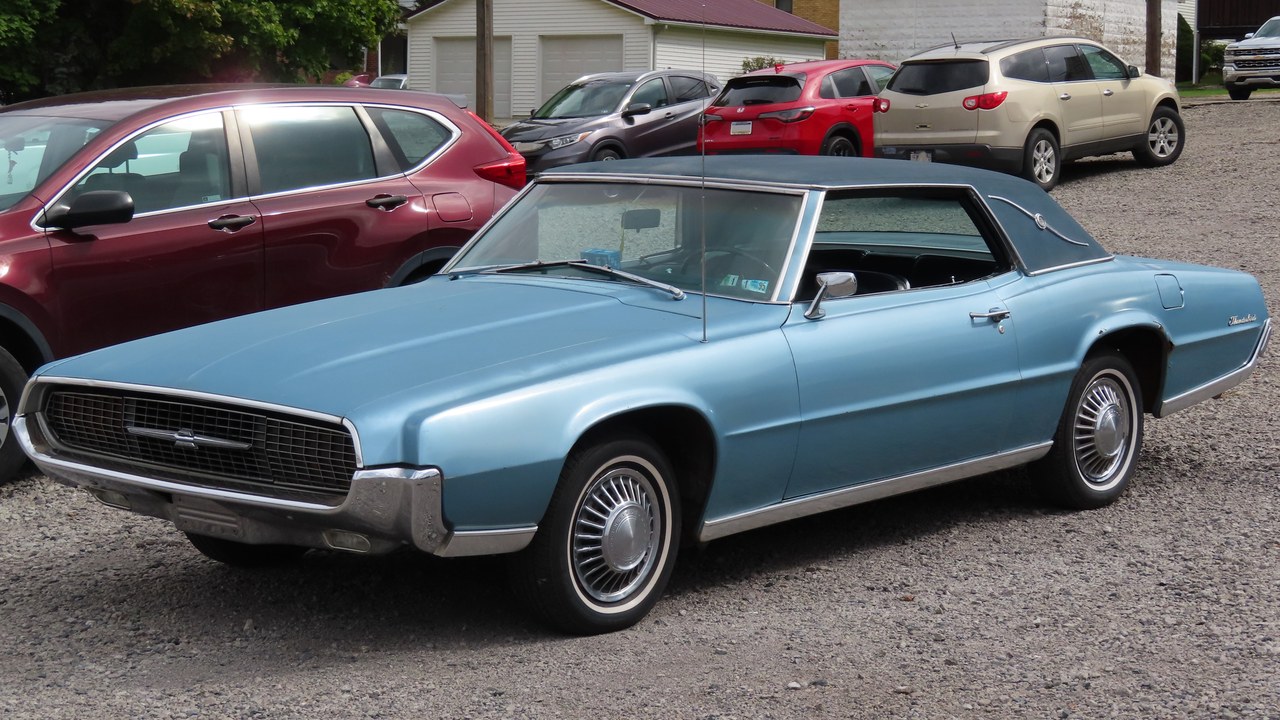
The fifth-generation Landau sedan was, in J.D. Power’s words, the last American car produced with suicide doors. The Thunderbird carried that distinction through a production run from 1967 to 1971, long after most domestic rivals had dropped the layout.
The Landau gave buyers a personal luxury car with a formal look and rear doors hinged at the back. Anyone browsing classifieds should note that the claim applies to the 1967 to 1971 sedans specifically, not every Thunderbird.
4. Rolls-Royce Phantom: Coach Door Tradition
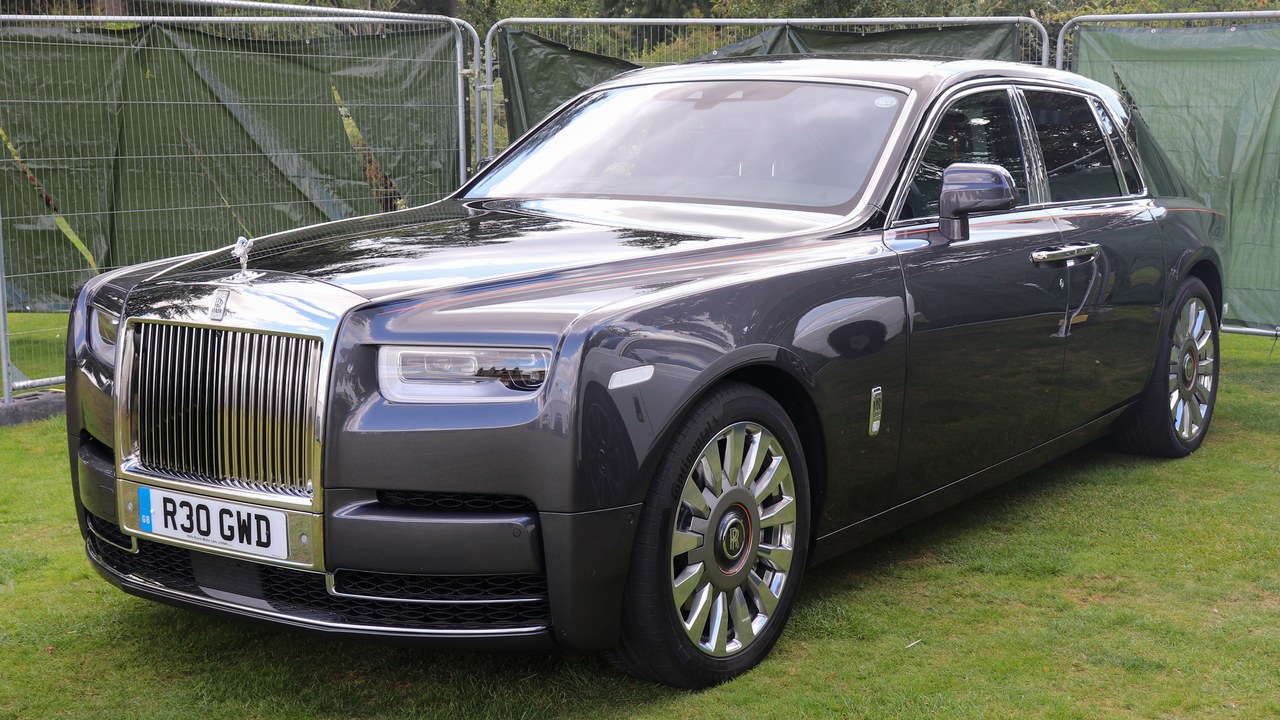
Rolls-Royce offers coach doors on every model it builds today, according to Jalopnik, and the Phantom is the flagship that shows it best. The Phantom has a thick B-pillar, which makes entry less easy than the wide opening might suggest.
The doors are as much about ceremony as access, letting passengers step out facing forward in a dignified way. For an owner, the trade-off is a structural pillar that demands a little care when climbing in or out.
5. Mazda RX-8: Freestyle Doors
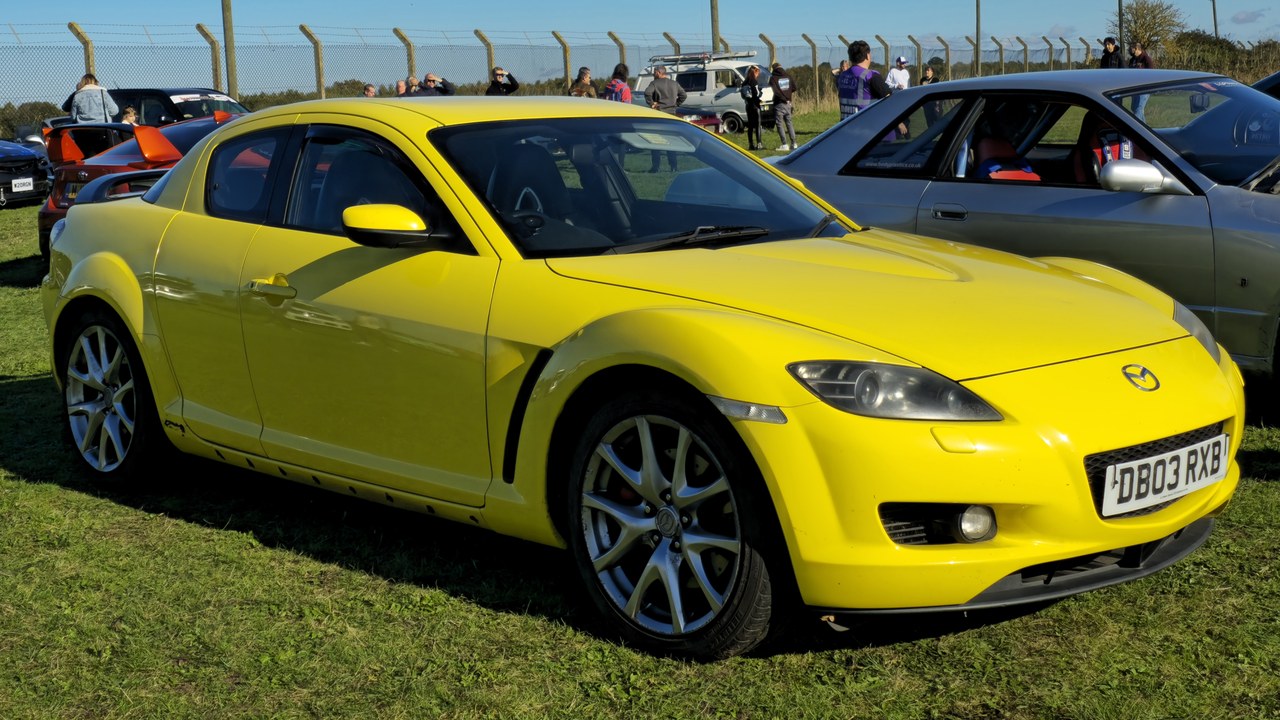
The RX-8’s rear Freestyle Doors relied on a high-strength steel built-in pillar to keep the structure sound without a conventional center pillar, as Motor1 describes it. The rotary sports coupe was gone in 2011.
The small rear doors made a four-seat sports car easier to live with, but they opened only after the fronts did. Used buyers should expect that quirk, and they should check the latches and seals on any example they consider, since the unusual door arrangement depends on both sets of latches working correctly.
6. Honda Element: Clamshell Utility
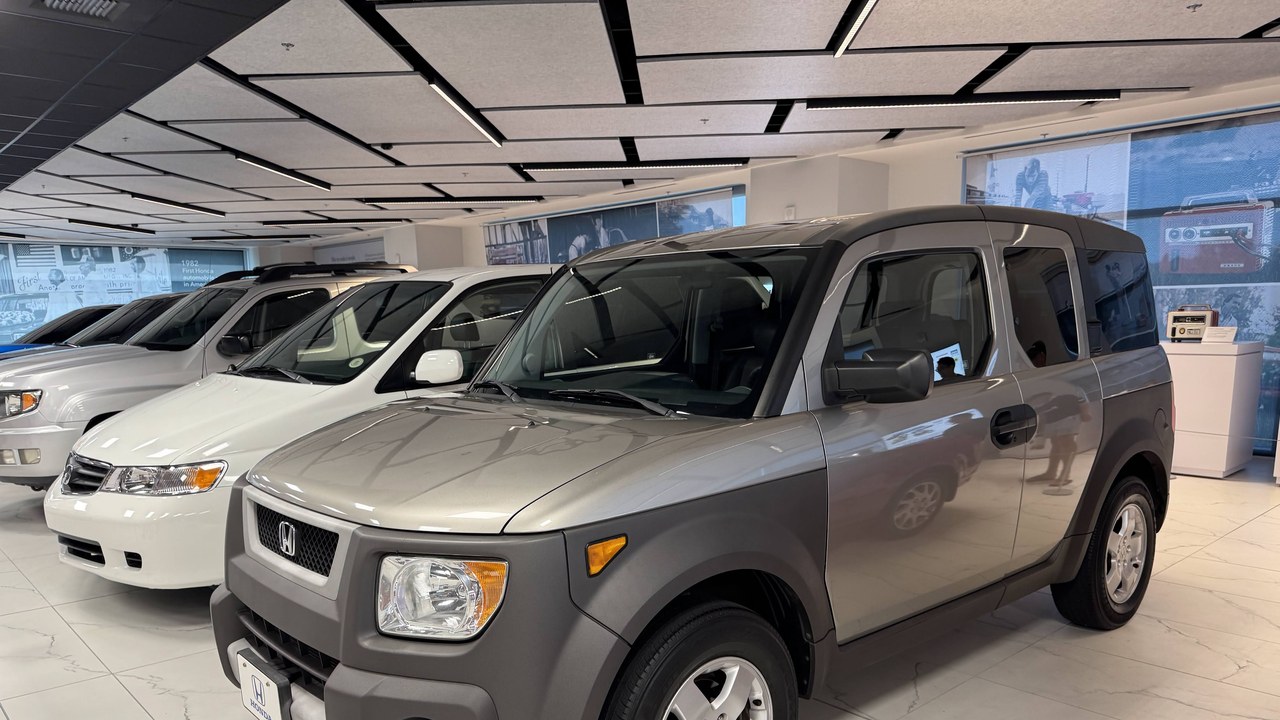
The Element’s clamshell doors, a defining feature of the boxy Honda, had a downside: the SUV poor side-impact rating from the Institute of Highway Safety, as Jalopnik notes. Honda stopped building the boxy utility vehicle in 2011.
The wide opening was a selling point for loading bulky gear and for pets or surfboards. Shoppers weighing a used one should factor in that safety rating alongside the practical charm that made the Element a cult favorite.
7. Toyota FJ Cruiser: Retro Off-Roader
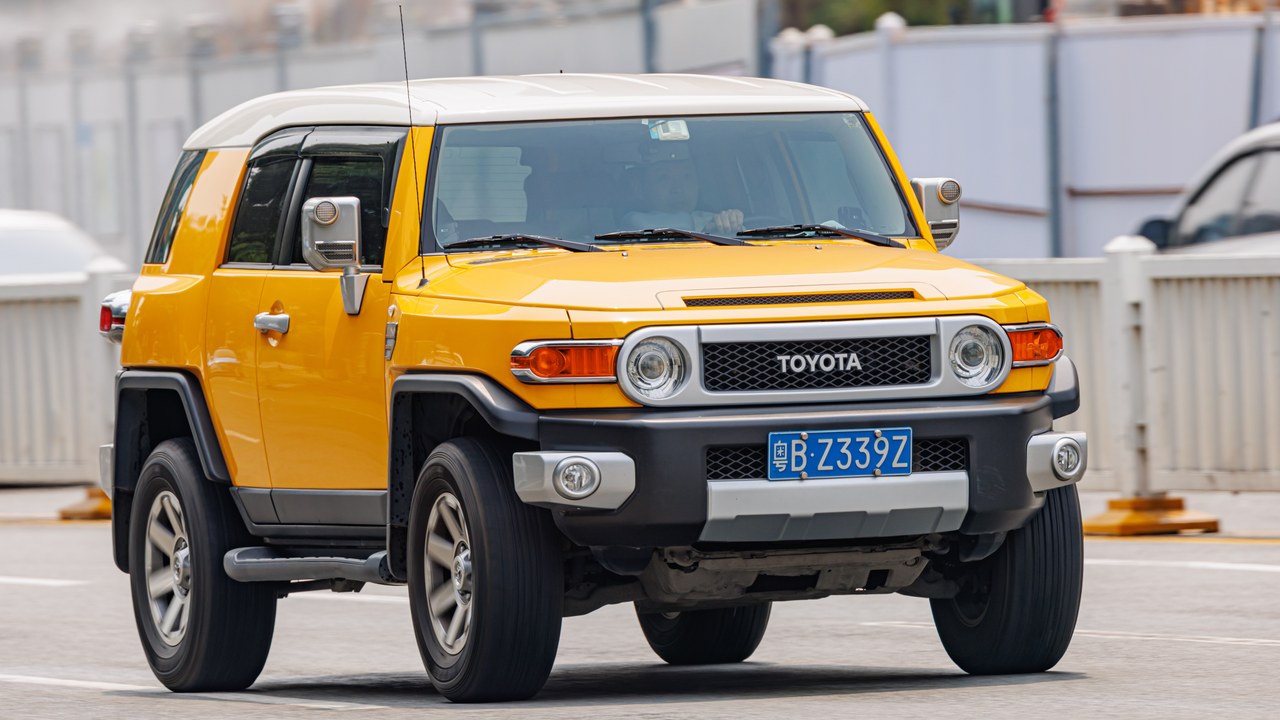
The rear-hinged FJ Cruiser departed our roads, as Jalopnik puts it, leaving US roads in 2014 to the regret of its fans. The retro-styled off-roader made its small rear doors part of its character, and the truck remains a favorite among fans of boxy, rugged design.
Those rear-hinged doors could only open once the fronts were open, which made the back seat less convenient. Owners accept that for the trail credentials and nostalgic styling that keep used FJ Cruisers in demand.
8. Mazda MX-30: Electric Freestyle
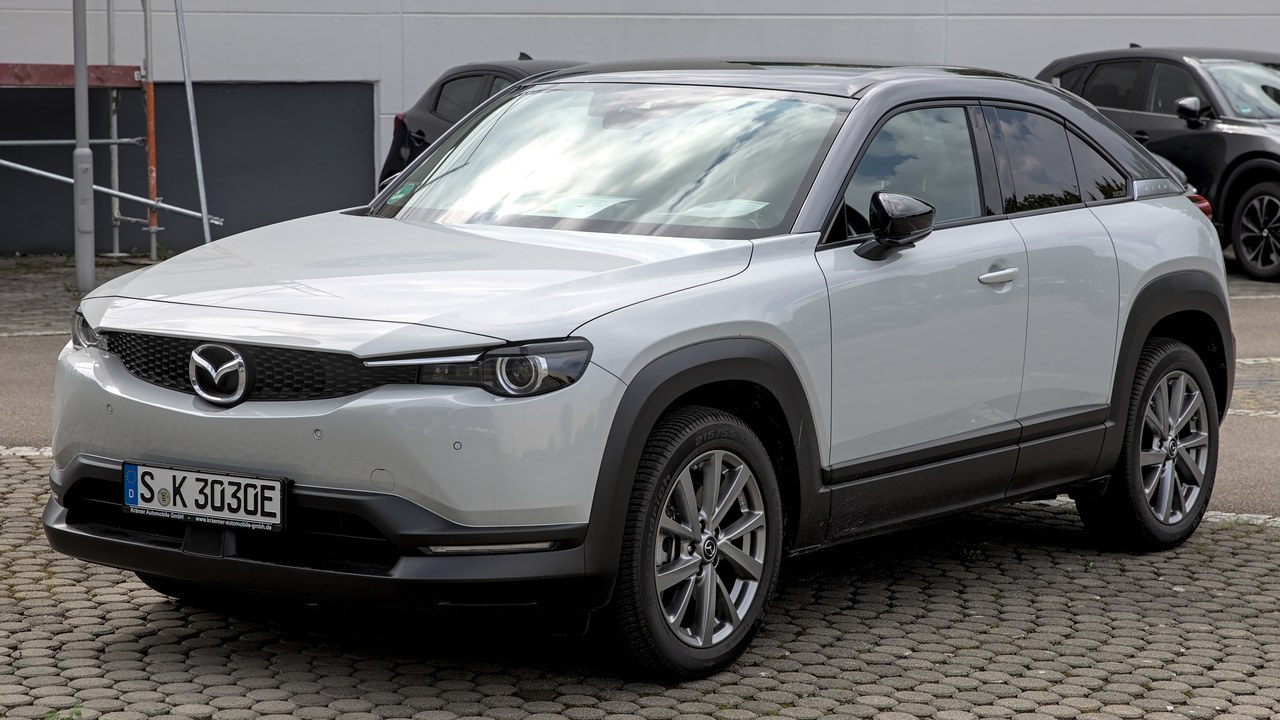
The MX-30 brought Freestyle doors to the electric era, but the SUV was dropped after Mazda stopped selling it in the U.S. in 2022. It was a small crossover with a distinctive entry layout, and it stood apart from most electric rivals because of the unusual door arrangement.
The doors gave a compact electric vehicle some character, though the same design limits access to the rear seat. Anyone eyeing a used MX-30 should confirm local support and the condition of the door mechanisms.
9. BMW i3: Electric City Car
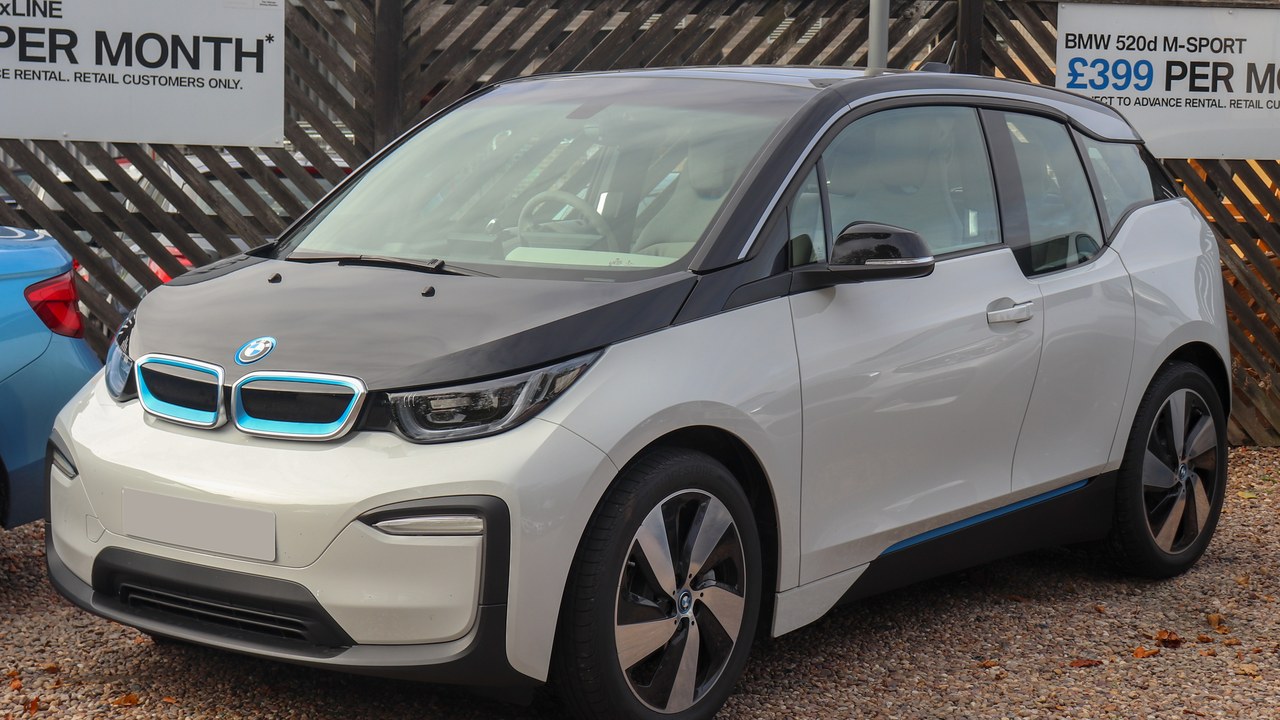
The i3 appears among the clamshell-door models sold since 2010 in a list of clamshell-door models from J.D. Power, alongside the FJ Cruiser, Element and RX-8. Its sale ended in 2021, so it is now a used-market proposition.
The compact electric hatchback paired lightweight construction with rear-hinged back doors that opened toward the front. Prospective buyers should treat this entry as list-membership support and inspect the door hardware before purchase.
10. Saturn Ion: Quad Coupe
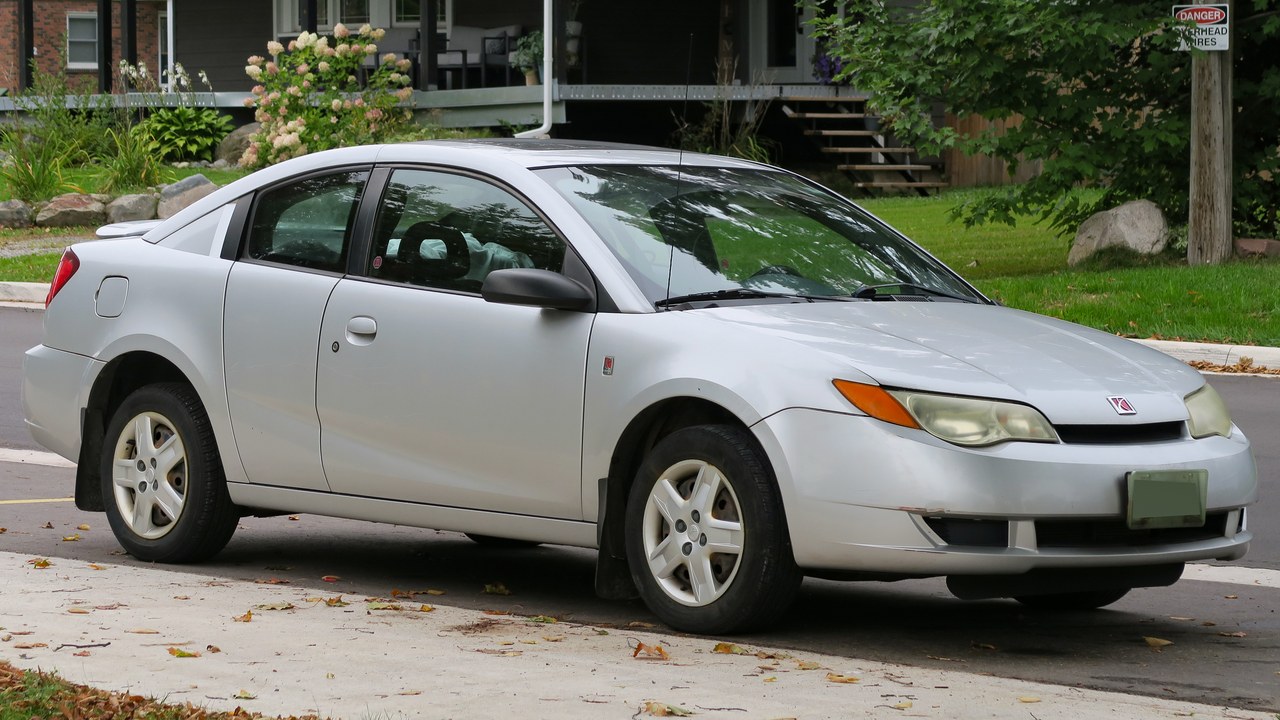
The Saturn Ion Quad Coupe also appears on J.D. Power’s list of clamshell-door models, bringing back rear-access half doors in the 2000s for a compact economy car. It stood out in a segment dominated by plain sedans.
The extra doors made the rear seat reachable without folding the front seats, a practical touch for a budget coupe. Anyone considering a used one should check both sets of doors, since this entry rests on a list mention.
11. Lincoln Continental (2019): Anniversary Special
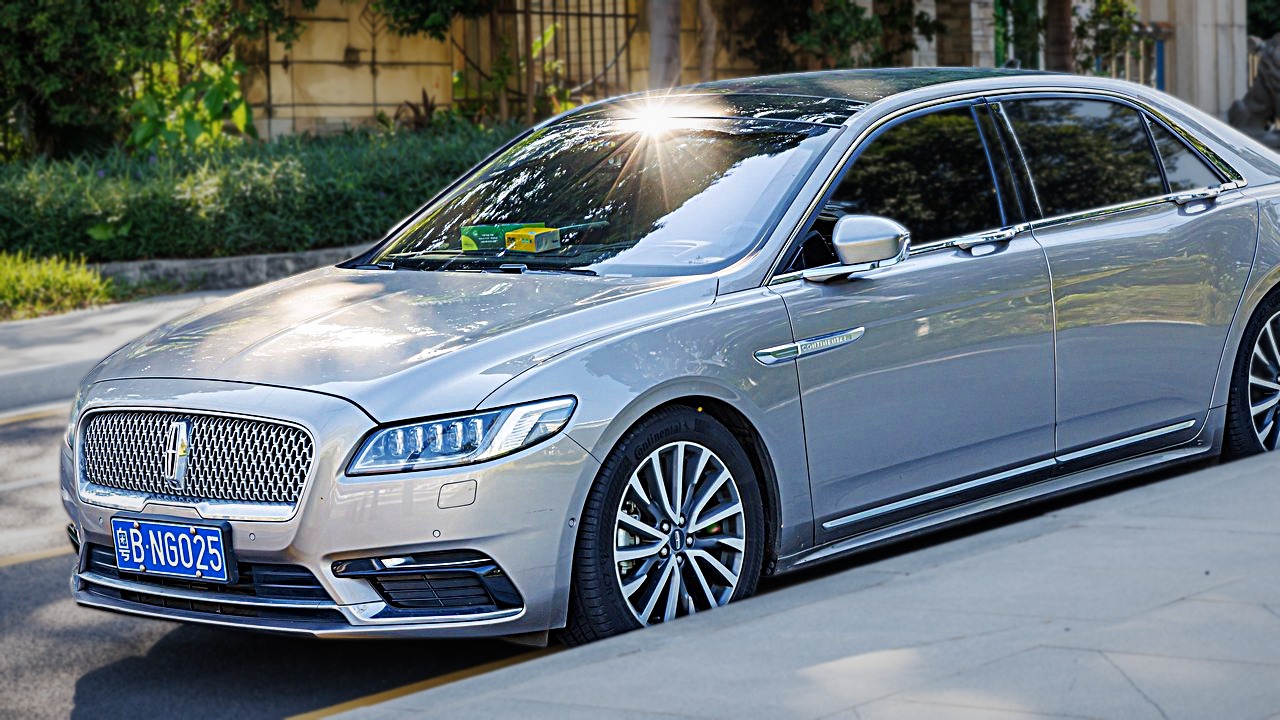
Lincoln marked its 80th anniversary in 2019 with a limited run of 80 Continentals carrying rear-hinged back doors. The tenth-generation Continental thus revived the style that had defined the 1960s car.
Only a tiny number were built, so the special edition is a rare find. Collectors should confirm that any car offered as one of the limited run is documented, because standard Continentals of the period had conventional rear doors.
12. Facel Vega Excellence: Pillarless Luxury
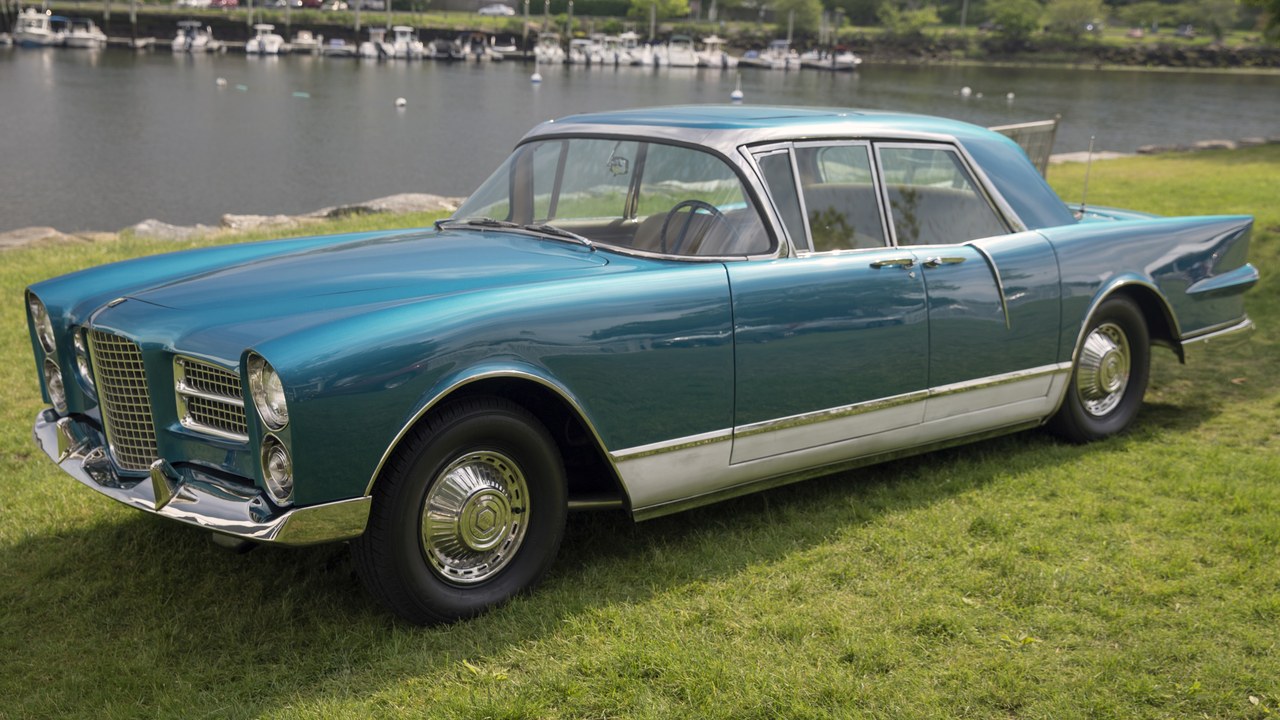
Hagerty notes that the company made just 156 luxo sedans, with pillarless bodies, rear-hinged doors and Chrysler V-8 power. The French grand tourer was built in tiny numbers for wealthy buyers.
With so few made, the Excellence is a rarity even among collectors of postwar European luxury cars. Anyone interested should expect a long search and careful inspection of the pillarless body, whose absence of a center post demands attention.
13. Studebaker Land Cruiser: Postwar Cruiser
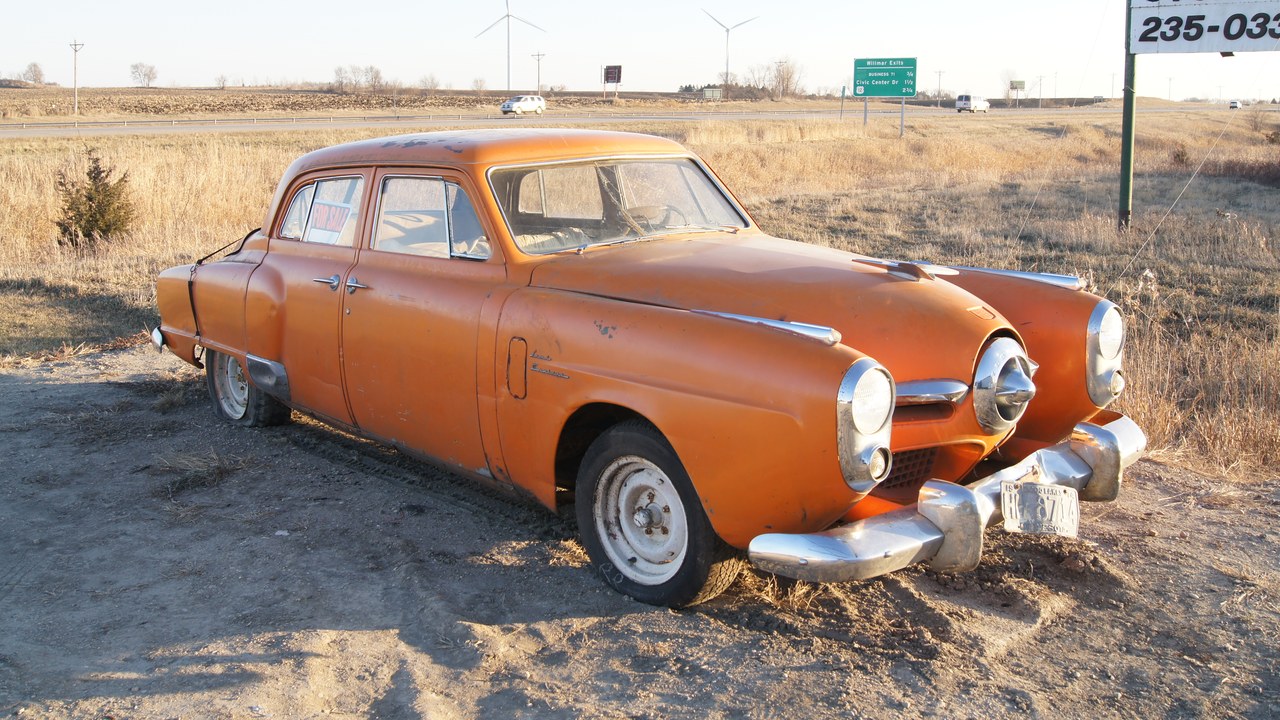
Hagerty includes the 1947-1952 Studebaker Land Cruiser among cars with rear-hinged rear doors, citing a 123-inch wheelbase that gave rear passengers extra room. The Land Cruiser sat at the top of Studebaker’s lineup in those years.
The long wheelbase made it a roomy family sedan, and the unusual doors added to its distinction. Because the source supports this entry mainly as a list mention, readers should confirm door details on any specific car.
More from Morning Overview
- Arizona declared a statewide emergency after storms and floods battered homes and roads
- California’s Long Valley supervolcano is quietly sinking, its biggest drop on record
- A 2,000-year-old nomad tomb in Mongolia held a glass cup that may have traveled from Rome
- A dangerous unpatched Windows exploit is now public and can hand attackers full control
