
Modern cars are loaded with safety equipment that drivers rarely think about, from seat belts to backup cameras, because a single production model usually introduced each one first. Engineers at a handful of manufacturers tested ideas that regulators and rivals were slow to adopt, and decades later those same features became mandatory equipment across the industry. Here are ten cars that introduced a safety feature every vehicle now has.
1. Volvo PV544: The First Three-Point Belt
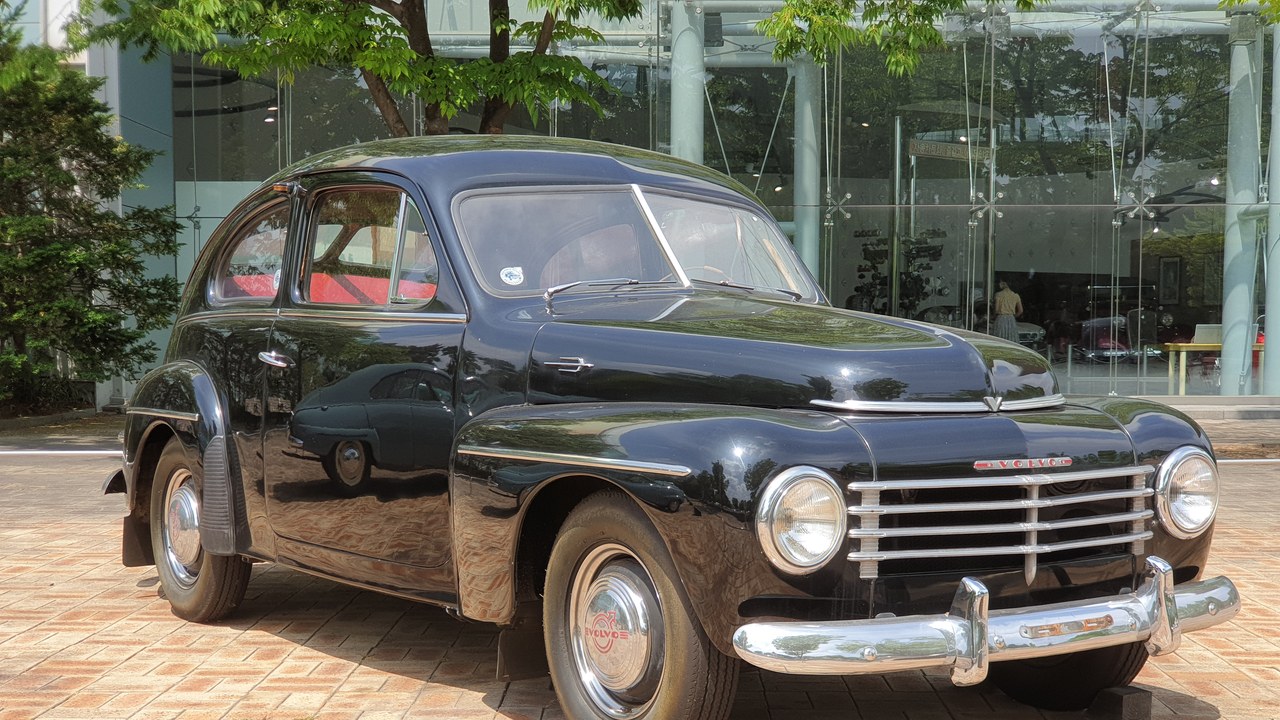
Volvo built the first production car fitted with a standard three-point safety belt, delivering the car to a customer in Kristianstad, Sweden on 13 August 1959. Engineer Nils Bohlin designed the Y-shaped strap to anchor at the hip and shoulder, spreading crash force across the chest and pelvis instead of the stomach alone.
Every automaker eventually copied the same anchor geometry rather than paying to license a competing design. That basic three-point layout, unchanged in principle, is still bolted into every seating position in a modern car today.
2. Buick Special (1939): Turn Signals Come Standard
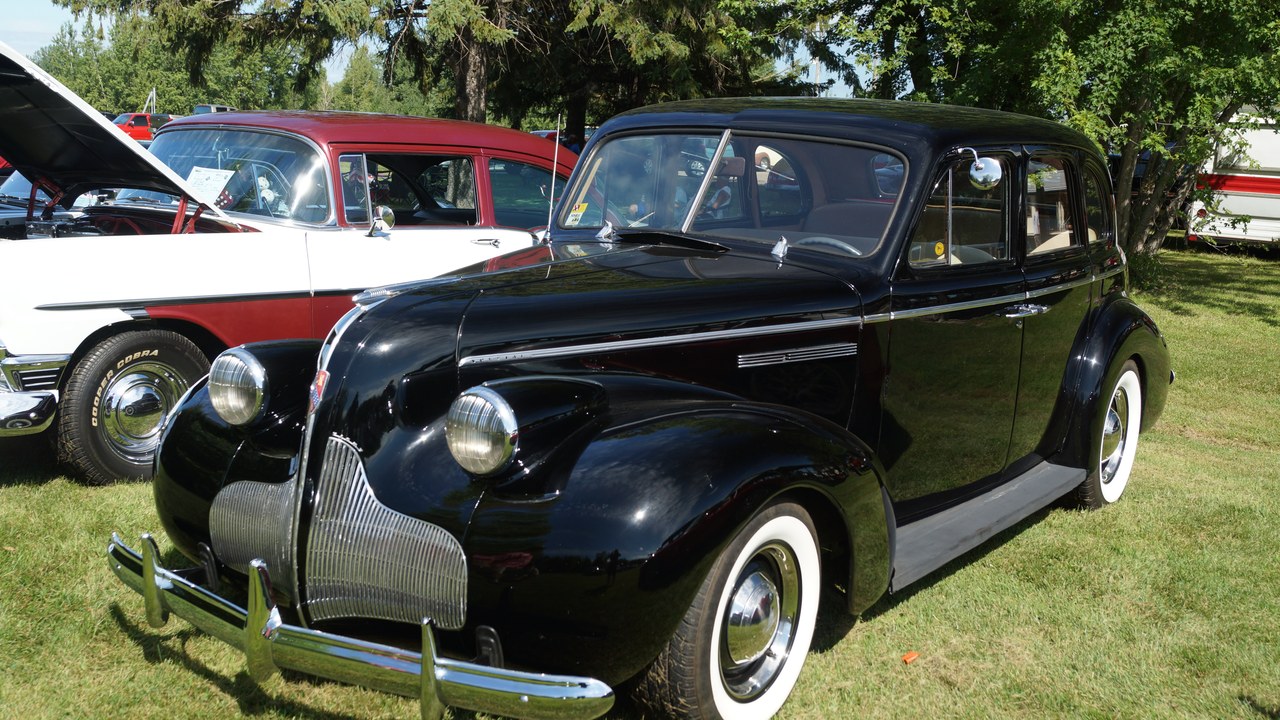
Buick fitted every 1939 model, including the Special, with the Flash-Way directional signal as standard equipment, years before most drivers even knew the feature existed. Flipping a lever under the steering wheel flashed amber lights front and rear to warn other traffic of an upcoming turn.
Rival brands treated turn signals as a pricey option well into the 1950s, and some states did not require them at all. Buick’s early bet made the switch a routine dashboard habit long before regulators forced the rest of the industry to catch up.
3. Tucker 48: A Windshield Built to Pop Out
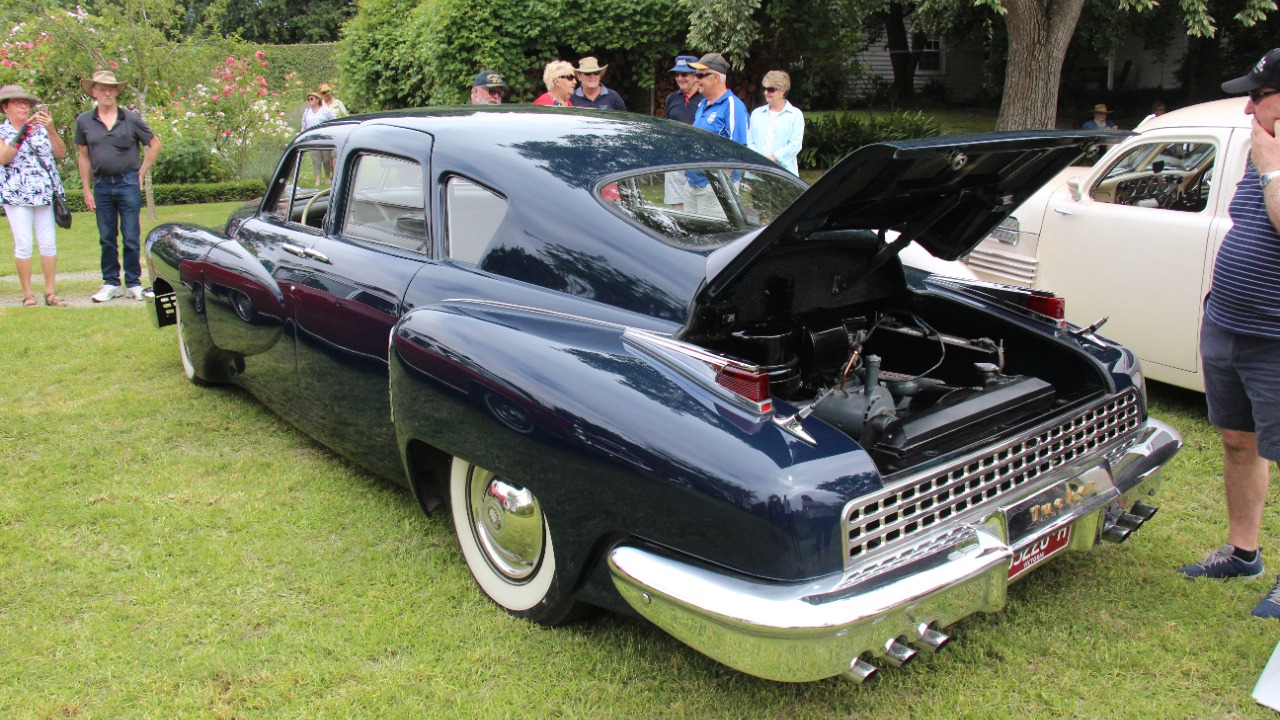
The Tucker 48 arrived with a padded dashboard and a pop-out windshield designed to release from its frame in a hard crash rather than shatter inward on the driver. Preston Tucker’s engineers reasoned that ejecting the glass safely mattered more than keeping it fixed in place.
The idea looked eccentric next to Detroit’s rigid steel dashboards of the era, but padding and breakaway glazing both became standard safety thinking within a generation. Only a small number of the cars were ever built before the company collapsed.
4. Chrysler Imperial (1971): Brakes That Refused to Skid

The 1971 Chrysler Imperial’s optional Sure-Brake system was the first production four-wheel anti-skid braking setup, using onboard sensors to release brake pressure at each wheel the instant it detected a skid. It let a driver keep steering control during a hard, sudden stop.
The mechanical system relied on a flywheel sensor at the rear axle plus a vacuum modulator that bled off brake pressure at each wheel independently, a design too costly to spread beyond one flagship model. It was dropped from the option list within a few years. Its core logic, wheel-speed sensing that prevents lockup, became the foundation for the anti-lock brakes now required on every new car sold today.
5. Oldsmobile Toronado (1974): The First Airbag Off the Line
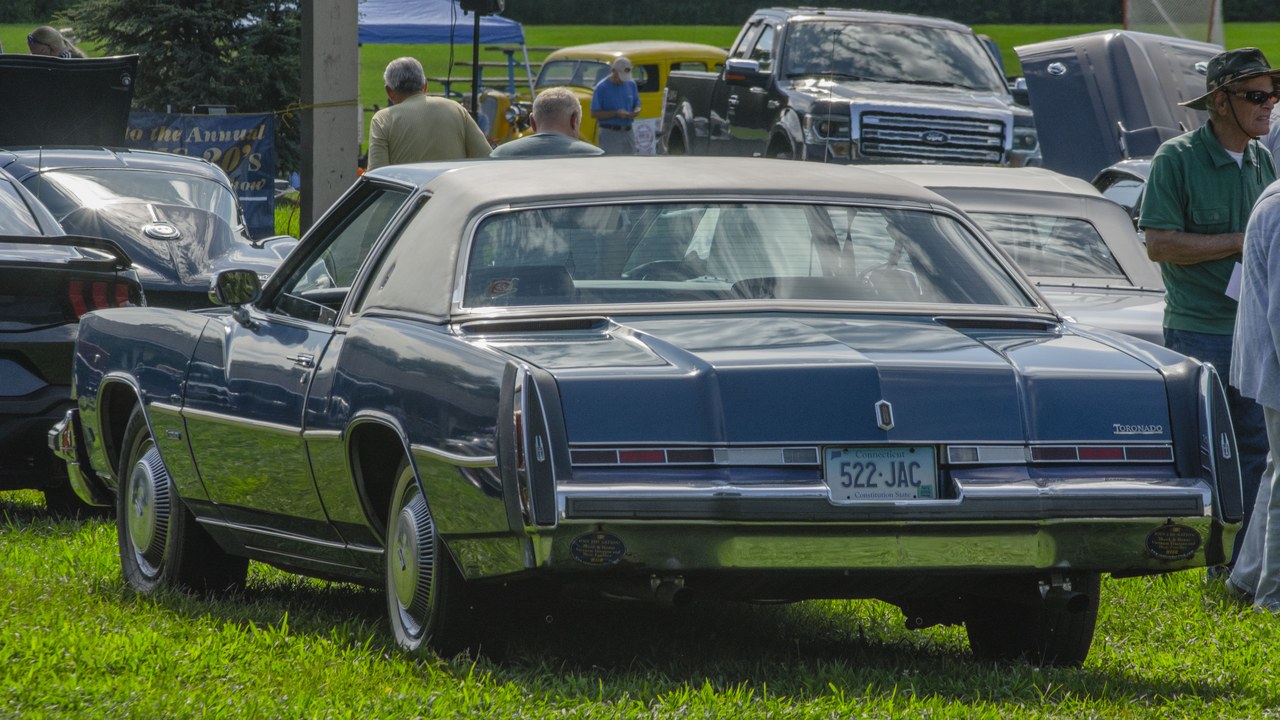
GM introduced its Air Cushion Restraint System on the 1974 Oldsmobile Toronado, giving buyers an optional passenger and driver airbag years before the technology had a common name. Sensors triggered the bags to inflate in milliseconds during a frontal collision.
Few buyers paid extra for the option, a bulky mechanical design that used a gas-generant charge to inflate the bag in milliseconds during a frontal impact. GM dropped it from the lineup after a handful of model years once demand and reliability concerns both stayed low. The underlying inflation technology resurfaced in the following decade in a smaller, cheaper form and eventually became mandatory equipment nationwide.
6. Mercedes-Benz S-Class (W126): Airbag Meets Seat-Belt Tensioner
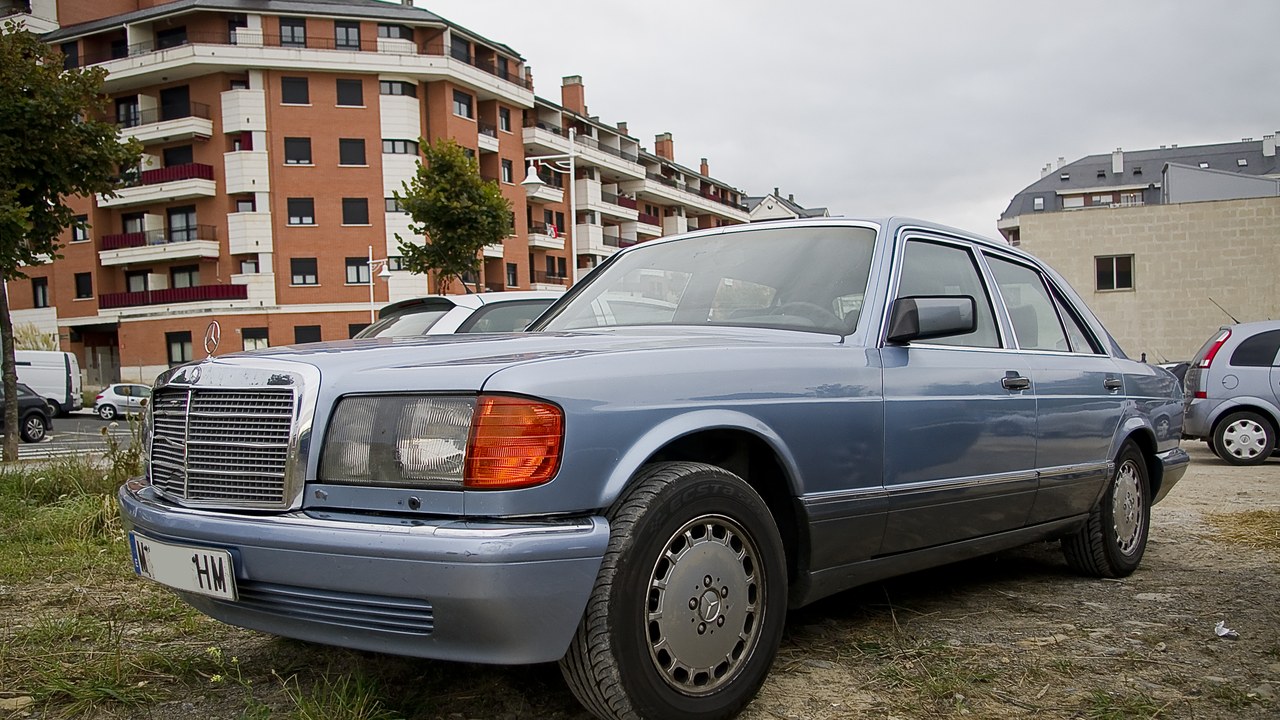
The Mercedes-Benz W126 S-Class became the first car delivered with a driver’s airbag paired with a seat-belt tensioner, starting in 1980 and 1981. The tensioner pulled slack out of the belt the instant a crash began, positioning the occupant before the airbag fired.
Pairing the two systems, rather than relying on either alone, set the pattern every modern restraint system still follows: tensioning the belt first, then cushioning the occupant with a bag. The combination arrived as an expensive option on the flagship sedan before spreading down through cheaper Mercedes lines within a few years. Regulators eventually required some version of both technologies on every new car.
7. Volvo 850: Airbags Move to the Sides
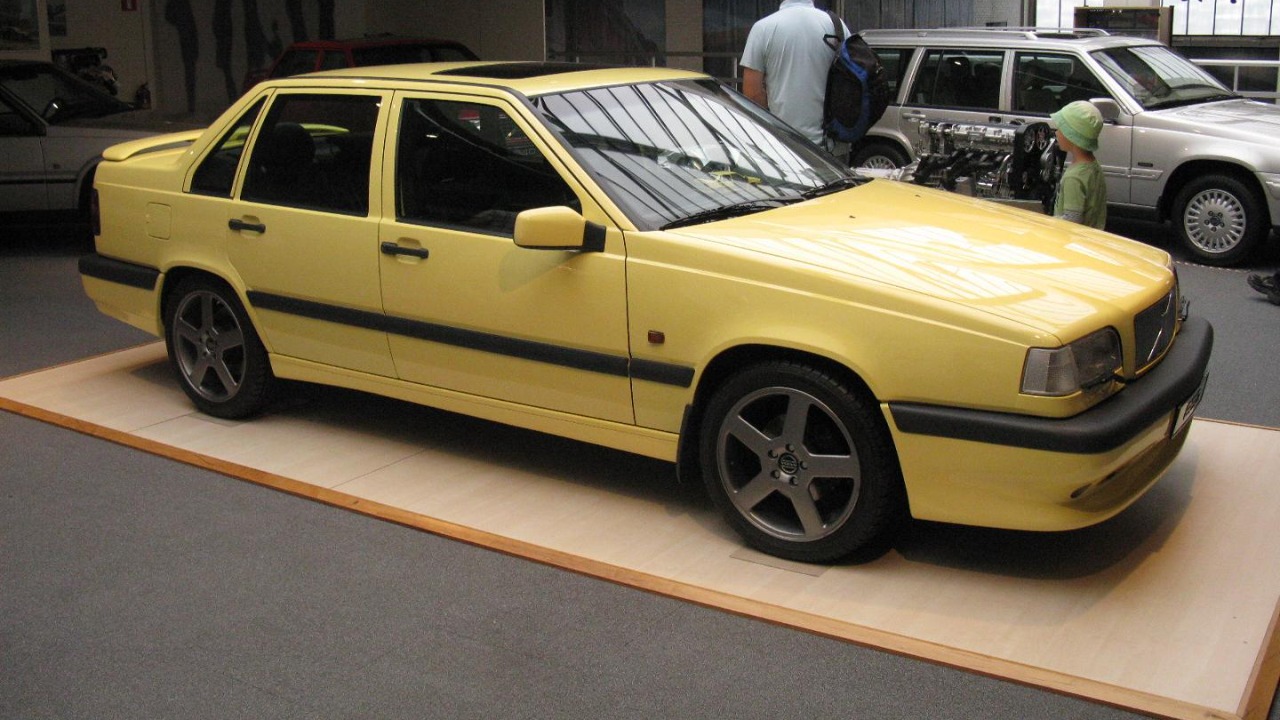
The Volvo 850 became the first mass-produced car offered with side-impact airbags, starting in 1994, mounted in the outer edge of the front seats rather than the dashboard or steering wheel. They were built to shield the torso in a T-bone collision, a crash type frontal airbags do nothing to stop.
Volvo paired the bags with reinforced door structures developed from its own side-impact testing program. Within a decade, side airbags spread from a Volvo specialty into an expected feature across nearly every vehicle segment.
8. Mercedes-Benz S 600 Coupe (C140): Stability Control Goes Standard
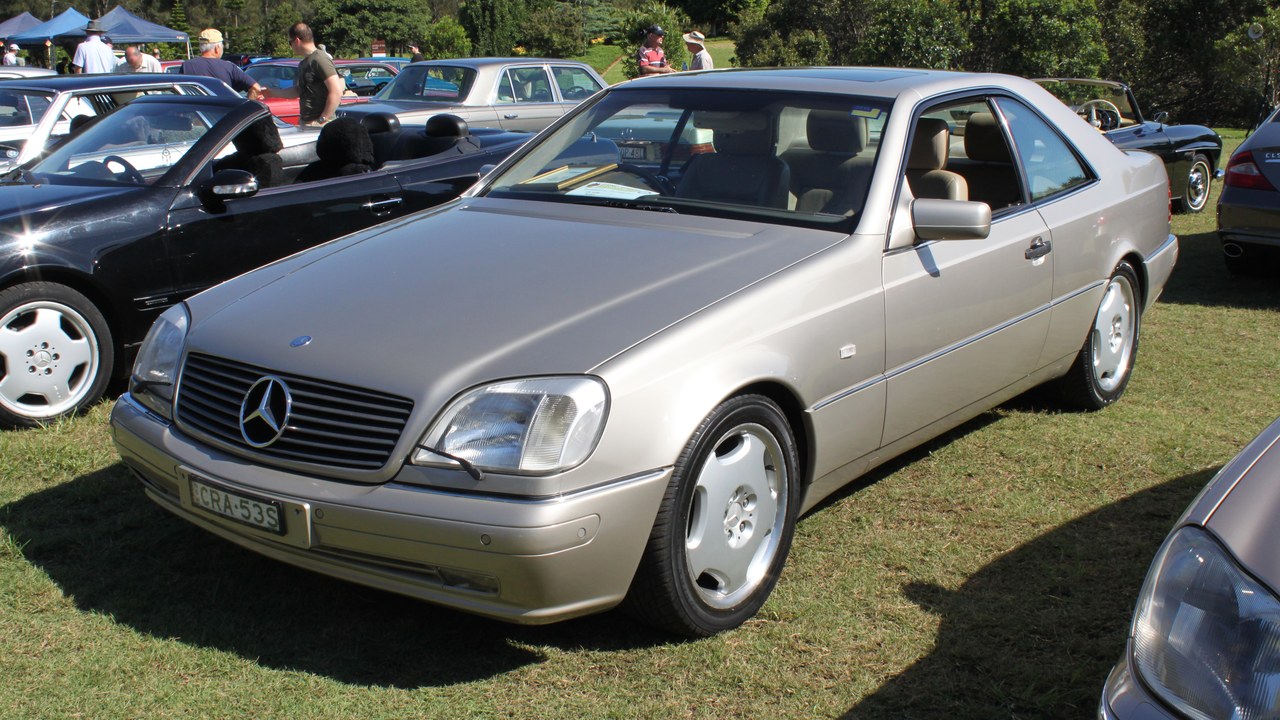
Mercedes-Benz made Electronic Stability Program control standard on the S 600 Coupe, part of the C140 lineup, starting in March 1995. The system used wheel sensors to detect a skid and braked individual wheels automatically to pull the car back onto its intended path.
Developed jointly with Bosch, the technology proved so effective at preventing loss-of-control crashes that regulators eventually mandated it. What began as a flagship-coupe option is now required safety equipment on every new car sold in the United States and Europe.
9. Infiniti Q45 (2002): A Camera Watches the Rear
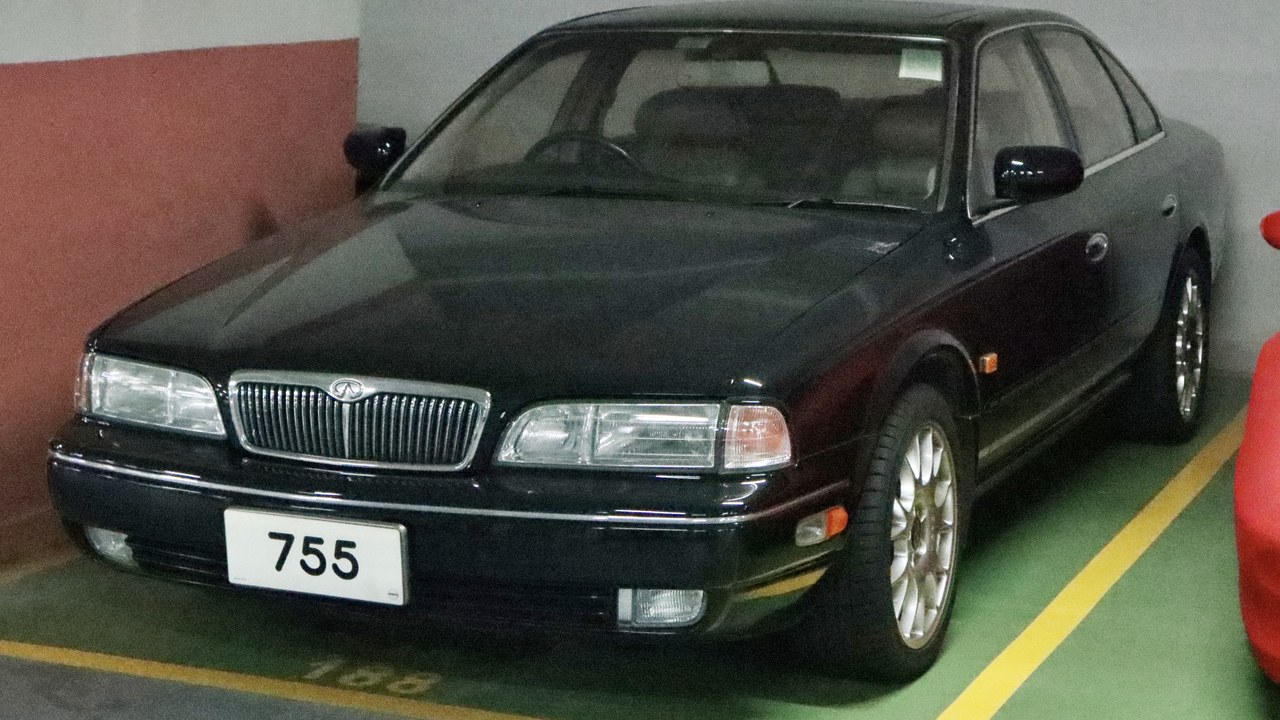
The 2002 Infiniti Q45 brought the RearView Monitor to market, displaying a live camera feed of the area behind the car on the dashboard screen whenever the driver shifted into reverse. It was aimed squarely at eliminating blind spots a mirror alone could not cover.
The feature quietly spread through luxury trims for a decade before it became a genuine safety priority. Regulators have since mandated a backup camera on every new car and light truck sold in the United States.
10. Porsche 959: Tires That Report Their Own Pressure
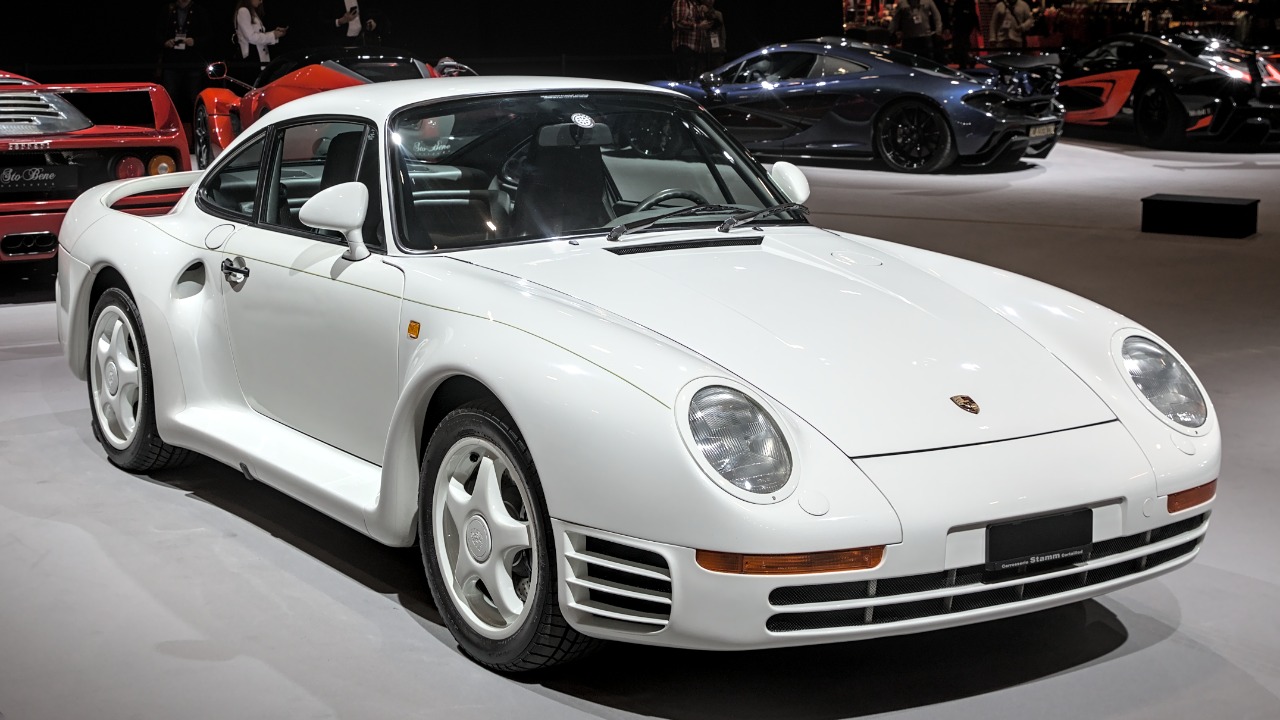
The Porsche 959 was the first vehicle fitted with a tire-pressure monitoring system, back in 1986, using sensors built into the wheels to warn the driver the moment a tire began losing air at speed. The car’s exotic all-wheel-drive performance made the safeguard especially important at the high speeds it was built to reach.
The technology stayed a rare, expensive novelty for nearly two decades before tire-safety recalls pushed regulators to act. A tire-pressure monitor is now required equipment on every new car sold in the United States.
More from Morning Overview
