
Most SUVs on sale today share a unibody structure with ordinary cars, prioritizing ride comfort and fuel economy over outright toughness. A smaller group still bolts its body onto a separate steel frame, the old truck-style formula built to survive off-road abuse, heavy towing and years of hard use. Here are ten SUVs that still build it the traditional way.
1. Toyota 4Runner: Body-On-Frame Held Its Ground
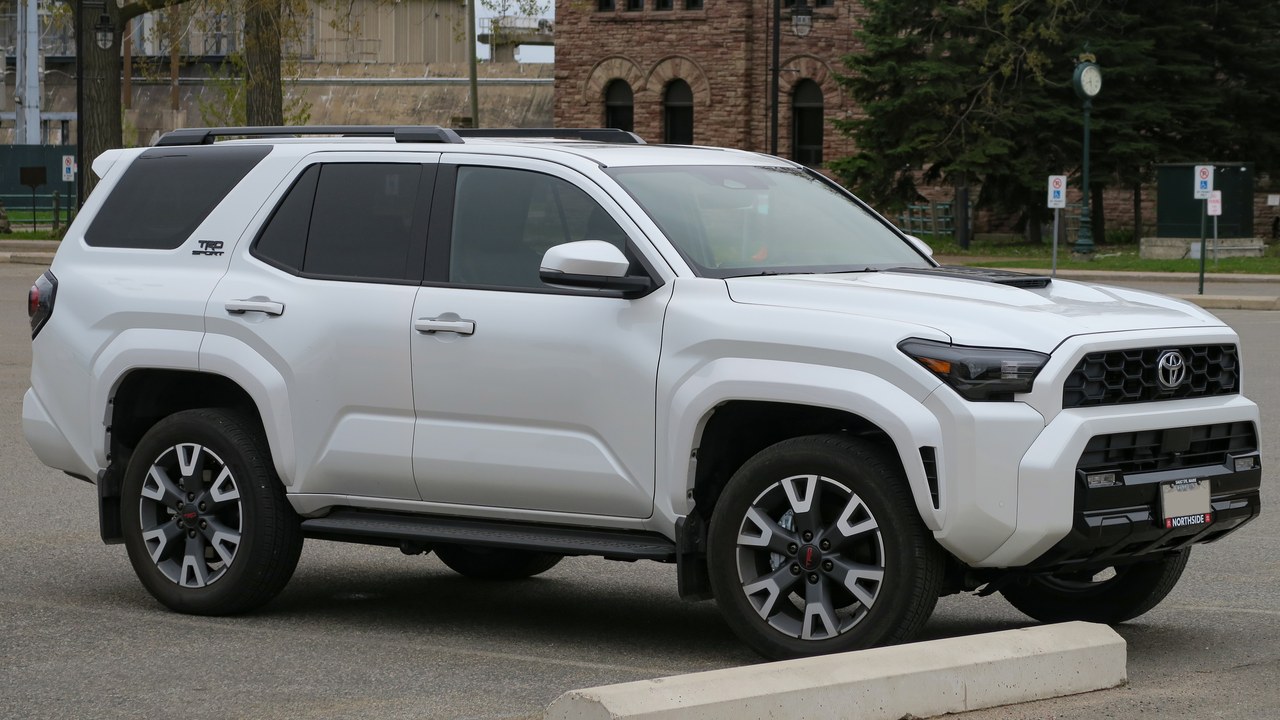
The 4Runner keeps a separate ladder-frame chassis bolted beneath its body rather than folding structure and skin into one unit, the same TNGA-F architecture it shares with the Tacoma pickup and the reborn Land Cruiser, and a solid rear axle still survives on the off-road-focused TRD Pro and Trailhunter trims for extra axle articulation.
That layout sacrifices some of the smooth ride and hushed cabin that unibody midsize crossovers offer, but it shrugs off years of washboard roads and repeated hard landings, which is a large part of why the 4Runner has long carried some of the strongest resale values in the entire SUV segment.
2. Jeep Wrangler: Solid Axles, Removable Everything
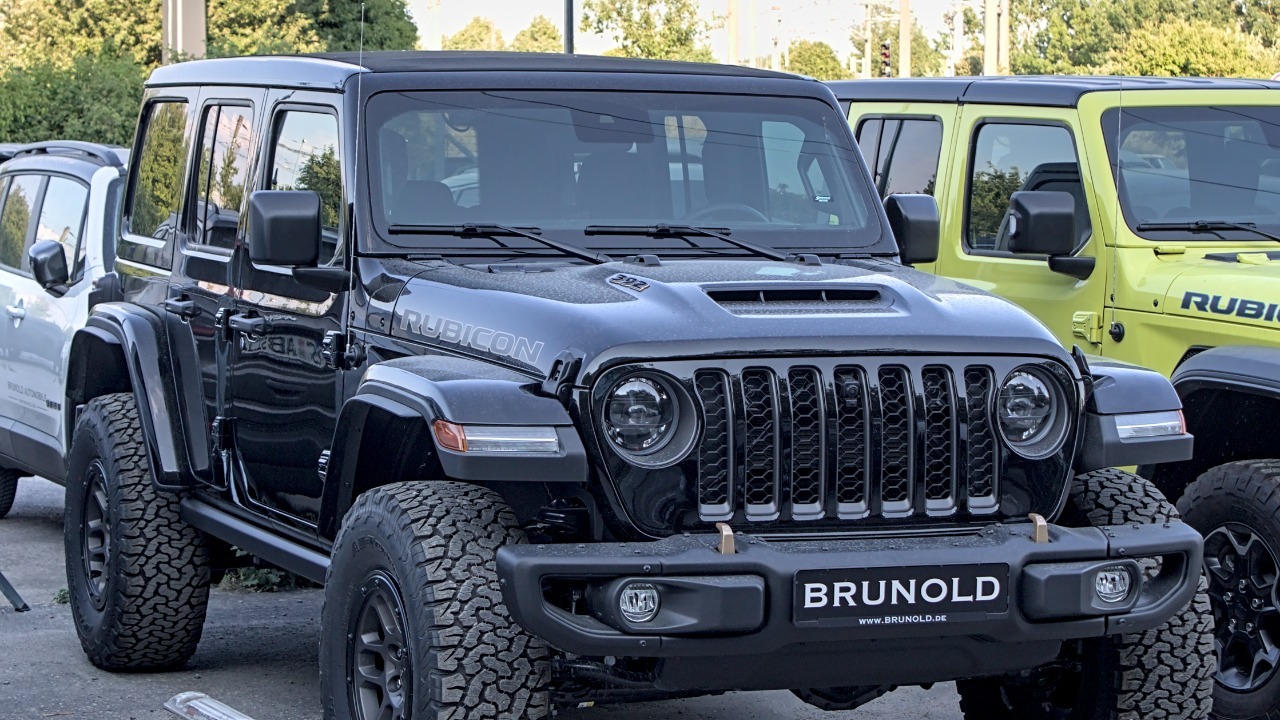
The Wrangler still rides on a separate ladder frame with solid axles at both ends, and the Rubicon trim layers on locking front and rear differentials plus a front sway-bar disconnect that lets a wheel drop deep into a rut while the opposite wheel keeps pressing into the ground for traction.
Doors, roof panels and even the windshield still fold or lift away entirely, a party trick that only really makes sense on body-on-frame architecture engineered from the start for trail abuse, and it is the reason cross-shopping the Wrangler against a car-based crossover rarely makes much sense for buyers who actually leave pavement.
3. Ford Bronco: Built to Chase the Wrangler
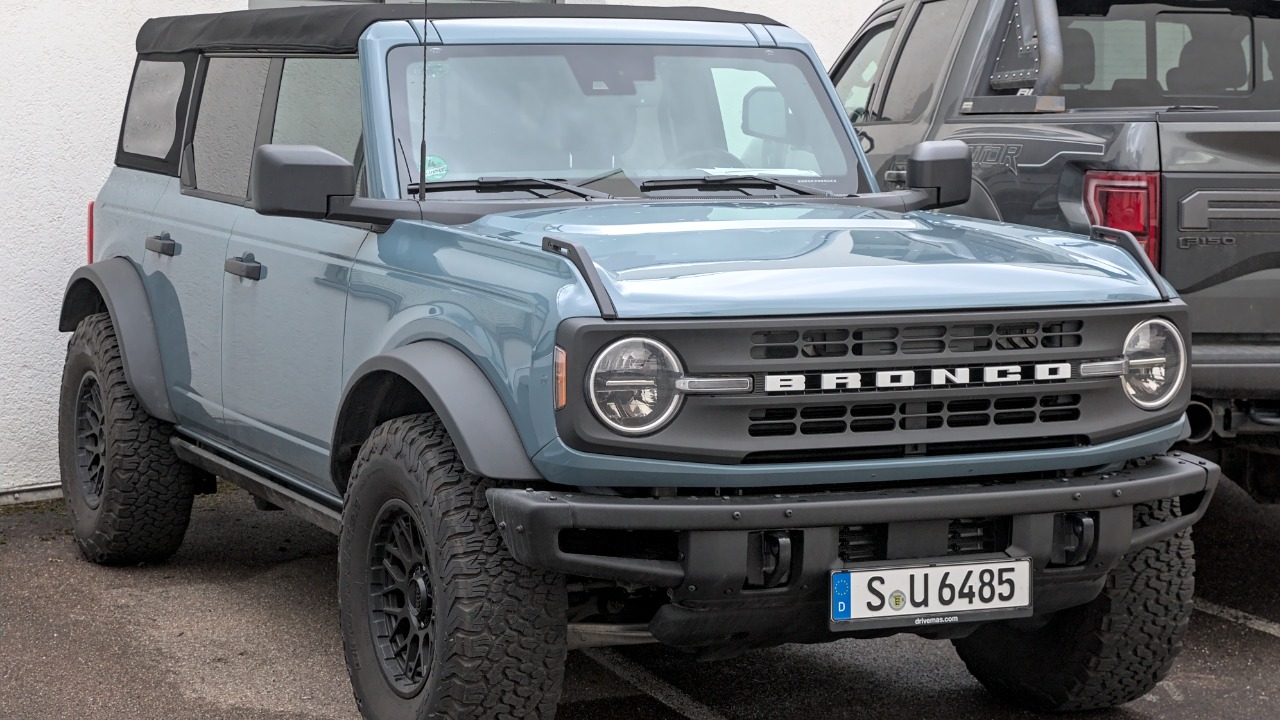
Ford deliberately revived body-on-frame construction for the modern Bronco lineup, pairing the truck-style frame with coil springs at all four corners and, on Sasquatch-equipped models, 35-inch tires plus front and rear locking differentials for genuinely serious ground clearance and traction.
Removable doors and a fold-down windshield echo the format of the original 1960s Bronco, giving buyers a factory-built alternative to the Wrangler that still leans on a rugged frame rather than a unibody, even though that choice trades away some of the composure a modern crossover delivers on the highway.
4. Toyota Land Cruiser: Global Reputation Built on Toughness
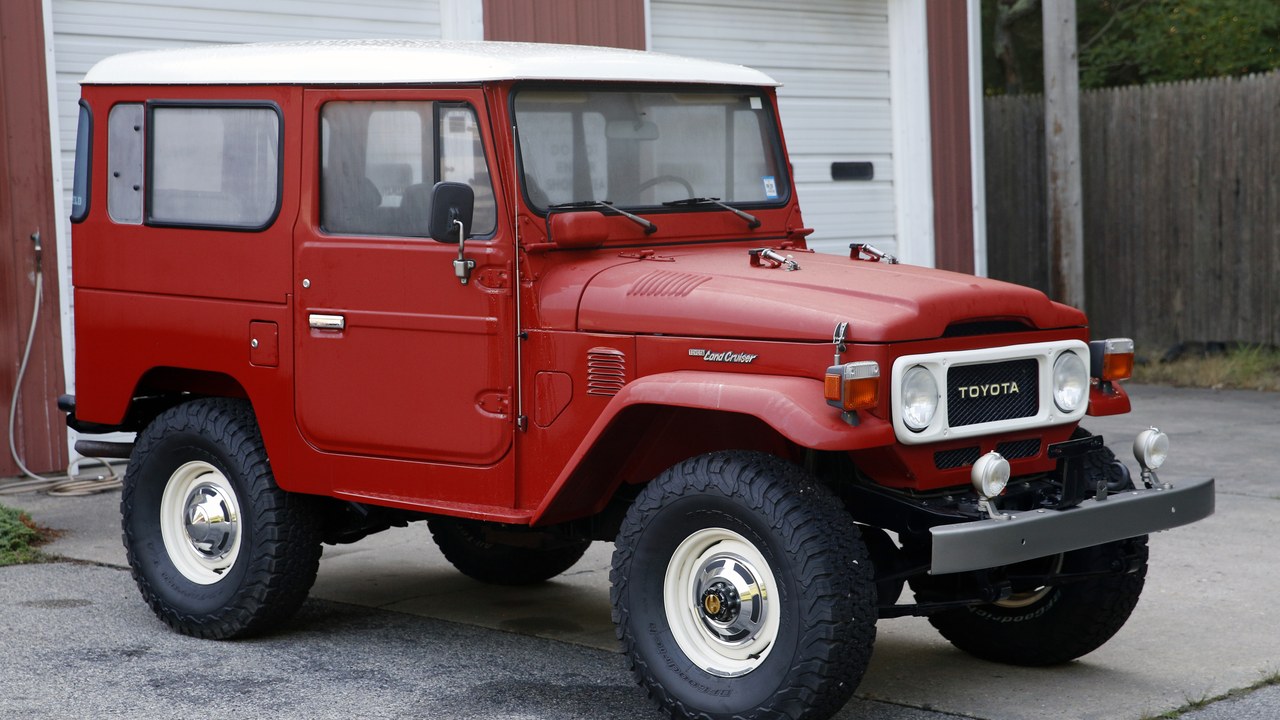
The Land Cruiser nameplate has run body-on-frame construction across generations sold in dozens of countries, prized in remote deserts and mountain routes precisely because the design tolerates the kind of prolonged abuse that would eventually crack or loosen a unibody structure over time.
That frame-first formula has carried the nameplate from simple, mechanically basic trucks decades ago through today’s far more sophisticated hybrid-powered version, proof the underlying engineering choice has outlasted enormous shifts in styling and technology without ever needing to be abandoned.
5. Toyota Sequoia: Tundra Bones, Family-Size Body
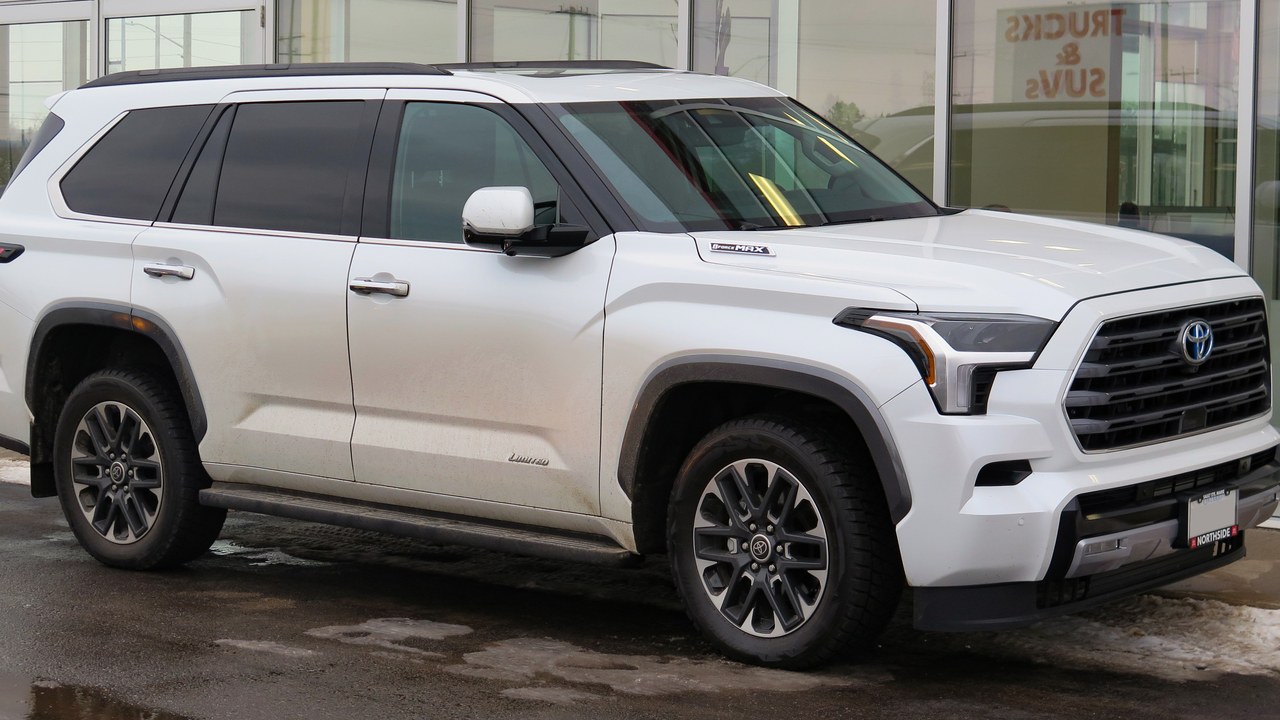
The Sequoia shares its TNGA-F truck frame with the Tundra pickup, and every version now pairs that structure with the i-Force Max hybrid drivetrain, a combination that adds low-end torque without asking Toyota to engineer a second frame just for its three-row SUV.
That truck-derived structure is what lets the Sequoia post towing figures well beyond most unibody three-row competitors, though the tradeoff shows up as a firmer ride over broken pavement and a noticeably wider turning circle when maneuvering around a crowded parking lot.
6. Chevrolet Tahoe: Full-Size Frame Shared With the Silverado
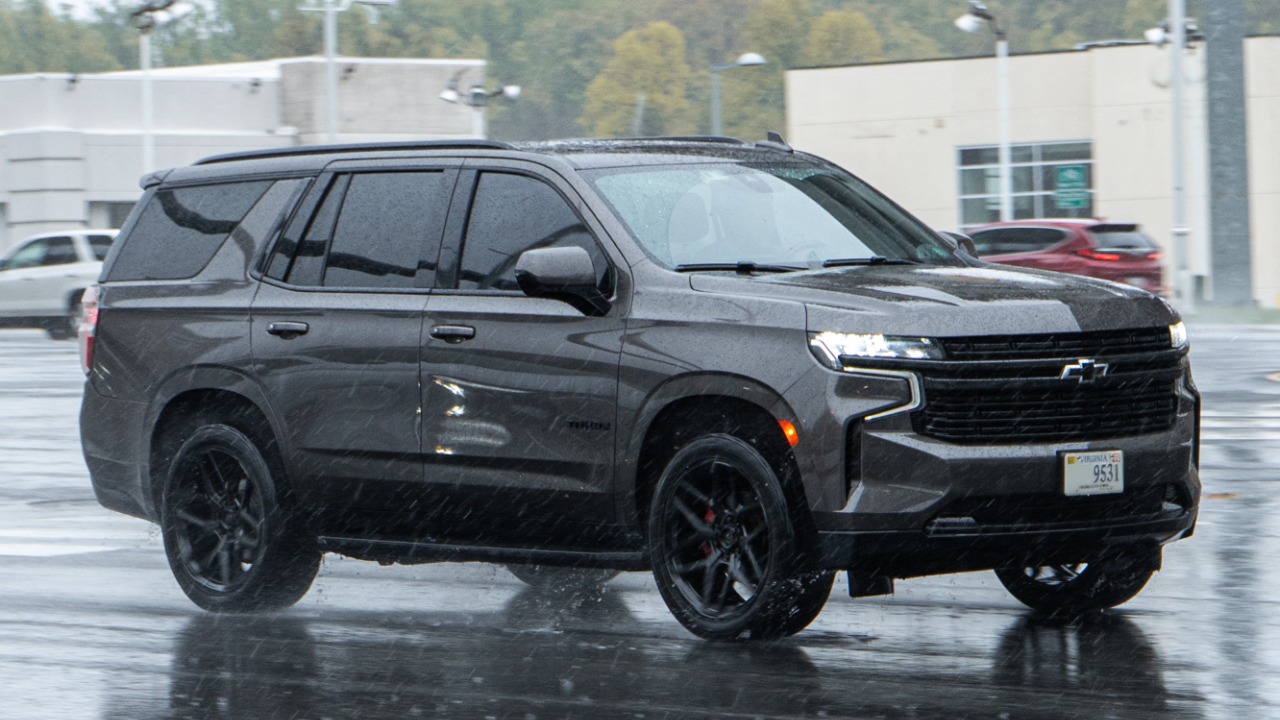
The Tahoe rides on General Motors’ full-size truck platform, the same underpinnings used beneath the Silverado pickup, with an independent rear suspension available to soften the ride quality without asking engineers to abandon the separate frame underneath.
That shared truck architecture is why the Tahoe can swallow a full-size cargo load and tow a heavy trailer at the same time, a combination that smaller crossovers built on car-derived unibody platforms simply cannot match no matter how their cabins are packaged or marketed.
7. GMC Yukon: Denali Polish Over a Truck Frame
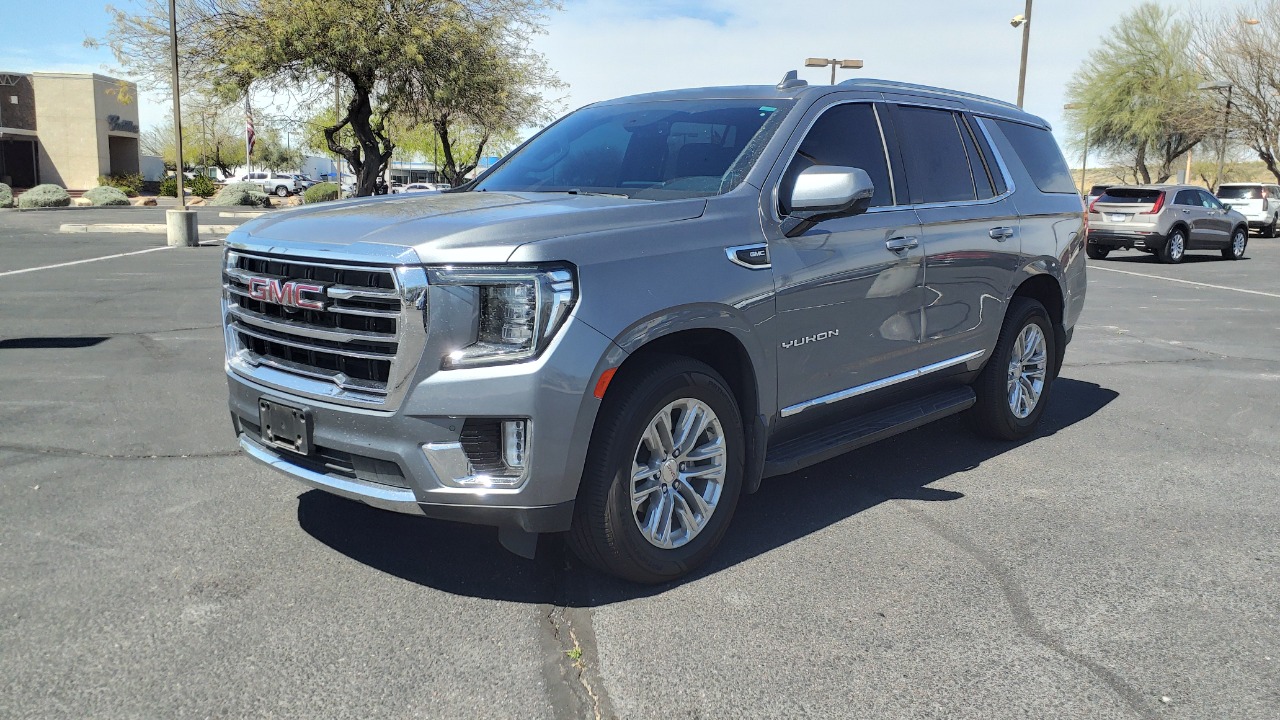
The Yukon is built on the same body-on-frame platform as the Chevrolet Tahoe, and the top Denali trim layers on Magnetic Ride Control and extra sound insulation atop that shared truck structure rather than replacing it with anything softer.
The result is a full-size hauler that can be optioned toward genuine luxury without losing the frame’s core towing and payload advantages, which is exactly why GMC keeps selling it as a distinct model alongside the mechanically related Tahoe rather than folding the two together.
8. Ford Expedition: F-150 Foundation Under Family Duty
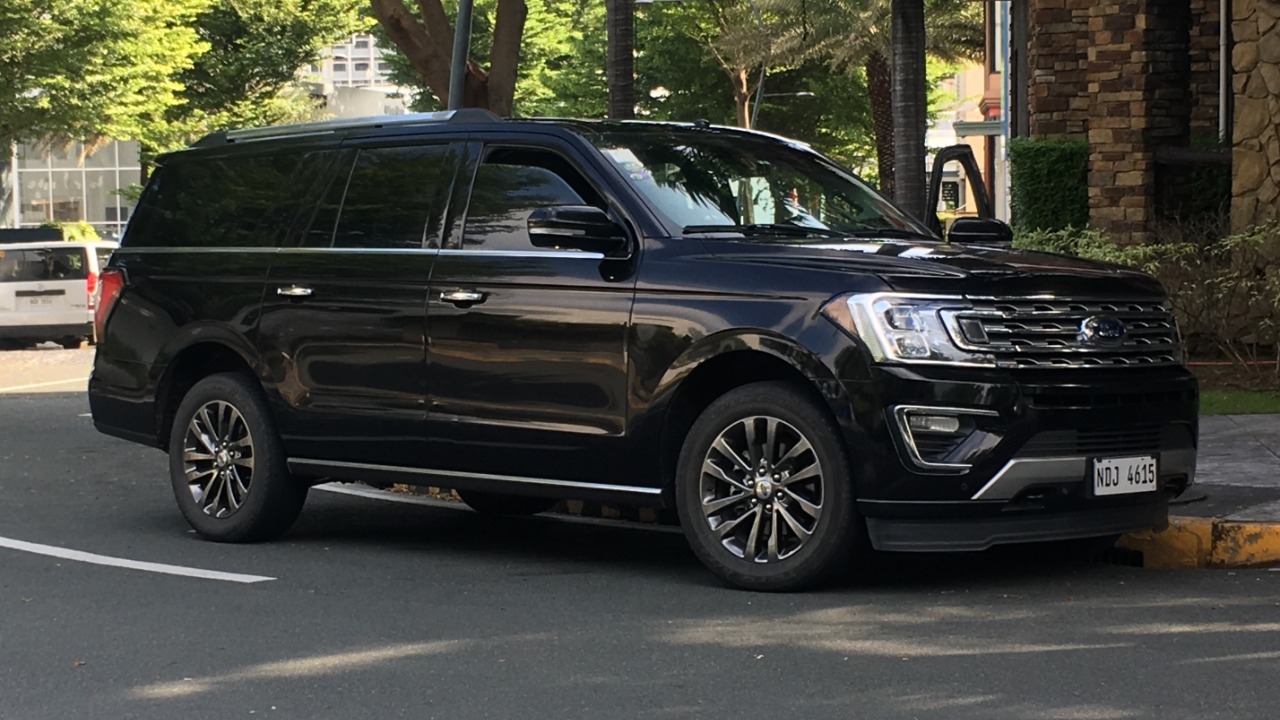
The Expedition is built on the same frame architecture as the F-150 pickup, and its twin-turbocharged V6 pairs with an independent rear suspension to blend genuine truck strength with a noticeably more livable ride for daily family duty.
That combination lets the Expedition offer a Max Tow package that rivals what some midsize pickups can pull, while still seating up to eight passengers, a balance that is genuinely hard to strike on any three-row SUV built purely on unibody underpinnings, since car-based platforms rarely handle sustained heavy-trailer towing this well.
9. Nissan Armada: A Frame Shared Across Continents
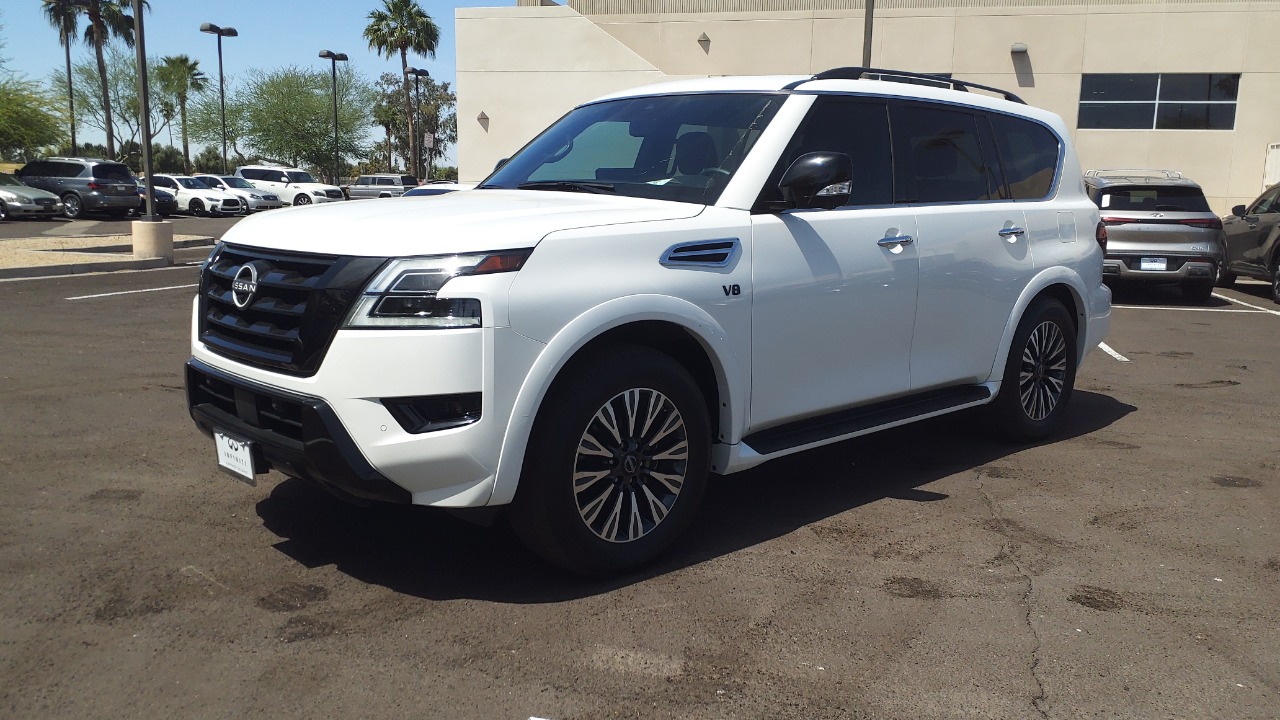
The Armada is a badge-engineered version of the Nissan Patrol, a body-on-frame platform sold across many overseas markets, and the newest generation swaps its old naturally aspirated V8 for a twin-turbo V6 without abandoning that truck-based structure.
That engine switch trims some weight over the nose and adds noticeably stronger low-end torque for towing, but the frame itself still stays true to the Armada’s original mission of pulling heavy trailers and shrugging off years of consistently punishing daily use without complaint.
10. Lexus GX: Luxury Cabin Over Off-Road Hardware
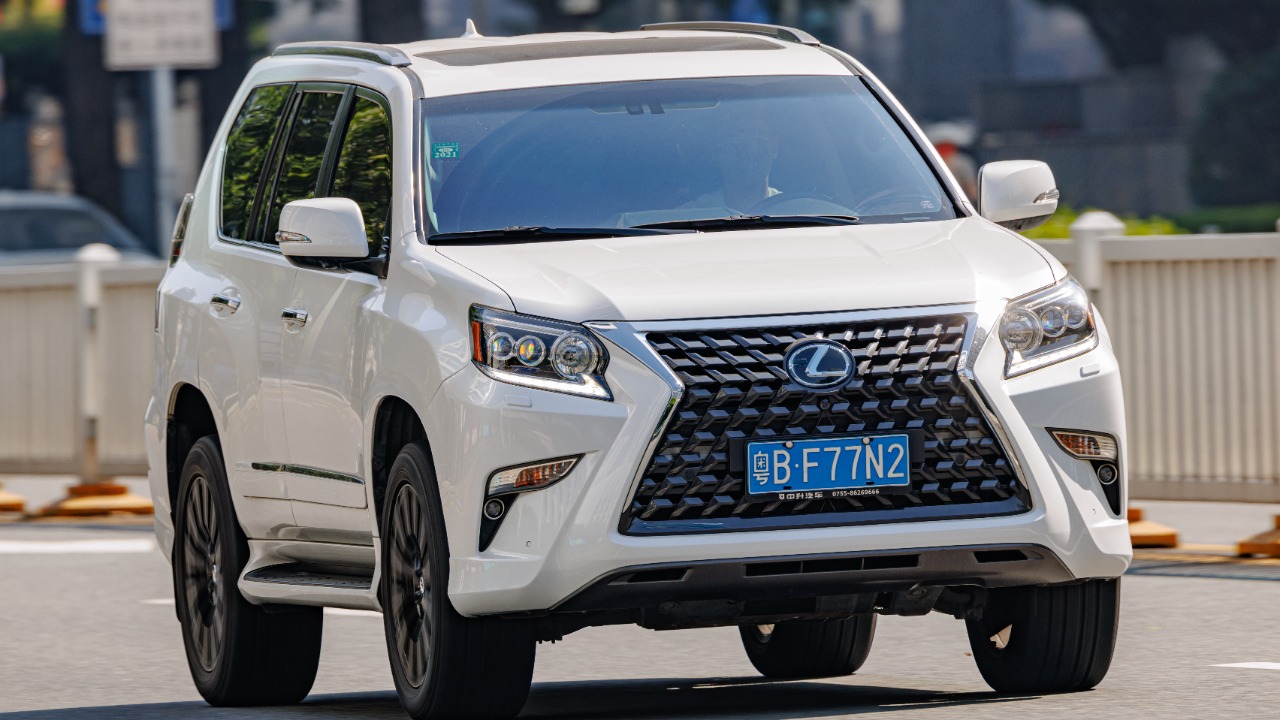
The GX shares its body-on-frame platform with the Land Cruiser Prado sold overseas, and the Overtrail trim adds a locking rear differential and specific off-road tuning atop otherwise Lexus-grade interior trim, quilted leather and additional driver-assistance technology.
That pairing lets Lexus sell genuinely serious off-road capability alongside a quiet, well-appointed cabin and long options list, a combination that keeps the GX clearly distinct from the brand’s unibody crossovers, which are built purely for comfortable pavement driving and were never engineered to leave it.
More from Morning Overview
- Supplements now rank as the fifth-leading cause of death from liver disease.
- The NSA is again telling phone owners to switch off one location setting
- Four U.S. startups fired up their first small nuclear reactors, aiming to power AI data centers on-site
- 11 engines built to run well past 200,000 miles
