
Automakers keep chasing bigger numbers under the hood, and the SUV segment has become an unlikely battleground for raw horsepower. Twin-turbo V8s, a naturally aspirated V12 and plug-in hybrid drivetrains now push several three-row and luxury haulers past the 600-horsepower mark, numbers that once belonged only to dedicated sports cars. Here are ten SUVs that cross that threshold for the 2026 model year.
1. Lamborghini Urus SE: The Hybrid Bull
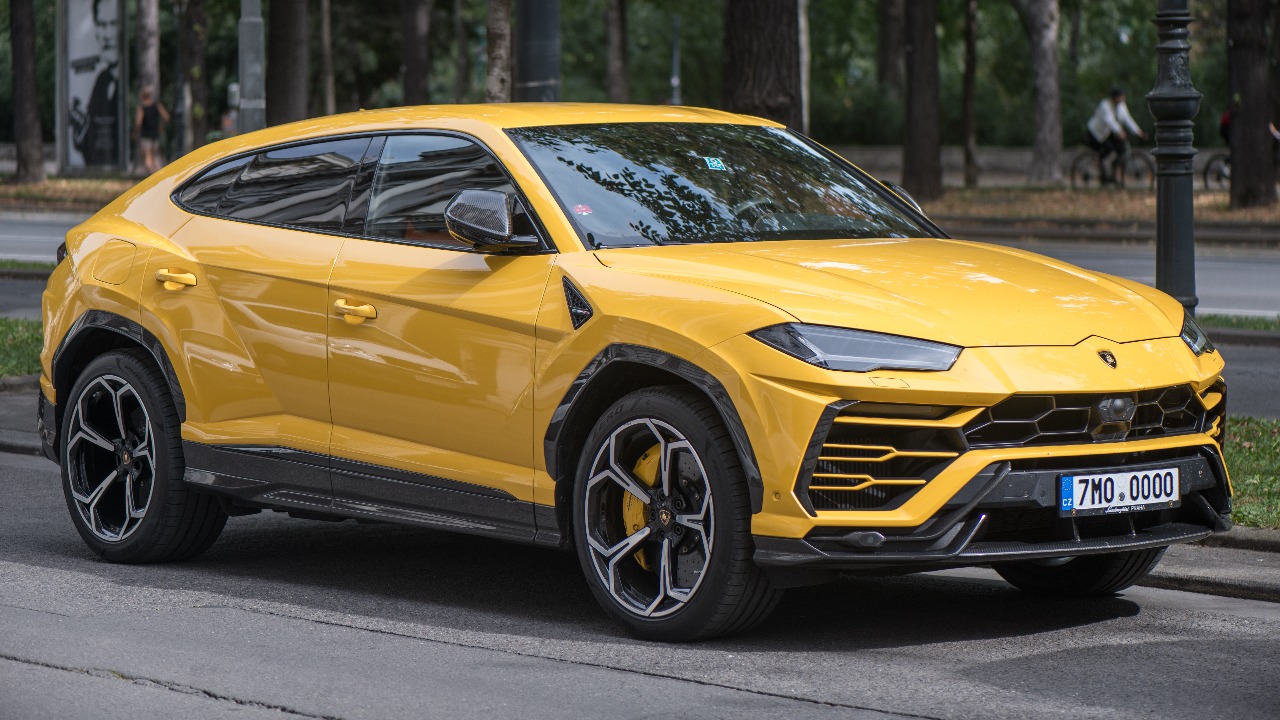
Lamborghini pairs a 4.0-liter twin-turbo V8 with an electric motor in the plug-in-hybrid Urus SE, and the combination sends about 789 horsepower to all four wheels, the highest figure on this list. Lamborghini positions the SE as the successor to the standard Urus rather than a limited special edition, meaning the hybrid drivetrain is becoming the brand’s default setup going forward.
The electric motor also lets owners cover a short distance on battery power alone before the V8 wakes up, a compromise buyers accept in exchange for supercar-level thrust in a body that still seats five and carries real cargo.
2. BMW XM Label: BMW’s Boldest Statement
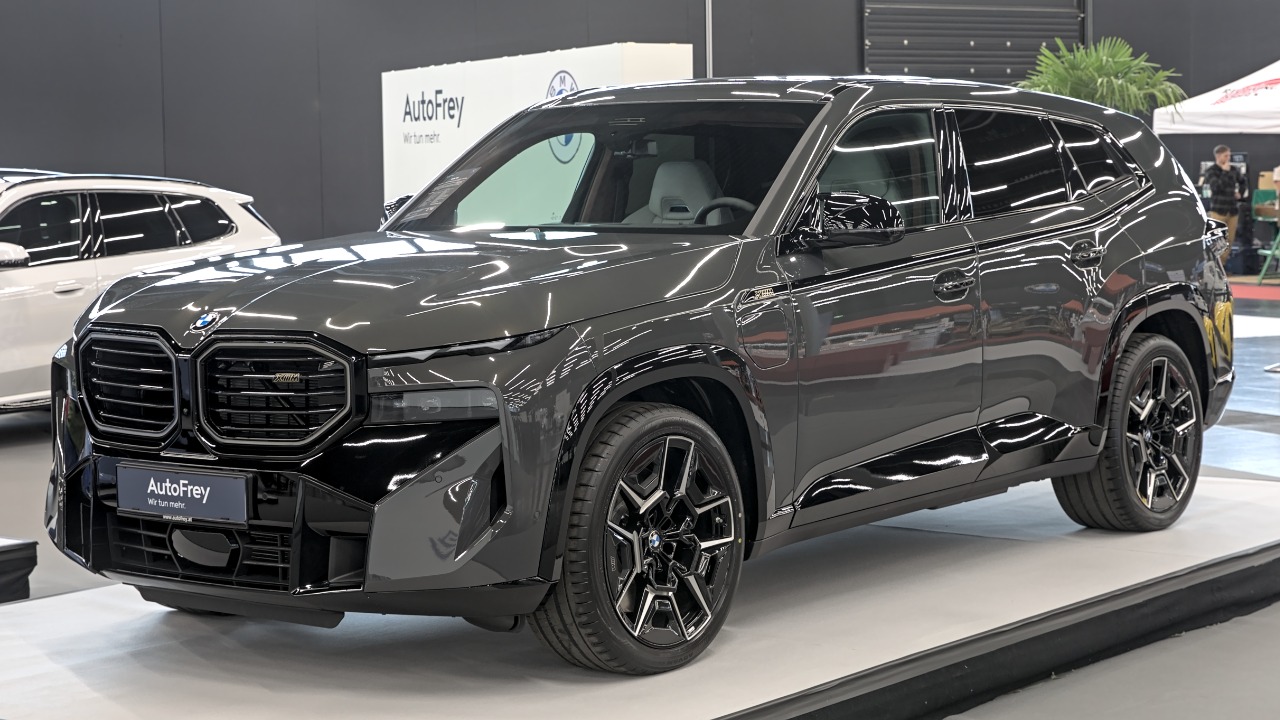
BMW built the XM as a standalone M model rather than a modified existing SUV, and the range-topping XM Label variant combines a V8 with a plug-in hybrid system for 738 horsepower. That figure comes from pairing the twin-turbo eight-cylinder with an electric motor mounted inside the transmission housing, a layout unique to this model in BMW’s current range.
That output makes it the most powerful production BMW the company has ever sold, a title once reserved for limited-run halo cars rather than a three-row family SUV built for daily use.
3. Aston Martin DBX S: Britain’s Sharpest Edge
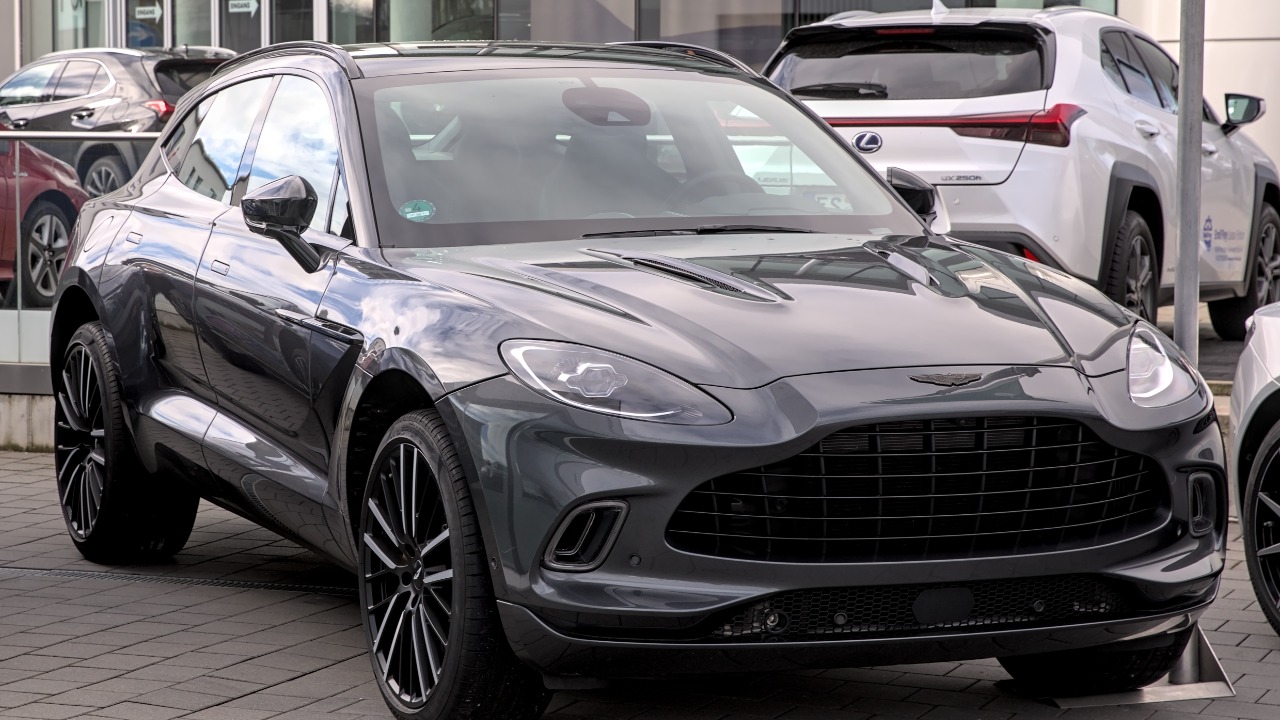
Aston Martin’s flagship SUV variant, the DBX S, extracts roughly 717 horsepower from a twin-turbocharged 4.0-liter V8 sourced from Mercedes-AMG and tuned in-house at Aston’s Warwickshire headquarters. Engineers also reworked the exhaust and cooling systems to help the engine sustain that output through repeated hard driving.
Stiffer suspension tuning and sharper steering accompany the power bump, positioning it as the most track-capable version of the DBX lineup rather than a straight-line specialist built purely for drag-strip numbers. Aston Martin builds each DBX S by hand at its St Athan facility in Wales, the same site that assembles every DBX variant sold worldwide.
4. Ferrari Purosangue: No Turbos Needed
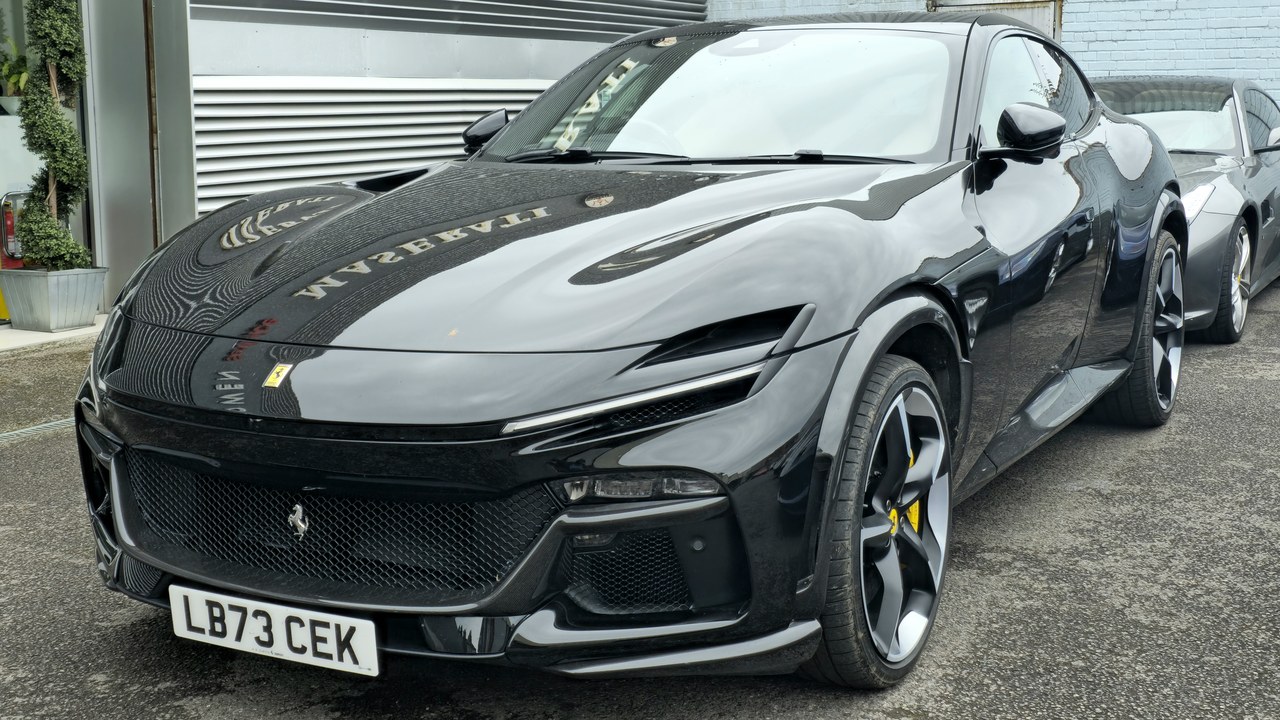
Ferrari resists turbocharging on its first SUV-shaped model, instead fitting the Purosangue with a naturally aspirated 6.5-liter V12 that produces 715 horsepower and revs well past what most turbocharged rivals on this list can manage. The engine sits low in the chassis, a placement Ferrari says helps balance the car’s weight front to rear.
Ferrari calls it a four-door, four-seat sports car rather than an SUV, but its raised ride height and rear-hinged back doors put it squarely in the same shopping cart as its rivals here.
5. Dodge Durango SRT Hellcat: The Last American V8 Blast
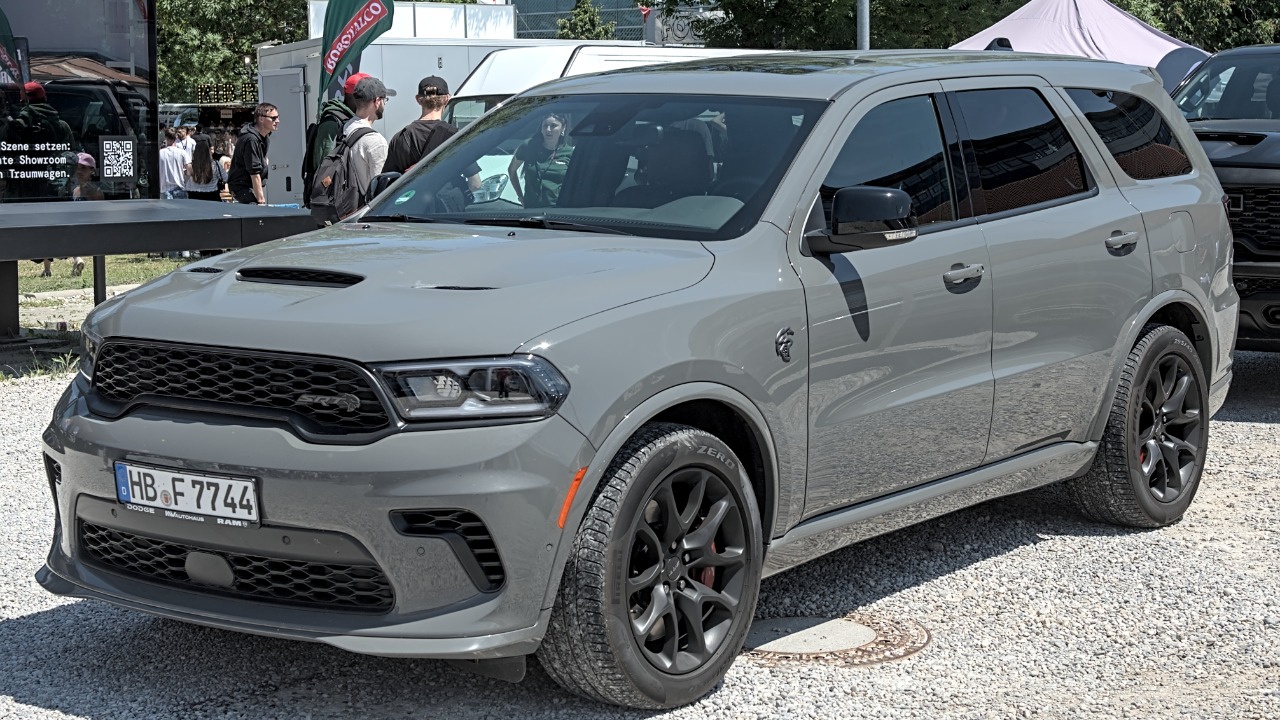
A supercharged 6.2-liter Hellcat V8 under the hood of the Durango SRT Hellcat makes 710 horsepower, turning a three-row family hauler into a legitimate drag-strip contender capable of running low-eleven-second quarter miles from the factory floor.
Dodge built the model in limited numbers before shifting its lineup toward electrification, which has made surviving examples a target for collectors chasing one of the last big-displacement American V8 SUVs still road-legal. Dealers reported many allocations selling before the vehicles ever reached a showroom floor, and resale values have held up well since production ended.
6. Cadillac Escalade-V: Cadillac’s V-Series Flagship
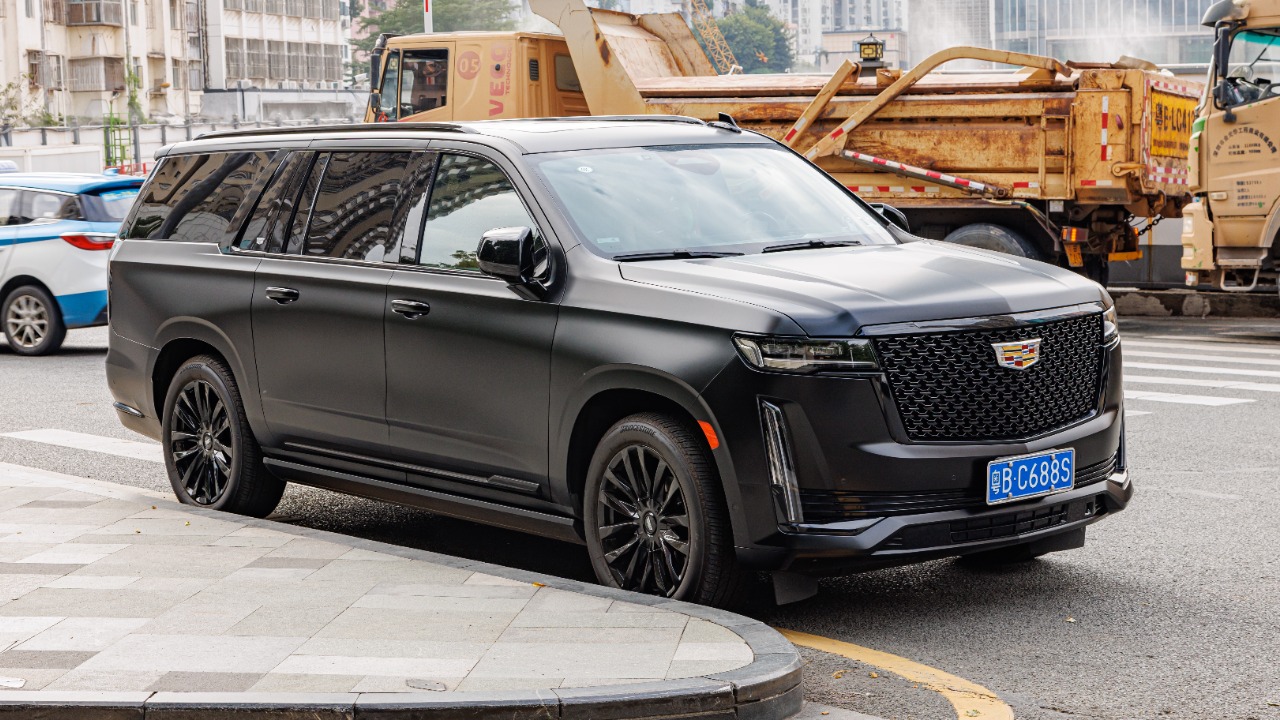
Cadillac’s first V-Series SUV, the Escalade-V, uses a supercharged 6.2-liter V8 to reach 682 horsepower while still hauling a full-size three-row body that can seat up to seven passengers in comfort.
Adaptive air suspension and upgraded brakes help keep that power in check, giving Cadillac a direct answer to German performance SUVs without abandoning the Escalade’s traditional size, presence and creature comforts. Cadillac also widened the front and rear track and fitted unique wheels so the V-Series look is unmistakable from any angle on the road.
7. Porsche Cayenne Turbo GT: Built For The Track
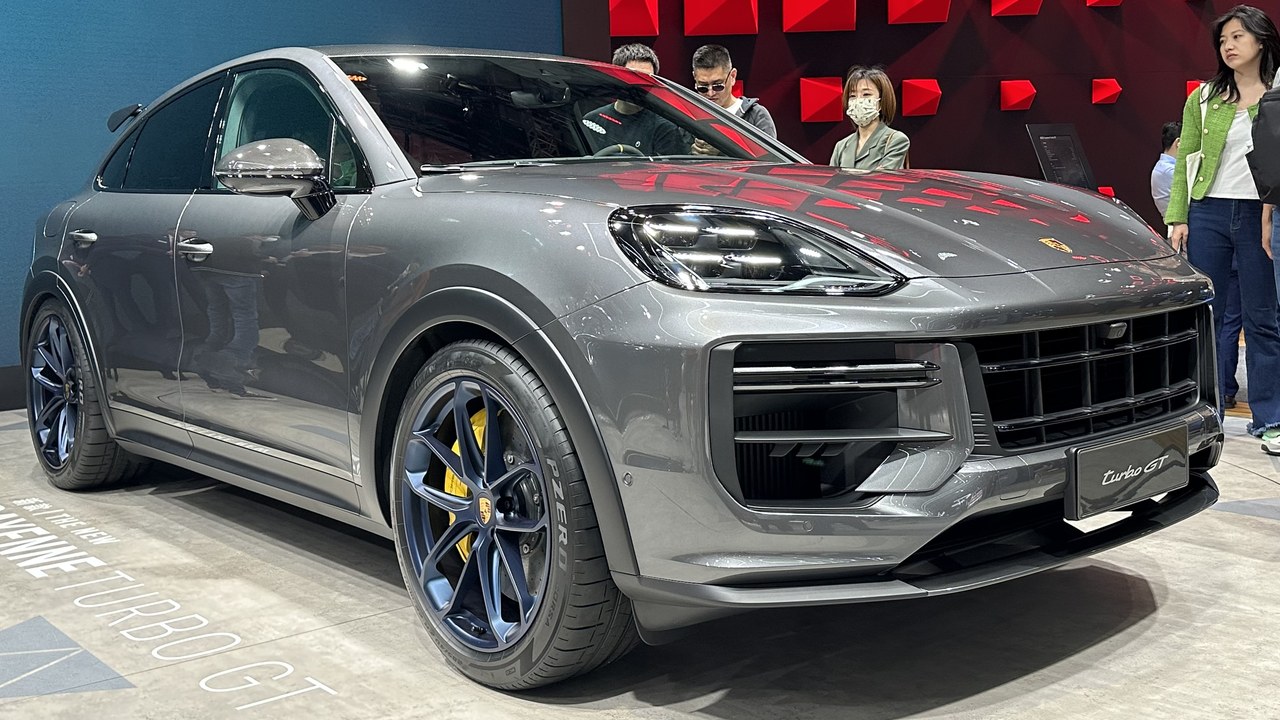
Porsche tunes the Cayenne Turbo GT‘s twin-turbo V8 to about 650 horsepower and lowers the body specifically to chase quick lap times rather than ride comfort, a strategy that once earned it a Nurburgring lap record for production SUVs.
A fixed rear seat delete and a rear wing that generates real downforce underline that this variant is built for a road course first, with everyday practicality treated as a distant afterthought. Porsche also lowered the ride height beyond what the standard Turbo offers, sharpening turn-in response at the cost of a noticeably stiffer everyday ride.
8. Bentley Bentayga Speed: Luxury At Full Throttle
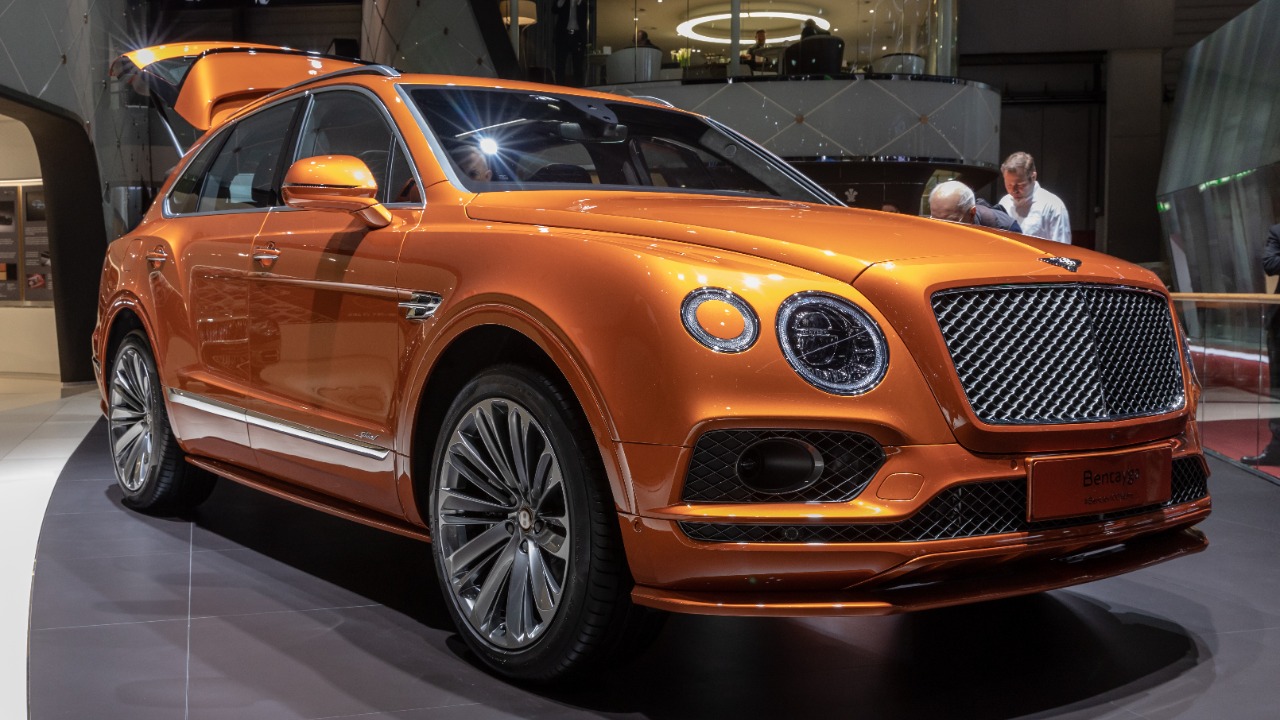
The W12 engine in the Bentayga Speed produces about 641 horsepower, enough to make it the fastest version of Bentley’s SUV in a straight line and one of the quickest three-row vehicles sold anywhere in the world today.
Bentley wraps that output in hand-stitched leather and real wood trim, aiming the Speed at buyers who want top-speed bragging rights without giving up the marque’s traditional handcrafted interior. A retuned all-wheel-drive system and firmer anti-roll bars help the nearly three-ton SUV keep its composure when the W12 is pushed hard.
9. Range Rover Sport SV: Land Rover’s Fastest Ever
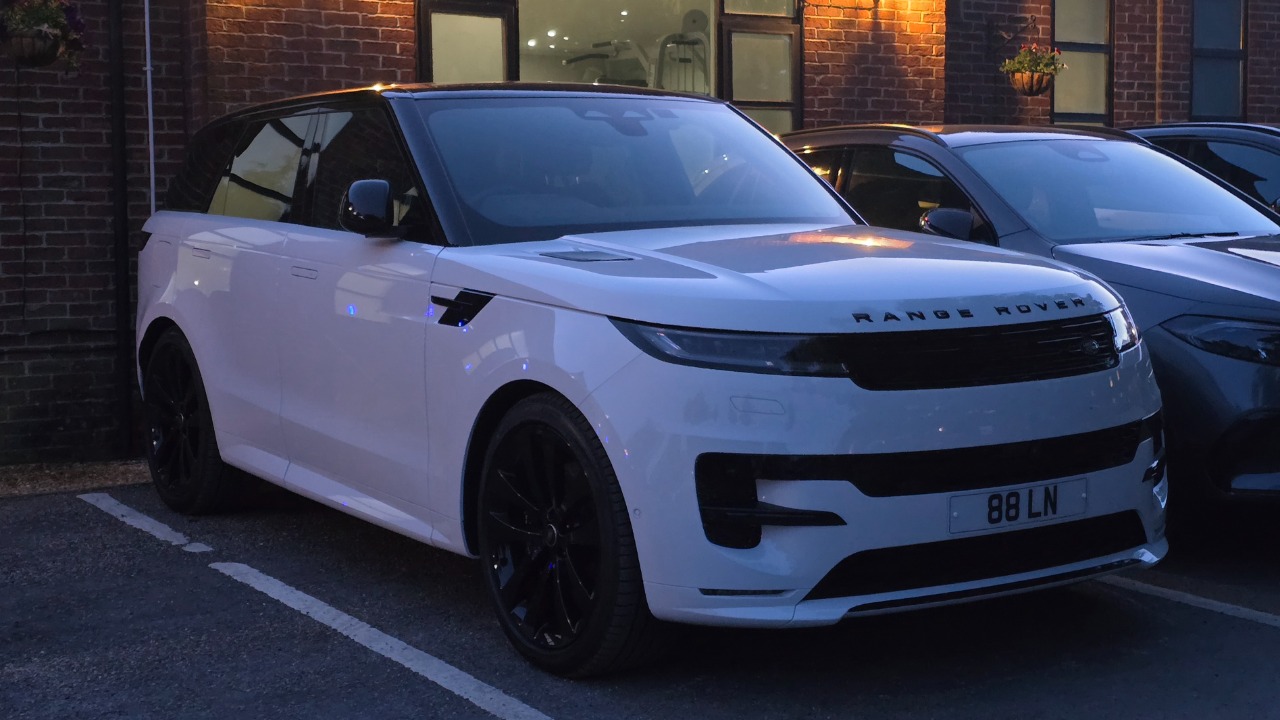
A supercharged V8 under the hood of the Range Rover Sport SV makes about 626 horsepower, the most Land Rover has ever put in a Range Rover Sport since the model line launched nearly two decades ago.
Bespoke suspension hardware and staggered wheels distinguish the SV from lesser Sport trims, marking it as the performance flagship for buyers who still want genuine off-road hardware underneath the aggressive bodywork. Carbon-ceramic brakes are available as well, a first for the Range Rover Sport lineup and a sign of how far upmarket the SV reaches.
10. Mercedes-AMG GLS 63: Three Rows, No Compromise
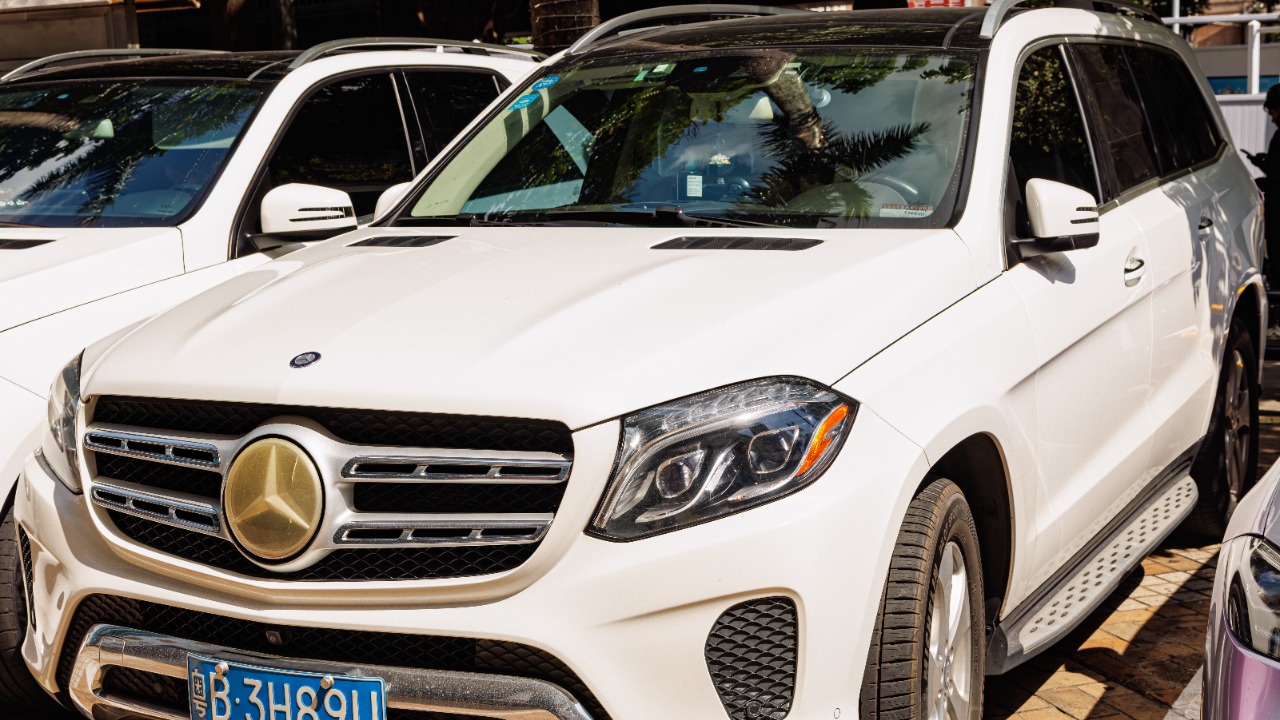
AMG fits its twin-turbo 4.0-liter V8 with an electric EQ Boost assist in the GLS 63, producing about 603 horsepower in a full-size three-row body that still seats seven passengers across its cabin.
It closes out this list as proof that even Mercedes’ largest, most family-oriented SUV can still clear the 600-horsepower bar without sacrificing the seating capacity that made the GLS popular in the first place. AMG-specific suspension tuning and a reworked exhaust note separate the 63 from the more subdued six-cylinder GLS models it shares a body with.
More from Morning Overview
- Supplements now rank as the fifth-leading cause of death from liver disease.
- The NSA is again telling phone owners to switch off one location setting
- Four U.S. startups fired up their first small nuclear reactors, aiming to power AI data centers on-site
- 11 engines built to run well past 200,000 miles
