
American driveways have tilted decisively toward the compact crossover, and the same nameplates keep filling them year after year. Buyers gravitate to models that pair a manageable footprint with cargo room, available all-wheel drive and a reputation for holding value. Here are ten SUVs that have earned their place at the top of the sales charts.
1. Toyota RAV4: The Default Family Crossover
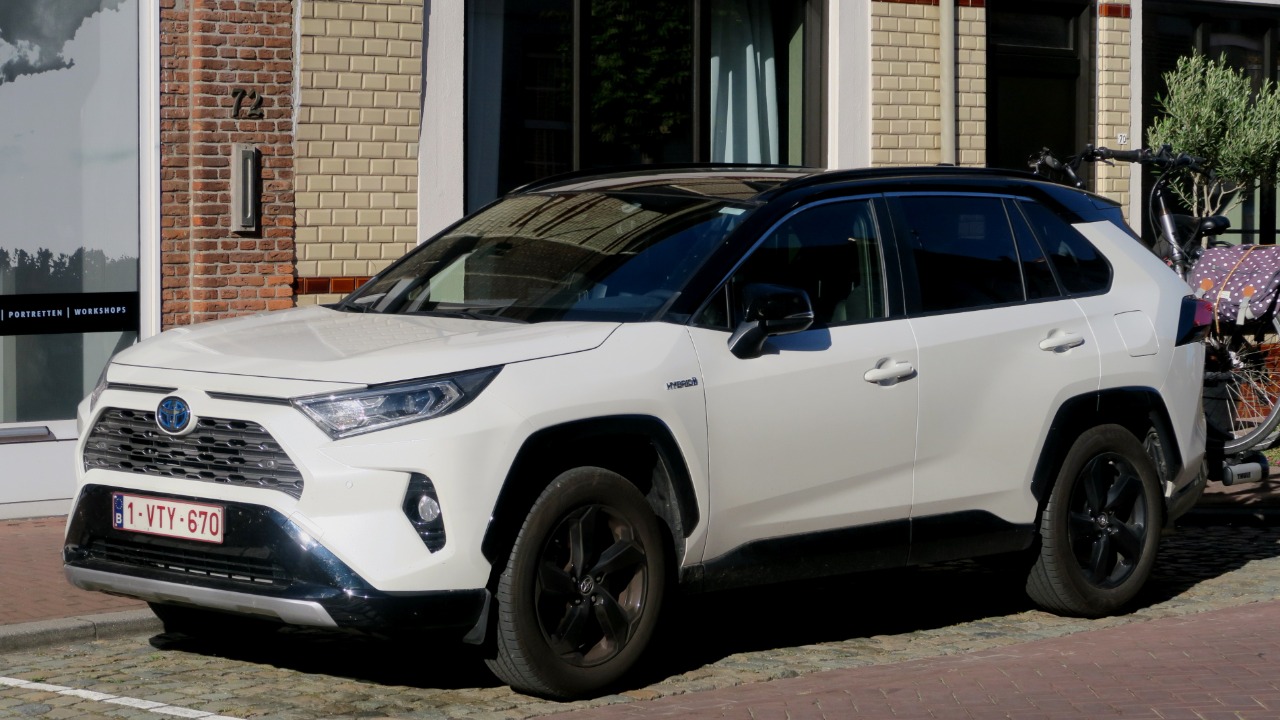
Toyota built the RAV4 into a default choice by covering nearly every buyer at once: gas, hybrid and plug-in hybrid versions share one body, so a shopper chasing fuel economy and one chasing a low sticker walk into the same showroom. The compact crossover lineup also carries Toyota’s standard driver-assist suite and a dealer network that reaches almost every mid-sized American town.
That breadth is why resale values stay firm and why rental and commercial orders pile on top of retail demand. The trade-off is a cabin tuned for durability rather than plushness, and a ride firmer than several rivals.
2. Honda CR-V: Packaging Over Flash
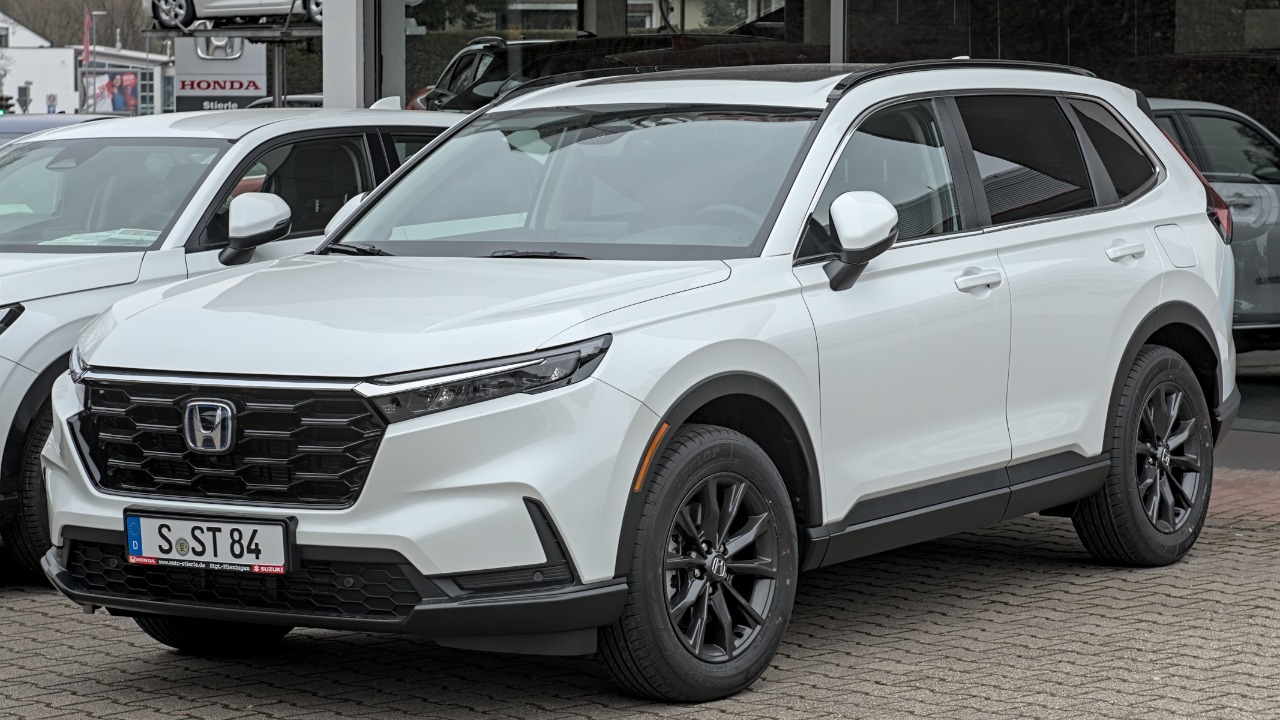
Space is the CR-V’s argument. Honda packages a rear seat and cargo hold that measure up against vehicles a size larger, with a low load floor that makes a bulky stroller or a flat-pack bookshelf a one-person job. The Honda CR-V hybrid pairs that room with a two-motor system tuned for quiet around-town running rather than headline horsepower.
Shoppers who cross-shop on practicality tend to land there, and lease returns keep a steady used supply moving. Critics note conservative styling and an infotainment setup that lags flashier rivals, though neither has dented its appeal.
3. Nissan Rogue: Volume Through Price
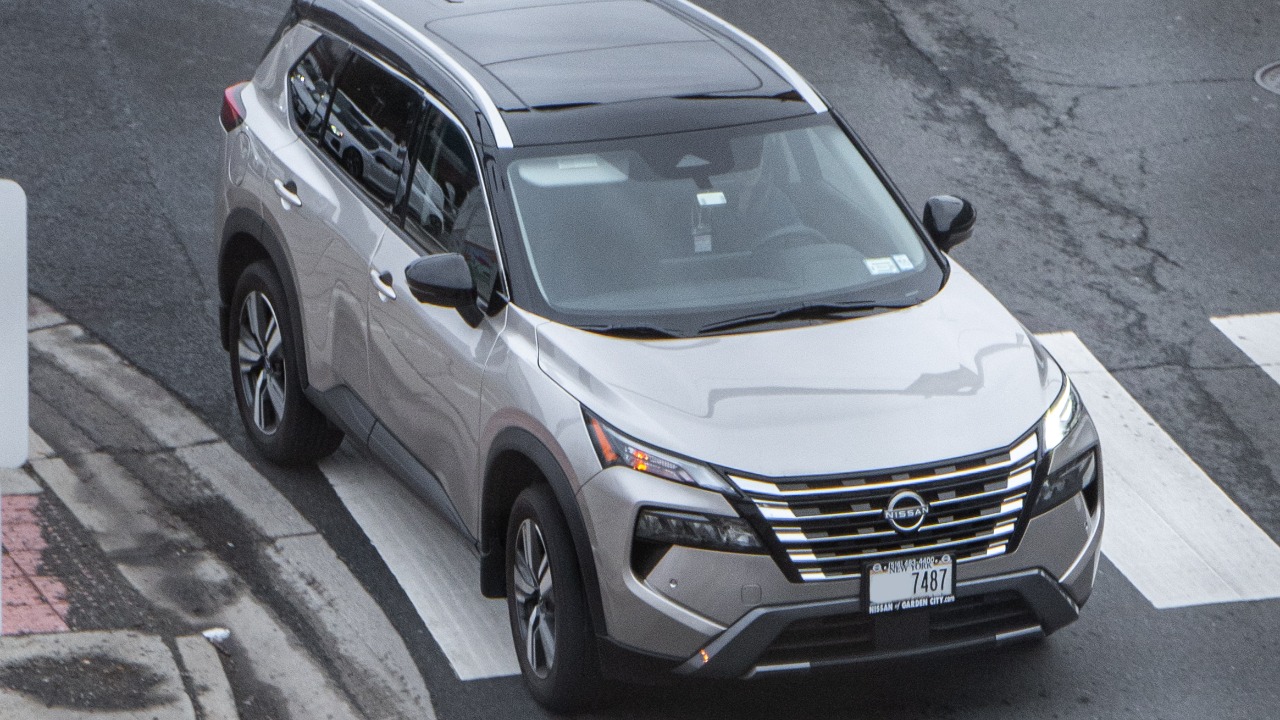
Aggressive incentives and a low entry price keep the Rogue moving in numbers its badge alone would not command. Nissan leans on a three-cylinder turbo engine for the current car, trading displacement for fuel economy, and stocks even mid-grade trims with heated seats and a full driver-assist package. The Rogue’s ProPILOT system handles steady-speed highway driving within a single lane.
Dealers price it to move, which helps monthly-payment shoppers and hurts resale relative to Toyota and Honda. Owners generally cite comfortable seats and a quiet cabin over any sense of driving excitement.
4. Chevrolet Equinox: The Domestic Value Play
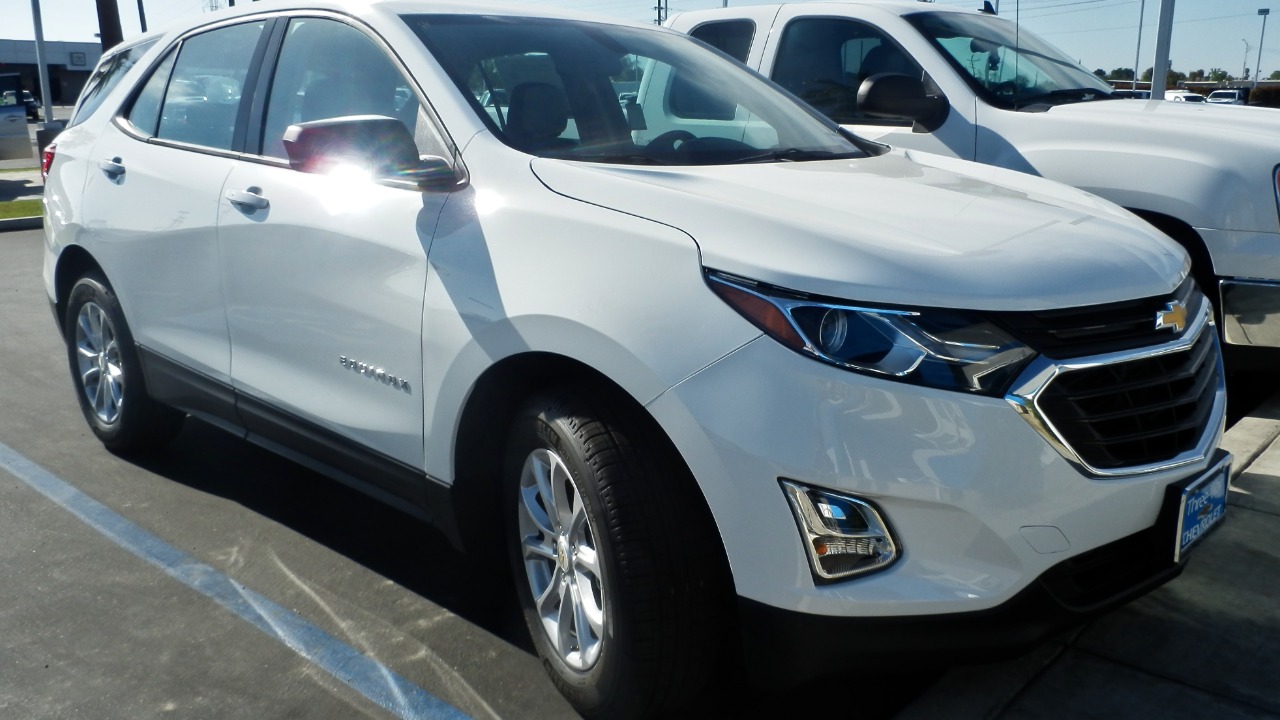
Chevrolet aims the Equinox squarely at the payment-conscious buyer, holding the entry price near the bottom of the compact-crossover field while including a large touchscreen and automatic emergency braking. The Equinox model range spans plain front-drive commuters to an off-road-styled trim, and General Motors’ dealer footprint puts service within reach of most rural counties.
Fleet and rental orders add another layer of demand on top of retail sales, which is part of why so many turn up on used lots. Interior materials and refinement rank below the Japanese competition, a compromise the sticker acknowledges.
5. Ford Escape: Familiarity Sells
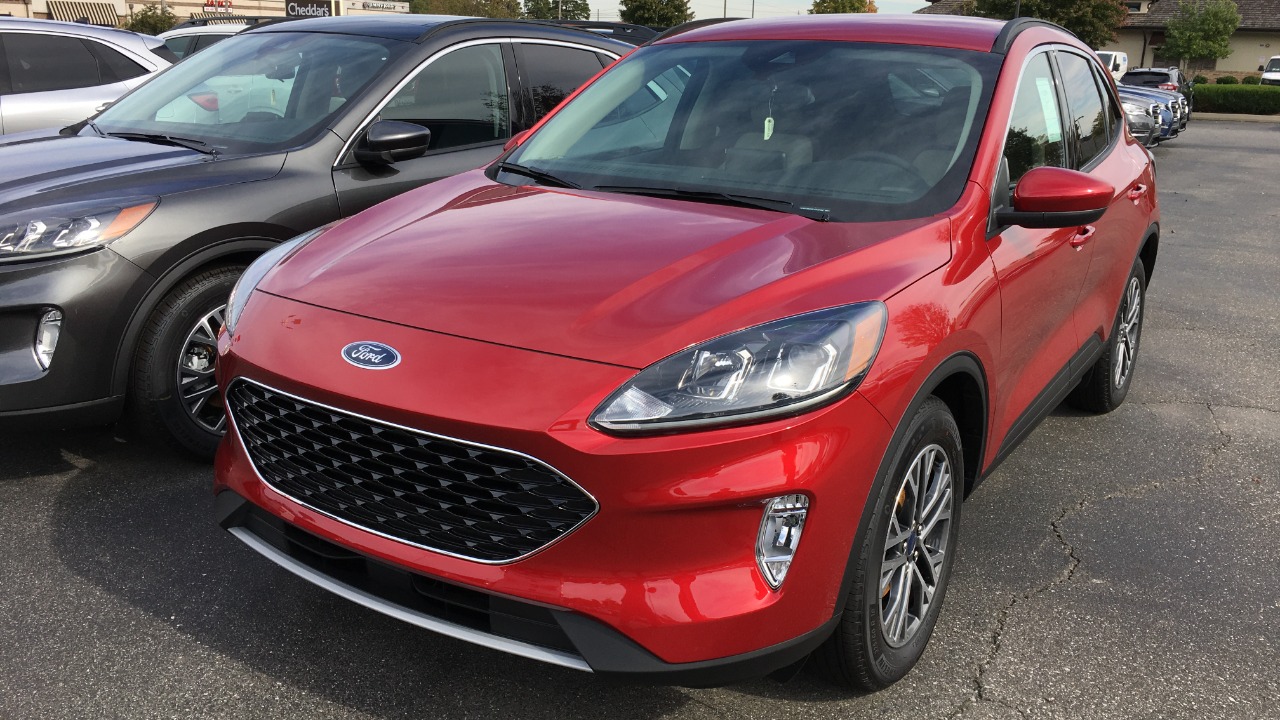
Familiarity does a lot of work for the Escape, a nameplate American buyers have known since the first wave of car-based SUVs. Ford offers gas, hybrid and plug-in hybrid drivetrains, and the Escape hybrid powertrain borrows the engineering that made the company’s hybrid taxis a fleet fixture. Rental and commercial buyers absorb a steady share of production that never touches a retail lot.
For a shopper, that translates into deep incentives and easy availability in almost any configuration. The counterweight is a plainer cabin and a resale curve that falls faster than the segment’s import leaders.
6. Mazda CX-5: Premium Feel, Mainstream Price
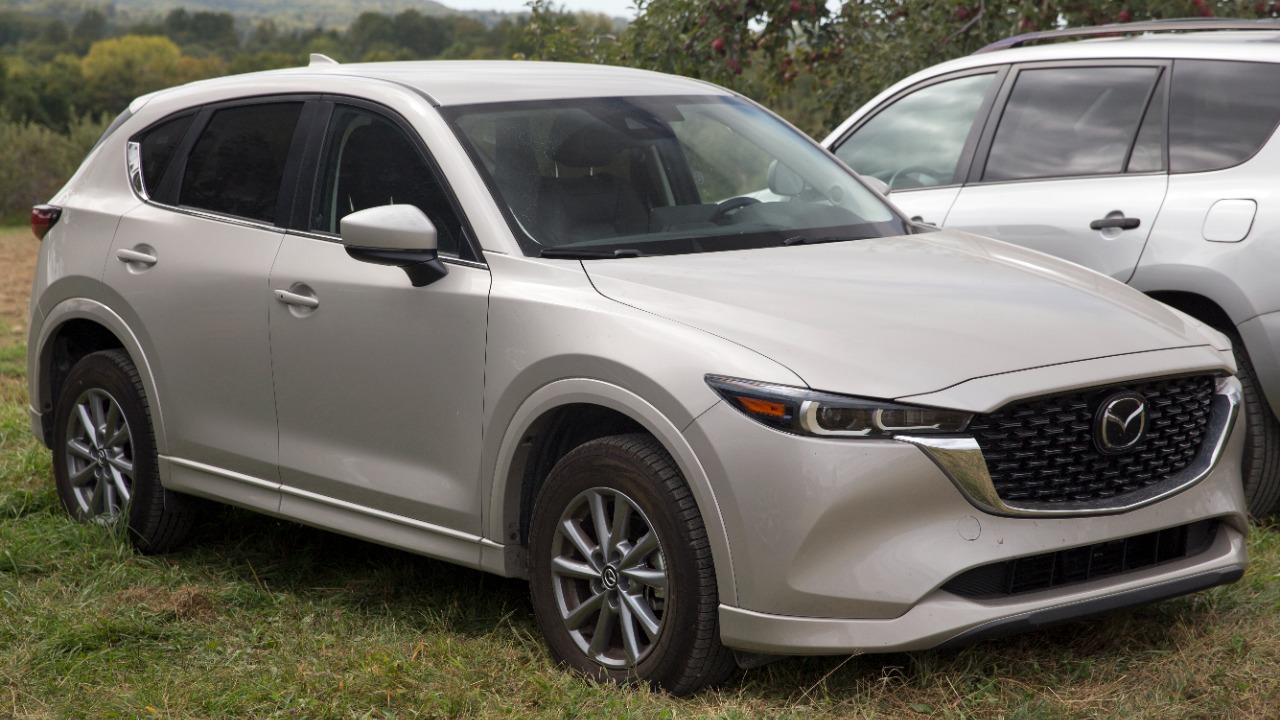
Interior quality is the CX-5’s lever. Mazda fits stitched dashboards, real damping in the switchgear and a rotary controller borrowed from luxury practice, then charges mainstream money for it. Standard all-wheel drive across the CX-5 trim walk removes a common upcharge, and steering tuned for feel gives the car a personality most rivals sand away.
Buyers cross-shopping entry-level luxury often find the gap smaller than the price difference suggests. The concessions are a smaller cargo hold than the roomiest rivals and a narrower drivetrain menu than competitors offering hybrids and plug-ins.
7. Subaru Forester: All-Wheel Drive As Standard
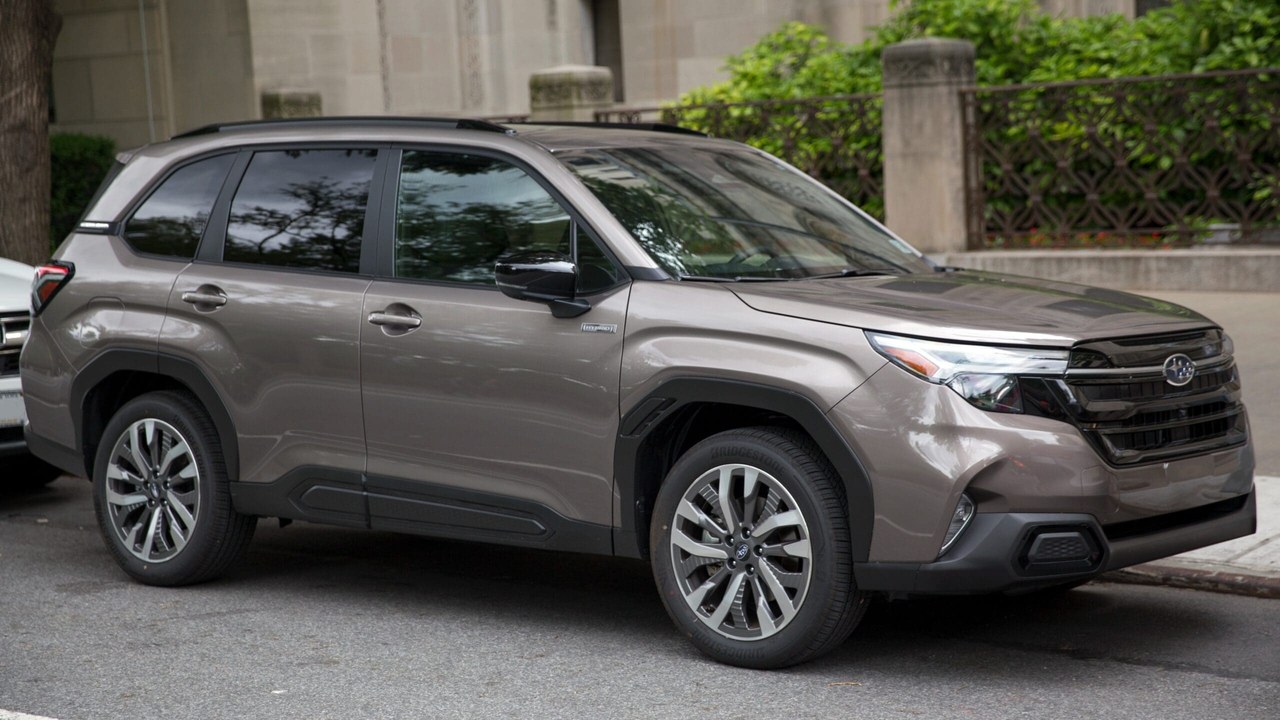
Subaru sells the Forester on a single unambiguous promise: symmetrical all-wheel drive on every version, no options sheet required. That, plus tall glass, an upright roofline and genuine ground clearance, has made it a default in snow-belt states and mountain towns. The Forester’s EyeSight suite uses stereo cameras for adaptive cruise and lane centering across the lineup.
The payoff for owners is unusual brand loyalty and resale strength in the regions where it sells hardest. Straight-line acceleration from the boxer four remains modest, and the continuously variable transmission draws complaints from drivers who want more urgency.
8. Hyundai Tucson: Styling Plus A Warranty
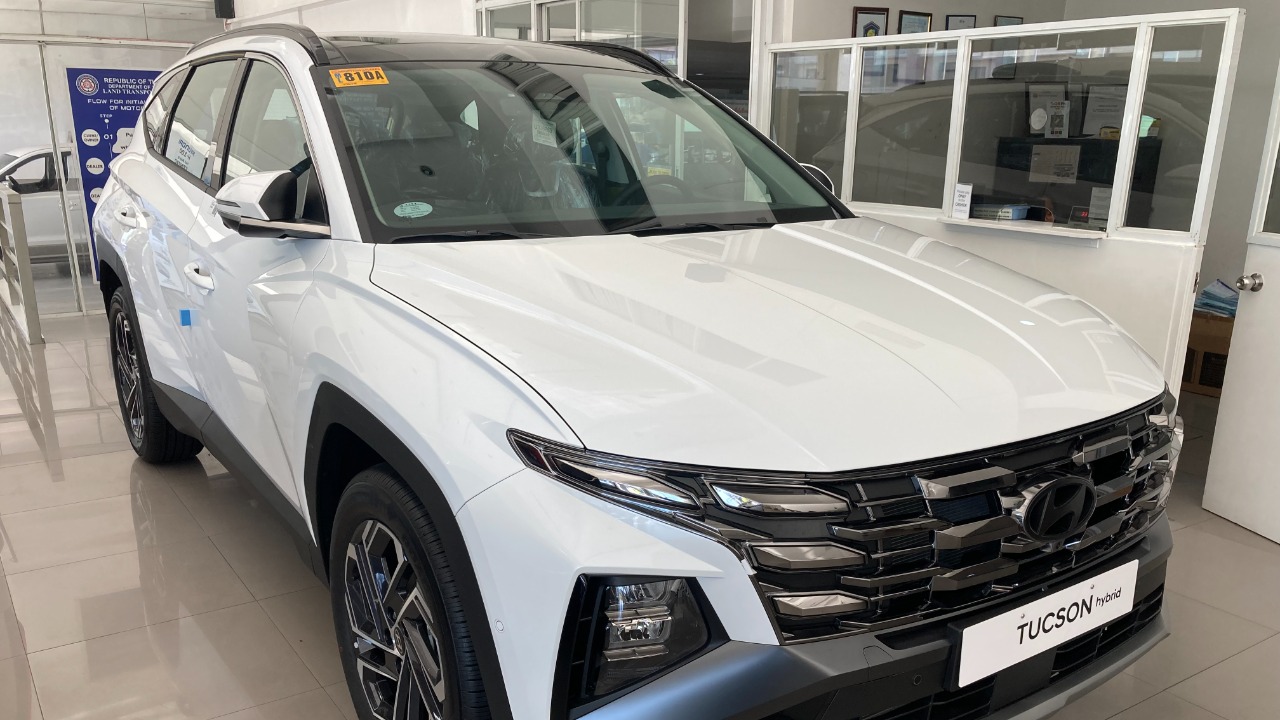
Sharp creases and hidden daytime running lamps gave the Tucson a showroom presence rare at its price, and Hyundai backed the look with a powertrain warranty far longer than the industry norm. Hybrid and plug-in hybrid versions sit alongside the gas car, and the Tucson’s cabin layout spends its budget on screen real estate and rear-seat room.
That combination pulls in shoppers who would otherwise default to a Toyota or Honda badge on reputation alone. Long-term reliability data still trails the Japanese leaders, and the warranty’s best terms apply only to the original owner.
9. Kia Sportage: Content Per Dollar
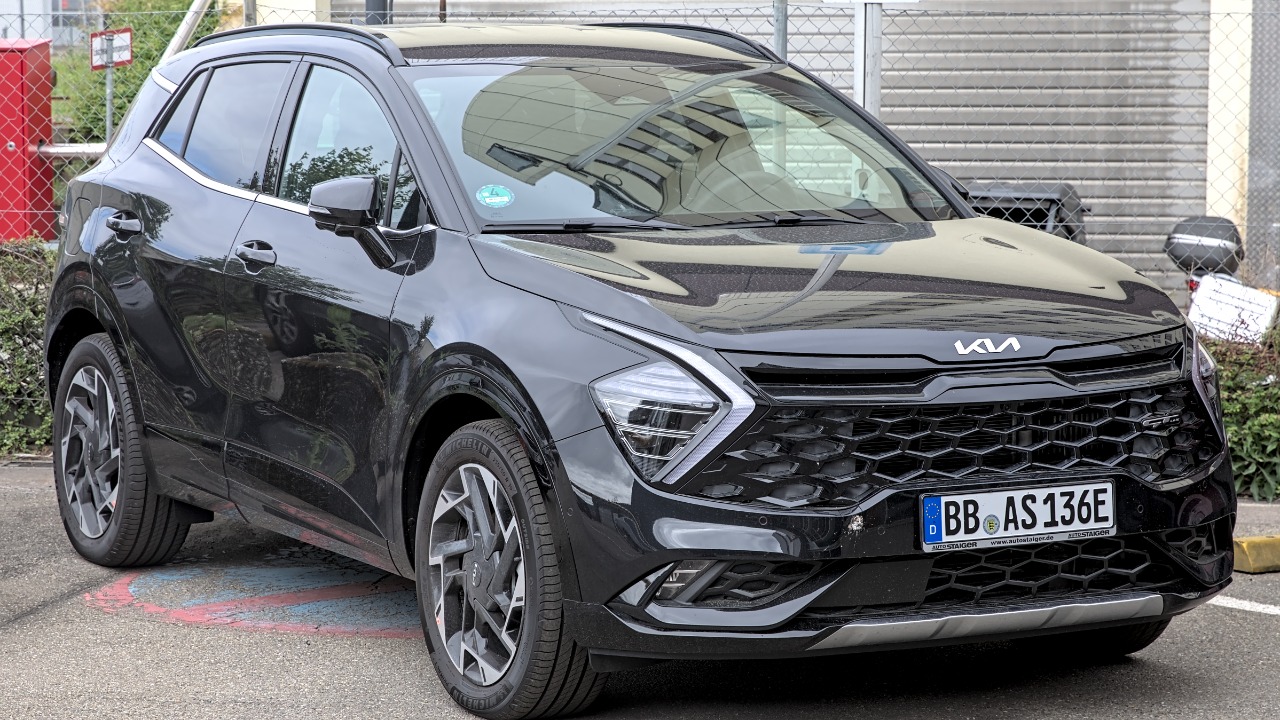
Kia’s pitch with the Sportage is content: wide paired displays, heated and ventilated seats and hybrid availability at prices that undercut equivalent trims from older-line brands. Shared engineering behind the Sportage’s corporate twin spreads development cost across two nameplates, which is how the equipment list stays long without the sticker following it.
Buyers comparing feature lists side by side frequently settle on it, and the long powertrain coverage removes a common hesitation. Depreciation remains steeper than the segment’s resale champions, so the value case is strongest for owners who keep a vehicle a long time.
10. Jeep Compass: Trail Looks, Commuter Duty
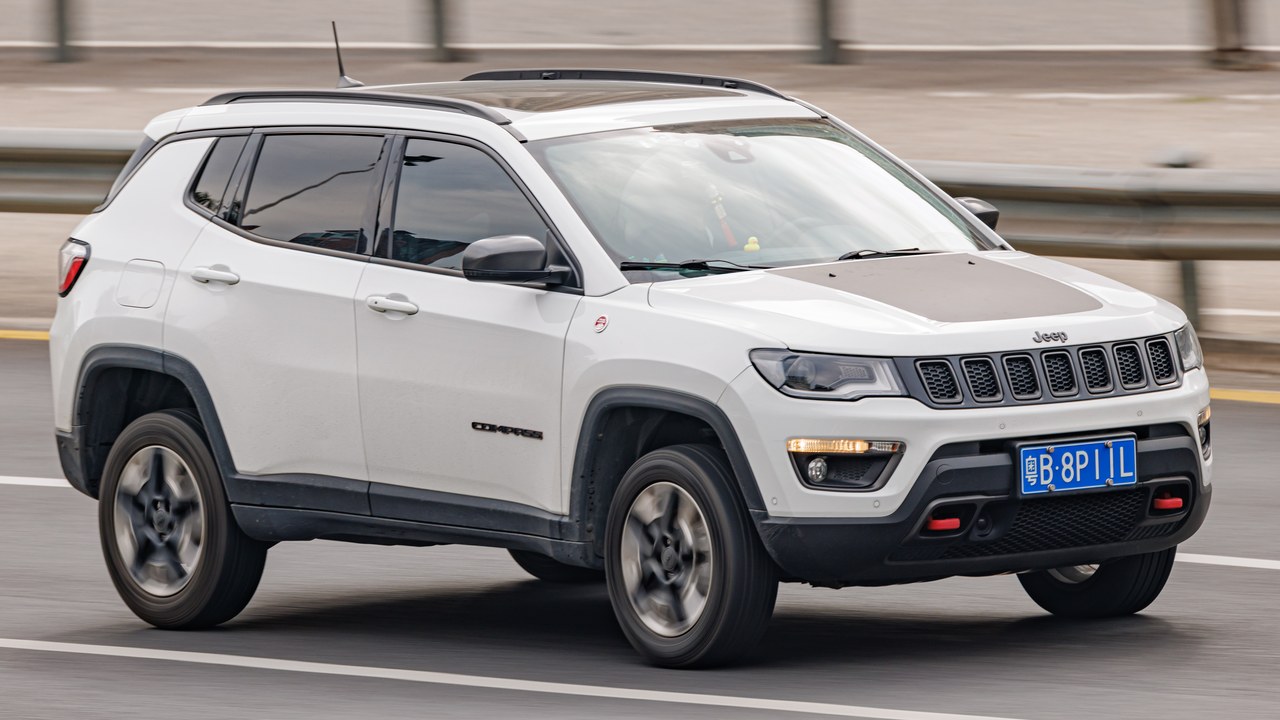
The Compass sells a Jeep silhouette, from the seven-slot grille to the boxy shoulders, to buyers whose actual routes are school runs and interstates. Stellantis prices it into the heart of the compact market and leans on incentives, while the Compass Trailhawk variant carries low-range gearing and skid plates that give the badge real credibility.
Owners get the visual identity of a rugged brand without the fuel bill of a full-size body-on-frame truck. Reviewers consistently flag modest power and interior noise, and the model’s reliability record has lagged the compact-crossover field.
More from Morning Overview
