
Electric cars have a reputation for shedding value quickly, and iSeeCars-based figures put numbers on it. Luxury sedans and mainstream models alike show five-year depreciation above half of their original price in the studies cited here. These are eleven electric cars that fit that pattern.
Read next on Morning Overview: Cadillac cut the price of its cheapest EV, which goes up to 317 miles on a charge
1. BMW i7: Flagship Falls Hardest
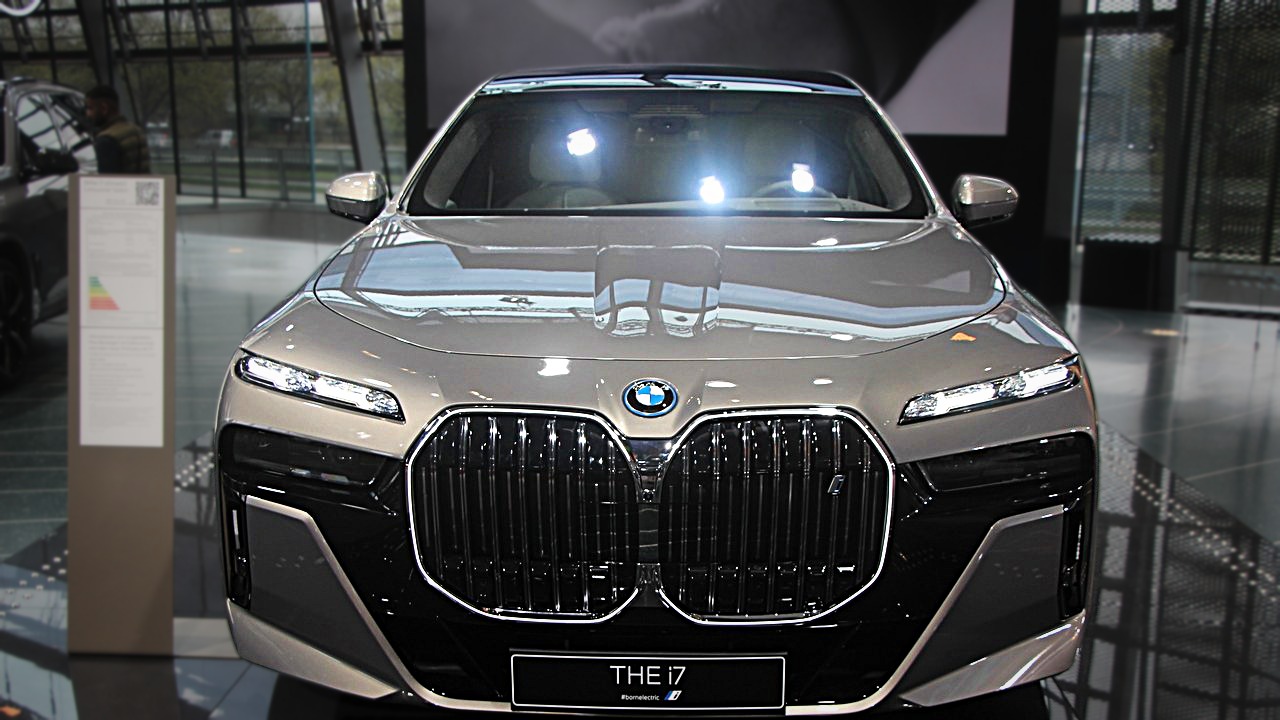
TopSpeed, citing iSeeCars in TopSpeed’s depreciation analysis, reports that the 2023 BMW i7 loses an average of $80,570 since new, a 76.2% depreciation rate. It is the steepest percentage among the entries drawn from that article.
For a used-luxury shopper, that gap between sticker and resale is the opportunity, since the first owner absorbs most of the loss. For anyone buying new, it is a warning to weigh lease terms against outright purchase.
2. BMW i5: Midsize Sedan, Big Loss
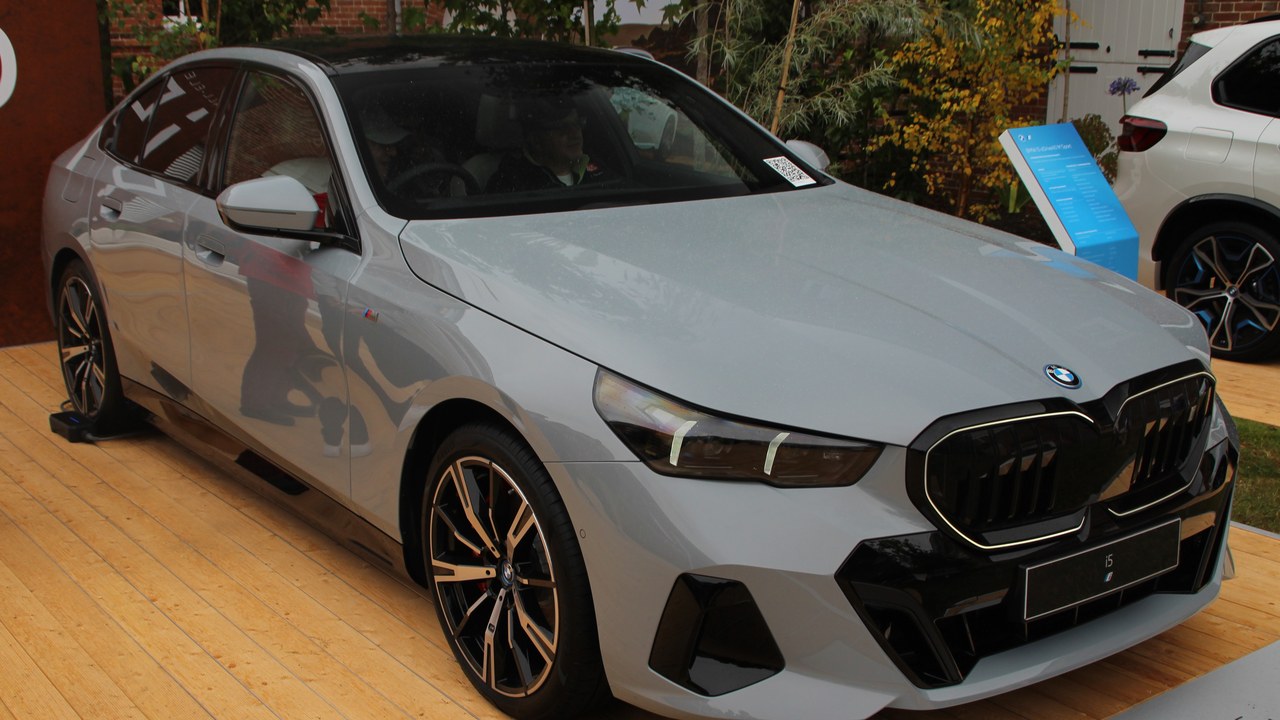
The 2024 BMW i5 loses $49,028 to depreciation over five years, a 73.1% rate, according to a second TopSpeed figure on how much EV owners lost. The dollar amount is smaller than the i7’s, yet the percentage is close.
Owners who plan to keep the car long term feel less of this, while those who trade within a few years take the full hit. A used i5 buyer should compare asking prices against these figures.
3. Mercedes-Benz EQE: Mercedes Sedan Slides
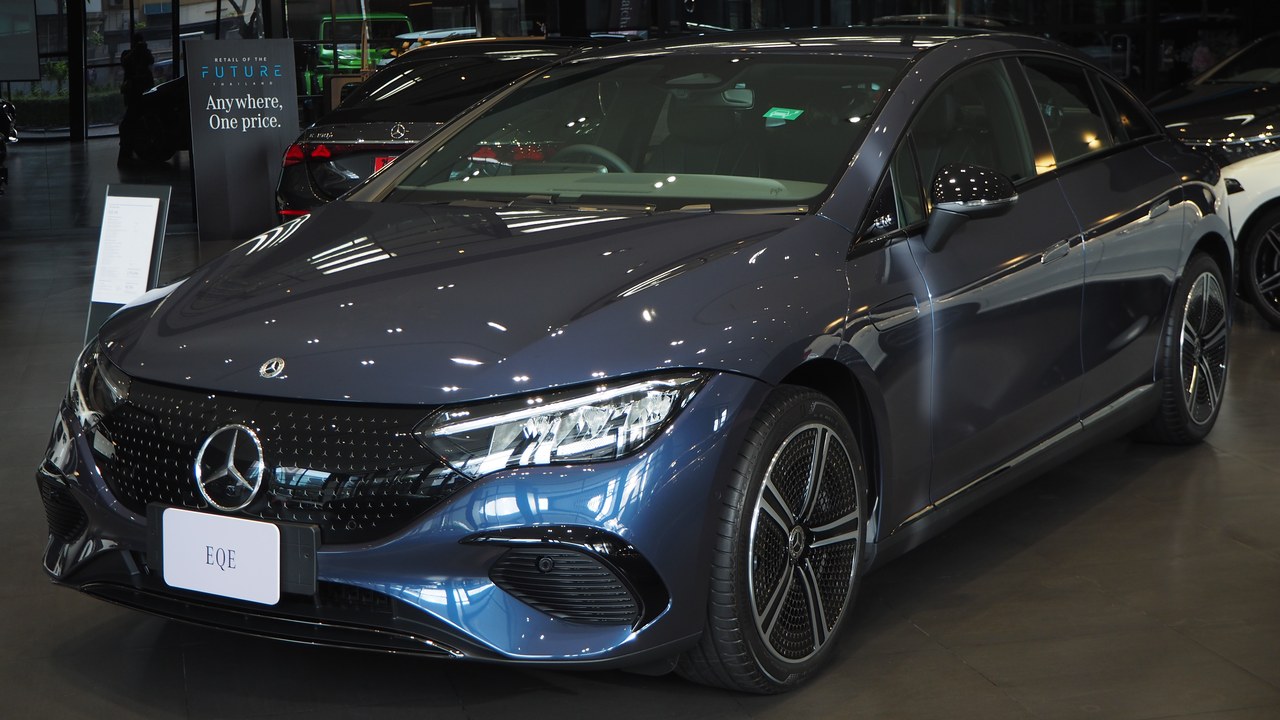
The 2022 Mercedes-Benz EQE sedan loses $45,614 in depreciation over five years, a 70.2% rate, as TopSpeed’s EQE figures lists it. That puts an electric Mercedes in the same range as its BMW rivals.
Because the figure is an average from a model-year sample, individual cars with low mileage or clean history may fare differently. Shoppers should treat it as a market-level signal, not a quote for one vehicle, and check local listings before negotiating.
4. Audi e-tron GT: Priciest Dollar Drop
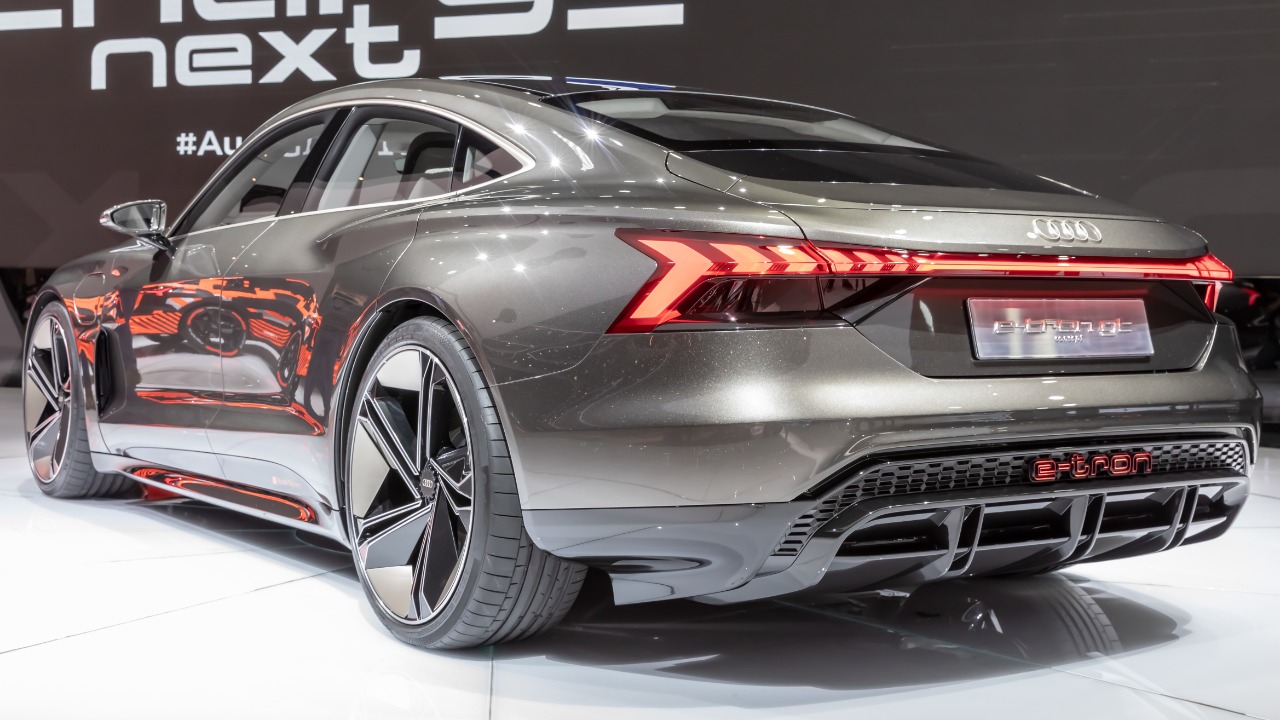
The 2022 Audi e-tron GT is set to lose an average of $105,048 in depreciation over five years, a 71.4% rate, says TopSpeed’s e-tron GT entry. The dollar figure is the largest among the entries taken from that source.
That size of loss mostly reflects a high starting price. A buyer picking up a used example after the drop is paying far less than the first owner did, but should still budget for insurance and tires on a performance sedan.
5. Tesla Model S: Model S Tops 60 Percent
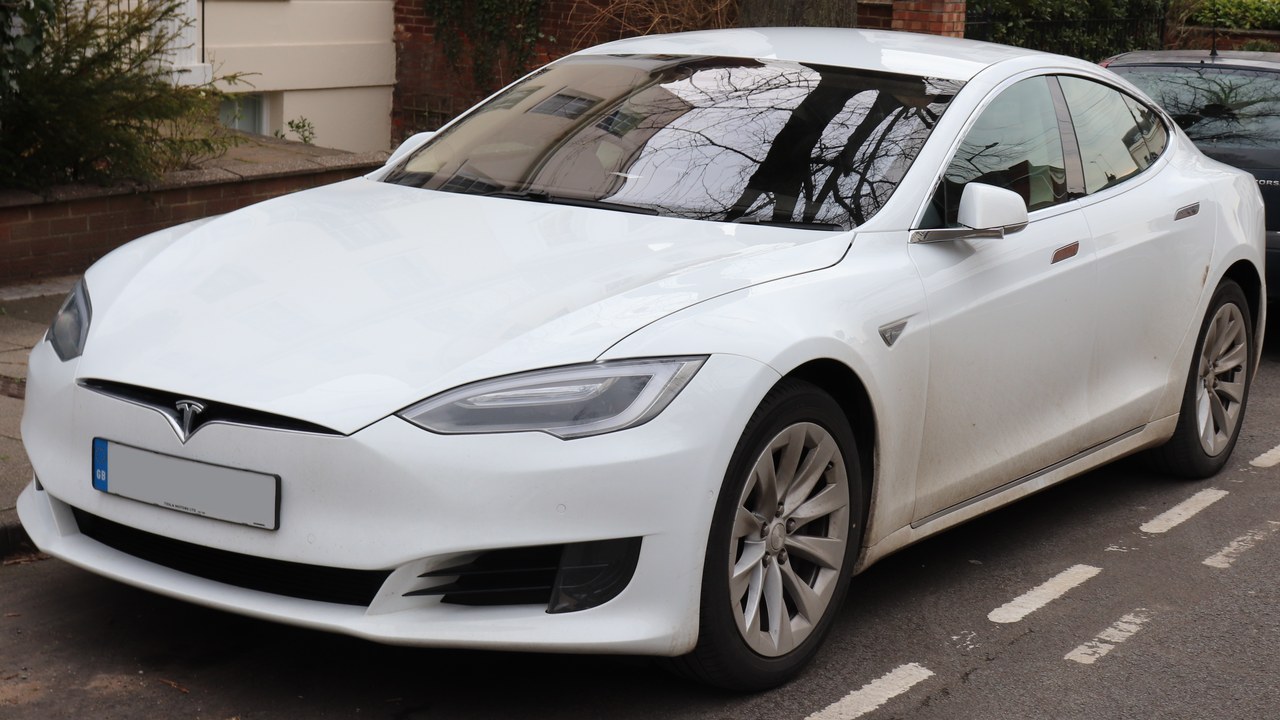
iSeeCars lists the Tesla Model S at 62.0% five-year depreciation, an average $58,907 below MSRP, on the iSeeCars study page. The study is the primary source for this figure.
Tesla’s flagship sedan thus sits above the halfway mark despite its brand pull. Used shoppers get a large discount from original pricing, while sellers should expect that gap when trading in, and new buyers should weigh it against the sticker price.
6. Kia Niro EV: Compact Crossover Drops
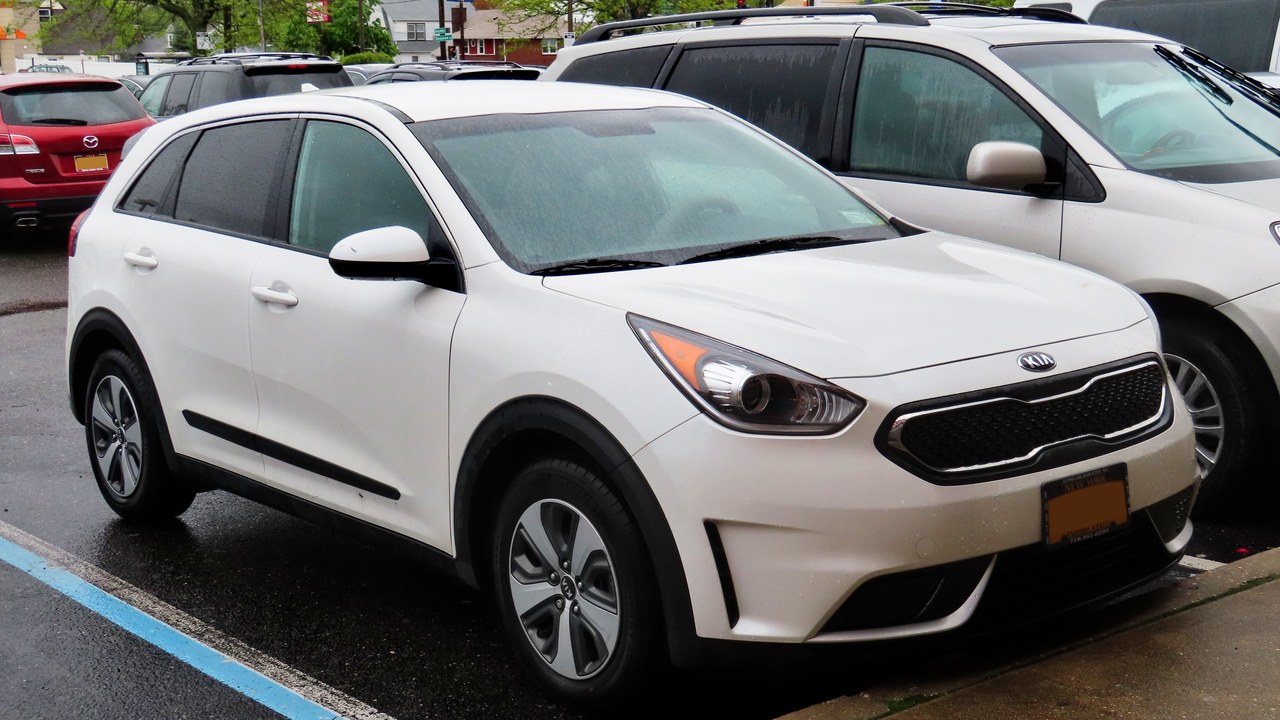
The iSeeCars table, found in iSeeCars on the Niro EV, lists the Kia Niro EV at 57.3% five-year depreciation, $22,742 below MSRP. That is a mainstream price point rather than a luxury one.
The Niro EV shows that steep value loss is not limited to expensive sedans. Buyers of used examples may find real savings, and new buyers should factor the resale picture into the true cost of ownership before signing.
7. Hyundai Kona Electric: Kona Loses Over Half
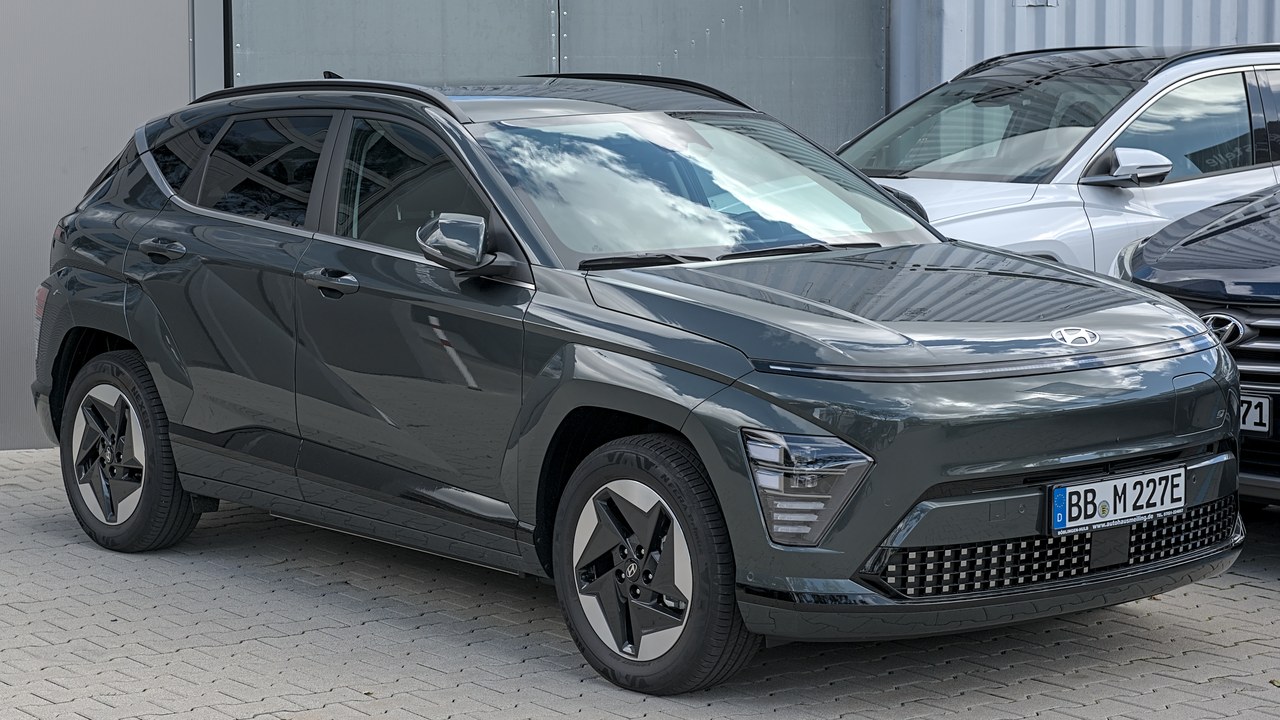
The Hyundai Kona Electric is listed at 56.5% five-year depreciation, $18,581 below MSRP, in the iSeeCars ranking. The percentage is just over the halfway line, so the loss is modest relative to the other entries.
Its dollar loss is the smallest among the entries sourced to iSeeCars, since the starting price was lower. A small electric crossover can still lose more than half its value, which matters to anyone financing one and hoping to trade it in later.
8. Jaguar I-Pace: Leader Across All Vehicles

In a 2025 iSeeCars study reported by Autoblog, the Jaguar led all vehicles, losing 72.2% of its value in five years. Autoblog’s 2025 report calls it the leader of the pack across all vehicles, and it was an EV.
That ranking covers every vehicle in the study, not only electric ones. Used shoppers may see the Jaguar as a bargain, though buyers should check battery and service history before relying on the discount.
9. Tesla Model 3: Model 3 Just Above Half
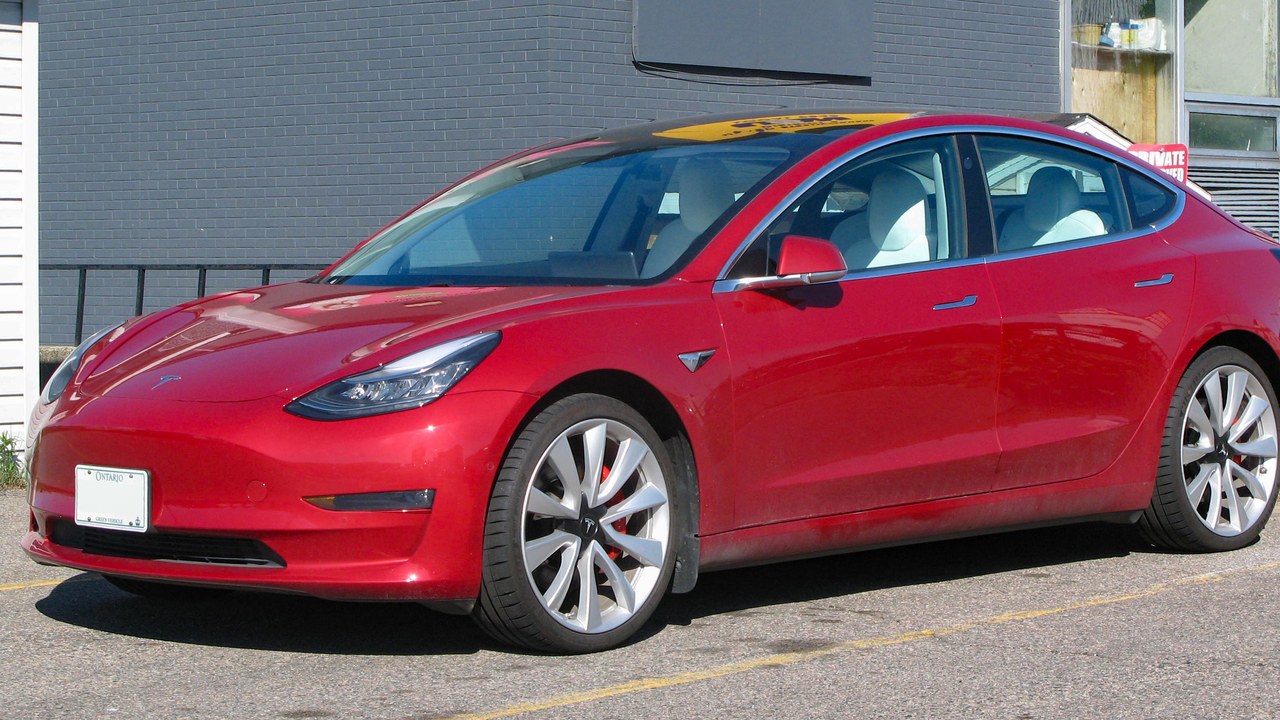
In that 2025 study, the Tesla Model 3 lost 55.9% of its value over five years, according to Autoblog’s Model 3 mention. The Model 3 is the mildest loser among the Tesla entries here.
It still crosses the 50 percent mark, so even the best performer of the group is not immune. Used buyers can pick up recent examples at a notable discount, and sellers should plan for that loss when it is time to trade in.
10. Tesla Model Y: Model Y Sheds 60 Percent
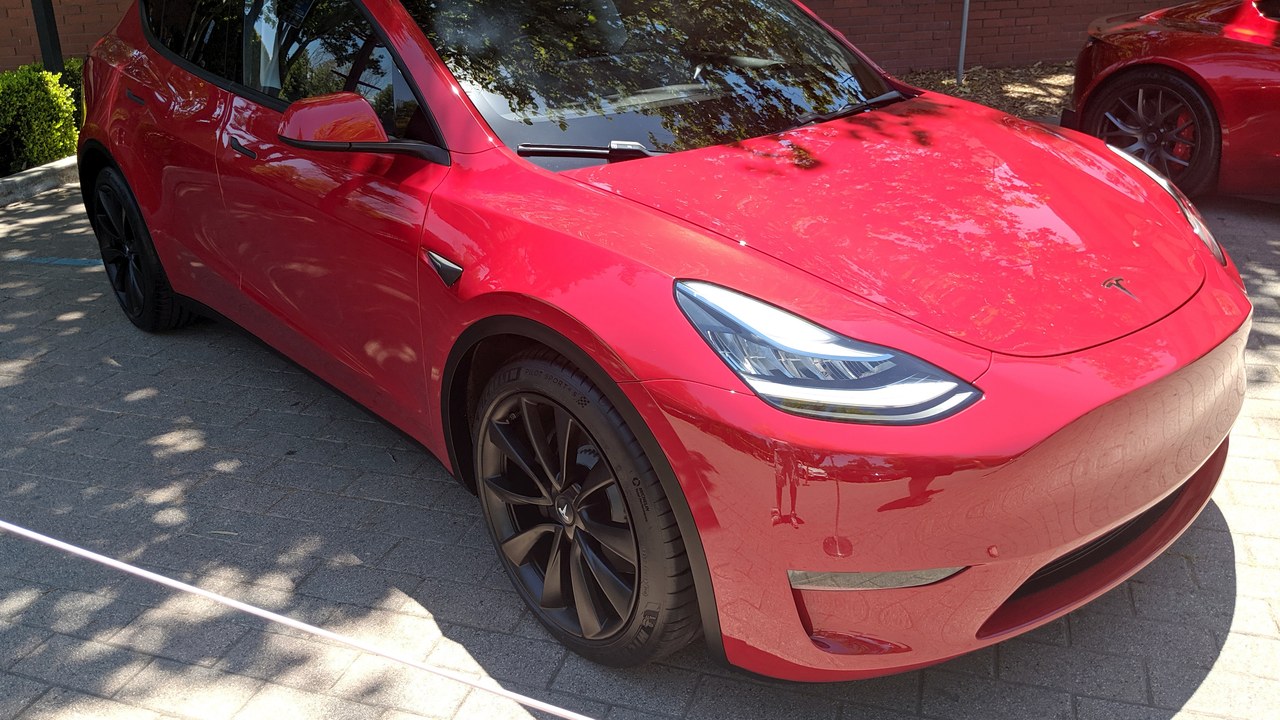
In that 2025 study the Tesla Model Y lost $36,225 on average, or 60.4%, per a quick Autoblog figure. That dollar loss is far below the luxury sedans listed elsewhere.
Anyone shopping for a used Model Y can compare asking prices with this average to see whether a listing is reasonable. Trade-in sellers should expect similar pressure on value, and the percentage is useful for comparing against the Model 3 and Model X.
11. Tesla Model X: Model X Loses 63 Percent
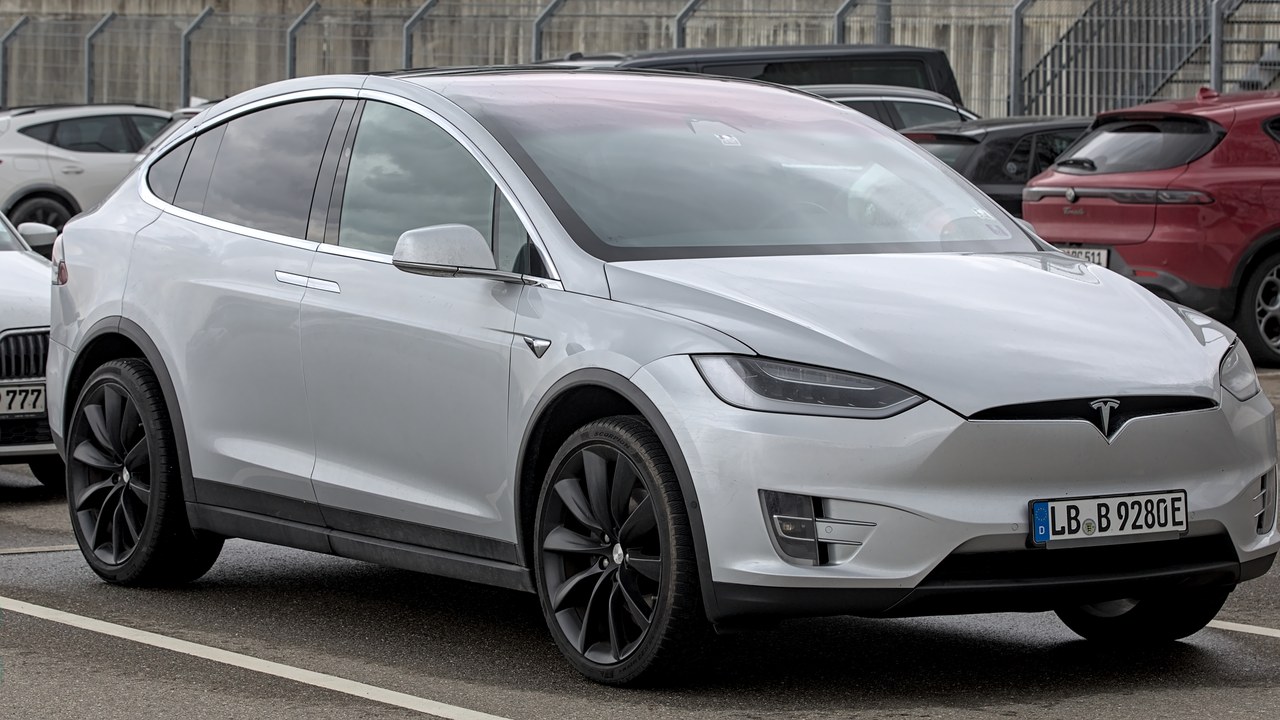
In that 2025 study the Tesla Model X lost 63.4% of its value, per the Autoblog study coverage. Only the percentage is cited for it in the source material gathered here.
With no dollar figure available, shoppers cannot gauge the absolute loss, but the rate is higher than the Model 3 or Model Y. Buyers of used Model Xs may find the steepest discounts among the Tesla lineup, though condition still matters.
More from Morning Overview
- 11 engines built to run well past 200,000 miles
- Two Kentucky residents died when a small plane crashed at Missouri’s Lake of the Ozarks, and the NTSB is investigating
- A handful of car transmissions are so tough that mechanics say they almost never die
- Melting permafrost is setting off a newly identified kind of catastrophic landslide, scientists say
