
October 2026 delivered a fresh round of temperature records, and the data reaches from the whole planet down to a single Iowa city. The gallery follows the global reading, the Pacific pattern linked to it, and the national picture. It ends with what the warmth meant on the ground.
Read next on Morning Overview: New FCC rules on how people can stop robocalls and texts take effect Nov. 25
Earth: A Record October
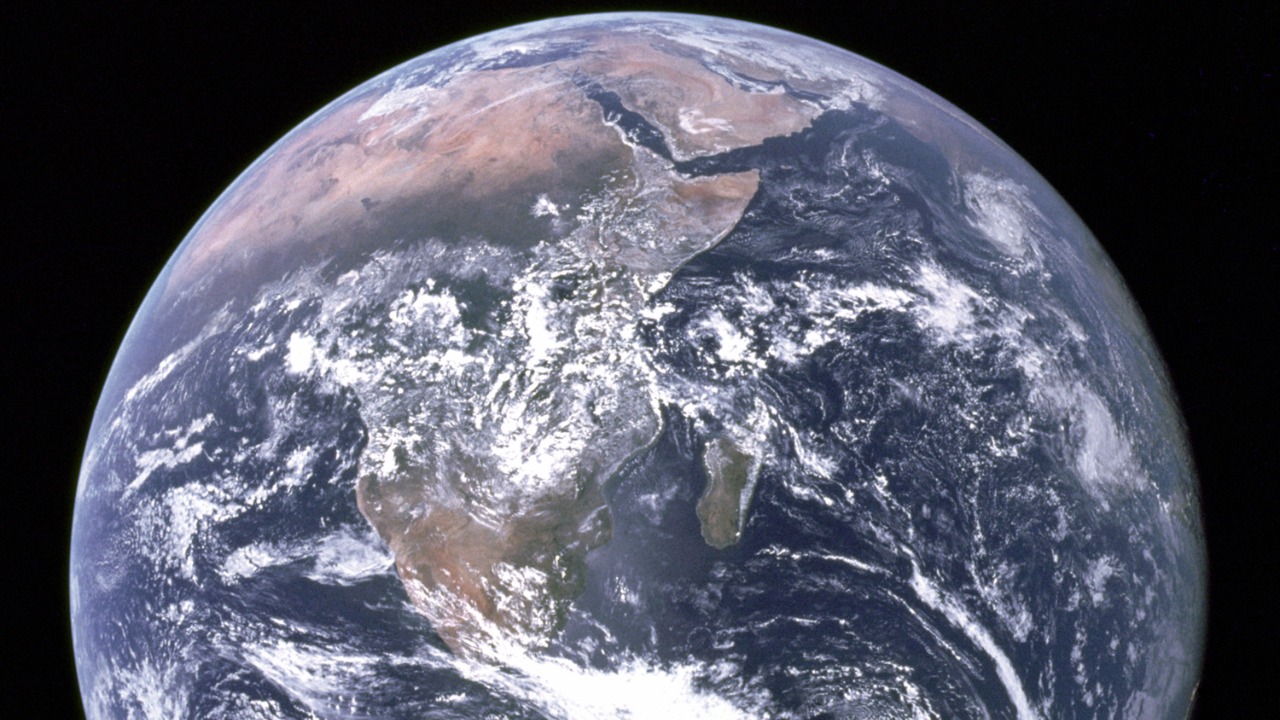
The planet set a new mark last month. According to the Copernicus October bulletin, global surface air temperature in October 2026 averaged 15.35C, making it the warmest October on record in the ERA5 dataset. The reading ran 0.90C above the 1991-2020 average for the month. Copernicus also put the month at 1.75C above the 1850-1900 pre-industrial level, the third straight month above 1.5C.
The 1.5C threshold is the benchmark most often used in climate policy, and a third consecutive month above it shows the overshoot is no longer a one-off spike. The next slides turn to the ocean pattern tied to the warmth and what it implies for the full year.
El Niño: Pacific Heat Peaks

A tropical Pacific signal sits behind part of the story. The same Copernicus climate update reports that the Nino 3.4 index reached 3.21C, an all-time high monthly anomaly. Copernicus’s Climate Change Service also projects calendar 2026 at 1.56C to 1.61C above pre-industrial levels, and calls it virtually certain, with more than 99% probability, to exceed 1.5C.
A record El Nino reading and a near-certain year above 1.5C point in the same direction. The projection covers the full calendar year, so it rests on the months already measured, and the remaining weeks of 2026 will show where within that range the final figure lands.
Contiguous United States: U.S. Runs Warm
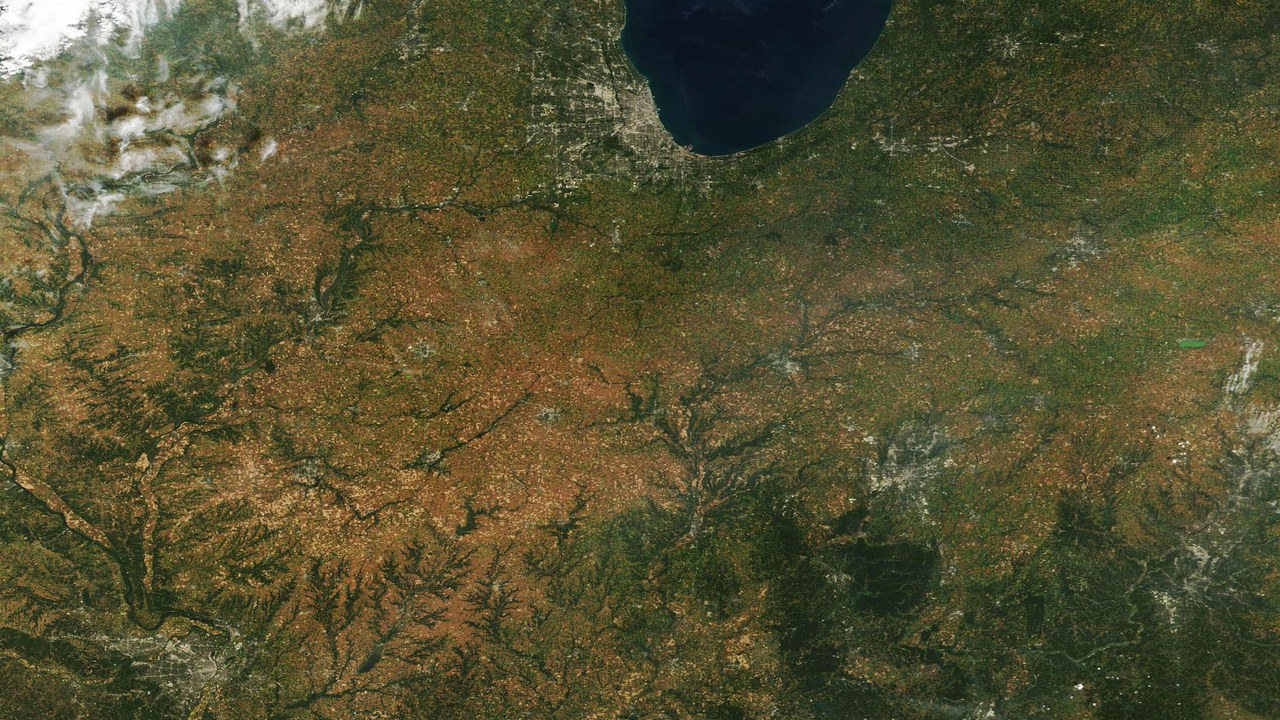
The contiguous United States felt the heat too. NOAA’s National Centers climate report states that the average October temperature was 58.7F, ranking as the fourth-warmest October in the 132-year record. The measurement covers the lower 48 states and sets the national result in a long historical context rather than against a single recent year.
A fourth-place finish across 132 years is not a record, yet it places the month among the warmest ever observed in the country. The global record and the U.S. ranking together show that the warmth was widespread, even if it was not equally extreme everywhere. Reporting from NOAA also gives readers a consistent record, since the same agency compares each October against the full 132-year series.
Drought: Drought Retreats
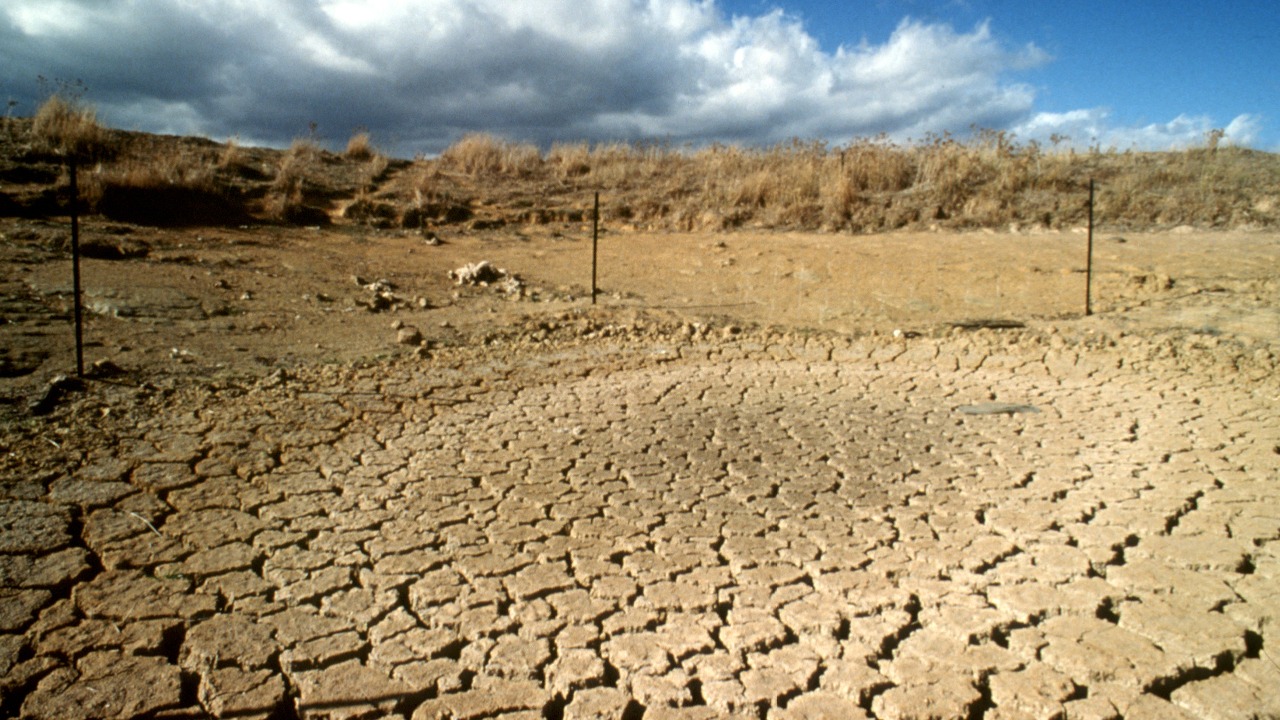
Warmth did not mean worsening dryness nationwide. The NOAA October national summary says drought covered about 44% of the contiguous U.S. on November 3, down from 59% on September 29. That is a drop of 15 percentage points across roughly five weeks, as October ran warm across much of the country.
A shrinking drought footprint is a helpful counterpoint to the temperature headlines, though 44% is still a large share of the country. Water managers and farmers will be watching whether the improvement holds as the cooler season arrives. The two dates in the NOAA summary, September 29 and November 3, bracket the change and give a clear before-and-after view of conditions.
Sioux City, Iowa: Sioux City Stands Out

One Iowa city captured the extreme end. Climate Central’s October overview found that Sioux City was the most unusually warm of the 192 cities it analyzed, running 9.0F warmer than usual for the month. The comparison looks at each city against its own normal, which highlights where October departed furthest from expectations.
A 9.0F anomaly over a full month is large and gives the national numbers a local face. It also underlines that the broad pattern held up in the data from individual communities, not just in the global averages released by climate agencies. Sioux City’s result, taken from a list of 192 cities, also shows how uneven the warmth was from place to place across the country.
More from Morning Overview
- Cadillac cut the price of its cheapest EV, which goes up to 317 miles on a charge
- Winter weather advisories cover I-80, I-70 and the Bighorns with up to 15 inches of snow
- Arizona’s governor declared a statewide emergency after Flagstaff logged its wettest Nov. 1 on record
- Zero Motorcycles unveiled an electric motorcycle targeted at under $8K and a street-legal dirt bike at EICMA
