
The range printed on an electric vehicle’s window sticker comes from a standardized lab procedure, not a drive down the interstate. When independent testers run these cars at steady highway speeds, many cover fewer miles than the official number promises. Here are twelve EVs that fell short of their EPA range in real tests.
Read next on Morning Overview: Shaq spent $1.3 million on three Rolls-Royce Phantoms to prove a point to a salesman
1. Lucid Gravity: Fifty Miles Below the Sticker
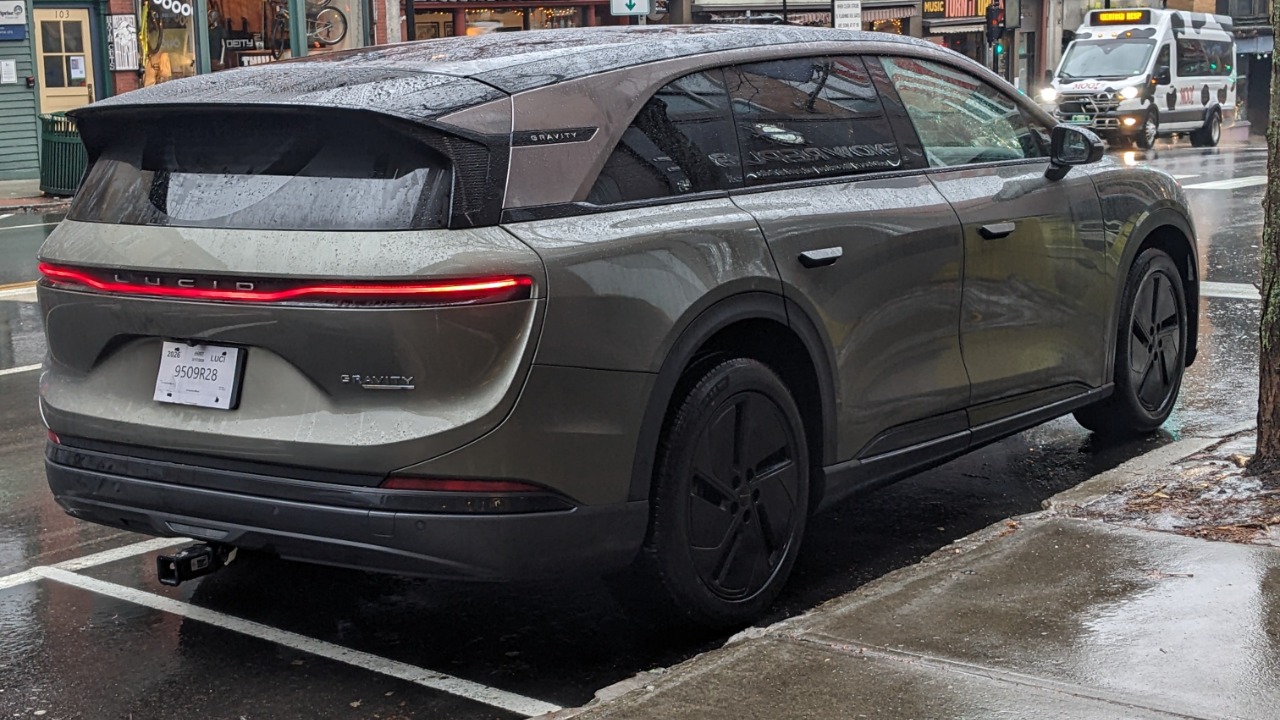
In Edmunds’ real-world range test, a 2026 Lucid Gravity Grand Touring with two rows and all-season tires covered 400 miles. Its EPA rating is 450 miles, which leaves the SUV 11.1 percent short of the official figure.
Four hundred miles is still an outstanding result for a large electric SUV. The gap matters for buyers planning long trips around the official number, since 50 miles can be the difference between reaching a charger and calling for help.
2. Tesla Model X: A Ten Percent Shortfall
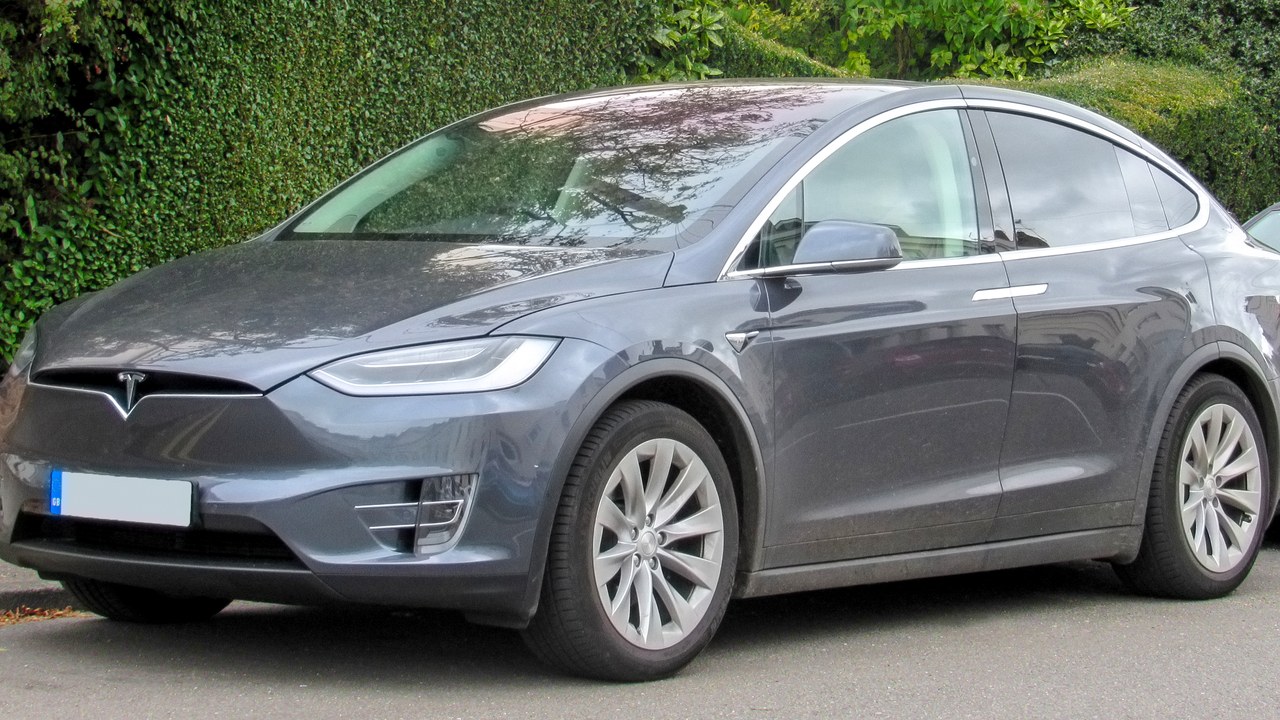
A 2020 Tesla Model X Long Range went 294 miles in Edmunds’ range testing, compared with an EPA rating of 328 miles. That leaves it 10.4 percent short of the window sticker.
The Model X is heavy and wears large wheels, both of which use extra energy at highway speeds. Owners of older examples should also expect some battery wear, which can widen the gap further as the miles pile up.
3. Tesla Model Y: Close, but Still Short
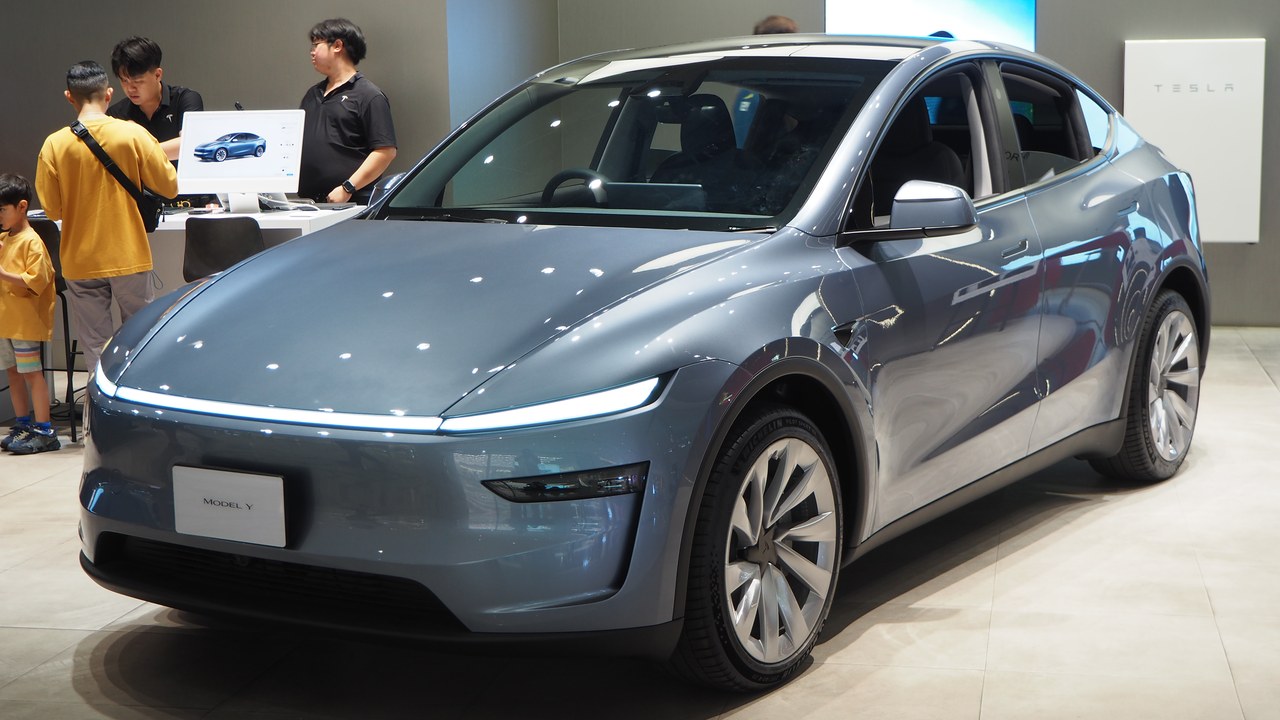
The 2026 Tesla Model Y Long Range with rear-wheel drive traveled 327 miles in Edmunds’ test, against an EPA rating of 357 miles. The shortfall works out to 8.4 percent.
The Model Y is the best-selling EV in the United States, so its real-world range affects more drivers than almost any other figure on this list. A gap of 30 miles is modest, but it is still worth planning around in cold weather.
4. Jeep Wagoneer S: More Energy Than Rated
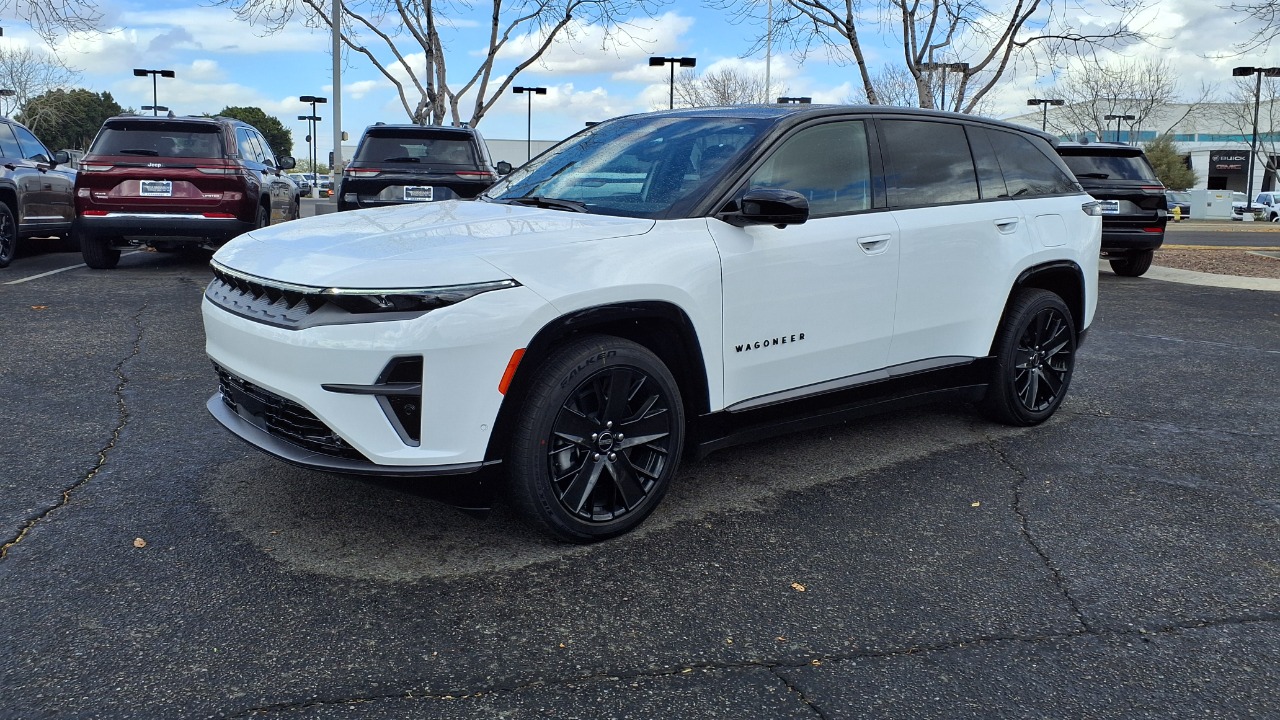
Edmunds tested a Jeep Wagoneer S Launch Edition and recorded 276 miles of range against an EPA estimate of 303 miles, a 27-mile or 8.9 percent shortfall. The SUV also used 37.6 kWh per 100 miles, compared with a rated 35.
That consumption figure explains the shortfall: the vehicle simply used more energy per mile than the lab test assumed. Higher consumption also means a slightly larger charging bill for every trip.
5. Ford F-150 Lightning: Fifty Miles Short on the Highway
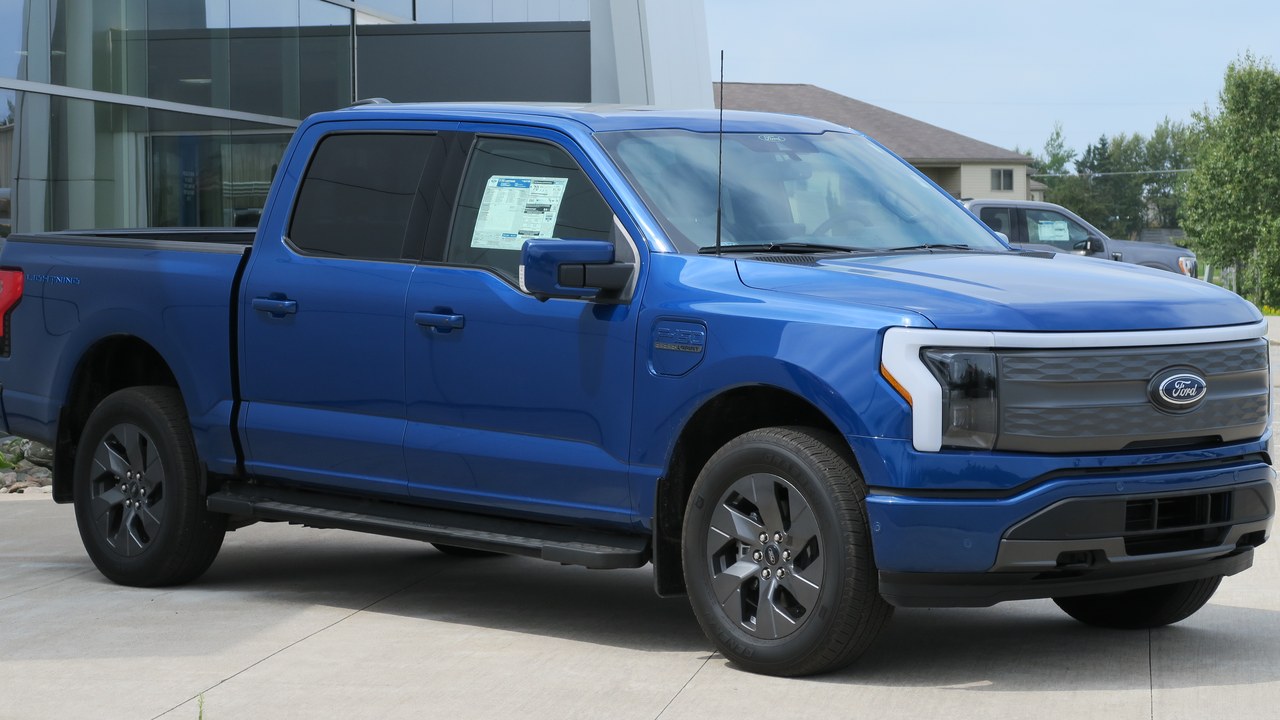
In a Consumer Reports highway test reported in December 2023, an F-150 Lightning Lariat Extended Range ran out after 270 miles. Its EPA rating is 320 miles, leaving the pickup 50 miles short.
Pickup buyers often tow, and towing can cut an electric truck’s range dramatically. If the truck falls short even when unloaded, owners hauling trailers need to plan charging stops much more conservatively than the sticker suggests. Cold weather adds to it.
6. Lucid Air: Forty Miles Below Its Rating
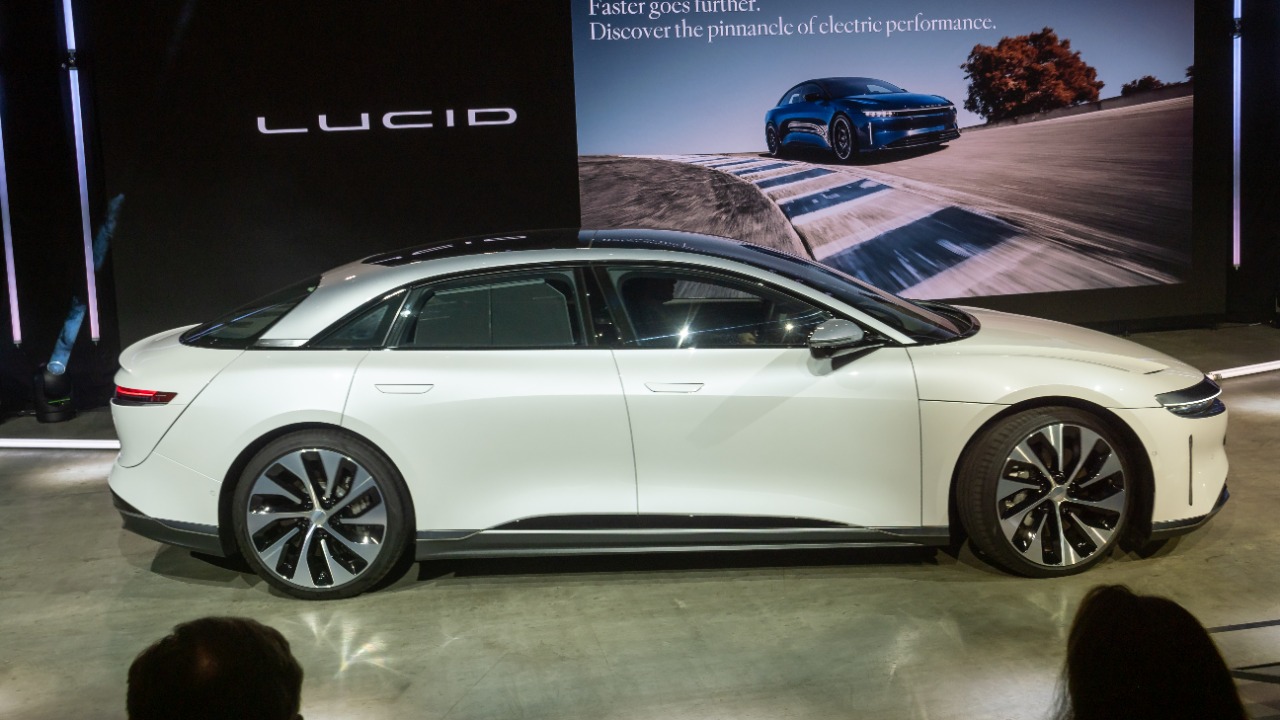
Consumer Reports’ test of a Lucid Air Touring went 344 miles against a 384-mile EPA rating, according to results published in December 2023. That is 40 miles short of the official figure.
The Air is known for its aerodynamic shape and efficient drivetrain, so even a strong performer can miss its rating in steady highway driving. Its real-world result still exceeds what many rival sedans can manage. Cold weather would lower it.
7. Tesla Model S: A Long-Range Sedan Falls Short
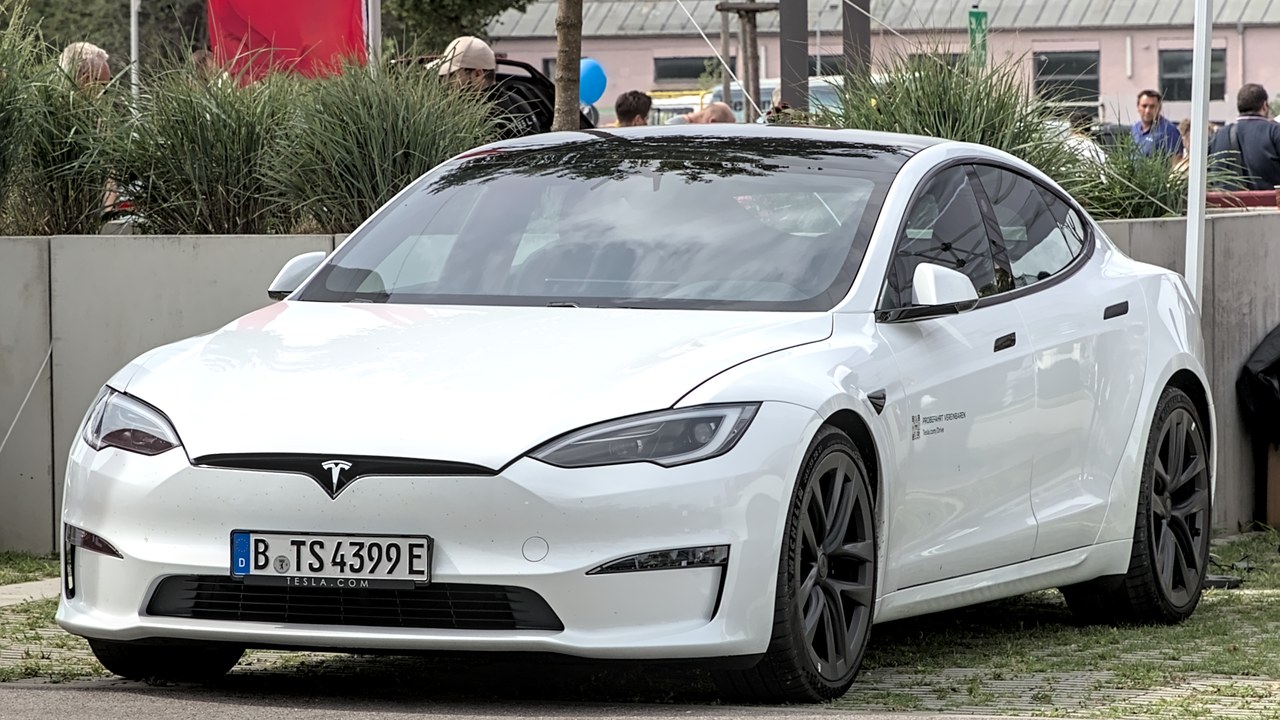
Consumer Reports’ test of a Tesla Model S Long Range reached 366 miles, short of its 405-mile EPA rating by 39 miles, in results reported in December 2023.
The Model S has long been one of the longest-range EVs on sale. A result of 366 miles still puts it near the top of the market, but buyers who chose it for the 405-mile figure should know that highway driving narrows the advantage.
8. Lexus RZ: A Small Battery Gets Smaller
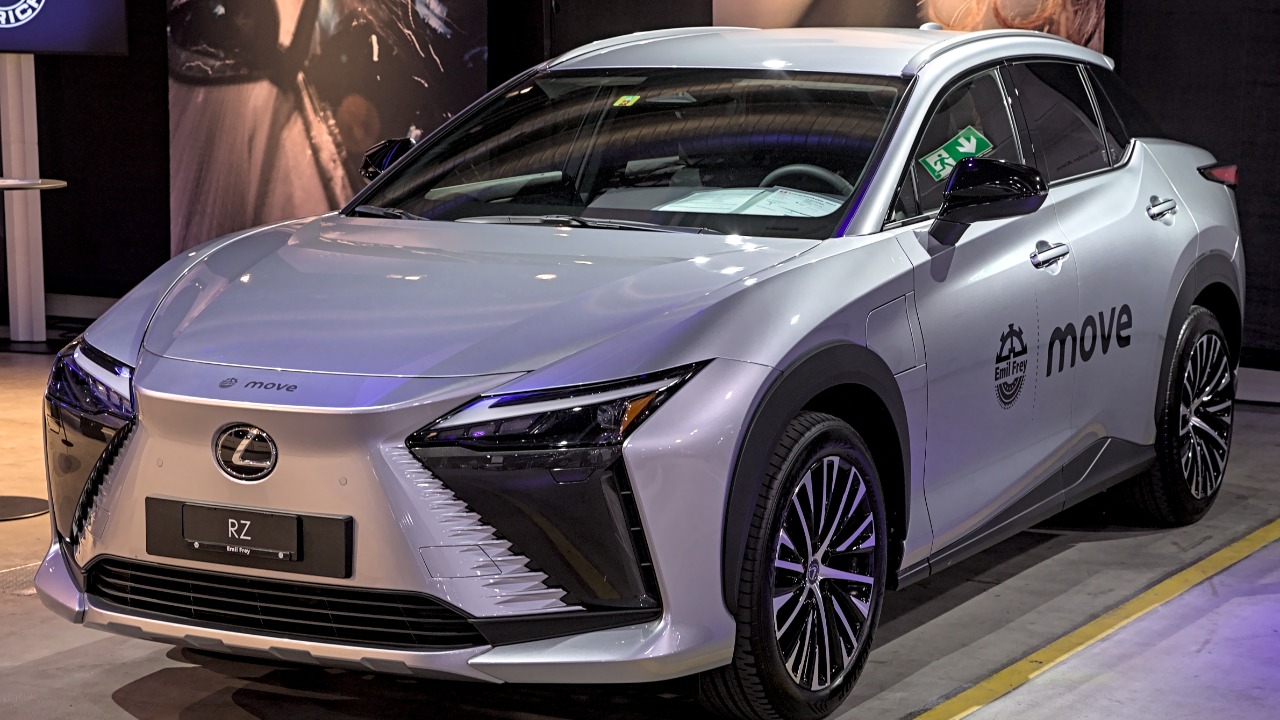
Consumer Reports’ test of a Lexus RZ 450e Premium went 202 miles against a 220-mile EPA rating, 18 miles short, according to results published in December 2023.
The shortfall is small in miles, but the RZ starts with less range than most rivals. With only about 200 miles to work with, every mile matters more, and winter weather can push the usable figure lower still. Plan accordingly. A home charger helps.
9. Chevrolet Silverado EV: A Shortfall at 70 MPH
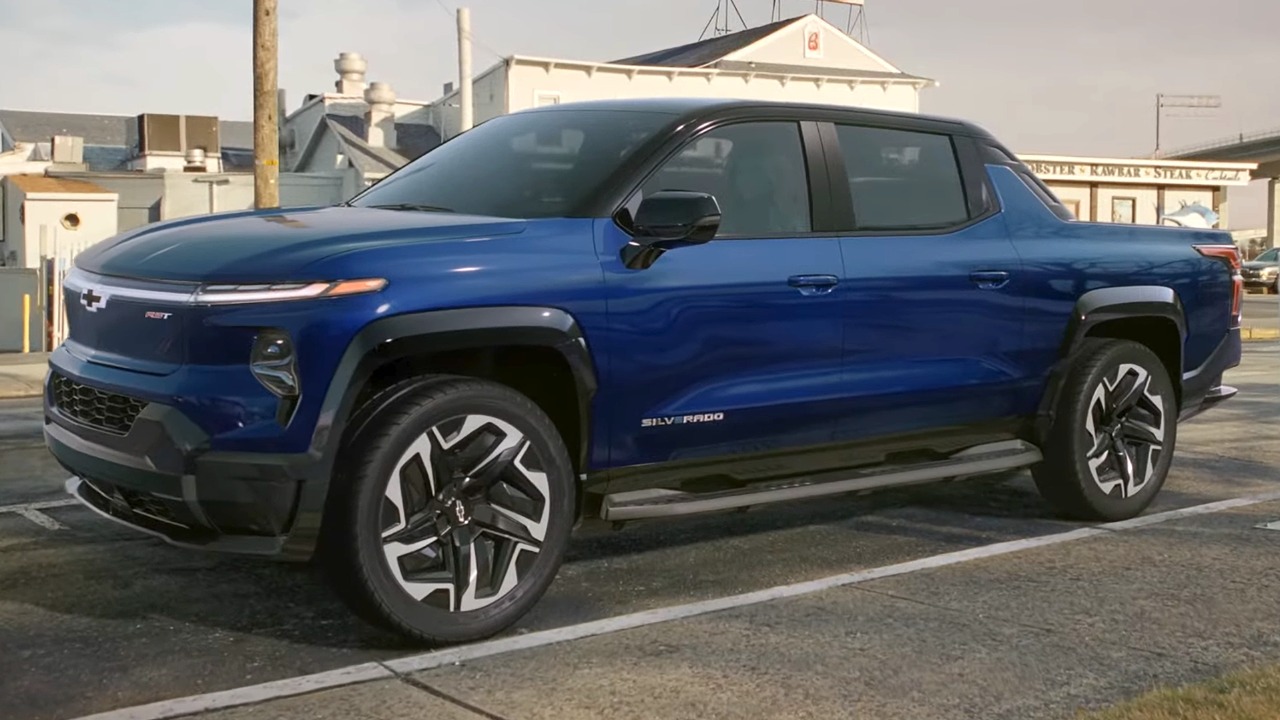
In a Consumer Reports test run at 70 mph, the Chevrolet Silverado EV finished 21 miles short of its EPA target. The test reflects sustained interstate driving rather than the mix of city and highway conditions used in the official procedure.
The Silverado EV has one of the largest batteries on the market, so a 21-mile gap is a small share of its total range. Buyers who tow or carry heavy loads should still expect the real figure to drop further.
10. Rivian R1S: Fifty-Two Miles Missing
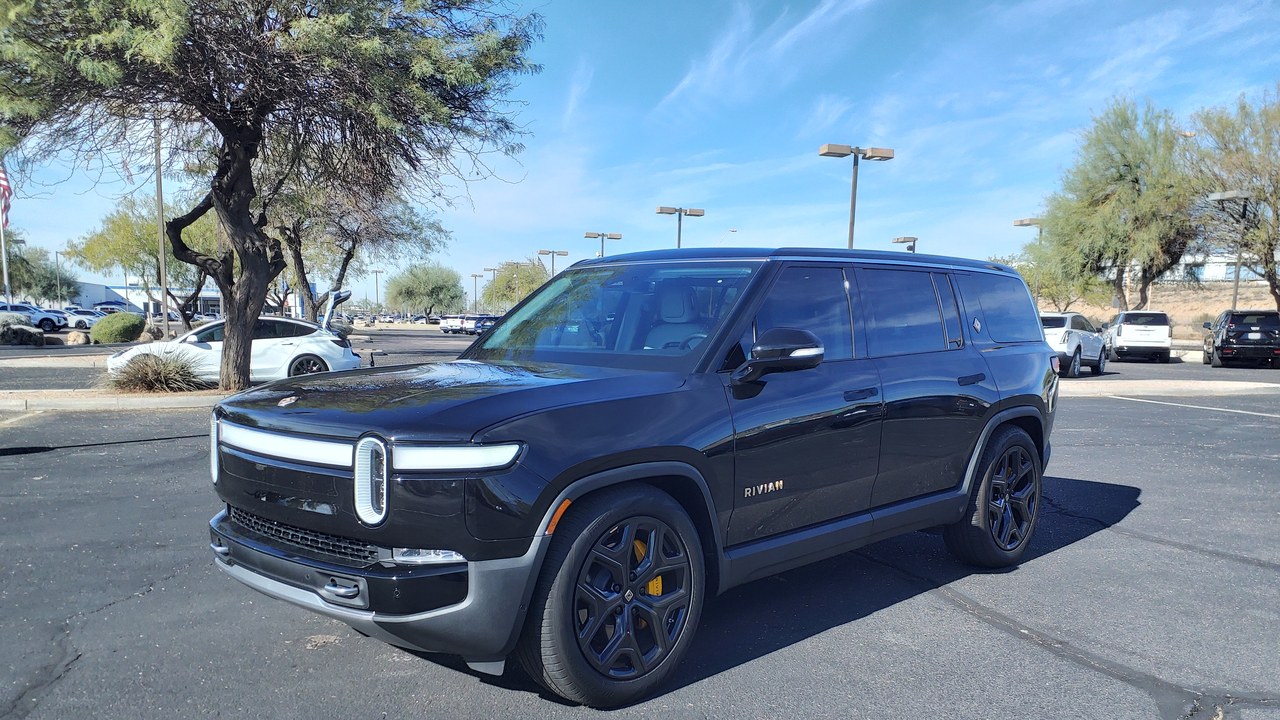
The Rivian R1S came up 52 miles short of its EPA figure in Consumer Reports’ 70 mph highway test. That was one of the larger gaps among the vehicles in the comparison.
The R1S is built for off-road ability, with a tall body and all-terrain hardware that add drag. Those traits help on trails and hurt at highway speeds, which is likely part of the reason the result fell well below the official figure.
11. Tesla Cybertruck: No EPA Rating to Compare
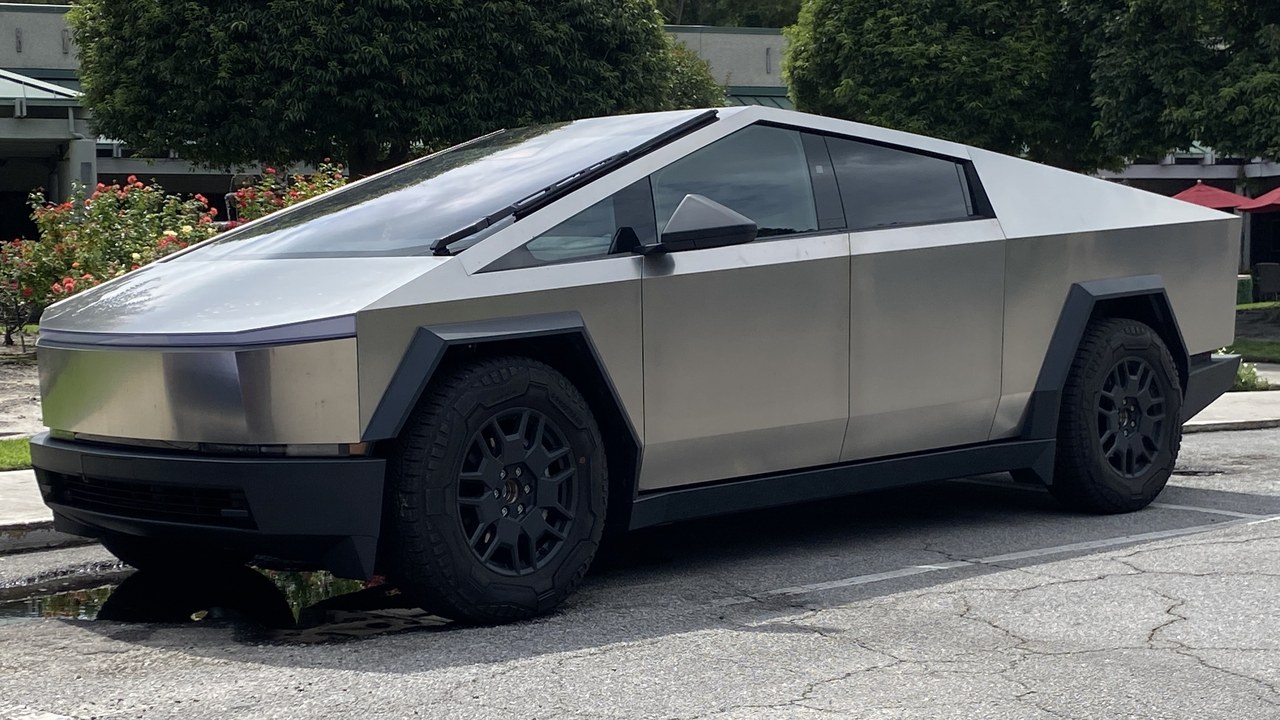
In Car and Driver’s 75 mph test reported in March 2024, a Tesla Cybertruck Cyberbeast covered 250 miles, compared with Tesla’s claimed 301 miles. That is 51 miles under the company’s figure.
At the time of the test the Cybertruck had no EPA rating, so the comparison is against Tesla’s own claim. Its angular stainless-steel body is not especially aerodynamic, and at 75 mph that shape costs energy that the claim did not reflect.
12. Rivian R1T: All-Terrain Tires Take a Toll
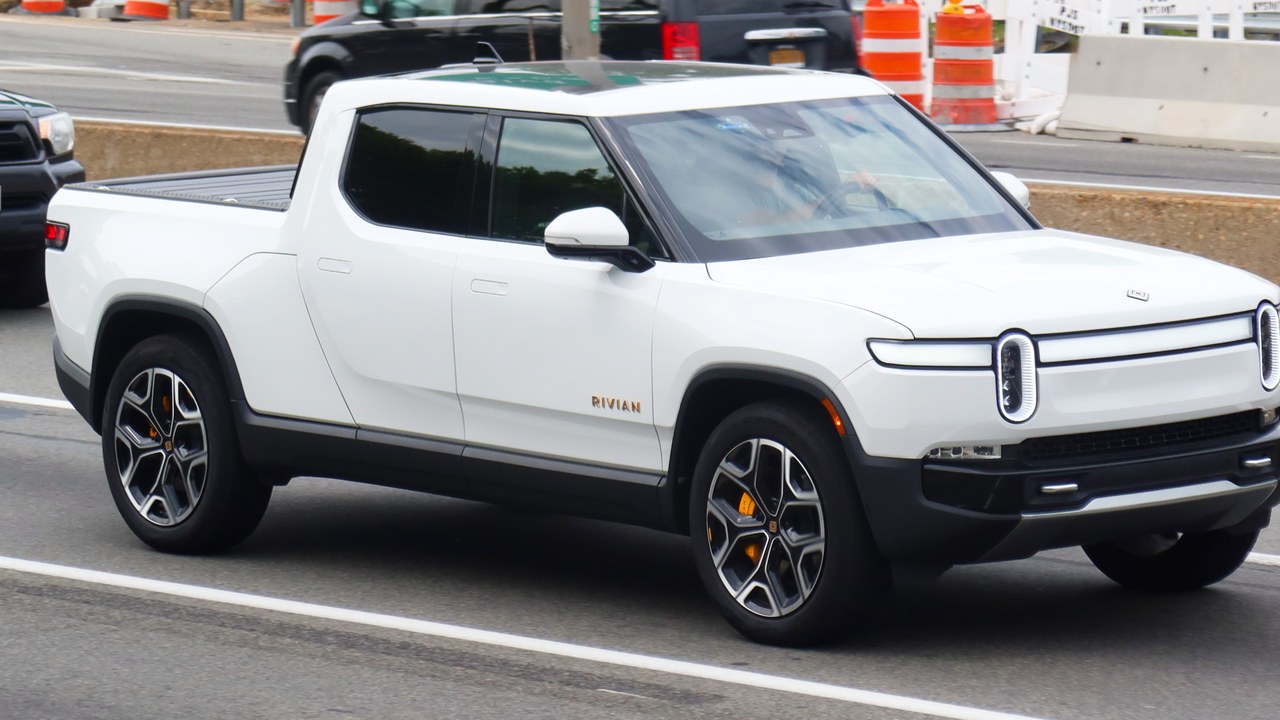
Car and Driver tested an early Launch Edition Rivian R1T on 20-inch all-terrain tires and recorded 220 miles in its 75 mph test, against a 314-mile EPA rating, according to a report published in March 2024.
Tires make a large difference to an EV’s efficiency, and aggressive all-terrain rubber is among the least efficient choices. Owners who swap to highway-oriented tires can recover some of the lost range, at the cost of some off-road grip.
More from Morning Overview
- New FCC rules on how people can stop robocalls and texts take effect Nov. 25
- Neanderthals in Spain carved a wooden object that matches nothing archaeologists have ever found
- The FAA wants $2.39 million from a flight school it says flew a Cessna about 280 times with an unapproved part
- A $1 billion gas plant planned for Superior, Wisconsin, has been abandoned
