
Modern homes are full of small microphones that never fully power down, tucked into speakers, screens, watches and even the vacuum. Each one is built to catch a specific trigger phrase or signal, running a local detector rather than a live broadcast, though the distinction rarely gets explained on the box. Here are eight everyday gadgets that keep a microphone switched on, waiting.
1. Smart speaker: Always Ready For The Wake Word
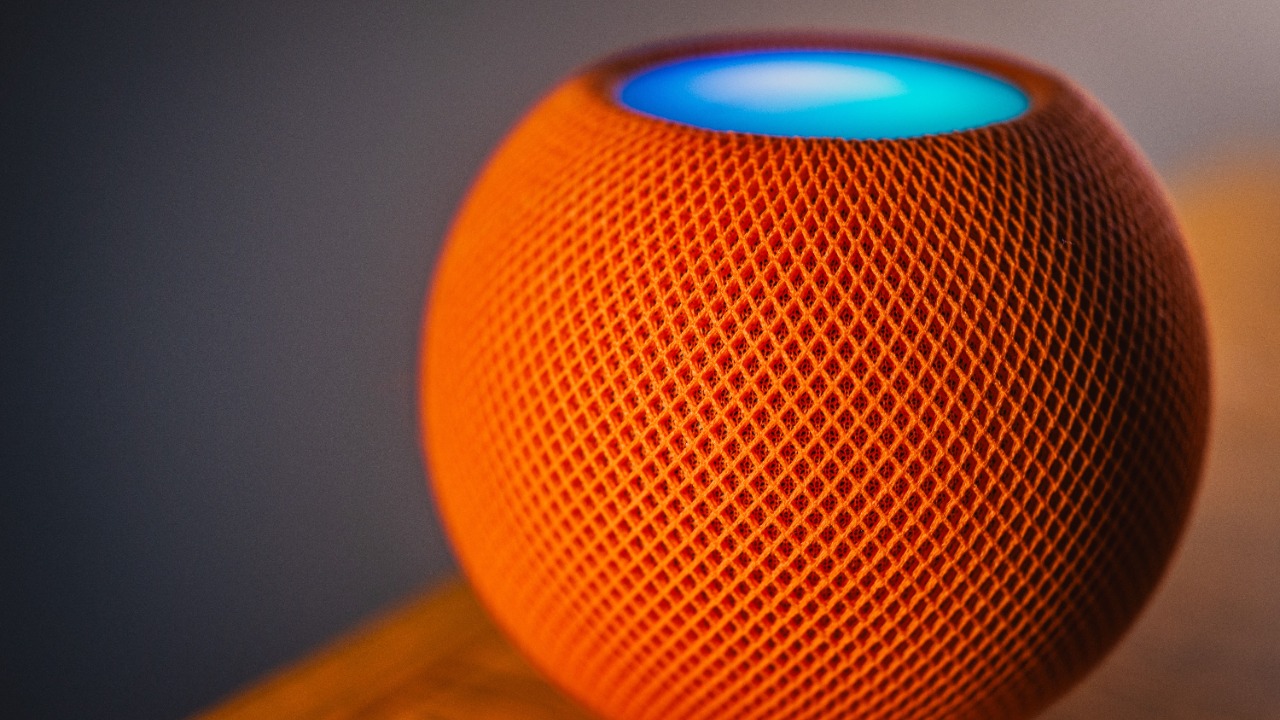
A smart speaker keeps its onboard microphone active around the clock, running a local wake-word detection system that listens only for a trigger phrase such as a device name or an assistant’s name. The processor analyzes incoming sound on the device itself, discards ordinary background chatter, and does not transmit audio anywhere until that specific word or phrase is detected.
Once that trigger fires, the speaker streams the following command to a cloud server for processing, and many manufacturers keep a rolling recording history that a household member can review, download or delete inside the companion app on a phone.
2. Smart TV: Watching While It Watches Back

Many smart TVs use automatic content recognition to identify what is playing, and models with voice remotes keep a microphone in the remote or the set itself listening for a spoken command. The built-in microphone array activates on a button press or a wake phrase, then converts speech into a search or channel-change instruction.
Separately, the television’s viewing-tracking software logs which channels, apps and streaming titles get watched each night, and that behavioral data is often shared with advertisers and content partners even when the voice feature has been switched off entirely.
3. Video doorbell: Every Visitor Gets Recorded
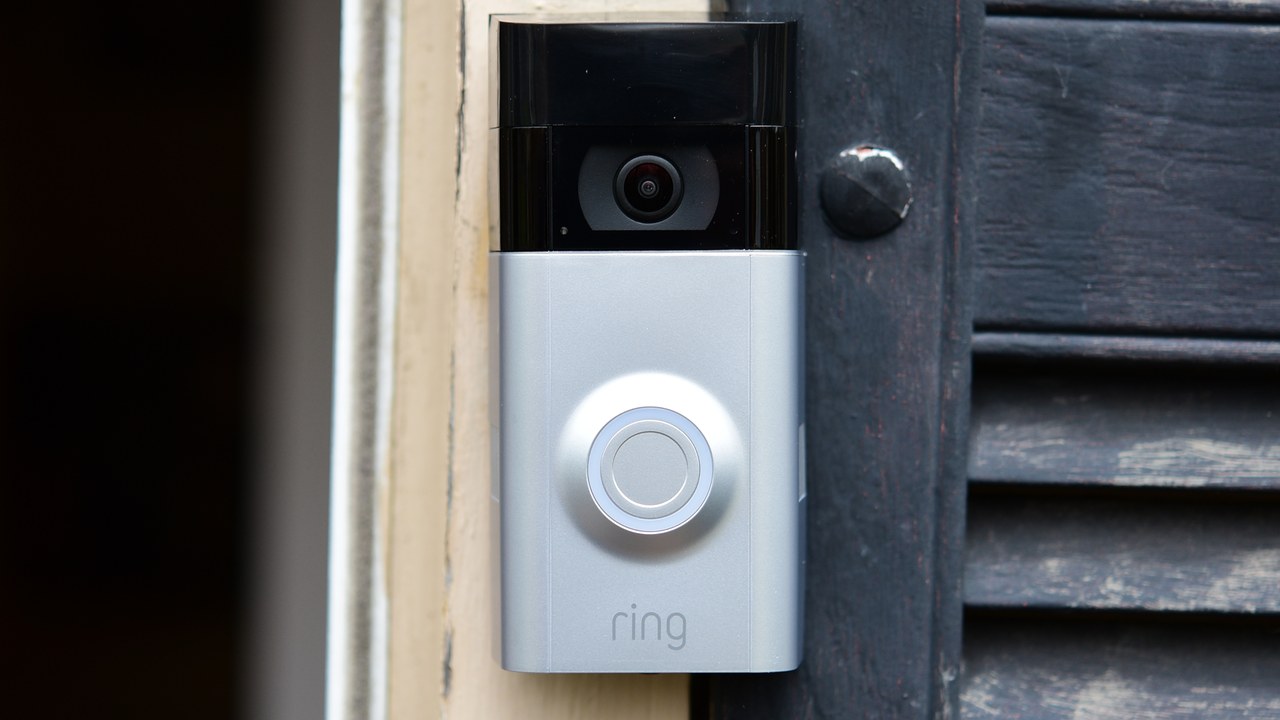
A video doorbell mounts a camera and microphone at the front entrance and begins recording the moment its motion sensor detects a person approaching. The connected doorbell system captures audio of any conversation held near the door, not just the button press, and pushes a live alert to an owner’s phone.
That footage typically uploads to the manufacturer’s cloud storage, where it can sit for days or weeks depending on the subscription plan, and in some jurisdictions the recordings have been requested by local police investigating nearby incidents or package thefts.
4. Smartphone: The Assistant In Every Pocket

A smartphone running a voice assistant keeps a low-power chip listening for its wake phrase even while the screen stays dark and the main processor sleeps. The onboard voice assistant only begins recording and transmitting audio after that phrase, or a manual button press, triggers it, a design meant to limit constant cloud transmission.
Individual apps can also request microphone access for their own features, and once granted that permission often persists quietly in the background for months until a device owner opens the privacy settings menu and manually revokes it for each app.
5. Smartwatch: More Than A Step Counter
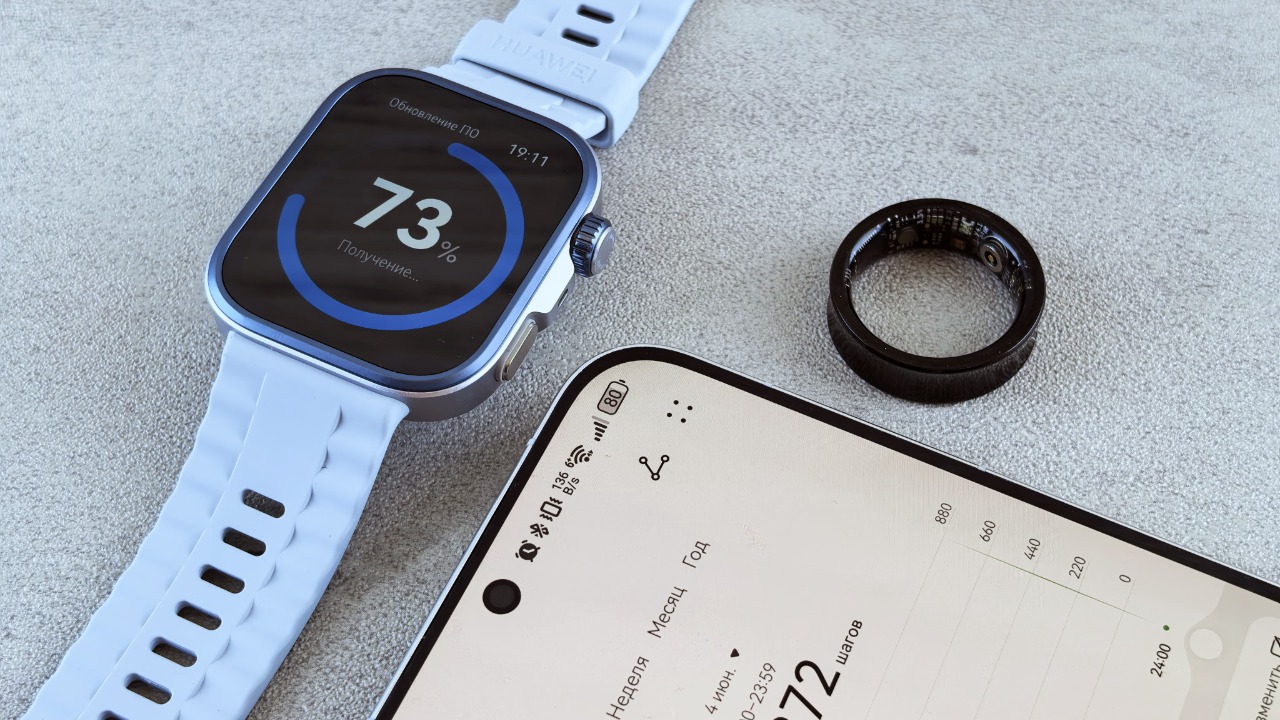
A smartwatch built for hands-free voice commands carries its own microphone on the wrist, positioned close enough to a wearer’s mouth to pick up quiet speech during calls or dictated messages. The wrist-worn microphone activates through a wake word, a raised-wrist gesture, or a side-button press, depending on the exact model and settings.
Beyond the microphone, the same device continuously logs heart rate, movement patterns and sleep cycles, building a detailed activity profile that updates continuously and syncs to a paired phone and, in many cases, to the manufacturer’s own health servers.
6. Baby monitor: A Nursery Feed Anyone Could Find
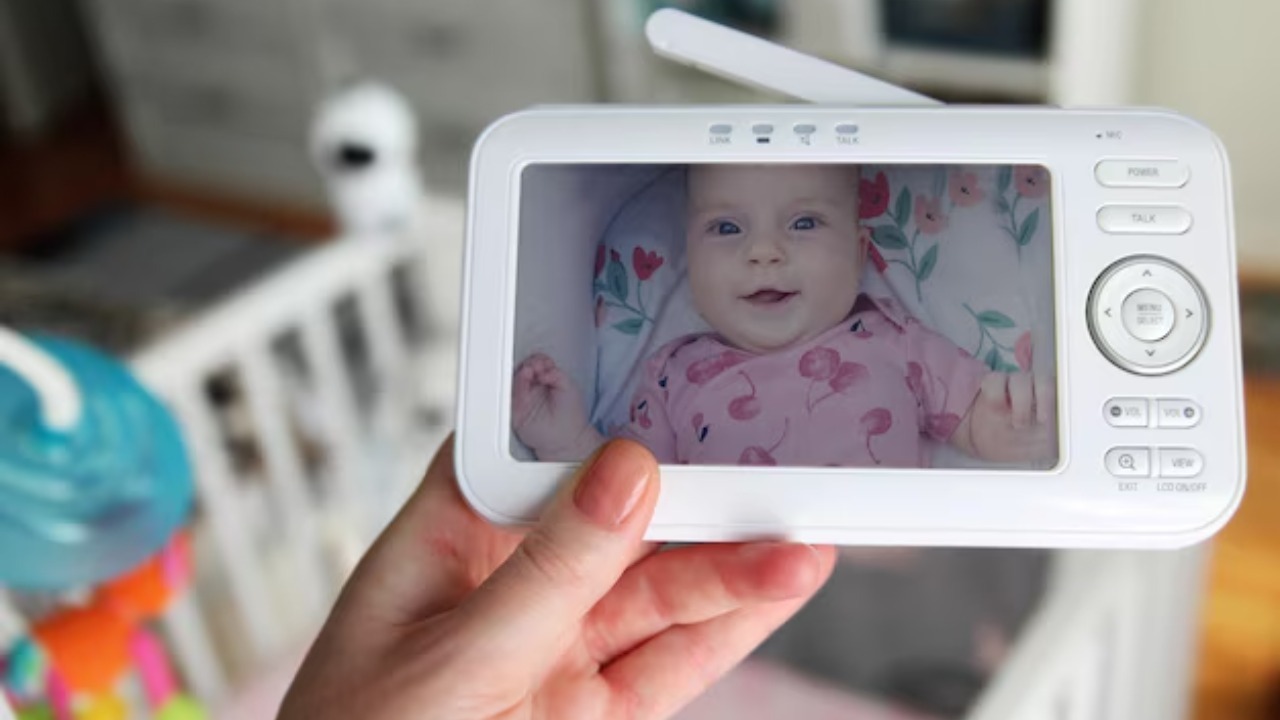
A Wi-Fi baby monitor keeps its microphone and camera streaming continuously so a parent can check on a sleeping infant from another room or while away from the house. The wireless monitor feed travels over the home network to an app, and on older or unsecured models that same feed has been accessed by outsiders who guessed a weak default password.
Manufacturers now push owners toward unique passwords and two-factor login precisely because that audio and video stream, unlike a wake-word gadget, runs constantly rather than only after a trigger phrase is spoken nearby.
7. Smart thermostat: Sensing When The House Is Empty
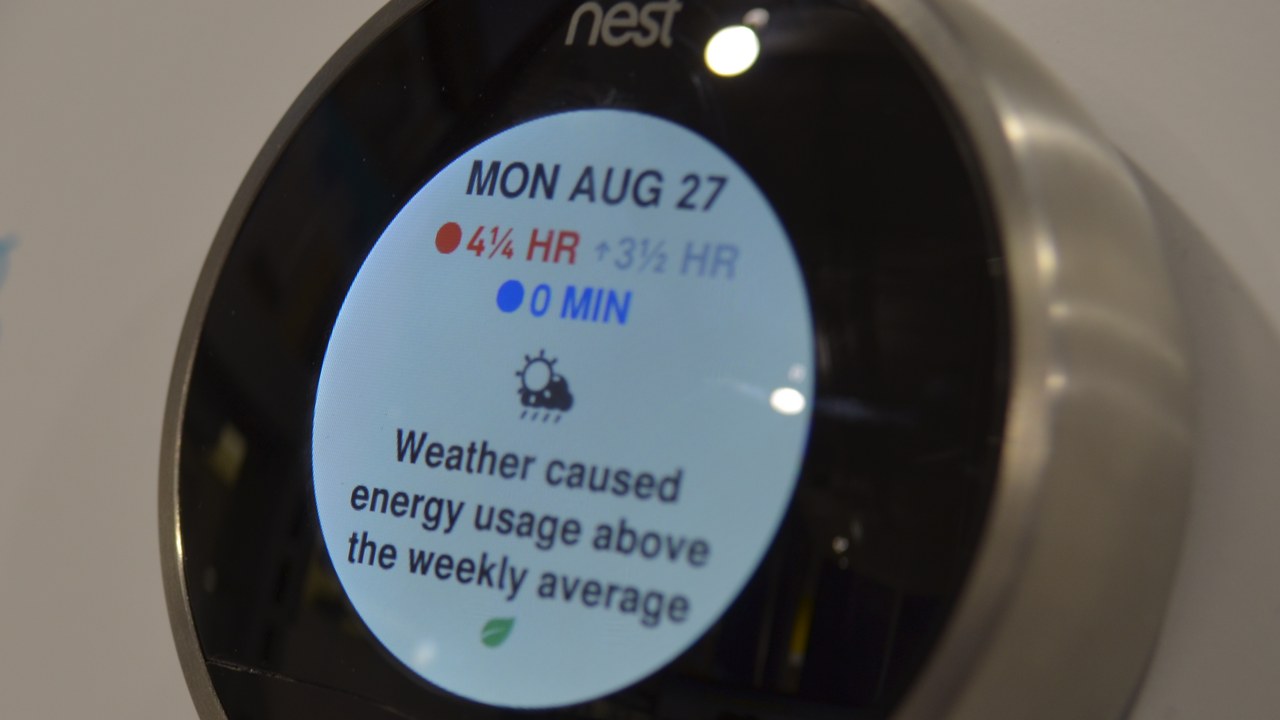
A smart thermostat uses occupancy and motion sensors, rather than a microphone, to learn the daily rhythm of a household and adjust heating or cooling automatically. The occupancy sensor system tracks when rooms are empty or in use, building a detailed schedule of when people are typically home, asleep, or away for the day.
Some higher-end models pair with a smart speaker or hub for voice control, layering a wake-word microphone on top of the sensor data, so the combined device can reveal both a household’s routine and its conversations.
8. Robot vacuum: Mapping The Floor Plan Room By Room
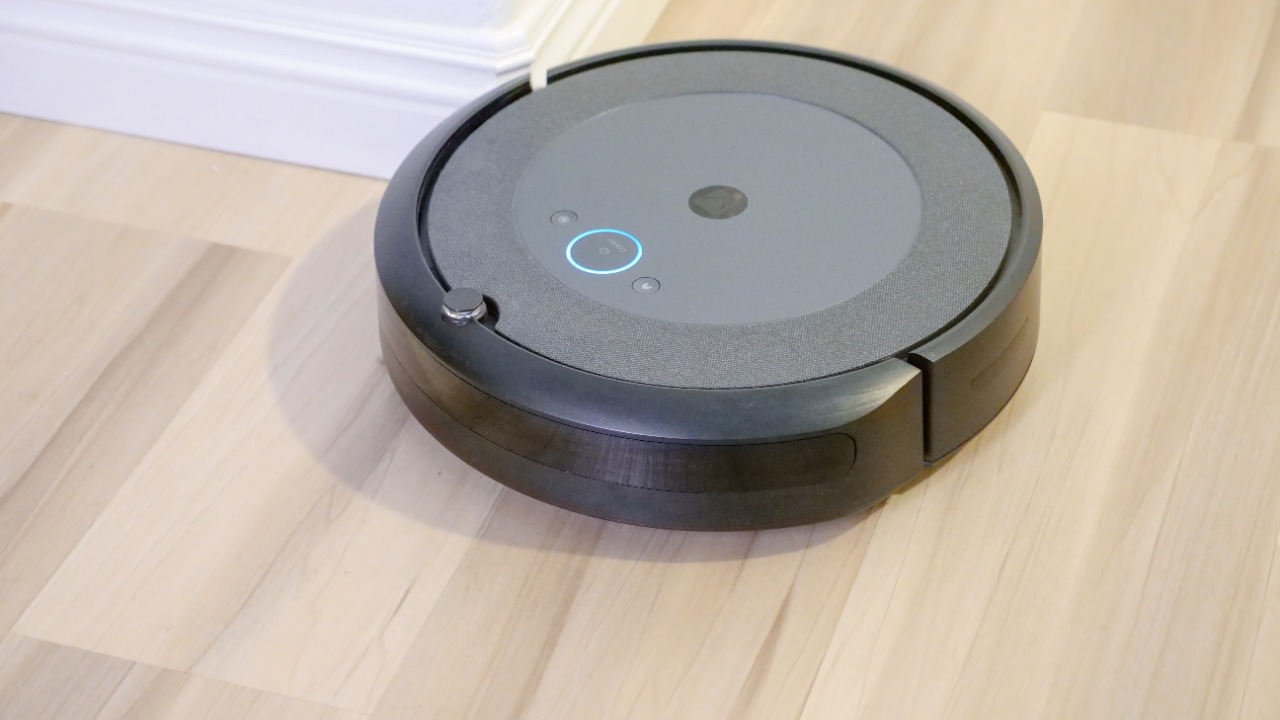
A robot vacuum equipped with cameras and lidar builds a detailed floor plan of a home while it cleans, and some models add a microphone for voice commands or remote-monitoring features. The navigation camera system captures images of furniture, doorways and household objects as it maps each room for future cleaning passes.
That map, along with any snapshot images, is typically stored on the manufacturer’s cloud servers to speed up future runs, and a handful of companies have faced scrutiny after images captured inside customers’ homes turned up outside the app.
More from Morning Overview
- Card skimmers hidden on gas pumps are draining accounts, and there’s a quick way to spot them
- The NSA warns one messaging setting can clone your texts to a stranger
- Security experts still urge phone owners to switch off one location-tracking setting
- Automakers are quietly dropping the stop-start feature many drivers love to hate
