
America’s sedan lineup has shrunk as automakers chase SUVs and crossovers, but a stubborn handful of body-style holdouts remain on dealer lots. Compact and midsize four-doors still move in real volume, backed by loyal buyers who want lower price tags, easier parking, and better fuel economy than taller alternatives. Here are twelve sedans that any shopper can still order brand-new in America right now.
1. Toyota Camry: The Hybrid-Only Pivot
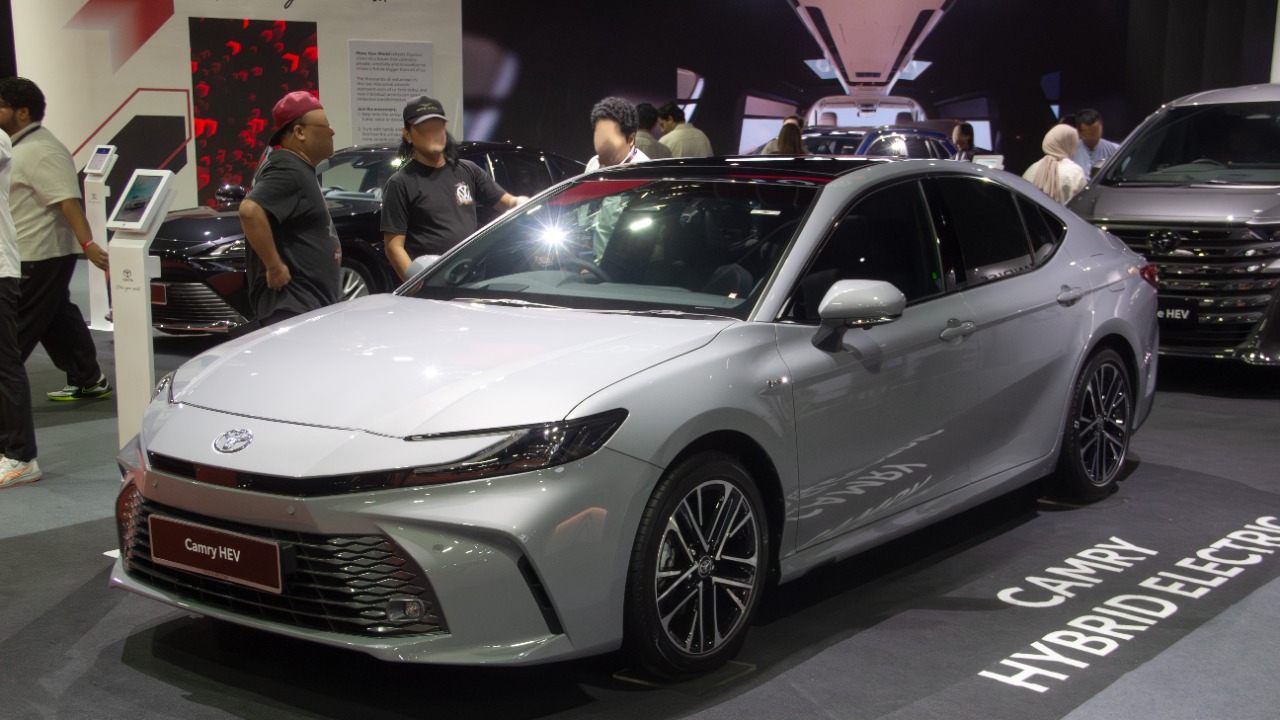
Toyota’s benchmark family sedan now ships exclusively as a hybrid, having dropped the four-cylinder and V6 gas-only trims entirely. The switch leans into fuel savings after decades as the country’s top-selling car.
For a buyer cross-shopping a compact SUV, the payoff shows up at the pump rather than on the sticker, since every trim carries the same electrified powertrain. That uniformity simplifies the lineup but removes the cheaper non-hybrid trims some shoppers used to choose.
2. Honda Accord: The Midsize Holdout
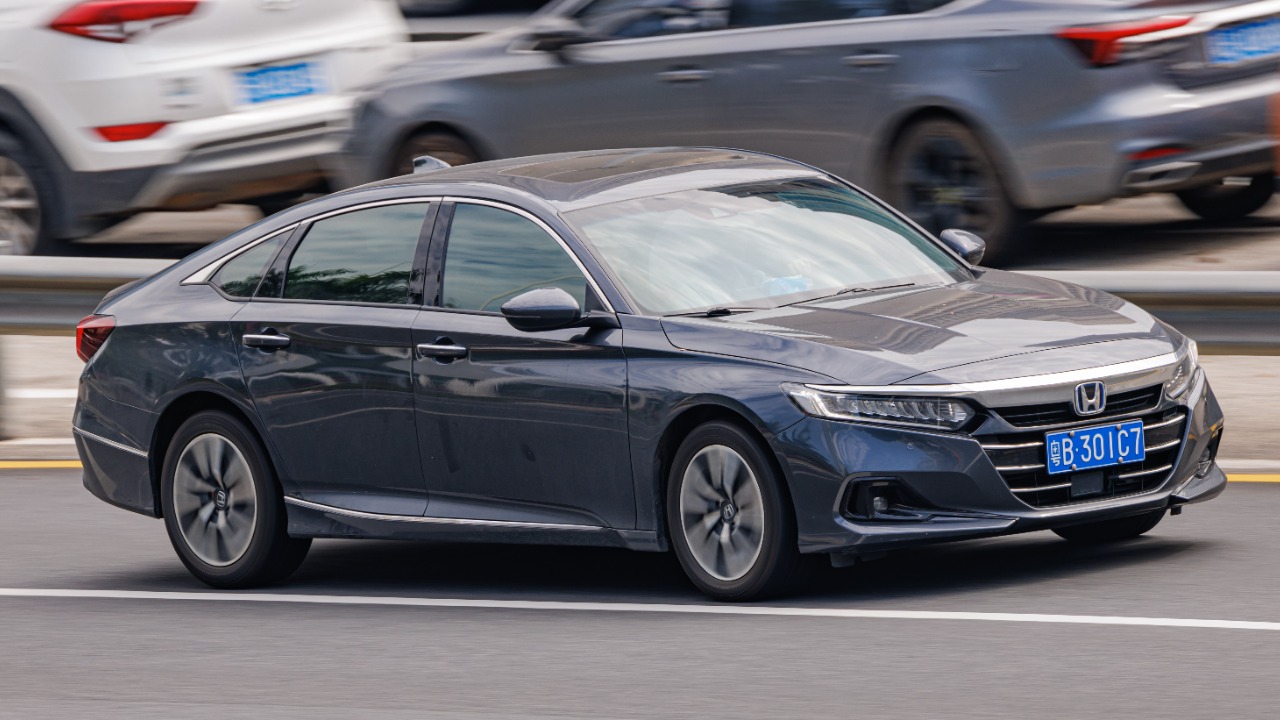
Honda’s midsize sedan line kept a full gas and hybrid lineup even as competitors trimmed their four-door offerings or cut them outright. It still rides on a roomy platform that predates the current SUV boom, with V6-grade cabin space in a lower, more efficient shape.
That head start matters for buyers who want back-seat room without the height and price premium of a three-row crossover. Resale values have stayed strong precisely because so few rivals still compete directly in the same segment.
3. Toyota Corolla: Global Sales Champion
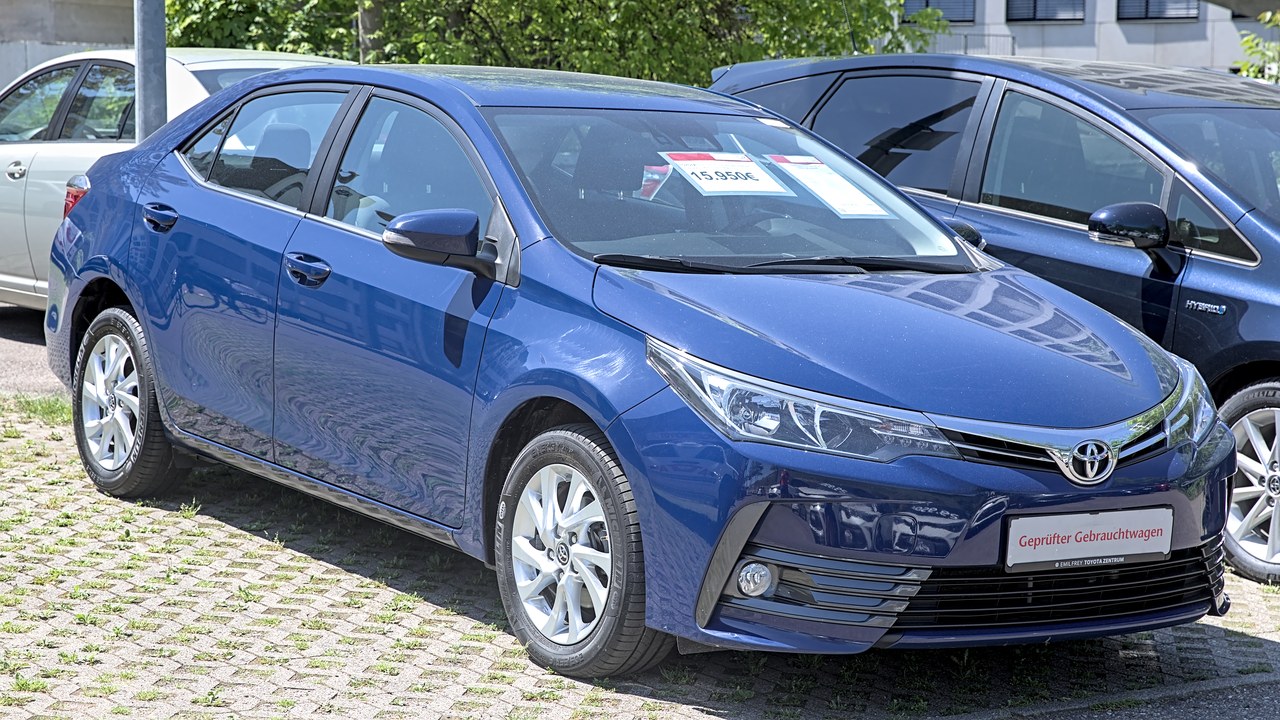
The Corolla nameplate has outsold every other car nameplate worldwide across its production history, and Toyota still builds it as a traditional four-door sedan alongside its hatchback sibling. Its reputation rests on low running costs and a maintenance record dealers point to when justifying resale premiums.
For budget-minded shoppers, that track record functions like an insurance policy against expensive surprises down the road. The tradeoff is a cabin that prioritizes durability over flash, with fewer standard tech features than flashier compact rivals.
4. Honda Civic: Compact Segment Anchor
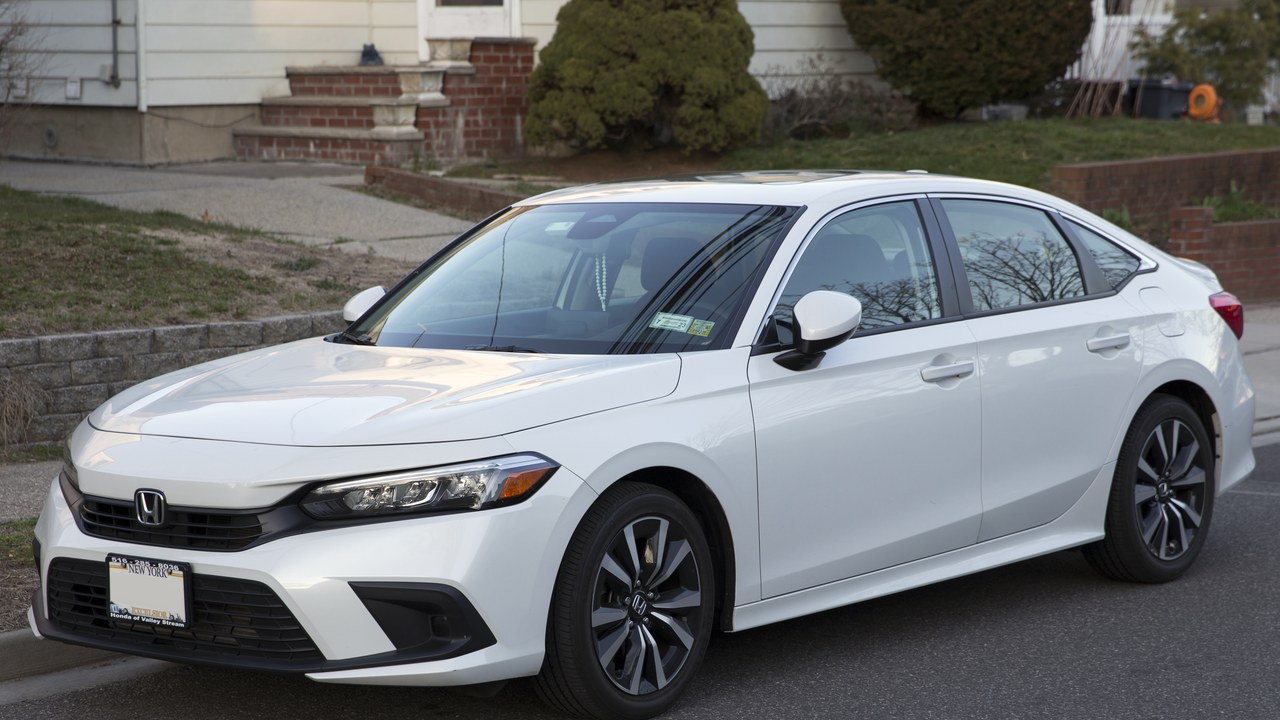
The Civic sedan remains one of the highest-volume compacts sold in the country, built alongside a hatchback and a high-performance Type R variant that keeps enthusiasts engaged with the nameplate. Its chassis has won praise for handling that outperforms its price point, a trait carried over from generation to generation.
That enthusiast halo effect helps sell the ordinary commuter trims parked next to it in showrooms. First-time buyers gravitate toward it for the same reason insurers favor it: predictable parts costs and a wide independent-repair network.
5. Nissan Sentra: Value Compact Survivor
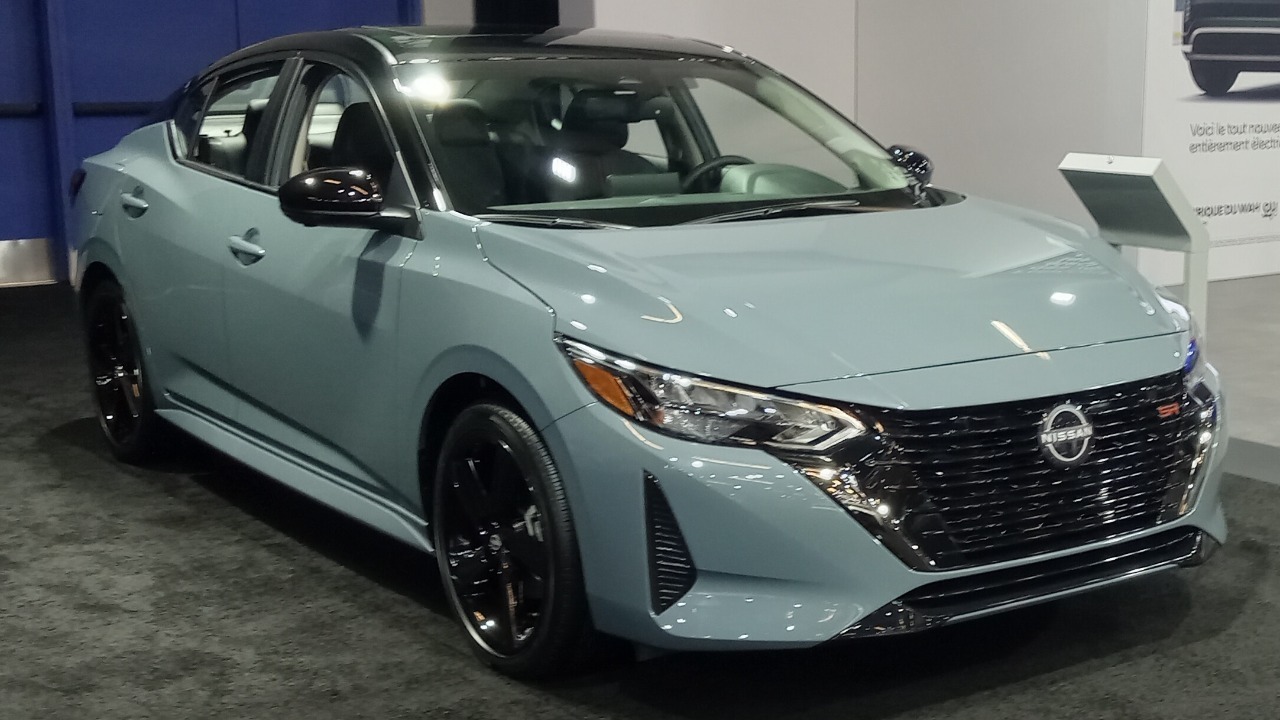
The Sentra undercuts most rivals on sticker price while still offering standard driver-assist features that used to be optional extras a few years back. Nissan positions it as the affordable entry point beneath the pricier Altima, giving budget shoppers a sedan rather than pushing them straight into a crossover.
That pricing strategy keeps a four-door option alive for buyers who simply need cheap, reliable transportation. The compromise shows up in a smaller back seat and a base engine that trades power for efficiency.
6. Nissan Altima: Midsize Field Thinner
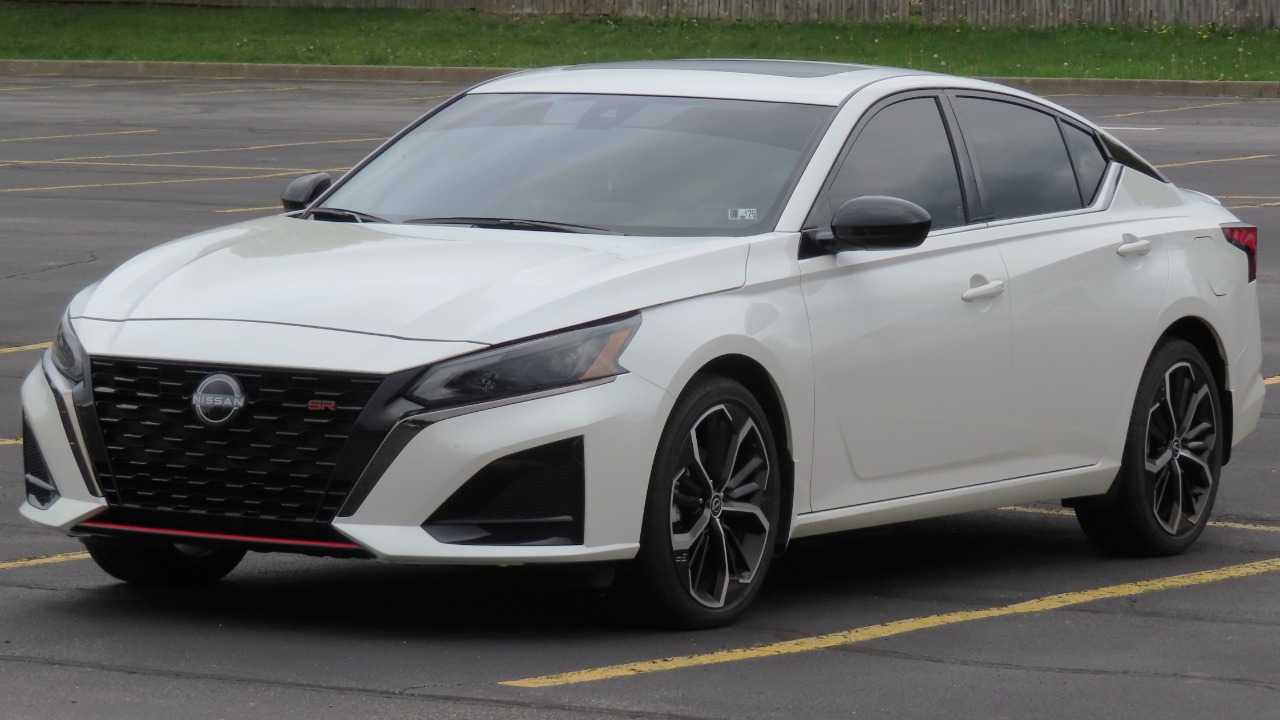
The Altima keeps competing in a midsize field that has lost several nameplates to discontinuation over the past decade, leaving Nissan’s entry as one of the last mainstream options built on a dedicated sedan platform. It offers an available all-wheel-drive option that few remaining rivals in the segment still bother to build.
For buyers in snowier climates, that all-wheel-drive availability is a rare selling point among sedans this size. The rest of the package is competent rather than exciting, trading segment-leading tech for a comfortable, quiet ride.
7. Hyundai Elantra: A Frequent Theft Target
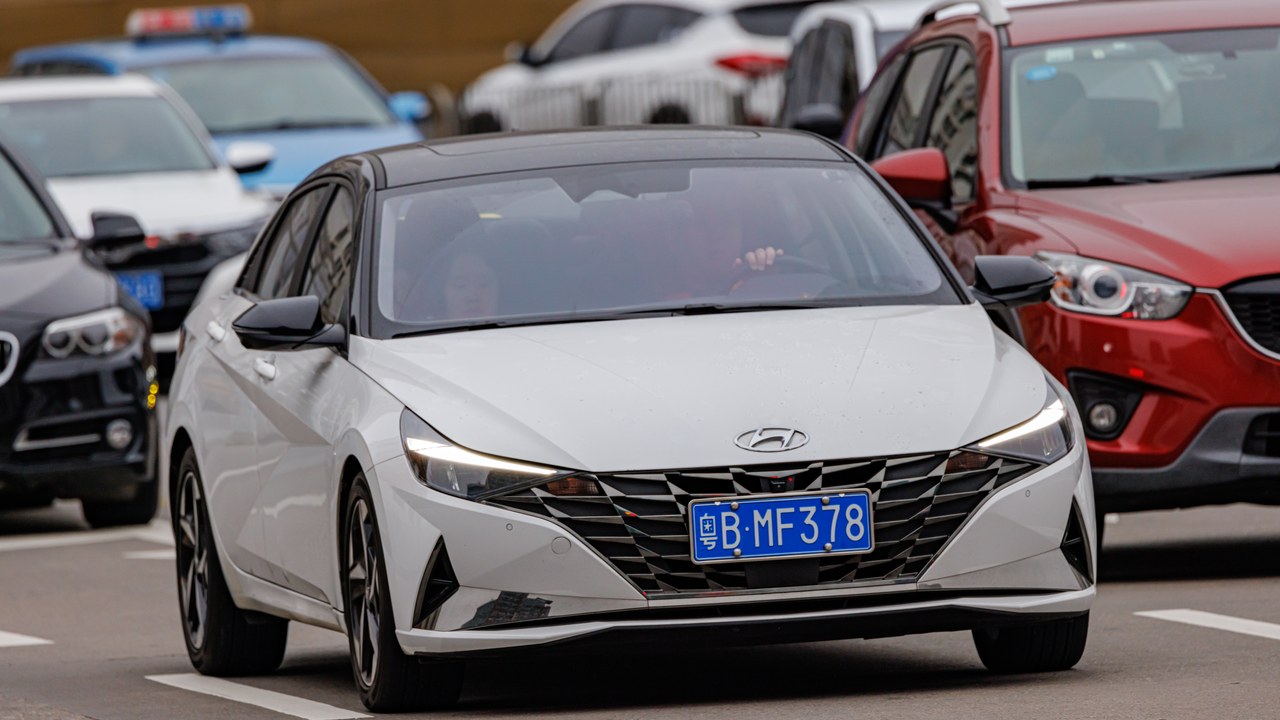
Hyundai’s compact sedan combines aggressive styling with a low base price, which helps explain why it topped the National Insurance Crime Bureau’s most-stolen list with more than 21,000 thefts in a single year. Older Elantras lack the anti-theft engine immobilizers that became standard industry-wide only in recent model years.
That theft exposure pushes insurance premiums higher in some cities, an extra cost worth budgeting for before buying used. Newer models close much of that gap, giving shoppers a reason to check the production year before signing.
8. Hyundai Sonata: Design-Forward Midsize
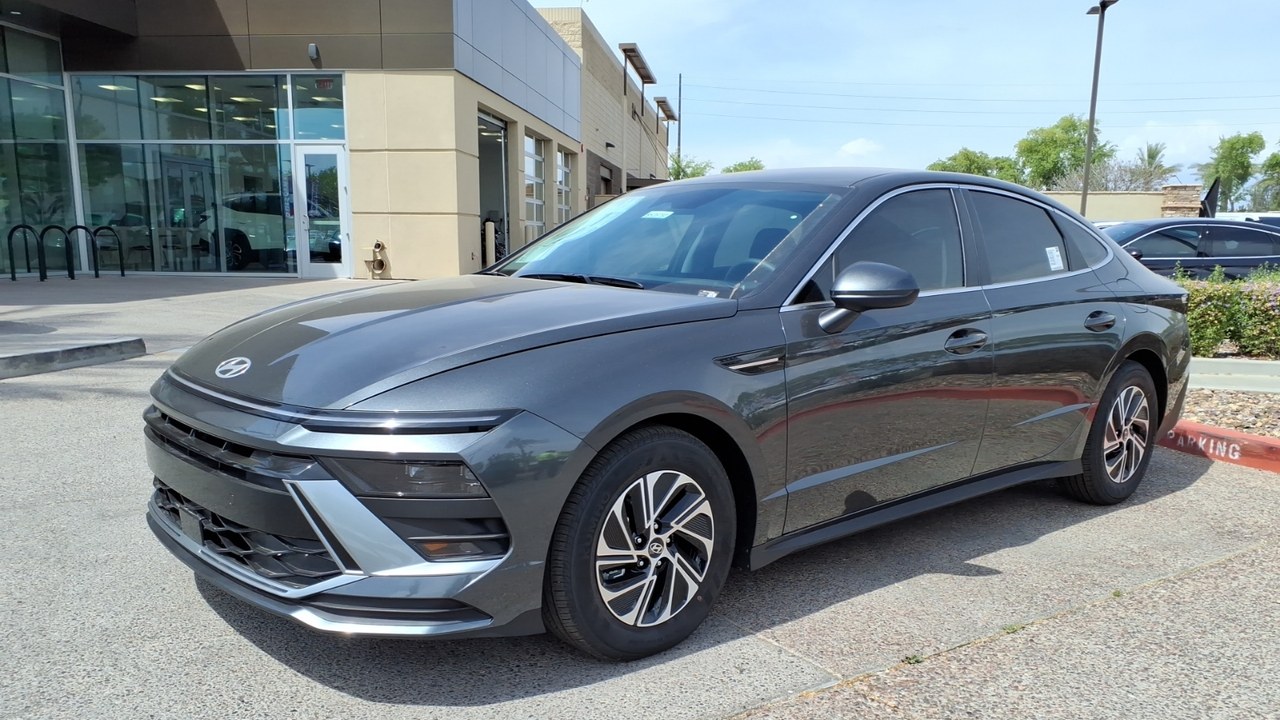
The Sonata stayed on Hyundai’s roster even as the brand pushed its Tucson and Santa Fe crossovers to the front of showroom floor plans. Hyundai leans on bold exterior design and a hybrid option to differentiate it from quieter, more conservative midsize rivals.
That design gamble draws buyers who find the Camry and Accord too understated for their taste. It also means resale value can swing more with styling trends than with mechanical reliability, which otherwise rates well.
9. Kia K5: Optima’s Sharper Successor
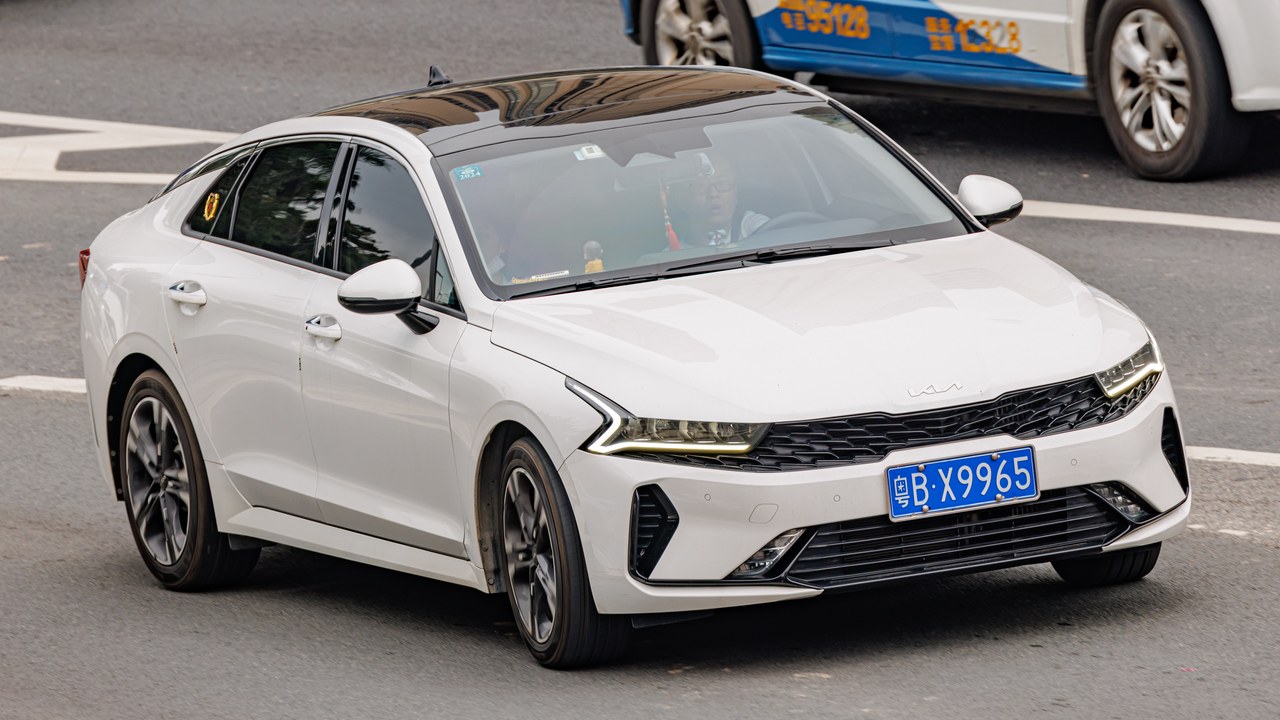
The K5 replaced the Optima nameplate with a lower, more coupe-like roofline that pulled Kia’s midsize sedan closer in look to cars costing considerably more. A turbocharged engine option gives it a power advantage over some rivals that only ship with a single, milder base motor.
That styling shift helped Kia hold onto buyers who might otherwise have skipped straight to a crossover. The tradeoff is a lower roofline that trims rear headroom compared with boxier competitors in the same class.
10. Subaru Legacy: Last All-Wheel-Drive Sedan Standing
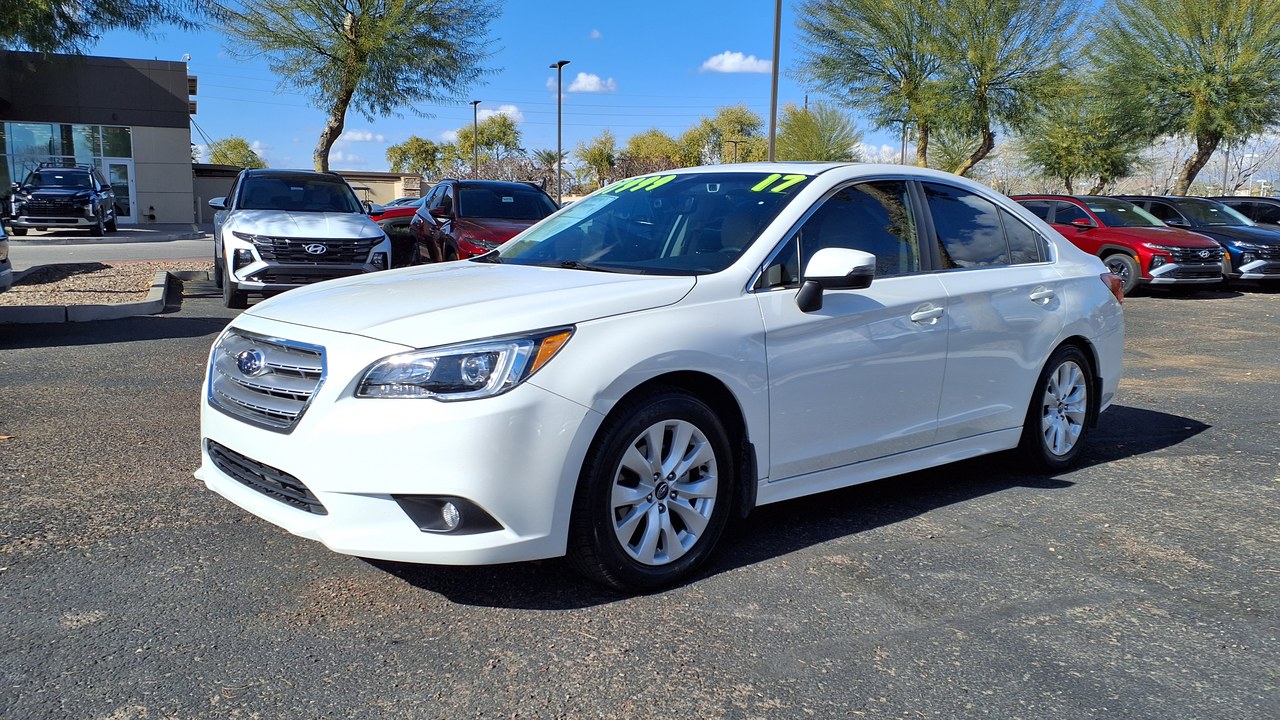
Subaru builds the Legacy with standard all-wheel drive across every trim, a configuration almost no other midsize sedan maker still offers as the default rather than a costly option. That drivetrain choice keeps it relevant in snow-belt states where Subaru’s wagons and crossovers already dominate sales.
Buyers who want sedan proportions with foul-weather traction now have essentially one mainstream choice left. The car sacrifices a little fuel economy for that grip, a tradeoff loyal Subaru owners have long accepted.
11. Mazda3: Upscale Cabin, Compact Price
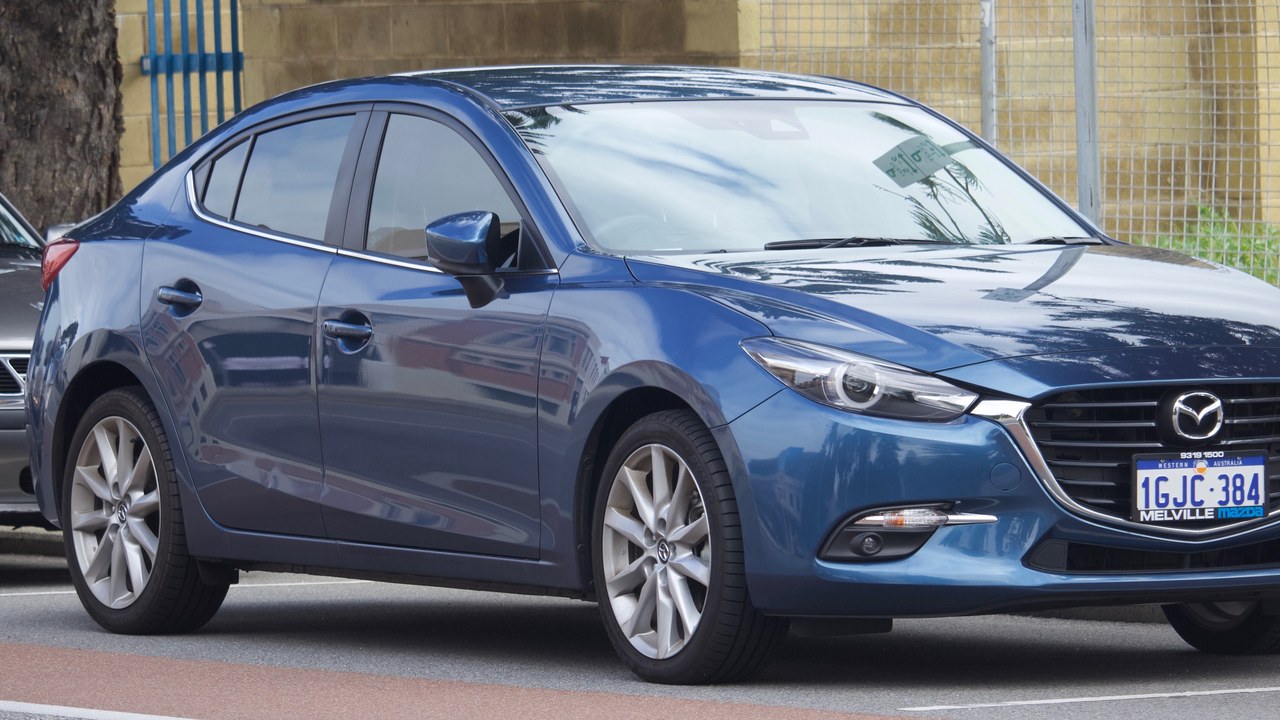
Mazda builds the Mazda3 sedan with cabin materials and sound-deadening that reviewers routinely compare to cars a class above its price bracket. A turbocharged engine option and available all-wheel drive push it further upmarket than most compact rivals bother to reach.
That near-luxury feel comes at the cost of rear-seat space, which trails roomier compact competitors by a noticeable margin. Shoppers who prioritize how a cabin feels over outright interior volume tend to gravitate toward it anyway.
12. Kia Forte: Budget Segment’s Last Fighters
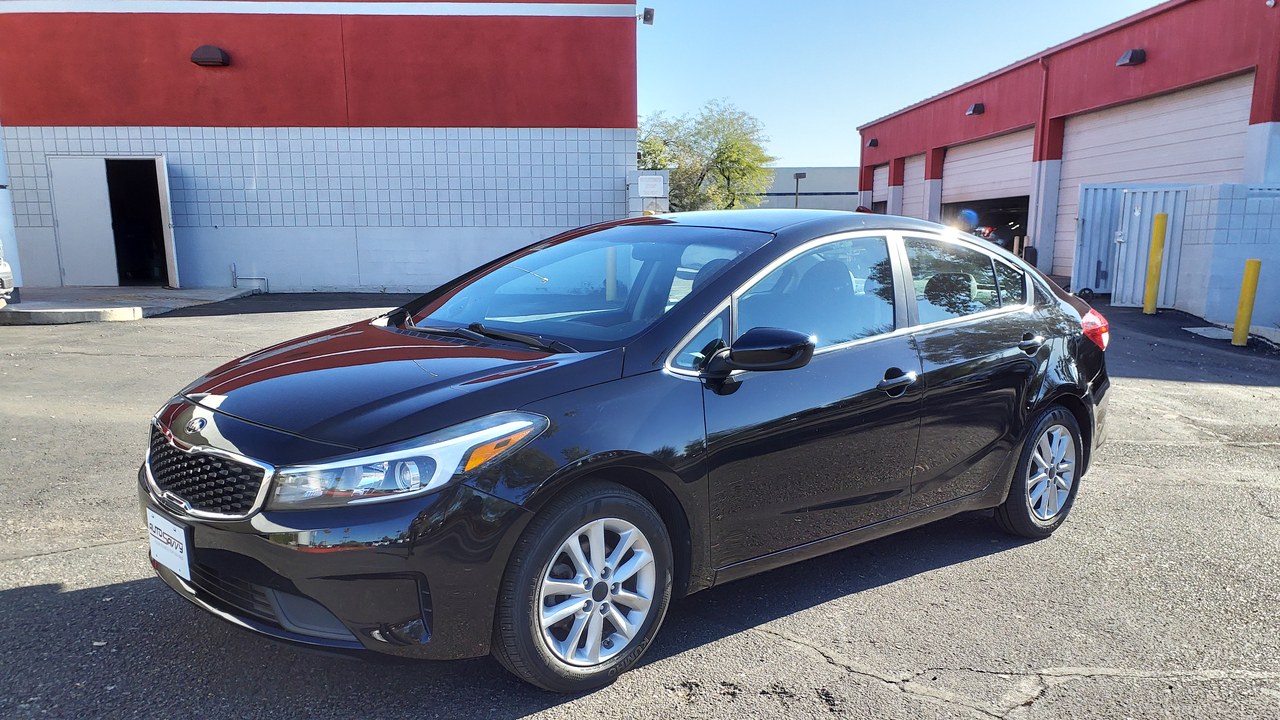
The Forte competes directly against the Sentra and Civic for buyers who want the cheapest possible new-car sedan rather than a used vehicle of similar age. Kia backs it with a long warranty that outlasts the coverage most rival brands offer on comparable compacts.
That warranty length matters most to first-time buyers stretching a tight budget who cannot absorb a surprise repair bill. The car itself trades some refinement for that value proposition, with a firmer ride and simpler interior trim than pricier compacts.
More from Morning Overview
- Card skimmers hidden on gas pumps are draining accounts, and there’s a quick way to spot them
- The NSA warns one messaging setting can clone your texts to a stranger
- Security experts still urge phone owners to switch off one location-tracking setting
- Automakers are quietly dropping the stop-start feature many drivers love to hate
