
Plenty of pickups, vans and SUVs sell well in other countries yet never reach an American dealership. Trade rules, certification costs and missing dealer networks explain most of the gaps. Here are nine vehicles built for the wider world that American shoppers still cannot buy new.
1. Toyota Hilux: Hilux Tried Once, Then Yielded
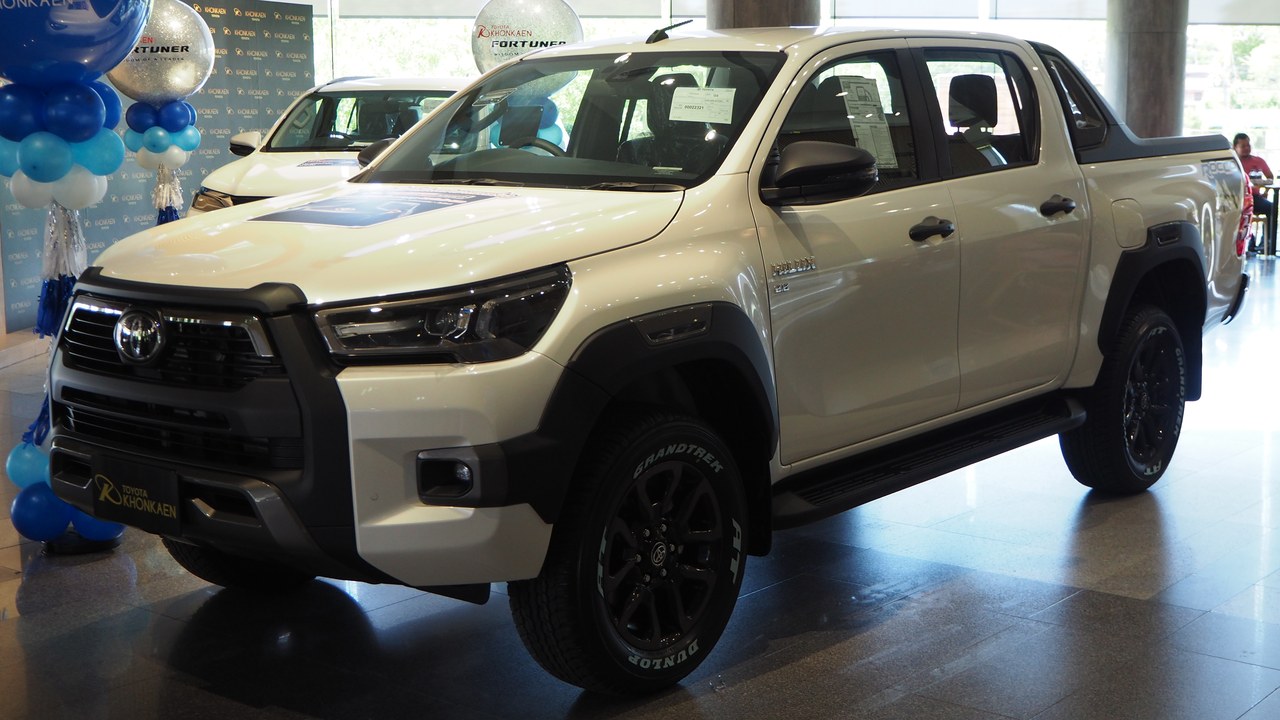
Toyota sold the Hilux in North America through the 1970s and 1980s, a history traced in this roundup of overseas pickups, before the Tacoma took over the role.
The current Hilux is a global staple, yet the Tacoma fills its role in the U.S. lineup. Buyers wanting the overseas version must look outside the American market, since it is unavailable in the U.S. market as a new vehicle, and the Tacoma remains the closest Toyota alternative. It also helps explain why enthusiasts frequently discuss importing older examples through the rules that apply to vehicles of a certain age.
2. Volkswagen Amarok: Volkswagen’s Missing Pickup
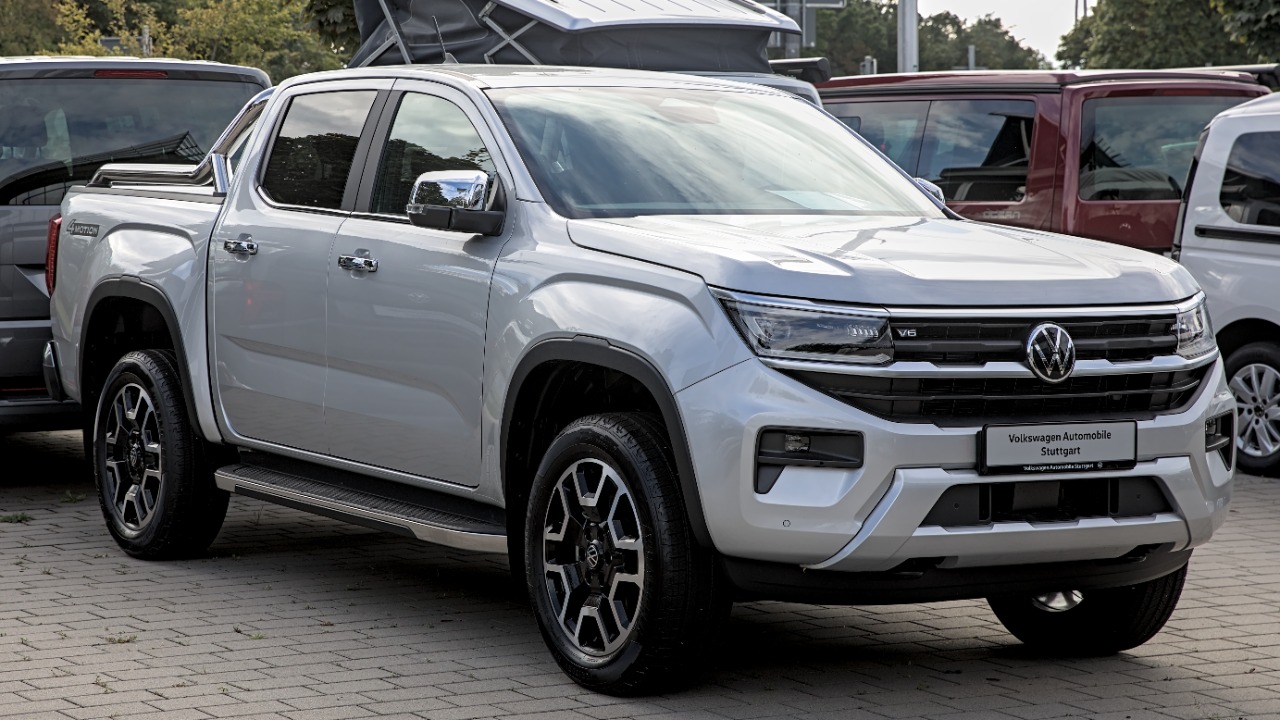
Volkswagen has not sold a pickup in the U.S. since the 1980-1983 VW Pickup, and the Amarok Ranger platform link is co-developed with Ford on the Ranger platform.
The Amarok therefore shares much with a truck Americans can already buy from Ford. Anyone hoping for a Volkswagen badge on a U.S. pickup has no new option, and the shared underpinnings show that the obstacle is not engineering but business and trade considerations. That arrangement keeps the truck familiar to overseas buyers and largely unknown to those who shop only at American dealers.
3. Toyota Land Cruiser 70 Series: Land Cruiser Workhorse Stays Away
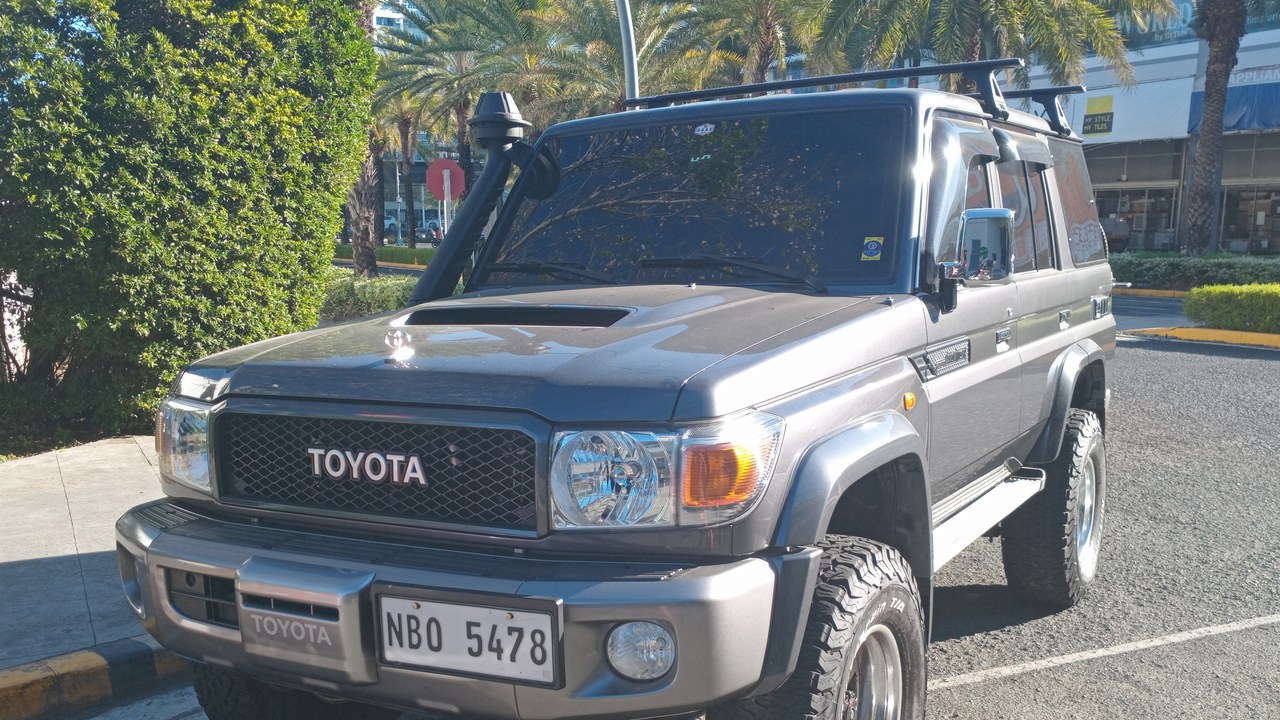
Airbag, lighting, bumper and emissions changes would all be needed, and Land Cruiser certification costs argues the numbers rarely work for a niche model selling a few thousand units a year.
The 70 Series remains a simple, rugged utility vehicle in many overseas markets. American enthusiasts are left with older imports or other Toyota models, since certification costs outweigh the likely sales, and the model stays unavailable in the U.S. market as a new vehicle. For owners abroad, the appeal is durability and easy repair, qualities that matter less to American buyers weighing regulations and costs.
4. Suzuki Jimny: Jimny Lacks A Dealer Network
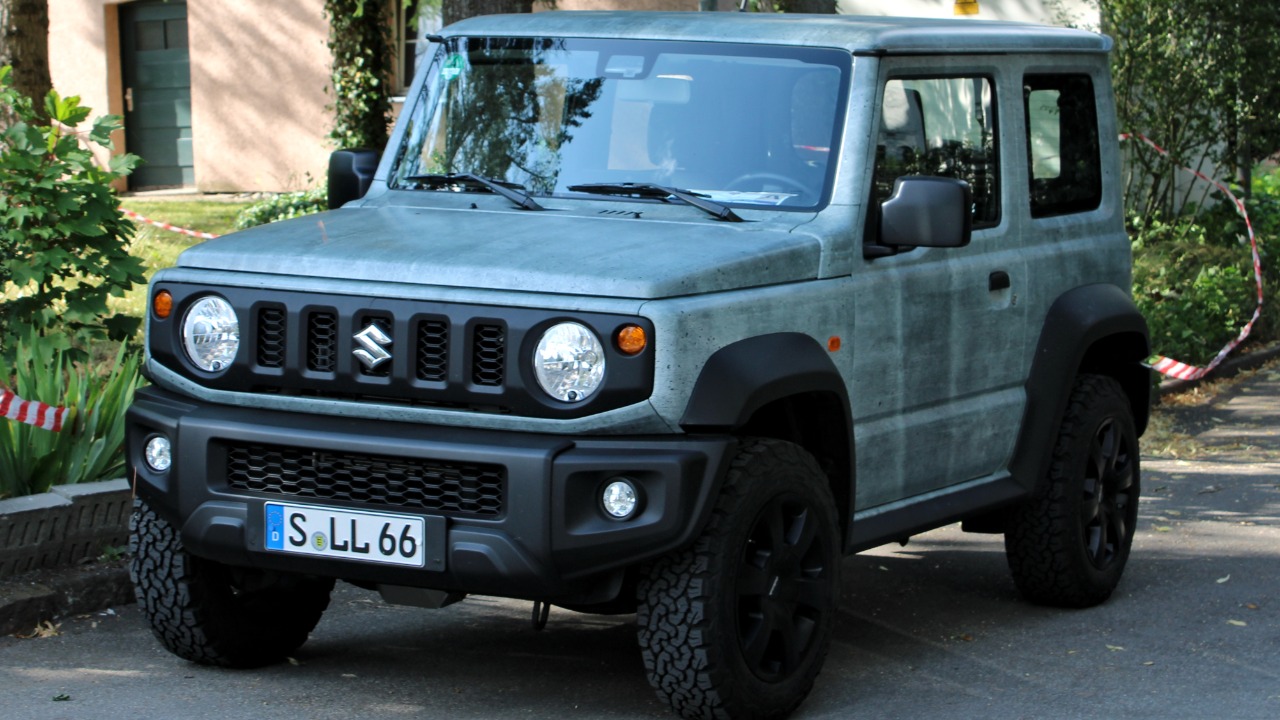
Suzuki stopped selling cars in the U.S. in 2013, and Jimny dealer-network problem argues a Jimny would need an entire dealer network before it could sell a single unit.
The tiny off-roader is a hit abroad, but the missing showrooms shut the door on American buyers. Fans of small, capable four-wheel-drive machines must look at other brands sold here, or at older Suzuki models on the used market. A legal path exists for some older models, but new examples still cannot be bought through any American dealer.
5. Mitsubishi Triton: Chicken Tax Blocks The Triton
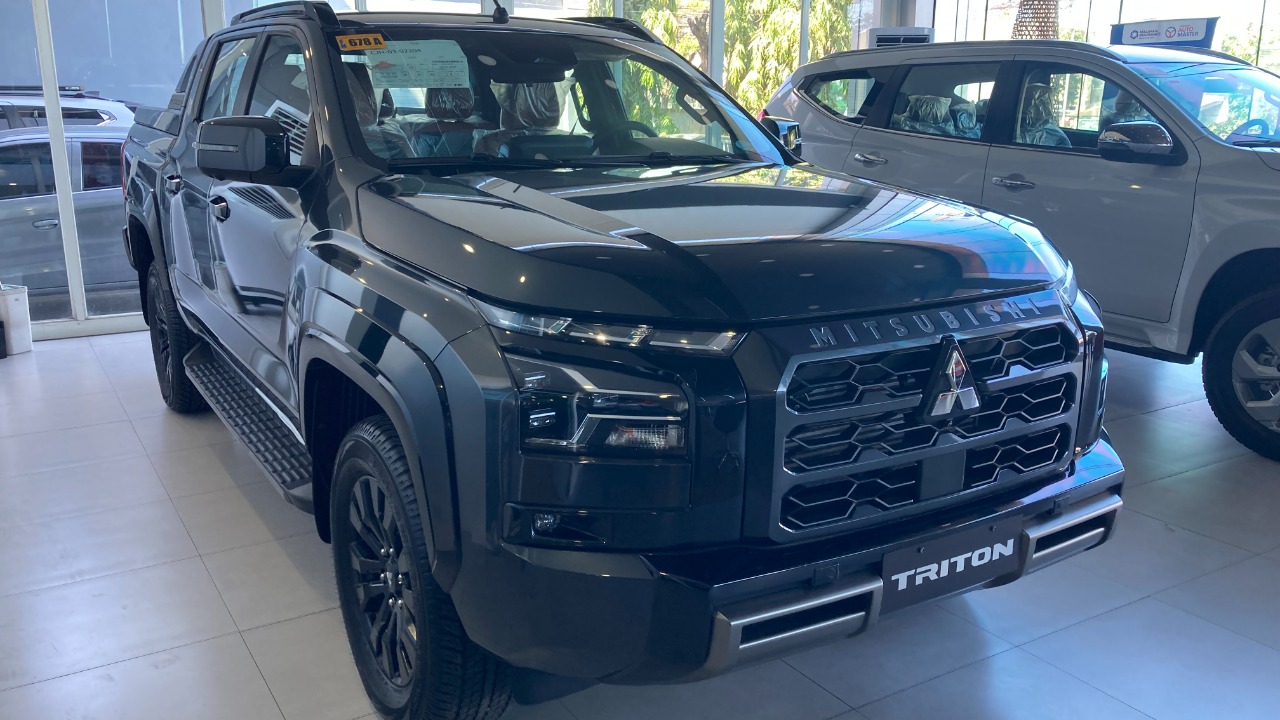
Listed among vehicles subject to the chicken tax in Triton chicken-tax listing, the midsize Mitsubishi pickup faces the 25 percent tariff on imported light trucks enacted in 1964.
That levy makes bringing in a foreign-built pickup expensive for any manufacturer. The Triton is one of several overseas models that the old tariff, rather than customer demand, helps keep out of American showrooms, so a change in trade policy would matter more than any product update. Its case shows how a single trade rule from the 1960s can still shape which vehicles are practical to sell more than half a century later.
6. Volkswagen Transporter: Transporter’s Tariff Trouble
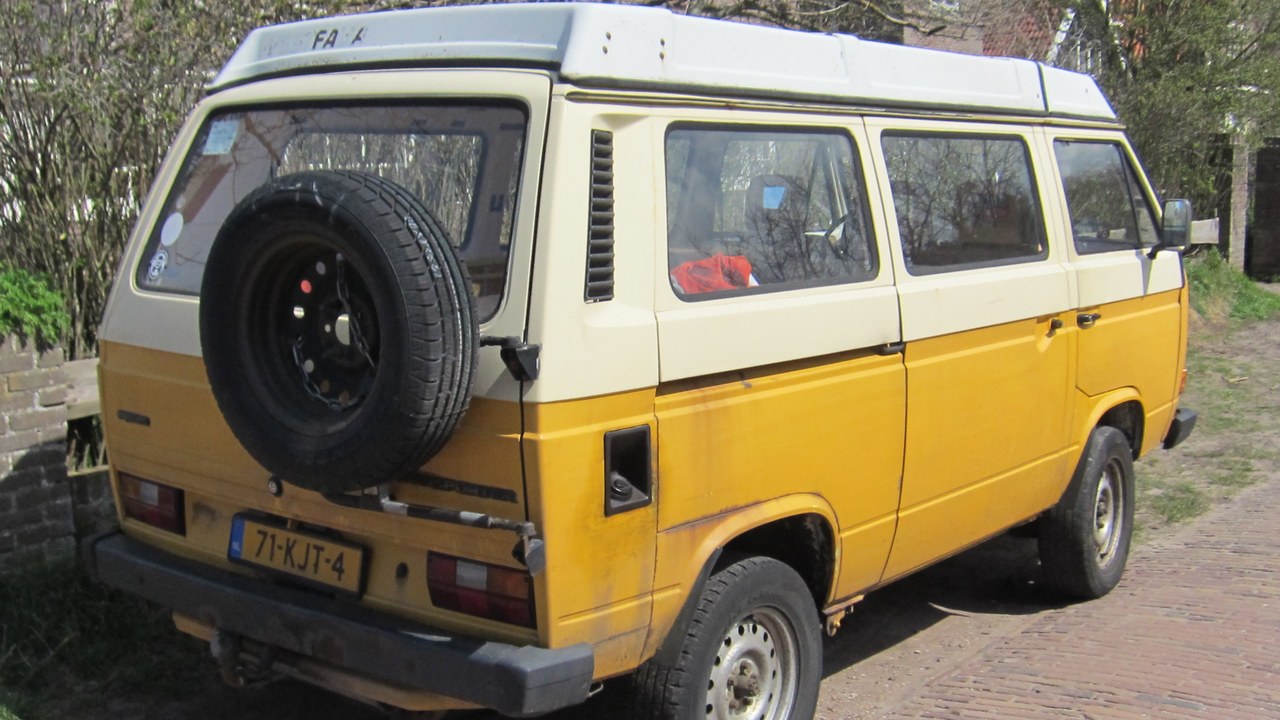
Volkswagen has been building light trucks and vans since the 1950s, and Volkswagen van heritage traces the chicken tax to retaliation under President Johnson over VW imports.
That history gives the Transporter an unusual place in trade lore, and the 25 percent levy still applies to imported light trucks. American buyers can shop other van brands, but the classic Volkswagen commercial line is not offered new in the U.S. market. Camper conversions built on the platform are popular in Europe, which makes the absence from American showrooms all the more noticeable to enthusiasts.
7. Mercedes-Benz V-Class: V-Class Stays Overseas
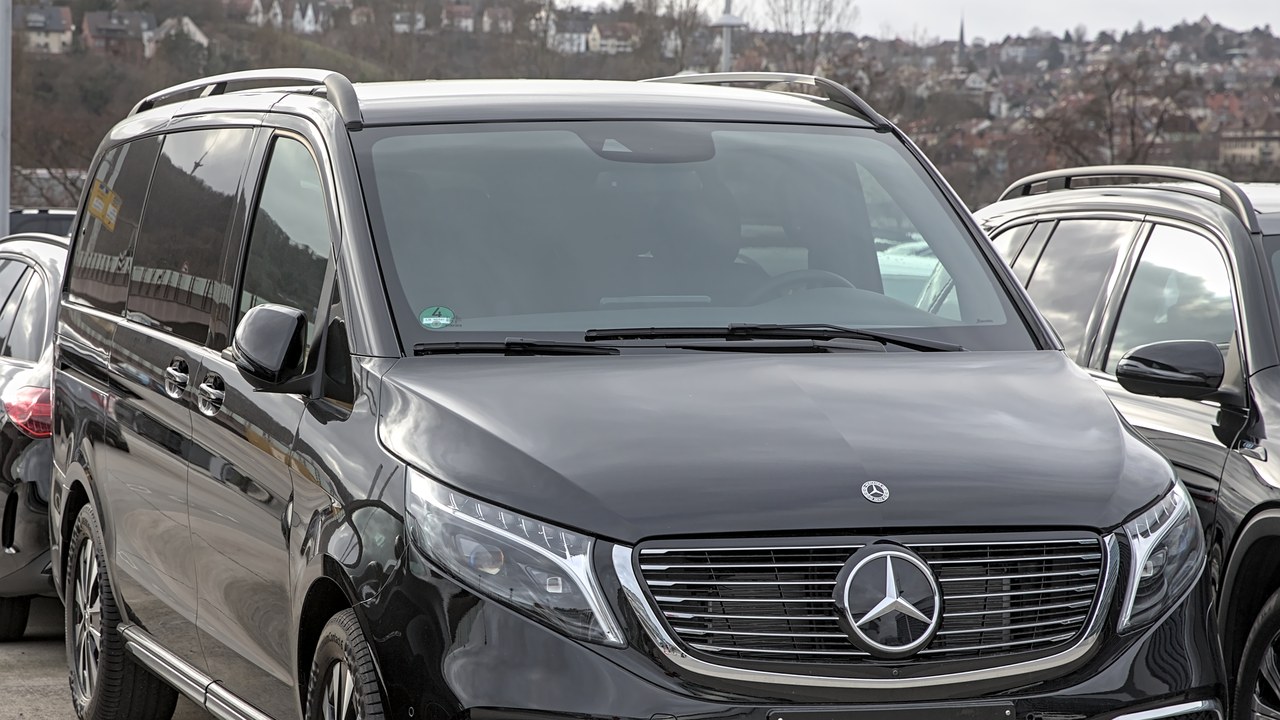
Described in Mercedes V-Class listing, Mercedes’ upscale people-mover is sold abroad but not in the U.S.
Luxury van buyers in America must choose from other models available here. The gap is a reminder that a strong product overseas does not guarantee a place on an American dealer lot, and the reasons usually come down to tariffs, certification costs and how much a maker expects to sell. Enthusiasts who want one typically read about it in foreign reviews, then settle for the closest domestic equivalent when it is time to buy.
8. Ford Everest: Everest Sidesteps The Explorer
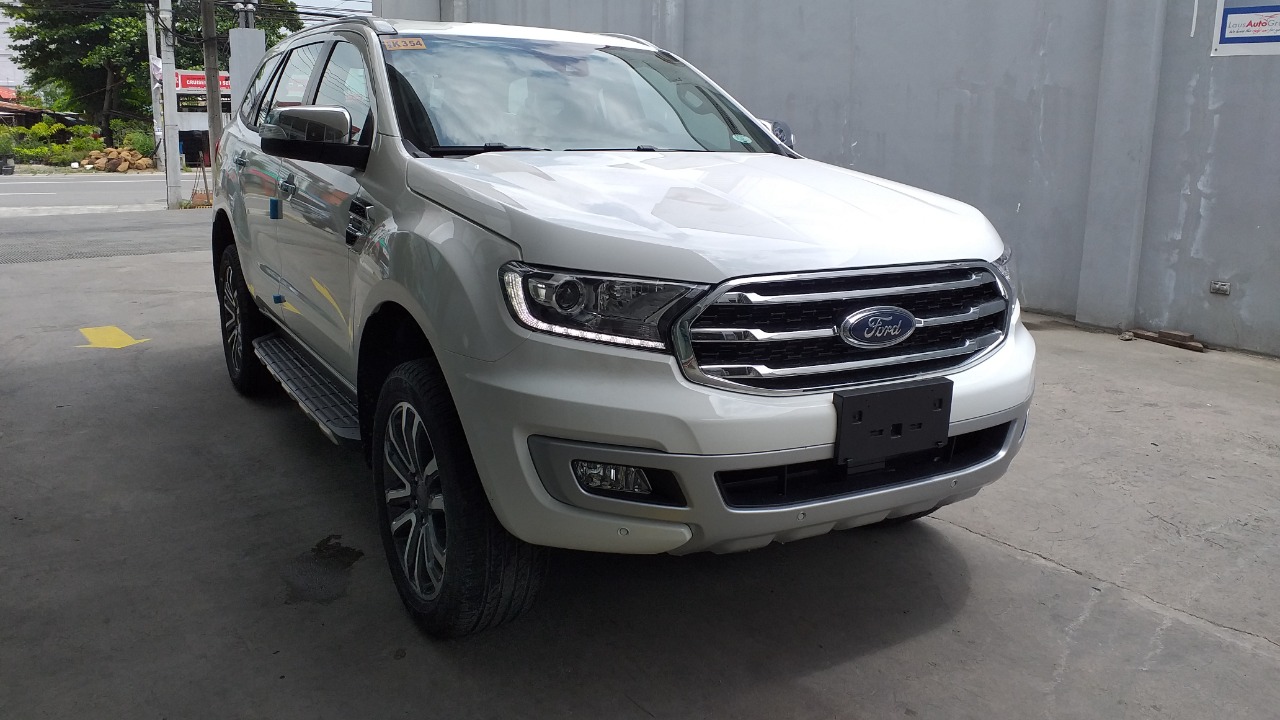
Ford’s Ranger-based SUV, the Everest Explorer conflict, stays overseas, reportedly to avoid taking sales from the Explorer.
That market-protection reasoning is reported by the source rather than officially confirmed by Ford, so it should be read as informed speculation. American shoppers wanting a rugged Ford utility vehicle have the Explorer available instead, which shows how a company can keep a capable model abroad while protecting a familiar domestic seller. Rumors of a future arrival surface from time to time, but the available reporting offers no confirmed plan from Ford to change the situation.
9. Toyota HiAce: HiAce Is A Global Best-Seller

Launched in 1967, the HiAce global sales record is sold in more than 150 countries, and over 6.24 million had been sold by 2019.
It is not sold new in the United States, where the same 25 percent duty on imported light trucks described earlier applies. American van buyers must look at other makes for a comparable size, and the vehicle is unavailable in the U.S. market as a new purchase. Its huge global sales record shows the model succeeds on merit elsewhere, which only underlines how policy and dealer decisions decide what reaches Americans.
More from Morning Overview
- Hackers are hijacking outdated home routers, and the FBI named the models to check
- Older Teslas are wearing out in ways early owners never saw coming
- Early electric-car owners are hitting battery and screen failures no one warned them about
- A magnitude 5.3 quake struck off the Oregon coast this week
