
Pickup trucks rarely vanish quietly, yet several once-popular models left showrooms with little fanfare after their automakers simply stopped building them. Some were victims of slumping sales, others casualties of niche styling or short-lived rebadging deals between manufacturers. Here are nine trucks that built loyal followings before disappearing for good.
1. Chevrolet Avalanche: A Slow Sales Slide
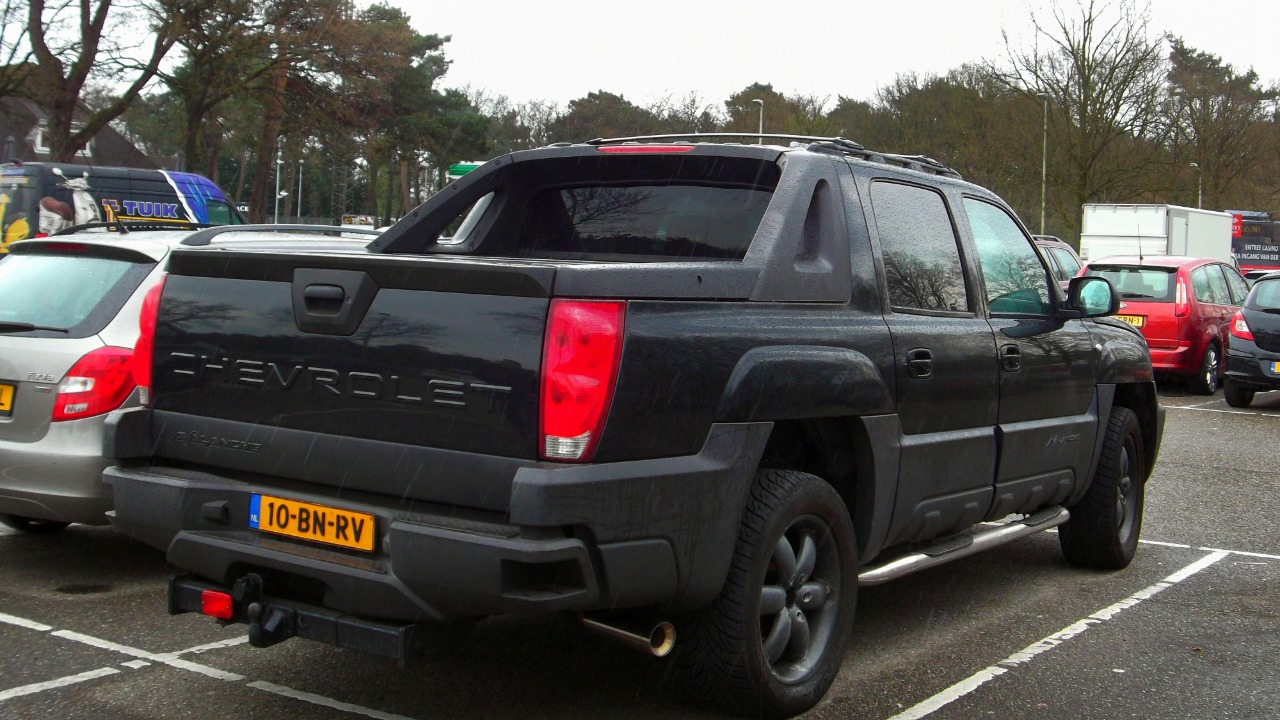
Chevrolet built the Avalanche as a crew-cab pickup with a fold-down midgate that blurred the line between truck bed and cabin, but the model’s popularity faded fast. Sales fell 2.6 percent to 20,088 units in 2011, and Chevrolet closed out Avalanche production after the 2013 model year.
The fold-down midgate design never found a true successor once GM stopped building it, so a used Avalanche today mostly draws buyers who specifically want that flexible cargo trick and are willing to hunt for a clean one on the used market.
2. Ford Ranger (Americas, first run): The Long Fleet-Only Sendoff
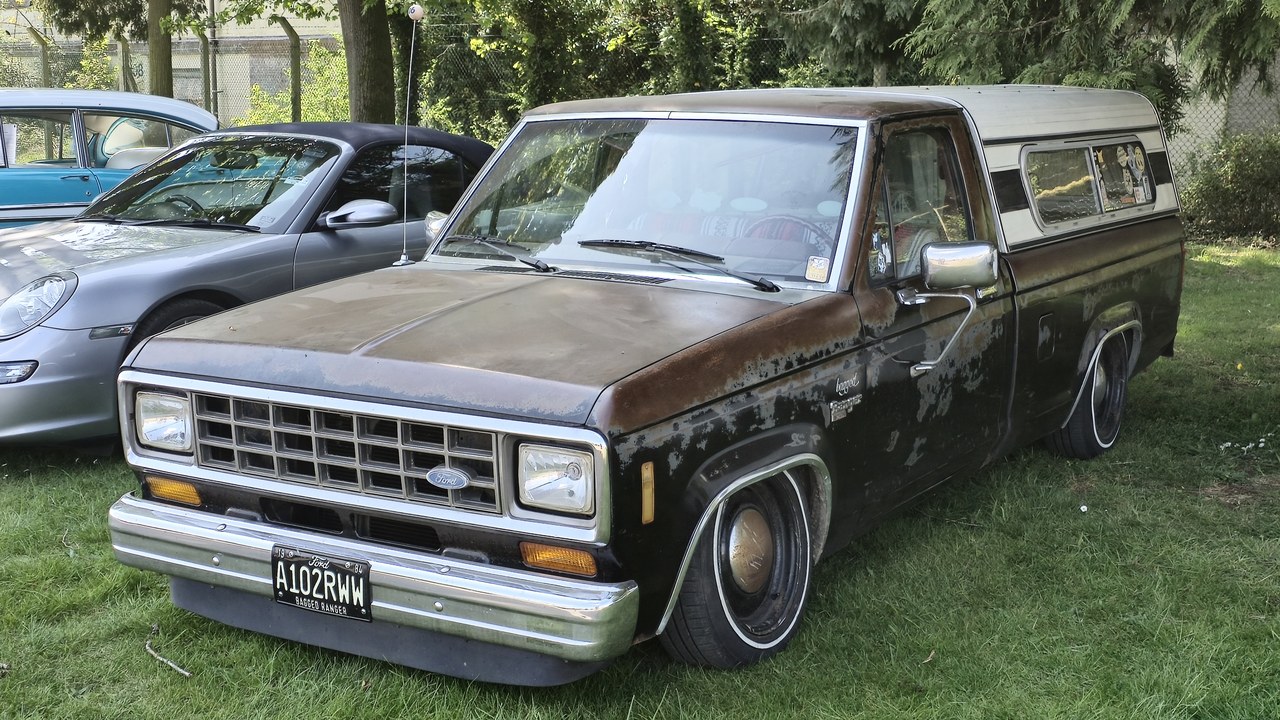
Ford’s compact Ranger anchored the brand’s small-truck lineup for decades, but 2011 marked the last model year for regular retail sales in North America. A short 2012 run went to fleet buyers only, and the final truck came off the line on December 15, 2011.
That left North American buyers without a new Ranger for seven full years, a stretch when compact-truck shoppers had to settle for crossovers or step up to a heavier full-size bed instead, and it left the segment to rivals until Ford eventually revived the nameplate for a new generation.
3. Dodge Dakota: The End Of A Long Run
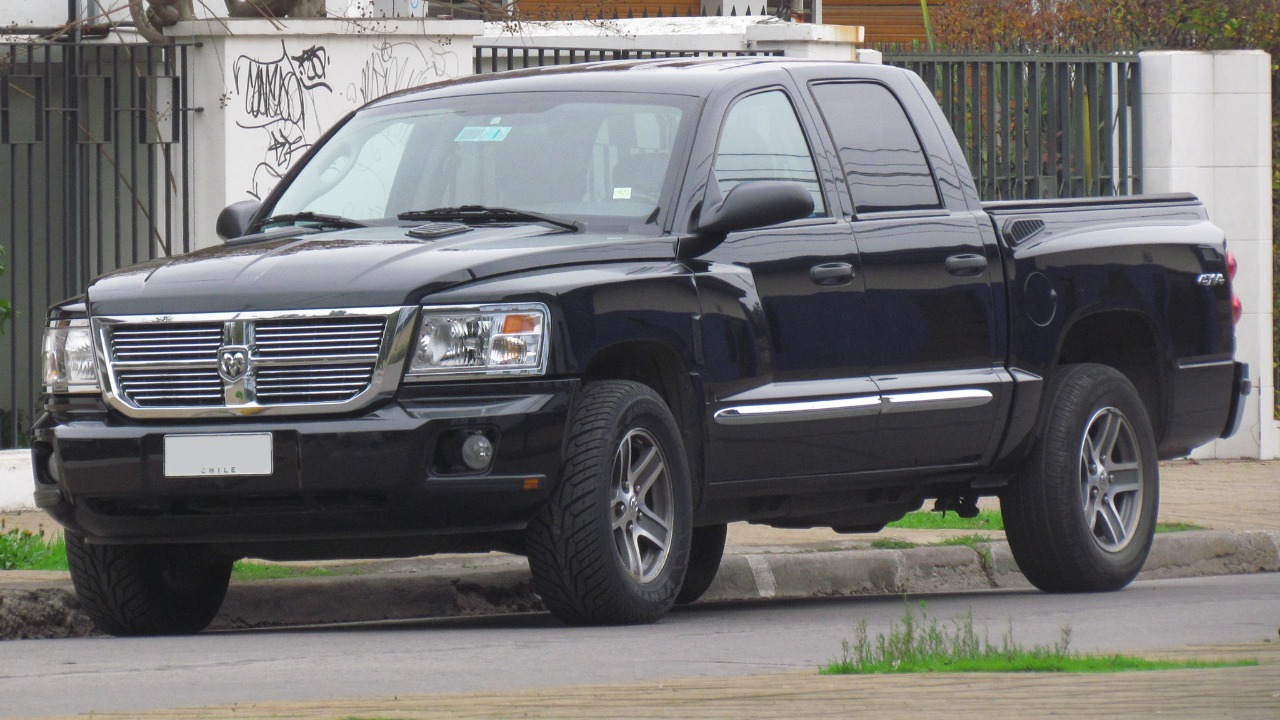
Dodge’s Dakota carved out a spot as a midsize alternative to full-size trucks for a quarter century, but the third generation proved to be its last. The final unit came off the assembly line on August 23, 2011, closing out a 25-year run.
Chrysler never replaced it with a new midsize truck of its own, leaving Ram without an entry in that segment for more than a decade while rivals refreshed their compact offerings and buyers who wanted a Dodge-badged truck had to look at used listings instead.
4. Chevrolet SSR: A Three-Year Retro Experiment
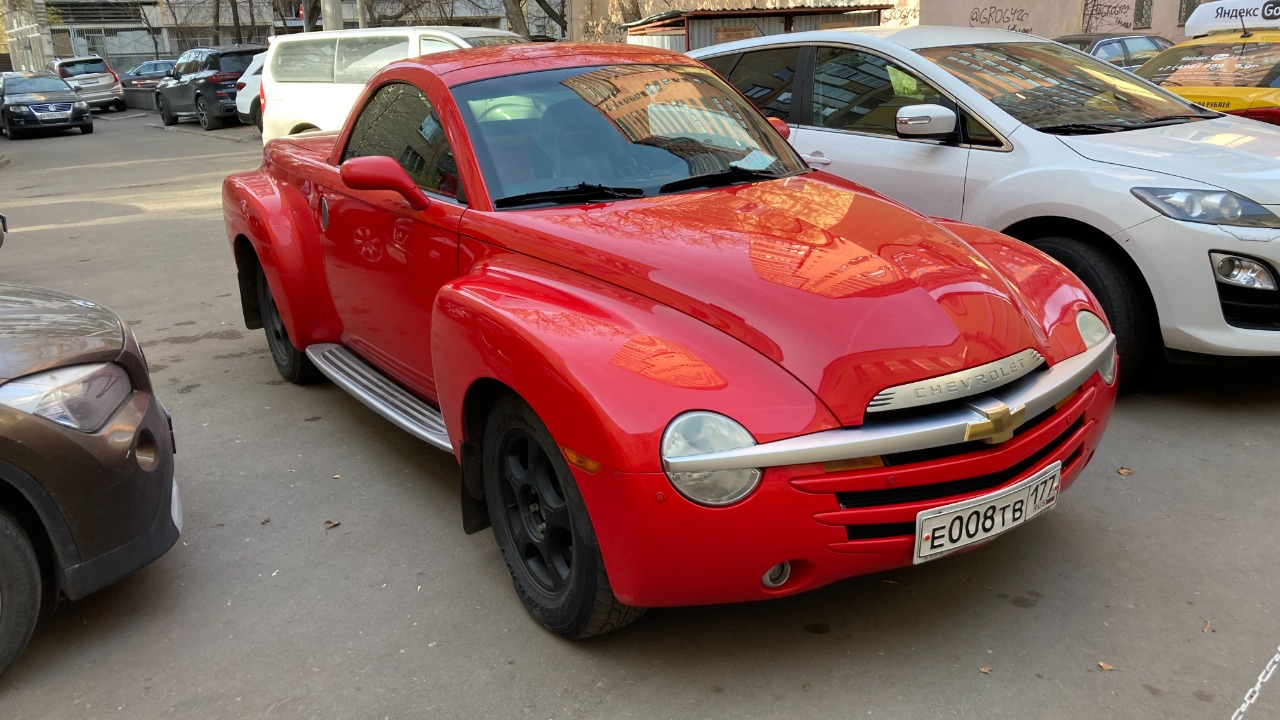
Chevrolet’s SSR paired a retro hot-rod body with a retractable hardtop and an open pickup bed, a combination no other automaker attempted. The novelty ran for just three years, and the final SSR rolled off the line on March 17, 2006.
Low sales made the styling exercise a short-lived one, and GM never built a direct successor, so the retractable roof and open bed combination remains a one-off oddity today, one that collectors now hunt for specifically because nothing else on the road looks quite like it.
5. Suzuki Equator: A Short-Lived Rebadge
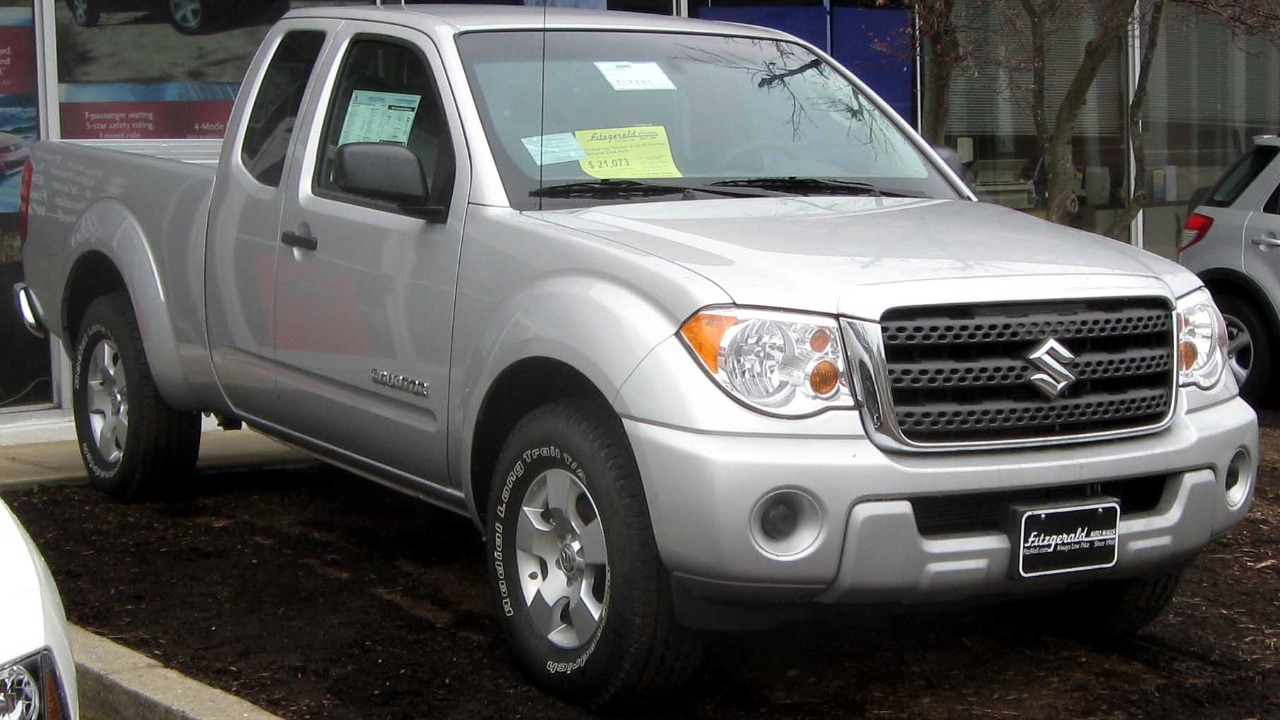
Suzuki never built its own midsize truck platform, instead badge-engineering a version of the Nissan Frontier and selling it as the Equator. The arrangement proved short-lived: Suzuki pulled the Equator from Canadian dealers in 2010 and from American showrooms in 2012.
The rebadge never developed an identity beyond being a Frontier with different badges, so buyers looking for something distinctly Suzuki found little reason to choose it over the truck it was based on, and dealers had relatively few of these on lots even when new.
6. Mitsubishi Raider: Barely Four Years On Sale
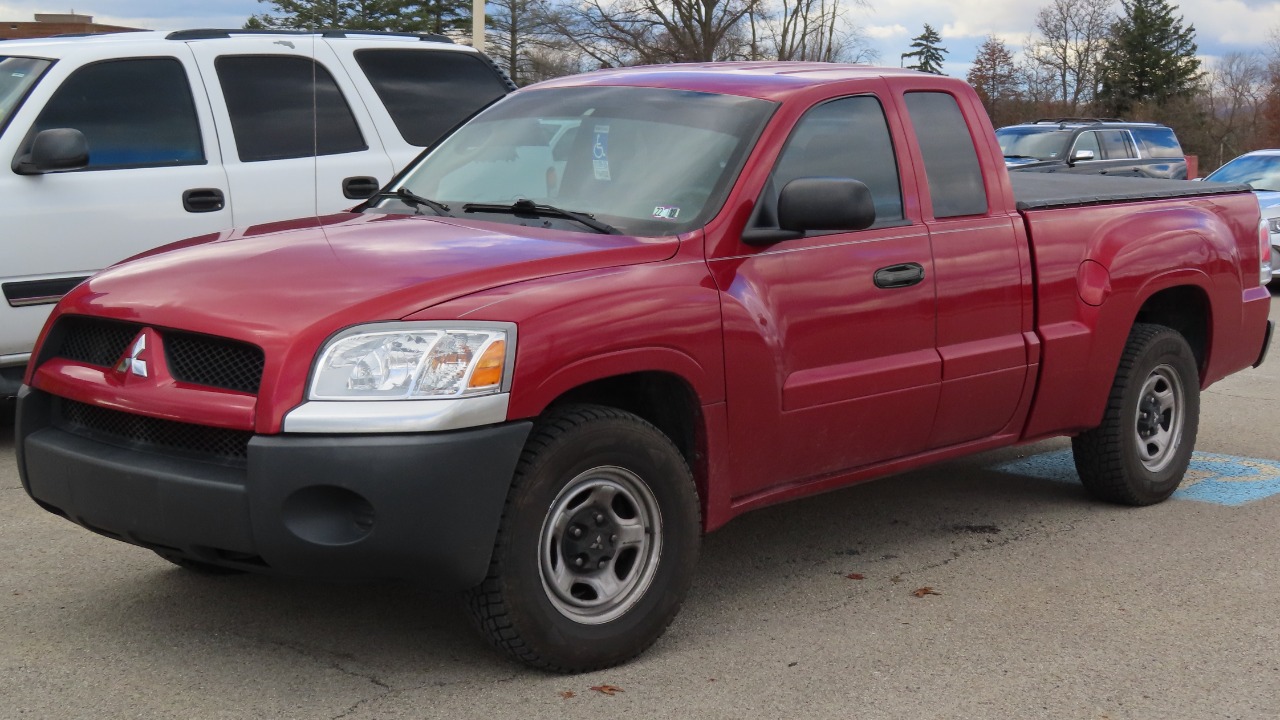
Mitsubishi built the Raider on a shared platform with the Dodge Dakota, hoping a badge-engineered midsize truck could round out a lineup otherwise built around cars and crossovers. Production ran from the fall of 2005 until June 11, 2009, less than four years total.
The short run reflected how little traction the truck found against established midsize rivals like the Dakota it was based on, and Mitsubishi has not offered a pickup in North America since, choosing instead to concentrate its lineup entirely on cars and crossover SUVs.
7. Ford Explorer Sport Trac: The SUV-Based Pickup Phase-Out
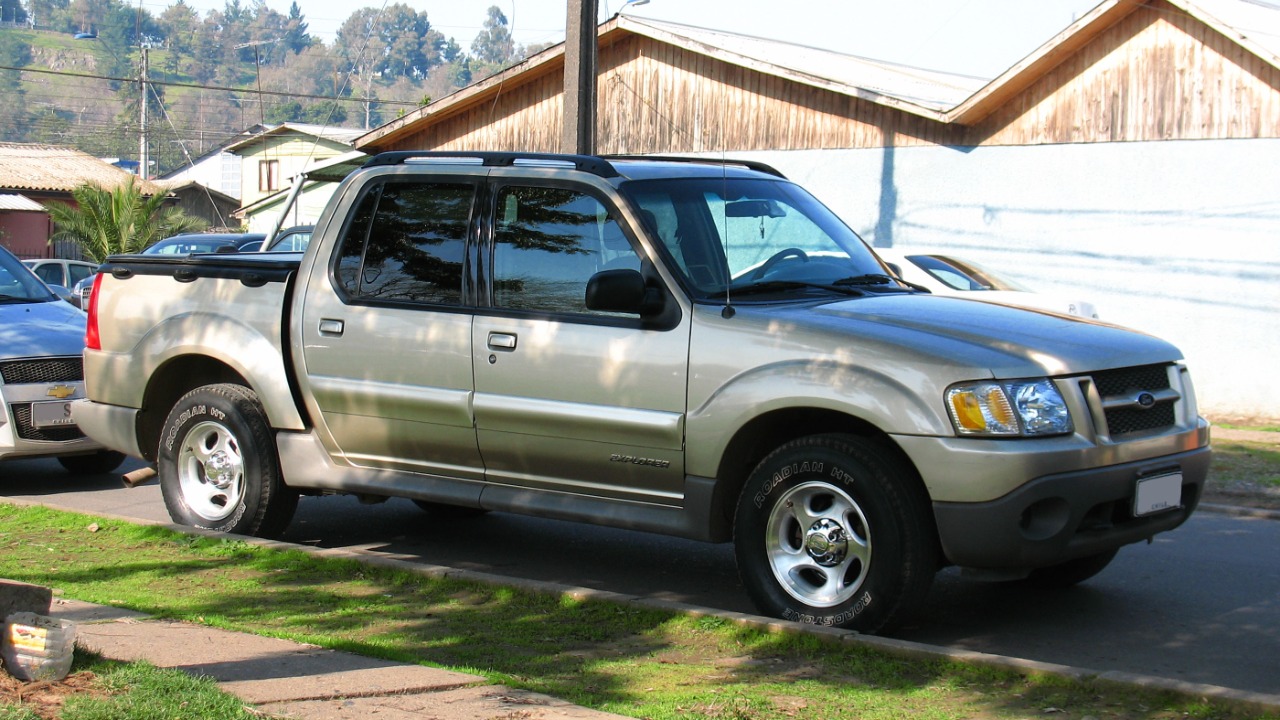
Ford grafted a pickup bed onto an Explorer SUV body to create the Sport Trac, giving crew-cab seating alongside genuine open cargo space. The crossover-truck hybrid was marketed from the 2001 through 2010 model years, with production ending in October 2010.
That nine-model-year run made it one of the longer-lived attempts at blending SUV comfort with pickup-bed utility, and Ford has not brought back a crew-cab hybrid like it since, leaving that particular niche between SUV and truck empty in the brand’s lineup, even as demand for crossover pickups has only grown.
8. Subaru Baja: A Quirky Four-Year Run
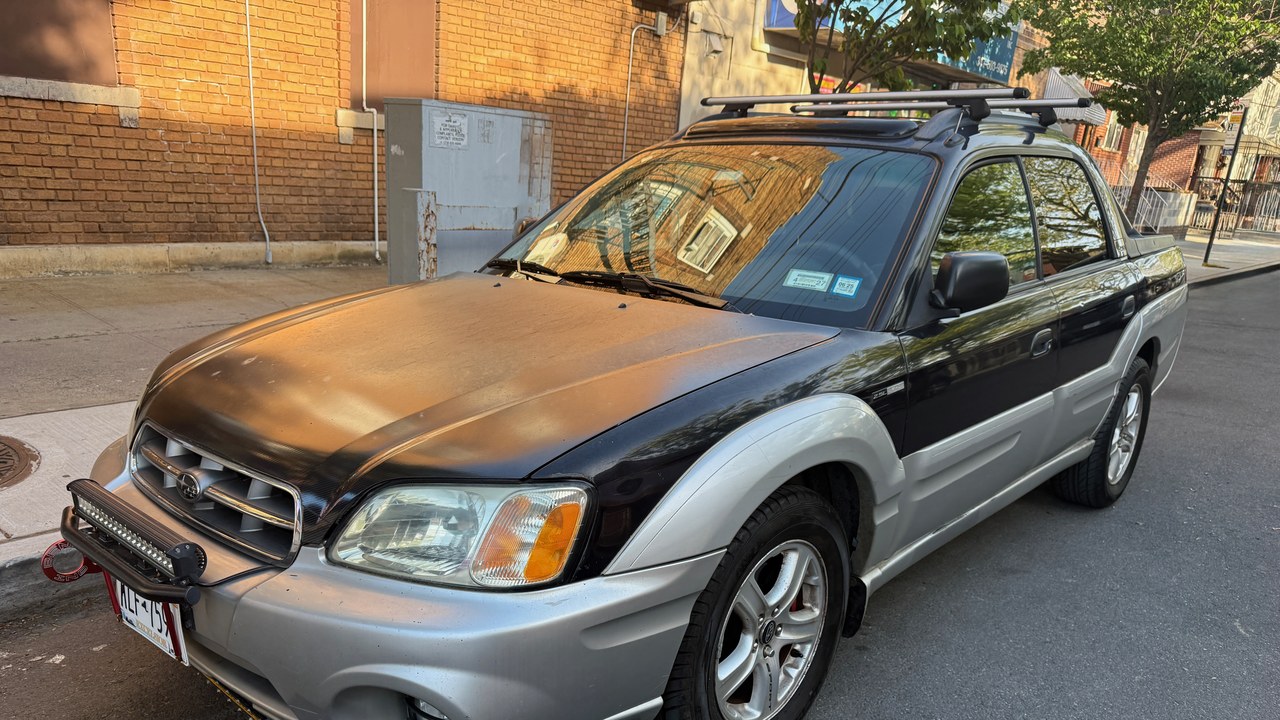
Subaru built the Baja on its Outback wagon platform, pairing all-wheel drive with an open pickup bed in a body style no other automaker was selling. The unusual pickup ran from July 2002 until Subaru discontinued Baja production in April 2006, just four model years later.
The short run and quirky styling never won over mainstream buyers, but the combination of car-like handling and open cargo space has made surviving examples a niche favorite among collectors who value how little else on the road resembles it.
9. Isuzu Hombre: Five Years Of Slow Sales
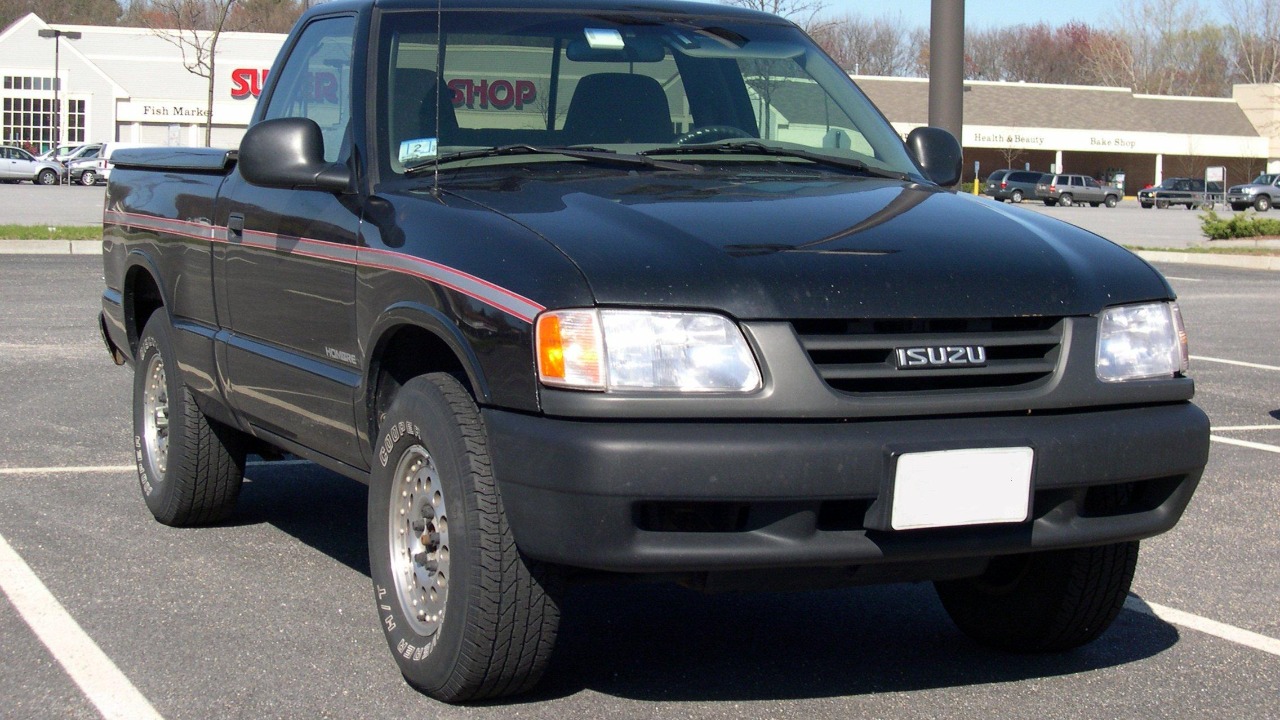
Isuzu never developed its own compact truck for the American market, instead rebadging the Chevrolet S-10 and selling it as the Hombre starting in 1996. Slow sales brought Hombre production to an end after just five years, in 2000.
The badge-engineering strategy never gave buyers much reason to pick an Isuzu over the mechanically identical Chevrolet S-10 it was based on, and the slow sales that ended Hombre production reflected how little separated the two trucks beyond a nameplate and a grille, a pattern common among rebadged trucks of that era.
More from Morning Overview
- Herbal supplements are landing Americans in the hospital with liver damage, doctors warn
- General Motors is switching on cameras that record inside your vehicle by update
- A geomagnetic storm is forecast to hit Earth today, pushing the northern lights unusually far south
- A recalled pill hid a stimulant dose linked to heart attacks and death
