
Some pickups earn a reputation that outlasts the years they were built. The ten trucks below range from a Japanese workhorse to a farm-country International, and each has a documented reason it is remembered for toughness or staying power. Here are ten pickups that shaped what many Americans still expect from a durable truck.
1. Toyota Hilux (fourth generation): Endless Punishment From A Television Crew

Toyota’s history of the Hilux notes that BBC Top Gear made unsuccessful attempts to kill one hard-worked example of the fourth-generation truck, which launched in November 1983. The account does not describe what was done to the pickup or how long the effort lasted.
The story helps explain the Hilux’s standing among used-truck shoppers, and it is repeated as lore for good reason. It remains a reputation more than a test record, though, so any individual truck of that age still calls for a careful inspection of frame, drivetrain and service history before money changes hands.
2. Dodge Ram with Cummins diesel (1989): Turbo Diesel Torque Arrives In Ram
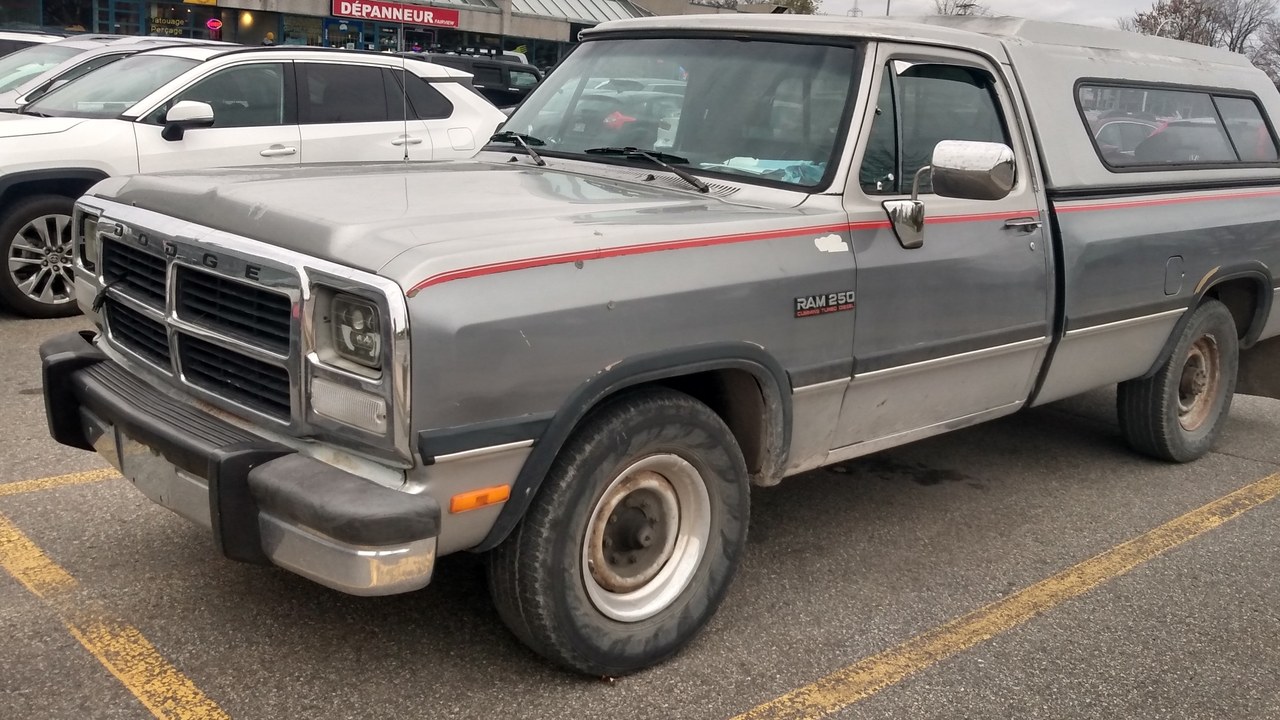
The 1989 Ram debuted with a 5.9-liter Cummins turbo diesel making 160 horsepower and 400 lb-ft of torque. According to Stellantis production figures, more than 2 million of the 10 million B-series Cummins engines built by 2014 went into Ram Heavy Duty and Chassis Cab trucks.
That volume helps explain why the engine became a fixture of the used heavy-duty market. A buyer still has to weigh the truck’s actual maintenance record, since a famous powerplant says little about how one particular example was treated, driven or towed over the decades.
3. Chevrolet C/K ‘square body’ (1973-87): Fifteen Years Of Square Bodies
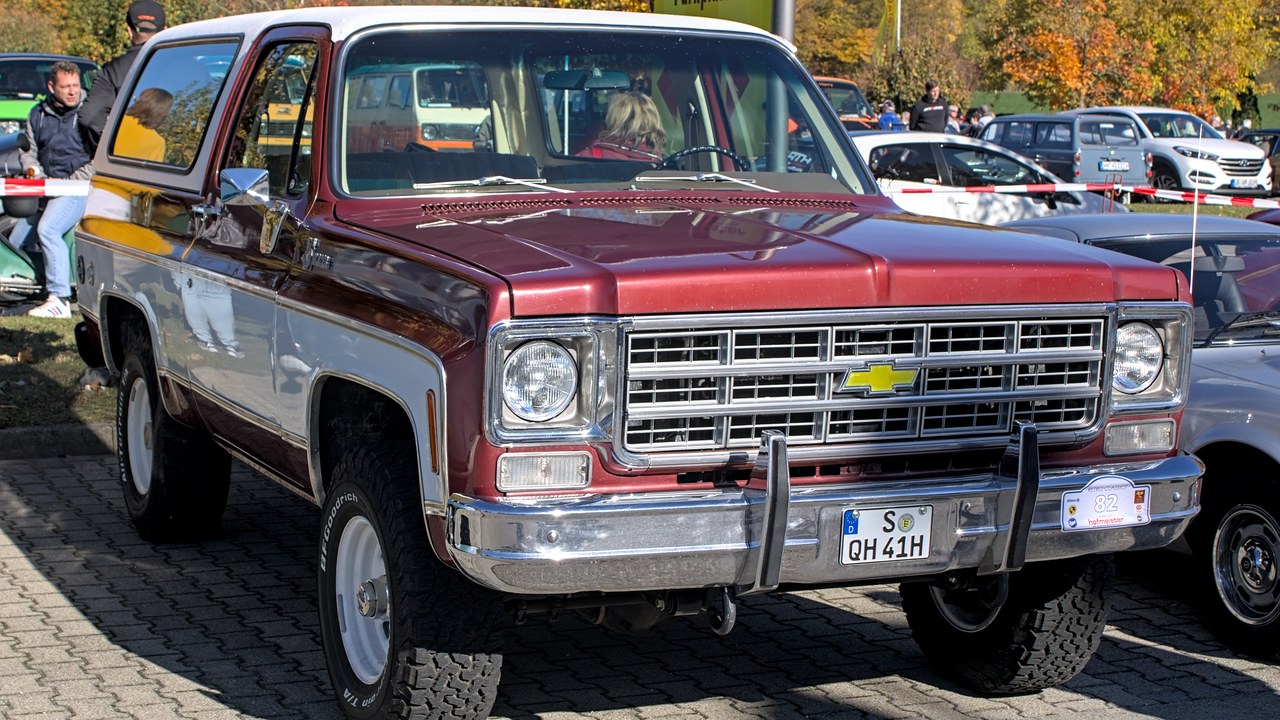
The square body stayed in production for 15 model years, and Chevrolet sold 666,619 C/K trucks in 1973 alone. Hagerty’s buyers guide adds that GM used computer simulations long before production, in the interest of increased durability.
Sales at that scale suggest parts and shop knowledge should remain reasonably easy to find, which suits anyone hoping to keep one working. Condition still varies from truck to truck after decades on the road, so each example deserves individual scrutiny rather than a blanket assumption of toughness.
4. Jeep Gladiator / J-series pickup (SJ): Twenty-Six Years On One Platform
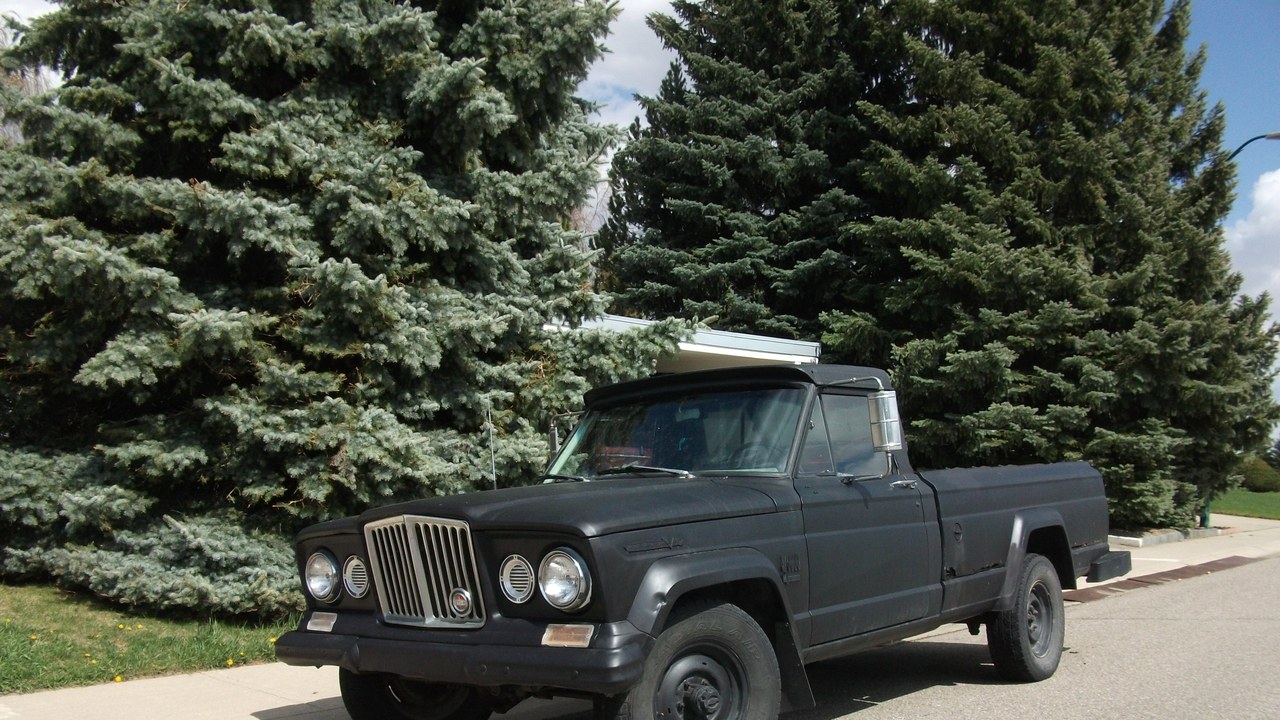
Jeep’s Gladiator pickup, also sold as the J-series, is noteworthy for staying in production of more than 26 years, from 1962 to 1988, on a single platform generation. That run carried it through ownership by both Kaiser and AMC.
A design that survived two corporate parents suggests the basic package was sound enough to keep selling. Collectors sorting through the long production span should confirm which year and configuration a truck actually is, because more than a quarter century of running changes sits under a single name.
5. Ford F-Series ‘Dentside’ (1973-79): Galvanized Steel Against The Rust Belt
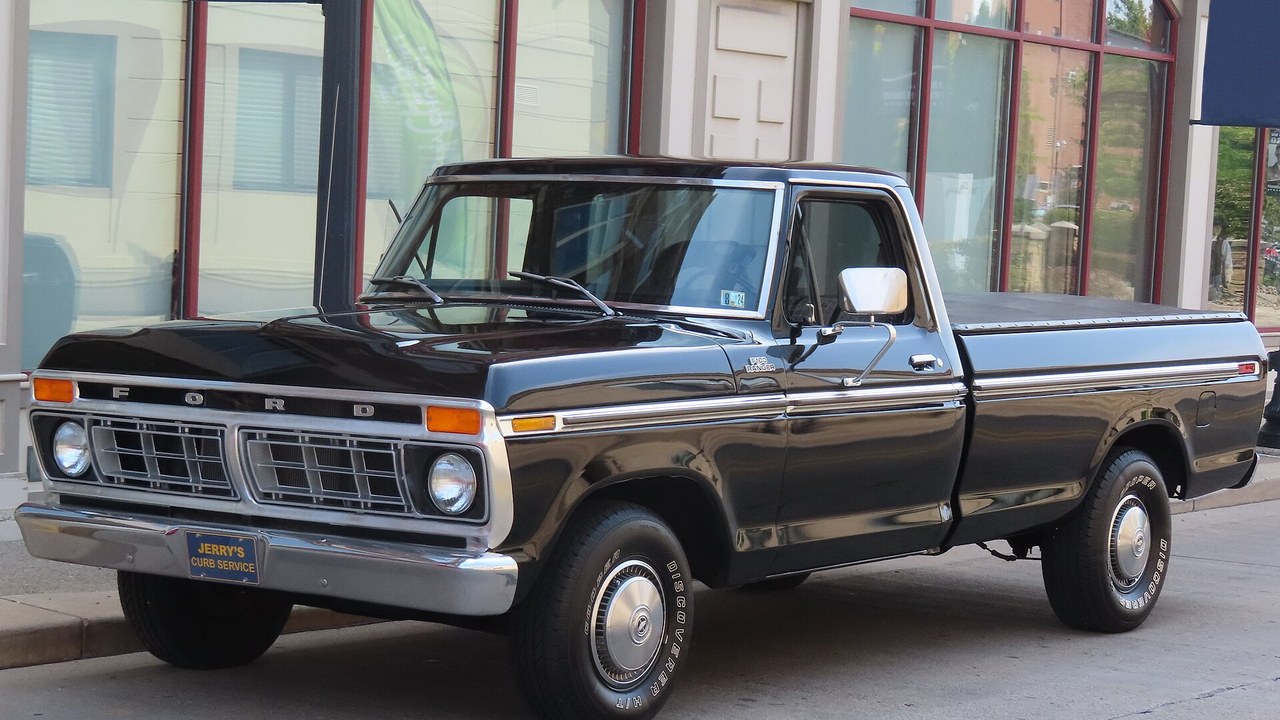
The 1973-79 Ford F-Series used extensive galvanized steel and rust-resistant coatings, according to Hagerty. In 1977 these trucks took the pickup sales crown for Ford.
Corrosion resistance matters most to anyone shopping where winters are salted, since rust is a common reason old trucks get retired. Even so, coatings only slow rust rather than stop it, and a proper look at the underbody, cab corners and bed remains the sensible first step for any buyer. Ford’s sales lead in 1977 shows the design also sold well, not merely that it resisted the elements.
6. Nissan Hardbody (D21): The Double-Wall Bed Behind The Name
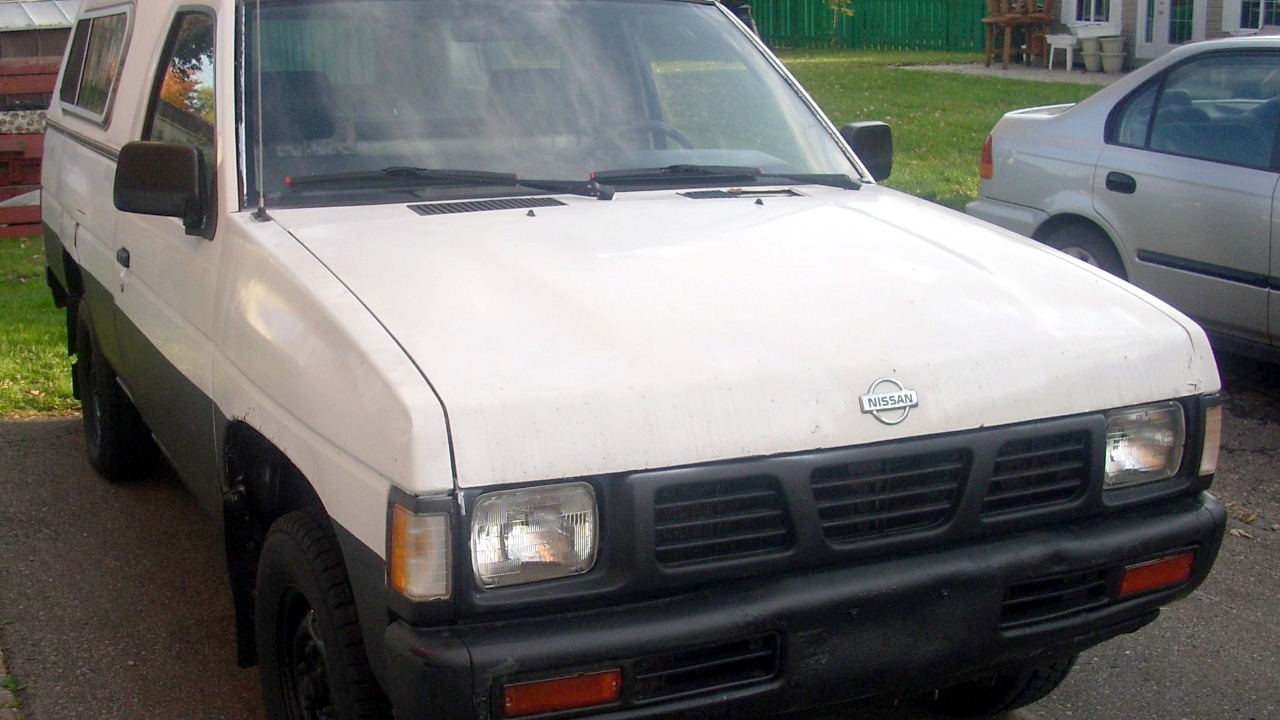
The name Hardbody refers to the truck’s double-wall bed and overall styling, as the Nissan entry explains. Nissan Mexicana ended production of the pickups on 15 March 2008 after 15 years of building the design.
Fifteen years of production leaves a decent supply of used trucks for budget-minded buyers and small-business owners. A double-wall bed adds stiffness to the cargo area, but it does nothing for neglected mechanicals, so a thorough check of the engine, transmission and bed floor is still worth the time.
7. Ford F-100 (1953): The Three-Digit Ford Debuts
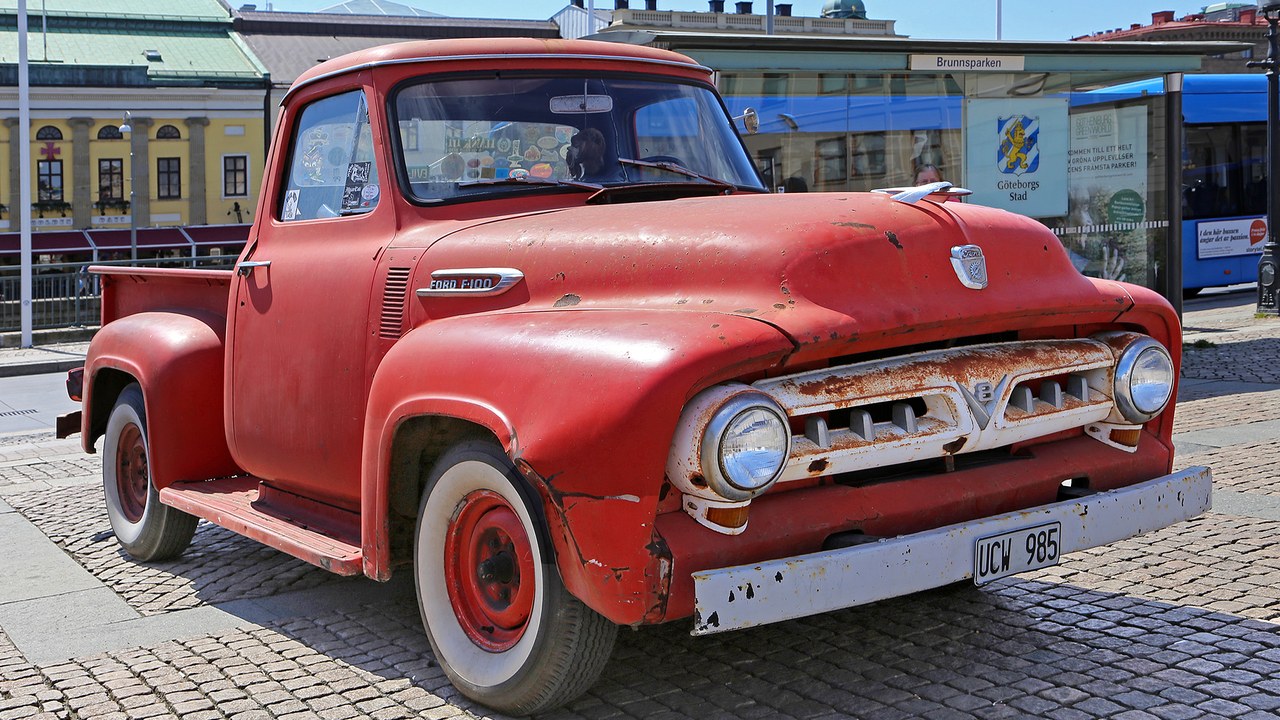
With the 1953 model year, Ford marked its 50th anniversary by shifting the F-Series from one-digit model numbers to three digits, running from F-100 to F-350, as the second-generation article records. The redesign gave the F-100 name a start that later generations kept using.
Collectors prize the 1953 truck for that milestone, and its age means restoration quality matters more than the badge. Buyers are better served by documented work and photographs of the rebuild than by the anniversary story alone, which every seller of that year’s truck can repeat.
8. Ford Ranger (1983): Compact Truck Sales Leader
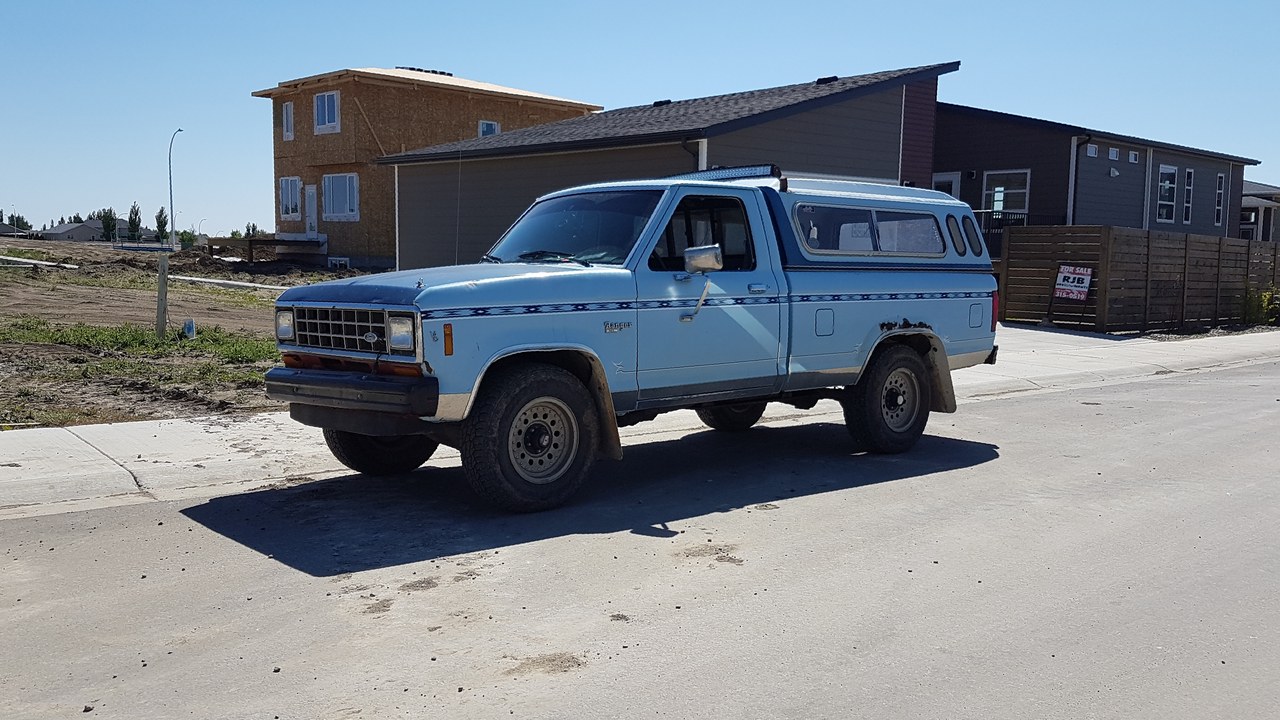
The Ranger was the best-selling compact truck in the United States from 1987 to 2004, and North American production ran 29 model years before ending. The truck debuted in 1983.
Such a long run means many survivors and plenty of aftermarket support for owners keeping one going. Buyers should still expect wide differences between trucks after that many model years, so service records, rust and drivetrain wear count for more than the model’s sales record. A 29-year North American production span is a long stretch, which is part of why shoppers still see so many.
9. Chevrolet S-10 (first generation): Detroit’s First Domestic Compact
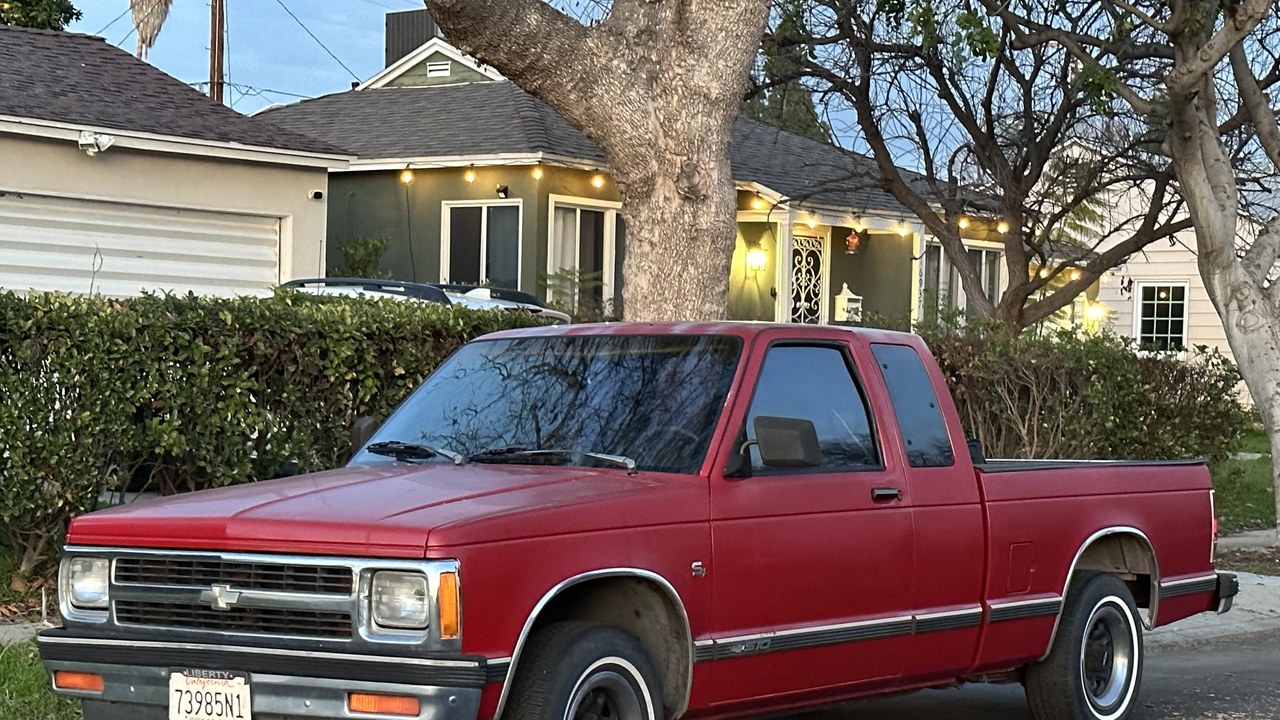
The 1982 S-10 was the first domestically built compact pickup from a Big Three American automaker, and North American production lasted until 2004. That gave the little Chevrolet more than two decades on the market.
Its long tenure means a sizable used supply, which appeals to shoppers wanting a simple small truck. Since the run spanned so many years, buyers should check exactly which version they are looking at before assuming that parts or features carry over from one model year to another.
10. International Harvester pickup (D-Series / Light Line): Farm-Country Toughness From International
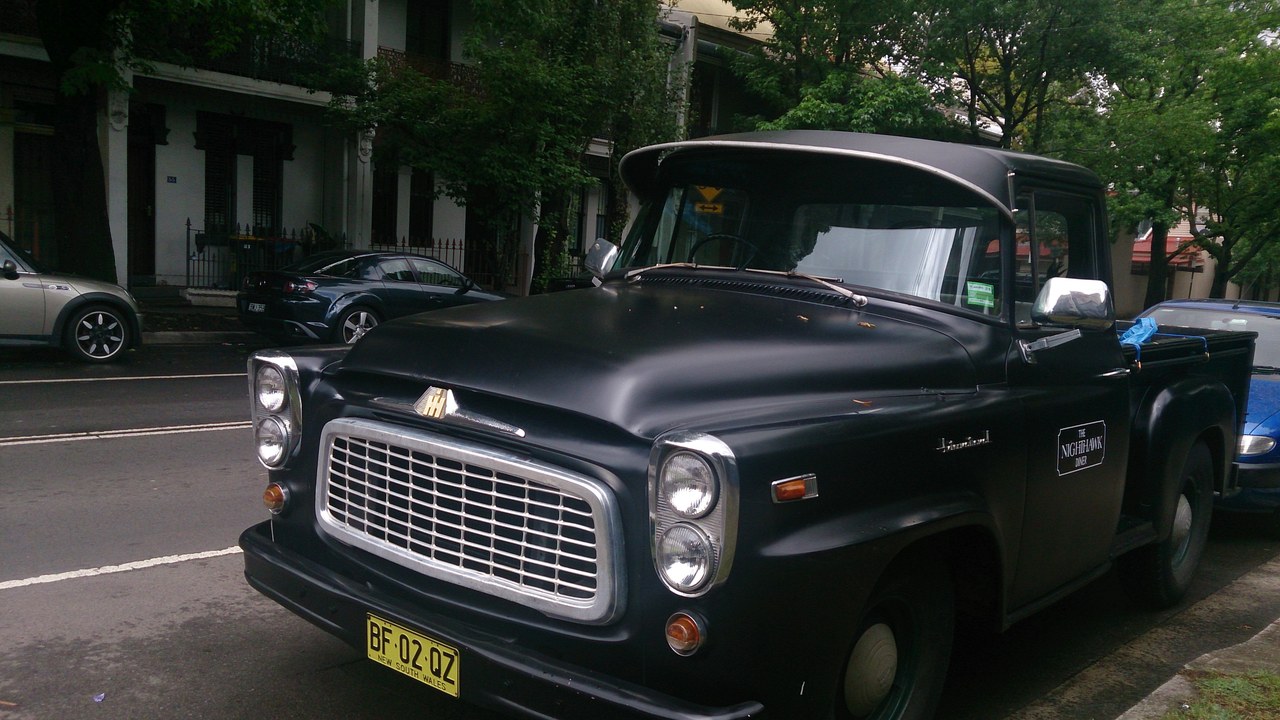
International’s D-Series pickups rode on Dana axles with V8 engines of up to 392 cubic inches. The final year was 1975, and Old Cars Weekly reports only 6,329 IH pickups of all sizes and models were built that year.
Those small numbers make any survivor scarce, and scarcity shapes both price and parts hunting. An owner should expect to search for components rather than simply order them, which suits patient enthusiasts and restorers better than anyone who needs a reliable daily driver.
More from Morning Overview
- A geomagnetic storm is forecast to hit Earth today, pushing the northern lights unusually far south
- A recalled pill hid a stimulant dose linked to heart attacks and death
- Four U.S. startups fired up their first small nuclear reactors, aiming to power AI data centers on-site
- Card skimmers hidden on gas pumps and ATMs are draining accounts, and here’s the tell
