
Longevity studies that track which vehicles are still on the road past 250,000 miles keep landing on the same two badges. Toyota and its luxury division, Lexus, build a handful of models around simple, heavily over-engineered hardware that ages slowly. Here are nine Toyota and Lexus models built to go the distance.
1. Toyota Land Cruiser: Toyota’s Longest-Running Nameplate
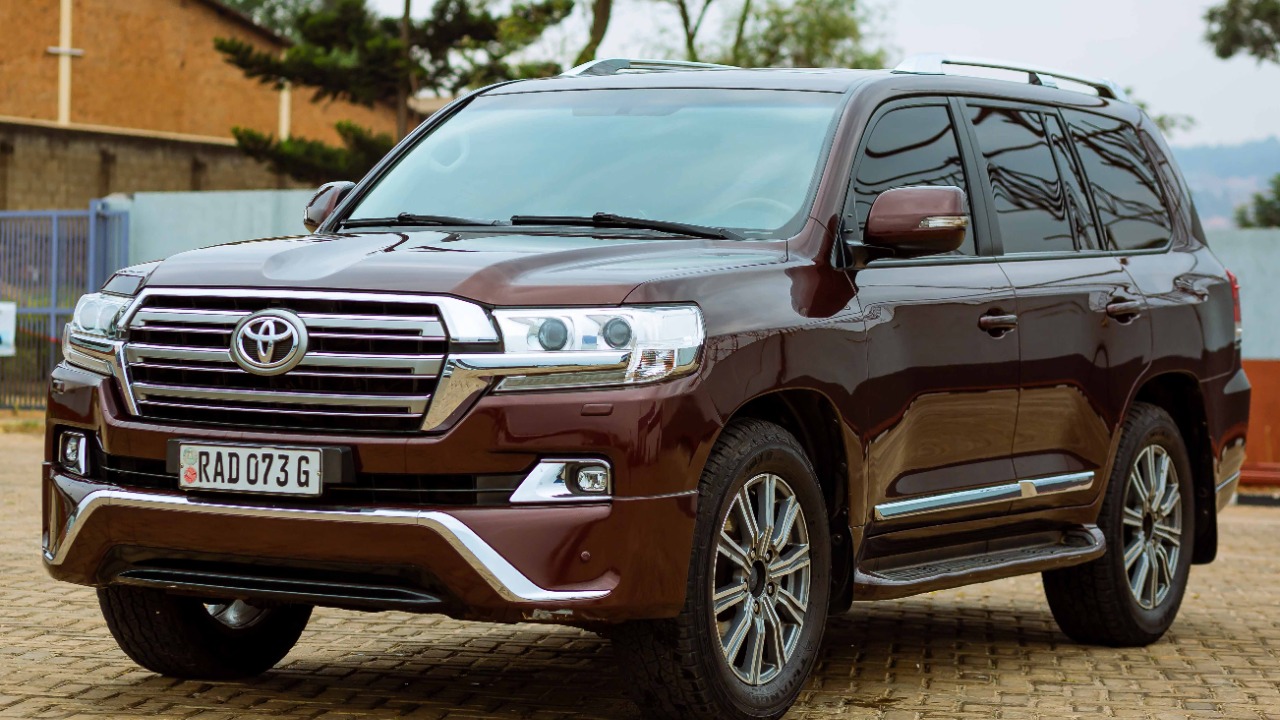
No other model in Toyota’s catalog has been in continuous production as long as the Land Cruiser, which dates to the early 1950s and sells in roughly 190 countries. The formula stayed deliberately conservative for decades: a ladder frame, a low-stressed engine and serious four-wheel-drive hardware. Aid agencies and mining crews standardized on the full-size Land Cruiser because a breakdown in remote country is expensive.
That durability has never been cheap. Clean used examples hold price because owners buy them to keep rather than to trade, and fuel economy is the standing penalty for the weight and the driveline. Recent hybrid four-cylinder versions mark a real break from the V8s that built the reputation.
2. Toyota Sequoia: Truck Bones Under A Family Hauler
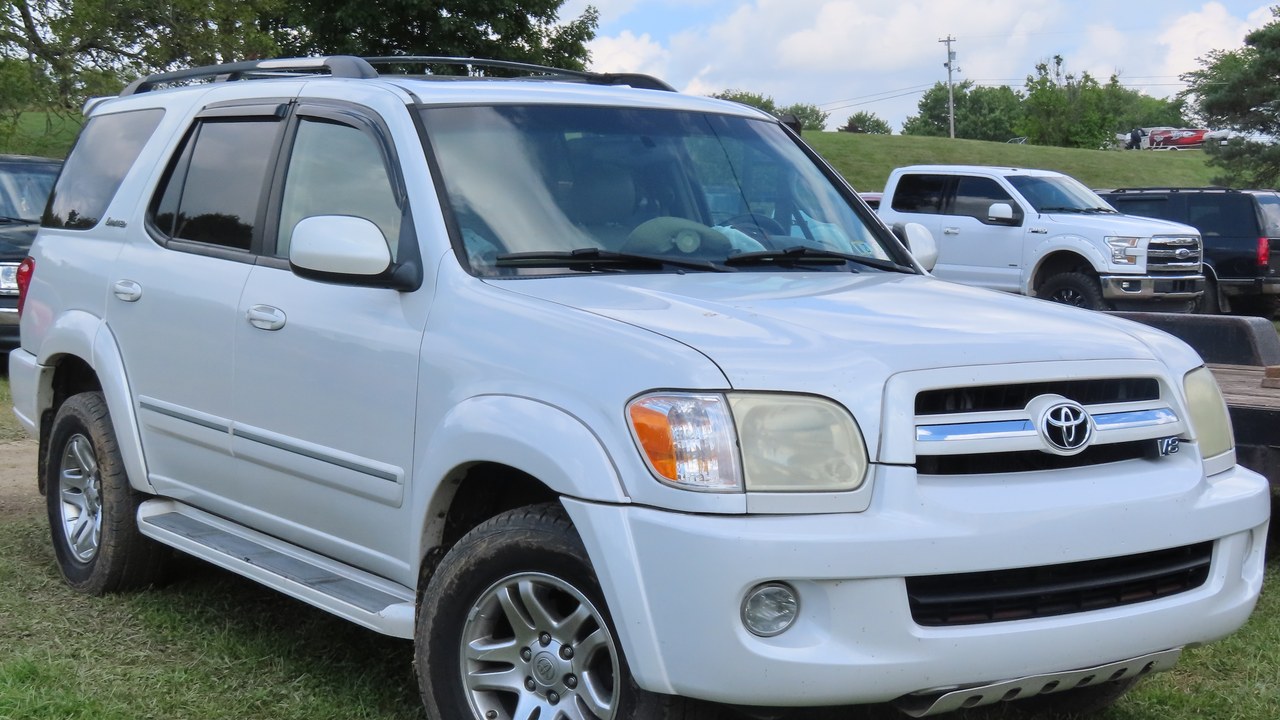
The Sequoia is a full-size SUV built on pickup underpinnings, sharing its frame and much of its driveline with the Tundra rather than a car platform. Toyota assembles it in Princeton, Indiana, and for two generations it carried large-displacement V8s that spent most of their working life loafing. That combination of heavy hardware running well below its limit is what keeps a Toyota Sequoia in service long after lighter crossovers have been scrapped.
The trade-offs are obvious in a parking garage. This is a wide, thirsty vehicle that is slow to change direction, and the current twin-turbo hybrid drivetrain is far newer than the V8 it replaced, with less of a track record behind it.
3. Lexus GX: Overbuilt Off-Roader In A Dinner Jacket
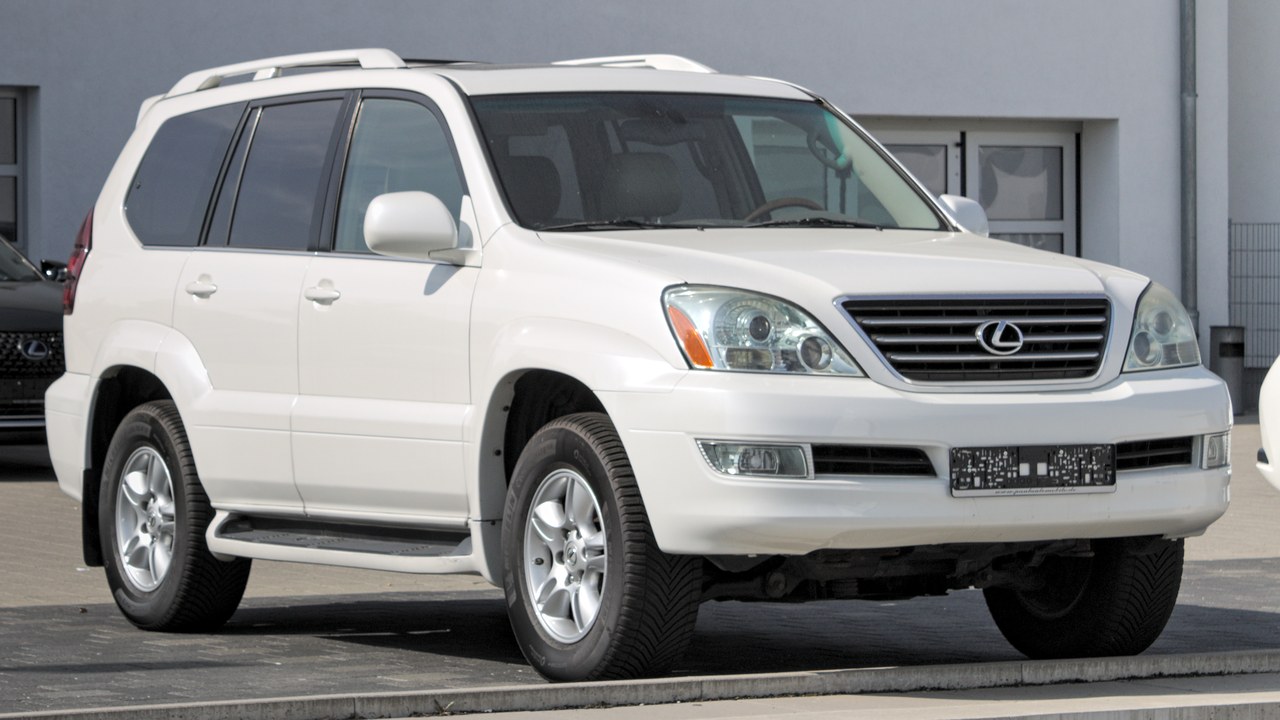
Lexus never engineered the GX from scratch. It is the Land Cruiser Prado wearing a different grille and a quieter interior, with the same body-on-frame construction and full-time four-wheel drive underneath. Because that mechanical package was developed for markets where vehicles get punished, the Lexus GX inherits a driveline that treats American suburban duty as light work.
Aging tends to be a curve rather than a cliff here: suspension bushings, air springs on so-equipped versions and exhaust components wear out while the engine and transmission keep going. Depreciation is mild, which makes a high-mileage GX a more expensive used purchase than its odometer suggests.
4. Toyota 4Runner: A Design Left Alone For Fifteen Years
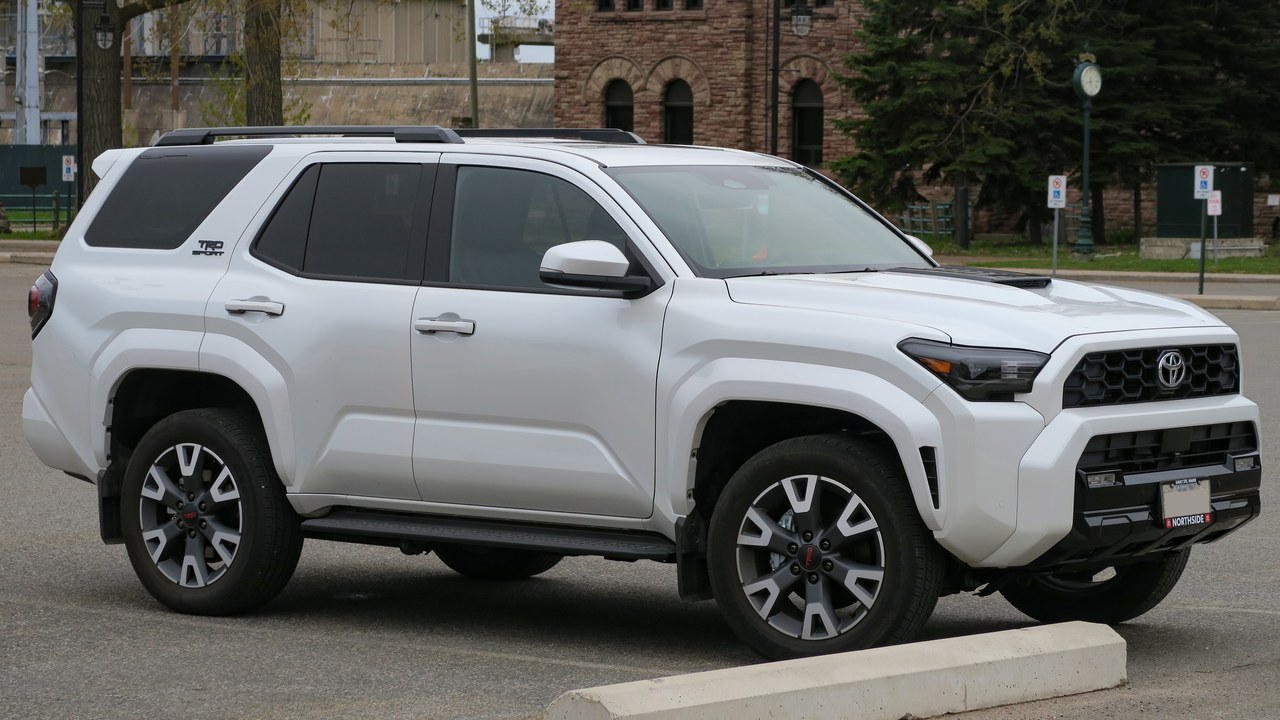
Few modern vehicles stayed in production as long without a redesign as the fifth-generation 4Runner, which ran roughly fifteen years with the same 4.0-liter V6 and five-speed automatic. That stagnation was the appeal for buyers who wanted parts and failure modes everyone already understood. The Toyota 4Runner kept a separate frame and a naturally aspirated engine while nearly every competitor moved to unibody crossovers and turbocharging.
The current generation abandoned that recipe for a turbocharged four-cylinder and a hybrid option, so the long-term case still rests on the outgoing truck. Rust in salted climates, rather than mechanical failure, is usually what ends a high-mileage example.
5. Toyota Tundra: The Million-Mile Proof Point
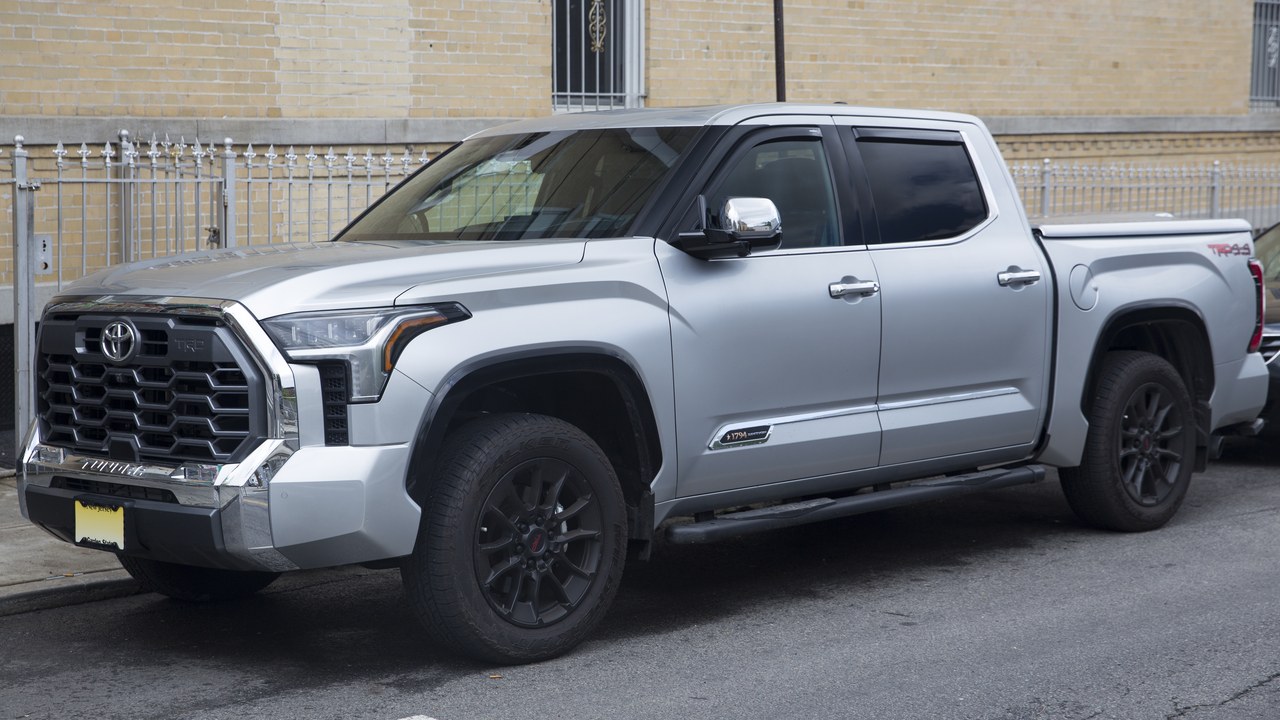
One of the industry’s most-quoted durability stories belongs to the Tundra: a Louisiana owner’s truck passed a million miles on its original engine and transmission, and Toyota bought it back to tear it down. Built in San Antonio, the second-generation Toyota Tundra paired a 5.7-liter V8 with a conservative six-speed automatic and asked neither to work especially hard.
That engine is gone. The current Tundra uses a twin-turbo V6 whose long-term record is still being written, though the frame, axles and payload hardware remain heavy-truck grade. Older V8 trucks command strong money precisely because their reputation is already settled.
6. Toyota Tacoma: Resale Value As A Durability Signal
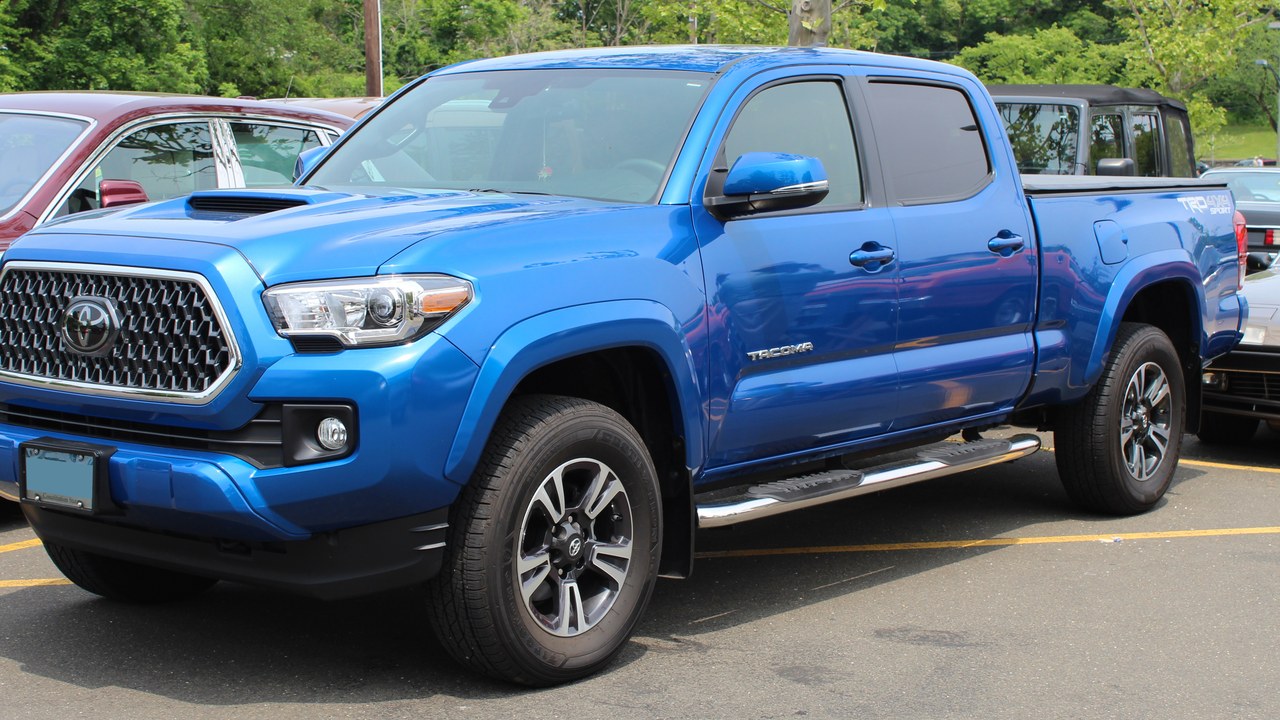
Nothing exposes a truck’s reputation like the used market, and the Tacoma has spent decades near the top of resale rankings because buyers assume a secondhand one has plenty of life left. Sold since the mid-1990s and assembled in Texas and Mexico, the Toyota Tacoma earned that standing with modest power outputs, a rugged frame and drivetrains borrowed from heavier vehicles.
The blemish on the record is corrosion. Toyota ran frame-rust buyback and replacement programs covering earlier Tacomas in salt-belt states, a reminder that the body and frame, not the engine, usually decide how long one of these trucks survives.
7. Lexus LX: Ladder Frame Wearing Leather
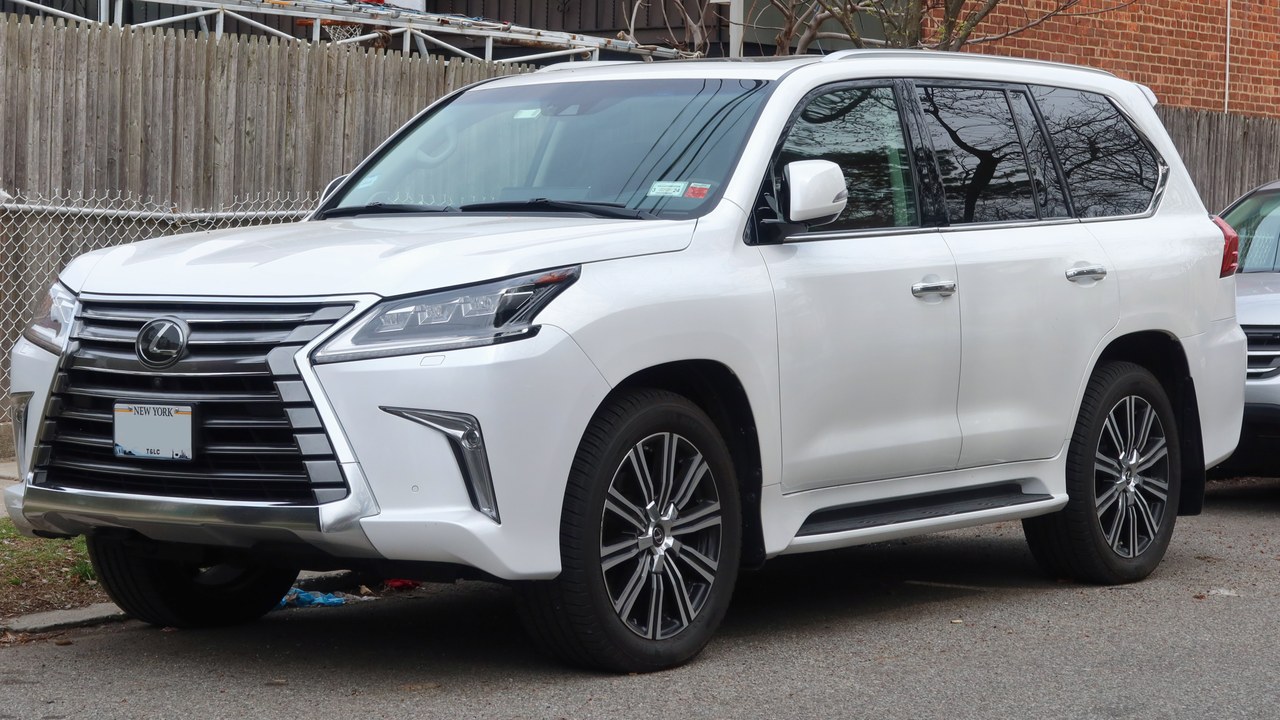
When the full-size Land Cruiser left American showrooms, the LX stayed and carried the same engineering forward. Every generation has been a retrimmed Land Cruiser, from the 80-series-based original through the V8 cars to the current twin-turbo V6, always on a ladder frame with a transfer case and locking center differential. The Lexus LX therefore ages like a work vehicle in formal dress.
The expensive part is everything bolted to that driveline. Air suspension, adaptive dampers and the electronics that make an LX pleasant are what fail first, and replacing them on a fifteen-year-old example can cost more than the truck is worth.
8. Toyota Avalon: Understressed V6, Understated Sedan
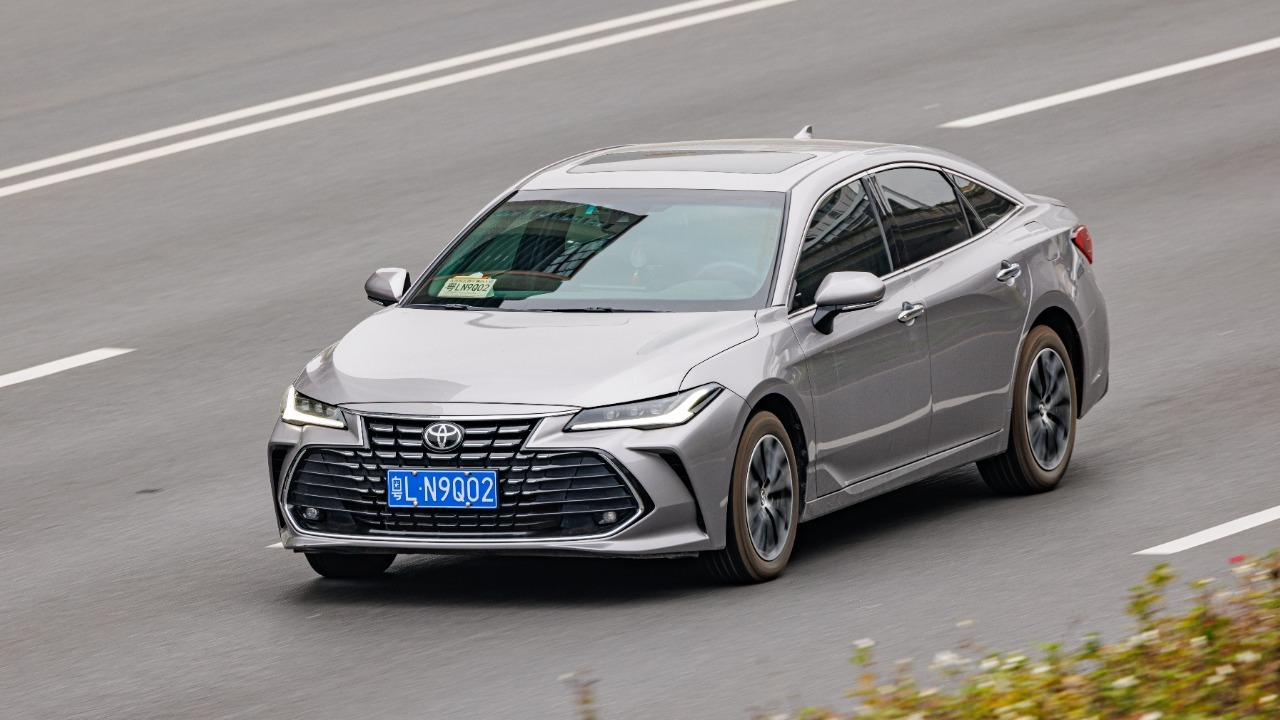
Assembly ran in Georgetown, Kentucky, for close to three decades, and the Avalon spent most of that time with the same 3.5-liter V6 and a conventional automatic used elsewhere in the lineup. Nothing about the car was highly stressed, which is why high-mileage examples turn up in livery and airport fleets. The Toyota Avalon traded sharpness for isolation, and isolation is cheap to keep running.
Production ended as American buyers moved to crossovers, leaving the used market as the only way in. That is arguably an advantage, because full-size sedans depreciate steeply and a well-kept Avalon with six figures on the clock is one of the cheapest routes to another decade of driving.
9. Lexus LS: The Sedan That Built A Brand
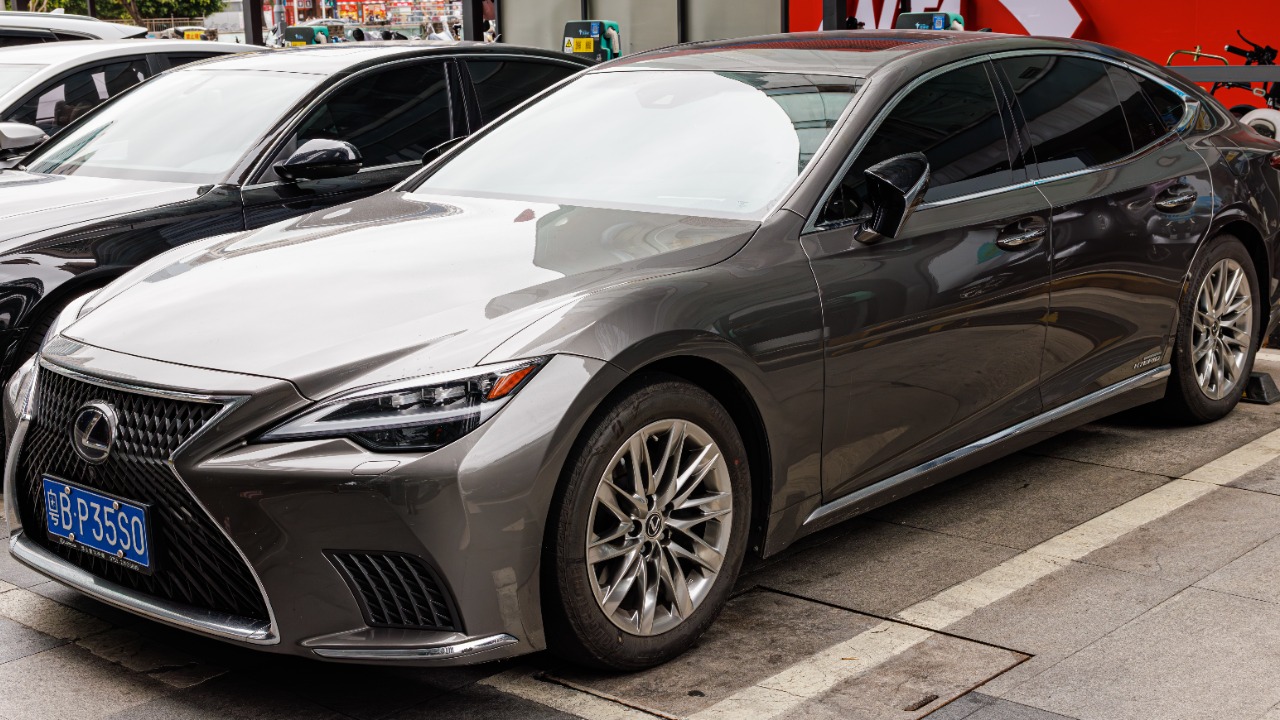
Lexus opened for business with the LS 400 and a development program so exhaustive it became industry folklore, advertised with champagne glasses stacked on the hood of a car running at speed on a dynamometer. The 4.0-liter V8 underneath was built to tolerances the segment had not seen. Early Lexus LS sedans became known for accumulating enormous mileage on little more than fluids, belts and patience.
Later cars are more complicated. Air suspension, adaptive systems and, in the current generation, a twin-turbo V6 or hybrid drivetrain add failure points the first LS never had, so the cheap-to-run reputation belongs mainly to the older V8 models.
More from Morning Overview
- The FTC is warning about a scam quietly draining thousands from victims
- The NSA is again telling phone owners to switch off one location setting
- A handful of car transmissions are so tough mechanics say they almost never fail
- A handful of SUVs keep hitting 300,000 miles, and they share one engine trait
