
Rollover risk tracks closely with a vehicle’s proportions: the wider the track and the lower the mass sits, the harder it is to tip. Modern crossovers built on car platforms score far better on that measure than the tall, body-on-frame trucks that shaped the SUV’s reputation. Here are nine SUVs whose designs favor stability over height.
1. Subaru Outback: The Low-Slung Wagon Advantage

Subaru builds the Outback around a horizontally opposed boxer engine, which sits lower in the bay than an inline or V layout, and wraps it in a raised wagon body rather than a truck-derived box. Both decisions pull mass toward the pavement, and center-of-gravity height is one of only two variables in the static stability factor regulators calculate. The origins of the model as a lifted Legacy wagon run through the Outback’s generational record.
That geometry costs the Outback some of the commanding seating position buyers associate with the segment, and ground clearance still trails a body-on-frame truck. Stability is a resistance figure, not a guarantee on a wet curve.
2. Subaru Ascent: Three Rows on a Low Platform
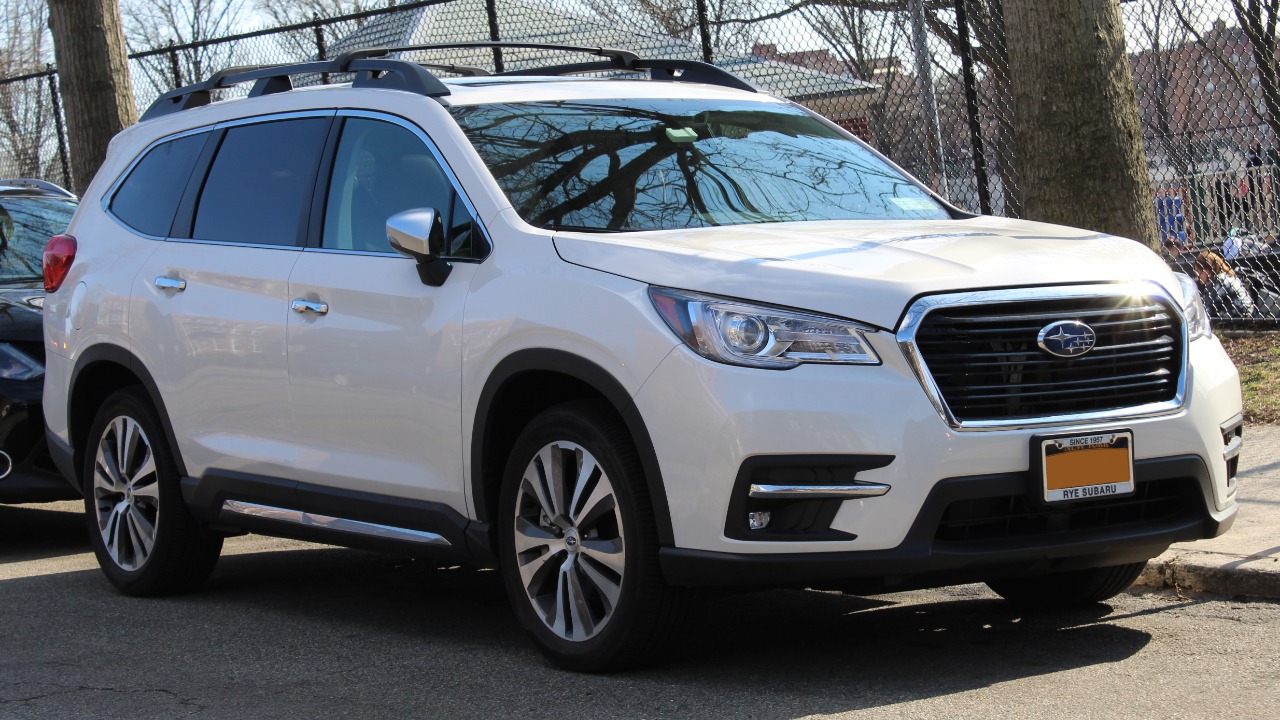
Three-row crossovers usually gain height along with their extra seats, but the Ascent keeps the same low-mounted boxer engine and symmetrical all-wheel-drive layout as the smaller cars in the range. Weight sits closer to the ground than the roofline suggests, and the broad track that comes with a large body improves the ratio further. Platform and specification details for Subaru’s three-row Ascent reflect that shared engineering.
The payoff is measured in resistance rather than immunity. A heavily loaded roof rack raises the center of gravity on any vehicle, so cargo stowed low in the third-row well works with the design instead of against it.
3. Toyota Highlander: The Car-Based Family Hauler
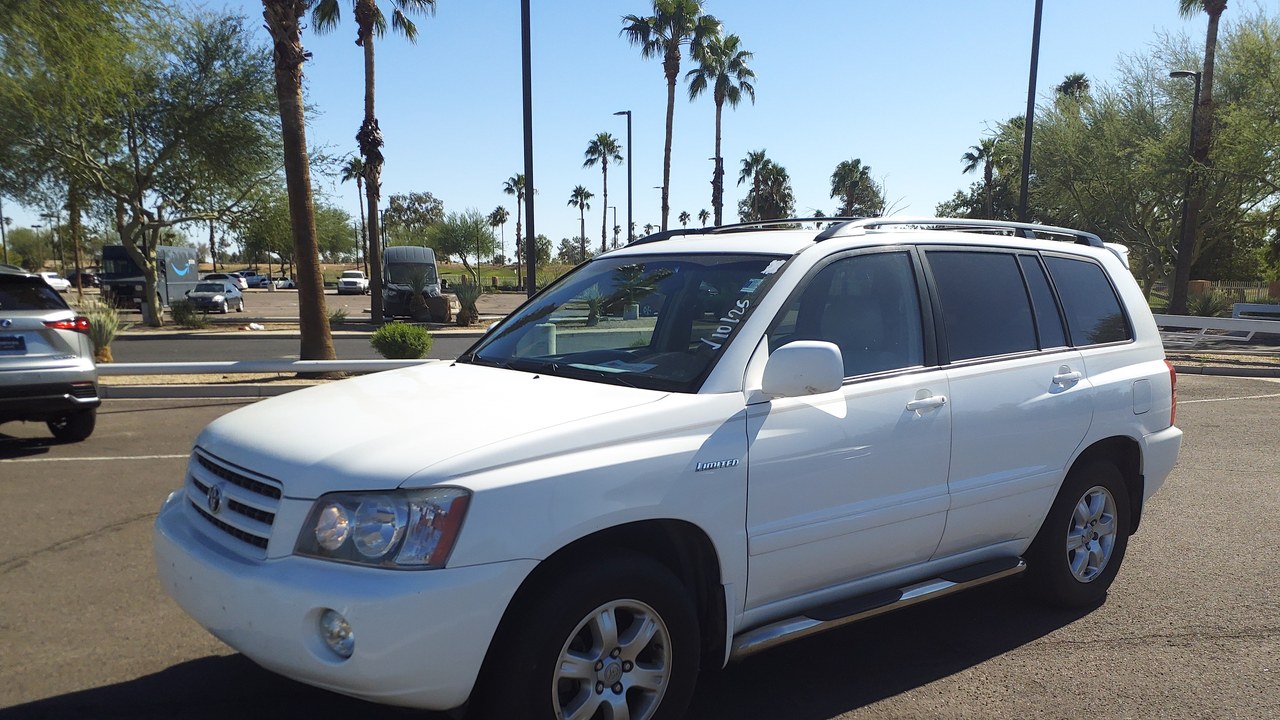
Unlike the truck-framed utilities that dominated the 1990s, the Highlander was engineered on a passenger-car architecture from its first generation, sharing underpinnings with Toyota sedans rather than a pickup. Car platforms sit lower and spread their track wider relative to height, which is the combination that drives a favorable static stability factor. That lineage is documented across the Highlander’s platform history.
The tradeoff is towing capacity and off-road articulation, neither of which a unibody crossover matches against a ladder frame. For a household that rarely leaves pavement, the exchange trades capability for a lower profile.
4. Honda Pilot: Minivan Bones, SUV Shape
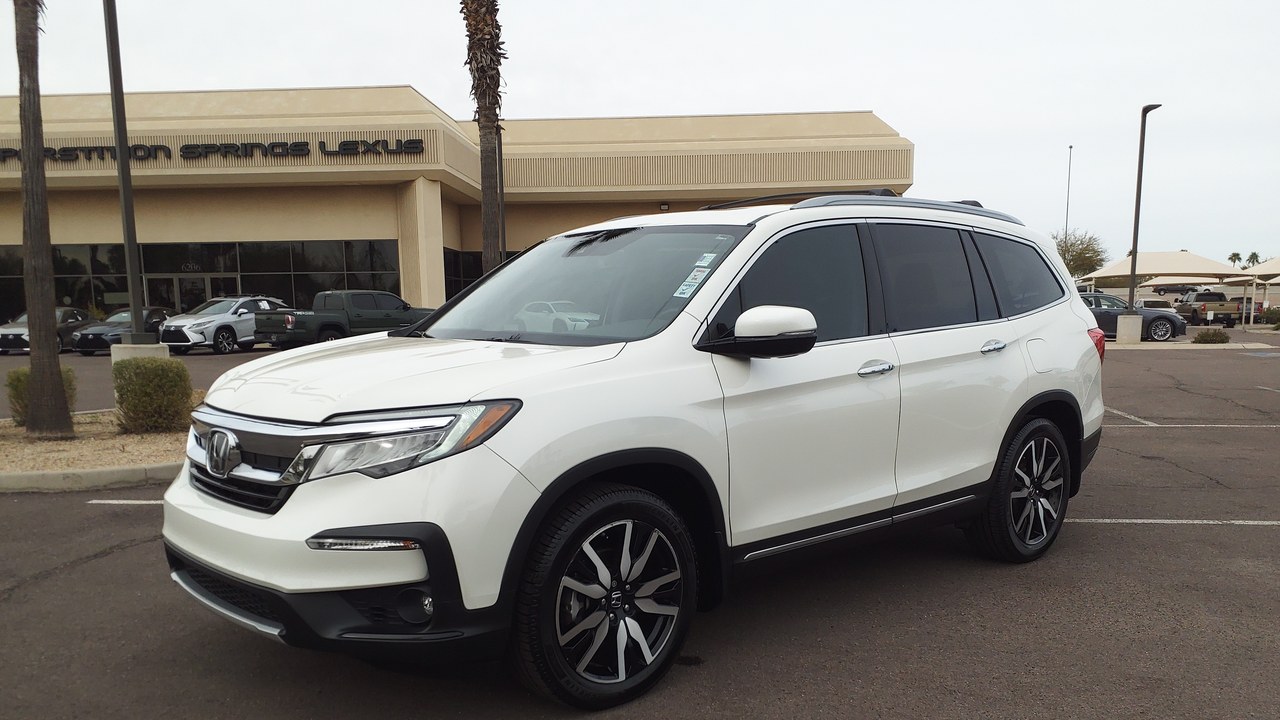
Honda developed the Pilot on the same unibody architecture that underpins its minivan, a starting point that keeps the floor low and the wheels far apart. Electronic stability control, which intervenes before a slide becomes a trip, has been mandatory equipment on every passenger vehicle sold in the United States since the 2012 model year. The shared engineering appears throughout the Pilot’s model lineage.
Later generations adopted squared-off styling that reads taller than the measurements behind it, a reminder that appearance and stability diverge. The underlying proportions changed far less than the sheet metal did.
5. Mazda CX-9: The Wide, Low Three-Row
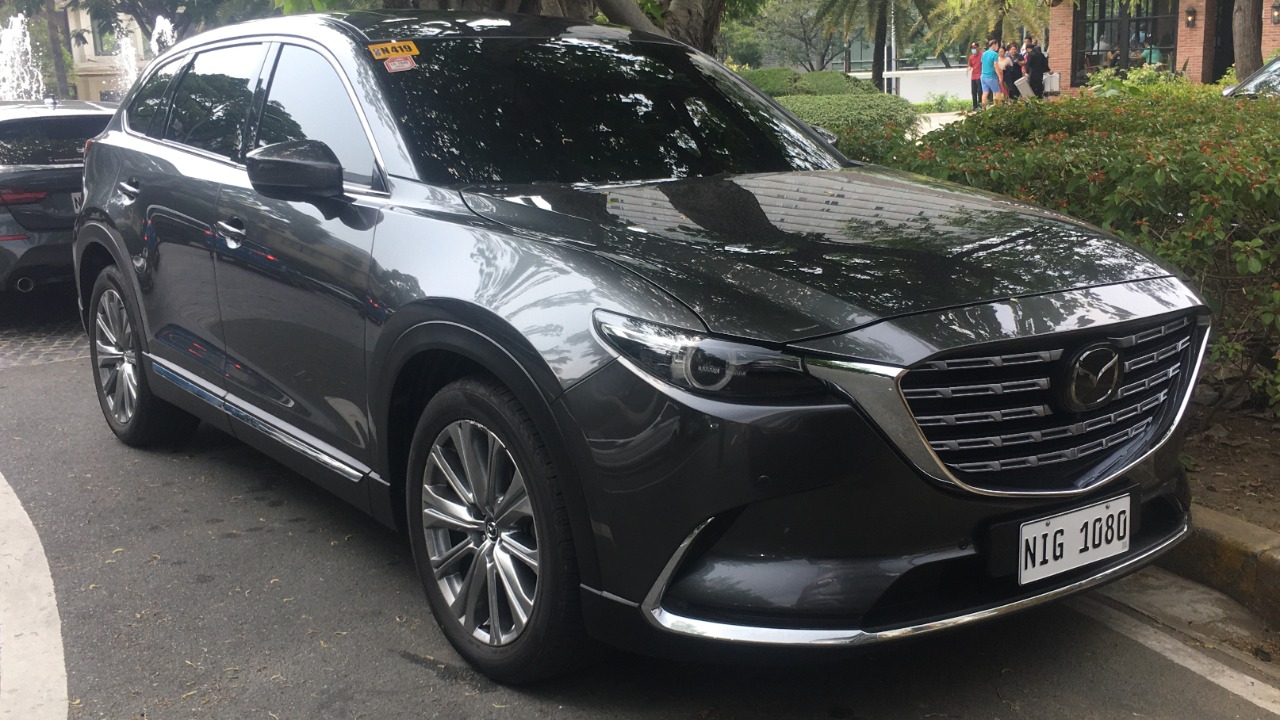
Few three-row vehicles carry a roofline as low as the CX-9’s, and Mazda paired that with a wide track instead of trimming width to save weight. Those dimensions feed rollover resistance directly, because the static stability factor is track width divided by twice the height of the center of gravity. Production ran from the 2007 model year until a successor replaced it, as recorded in the CX-9’s production run.
The cost of that low roof is third-row headroom, which reviewers consistently flagged as the weakest point of the package. Shoppers who traded interior space for a lower profile made a genuine compromise.
6. Volvo XC90: The Roll Stability Pioneer
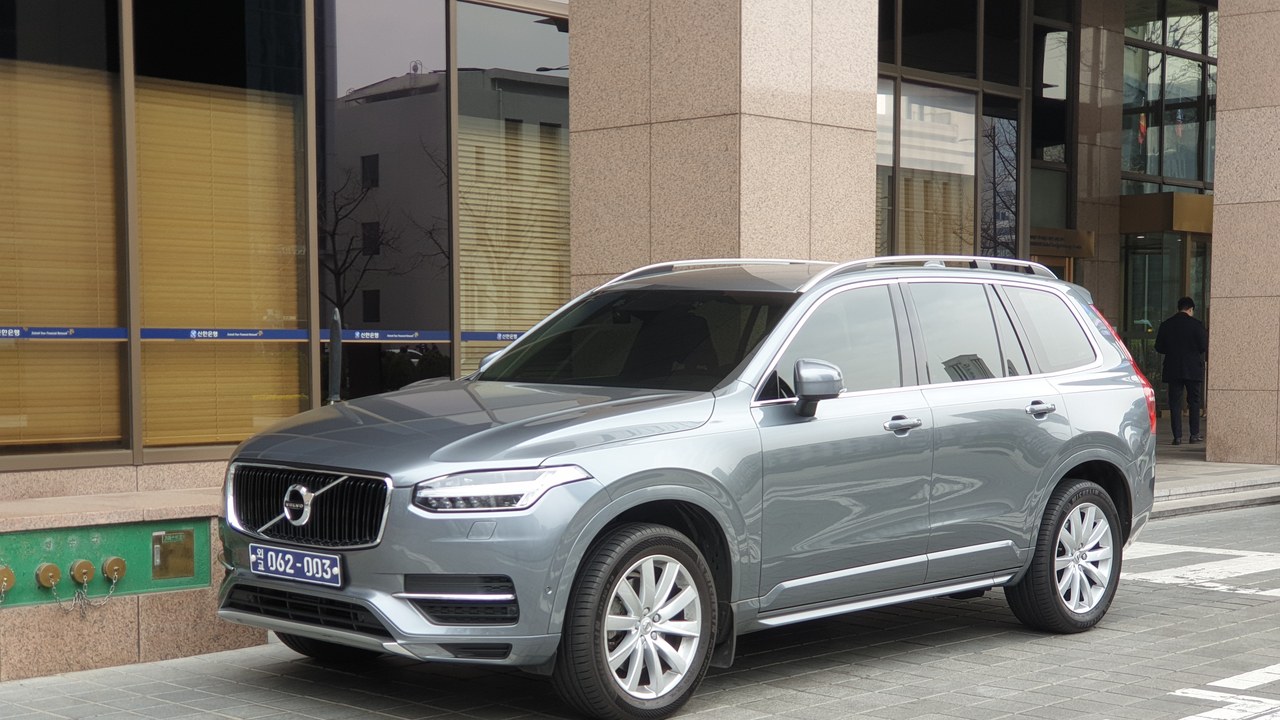
Volvo introduced Roll Stability Control on the first-generation XC90, using a gyroscopic sensor to read the body’s roll angle and then cut power or brake individual wheels before the vehicle reached a tipping point. The system arrived years before stability control became a federal requirement in the United States. Roof structure and steel selection are detailed in the XC90’s engineering record.
That early investment reflected a corporate priority rather than a regulatory one, and it shaped how rivals later specified their own systems. Even so, hardware cannot repeal physics on a tall, heavily loaded vehicle.
7. Kia Telluride: Wide Track, No Ladder Frame
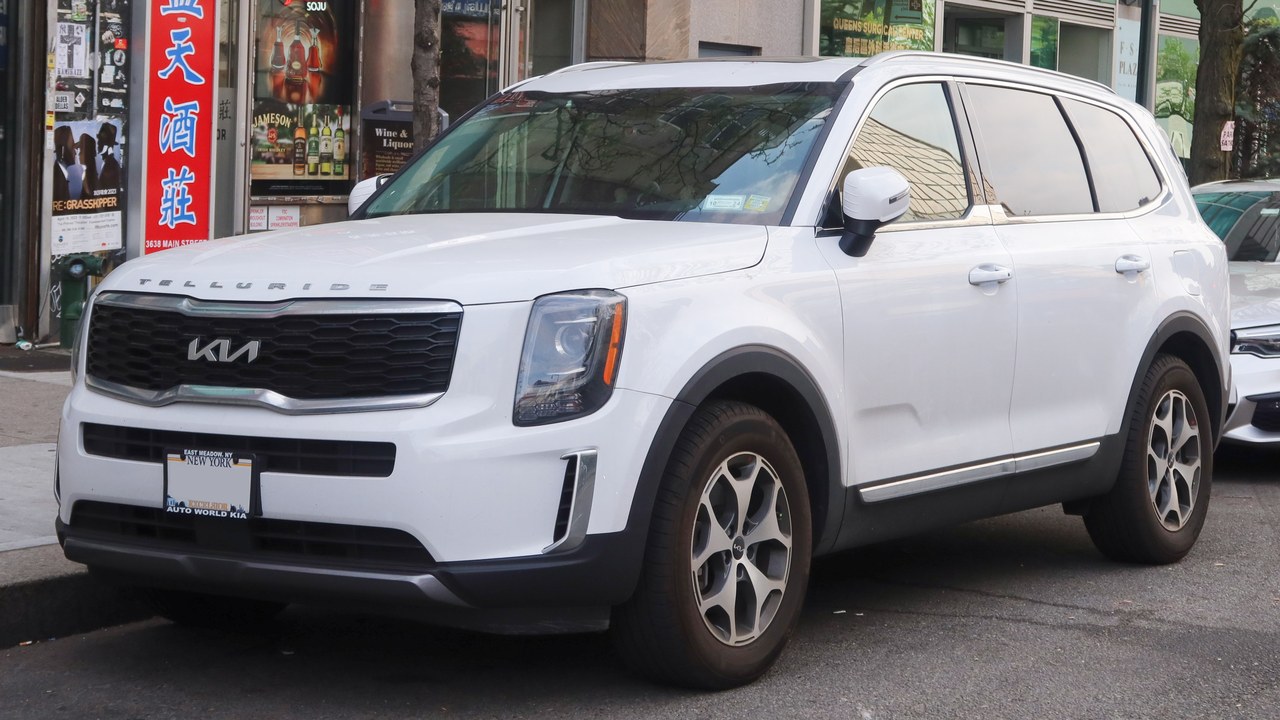
Among the largest crossovers sold in the United States, the Telluride is nonetheless a unibody design with no ladder frame beneath it, and its track is wide relative to overall height. Kia positioned the vehicle against body-on-frame competitors while keeping that car-derived structure, a distinction visible in the Telluride’s specifications.
Boxy styling deliberately signals a ruggedness the platform does not deliver on a trail, which is a marketing decision rather than an engineering one. On the narrow question of rollover resistance, the car-based structure works in the driver’s favor.
8. Hyundai Palisade: The Telluride’s Corporate Twin
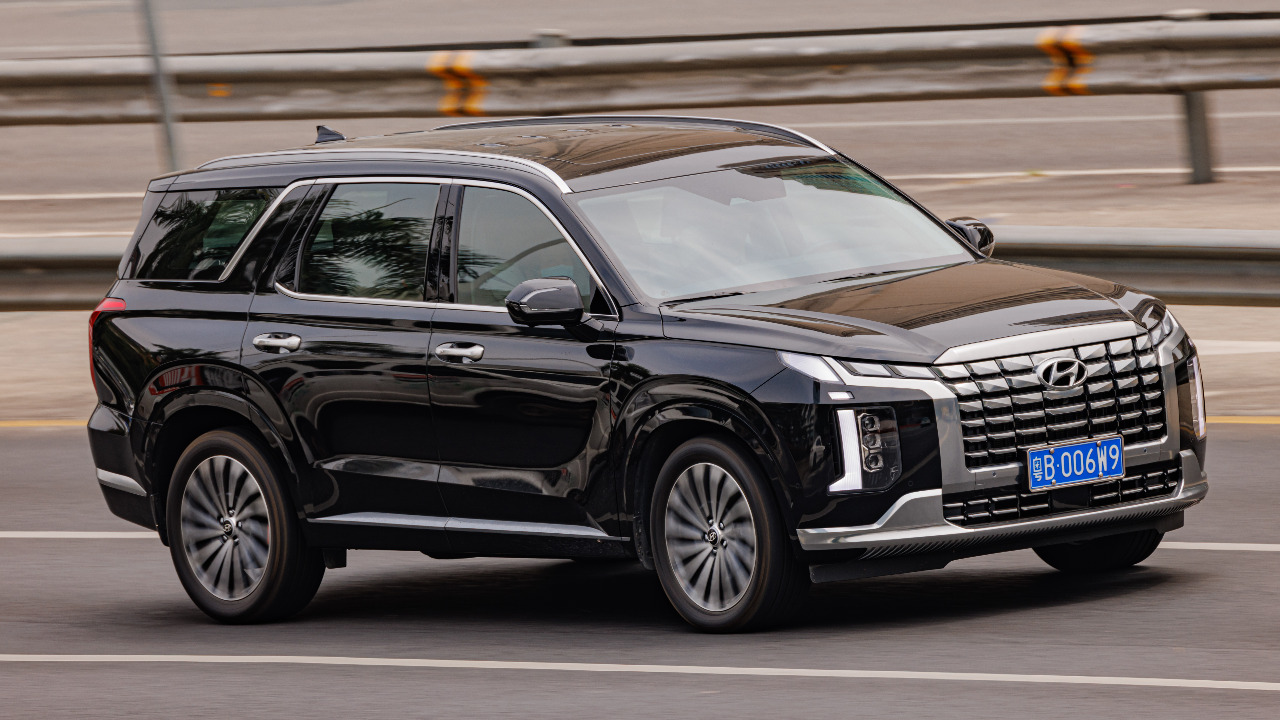
Developed alongside the Telluride, the Palisade shares a platform, a wheelbase and much of its hardware with that vehicle, so the fundamental proportions of the two are close to identical. Differences concentrate in styling, interior trim and suspension tuning rather than in the geometry that governs rollover resistance. Development details are laid out in the Palisade’s development history.
Anyone cross-shopping the pair is therefore choosing on features and price, not on structural stability. Roof loading and tire condition move the real-world odds far more than the badge on the grille does.
9. Acura MDX: Luxury Without the Height
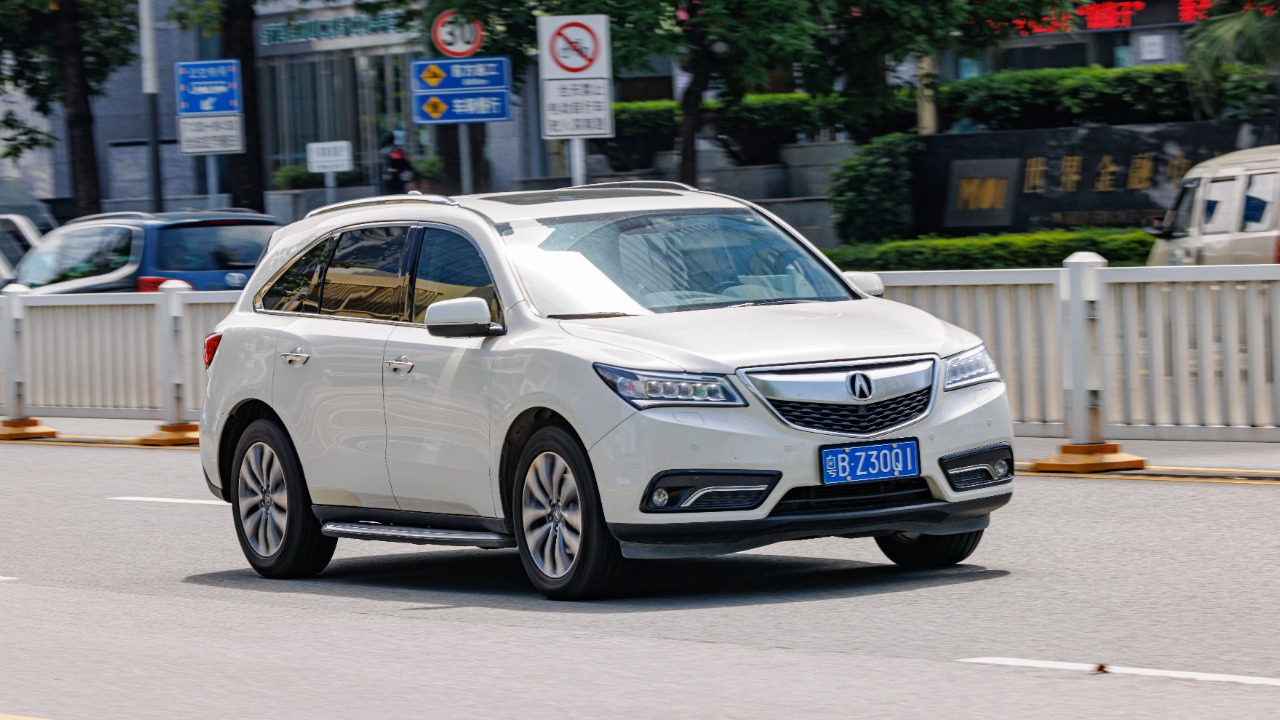
Sharing engineering with Honda’s minivan and the Pilot rather than with any truck, the MDX arrived as a 2001 model and has remained a unibody luxury crossover since. Its floor and seating positions sit closer to the road than the upright grille implies, and those proportions have carried through each redesign, a pattern traced across the MDX’s model history.
Luxury buyers often equate a commanding seating position with safety, but the physics of rollover run the other way. Lower mass placement is the advantage, and the MDX reflects that priority more than its styling admits.
More from Morning Overview
- A handful of SUVs keep hitting 300,000 miles, and they share one engine trait
- Supplements now rank as the fifth-leading cause of death from liver disease.
- A study names the one SUV most likely to reach 250,000 miles
- More than 60,000 people flee the Spokane area as complex fires overrun 600 structures
