
Highway noise is the fatigue nobody shops for, yet it shapes how a long drive feels more than horsepower ever does. Laminated glass, sealed door frames, thicker carpet underlay and suspension bushings tuned for compliance all decide how much of the road reaches the cabin. Here are nine crossovers whose owners keep returning to that hushed quality in reviews and forum threads.
1. Lexus RX: The Insulation Benchmark
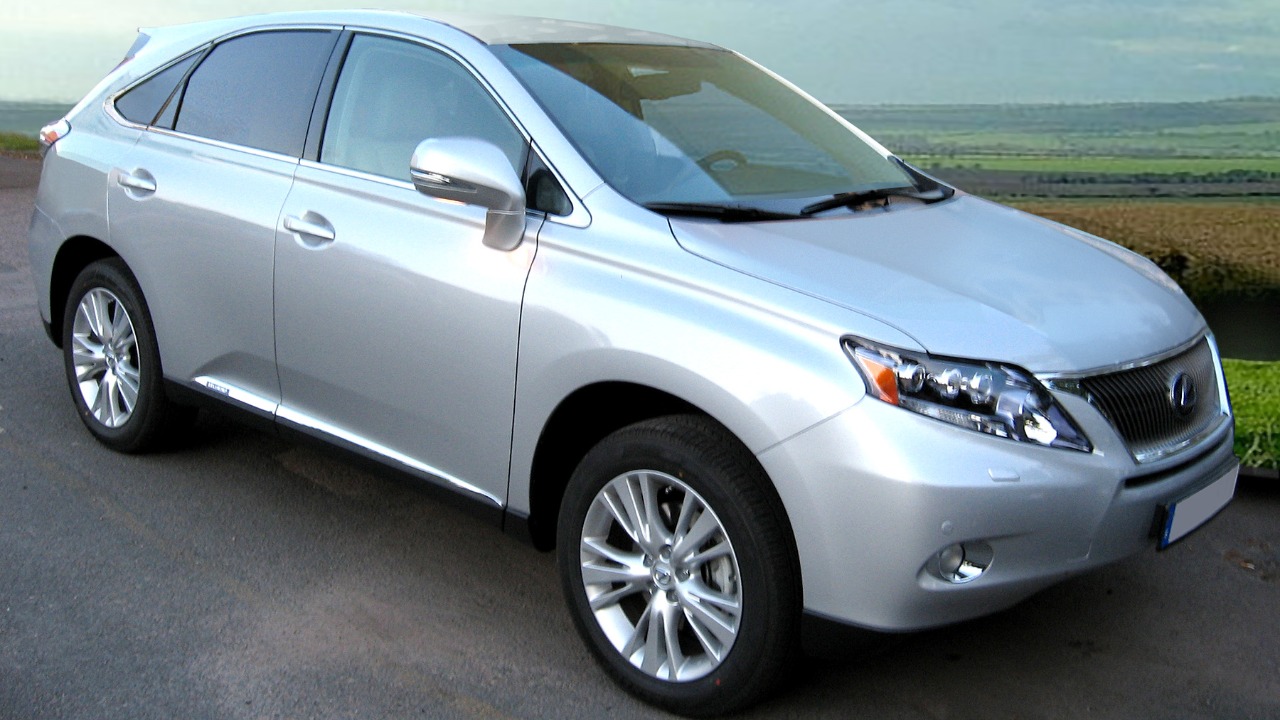
Lexus engineered the RX around isolation rather than sharpness, and the evidence sits in the build sheet: acoustic-laminated front glass, dense deadening mats under the carpet, and engine mounts chosen to keep vibration out of the floor. Hybrid versions add another layer, pulling away from a stoplight with the gasoline engine still asleep. That reputation has followed the midsize Lexus crossover through every generation of the nameplate.
Buyers cross-shopping a sportier German rival should expect the trade, because the RX rewards long commutes rather than back roads. Owners also note that tire choice matters, since swapping the factory touring rubber for something aggressive gives away much of the advantage.
2. Buick Envision: Quiet Tuning as the Selling Point
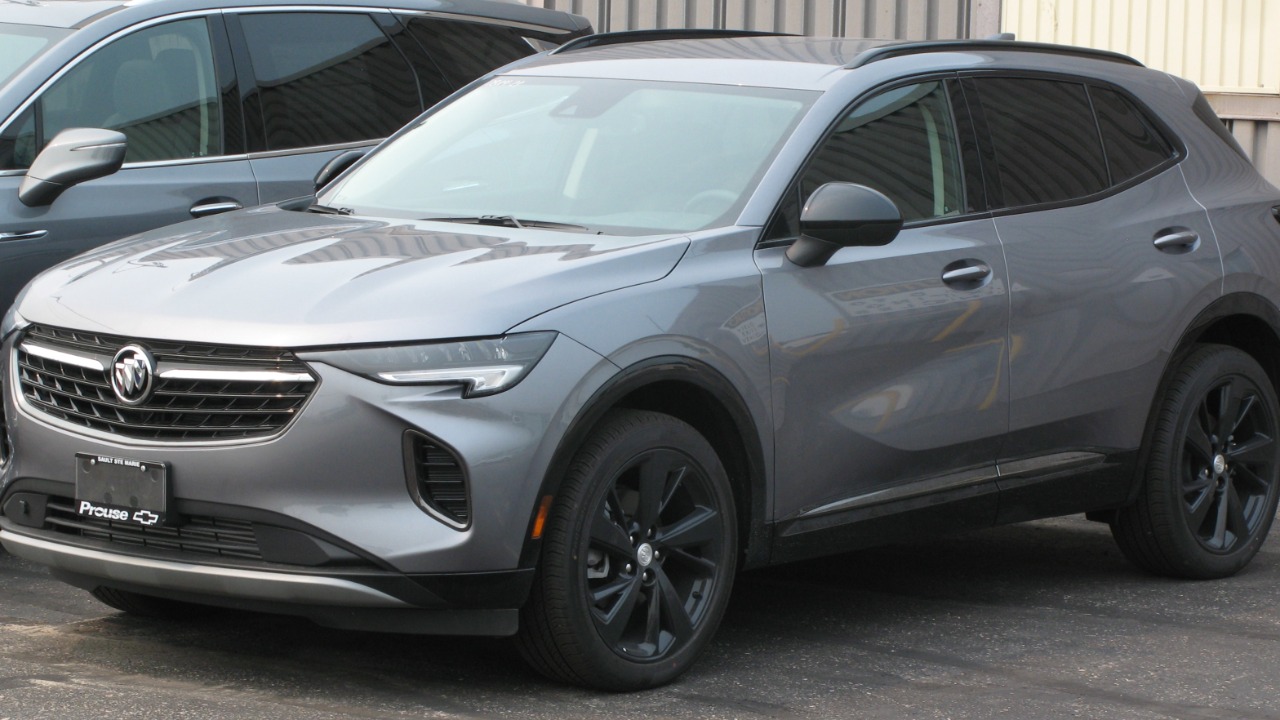
Quietness sits close to a brand slogan at Buick, which markets its own sound package under the QuietTuning name: extra sealing around the doors, sound-absorbing material packed into body cavities, and an acoustic laminated windshield to blunt wind rush at highway speed. Active noise cancellation plays an opposing tone through the audio system to erase low-frequency drone. Owners of the Envision nameplate routinely single that calm out.
The payoff arrives at a mainstream price rather than a luxury one, which is much of the point for a badge sitting between Chevrolet and Cadillac. Space is the compromise, as the Envision is a two-row compact, so families needing a third row have to look at the larger Enclave.
3. Genesis GV70: Thick Glass and Sealed Arches
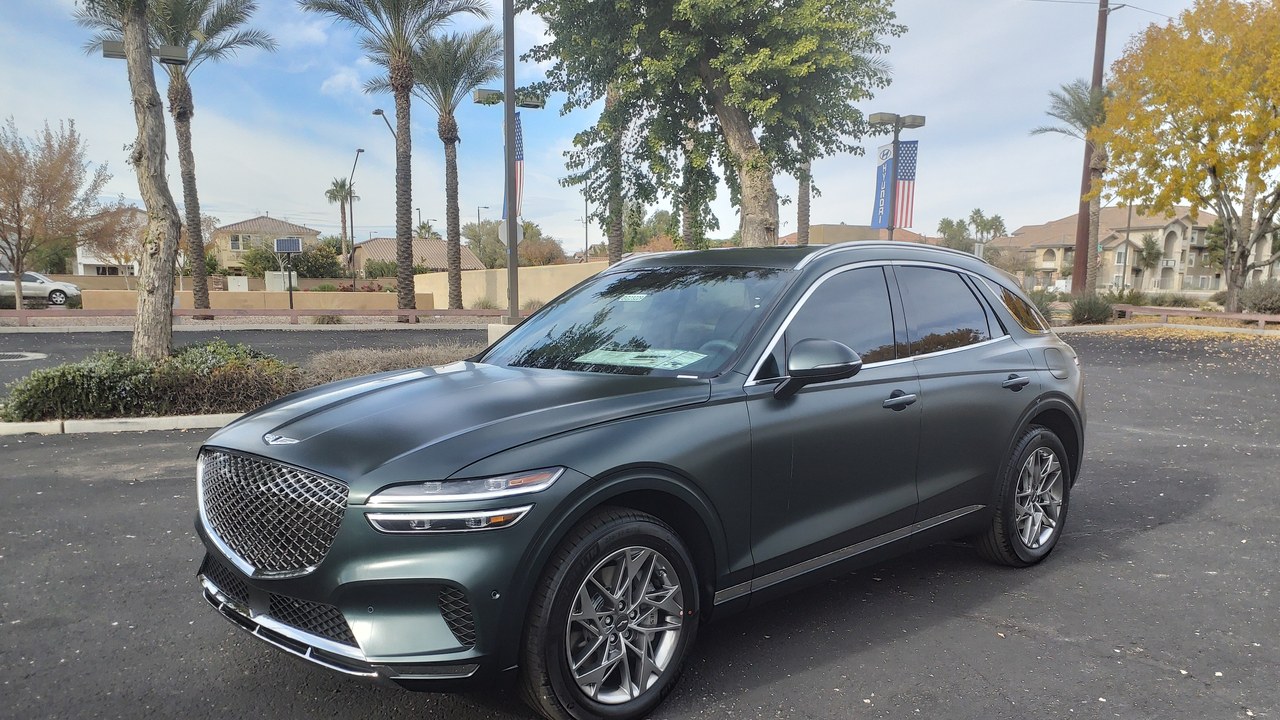
Genesis went after the German establishment by over-building the parts that block noise, and the GV70 carries acoustic laminated glass, layered door seals and heavy insulation in the wheel arches where tire roar enters first. Its suspension is damped softly enough that expansion joints register as a muted thud rather than a crack. Road testers comparing the GV70 compact crossover with pricier rivals repeatedly land on cabin calm as its strongest suit.
The practical consequence is a badge discount rather than a refinement discount. One caveat holds across the range: the sportiest versions ride on low-profile tires and larger wheels, which reintroduce some of the impact noise the rest of the engineering works to suppress.
4. Volvo XC60: Damped and Deliberately Calm

Volvo treats the XC60 cabin as a room first, and the calm comes from restraint as much as from materials: a soft-riding chassis, thick seat foam, laminated side glass on upper trims, and an interior with few hard plastic surfaces left to ring. Optional air suspension smooths the sharp inputs that usually announce themselves as noise. Long-haul drivers describe the Swedish midsize SUV as unusually undemanding over several hours.
That character suits commuters and highway travellers more than drivers chasing engagement. The exception is the powertrain, since Volvo’s four-cylinder engines can sound busy under hard acceleration even when wind and road noise stay well suppressed.
5. Acura RDX: Active Noise Control at Work

Acura attacks noise electronically as well as physically. The RDX pairs an acoustic windshield and added underbody insulation with Active Sound Control, a system that reads cabin microphones and plays an inverted waveform through the speakers to cancel the low-frequency drone a turbocharged four-cylinder produces at cruise. Owners of the compact Acura crossover generally credit that combination for how little highway hum reaches the front seats.
Electronic cancellation has limits worth knowing before a test drive. It works on steady, repetitive frequencies, so engine drone fades while coarse-pavement tire roar and impact noise still come through, and the same engine turns vocal when pushed hard.
6. Lincoln Nautilus: Calm as a Design Brief
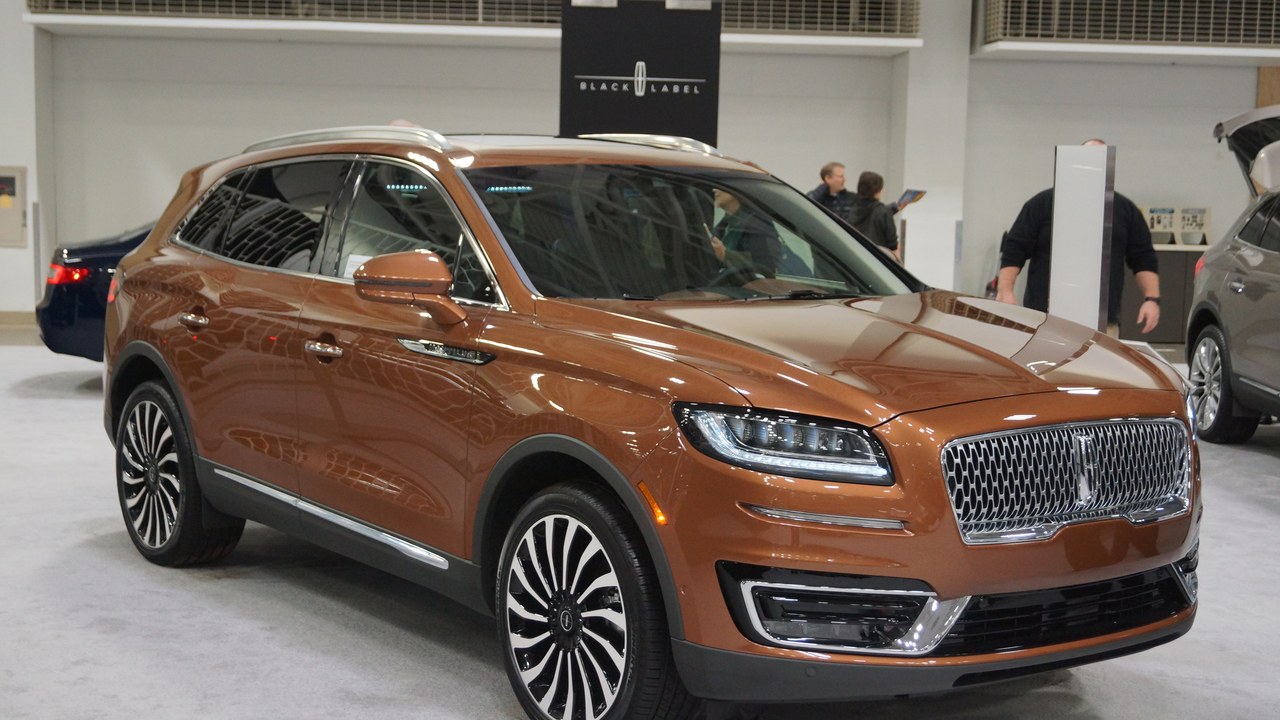
Lincoln has built its recent identity around calm, marketing the idea as Quiet Flight, and the Nautilus is one of its clearest expressions: acoustic laminated glass at the front and sides, active noise cancellation working through the audio system, thick carpet and headliner padding, and seats designed to reduce fidgeting on long drives. Reviewers of the midsize Lincoln crossover often reach for library comparisons when describing it at highway speed.
Depreciation turns that into a used-car argument. Luxury crossovers from mainstream-owned brands shed value quickly, so a several-year-old Nautilus can deliver near-new isolation for the price of a new compact SUV, provided the electronics check out.
7. Audi Q5: The Case for Acoustic Glazing
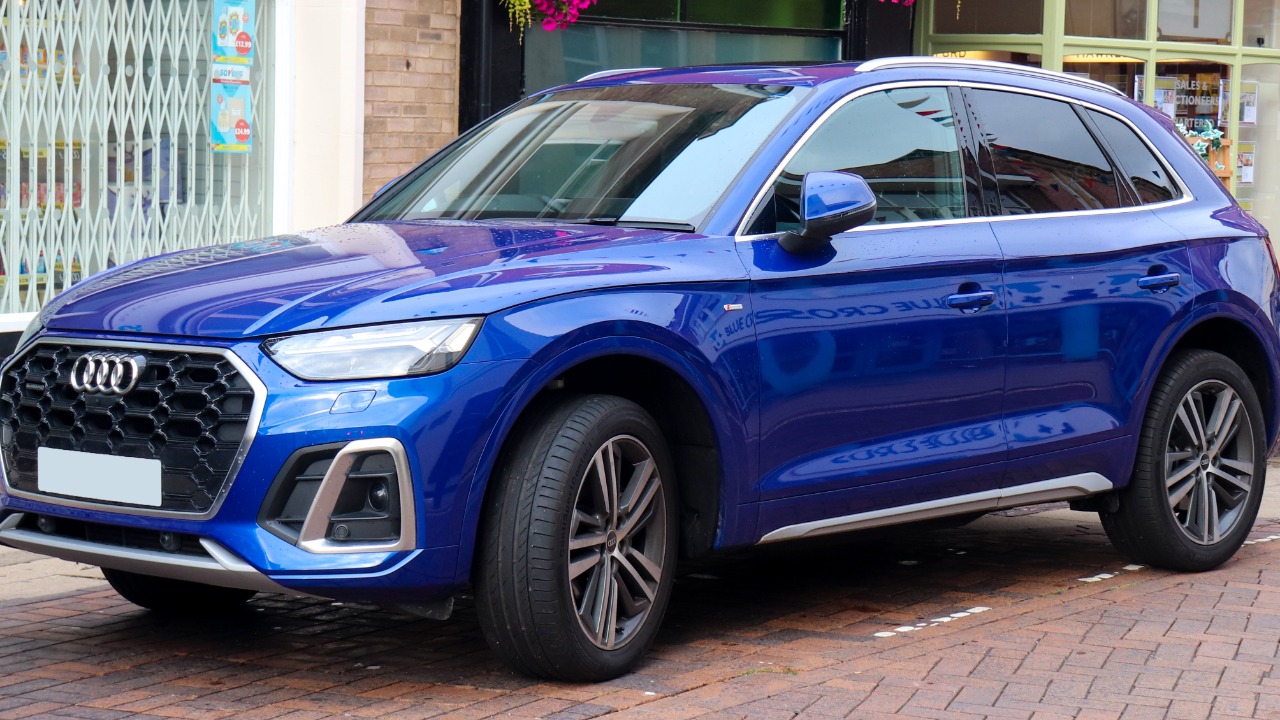
Refinement rather than drama has been the Q5 formula since the first generation, and the mechanism is unglamorous: tight panel gaps, optional acoustic glazing, a body structure stiff enough to resist the resonance that turns road input into cabin boom, and mild-hybrid systems that let the engine shut down while coasting. Testers who fault Audi’s compact luxury SUV for being too anonymous usually concede the point about noise.
Option choices decide how much of that survives. Sport suspension and the largest available wheels wrapped in low-profile tires trade away ride compliance, and the extra impact noise is the first thing a back-to-back drive on rough pavement exposes.
8. Mazda CX-90: The Inline-Six Advantage
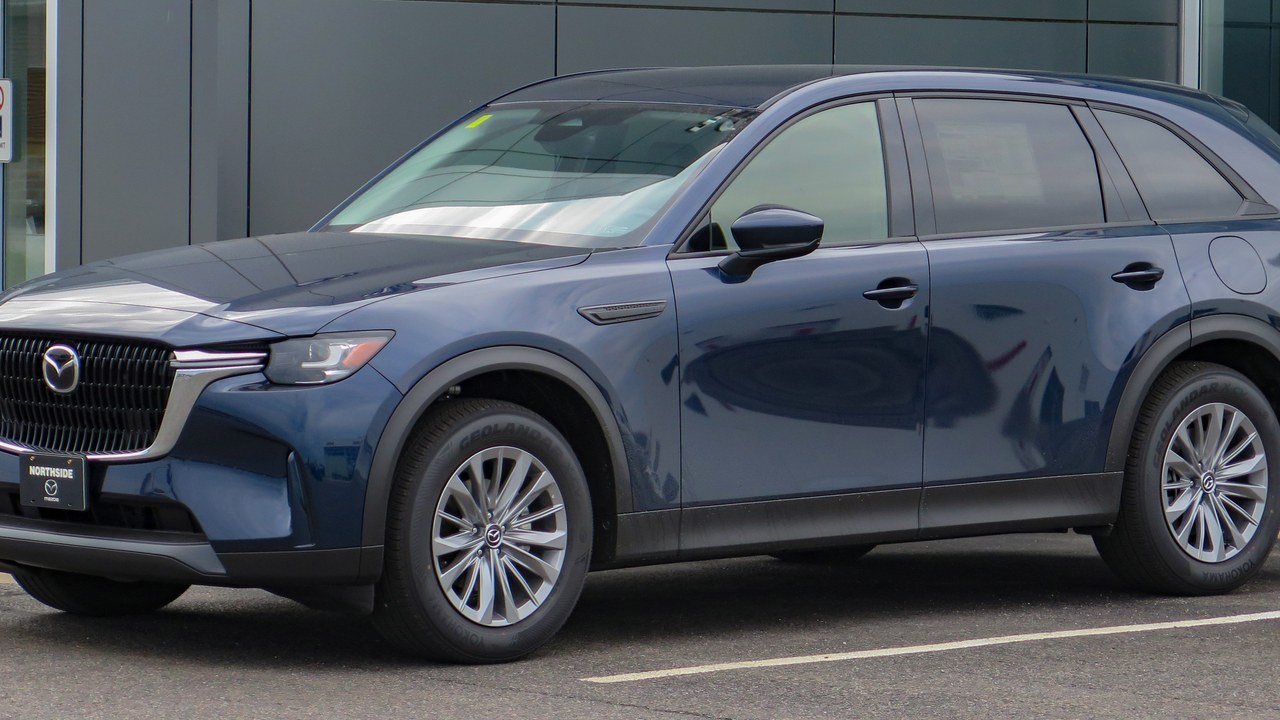
Mazda’s move upmarket shows most clearly in what the CX-90 keeps out. Its inline-six is inherently balanced in a way a four-cylinder is not, so less vibration reaches the structure at all, and the rest is conventional work: added insulation, sealed body cavities and a rear-drive-based platform that sets the engine further from the firewall. Buyers stepping into the three-row Mazda flagship from a mainstream crossover tend to notice it immediately.
The appeal is near-luxury isolation without a luxury badge, though the resale premium of a German nameplate does not follow. Third-row noise remains the weak point in any long crossover, since the rear wheels sit close to the last row of seats.
9. Mercedes-Benz GLC: Wind Held Outside the Glass

Mercedes spends its noise budget on parts a driver never sees: aerodynamic detailing around the mirrors and A-pillars to keep wind from tearing at the glass, foam-filled body cavities, deep door seals and available acoustic laminated side windows. The result is a cabin where conversation stays easy at highway speed without raised voices. Long-term owners of the GLC-Class range tend to describe wind rush as the last thing they notice.
Trim level changes the answer, though. AMG-badged versions add exhaust character and firmer damping by design, so the hush the standard car is praised for is partly traded away in the performance variants.
More from Morning Overview
