
Electric motors deliver torque instantly, which is why battery cars now dominate the lists of the quickest production vehicles. The group below spans luxury sedans, family SUVs and a pickup, with some figures measured and others claimed by manufacturers. Here are twelve electric vehicles ranked by how fast they leave the line.
1. Lucid Air Sapphire: Sedan Speed, Redefined
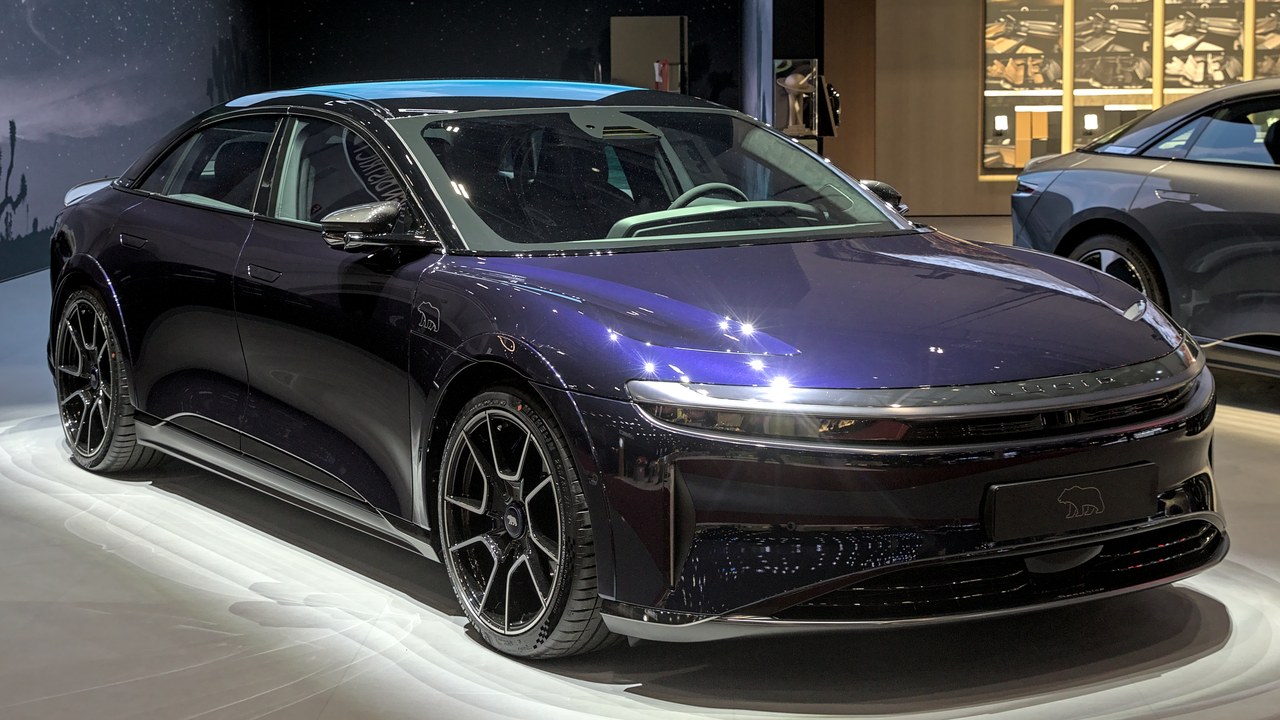
Jalopnik’s roundup of quick electric cars puts the Air Sapphire at a 1.89-second sprint to 60 mph, backed by 1,234 hp. Only the Rimac Nevera hypercar ranks ahead of it on that list, which makes the Lucid the quickest car in the group that a normal dealership-style buyer could consider.
The figure comes from a four-door luxury sedan with room for five adults, not a two-seat toy. Buyers paying Sapphire money get supercar-grade launches alongside daily usability, though insurance and tire wear will scale with that output.
2. Tesla Model S Plaid: Ludicrous Became Normal
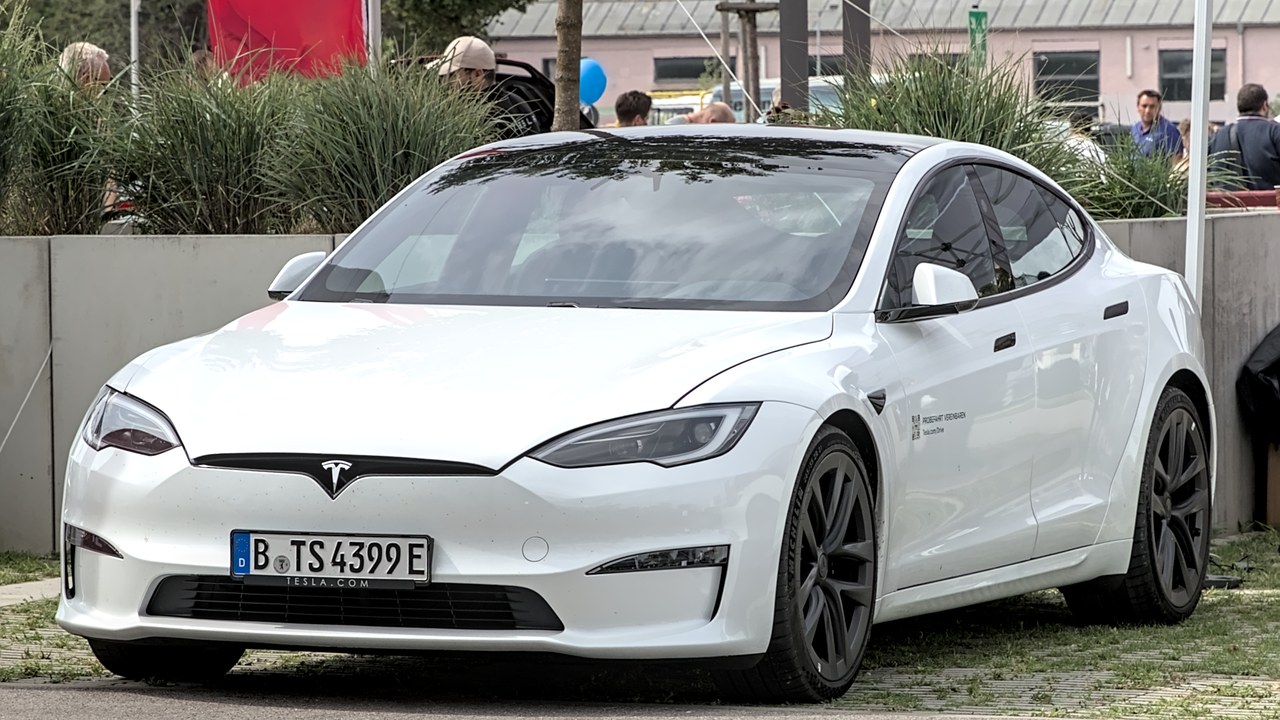
Tesla’s flagship sedan reaches 60 mph in 1.99 seconds on Jalopnik using 1,020 hp from a tri-motor layout. That puts it a tenth of a second behind the Lucid despite a lower sticker and a far larger charging network.
Real-world repeatability matters here: the quoted time depends on a prepared surface, a rolling-start adjustment and a well-conditioned battery. Owners can expect rapid, consistent acceleration, but not the headline number every time off a stoplight.
3. Porsche Taycan Turbo GT: Weissach Power
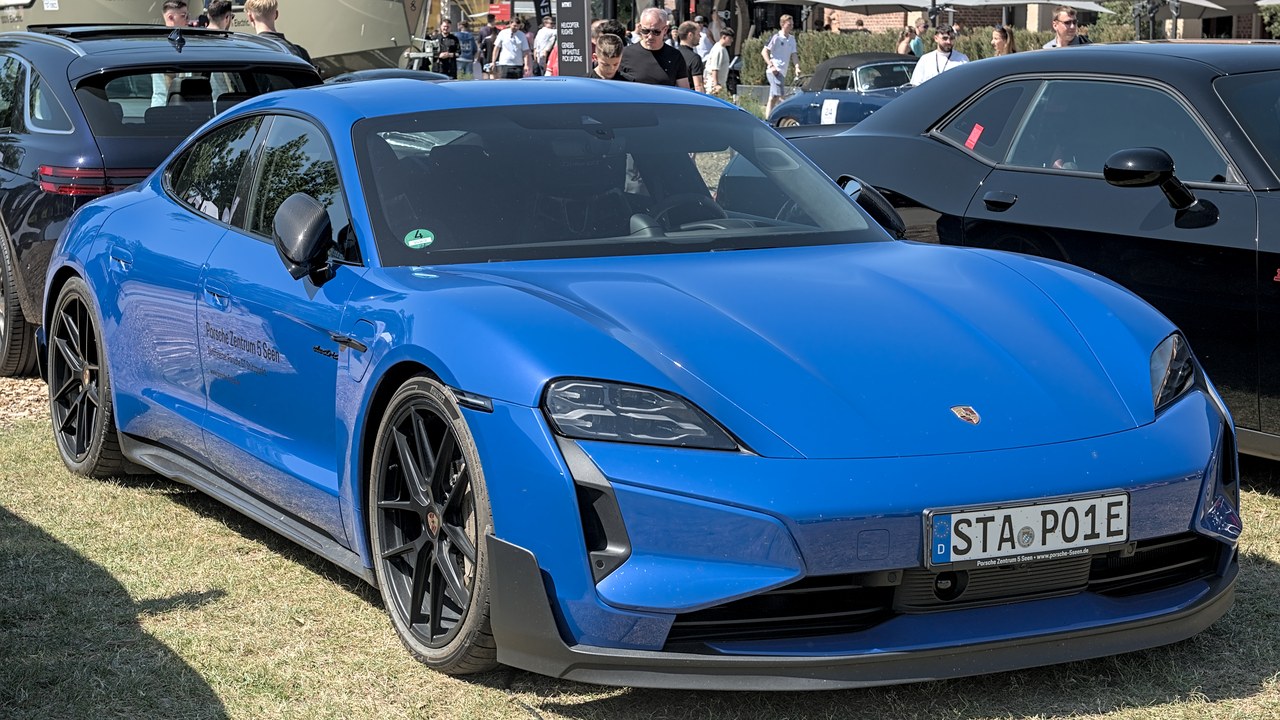
With the Weissach Package fitted, Porsche’s range-topping Taycan hits 60 mph in 2.1 seconds according to Jalopnik while making 1,019 hp. The package trims weight and adds aero, reflecting the car’s origin as a track-focused halo model.
Porsche’s edge is repeatability and handling rather than raw straight-line numbers alone, so the Turbo GT tends to hold pace through corners where heavier rivals fade. The price of that engineering is a very high entry cost, with the Weissach option adding further.
4. Hyundai Ioniq 5 N: Rally Car Energy
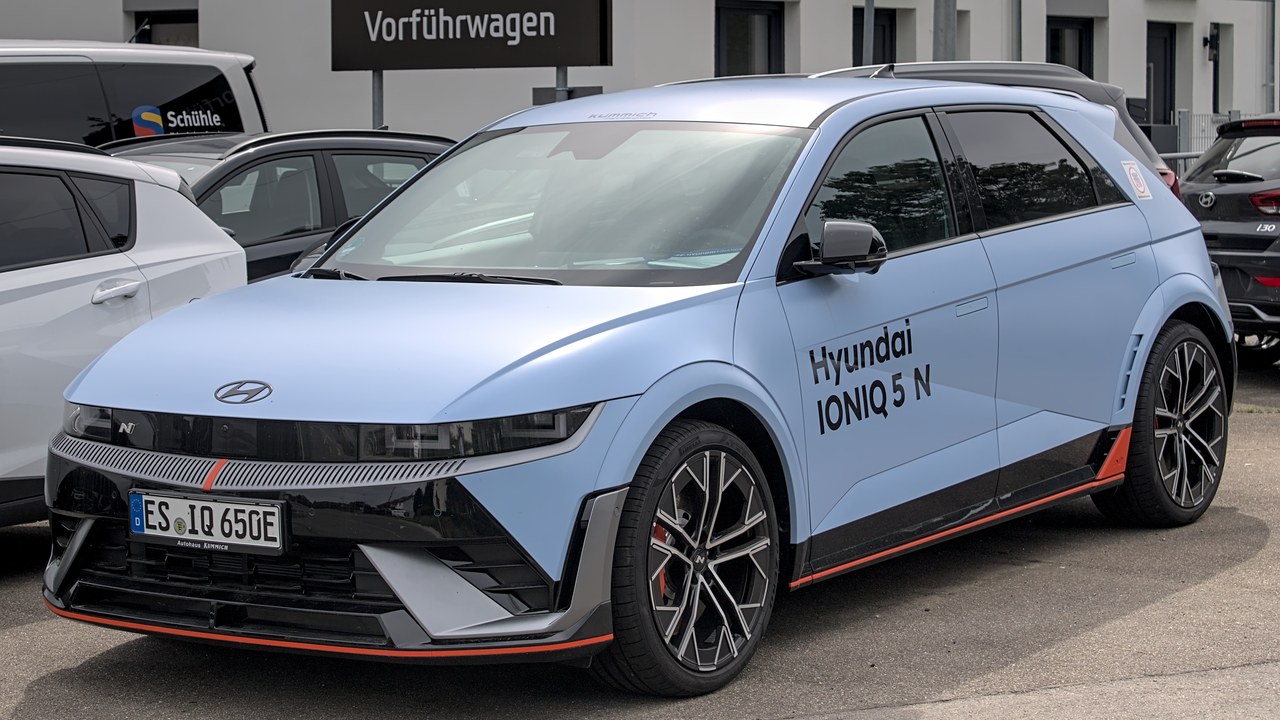
Car and Driver measured the Ioniq 5 N at 3.0 seconds to 60 mph, as cited on Jalopnik’s list, from 641 hp. The performance version of Hyundai’s hatchback adds a simulated gear-shift feature and sound, aiming to feel more like a combustion hot hatch.
As the most affordable model near the top of this ranking, it brings hypercar-adjacent acceleration to a practical five-door body. Buyers should weigh its range and heavy curb weight, which prioritize fun over distance between charges.
5. Audi RS e-tron GT: Four-Ring Grand Tourer
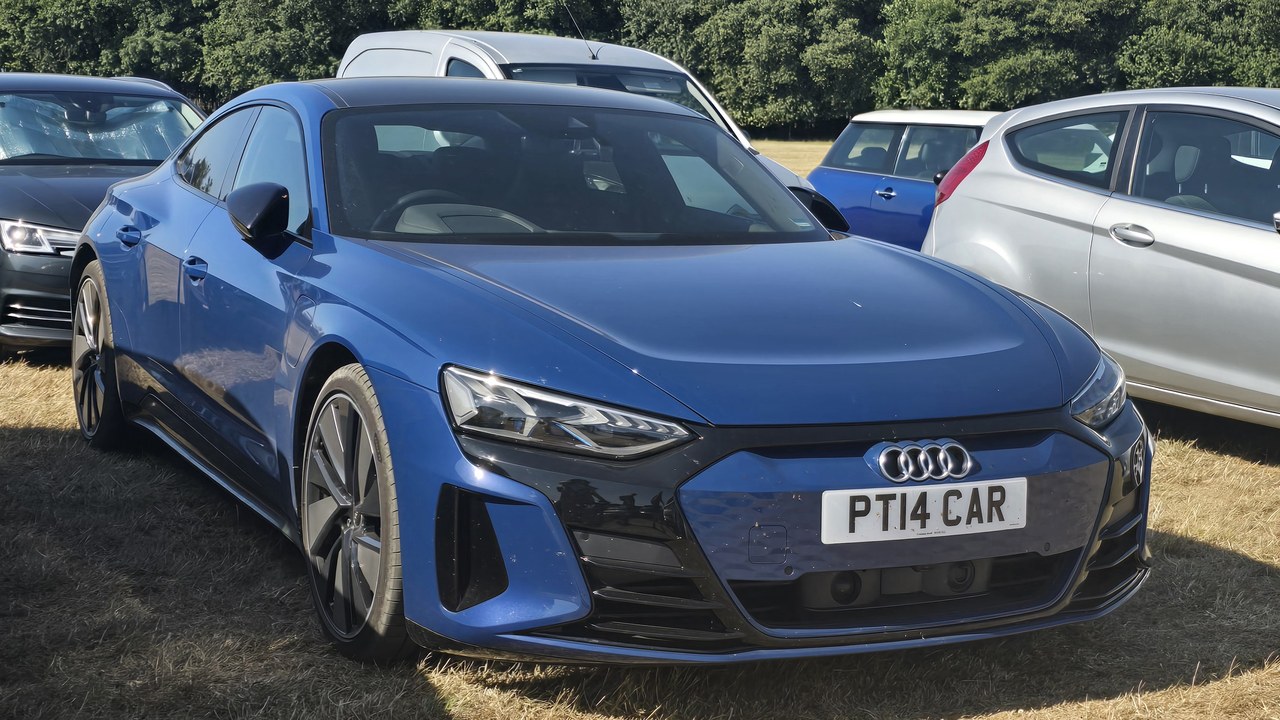
CarGurus lists the RS e-tron GT at 2.5 seconds from 0-100 km/h, a metric figure slightly quicker than a 0-60 mph time would read. It shares its platform with the Porsche Taycan and delivers the same sort of electrified punch in a sleek four-ring wrapper.
The Audi leans toward long-distance comfort, giving up a little raw edge compared with the Porsche. Buyers comparing the two should note the CarGurus number uses a different yardstick from the 60 mph times elsewhere on this page.
6. Tesla Model X Plaid: The Falcon-Wing Rocket
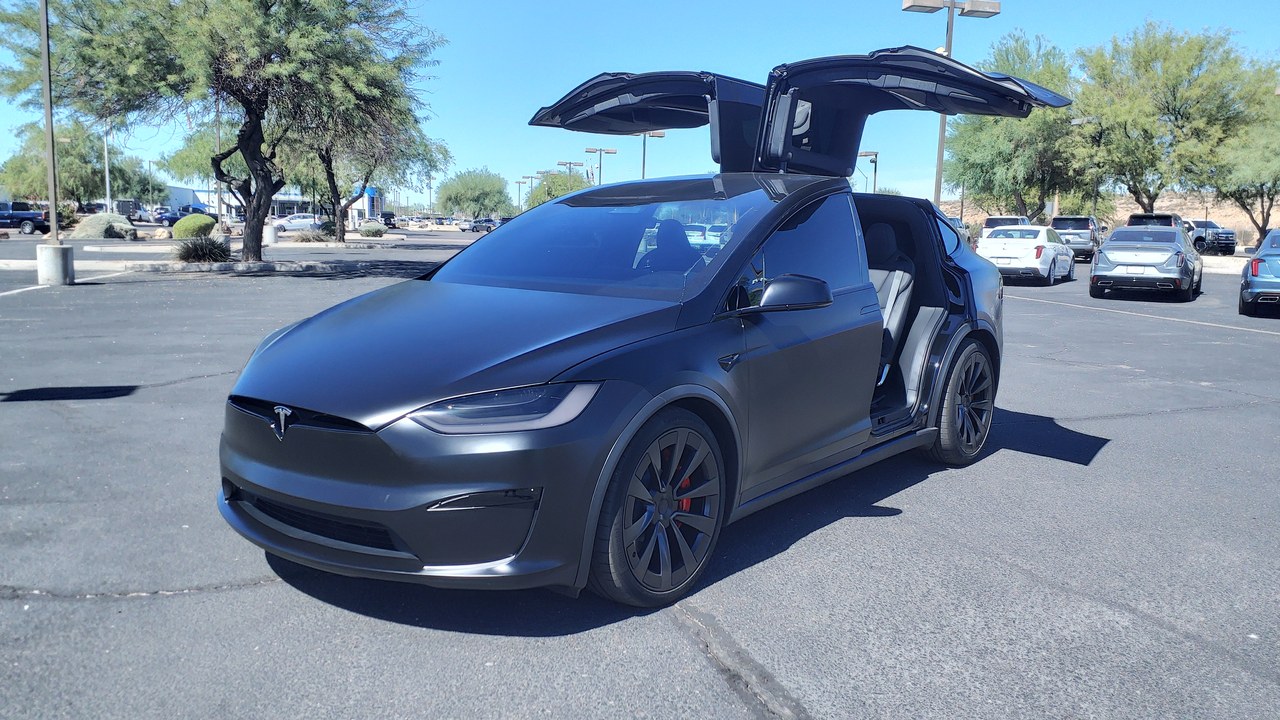
The Model X Plaid posts 2.6 seconds from 0-100 km/h on CarGurus’ list, which is remarkable for a three-row SUV with rear falcon-wing doors. Few vehicles of this size and weight get anywhere near that sprint time.
Such acceleration in a family hauler is the main selling point, and the cabin carries up to six or seven. The trade-off is a high price and efficiency that drops noticeably when drivers use the available launch performance often.
7. Rivian R1T: Pickup With a Punch
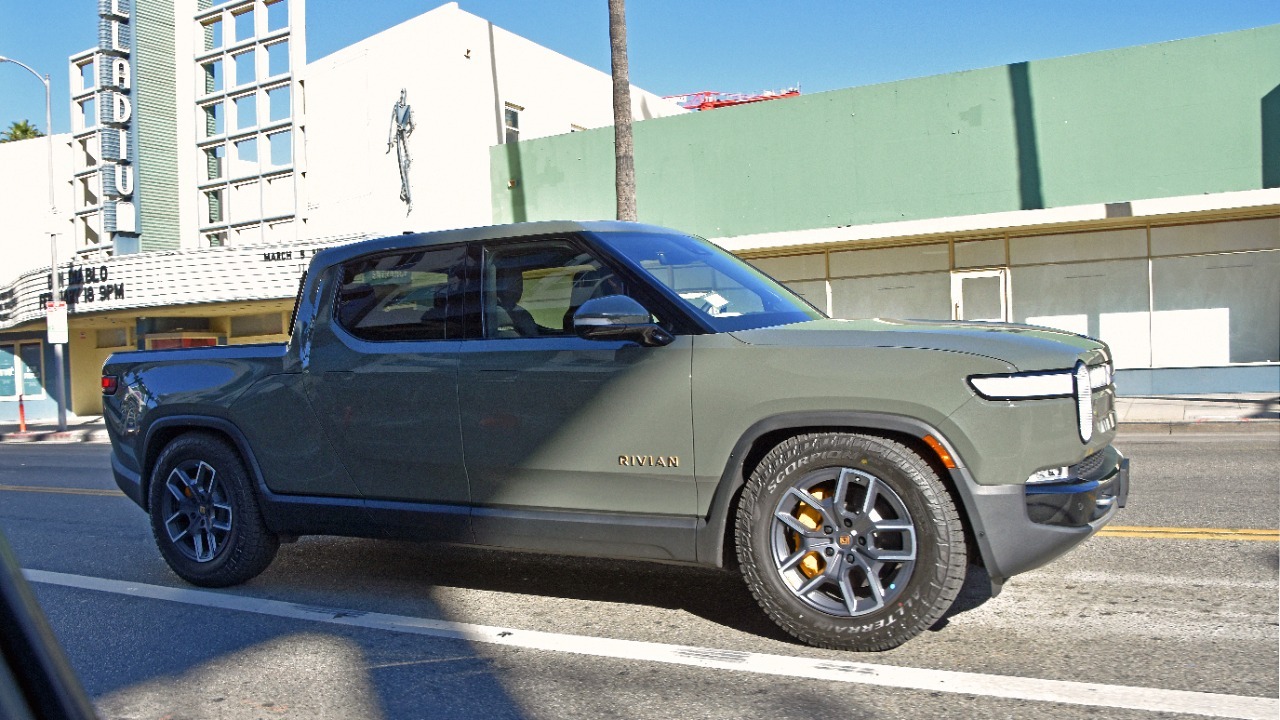
Another entry from the CarGurus list, the R1T reaches 100 km/h in 2.6 seconds for the R1T. Rivian’s quad-motor pickup combines that sprint with off-road hardware such as adjustable air suspension, an unusual mix in a truck.
Few pickups can match a performance sedan off the line while also clearing trail obstacles. Truck buyers should still consider towing range penalties and the cost of heavy, wide tires, which come with this much capability.
8. Mercedes-AMG EQS: AMG Goes Electric
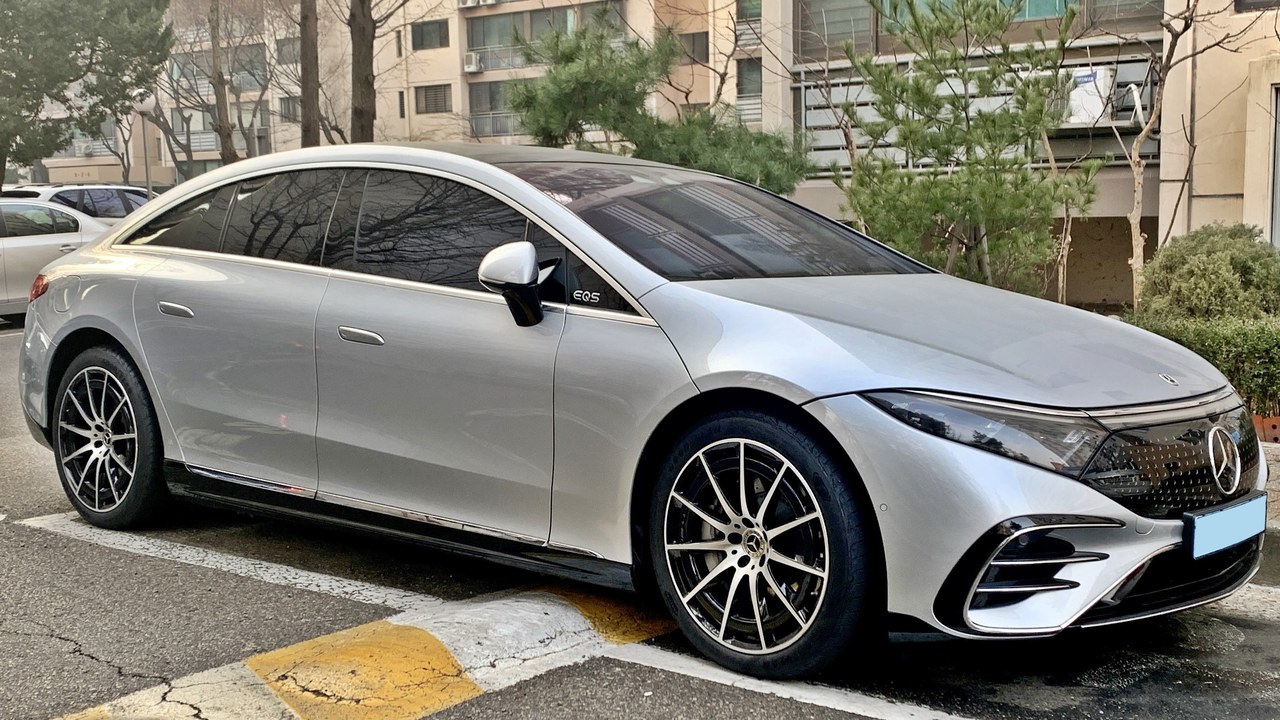
MOTORWATT records a tested 3.0 seconds to 60 mph for the AMG EQS 53, the performance trim of Mercedes’ flagship electric liftback. The tested label is notable, since several other figures in this ranking come from manufacturers.
The EQS 53 pairs that pace with a quiet, plush ride and luxury equipment, so it reads as a limousine that can embarrass sports cars. Shoppers wanting maximum drama may prefer a rival, while those valuing comfort will find it appealing.
9. Tesla Model 3 Performance: The Everyday Rocket
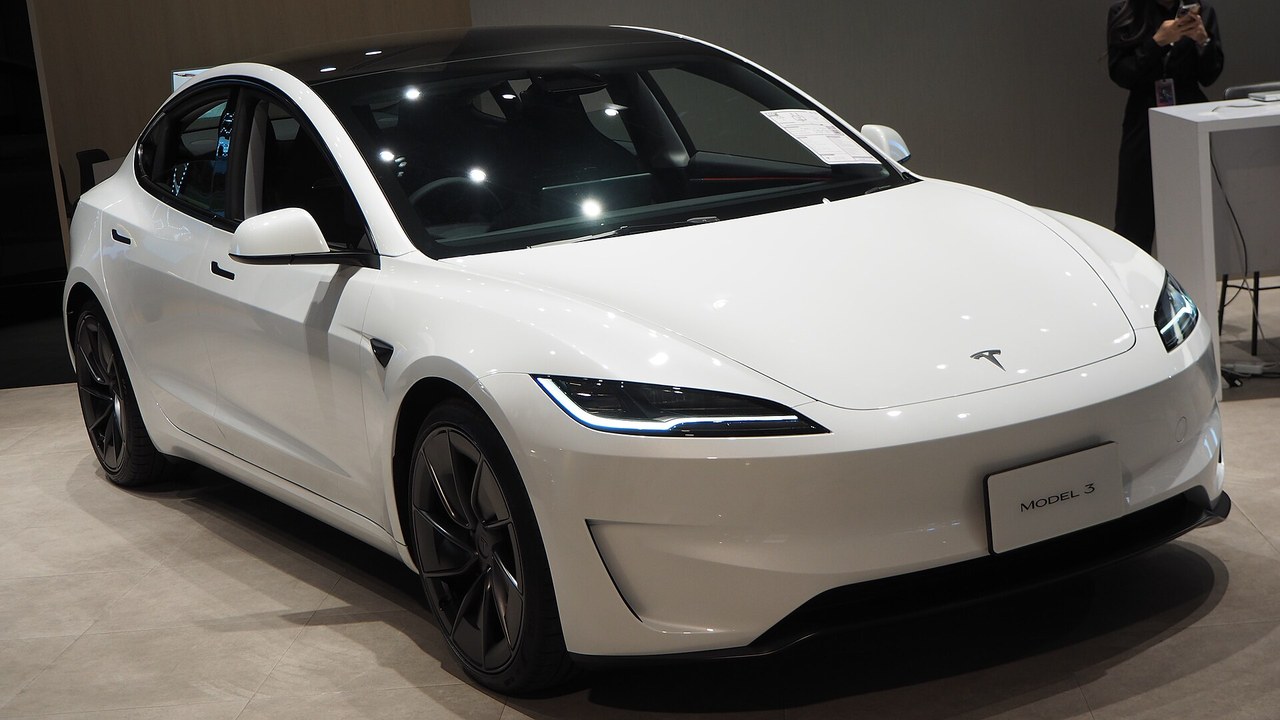
Tesla lists the Model 3 Performance at 3.1 seconds to 60 mph from 510 hp, a manufacturer figure, for $49,990. That makes it the cheapest route into this quickness tier, undercutting most others on the list by a wide margin.
The value case is stark: sub-3.5-second acceleration normally costs far more. Because the time is a manufacturer claim, independent testing may land a bit slower, but the car should still outpace most gas sports cars.
10. Kia EV6 GT: Grand Touring Grunt
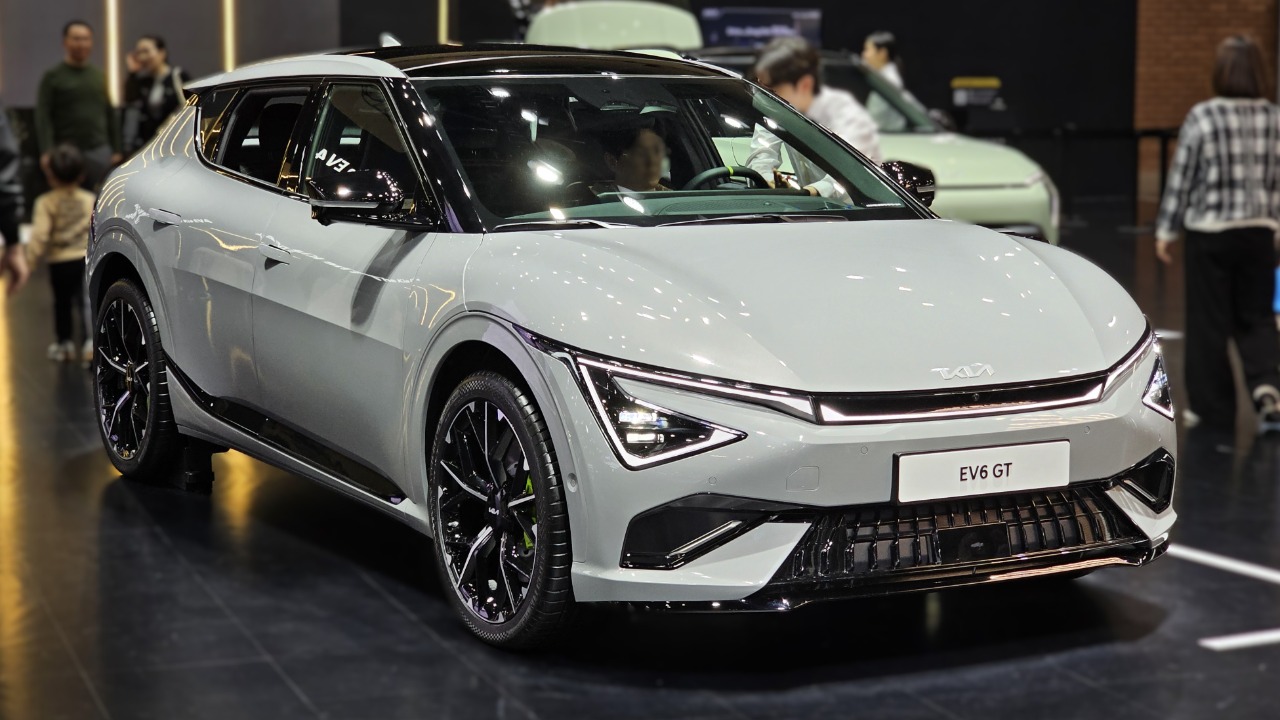
Kia’s EV6 GT gets to 60 mph in 3.4 seconds per MOTORWATT using 576 hp, according to the manufacturer. The GT trim adds a drift mode and sport-tuned suspension, reflecting its sibling relationship with the Ioniq 5 N.
It sits near the middle of this ranking but offers unusually quick charging architecture, shortening road-trip stops. Buyers get crossover practicality with real performance, though the ride is firmer than the standard EV6.
11. Tesla Model Y Performance: Performance for the Masses
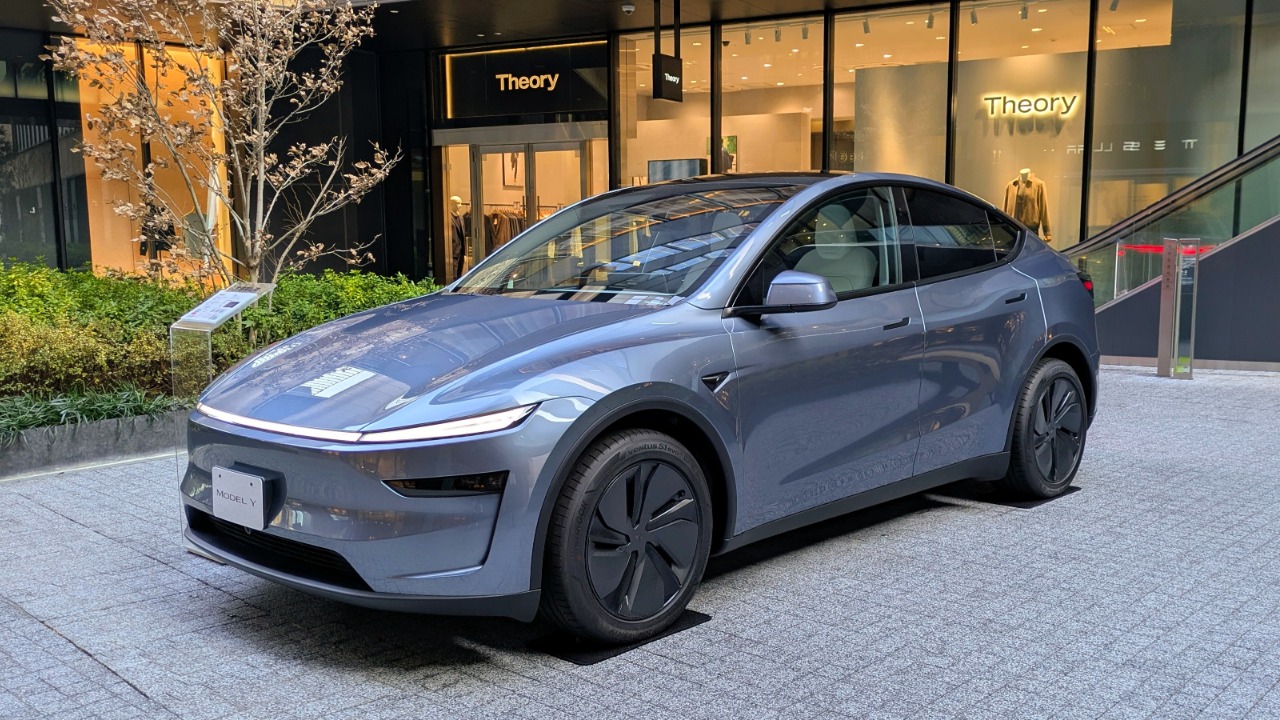
MOTORWATT lists the Model Y Performance at 3.5 seconds to 60 mph, a manufacturer number, starting from $52,490. Tesla’s crossover is among the best-selling electric vehicles, and this trim adds serious speed to that formula.
A compact SUV that outruns most sports cars is a rare thing, and it offers cargo space and a large charging network. Expect a stiff ride in return, and treat the quoted time as a best case rather than an everyday result.
12. Volvo EX30: Small Crossover, Big Launch
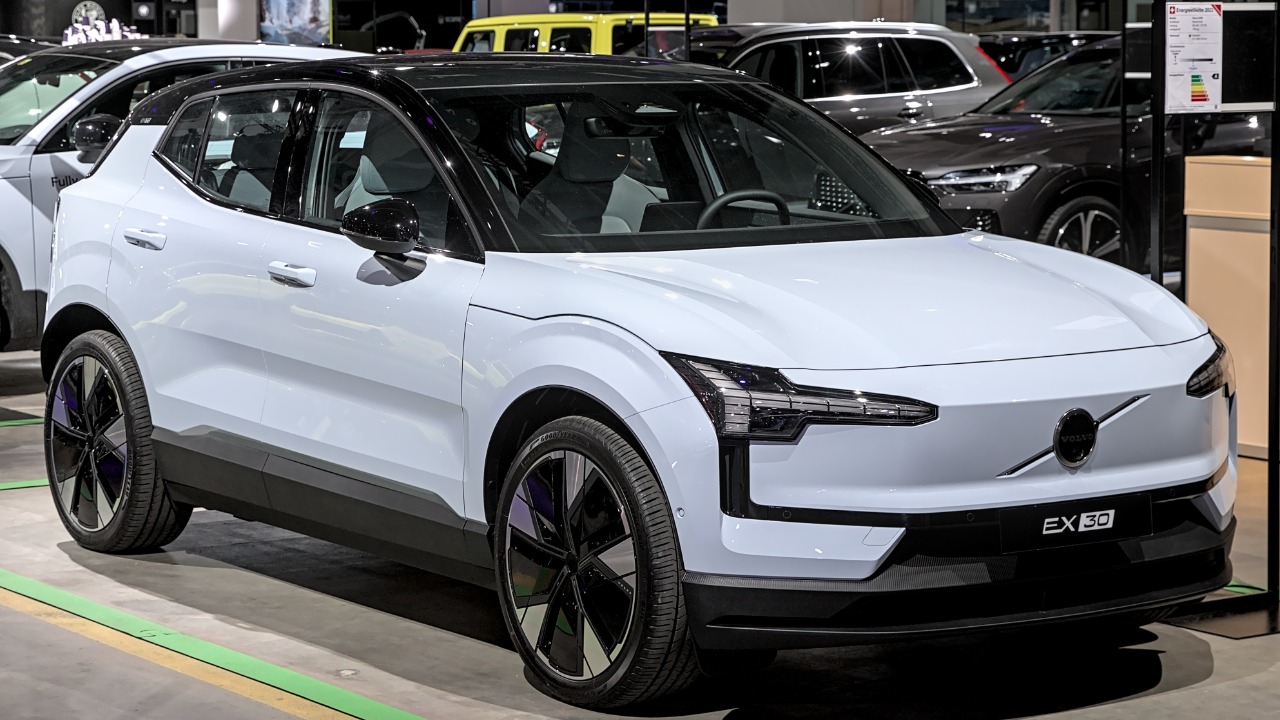
CarGurus lists the EX30 at 3.6 seconds from 0-100 km/h, a surprising number for Volvo’s smallest SUV. It rounds out the ranking with the lowest-priced, most compact body style, proving that quickness is no longer limited to large cars.
Shoppers wanting a city-friendly size can still have a vehicle that beats many performance cars. The caveat is that the figure applies to the dual-motor version, so cheaper single-motor trims will be noticeably slower.
More from Morning Overview
- Doctors warn a silent liver disease now affects one in three American adults
- The FBI told the rest of ShinyHunters to surrender after a 24-year-old was arrested
- Two passengers died at an Ohio toll plaza, and the NTSB now wants the cash lanes shut
- Long use of a common prostate pill is tied to a higher chance of glaucoma
