
Acceleration once belonged to low-slung sports cars, but tall, heavy family vehicles now post launch times that rival them. Electric torque, supercharged V8s and all-wheel drive explain much of the shift, and the quickest examples come from very different corners of the market. Here are twelve SUVs that reach 60 mph in 3.6 seconds or less.
1. Rivian R1S: Quad-Motor Quickness
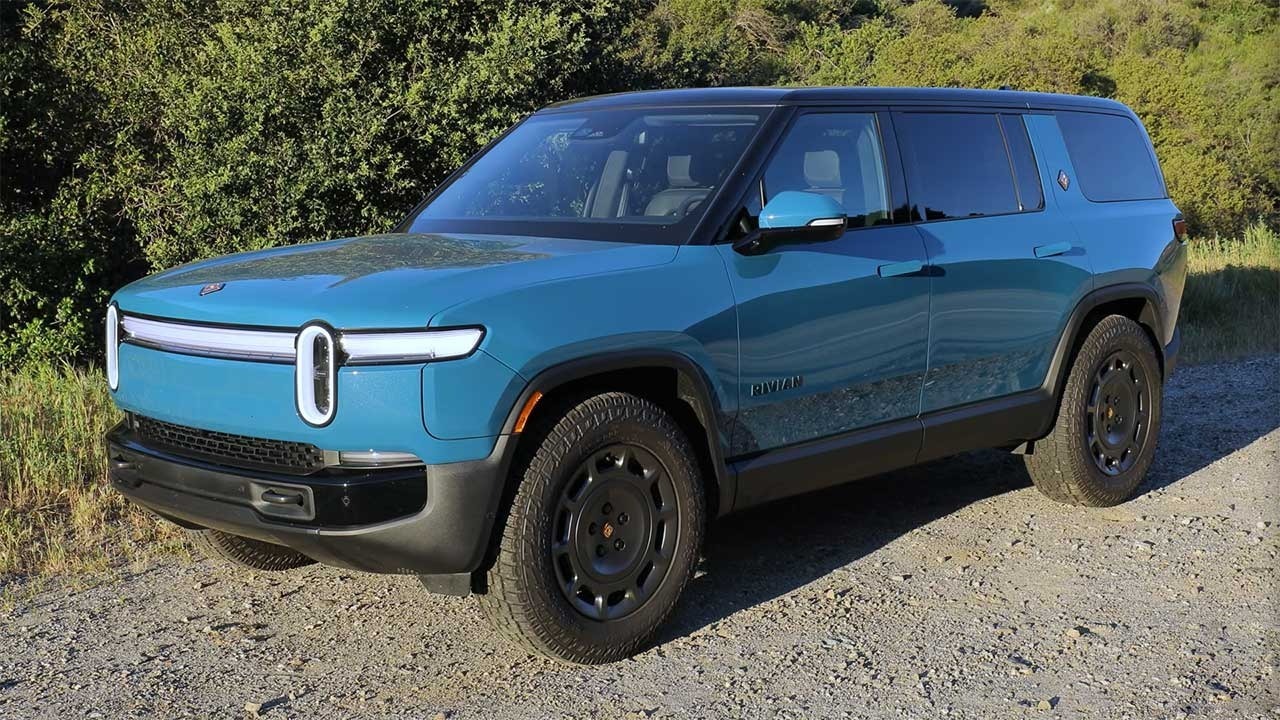
With four motors, one at each wheel, the Quad-Motor R1S reaches 60 mph in 2.6 seconds, the quickest time on this list, according to Jalopnik’s quickest-EV list.
That figure belongs to the top trim only. Cheaper R1S versions with fewer motors are slower, so a buyer chasing the headline number must order the Quad-Motor configuration specifically. Rivian’s separate dual-motor and tri-motor setups trail it, so the exact configuration matters when comparing against rivals tested elsewhere.
2. Porsche Cayenne Turbo GT: Coupe Beats Supercars
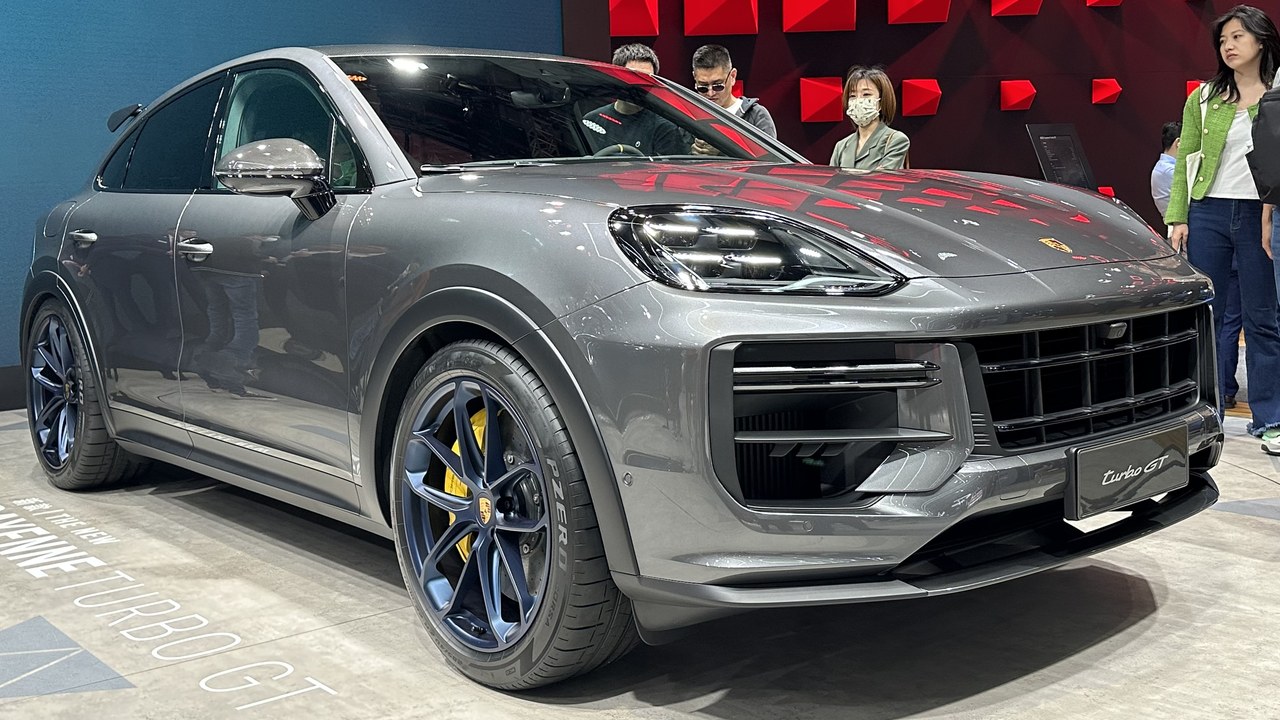
MotorTrend clocked the Coupe body at a 2.9-second run to 60 mph, quicker than most dedicated sports cars, and the Turbo GT is the hottest Cayenne ever sold.
The time is for the sleek Coupe, so the standard-roof wagon should not be assumed to match it. Buyers should confirm body style, trim and tester before quoting the number. For context, that pace puts a roughly two-ton, five-seat vehicle ahead of many cars built purely for lap times and launch-control bragging rights.
3. Lamborghini Urus: Italian Bull Off the Line
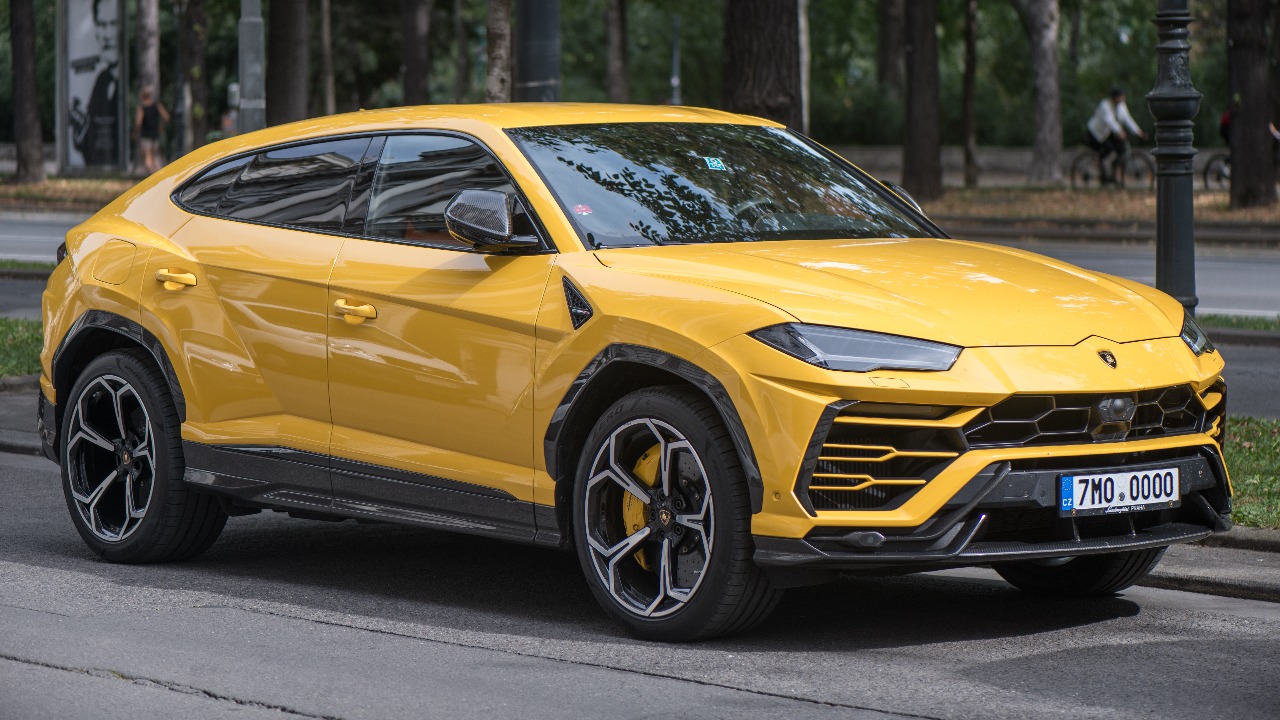
The Urus has become the reference point for super-SUV acceleration, and MotorTrend recorded a 3.00-second run to 60 mph.
A twin-turbo V8 and all-wheel drive handle traction well at launch. The figure is one outlet’s test result, and surface, weather and driver can each move a time by a tenth of a second or so. Lamborghini has since added hybrid and facelifted variants, but the sprint cited here is the figure the source attributes to the Urus in its tested form.
4. Aston Martin DBX707: British Brute
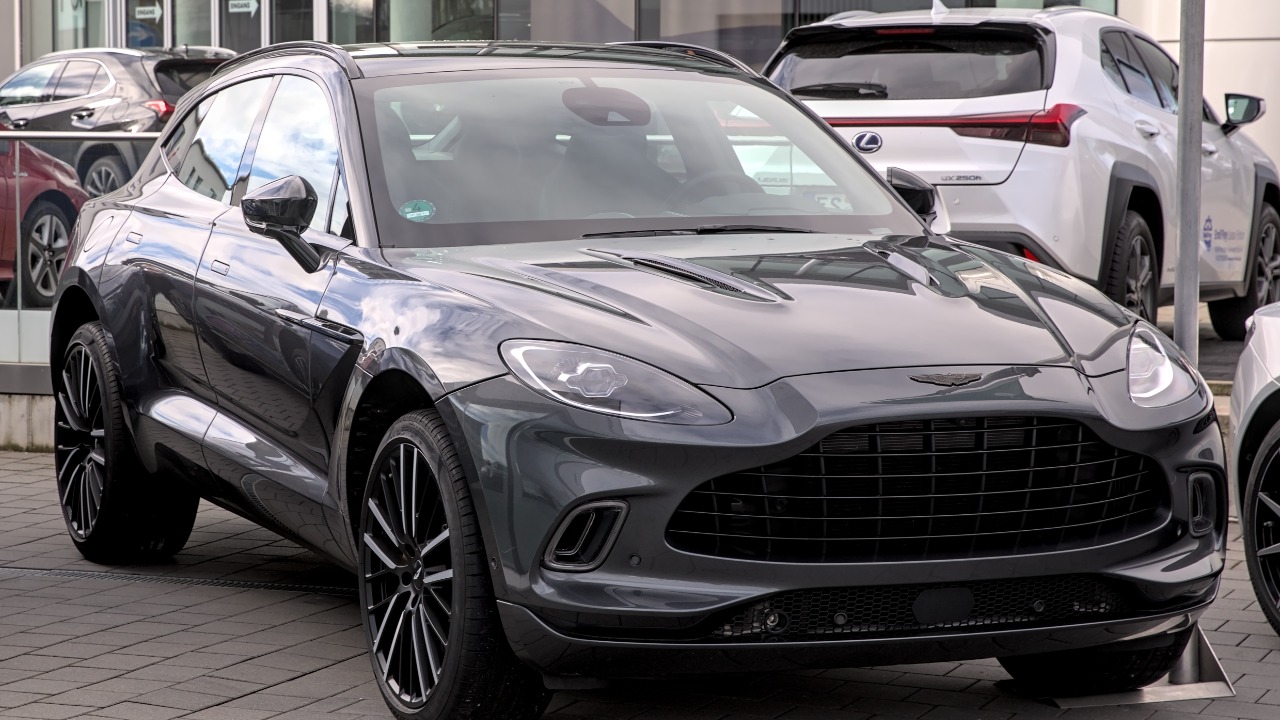
Aston Martin’s flagship SUV reached 60 mph in Car and Driver’s 3.10 seconds, a result that owes much to a heavily tuned twin-turbo V8.
The 707 in the name refers to horsepower in metric terms. The sprint comes from a conventional gasoline engine and an eight-speed automatic, without any electrification, which suits buyers who want combustion drama. Its rivals at this price tend to quote similar numbers, so the DBX707 stands out chiefly for its character, its cabin and the badge on the nose.
5. Porsche Macan Turbo: Electric Macan Surprises
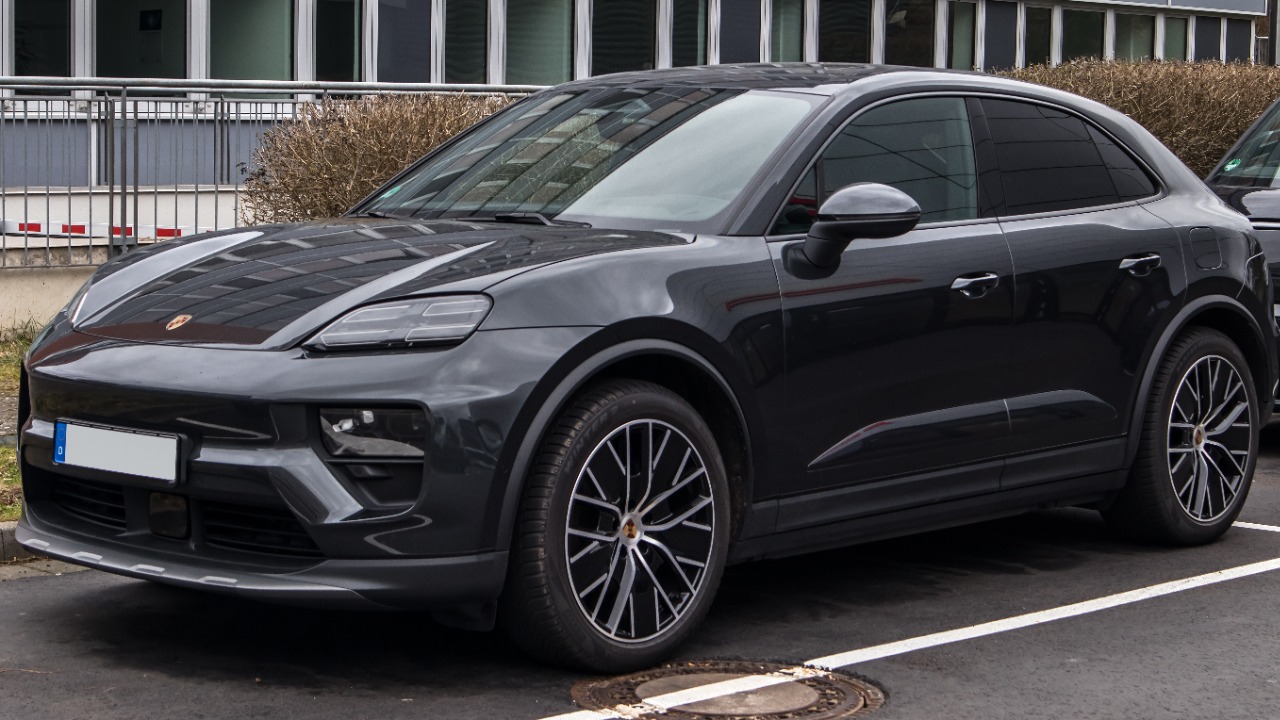
The electric Macan Turbo reaches 60 mph in 3.1 seconds with 630 hp in overboost, as listed in Motor1’s fastest-SUV roundup.
The 630 hp applies only in overboost, a temporary launch mode, so sustained output is lower. The quoted time also assumes a healthy, warm battery, which an owner will not always have on a cold morning. Porsche’s electric platform also allows quick repeat launches without the heat soak that slows combustion rivals, a practical edge for track days.
6. Ferrari Purosangue: Ferrari’s V12 Family Hauler
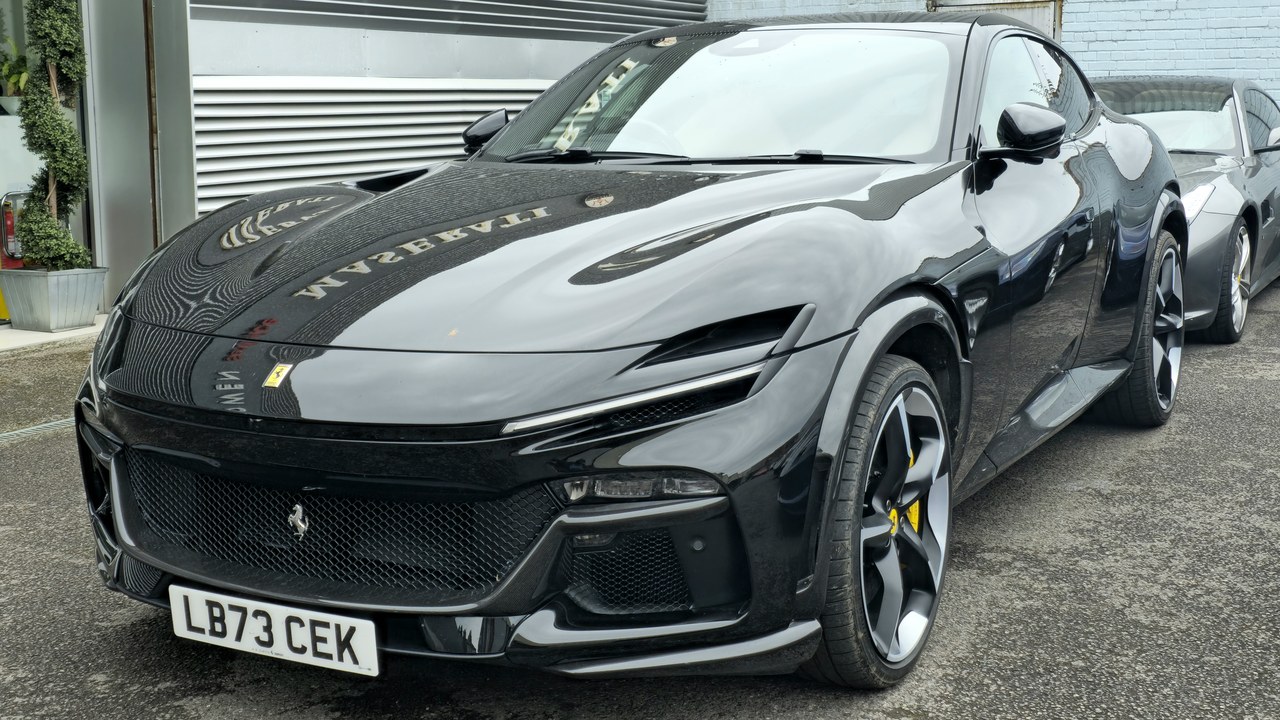
Car and Driver measured 3.2 seconds to 60 mph from the 715-hp V12 in Ferrari’s first four-door, four-seat utility vehicle.
Few SUVs use a V12, and the Purosangue delivers its speed through a high-revving engine instead of turbo or electric shove. The price reflects that, so the figure matters mostly to those already at that budget. Four real seats and a usable rear cargo area separate it from the two-door supercars that otherwise share its engine layout and Maranello heritage.
7. Jeep Grand Cherokee Trackhawk: Hellcat Power in a Jeep
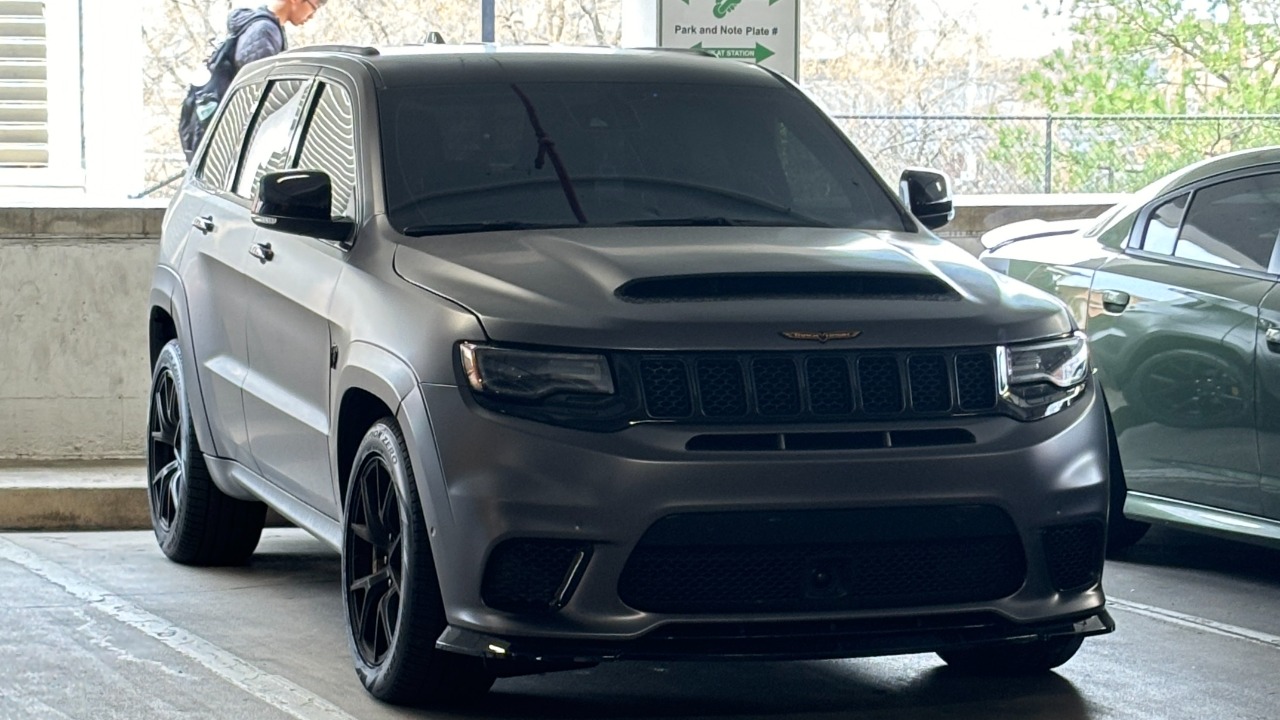
The Trackhawk dropped a supercharged Hellcat V8 into a Grand Cherokee, and MotorTrend timed the 2018 model at 3.30 seconds to 60 mph.
That made it one of the quickest family-sized SUVs of its day, and used examples remain sought after. Fuel consumption and tire wear are heavy, so the performance comes with a real running cost. Insurance and parts costs are also steep, which helps explain why clean Trackhawks hold their value better than ordinary Grand Cherokees of similar age.
8. Ford Mustang Mach-E GT: Electric Pony Grows Up
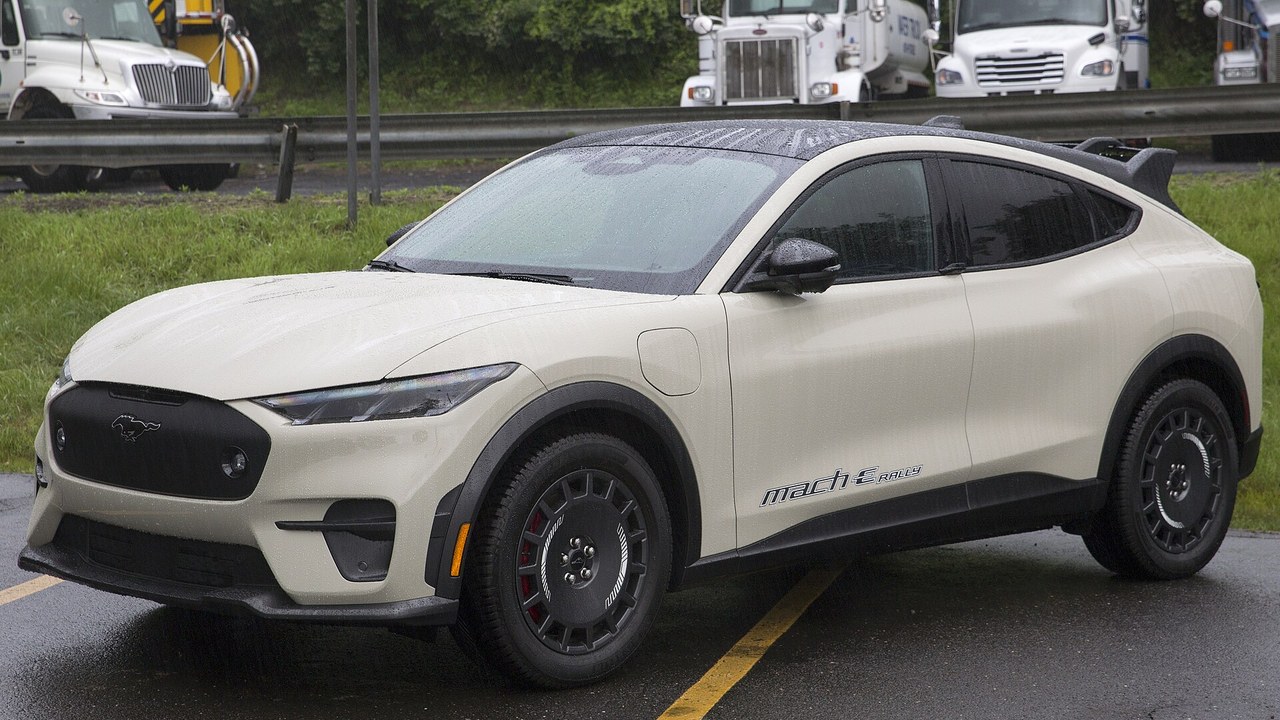
Motor1 lists the Mach-E GT at 3.3 seconds to 60 mph, aided by dual motors and instant torque.
This is the most attainable vehicle on the list in price terms. For an owner, daily range and charging convenience will matter more than the sprint, though the quickness is a useful bonus in traffic. Ford also sells slower Mach-E trims for far less money, so the 3.3-second time should be read as the ceiling of the range, not its typical car.
9. Dodge Durango SRT Hellcat: Three-Row Hellcat
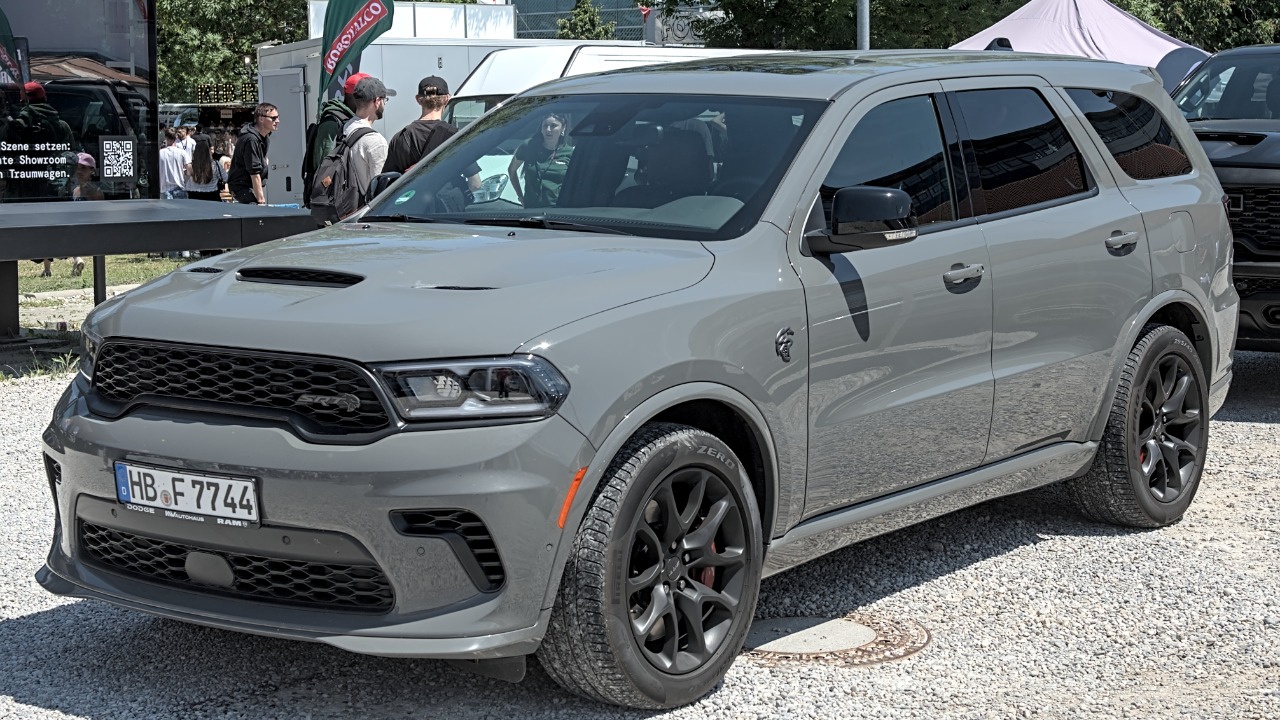
MotorTrend timed the 2021 Durango SRT Hellcat at 3.40 seconds to 60 mph, a startling result for a three-row vehicle, powered by a supercharged 6.2-liter V8.
Families that want seven seats have almost no rival for acceleration. Fuel economy and tire wear are the trade-off, and the figure applies to the Hellcat trim rather than lesser Durangos. Dodge sells lesser Durango trims with V6 or Hemi power, none of which come close, so the Hellcat badge is the part of the range that matters here.
10. Mercedes-AMG GLC 63 S E Performance: Plug-In Hybrid Punch
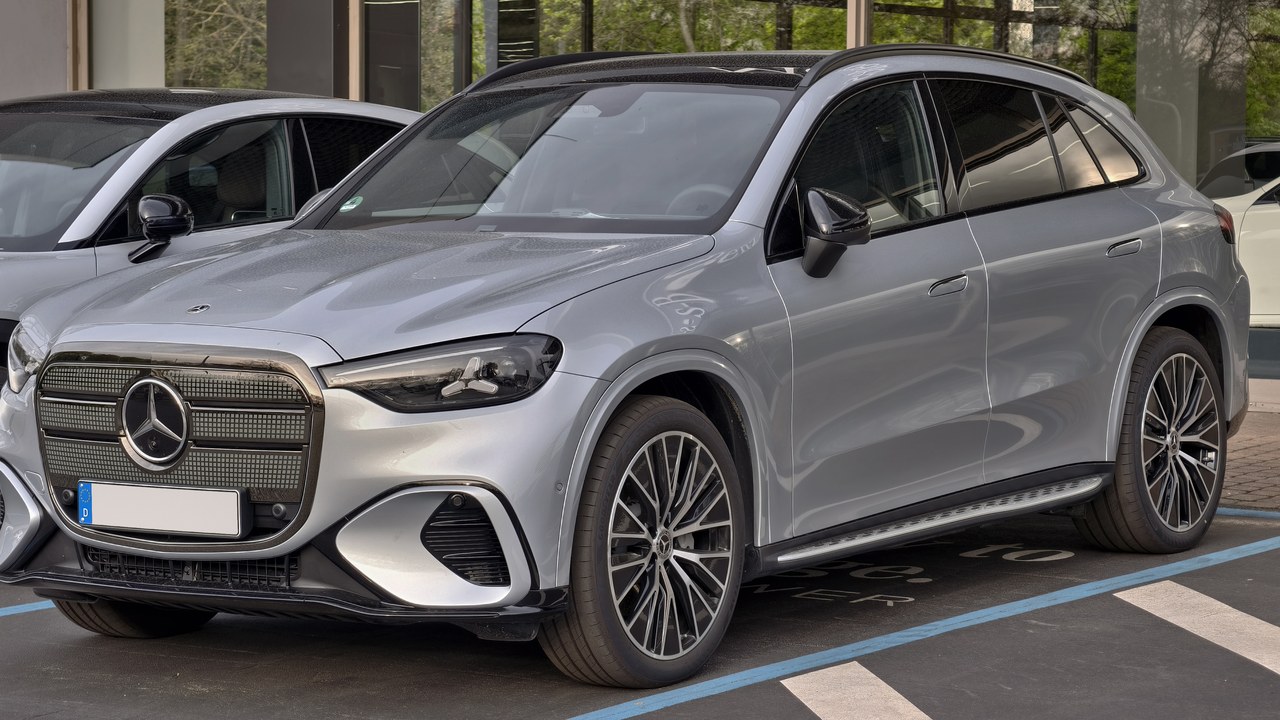
Motor1 lists the plug-in hybrid AMG at 3.4 seconds to 60 mph, with an electric motor supplying instant torque at launch beside a gasoline engine.
The quoted time presumes a charged battery, so quickness fades once the pack is depleted. Owners get a quick, compact luxury SUV, but should plug in regularly to see that performance. Mercedes also sells slower GLC variants, and the AMG badge plus the E Performance tag identify the specific powertrain behind the figure quoted by the source.
11. Tesla Model Y Performance: Mainstream Speed
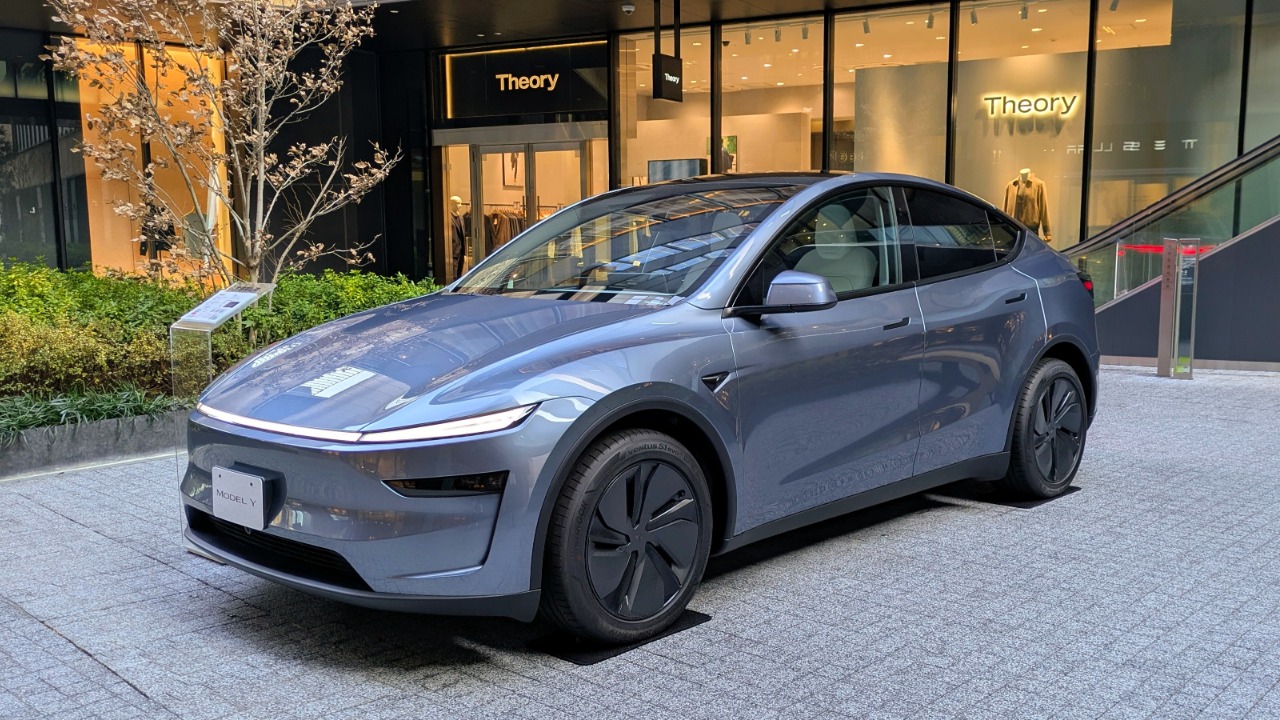
Motor1 lists a 3.5-second sprint to 60 mph for the dual-motor Model Y Performance, which is far more accessible than the exotic names above it.
The quickness requires no special launch skills beyond pressing the pedal. The appeal for a buyer is that the Performance trim delivers supercar-adjacent acceleration at a mainstream price, in a practical family body. Tesla also offers cheaper single-motor and dual-motor Long Range versions, which trail it by a noticeable margin, so the Performance label is the one to specify.
12. BMW iX M60: Quiet Big Hitter
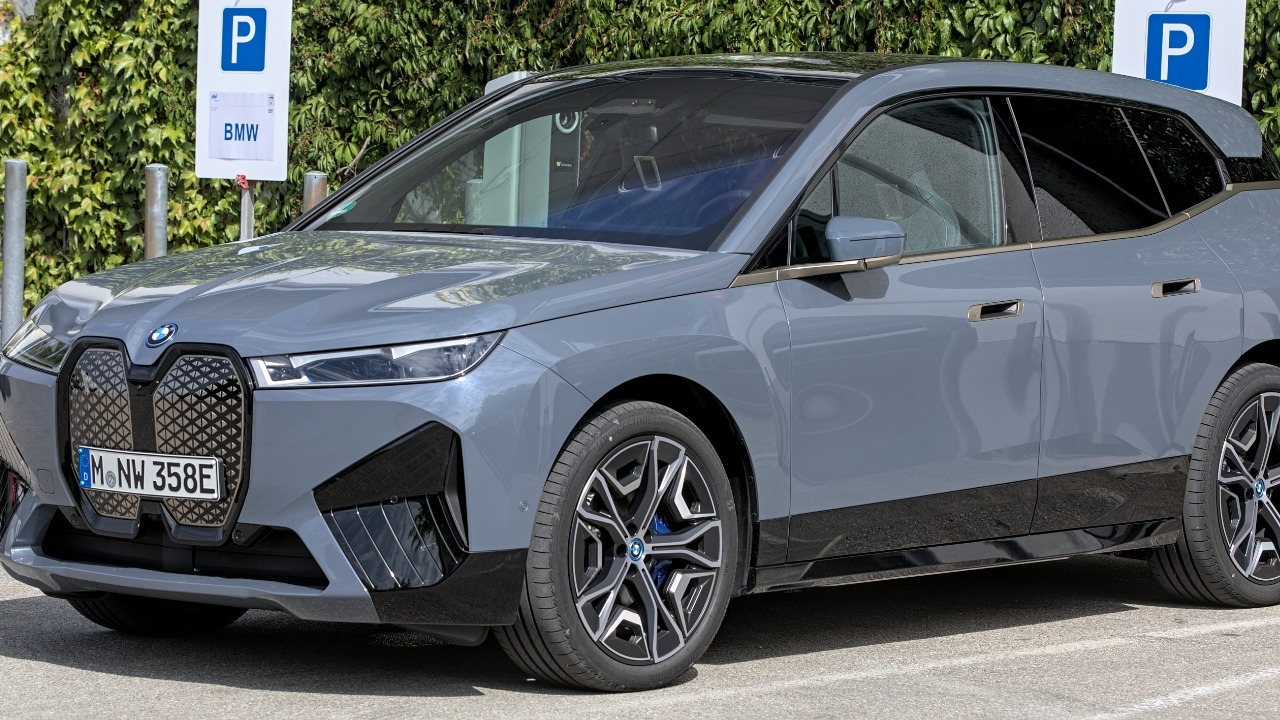
MOTORWATT lists a tested 3.6 seconds to 60 mph for the iX M60, the slowest entry here and the one that sets the cutoff, with 610 hp from two motors.
The iX is a large, quiet luxury crossover, so the number is striking because few buyers expect that launch from something so calm. It still clears the 3.6-second line, which is why it earns a place. BMW also sells the cheaper iX xDrive50, which is slower, so the M60 designation is the version that qualifies for this list under the stated cutoff.
More from Morning Overview
- Seven of Earth’s nine planetary boundaries are breached, and all seven are worsening
- The NSA says three phone features should be off whenever you aren’t using them
- Hurricane Hunter radar shows four warning signs that a tropical cyclone is about to strengthen, a University of Miami study found
- Tropical Storm Rachel is dumping up to 12 inches on four Mexican states on its way to major hurricane strength
