
Edmunds publishes a range leaderboard that pits each tested electric vehicle against its EPA rating, and the gaps are often larger than expected. Heavy luxury SUVs, trucks and compact sedans all appear among the over-performers. Here are twelve EVs that went farther in Edmunds’ own testing than the federal label said they would.
1. Cadillac Escalade IQ: Biggest Gap in Miles
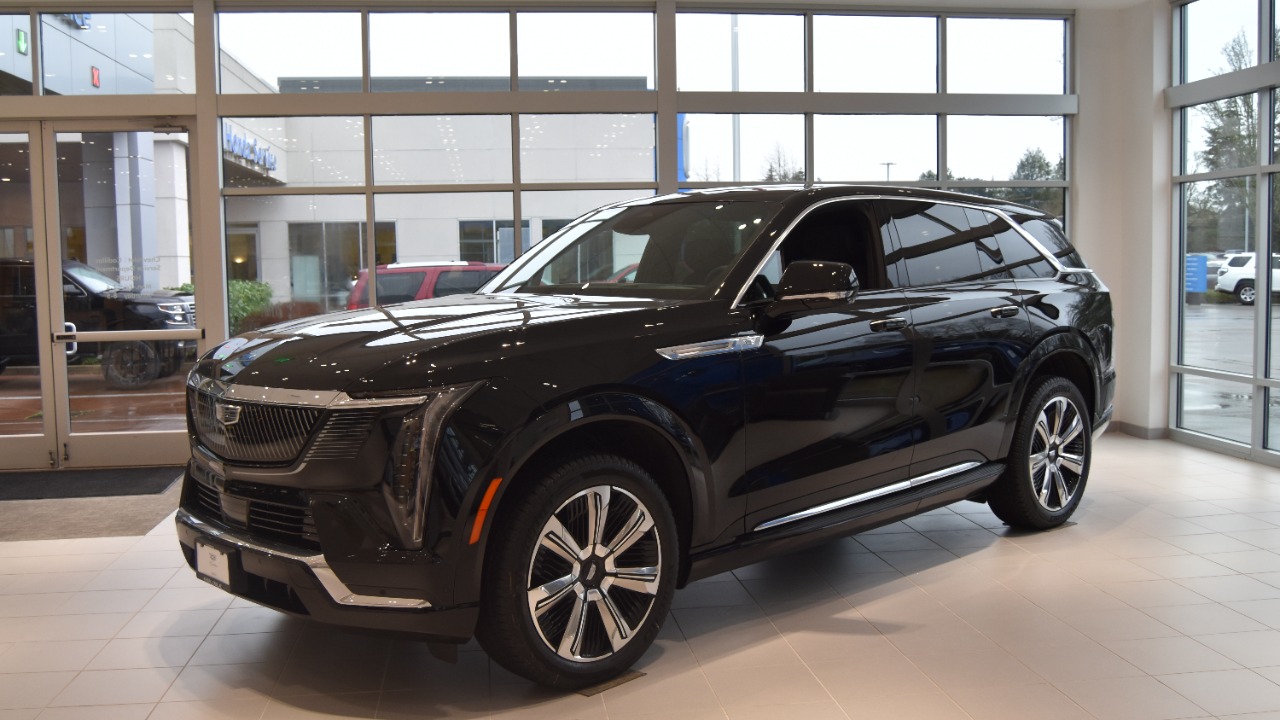
Edmunds ran the 2025 Escalade IQ for 558 miles on a single charge, which is 93 miles more than its 465-mile EPA estimate and the largest absolute margin on the board. That works out to roughly 20 percent beyond the sticker, an unusual result for a vehicle this heavy. The figure comes from the Edmunds EPA comparison of its own highway-heavy loop against federal ratings.
For owners of a full-size electric SUV, the practical takeaway is a bigger cushion on long drives than the window sticker implies. Edmunds’ loop is a controlled test, so towing, cold weather and sustained high speeds would still cut into that total.
2. Mercedes-Maybach EQS SUV: Largest Percentage Overshoot
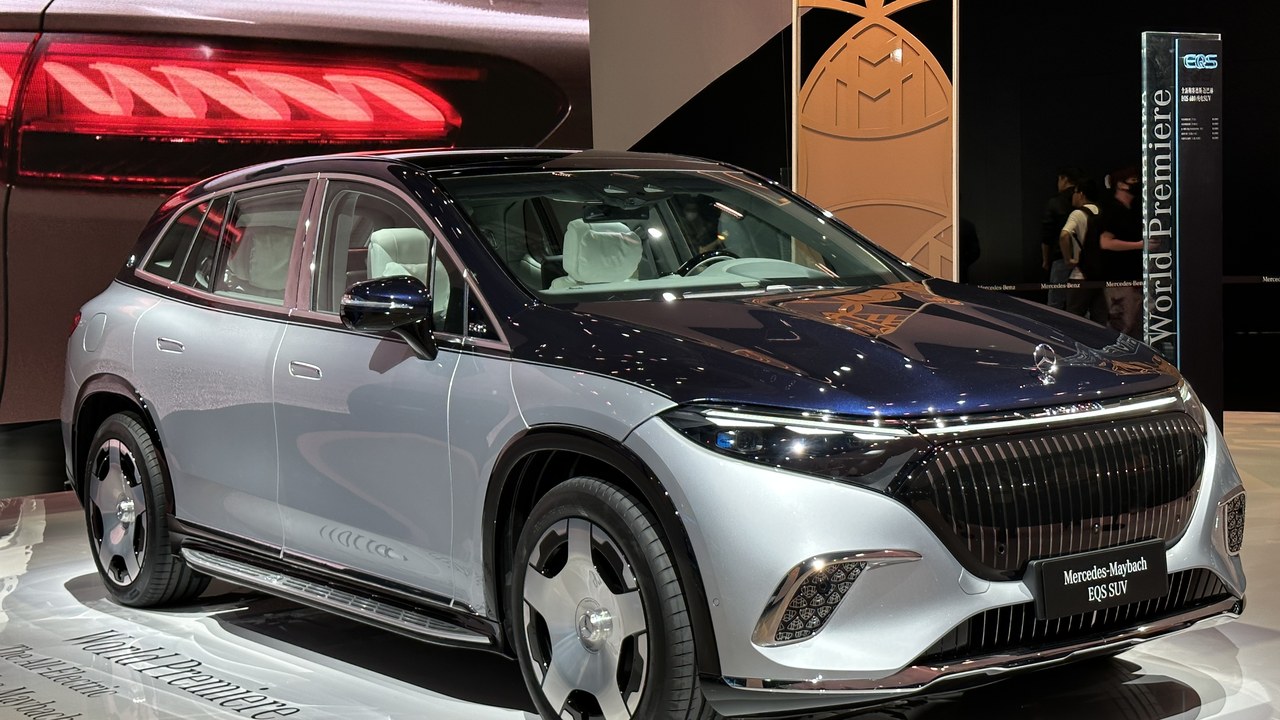
The EQS SUV 680 in Maybach trim went 368 miles in Edmunds testing against a 280-mile EPA rating, an 88-mile surplus. That 31.3 percent overshoot is the widest percentage gap on Edmunds’ board. Low EPA numbers for the most luxurious trims often reflect big wheels and heavy equipment, so the tested range figures show how conservative the federal label can be.
Buyers shopping at this price level can treat the label as a floor rather than a forecast. The caveat is that the result applies to one test vehicle on Edmunds’ route, and real driving with aggressive speeds or winter temperatures would narrow the margin.
3. Chevrolet Silverado EV: Pickup With Room to Spare
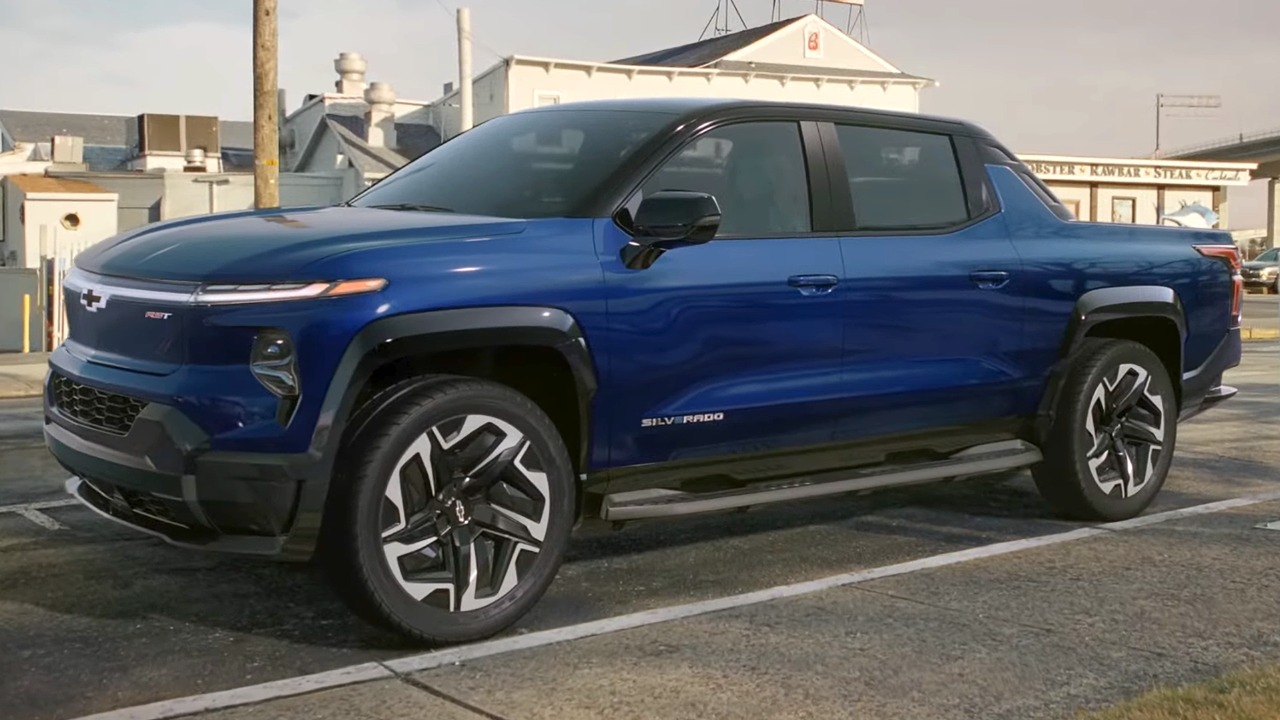
The 2025 Silverado EV WT covered 539 miles in Edmunds’ test, against a 492-mile EPA rating, a 47-mile cushion. Few electric vehicles of any type exceed 500 miles, so the pickup clears that mark with its huge battery pack. Edmunds’ EV range leaderboard lists it among the longest-legged vehicles it has tested.
For truck shoppers who worry about range anxiety, the result suggests the rated number is achievable without hypermiling. Hauling a trailer or loading the bed would cut it sharply, so the 539 miles describes an unladen highway-style run.
4. GMC Hummer EV: Off-Road Brick Goes Far
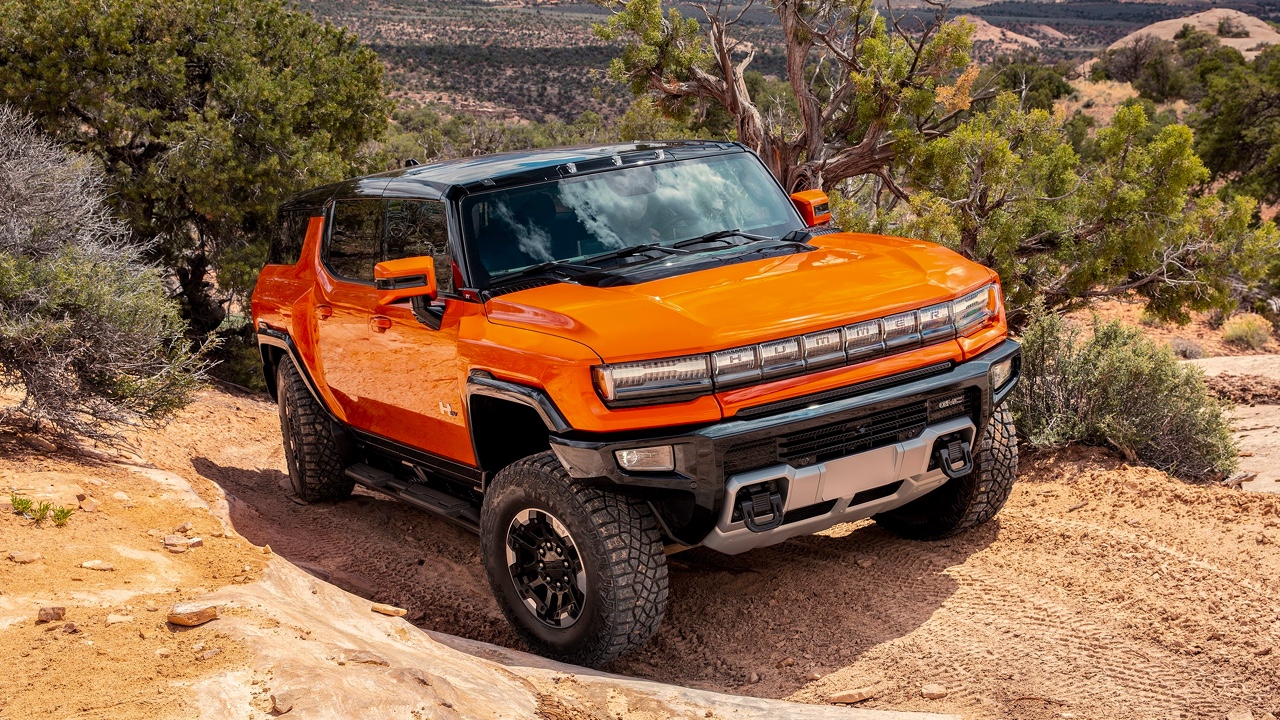
The 2023 Hummer EV pickup ran 390 miles in Edmunds’ test, 61 miles past its 329-mile EPA figure. A vehicle that weighs well over four tons seems an unlikely candidate to beat its label by almost a fifth. Edmunds’ range test results show the battery’s large capacity more than offset its aerodynamic and weight penalties.
Owners of the Hummer can expect to beat the sticker in steady driving, though the figure applies to the 2023 truck as tested. Off-road use, fast charging stops and cold weather are all likely to pull real-world numbers back toward or below the EPA rating.
5. BMW iX: Big Crossover, Bigger Range
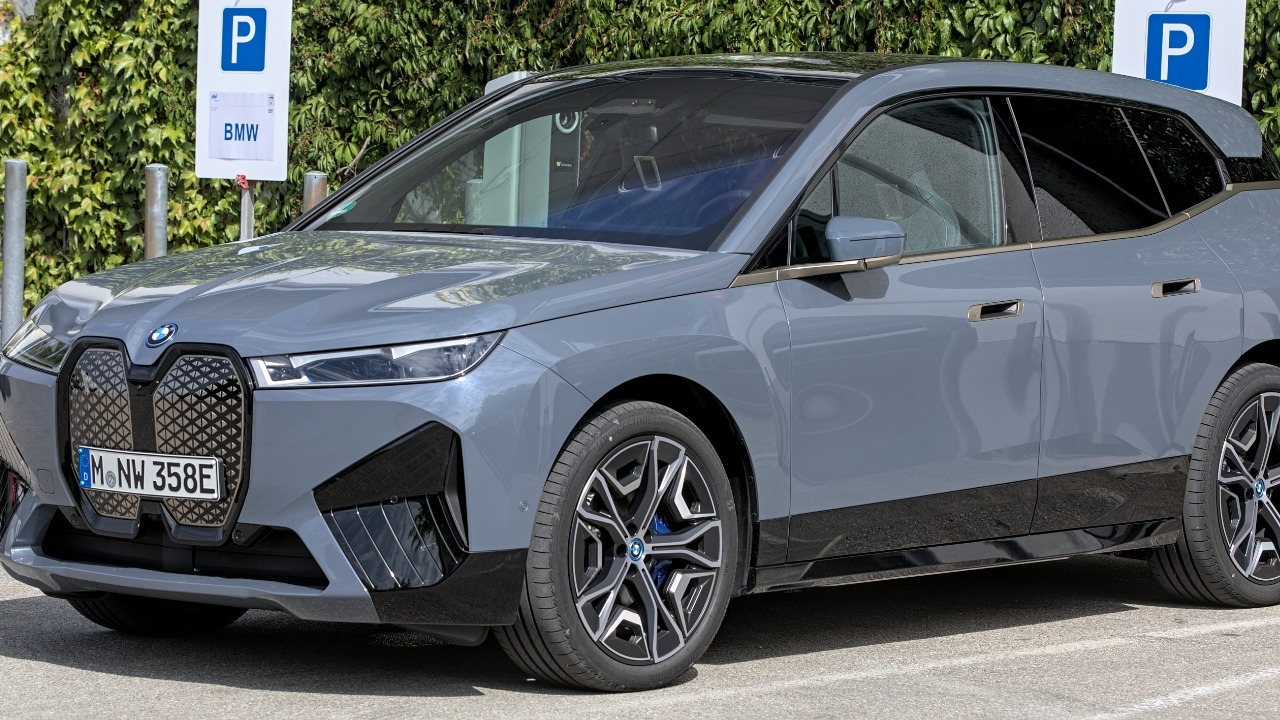
The BMW iX xDrive50 went 377 miles in Edmunds’ test against a 315-mile EPA estimate, a 62-mile gain. The crossover’s slippery body and efficient drivetrain helped it stretch each kilowatt-hour farther than the federal cycle predicted. The result sits on Edmunds’ EV range ranking alongside several other German luxury models.
Shoppers weighing the iX against rivals should note that the label understates what this version can do under moderate conditions. The test is specific to the xDrive50 trim and its battery, so other variants and wheel choices could deliver different margins.
6. Mercedes-Benz CLA: Compact Sedan Stretches Far
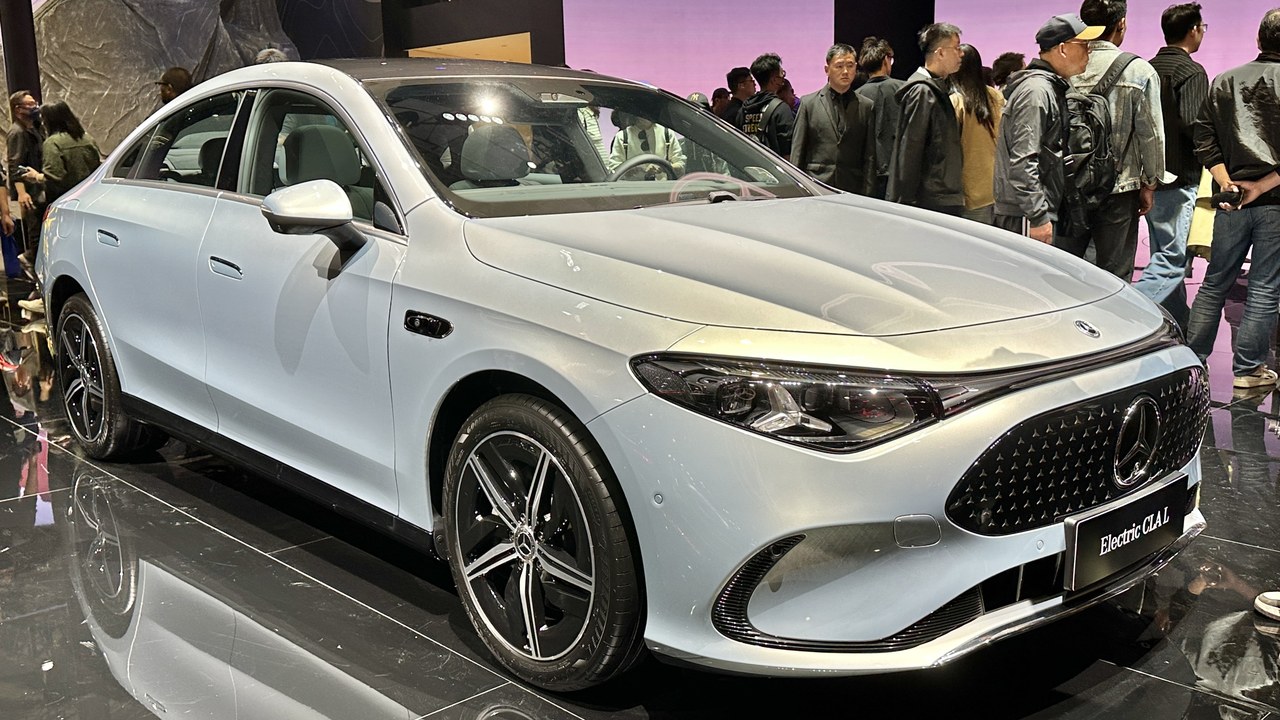
Edmunds got 434 miles from the 2026 Mercedes-Benz CLA 250+, which is 60 miles and 16 percent beyond its 374-mile EPA rating. The compact sedan’s low drag and efficient motor drew attention because 434 miles is rare for a vehicle in this class. Jalopnik’s 434-mile CLA report described the run as a single-charge result.
For buyers eyeing an entry-level luxury EV, the number shows the single-motor version can handle long highway trips with margin to spare. Speed, temperature and wheel size would all change the outcome, so the Edmunds figure remains a best case rather than a promise.
7. Polestar 2: Swedish Sedan Holds Steady
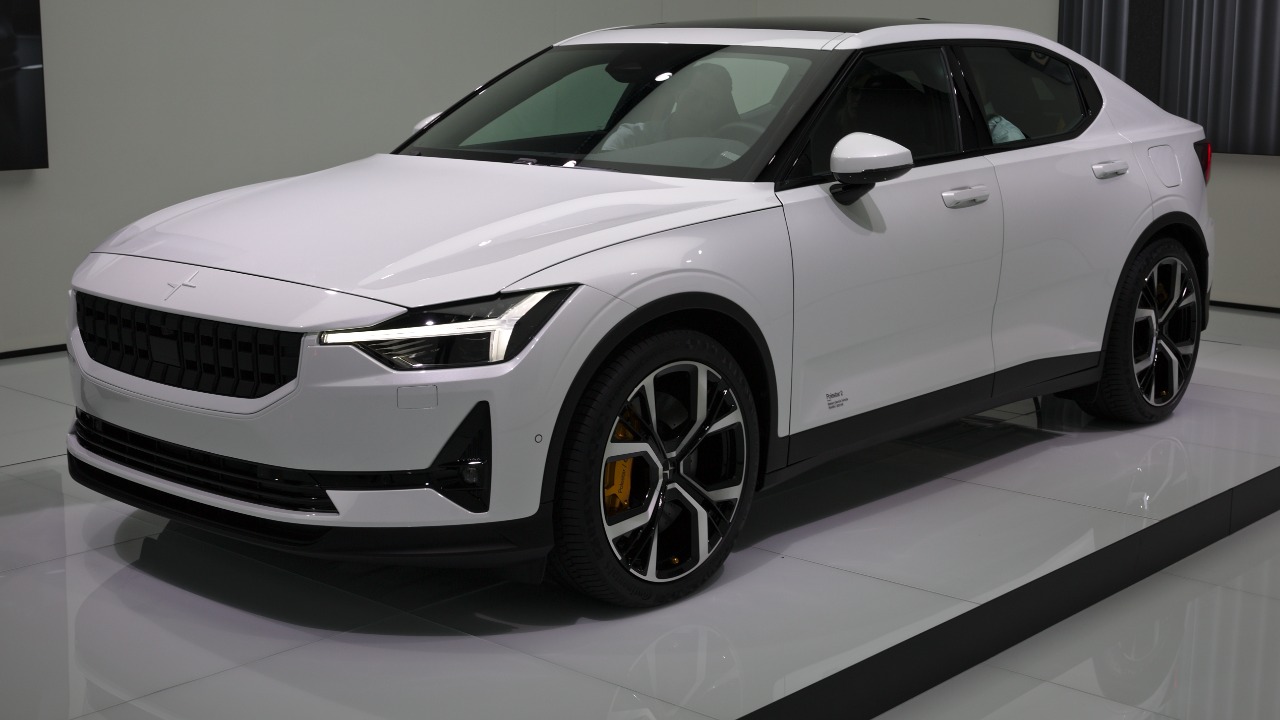
Edmunds lists the 2024 Polestar 2 single-motor long range at 362 miles against a 307-mile EPA rating, a 55-mile difference. The result is notable for a car that debuted years ago and still posts competitive efficiency. The entry sits in Edmunds’ EPA versus tested comparison with newer rivals.
Used and new shoppers alike can take the figure as evidence that the Polestar 2 does not need a bigger battery to go far. Because it is a single-motor model, dual-motor versions with lower efficiency should not be expected to repeat the same margin.
8. Hyundai Ioniq 9: Three-Row Beats Its Label
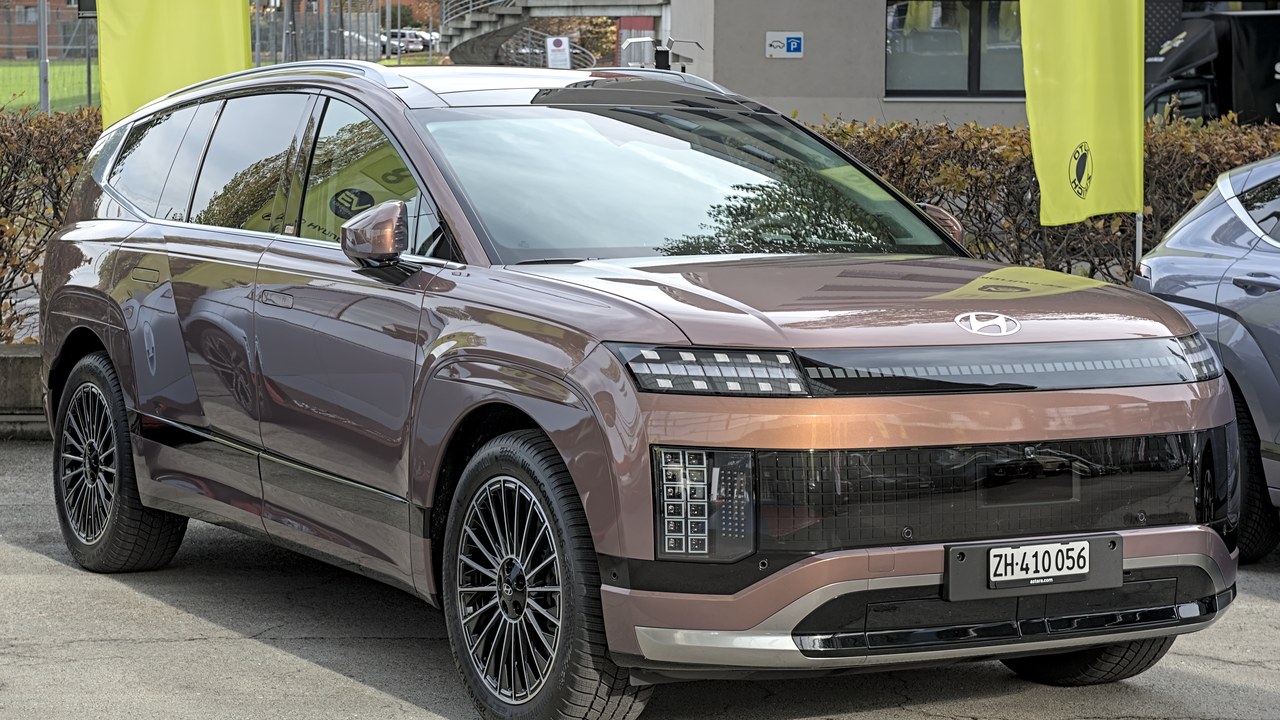
The 2026 Hyundai Ioniq 9 SEL went 366 miles in Edmunds’ test against a 320-mile EPA rating, a gain of 46 miles. Three-row electric SUVs are usually the heaviest and least efficient vehicles in their class, so beating the label stands out. The data appears in Edmunds’ range test leaderboard updated in September.
Families considering a large electric crossover can read the result as a sign that long road trips are realistic with this trim. Loading all three rows with passengers and luggage, or driving in winter, would reduce range below the tested figure.
9. Cadillac Optiq: Entry Cadillac Crossover Delivers
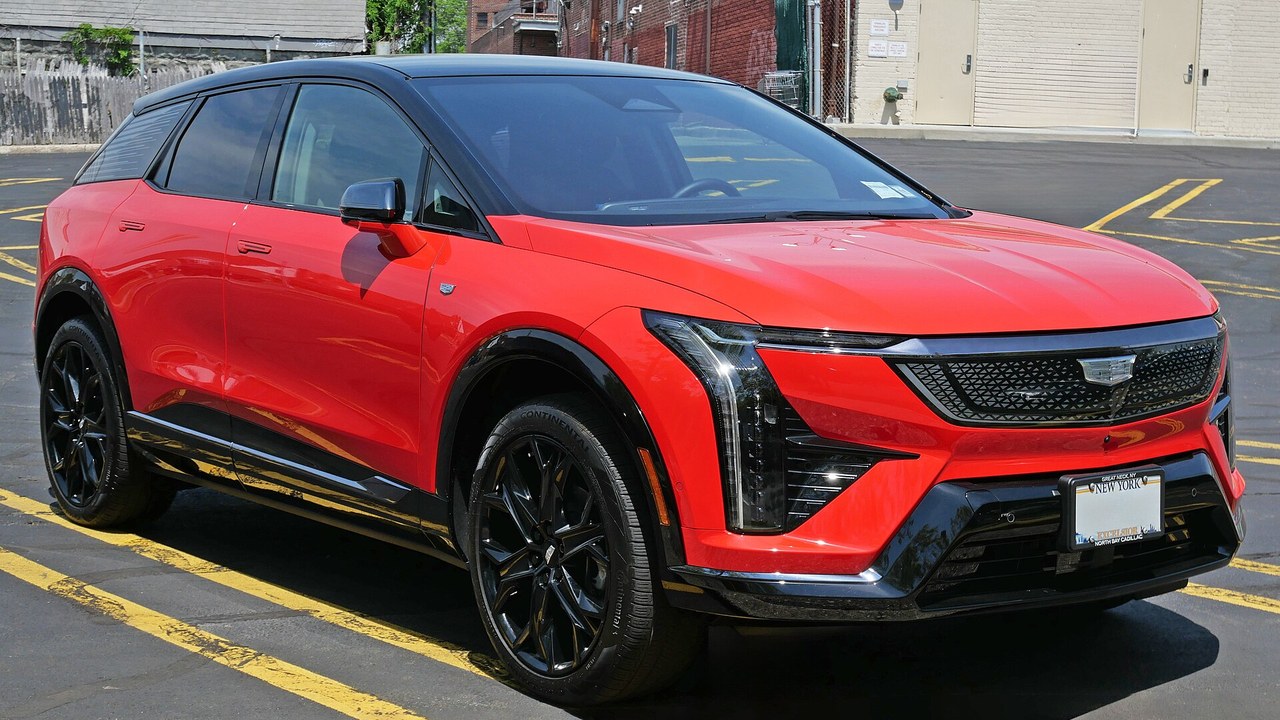
The Cadillac Optiq recorded 339 miles on the Edmunds EV Range Test against a 302-mile EPA estimate, a 37-mile gain. Cadillac’s smallest electric crossover therefore beat its rating by about 12 percent. Edmunds reported the result in a Optiq and Vistiq test that put two Cadillacs through the same route.
Buyers of a compact luxury crossover get a real-world cushion over the sticker figure, which helps when planning charging stops. The test was run in the vehicle’s tested configuration, so other trims, tire sizes and weather conditions could yield a different total.
10. Cadillac Vistiq: Three-Row Sibling Follows
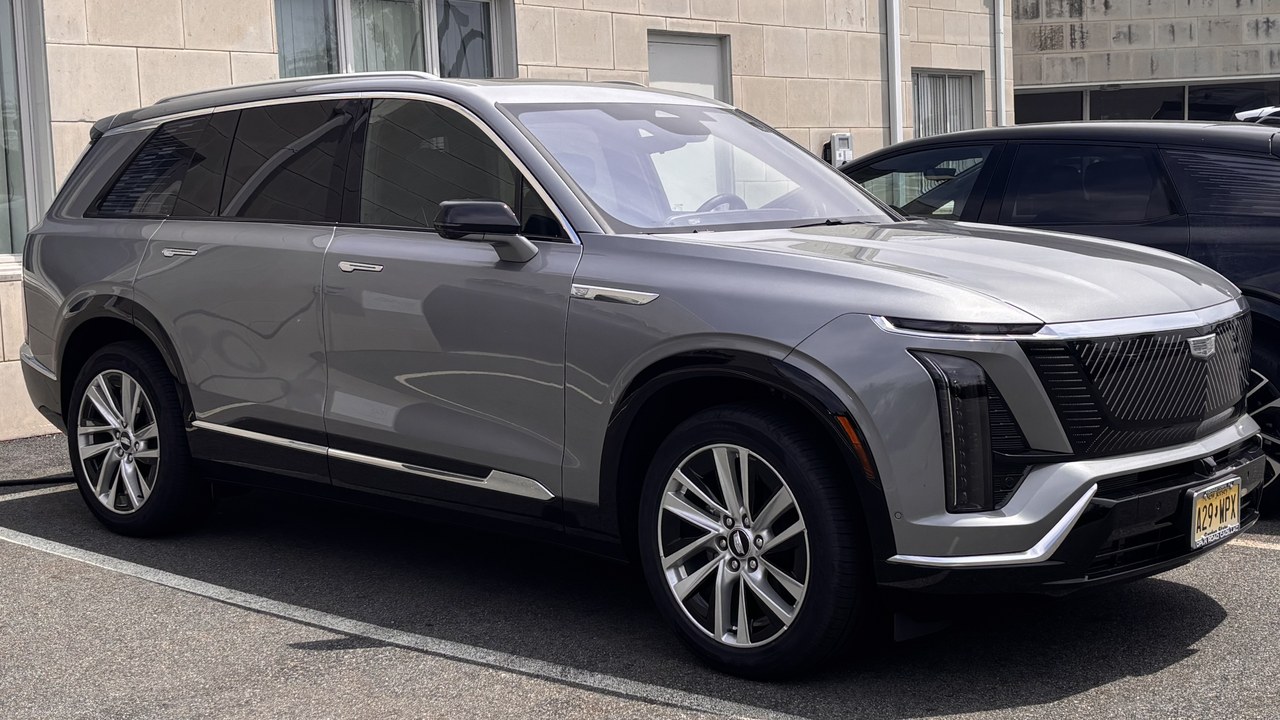
The Cadillac Vistiq covered 334 miles in Edmunds’ test, against the EPA’s 305-mile estimate, a 29-mile surplus. The three-row crossover’s margin is smaller than the Optiq’s, but it still finished above its rating. The same Cadillac range comparison ran both models back to back.
Shoppers who need three rows and a mainstream-luxury badge can expect the label to hold up under steady driving. A 29-mile margin leaves less room for error than larger overshoots, so towing or cold-weather trips would likely erase it.
11. Tesla Model 3: Rear-Drive Efficiency Win
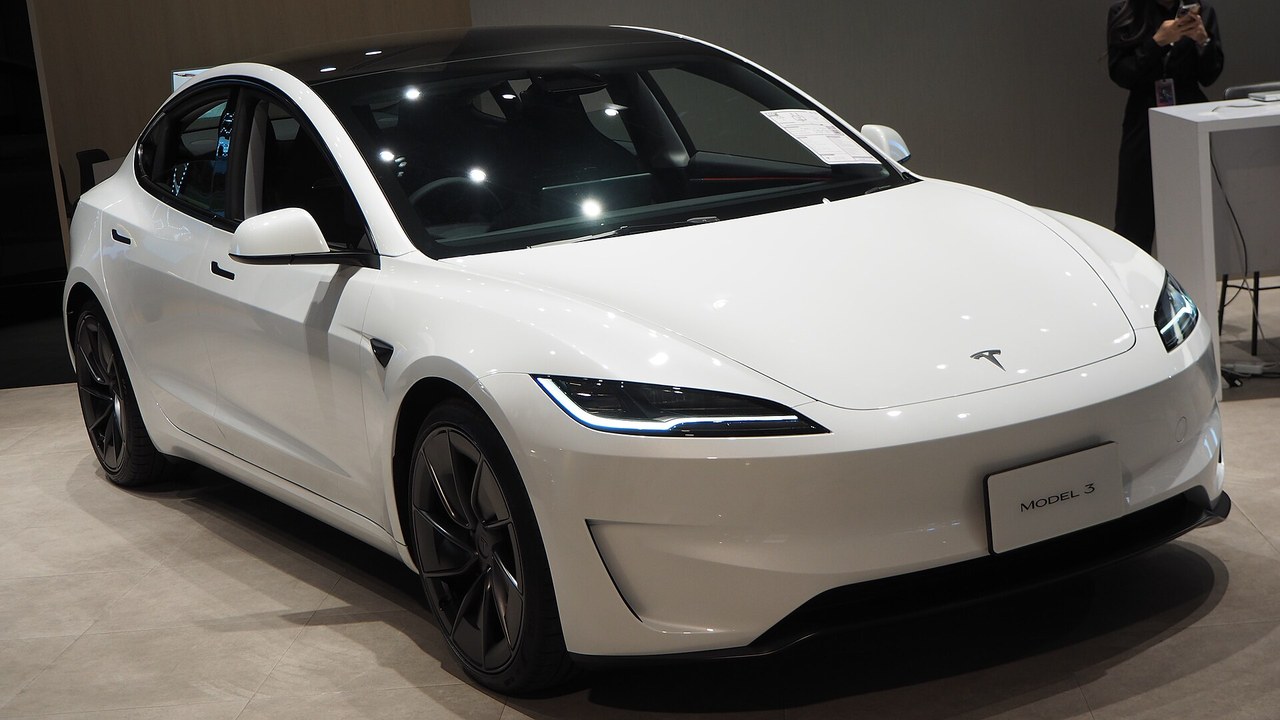
The 2026 Tesla Model 3 Premium RWD traveled 393 miles in Edmunds’ test, 30 miles beyond its 363-mile rating. Rear-wheel drive and a smaller wheel setup help the car sip energy, which showed in the result. Drive Tesla Canada covered the 393-mile Model 3 test shortly after Edmunds published it.
Commuters and road-trippers choosing the rear-drive version get a measurable edge over the EPA label. Dual-motor Model 3 trims have lower ratings and different efficiency, so the 393 miles should not be assumed to carry over to them.
12. Porsche Taycan: Performance Sedan Goes the Distance
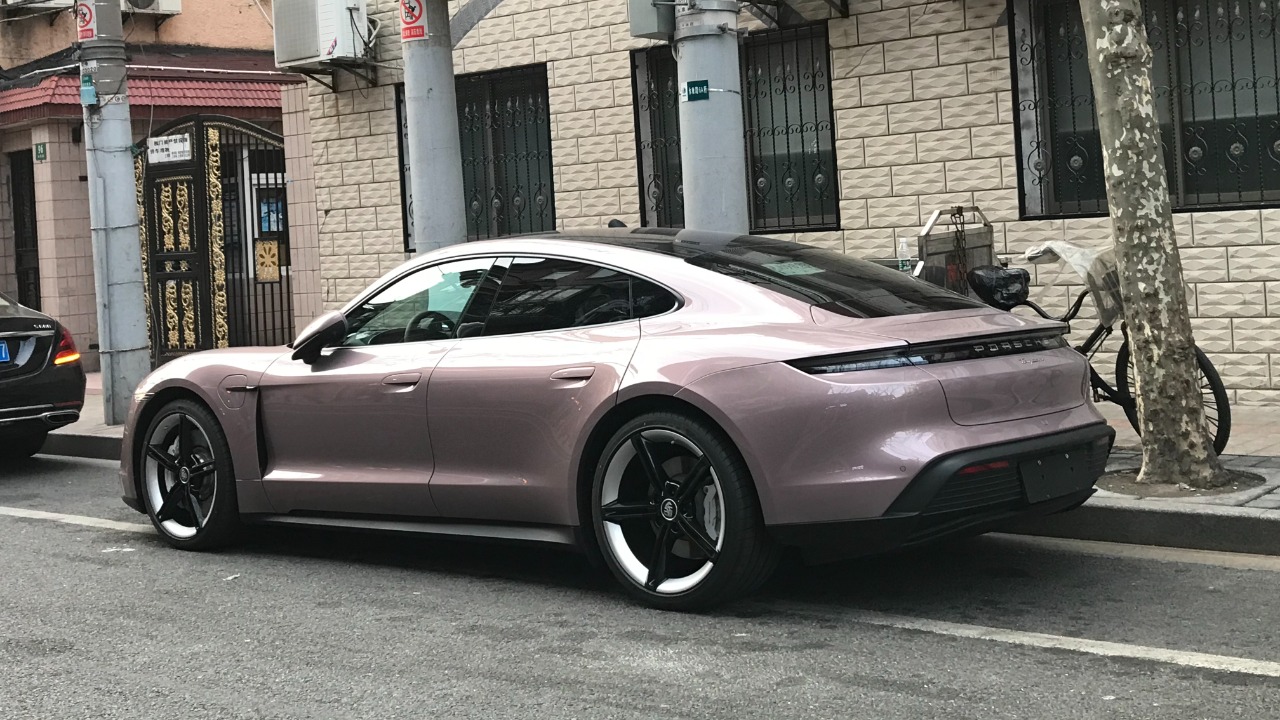
The 2025 Porsche Taycan with Performance Battery Plus went 364 miles in Edmunds’ test, versus a 318-mile EPA rating, a gain of 46 miles. A sports sedan known for its performance rather than its efficiency still beat its label by well over ten percent. The figure is listed on Edmunds’ EV range board with the rest of the field.
Taycan shoppers can treat the sticker as a conservative baseline for gentle highway driving. Enthusiastic acceleration, track use and cold weather would all draw the battery down faster, so the test says little about spirited driving.
More from Morning Overview
- NOAA now gives this winter a 75% chance of the strongest El Nino since 1950
- Doctors warn a silent liver disease now affects one in three American adults
- The FBI told the rest of ShinyHunters to surrender after a 24-year-old was arrested
- Two passengers died at an Ohio toll plaza, and the NTSB now wants the cash lanes shut
