
Water is the great equalizer for vehicles, and a rated wading depth shows how far each maker trusts its seals, intakes and electronics. These SUVs span electric trucks, family crossovers and classic off-roaders, with ratings from 27.6 to 39 inches. Here are eleven SUVs that have published or reported depth figures for crossing deep water.
1. Rivian R1S: Deepest Of The Lot
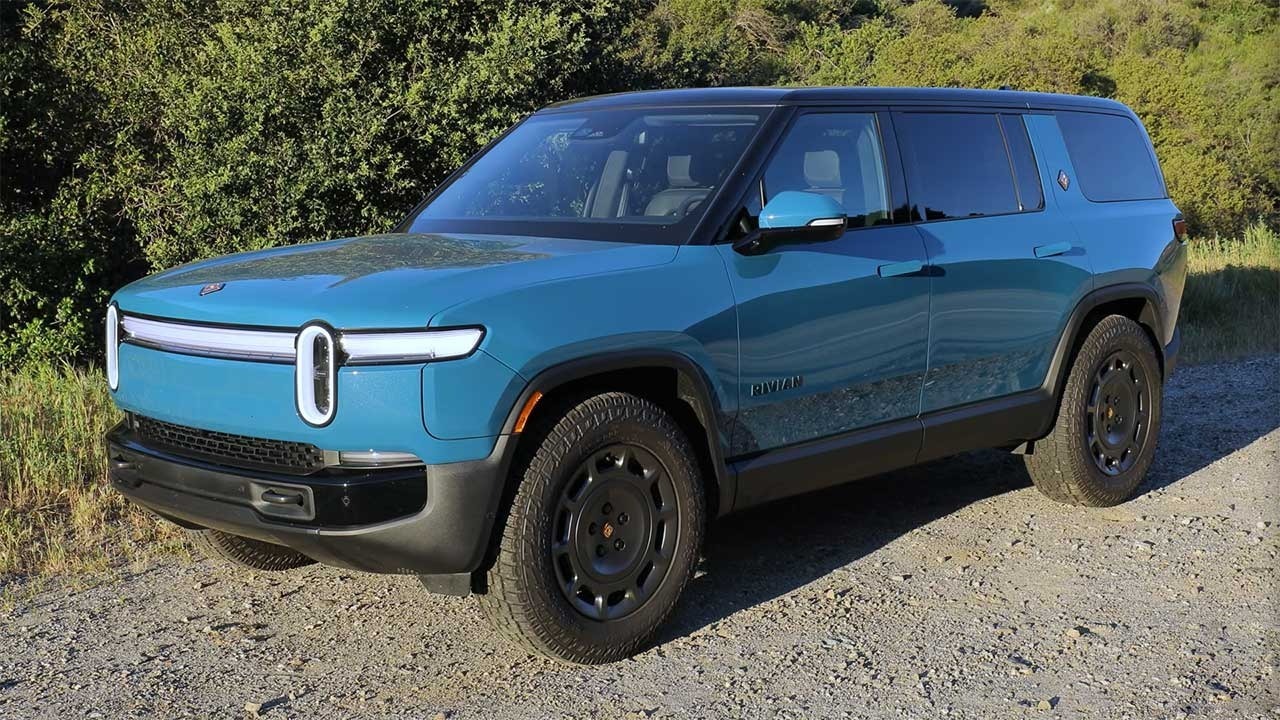
The electric R1S tops this list, with Motor1 wading comparison putting its rated fording depth at 39.0 inches. That is more than three feet of water over the wheels, a rare figure for any production SUV.
The number is a manufacturer rating under defined conditions. Owners should treat it as a ceiling for slow, deliberate crossings of still water rather than a license to chase floods. At 39.0 inches it also edges past the 38.6-inch Telluride X-Pro and the 37.0-inch Bronco Raptor, which makes it the top figure among the vehicles Motor1 compared.
2. Kia Telluride: The Family Crossover Surprise
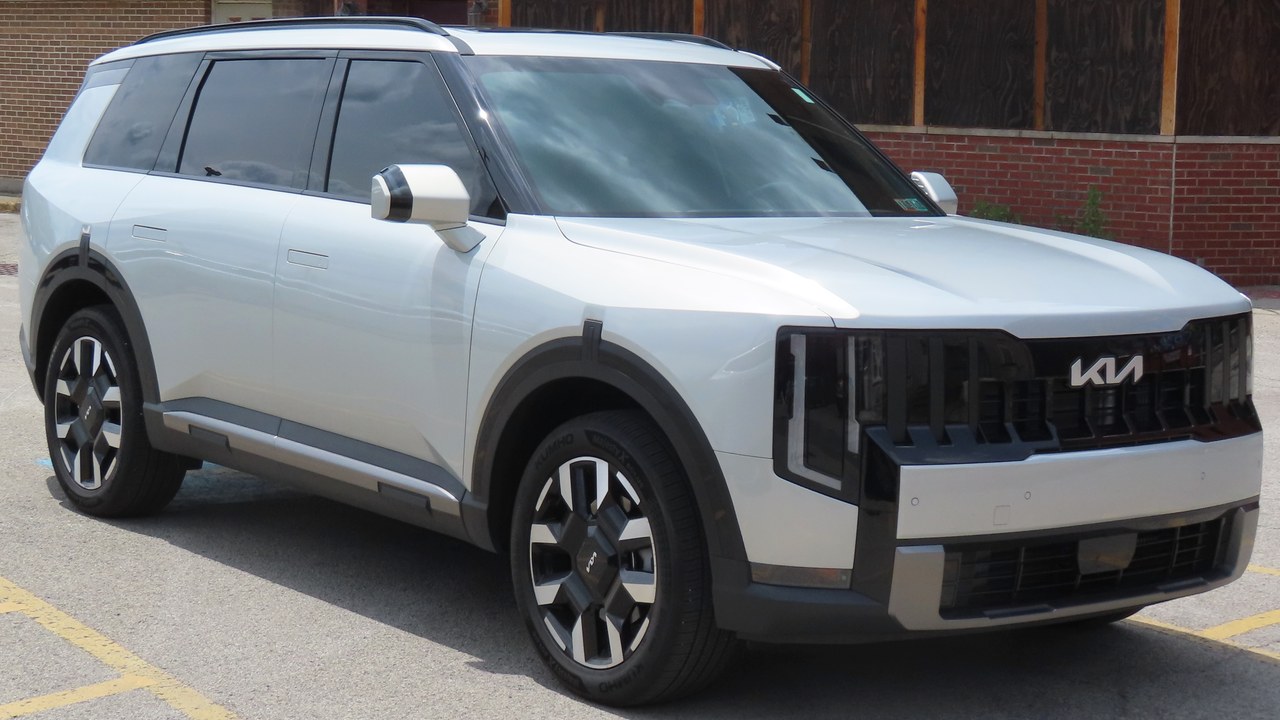
The new Telluride X-Pro is rated for 38.6 inches of water, which the same Motor1 piece notes is deeper than a Bronco Raptor or a Defender 110. Few three-row family haulers have ever carried a wading figure anywhere near that class.
The rating applies to the X-Pro trim specifically, so buyers cross-shopping other Telluride versions should check the trim before assuming the same depth. The 38.6-inch figure sits just 0.4 inches under the Rivian R1S, so a three-row crossover effectively matches the most capable machine in the comparison.
3. Ford Bronco Raptor: Raptor Muscle, Short Of The Top
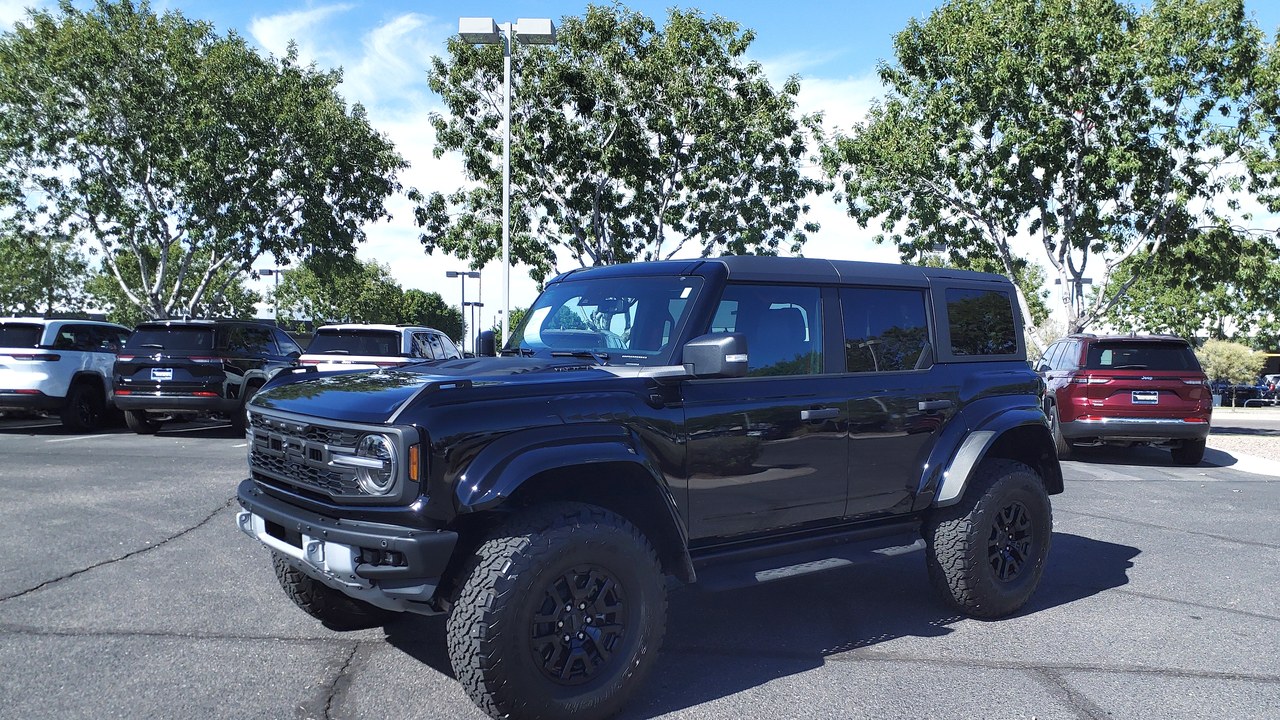
Ford’s stated limit for the Bronco Raptor is 37.0 inches of water, according to Motor1 side-by-side numbers. That figure sits just under the Telluride X-Pro and well above many rivals built for the trail.
A wading number is only as useful as the driver’s read of the water. Depth, current and hidden terrain matter as much as the rating when a creek crossing looks tempting. Its 37.0 inches is still more than a full inch above the 35.4 inches quoted for the Defender 110, giving the Ford a measurable edge over the Land Rover in that comparison.
4. Land Rover Defender 110: Classic Off-Roader Credentials
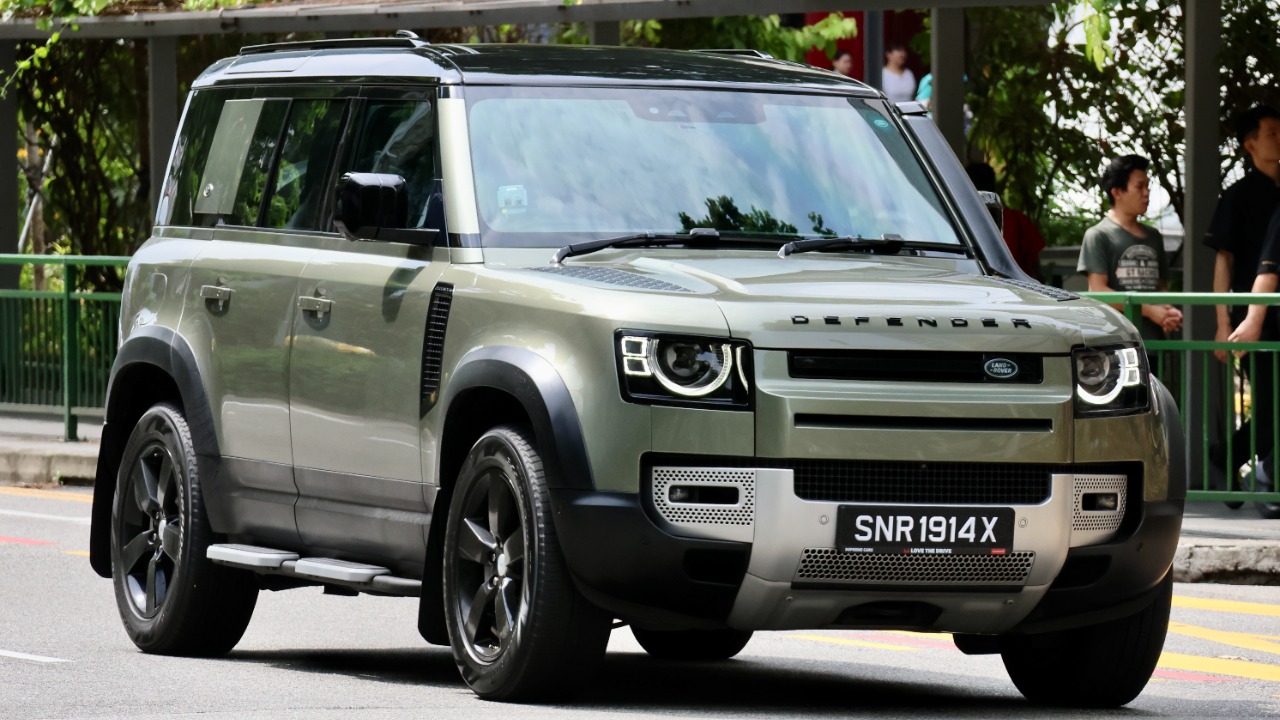
A Defender 110 carries a 35.4-inch wading depth rating, the figure Motor1 uses as a benchmark for the Telluride comparison. The number reflects the long-running reputation of the nameplate for crossing rivers and flooded tracks.
It lands below the Bronco Raptor and R1S, a reminder that reputation and the published figure are not always the same thing. That is 3.6 inches shallower than the Rivian R1S at 39.0 inches, so the Land Rover trails the leaders in Motor1’s comparison even as it matches the Range Rover figure elsewhere.
5. Range Rover: Tied For Top In South Africa
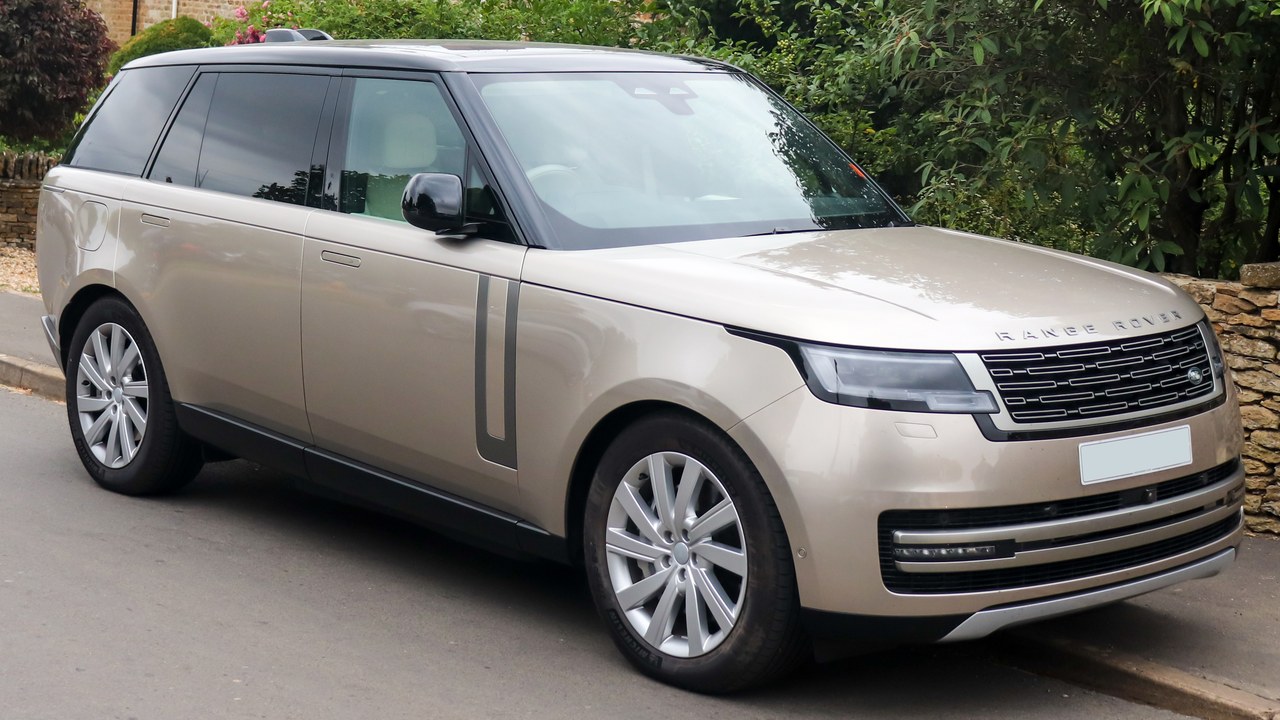
TopAuto lists the Range Rover at 900mm of wading depth, or 35.4 inches, which ties it for the deepest in the site’s 28-vehicle roundup. The flagship luxury SUV matches the most capable off-roaders in that ranking.
Buyers who ford streams in a six-figure vehicle should remember that the rating assumes the right ride-height setting and a measured pace. TopAuto’s list covers 28 vehicles, so sharing the top spot with the Discovery at the same 900mm is a notable result for a model best known for leather and refinement.
6. Land Rover Discovery: Family Hauler With Real Depth
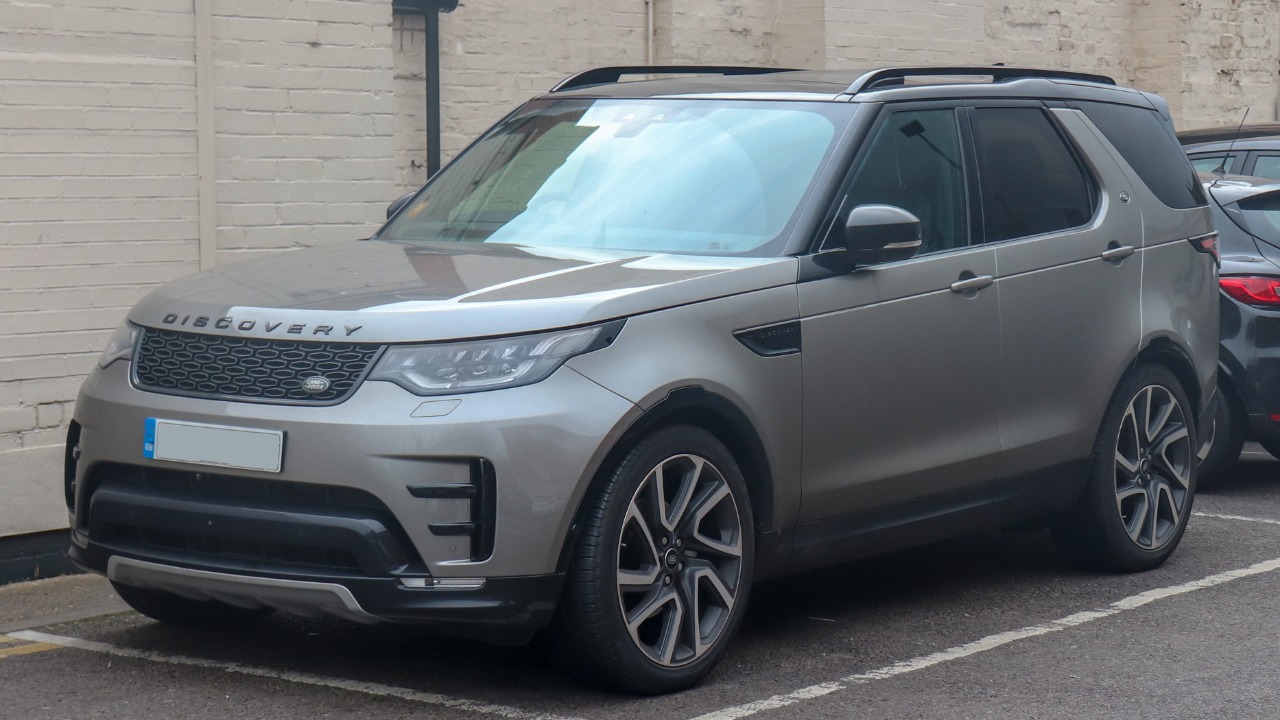
The Discovery is listed with a 900mm wading rating, the same 35.4 inches that ties it for the top of TopAuto’s roundup. It shares that ceiling with the Range Rover despite a more family-oriented brief.
The figure makes it a credible choice for flood-prone driveways and rural crossings, though a rating is not a guarantee against water ingestion after deep immersion. The 900mm figure converts to 35.4 inches, identical to the Defender 110 number in Motor1’s piece, which places the Discovery among the most capable wading SUVs in either source.
7. Range Rover Sport: Sporty But Still Deep
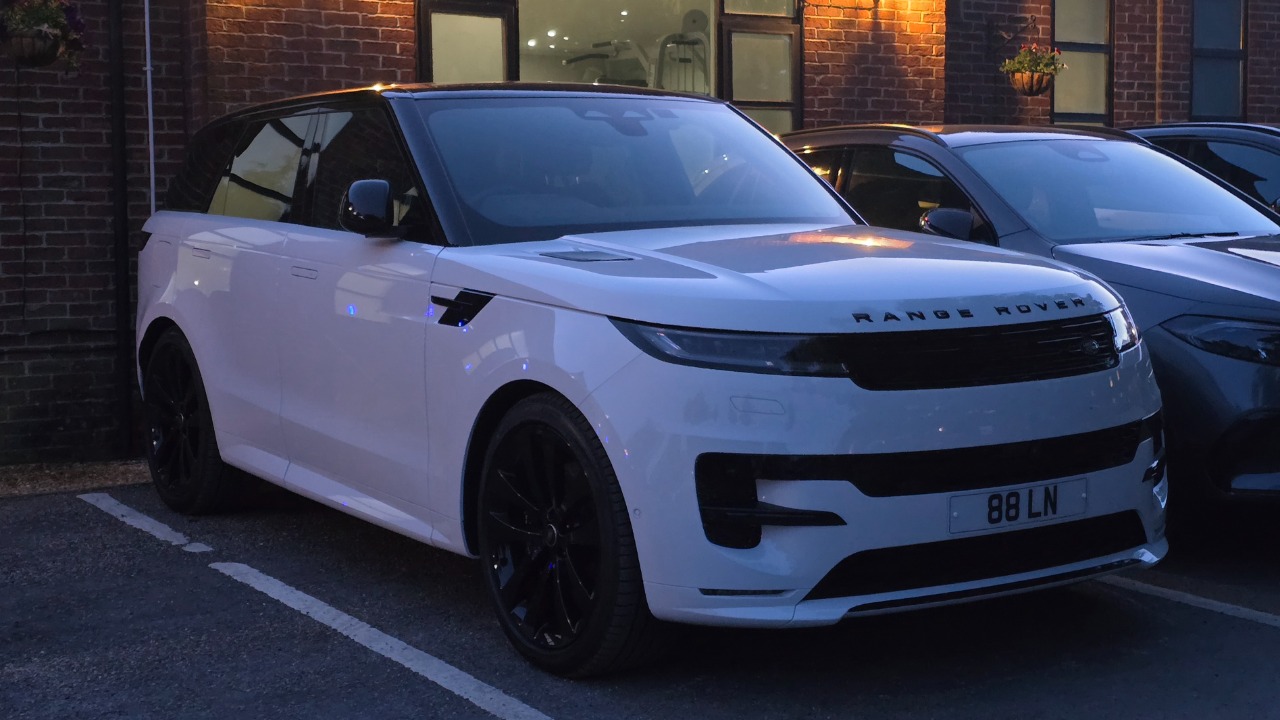
TopAuto gives the Range Rover Sport an 850mm wading depth, equal to 33.5 inches. That is 50mm shy of its two siblings in the same roundup yet still deeper than most mainstream SUVs.
The gap is modest in practice, but it shows how air-intake height and sealing choices separate closely related models. Its 33.5 inches is still 3.6 inches deeper than the 29.9 inches given for the Jeep Wrangler in the same TopAuto list, so the luxury performance model out-wades the trail icon.
8. Jeep Wrangler: Trail Icon With A Shallower Limit
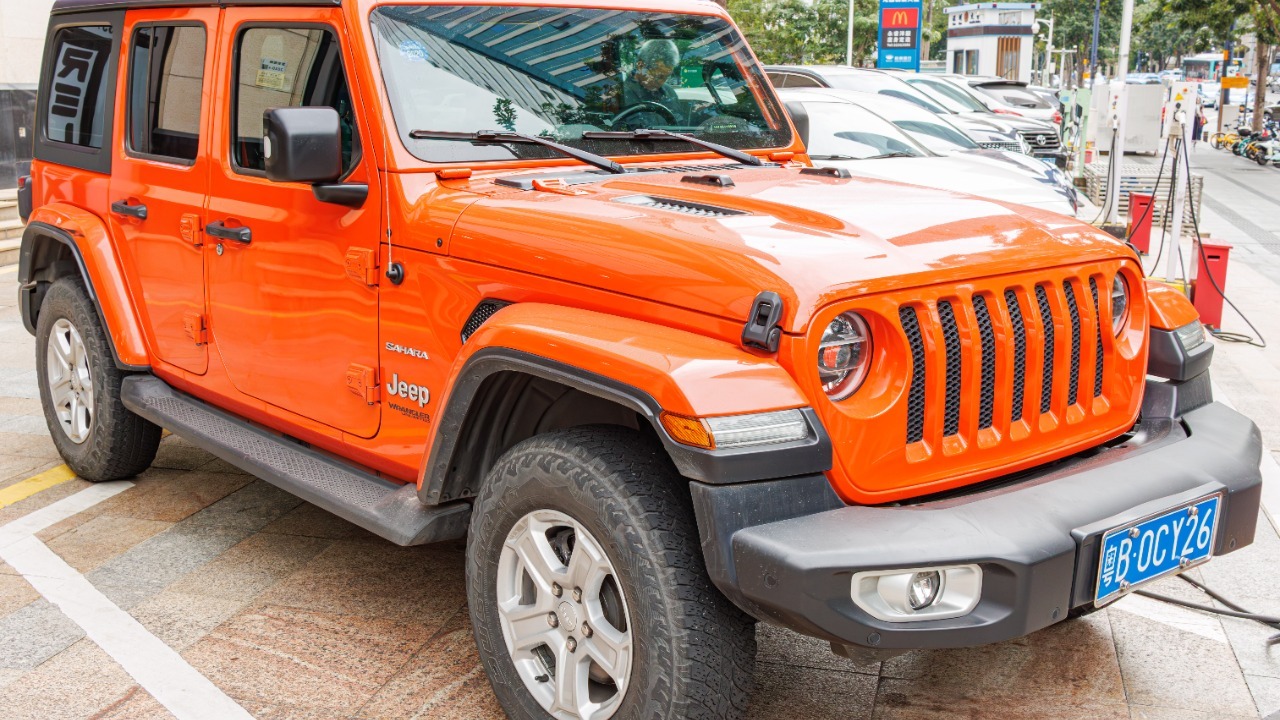
The Wrangler is listed at 760mm of wading in TopAuto’s roundup, roughly 29.9 inches. That is the shallowest figure among the TopAuto entries on this list, despite its rock-crawling image.
Owners who plan to ford water in a Wrangler should stay under that depth, as detachable-top and drain-plug designs do not change the figure. The Range Rover Sport, at 850mm, beats it by 90mm in the same list, so the Jeep’s open-air reputation does not translate into the deepest rating among the entries.
9. Ineos Grenadier: Built For Water Crossings
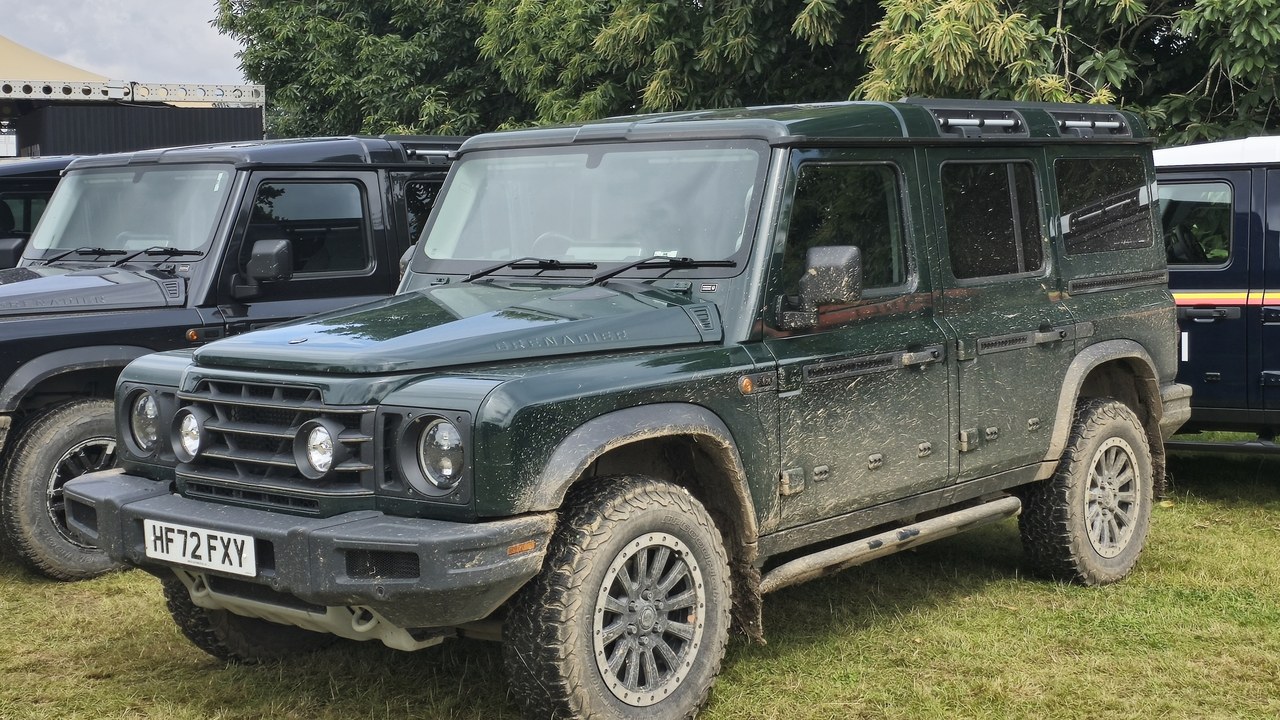
Top Gear lists the Grenadier with at least 800mm of wading depth, or 31.5 inches. The boxy utilitarian truck is aimed squarely at drivers who plan to cross rivers.
The figure is a minimum quoted in a comparison test, so exact limits can vary with the specification and conditions. That 31.5 inches is 4.0 inches deeper than the 27.6 inches Top Gear credits to both the G500 and the Land Cruiser 250 in the same four-way test.
10. Mercedes-Benz G-Class: Luxury Box With A Deep Reach
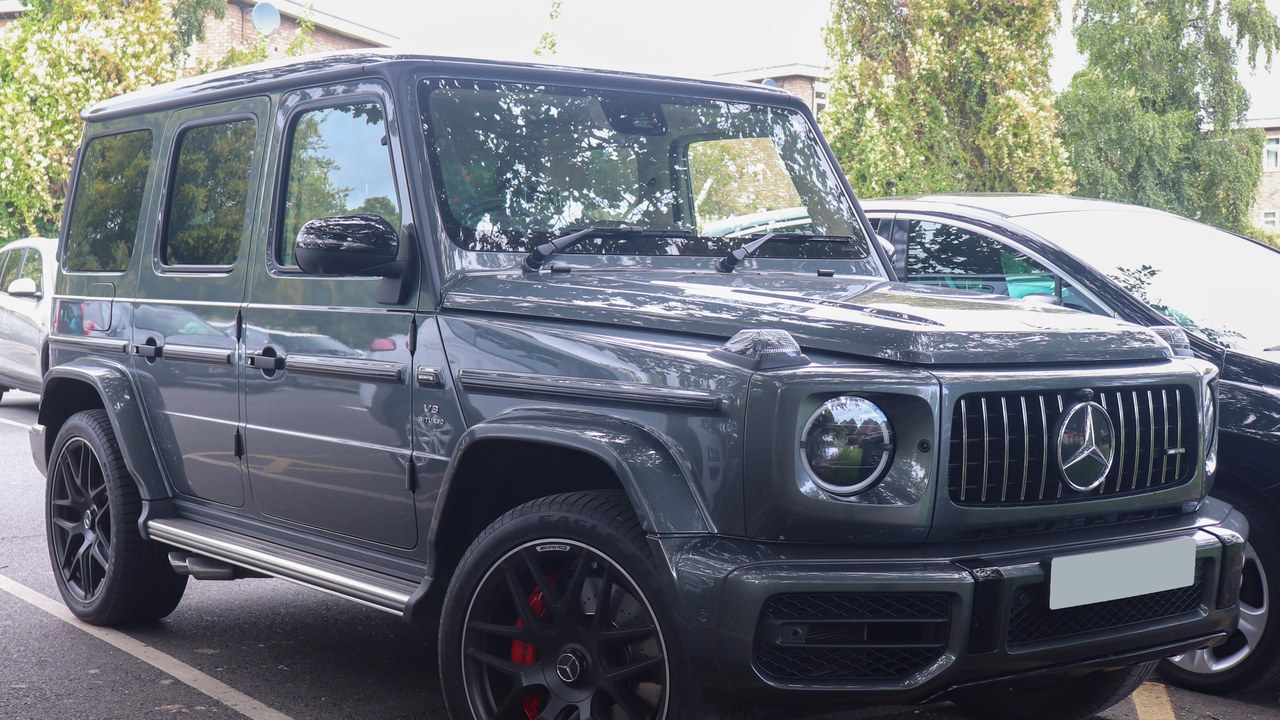
Top Gear credits the G500 with at least 700mm of swim depth, equal to 27.6 inches. The figure comes from the same comparison that includes the Grenadier and Defender.
The G-Class is more often seen on city streets than in rivers, and the rating suggests it is less of a wader than its rugged styling implies. The Grenadier in that same Top Gear test is credited with 800mm, 100mm more than the Mercedes, so the German icon gives up about 3.9 inches to the newcomer.
11. Toyota Land Cruiser: Prado Successor In The Water
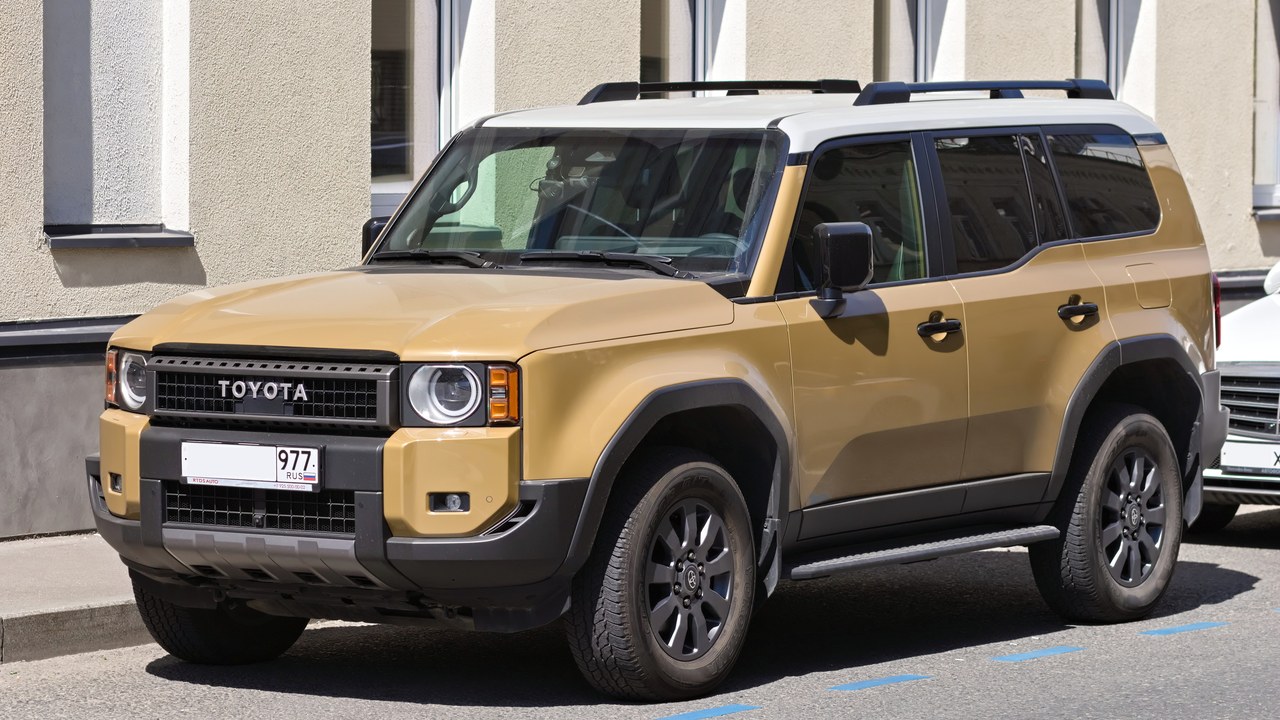
Top Gear credits the Land Cruiser 250 with at least 700mm of swim depth, matching the G500 at 27.6 inches. The figure matches the G-Class despite very different engineering.
The rating gives the Land Cruiser a dependable, if not class-leading, margin for overseas expedition driving and flooded roads. The Grenadier in Top Gear’s four-way comparison is rated 800mm, so the Toyota and the Mercedes both sit 100mm, about 3.9 inches, behind the Ineos in that test.
More from Morning Overview
- Hurricane Hunter radar shows four warning signs that a tropical cyclone is about to strengthen, a University of Miami study found
- Tropical Storm Rachel is dumping up to 12 inches on four Mexican states on its way to major hurricane strength
- The FTC says Lens.com doubled the price shoppers saw in Google ads
- Common allergy, bladder and sleep pills tied to sharply higher dementia odds
