
Towing capacity varies enormously across the SUV segment, shaped by frame construction, engine choice, and factory-installed tow packages. Some models top out barely able to pull a small trailer, while others rival light-duty pickups in what they can drag behind them. Here are nine SUVs that consistently rank among the strongest tow ratings in their respective classes.
1. Ford Expedition: Twin-Turbo Full-Size Towing
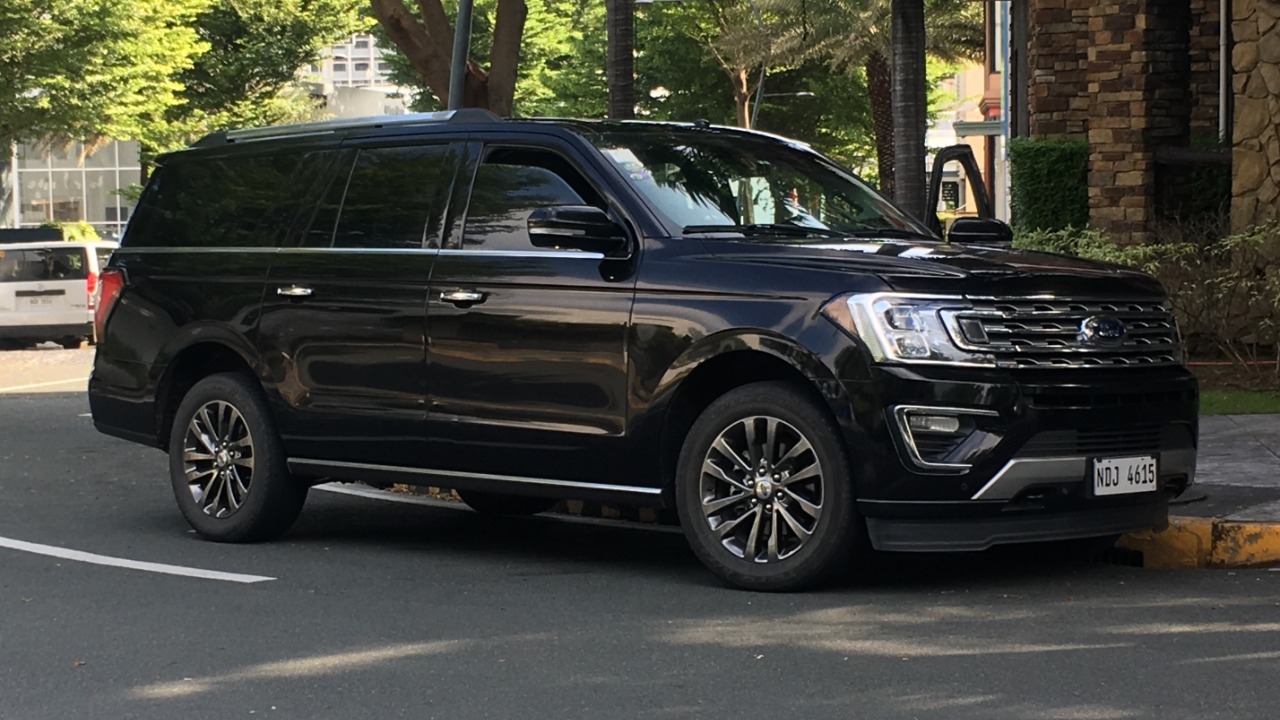
Around 9,000 pounds is the maximum trailer weight the full-size Ford Expedition can handle when equipped with the factory heavy-duty towing package, a rating that places it among the strongest offered on a three-row SUV. That capability comes from a twin-turbocharged V6 rather than a larger V8, paired with reinforced frame rails and a dedicated trailer-brake controller.
For owners hauling boats or heavy camper trailers, that rating matters more than horsepower on a spec sheet, since it reflects how the chassis, cooling, and brakes were engineered to work together under load. The tradeoff is a stiffer ride and reduced fuel economy whenever the SUV is hitched to something near its limit.
2. Toyota Sequoia: Hybrid Twin-Turbo Tow Rating
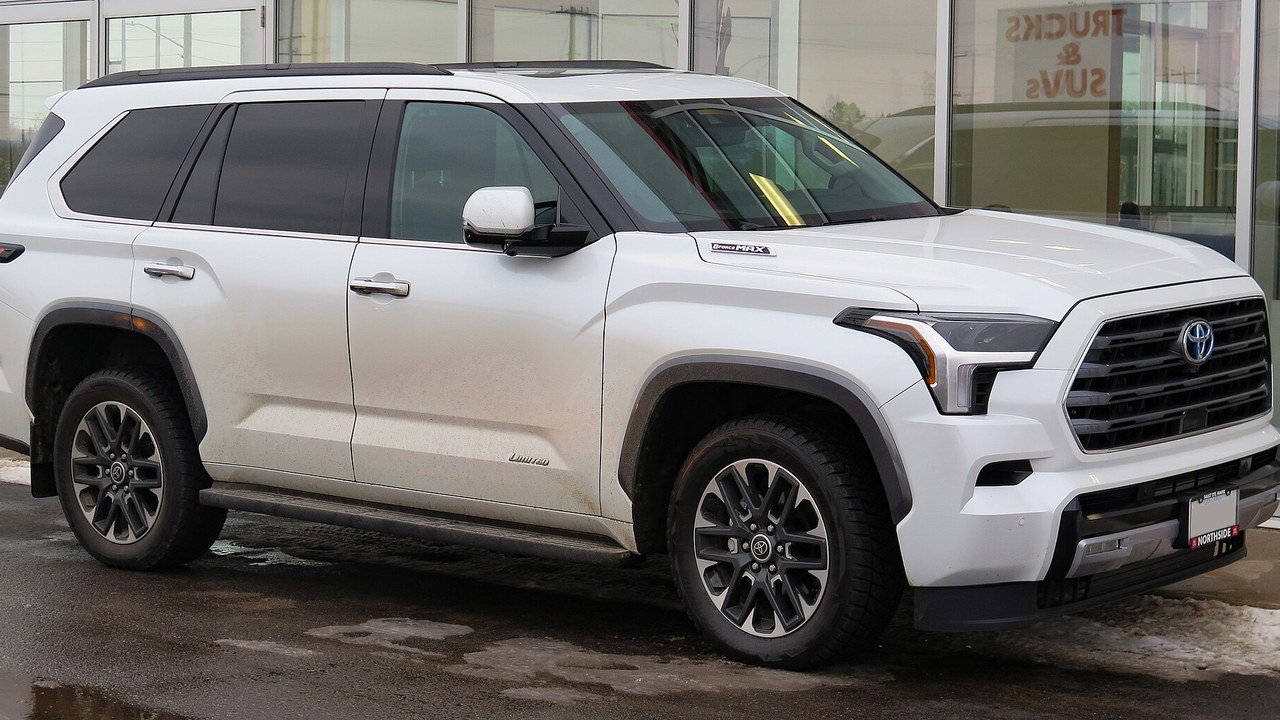
Toyota’s i-FORCE MAX powertrain, a twin-turbocharged V6 paired with a hybrid electric motor, gives the current Toyota Sequoia generation a tow rating near 9,000 pounds when the hybrid trim is properly equipped. That number rivals what many half-ton pickups offer, an unusual result for a vehicle marketed primarily as a family SUV.
The hybrid system adds torque low in the rev range, which helps the SUV get a loaded trailer moving without straining the engine the way a naturally aspirated V8 might. Buyers looking specifically for towing muscle in a three-row package have treated the i-FORCE MAX as one of the segment’s biggest surprises since it arrived.
3. Chevrolet Tahoe: Max Trailering Package
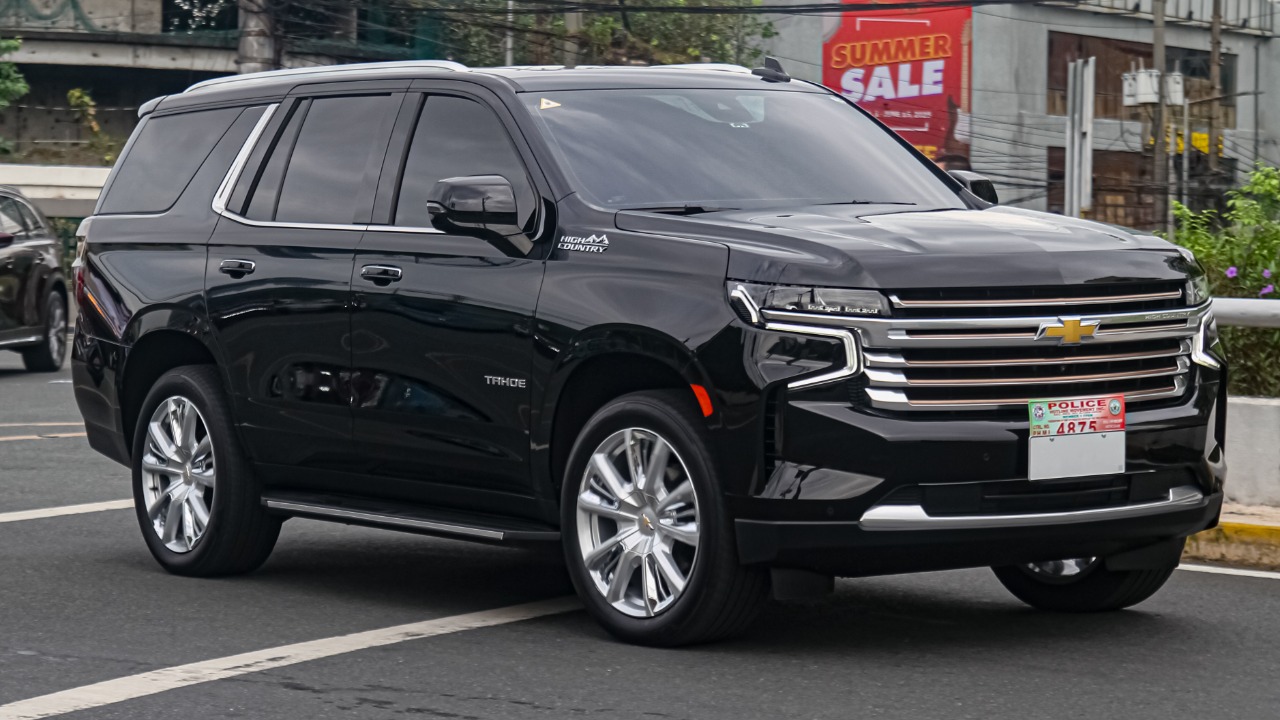
GM rates the full-size Chevrolet Tahoe to pull up to about 8,400 pounds once the optional Max Trailering Package is installed, a figure that depends heavily on choosing the right engine and rear-axle combination. Chevrolet reserves its strongest numbers for versions fitted with the available V8 and a specific axle ratio rather than the base configuration.
Shoppers cross-shopping the Tahoe against rival full-size SUVs often find real variation between trims, since the towing figure depends on engine choice, rear-axle gearing, and whether the optional package was ordered. Checking the build sheet, not just the trim name, is the only reliable way to confirm what a given Tahoe can actually pull.
4. GMC Yukon: Full-Size Trailering Muscle
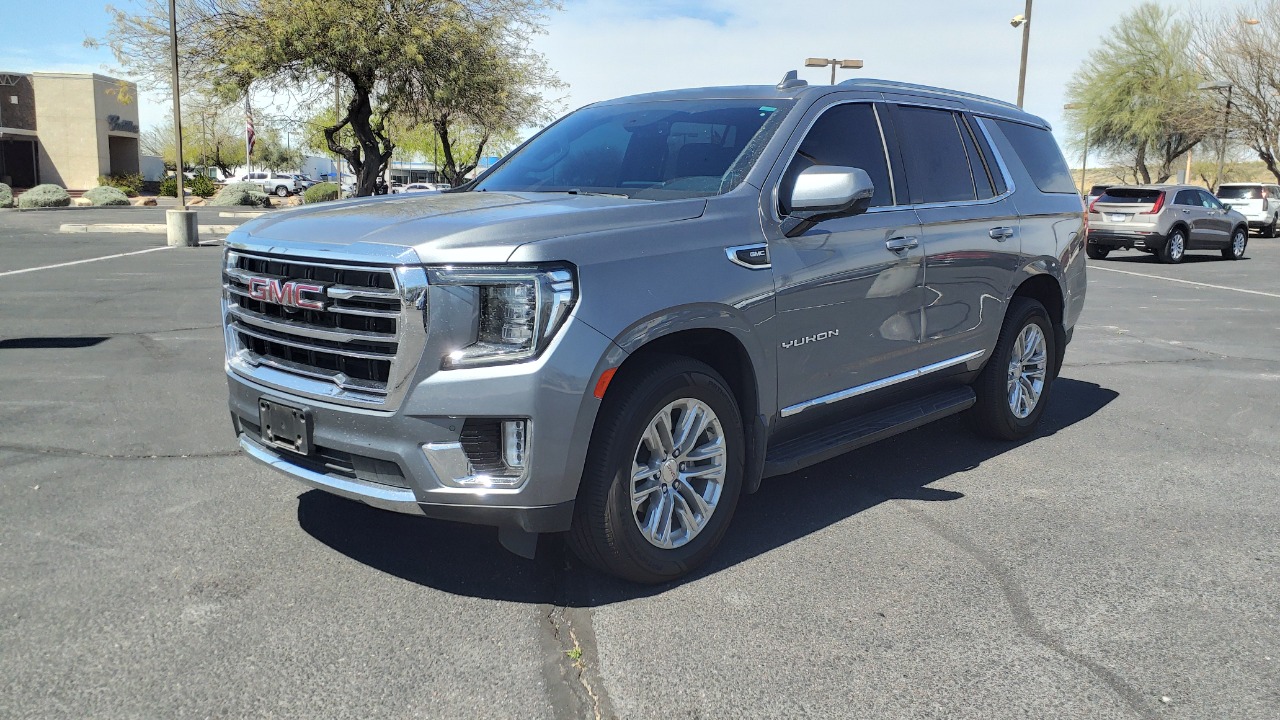
Sharing its platform and driveline options with the Tahoe, the GMC Yukon carries a similar full-size tow rating near 8,400 pounds when fitted with the matching heavy-duty package. GMC markets the capability across trims from the work-oriented SLE up through the luxury-leaning Denali, rather than reserving it for a single top trim.
That spread means a buyer does not have to choose the flashiest trim to get the strongest trailering numbers, a detail easy to miss when browsing showroom floors organized by luxury level rather than capability. Independent suspension and a fully boxed frame carry the load rather than the badge on the tailgate.
5. Dodge Durango: Hemi V8 Towing Punch
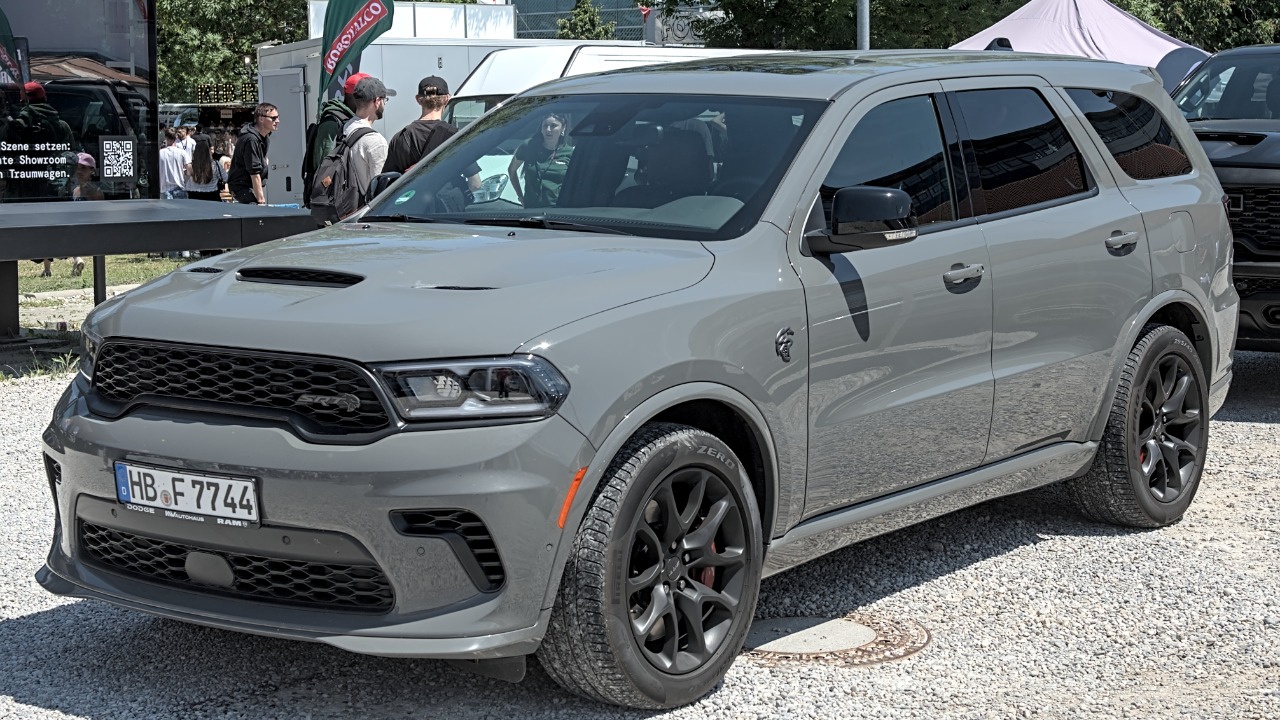
Dodge’s available Hemi V8 pushes the tow rating on the three-row Dodge Durango up to about 8,700 pounds, one of the higher figures among SUVs built on a dedicated truck-derived platform rather than a car-based one. Lower-powered V6 versions of the same SUV pull noticeably less, which makes engine choice the single biggest factor in the Durango’s towing story.
Enthusiasts have long treated the Durango as the muscle-car answer to family hauling, and the Hemi’s low-end grunt is a large part of why it keeps that reputation even as rivals switch to turbocharged sixes. The tradeoff shows up at the pump, since the V8 drinks noticeably more fuel than the smaller engine option.
6. Nissan Armada: Body-On-Frame V6 Toughness
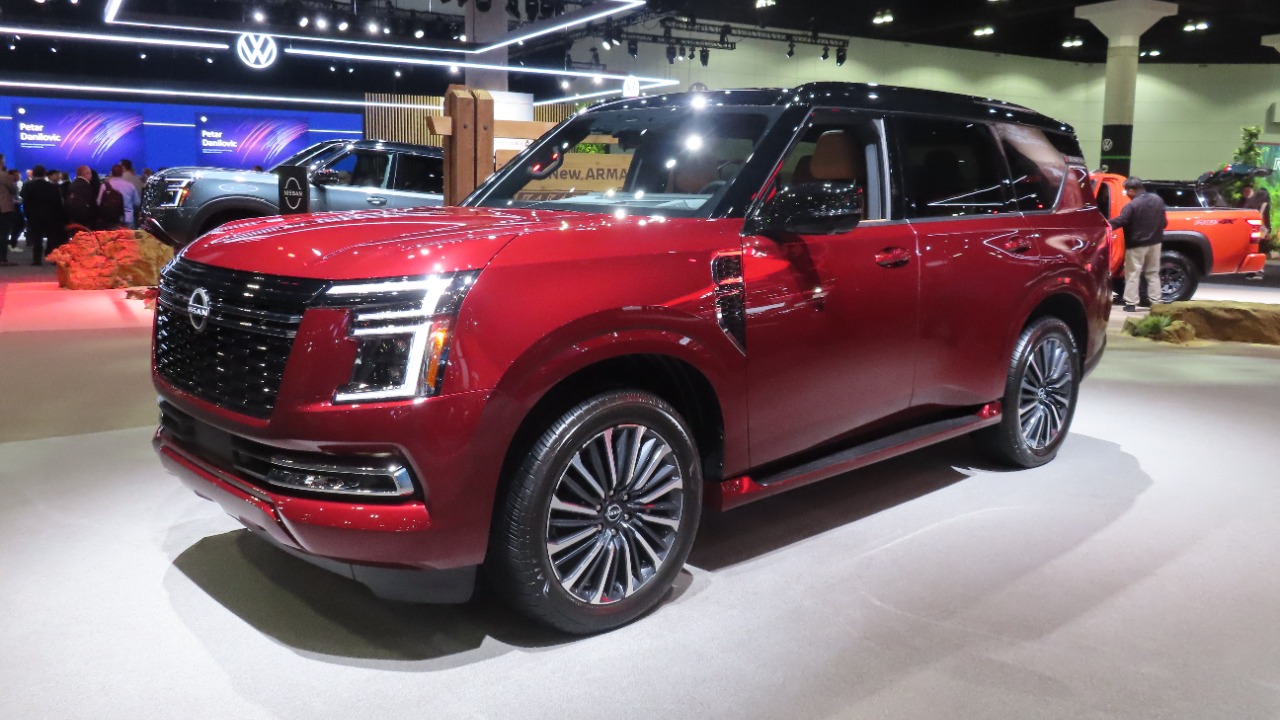
A twin-turbocharged V6 has replaced the naturally aspirated V8 in the current Nissan Armada, and the change lifted the tow rating to around 8,500 pounds on the model’s body-on-frame chassis. Nissan paired the new engine with a heavy-duty cooling package and a stronger frame to support the higher rating.
That combination of body-on-frame toughness and a smaller, more efficient engine is unusual in a segment that has largely moved toward unibody construction for ride comfort. Owners hauling boats or heavy utility trailers benefit most, since the chassis was engineered around towing loads rather than everyday commuting.
7. Jeep Grand Cherokee: Top-Trim Towing Ceiling
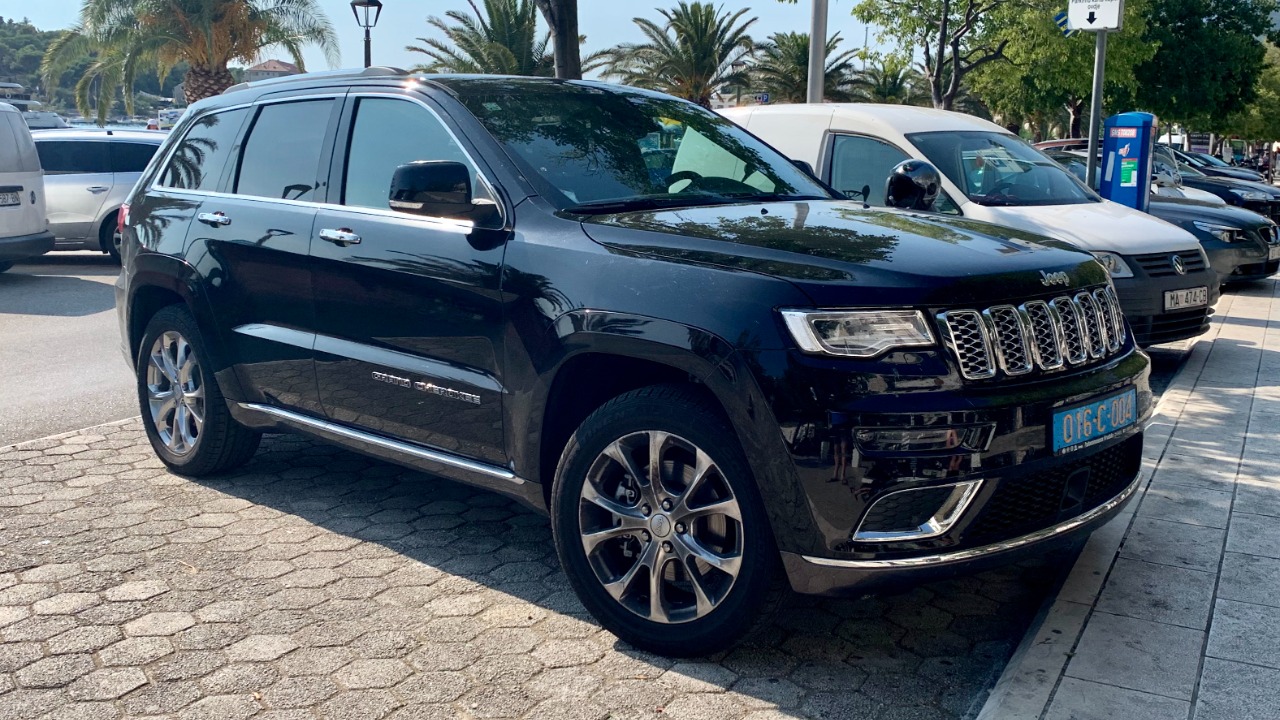
Only in its most capable configuration does the midsize Jeep Grand Cherokee reach its ceiling of roughly 7,200 pounds, a figure well above what the base four-cylinder or V6 versions can manage. Jeep reserves that number for trims built with the optional larger engine and the factory tow package together.
The gap between trims is wide enough that two Grand Cherokees parked side by side can have dramatically different capabilities despite looking nearly identical from the outside. Shoppers focused on towing need to check the specific drivetrain and package codes rather than assuming the nameplate guarantees a given number.
8. Toyota Land Cruiser: Classic Body-On-Frame Rating
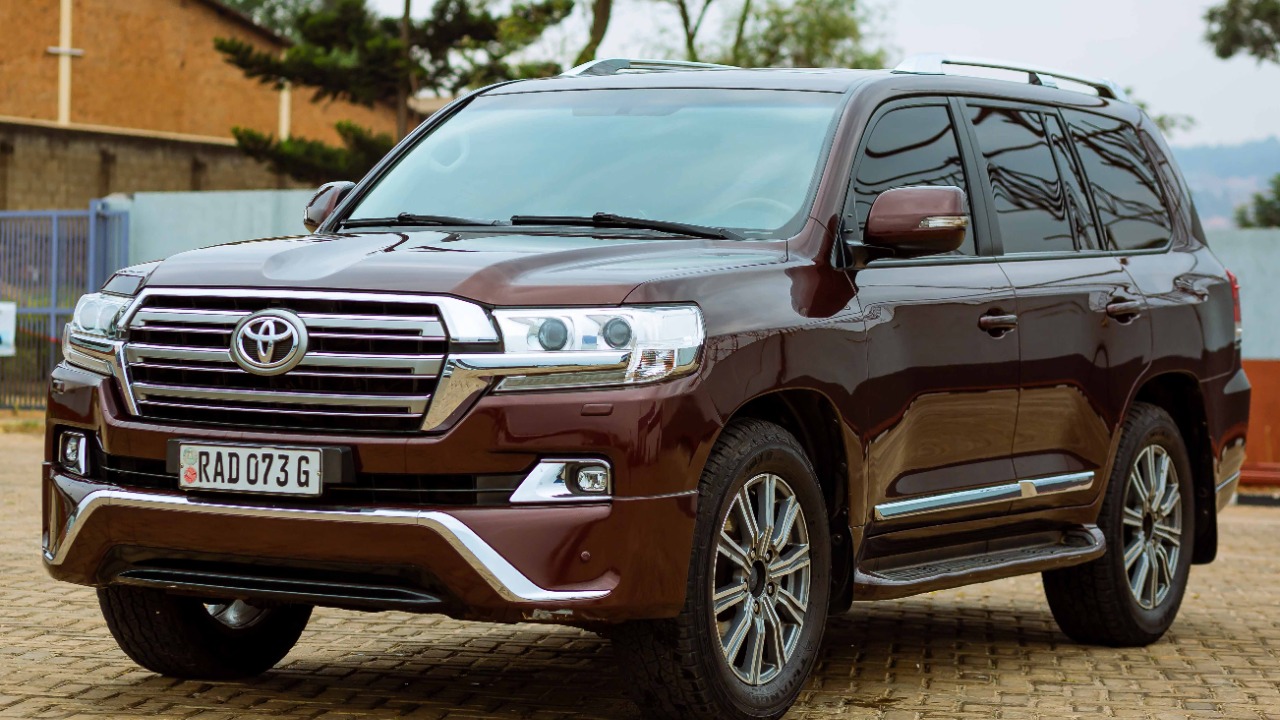
Long associated with body-on-frame toughness, the full-size Toyota Land Cruiser carries a classic tow rating near 8,000 pounds, a number that reflects decades of engineering aimed at remote, unpaved terrain rather than pavement comfort. That heritage separates it from crossover-based SUVs that borrow their underpinnings from ordinary passenger cars.
Off-road enthusiasts prize the same frame and low-range gearing that make the towing figure possible, since both trace back to a chassis designed for expedition-style use rather than commuting. That dual identity, as both a serious tow vehicle and a serious off-roader, is rare in a market increasingly dominated by unibody crossovers.
9. Ford Explorer: Unibody Platform’s Tow Limit
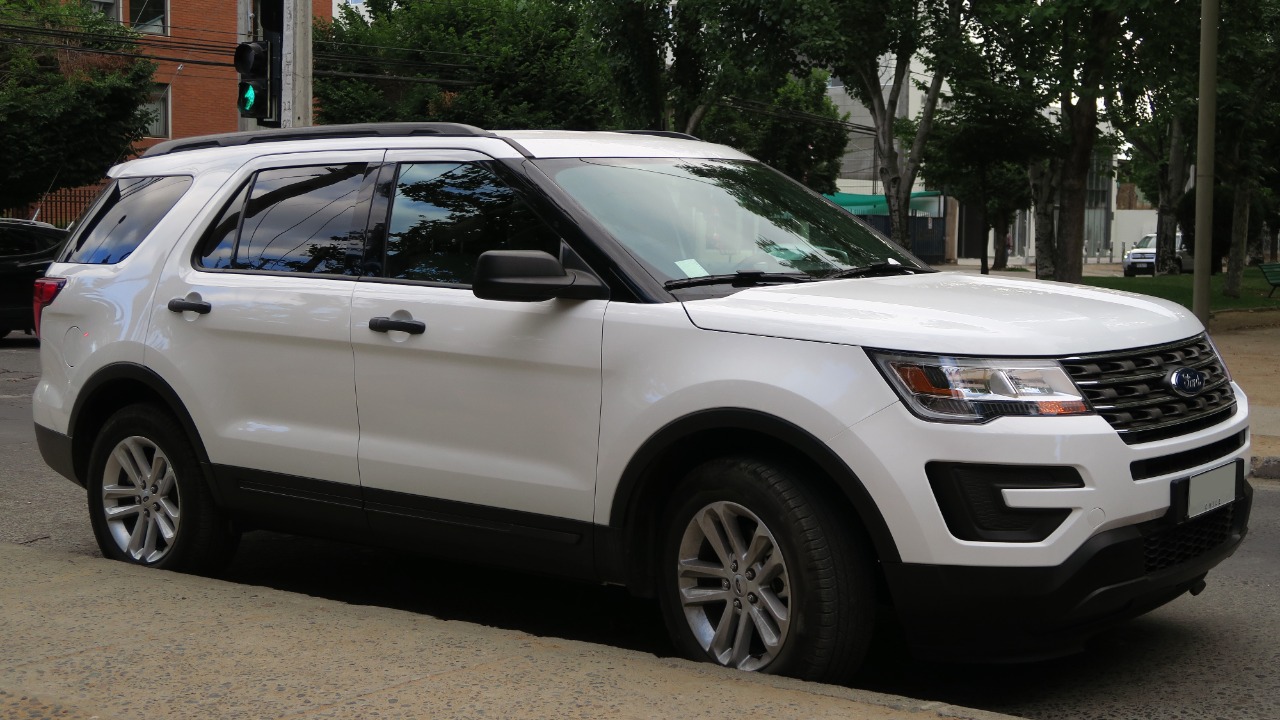
Ford builds the Ford Explorer on a unibody platform rather than a traditional truck frame, which caps the factory tow rating at about 5,600 pounds, a modest number next to full-size, body-on-frame rivals but still enough for a mid-size camper or a pair of personal watercraft. That gap illustrates how much construction method still matters even with modern engineering.
Ford has kept the Explorer’s underpinnings shared with mainstream crossovers to preserve ride quality and interior space, trading some towing headroom for everyday comfort most buyers use far more often than a hitch. Anyone regularly pulling a heavier trailer would need to look toward the automaker’s larger, body-on-frame offerings instead.
More from Morning Overview
- A handful of SUVs keep hitting 300,000 miles, and they share one engine trait
- Supplements now rank as the fifth-leading cause of death from liver disease.
- A study names the one SUV most likely to reach 250,000 miles
- More than 60,000 people flee the Spokane area as complex fires overrun 600 structures
