
Crash statistics reveal which vehicles protect their drivers best, and some of the results are striking. The latest report from the insurance industry’s safety group found a handful of models with no driver deaths at all. Here are eleven vehicles at the safe end of that list, mostly large SUVs and one full-size pickup.
Help yourself and the planet: The Cool Down makes it easy to help yourself while helping the planet, with smart, simple changes to save more and waste less in your everyday life.
We may earn a commission if you sign up.
1. Audi Q7: Perfect Score
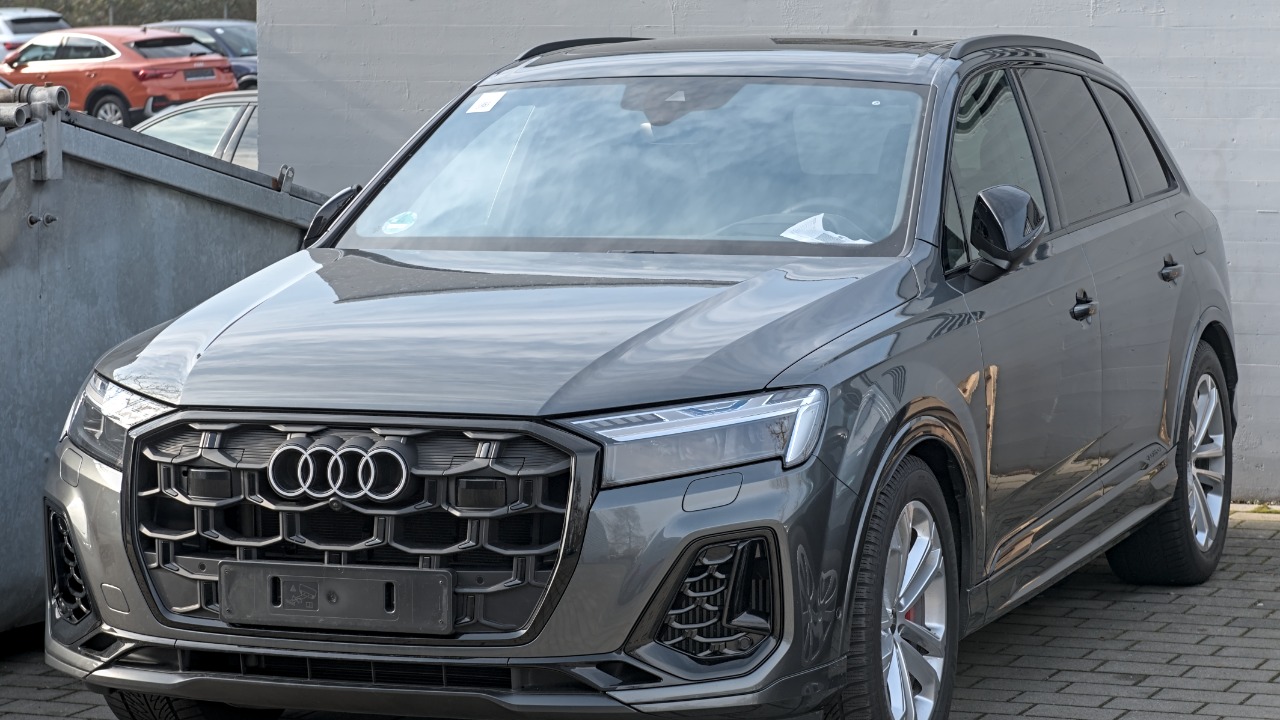
The four-wheel-drive Audi Q7 posted a driver death rate of 0 per million registered vehicle years, one of six models with no driver deaths in the IIHS driver death rates. The three-row luxury SUV is among the safest vehicles measured.
A zero means no drivers died in the models studied over the period examined. Because the rate is based on real-world crashes, it reflects both vehicle design and the kinds of drivers and roads involved.
2. BMW X7: Big Luxury, Zero Deaths
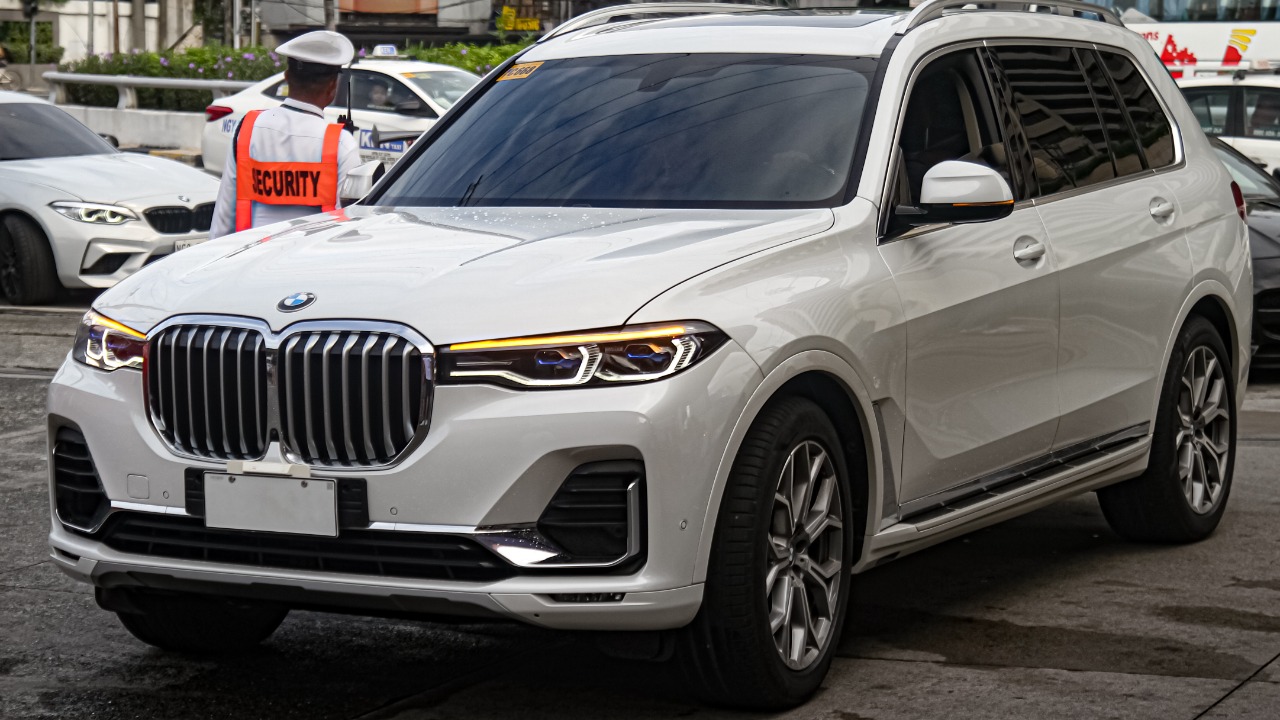
The four-wheel-drive BMW X7 had zero driver deaths in the latest rates, according to AutoGuide’s top-ten list. That puts the large three-row SUV among the six models with a perfect record.
The X7 is BMW’s flagship SUV, and its size and weight work in its favor in a collision. The result matters for family buyers weighing a large luxury vehicle against smaller alternatives, since vehicle size is one of the strongest influences on driver safety.
3. Chevrolet Tahoe: Full-Size Family Hauler
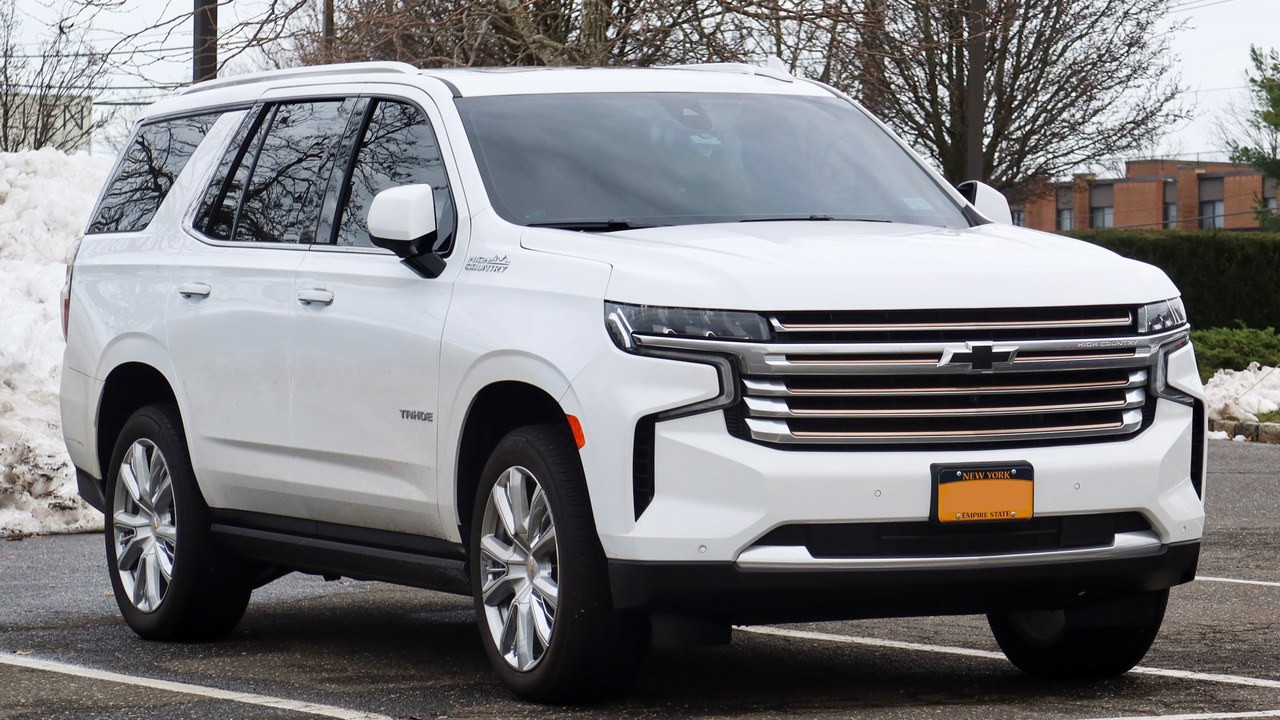
The four-wheel-drive Chevrolet Tahoe recorded a driver death rate of zero, among six vehicles with that result, according to GM Authority’s report. It is the most mainstream name among the six.
The Tahoe is a body-on-frame SUV that competes for buyers who tow or haul large families. A zero rate shows that a high-volume family vehicle can match luxury rivals in real-world driver safety, an encouraging result for mainstream shoppers.
4. Mercedes-Benz GLB: Compact Surprise
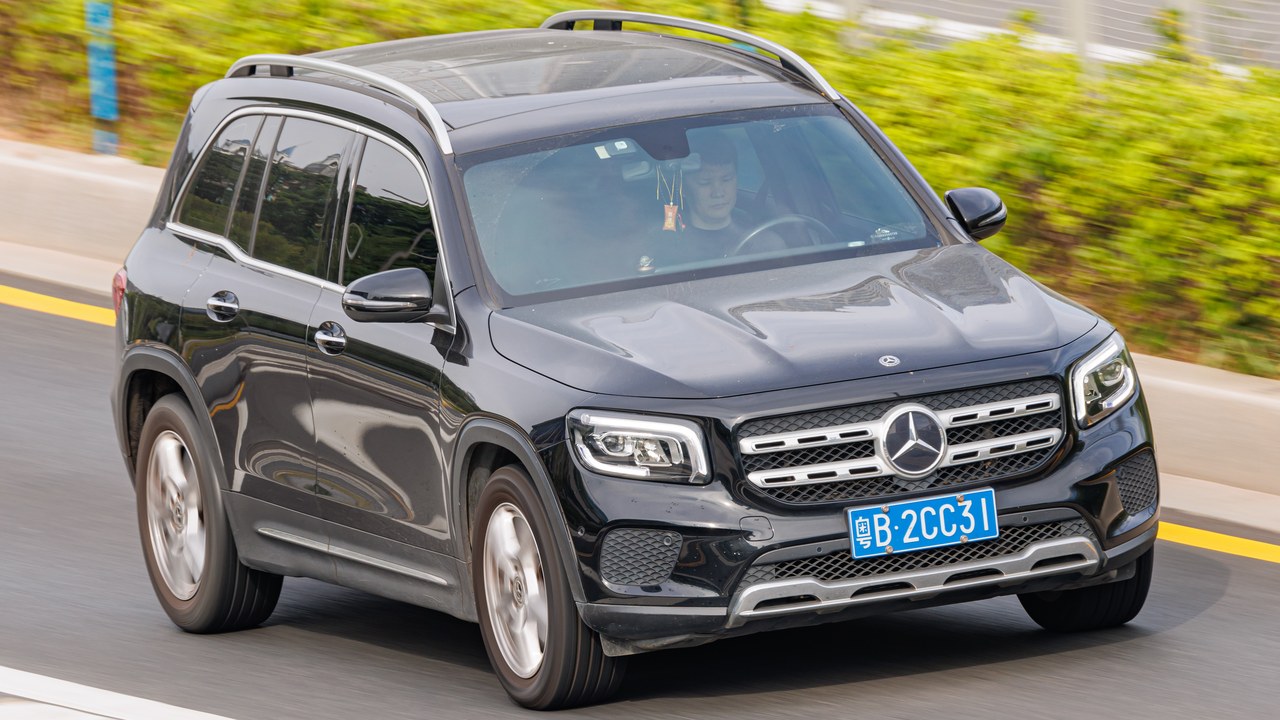
The four-wheel-drive Mercedes-Benz GLB, a compact luxury SUV, posted zero driver deaths, as reported in a Kelley Blue Book summary. Its place on the list shows that size alone does not decide the outcome.
Small vehicles generally post higher death rates, which makes a zero result from a compact SUV notable. The GLB offers an optional third row, but the result applies to the model as measured by the researchers.
5. Mercedes-Benz GLE: Two-Wheel-Drive Exception
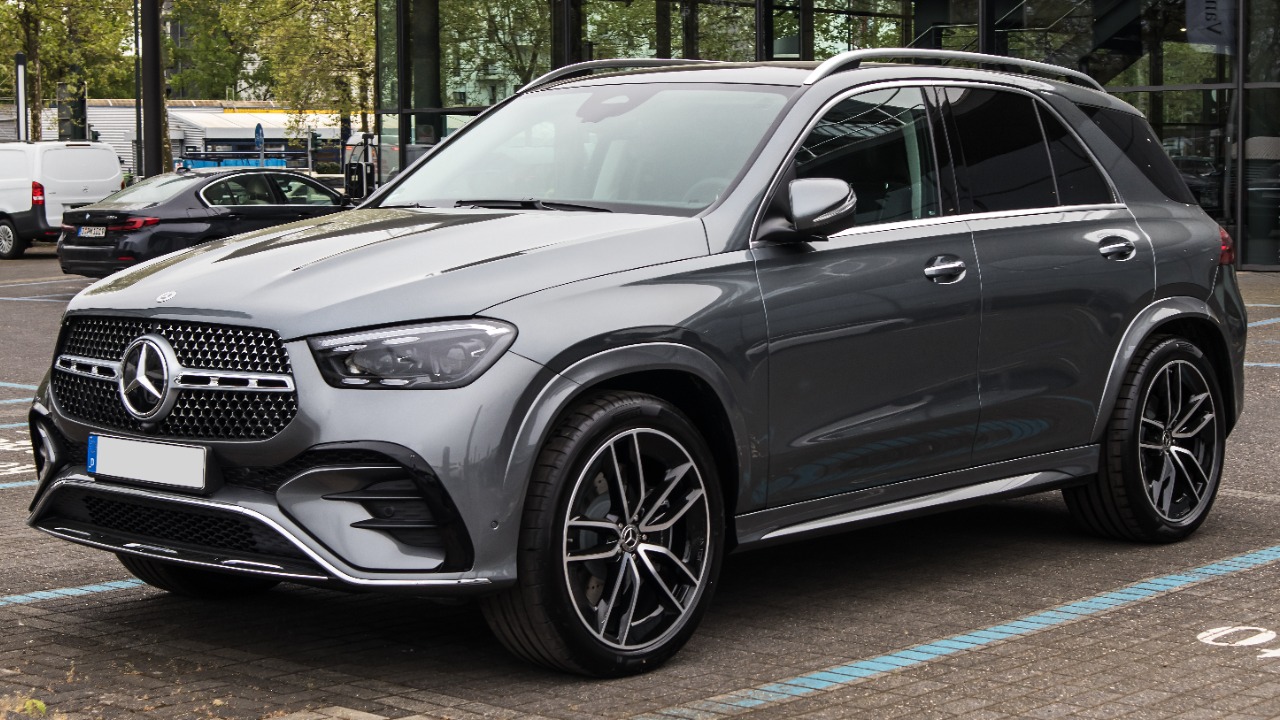
The two-wheel-drive Mercedes-Benz GLE had a driver death rate of 0, according to the Kelley Blue Book report. Unlike most vehicles on the list, it was measured without all-wheel traction.
The GLE is a midsize luxury SUV and a staple of upscale family garages. The result is a reminder that drive type is only one factor, with weight, structure and the way a vehicle is driven also playing a large role in the final rate.
6. Toyota Tundra: Truck With A Clean Record
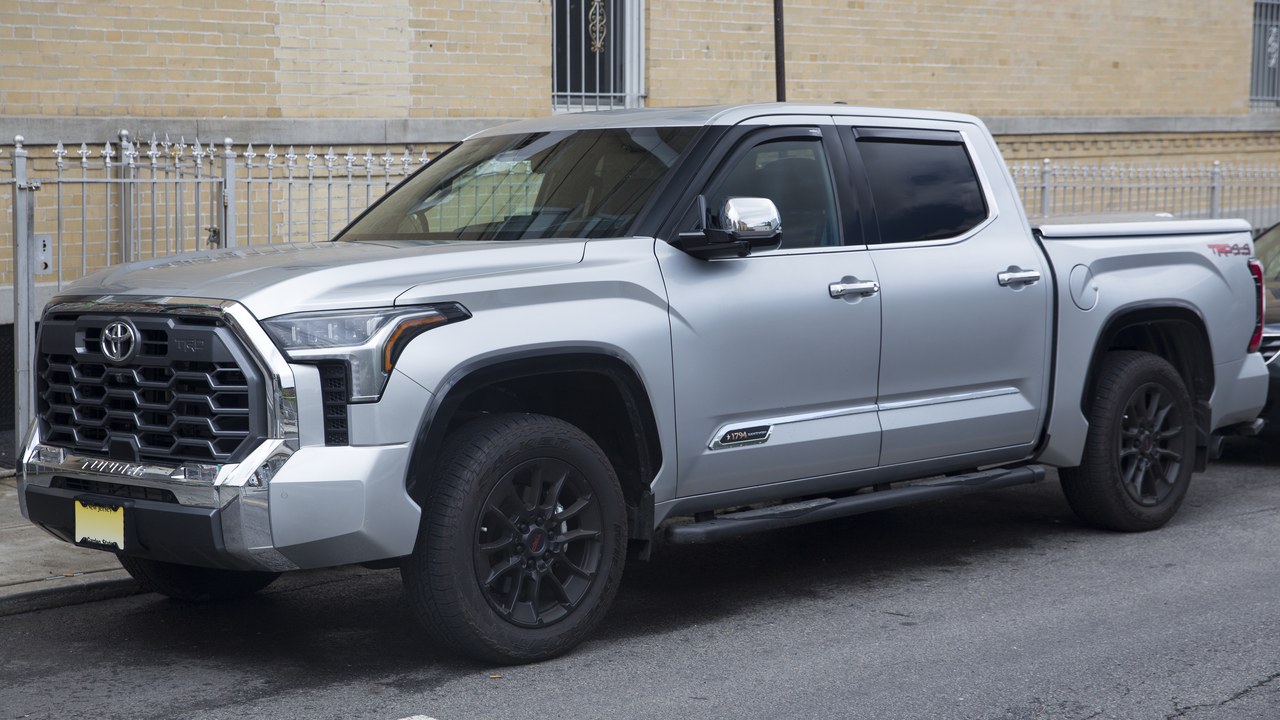
The Toyota Tundra in CrewMax four-wheel-drive form was the only full-size pickup at zero driver deaths, according to the IIHS release. Every other pickup in the class recorded at least some fatalities.
Full-size trucks often struggle in this kind of ranking because they are driven in demanding conditions and used for hard work. The Tundra’s clean result gives truck buyers a data point that cuts against that reputation, at least for this configuration.
7. Porsche Macan: Sports SUV, Low Rate

The four-wheel-drive Porsche Macan had a driver death rate of 4, as shown in the KBB data table. The figure is far below the all-vehicle average.
The Macan is a compact luxury crossover with sporty handling. Its low rate suggests that a performance-focused vehicle can still protect its driver well, and it is a reminder that small size does not always mean a high death rate in these tables. For shoppers, the takeaway is that the model sits comfortably in the safer end of the field and well within the group of strong performers.
8. BMW X5: Near The Bottom
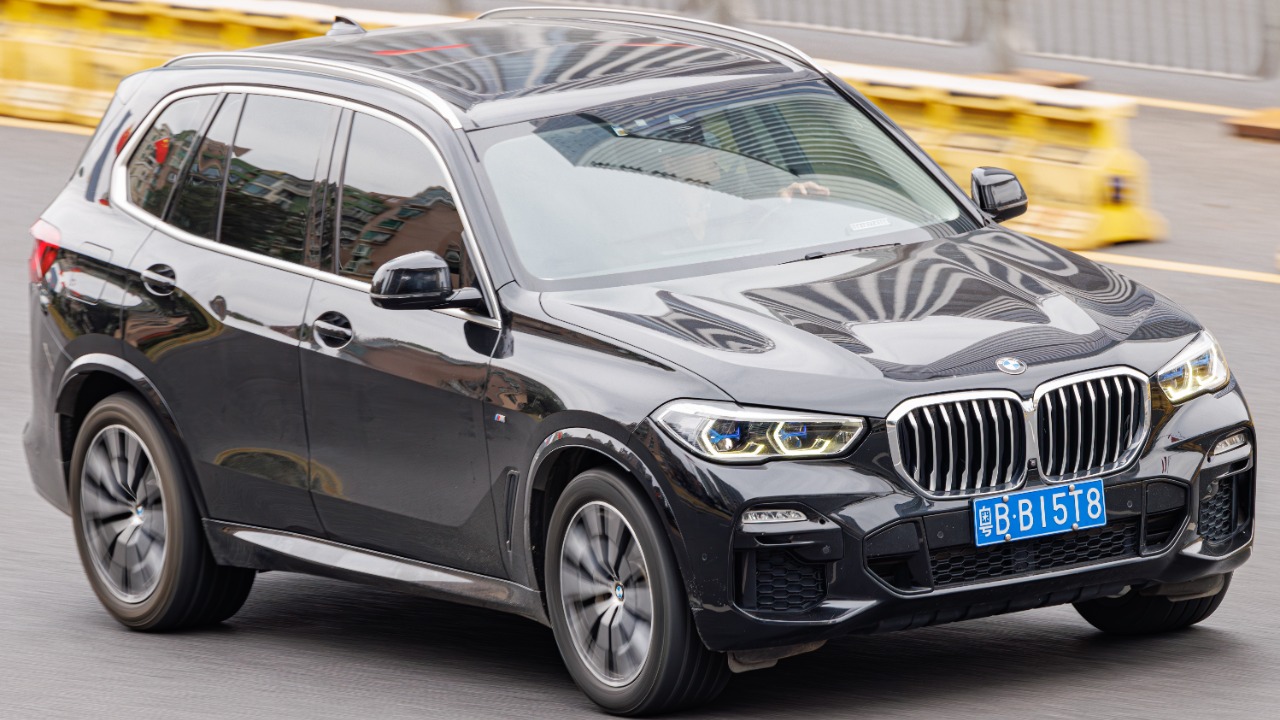
The four-wheel-drive BMW X5 had a driver death rate of 5, according to the Kelley Blue Book table. It is just above the models that recorded zero.
The X5 is a midsize luxury SUV that helped define the segment. A rate this low means that very few drivers of this model died during the study period, and it places the vehicle far below the all-vehicle average used as a benchmark for the study.
9. Volkswagen Atlas: Three-Row Value
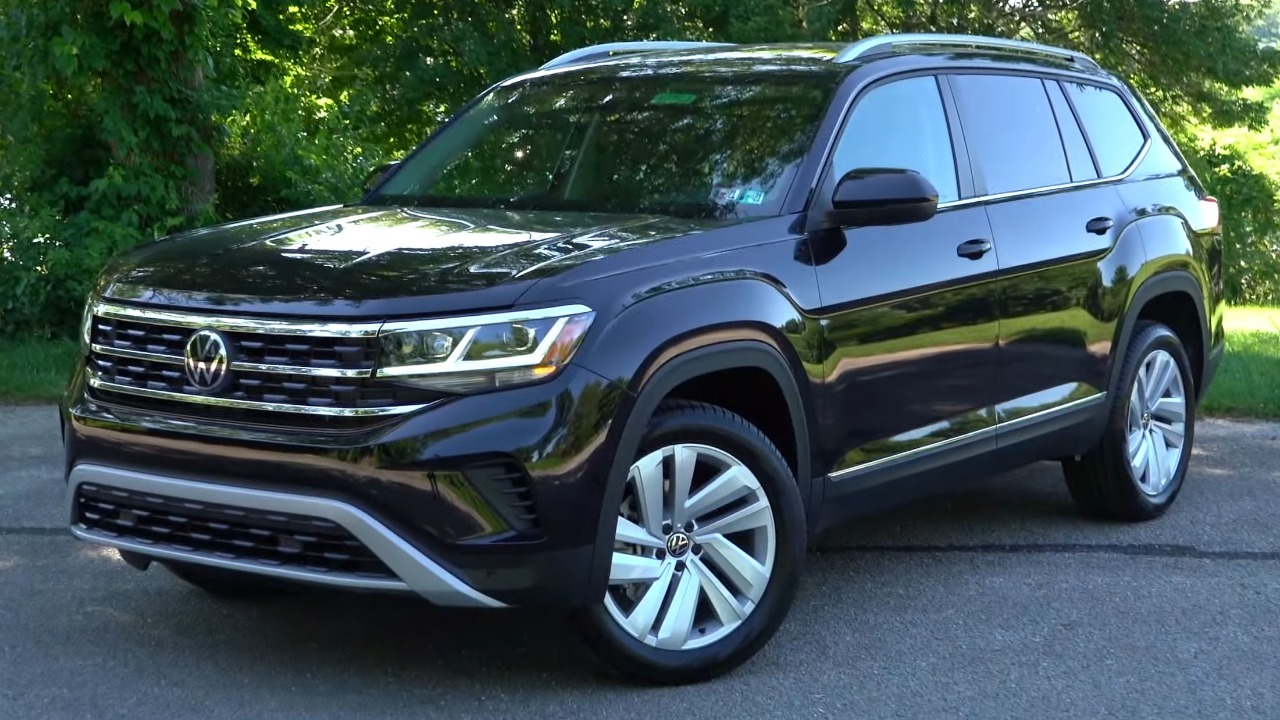
The two-wheel-drive Volkswagen Atlas, a three-row family SUV, had a rate of 5, according to AutoGuide’s list. It is the mainstream entry among several luxury vehicles in this group.
The Atlas is a large mainstream SUV that typically costs far less than its luxury rivals. Appearing alongside premium models shows that low death rates are not exclusive to expensive vehicles, which is useful information for budget-minded family shoppers. That makes it a practical reference point.
10. Chevrolet Suburban: Well Below Average
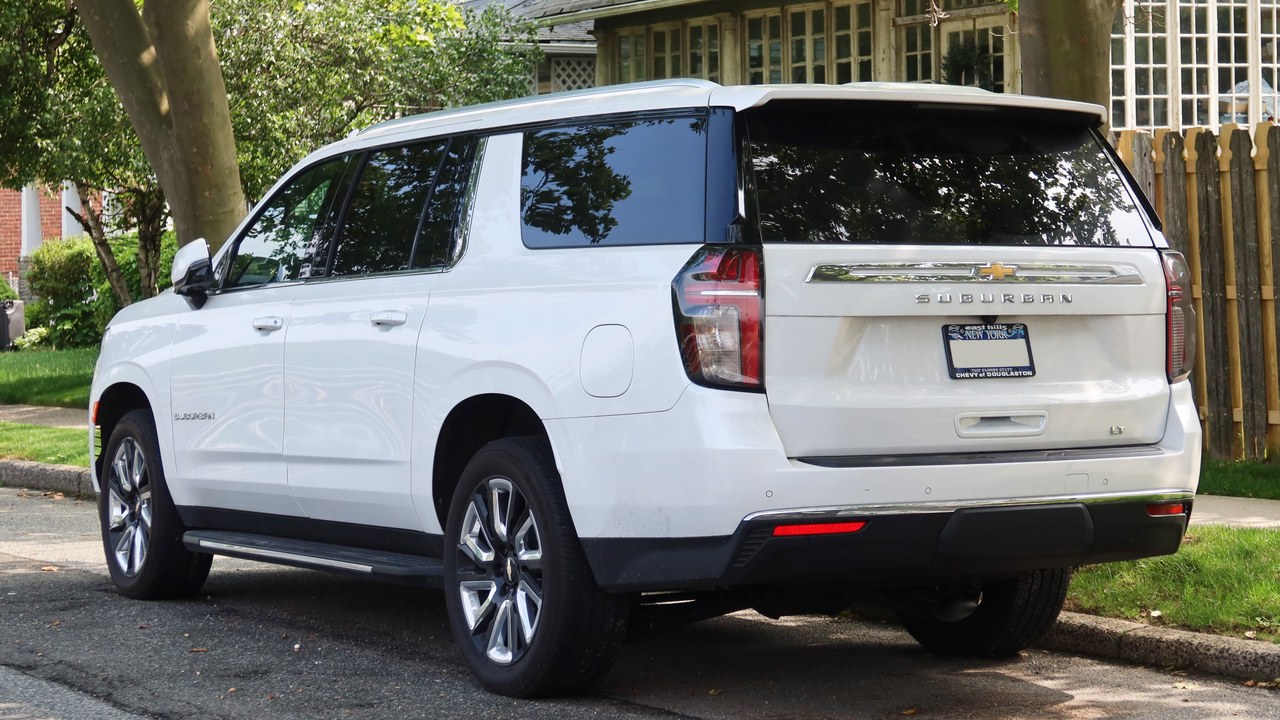
The four-wheel-drive Chevrolet Suburban had six driver deaths per million registered vehicle years, against an all-vehicle average of 37, as reported by GM Authority. That is well under the national benchmark.
The Suburban is the long-wheelbase sibling of the Tahoe, built for towing and large groups. Its rate is a fraction of the average, which shows the safety advantage of large body-on-frame SUVs for the people sitting in the driver’s seat.
11. Toyota Highlander: Drive Type Matters
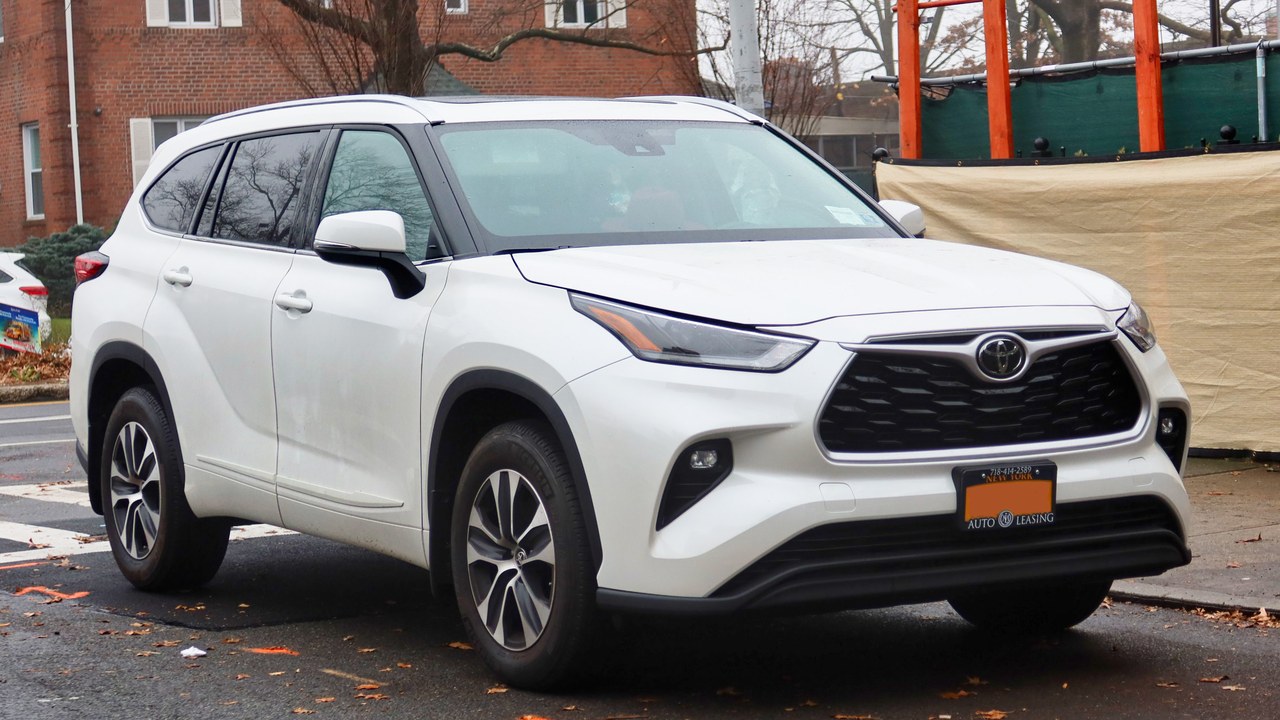
The four-wheel-drive Toyota Highlander had a rate of 7, while the two-wheel-drive version came in at 30, according to driver death rate data. The gap between the two versions is wide.
The Highlander is among the most popular three-row family SUVs in the country. The split between versions is a reminder that the same model can produce very different results depending on configuration, so shoppers may want to check the specific variant.
Help yourself and the planet: Get The Cool Down →
We may earn a commission if you sign up.
More from Morning Overview
- Two passengers died at an Ohio toll plaza, and the NTSB now wants the cash lanes shut
- Long use of a common prostate pill is tied to a higher chance of glaucoma
- Ford is recalling 223,472 F-150 pickups because the fuel tank can leak or detach
- Hybrids have 15% fewer problems than gas cars, while EVs and plug-in hybrids have about 80% more, Consumer Reports finds
