
Airbus spent five decades building the lineup that made it the main challenger to Boeing, from a twin-aisle pioneer to a record-setting double-decker. Production numbers across the family range from a few dozen jets to thousands. Here are twelve Airbus aircraft, each tied to a delivery or order figure.
The day in tech, in one email: TLDR is the daily newsletter with links and TLDRs of the most interesting stories in startups, tech and programming.
We may earn a commission if you sign up.
1. Airbus A300: The Original Airbus
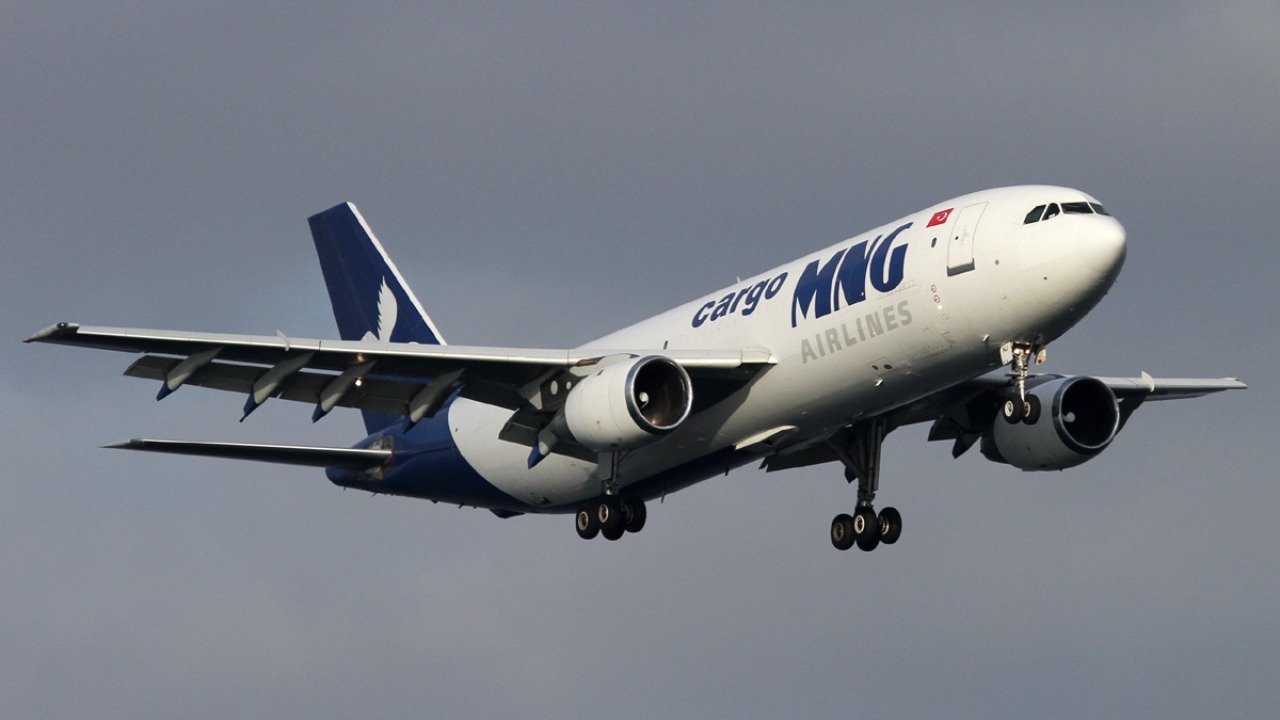
Airbus’s first jetliner flew on Oct. 28, 1972, and all 561 ordered were delivered before production ended in 2007.
The A300 started the company’s reputation as a serious maker of airliners. Its long production run shows how a pioneering design can stay useful for decades after its debut. The Wikipedia entry on Airbus lists the figures alongside the other models in the company’s history. Read together, they show how far the manufacturer has come since that first twin-aisle design took to the air.
2. Airbus A310: Shortened and Efficient
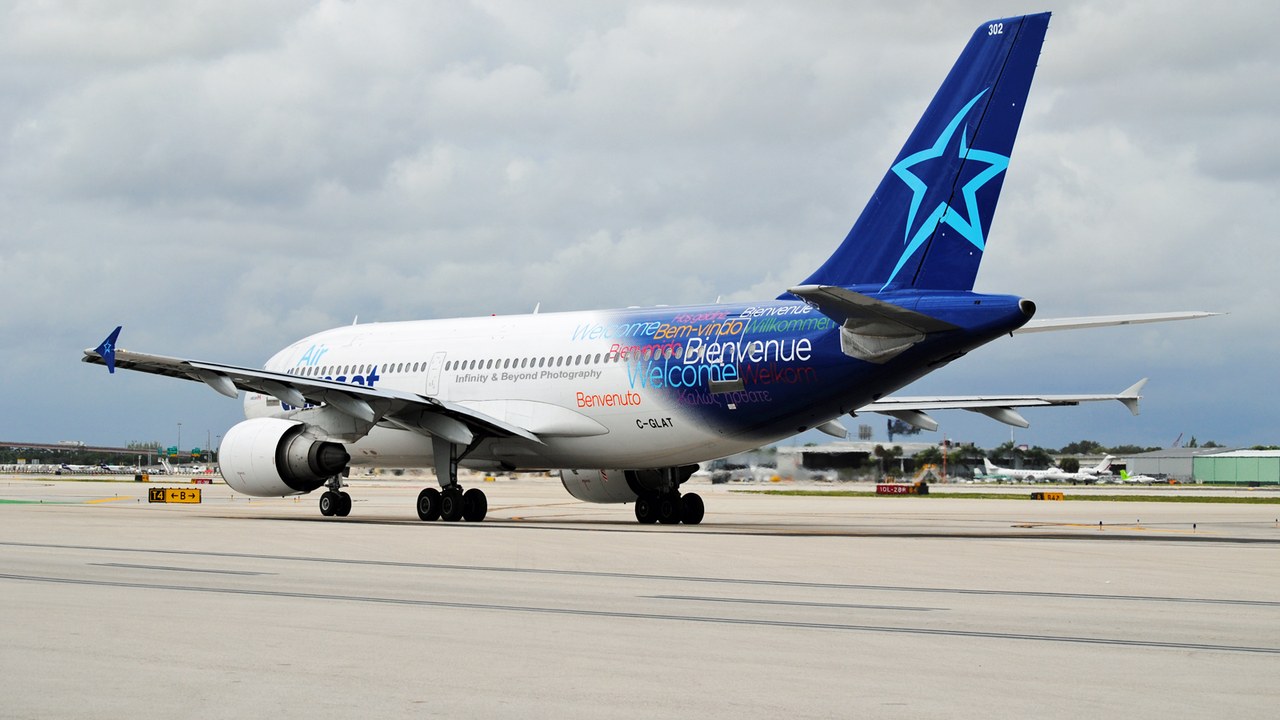
The shortened A310 first flew in 1982, and Airbus delivered all 255 before the last one left in 1998.
The A310 was a smaller sibling to the A300 and served a narrower slice of the market. Its production total stayed modest compared with later Airbus families. The Wikipedia history of Airbus records the delivery total next to the dates for the type. Seen beside the larger models in the lineup, it marks one of the more specialized chapters in the company’s story.
3. Airbus A318: The Smallest in the Family
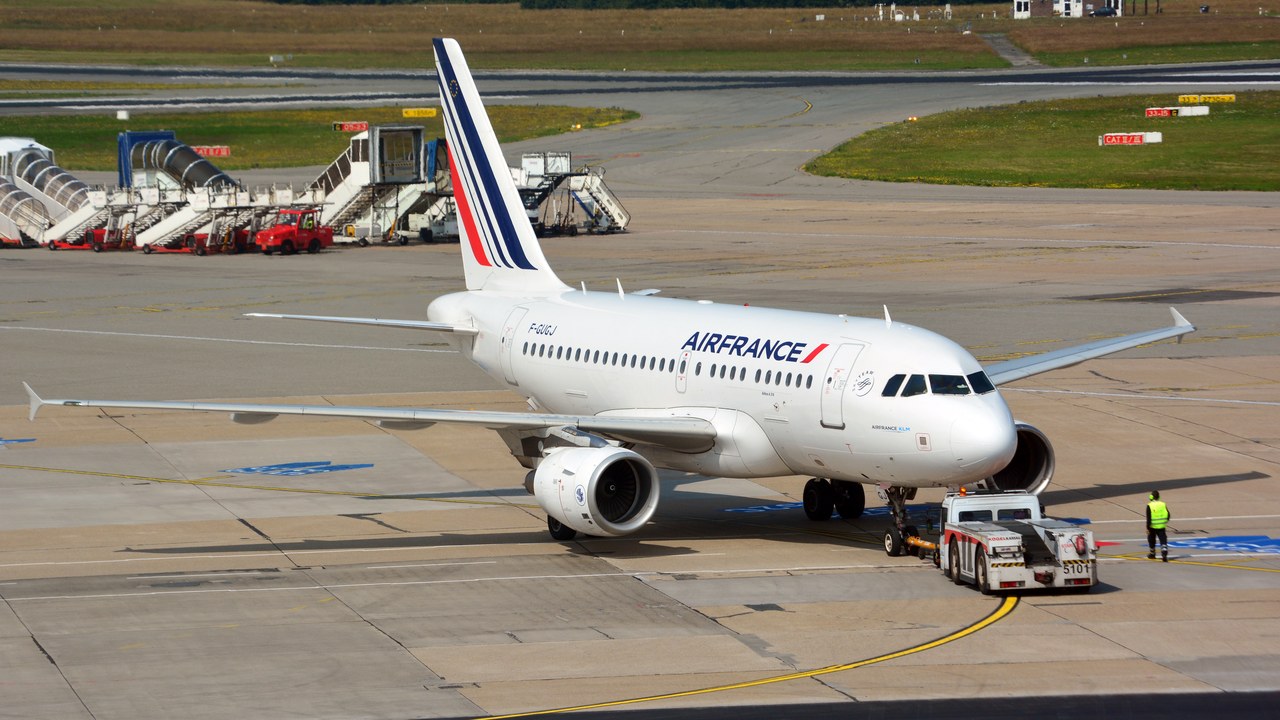
The smallest A320-family jet entered service with Frontier Airlines in July 2003, and just 80 were built.
Few airlines needed a jet this small, which explains the limited total. It remains a niche member of a family best known for far larger sales numbers. The Wikipedia article on the A320 family tracks the production count and the launch customer. It places the model at the small end of a lineup that otherwise runs to thousands of aircraft.
4. Airbus A319: Swissair’s Compact Narrowbody
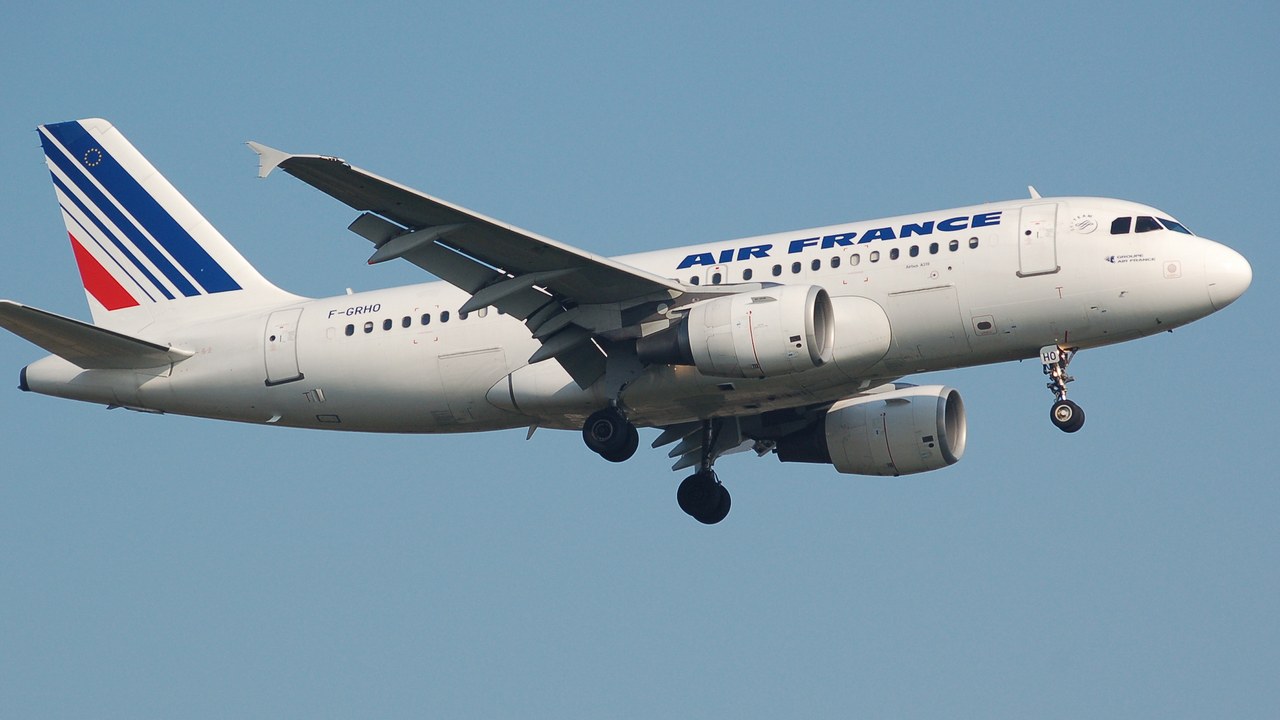
Airbus delivered 1,484 A319s, a 124-seat jet that entered service with Swissair in 1996.
The A319 became a common sight on shorter routes. Its seat count fits airlines seeking something smaller than the A320 without giving up the shared cockpit. The Wikipedia article on the A320 family gives the delivery tally and the launch airline for the variant. Together those details show how a mid-sized member of the family became one of its steadier performers.
5. Airbus A320: Air France Starts the Story
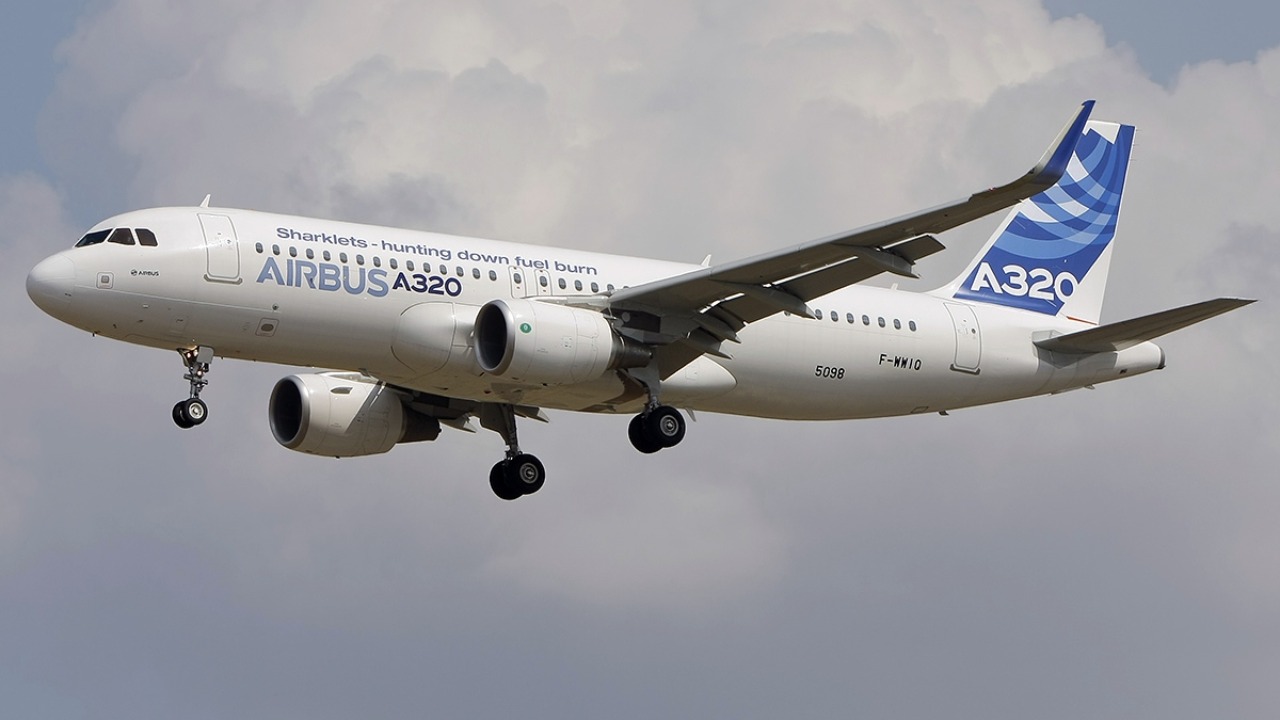
Air France introduced the A320 in April 1988, and 4,752 of the original model have been delivered.
That total refers to the original version only, not the later neo models. It makes the A320 the volume anchor of the entire Airbus catalog. The Wikipedia article on the A320 family supplies the launch date and the delivery count. As the namesake of the whole series, the original jet explains much of why Airbus sits near the top of the industry.
6. Airbus A321: Stretched for Lufthansa
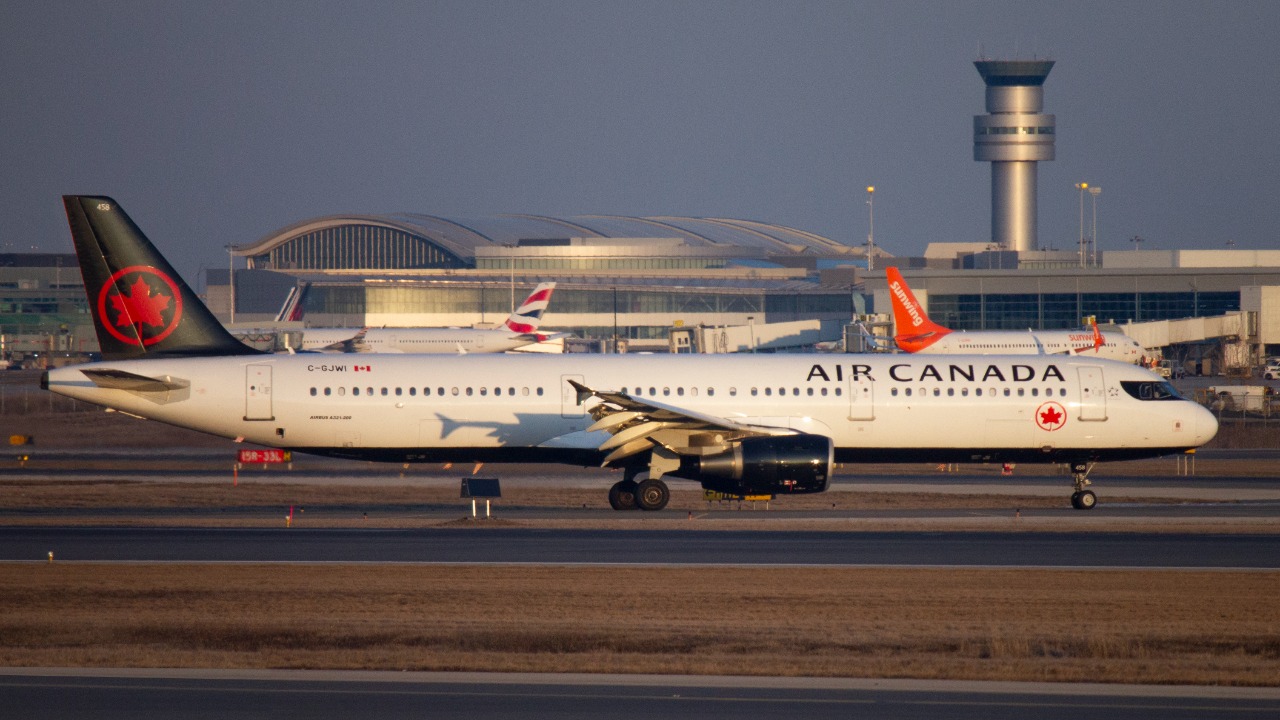
The stretched A321 entered service with Lufthansa in January 1994, and all 1,784 original A321s were delivered.
The longer fuselage gave airlines more seats on busy routes. As with the A320, the figure covers only the original version rather than later updates. The Wikipedia article on the A320 family notes the delivery total and the launch operator. For anyone tracing how the family grew, this variant shows the first big step upward in capacity.
7. Airbus A321XLR: American’s Long-Range Bet
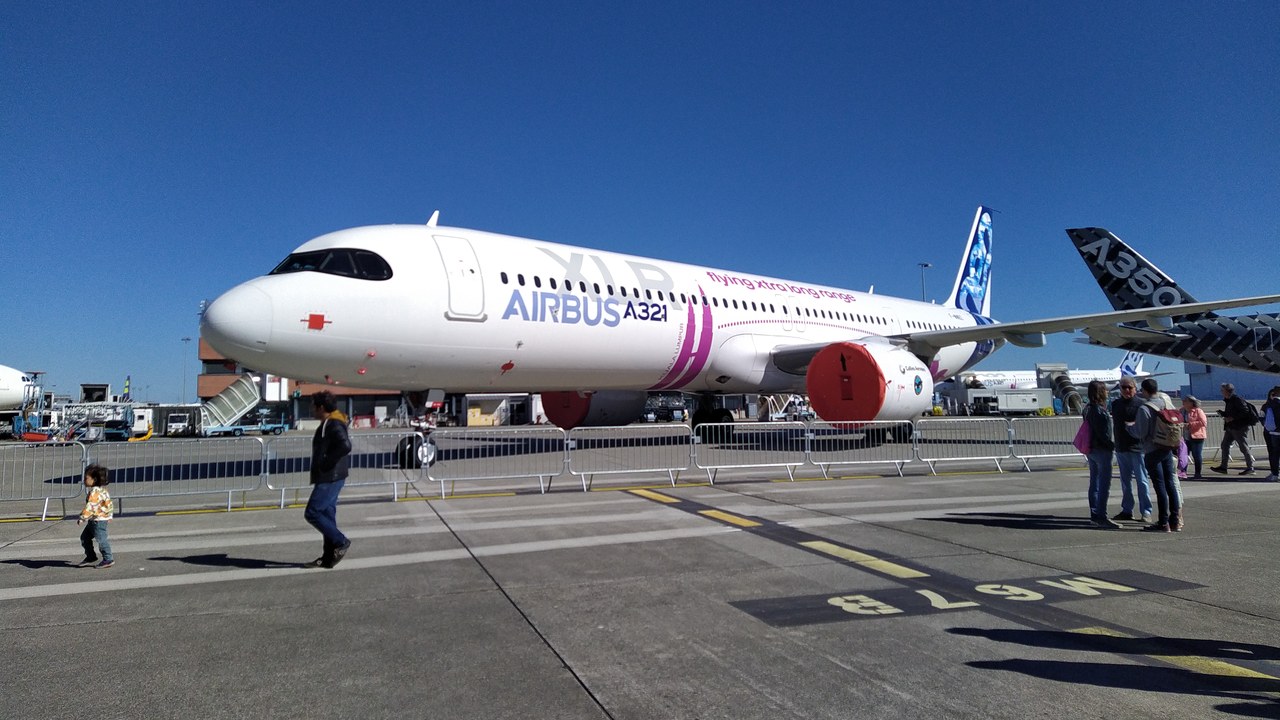
American Airlines ordered 50 of the 4,700-nautical-mile A321XLR and fits it with 20 Flagship Suites.
The XLR stretches a narrowbody into long-haul territory. The premium cabin shows that airlines are willing to put business-class seating on routes once reserved for bigger jets. Business Traveller reported on the airline’s first example of the type and its seating plans. The numbers show how a single-aisle jet is being repositioned for premium travelers on much longer routes than before.
8. Airbus A220: Bombardier’s Former CSeries
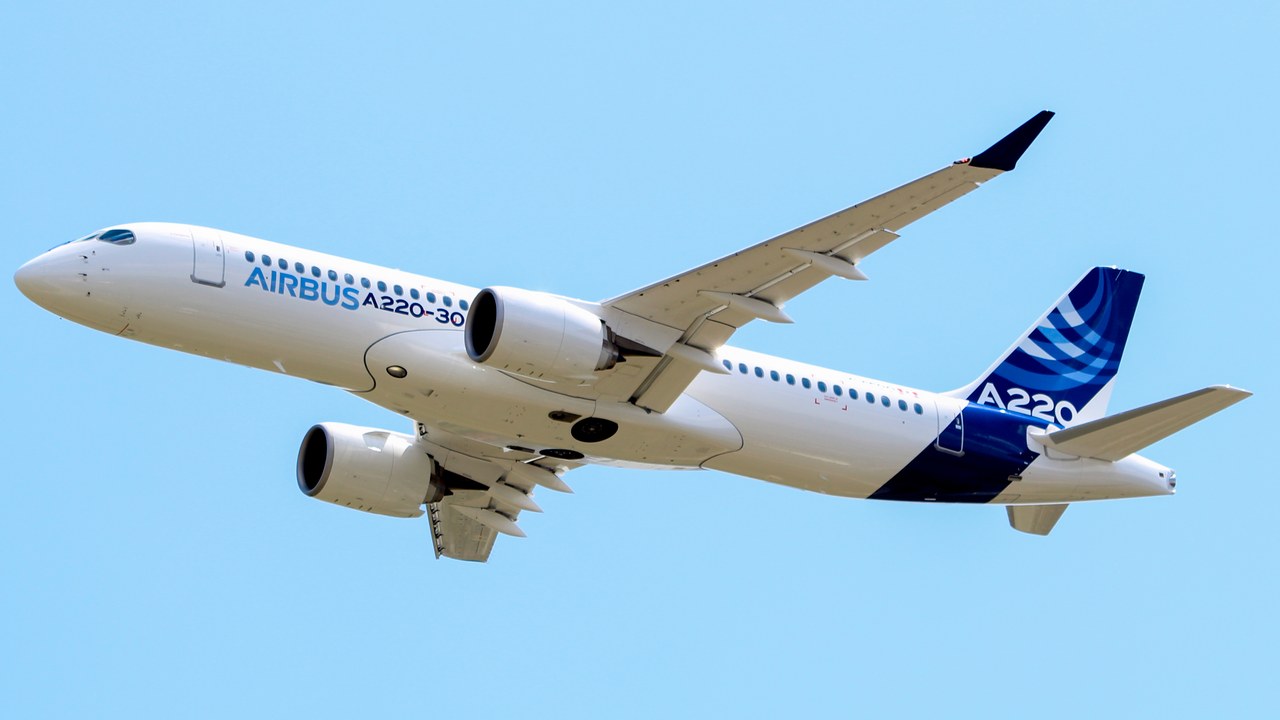
Airbus handed over 93 A220s in 2025, the jet it took over from Bombardier’s CSeries program.
The A220 joined the Airbus lineup through that takeover rather than a clean-sheet design. Its 2025 deliveries show it is now a regular part of the company’s output. Airbus reported the figure in its January 2026 announcement of 793 commercial aircraft deliveries for 2025. The release treats the A220 as a core product line, which shows how fully the program has been absorbed.
9. Airbus A330: Widebody With a Neo
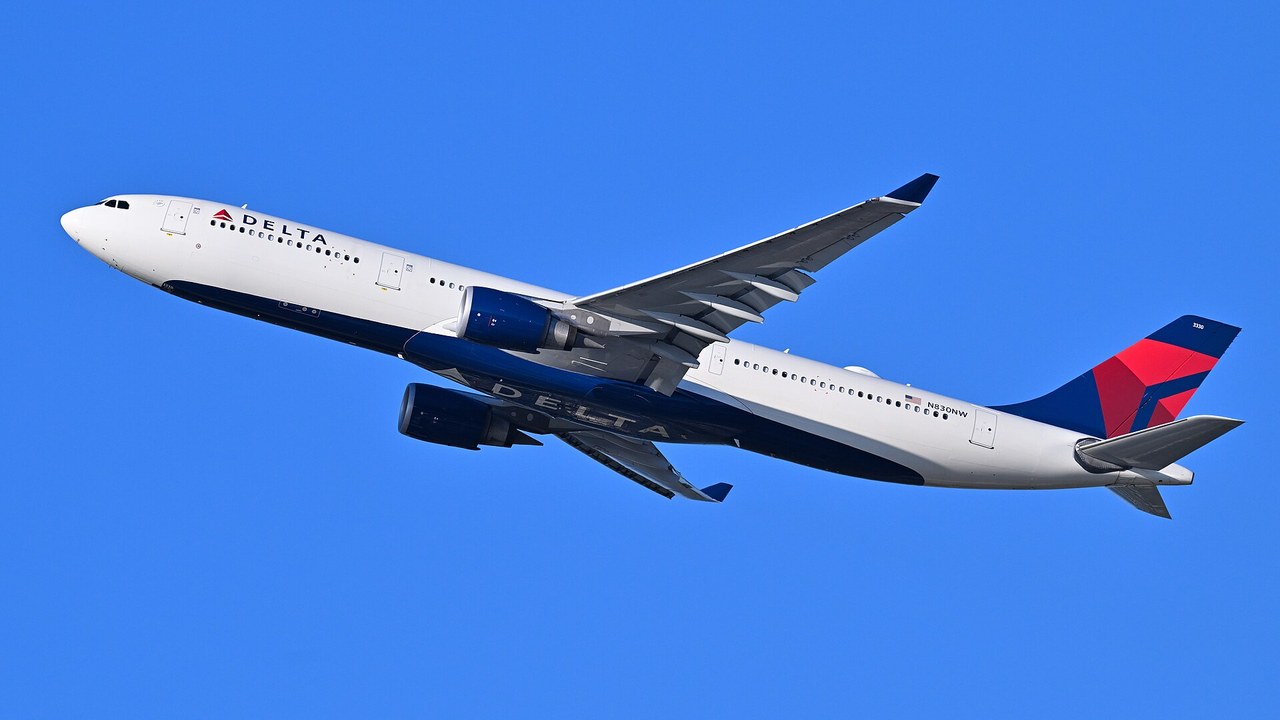
Airbus delivered 36 A330-family jets in 2025 and booked 100 gross orders for the A330neo.
The orders point to continuing demand for the upgraded version. The older design still has life left as airlines look for a mid-sized twin-aisle. The same Airbus announcement of 2025 results provides both numbers. Seen together, they give a snapshot of a long-running family that has been refreshed rather than replaced by an entirely new design.
10. Airbus A350: The Order Leader
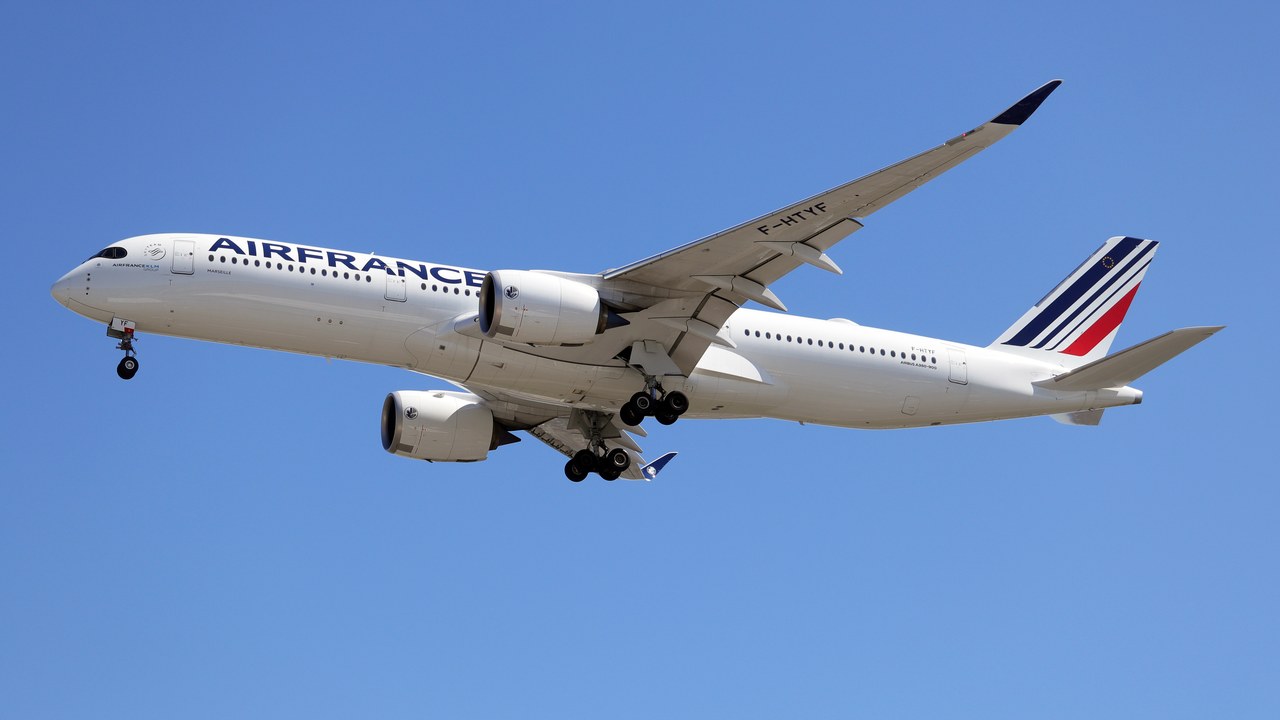
The A350 family drew 193 gross orders in 2025, more than any other Airbus widebody, with 57 delivered.
Orders outnumbered deliveries by a wide margin, which suggests a healthy backlog. The A350 is clearly the widebody on which Airbus is placing its biggest bets. Airbus included the order and delivery numbers in its report on 2025 results. For airlines planning long-haul growth, the figures suggest strong confidence in the type and a pipeline that will keep factories busy for years.
11. Airbus A380: 251 and Done
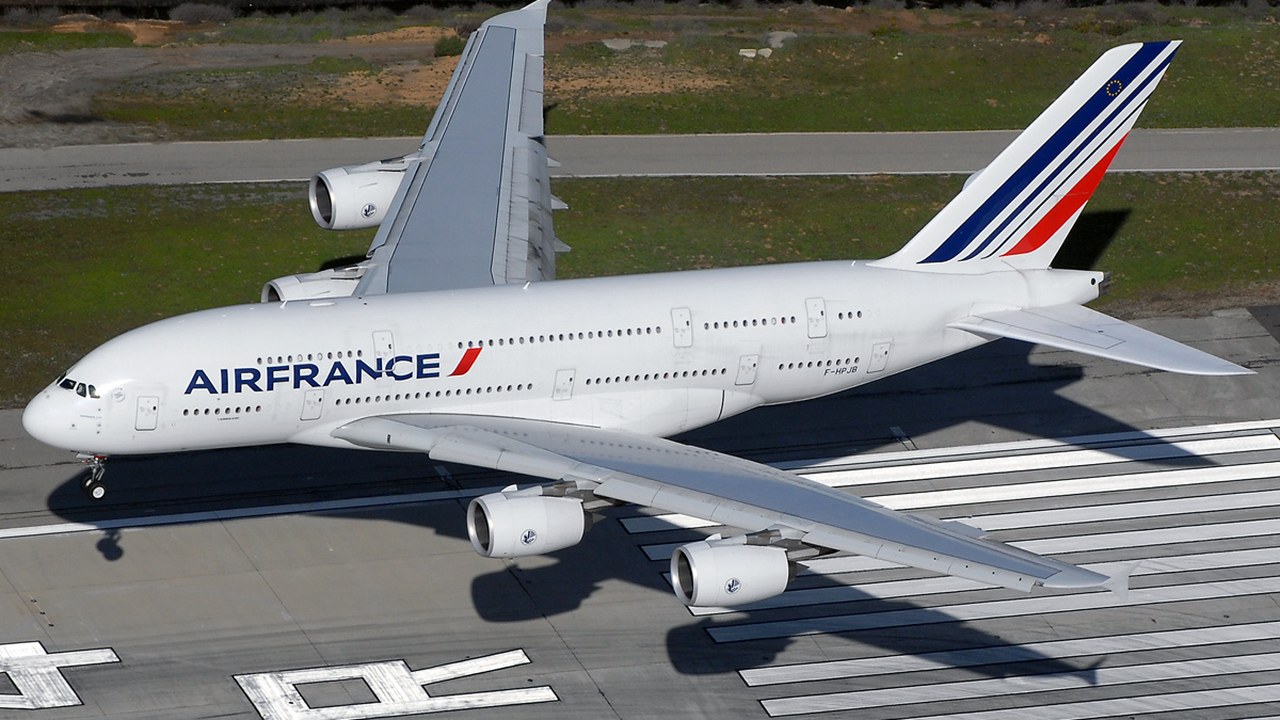
Airbus delivered all 251 A380s ordered, and the last superjumbo left the factory on Dec. 16, 2021.
The double-decker never matched the sales of the single-aisle jets in this list. Its small total makes each surviving aircraft a notable sight at an airport. The Wikipedia entry on Airbus lists the program’s order and delivery totals, and the two figures match. Airlines flew the type on some of the longest and busiest international routes, which made it a symbol of the era.
12. Airbus BelugaXL: Wings by Air
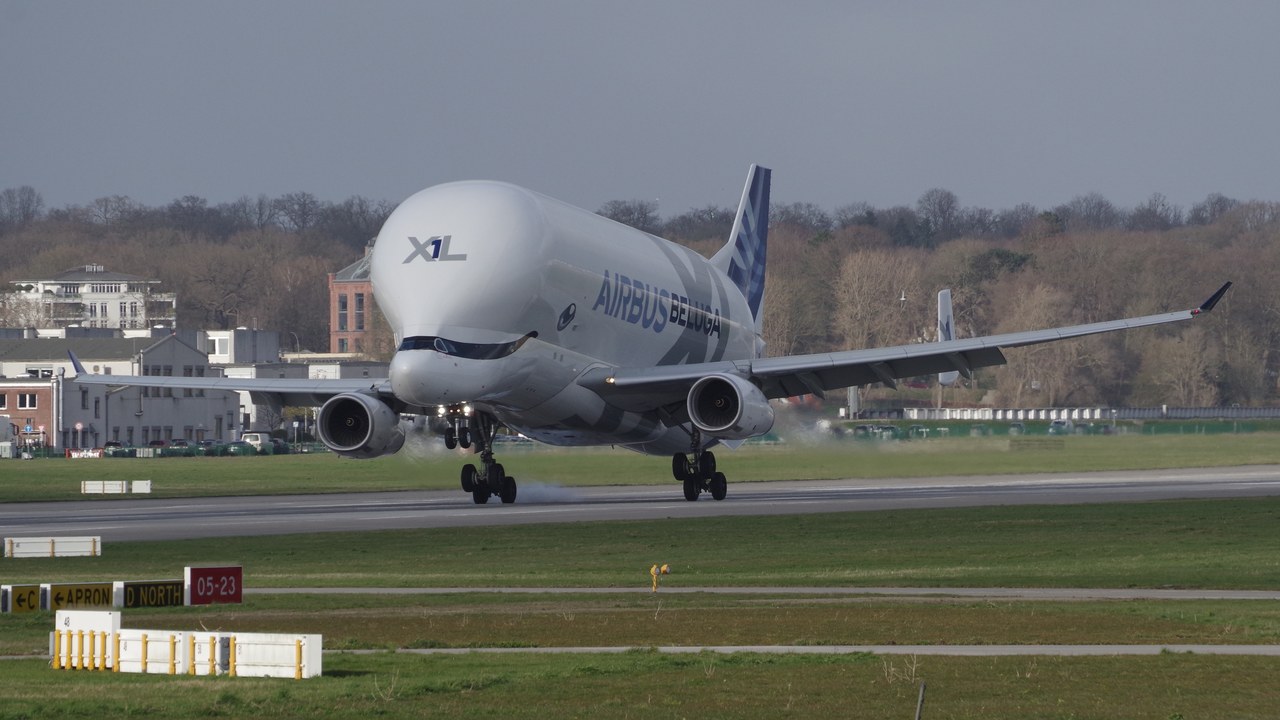
Airbus built six BelugaXL freighters, each able to carry two A350 wings at once.
The BelugaXL is not a passenger jet, but it keeps Airbus production moving by shuttling large parts between factories. Its odd shape makes it one of the most recognizable aircraft in the sky. Deeside.com covered the rollout of the sixth and final example, noting that it looked a little different from the others. The small fleet is a reminder that specialist aircraft serve the manufacturing side of the business.
The day in tech, in one email: Get TLDR →
We may earn a commission if you sign up.
More from Morning Overview
- Hurricane Hunter radar shows four warning signs that a tropical cyclone is about to strengthen, a University of Miami study found
- Tropical Storm Rachel is dumping up to 12 inches on four Mexican states on its way to major hurricane strength
- The FTC says Lens.com doubled the price shoppers saw in Google ads
- Common allergy, bladder and sleep pills tied to sharply higher dementia odds
