
Some engines shrug off decades of neglect, cheap oil changes, and six-figure odometers without complaint, and a handful of designs earned that reputation more than any others. From Japanese luxury flagships to German diesel workhorses, mechanics and long-time owners keep returning to the same names when the topic of longevity comes up. Here are nine older cars whose engines simply refuse to die.
1. Lexus LS 400: Toyota’s Quiet Overbuilt Flagship
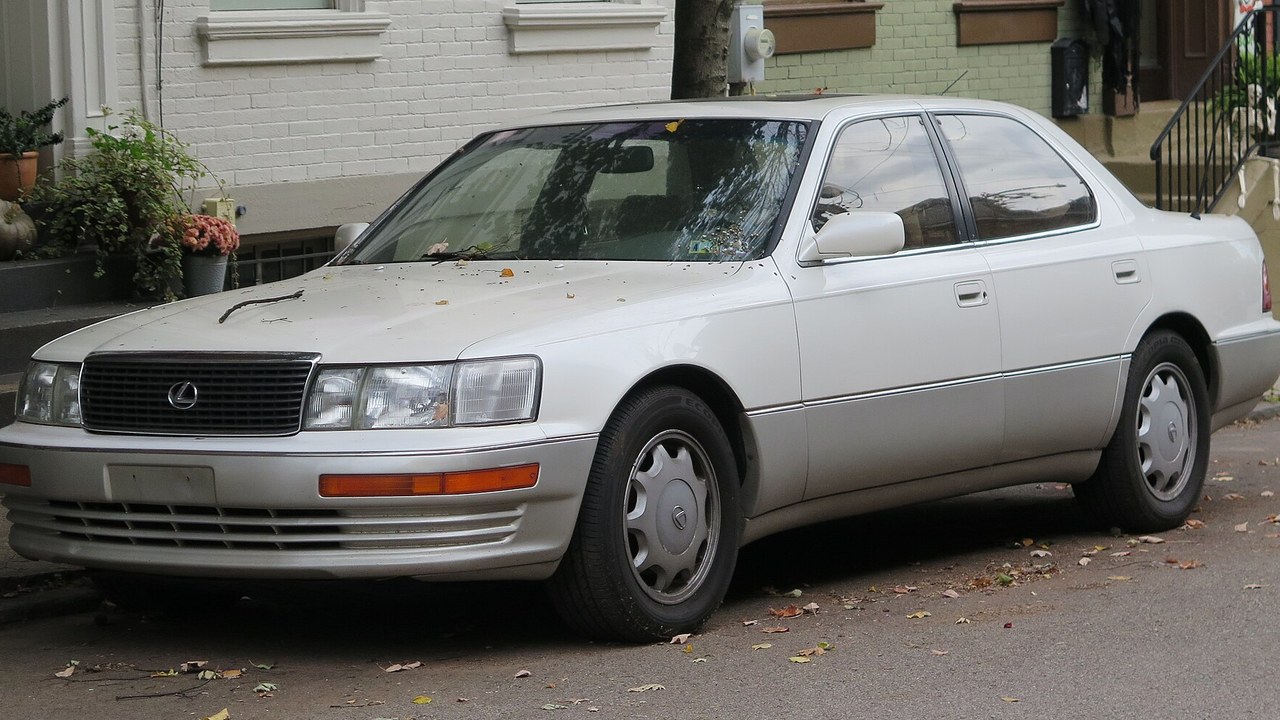
Lexus built the first LS 400 around a 1UZ-FE V8 engineered for near-silent operation and extreme precision tolerances, and that same obsession with build quality is why so many examples now sit well past 300,000 miles on their original engines. Toyota reportedly tested prototypes for hundreds of thousands of miles before the car ever reached showrooms in 1989.
Owners routinely report minimal internal wear even after decades of use, since the engine was designed with wide margins rather than being pushed to its limits. That conservative engineering, more than any single part, explains why the LS 400’s V8 keeps running long after the rest of the car has aged around it.
2. Mercedes-Benz W123: Diesel Taxi Million-Mile Legend
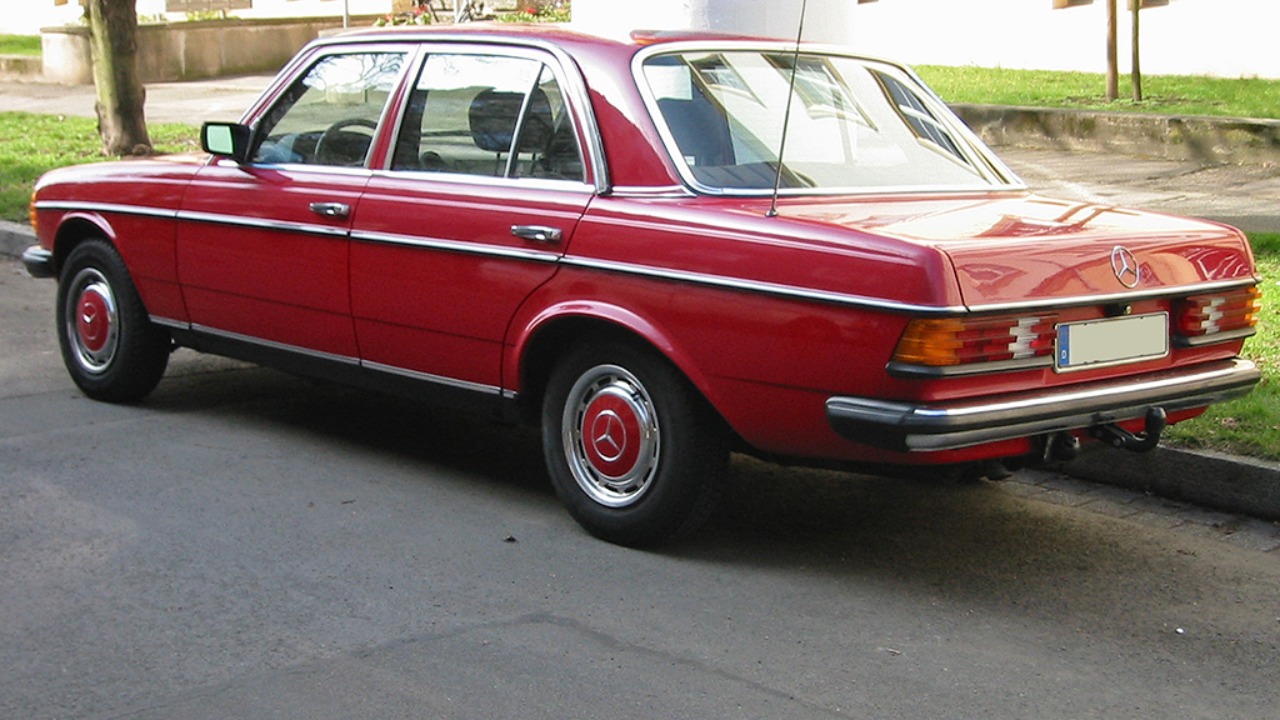
The Mercedes-Benz W123 carried the OM616 and OM617 diesel engines that became famous in taxi fleets across Europe and Africa, where drivers routinely logged well past 500,000 miles before any major mechanical work. Mercedes built the sedan from 1976 through 1985 with thick sheet metal, simple mechanical fuel injection, and few electronic parts to fail.
Because the diesel engine relies on compression rather than a delicate ignition system, it tolerates poor fuel, skipped maintenance, and rough roads far better than most gasoline engines of its era. That toughness turned the W123 into a byword for durability long after Mercedes stopped building it.
3. Volvo 240: The Boxy Swede That Endures
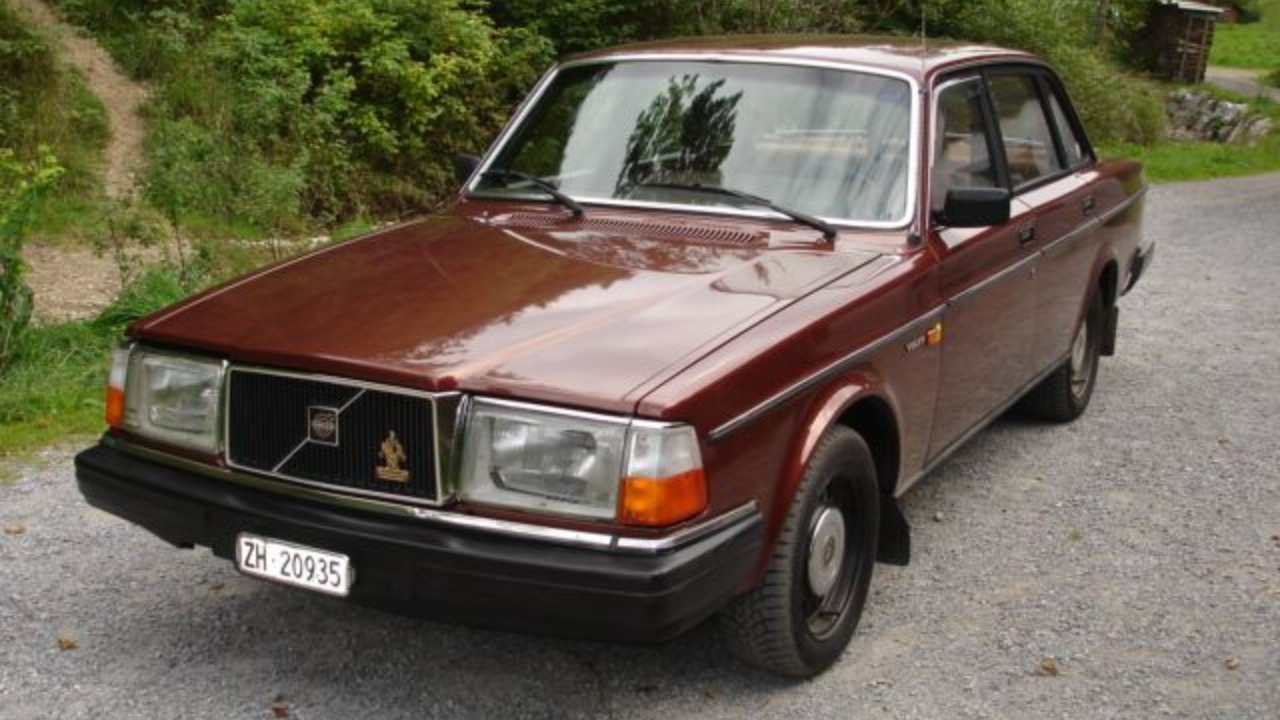
The Volvo 240 paired its boxy, safety-focused body with the cast-iron redblock four-cylinder engine, a design so simple and overbuilt that owners have kept examples running for 300,000 and even 400,000 miles on the original block. Volvo sold the 240 for nearly two decades, from the mid-1970s into the early 1990s, changing little about the core mechanicals along the way.
That reluctance to redesign the engine meant parts stayed cheap and interchangeable across model years, so a worn component from one year’s car could keep another one running. The result is a car whose reputation for stubborn longevity has outlasted the brand’s own marketing about safety.
4. Toyota Corolla (E90): The Corolla That Won’t Quit
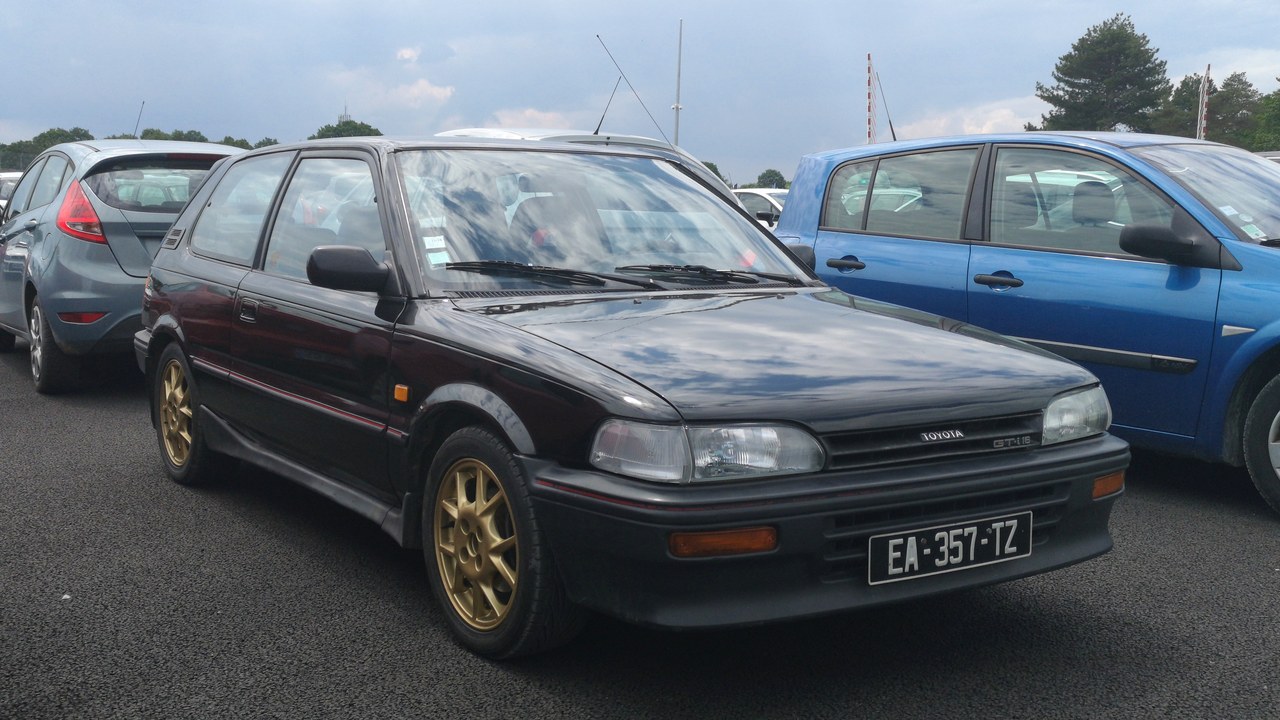
The Toyota Corolla E90 generation of the late 1980s and early 1990s used simple, low-stress four-cylinder engines like the 4A-FE that Toyota built with wide tolerances and conservative power outputs. That restraint left little room for the kind of stress that cracks blocks or wears bearings prematurely, so decades of skipped oil changes and short trips rarely stopped one cold.
Mechanics who work on the E90 often note how few parts fail even after 250,000 or 300,000 miles of daily commuting. The car’s plainness became its greatest asset, since there was little sophisticated engineering left to break down in the first place.
5. Honda Accord: Honda’s Tireless Daily Commuter
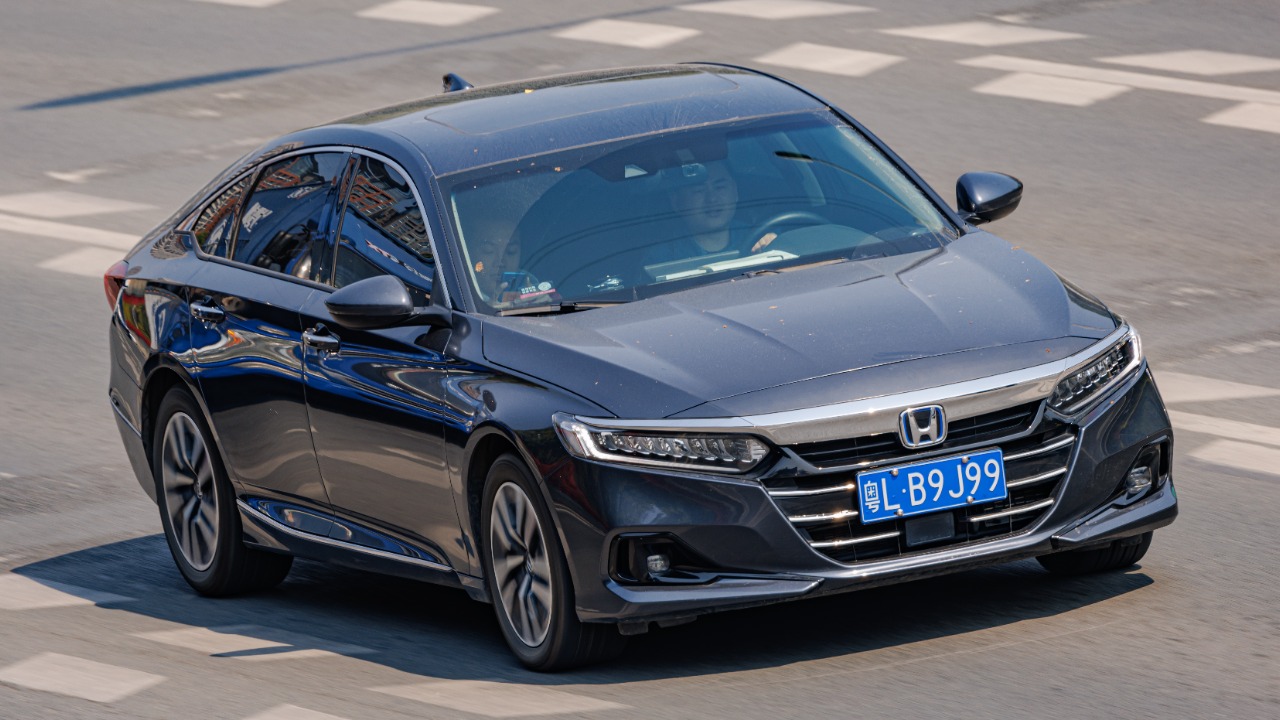
The Honda Accord earned its reputation on the strength of the B-series and F-series four-cylinder engines that powered it through the 1990s and early 2000s, motors known for timing belts, tolerant valve trains, and internals that resist wear even under punishing commutes. Independent mechanics frequently report Accords passing 300,000 miles with nothing more than routine belt, fluid, and gasket replacement.
Honda’s approach favored moderate compression and modest horsepower over aggressive tuning, which kept internal stress low across hundreds of thousands of miles. That conservative tuning philosophy, shared across most of Honda’s lineup of the era, is a major reason the Accord became a fixture of high-mileage used-car lots.
6. Ford Crown Victoria: Built For The Long Haul
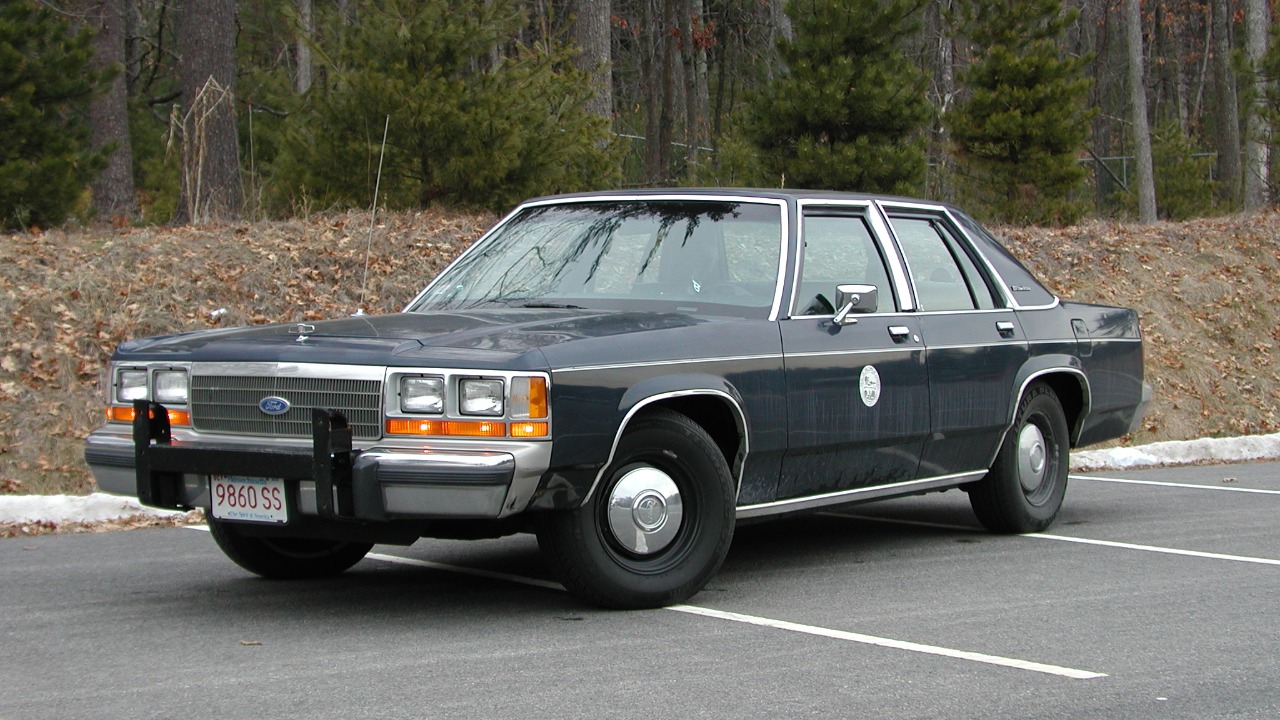
The Ford Crown Victoria became the default taxi and police cruiser across North America because its body-on-frame Panther platform and 4.6-liter Modular V8 were engineered to survive round-the-clock duty for years at a stretch. Fleet operators pushed these cars past 300,000 miles on original engines with little more than scheduled oil changes and cooling system upkeep.
Ford designed the engine with modest power and low compression specifically so it could run continuously without overheating or wearing prematurely under constant idling and stop-and-go traffic. That fleet-first engineering, built for taxi companies and police departments rather than enthusiasts, is exactly why so many Crown Victorias are still on the road today.
7. Toyota Land Cruiser (J80): Overbuilt For Anywhere On Earth

The Toyota Land Cruiser J80 ran the 1FZ-FE inline-six, an engine so overbuilt for its output that it became the standard workhorse for aid organizations, militaries, and farmers across Africa, the Middle East, and Australia. Toyota engineered the block with thick castings and conservative tuning specifically to survive extreme heat, dust, and years without proper service intervals.
Owners in some of the harshest operating environments on the planet have kept these trucks running for 400,000 miles and beyond, often on the same original engine internals. That real-world toughness, proven far from any dealership, is why the J80 still commands a premium among people who actually need a vehicle that will not strand them.
8. Honda Civic: Light Simple And Unbreakable
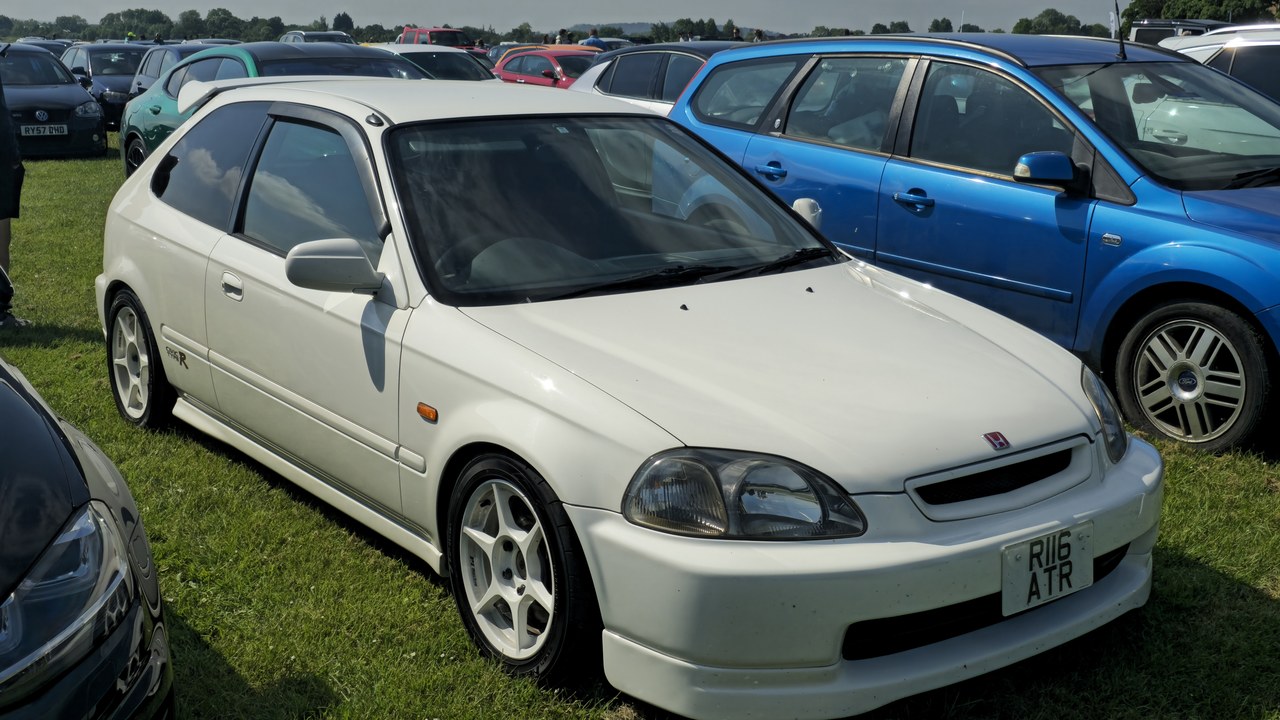
The Honda Civic paired a lightweight body with D-series and B-series engines that Honda tuned to spin freely without straining the internals, a combination that let generations of the car survive hard use by first-time drivers and delivery fleets alike. Because the car weighs so little, its engine never has to work as hard as a heavier car’s just to keep pace with traffic.
That lower workload, combined with Honda’s reputation for tight machining tolerances, means Civics regularly pass 250,000 miles with only routine maintenance. The car’s simplicity, often mocked as unglamorous, is precisely what has kept so many of them running decades after they left the factory.
9. Mercedes-Benz OM617: The Five-Cylinder Diesel Legend
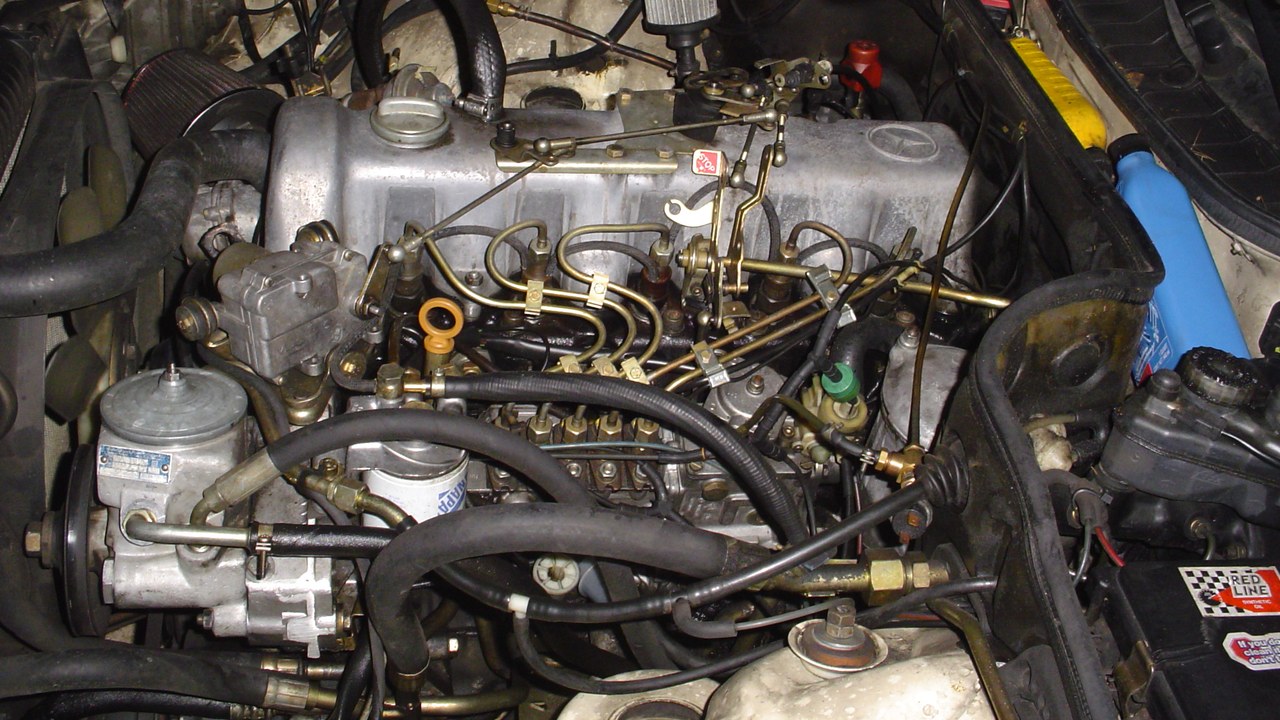
The Mercedes-Benz OM617 is the five-cylinder diesel engine that powered the W123 and W126 sedans of the 1970s and 1980s, and it is the single mechanical reason those cars became famous for logging half a million miles or more. Mercedes built the OM617 with mechanical fuel injection and no computer controls, so there was almost nothing electronic to fail as the miles piled up.
Taxi drivers in Europe and beyond ran the engine nearly continuously for years, treating its million-mile reputation as an expectation rather than a rumor. That combination of mechanical simplicity and diesel’s inherent low-stress operation is why the OM617 is still cited as one of the toughest production engines ever built.
More from Morning Overview
