
Nuclear power remains one of the largest sources of electricity generation in the United States, and a handful of plants account for an outsized share of that output. Some of these sites have run for decades, while others recently grew larger as new reactors came online. Here are nine of the largest nuclear power plants currently operating in the United States.
1. Palo Verde Nuclear Generating Station: Nation’s Top Output
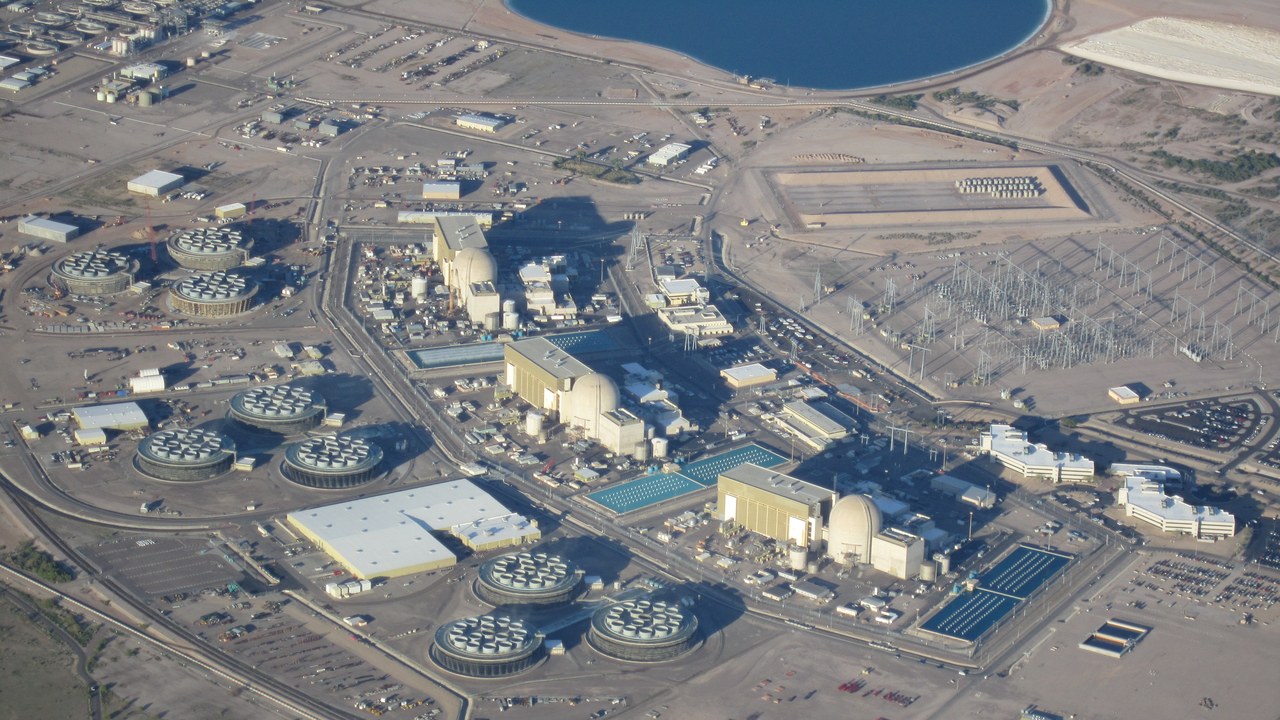
Federal national output rankings put Palo Verde Nuclear Generating Station in Arizona ahead of every other nuclear plant in the country. The station sits deep in the desert, far from any ocean, lake, or river, an unusual location for a facility that depends on huge volumes of water for cooling.
Instead of drawing from a natural water source, Palo Verde relies on treated wastewater piped in from nearby Phoenix-area communities, a workaround that lets it run at full output year-round in an otherwise dry region. That solution has made the plant a widely cited example of how nuclear power can reach population centers far from the coast.
2. Browns Ferry Nuclear Plant: TVA’s Three-Reactor Giant
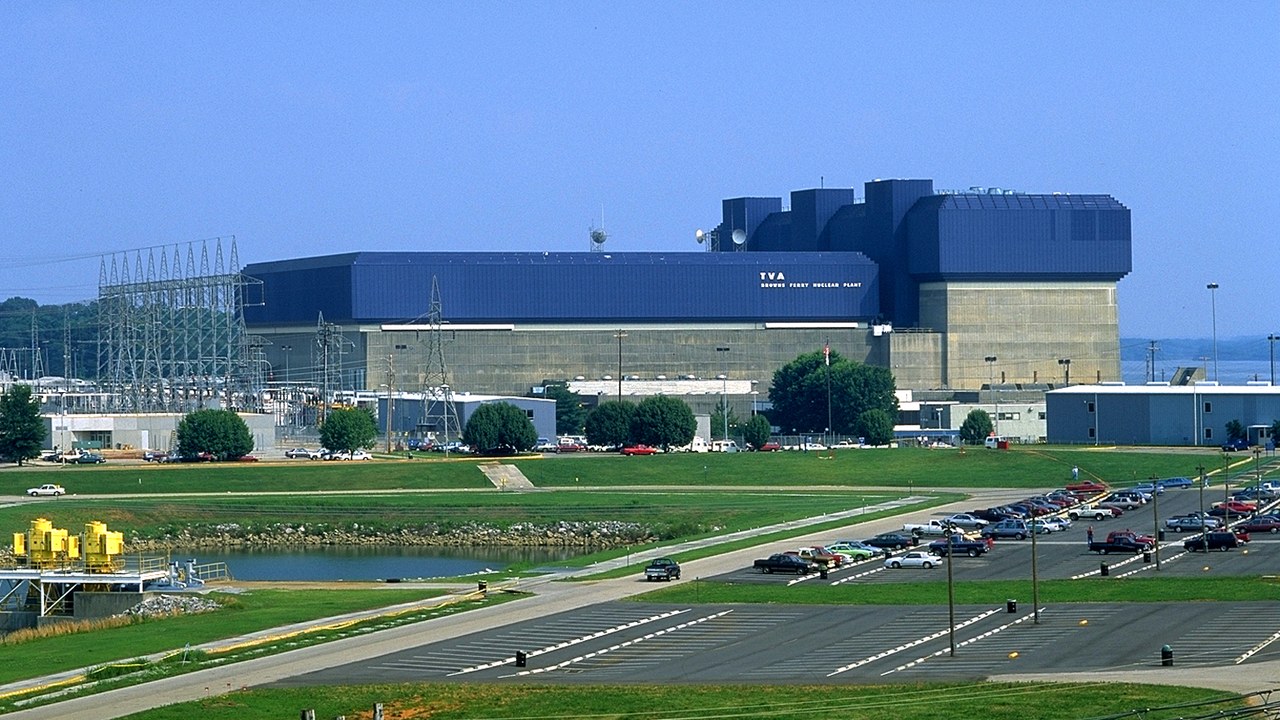
The Tennessee Valley Authority runs Browns Ferry Nuclear Plant in northern Alabama as a three-reactor station, and the combined output of all three units places it among the country’s biggest, according to federal generation data. Cooling water for the plant is drawn from the Tennessee River.
As a public power provider, TVA has run Browns Ferry for decades as part of the grid serving homes and businesses across the Tennessee Valley. Few American nuclear sites still run three separate reactors under one owner, which helps explain why Browns Ferry generates as much electricity as it does.
3. Peach Bottom Nuclear Generating Station: Twin Units On The Susquehanna
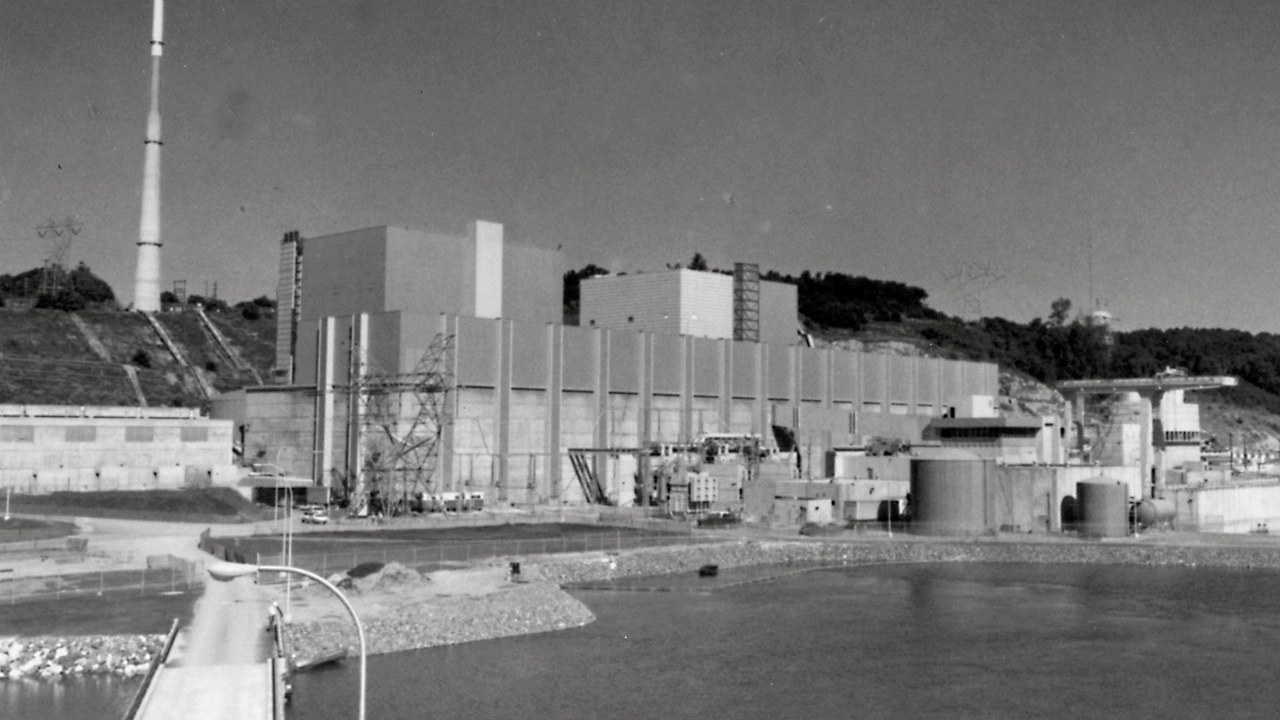
Two reactors make up Peach Bottom Nuclear Generating Station in southeastern Pennsylvania, and their combined output ranks among the highest in the country, according to plant history. Both units draw cooling water from the Susquehanna River, which gives the station its name.
Peach Bottom has run as a paired-unit facility since both reactors were completed, a layout that became common at plants built to maximize output on a single site. That twin-reactor design remains one of the most consistent traits shared by the country’s highest-producing nuclear stations.
4. Limerick Generating Station: Twin Towers On The Schuylkill
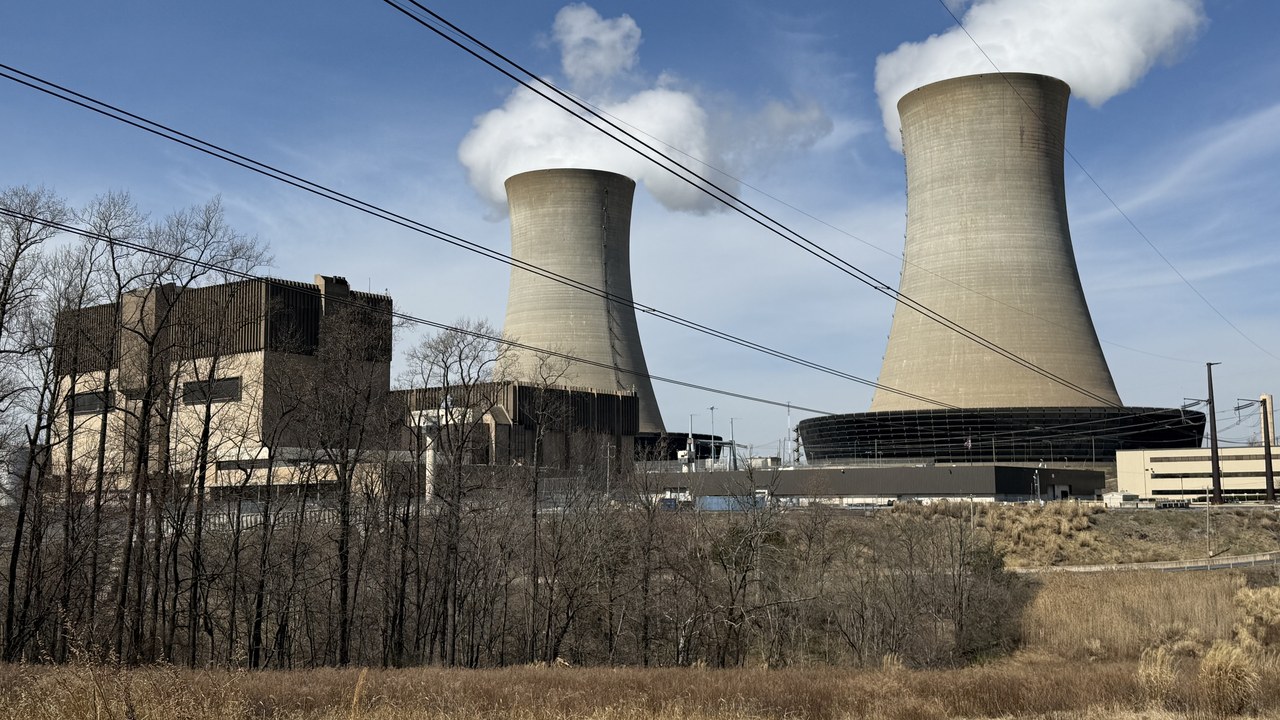
Twin natural-draft cooling towers along the Schuylkill River announce Limerick Generating Station long before the rest of the plant comes into view, and the two-unit boiling-water station’s combined output ranks it among the largest nuclear plants in the country, according to plant records. Southeastern Pennsylvania’s landscape has made those towers one of the most recognizable nuclear structures in the eastern United States.
For residents across the region, the cooling towers function as a familiar landmark rather than a cause for alarm, visible from highways and nearby towns for miles in every direction. Twin-reactor plants generally generate at a larger scale than single-unit stations, and Limerick’s paired units place it firmly within that higher-output group of American nuclear sites.
5. Vogtle Electric Generating Plant: Georgia’s Newly Expanded Site
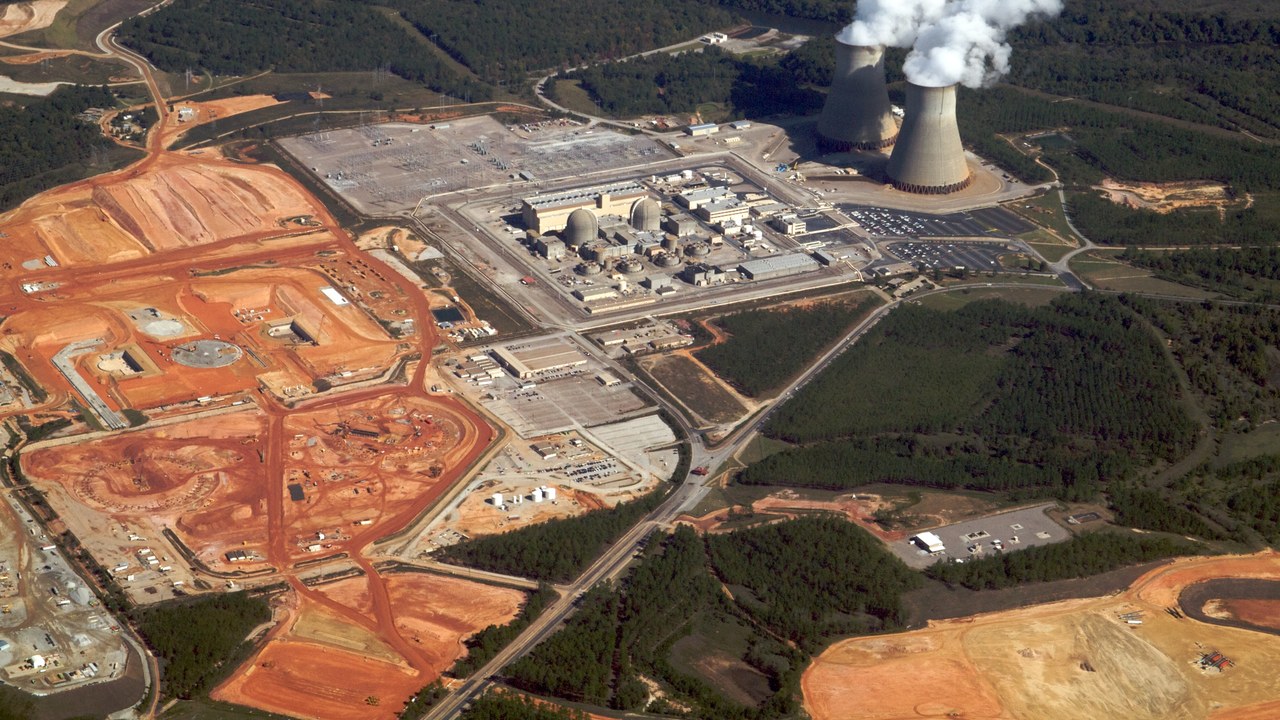
Vogtle Electric Generating Plant in Georgia grew from two reactors to four once Units 3 and 4 came online, an addition that pushed the site’s total output into the top tier of American nuclear stations. Completing the two newer units took considerably longer than the original schedule called for.
The new units made Vogtle the first US site in decades to bring freshly built reactors online, and it is now one of the few American plants where four separate units share a single footprint. That four-reactor scale is the main reason Vogtle’s output now rivals the country’s biggest single sites.
6. Oconee Nuclear Station: Duke’s Three-Unit Lake Site
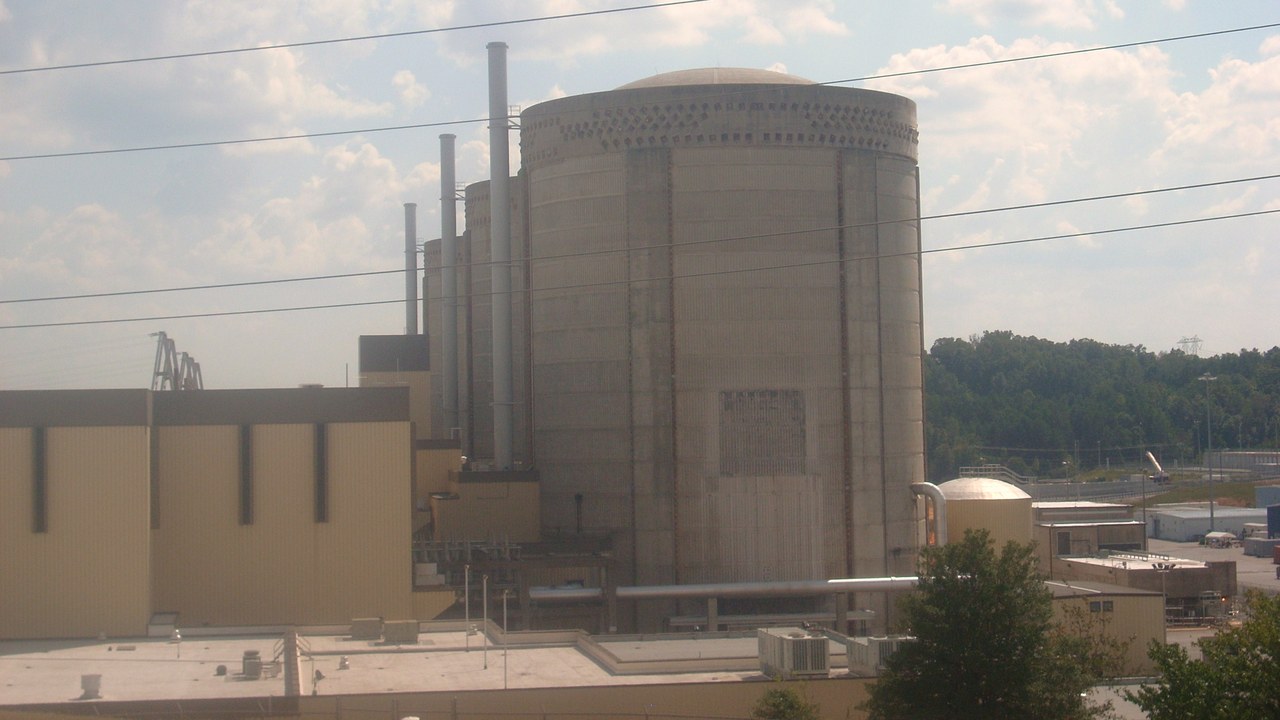
Duke Energy operates Oconee Nuclear Station, a three-reactor plant in South Carolina whose combined output places it among the nation’s biggest, according to plant profile data. The station sits on Lake Keowee, a reservoir built specifically to supply its cooling water.
All three Oconee units have operated under single-utility ownership for decades, letting Duke run the site at a scale most individually owned nuclear plants never reach. That three-unit configuration has kept Oconee near the top tier of the highest-output nuclear stations in the country.
7. Susquehanna Steam Electric Station: Big Boiling-Water Pair
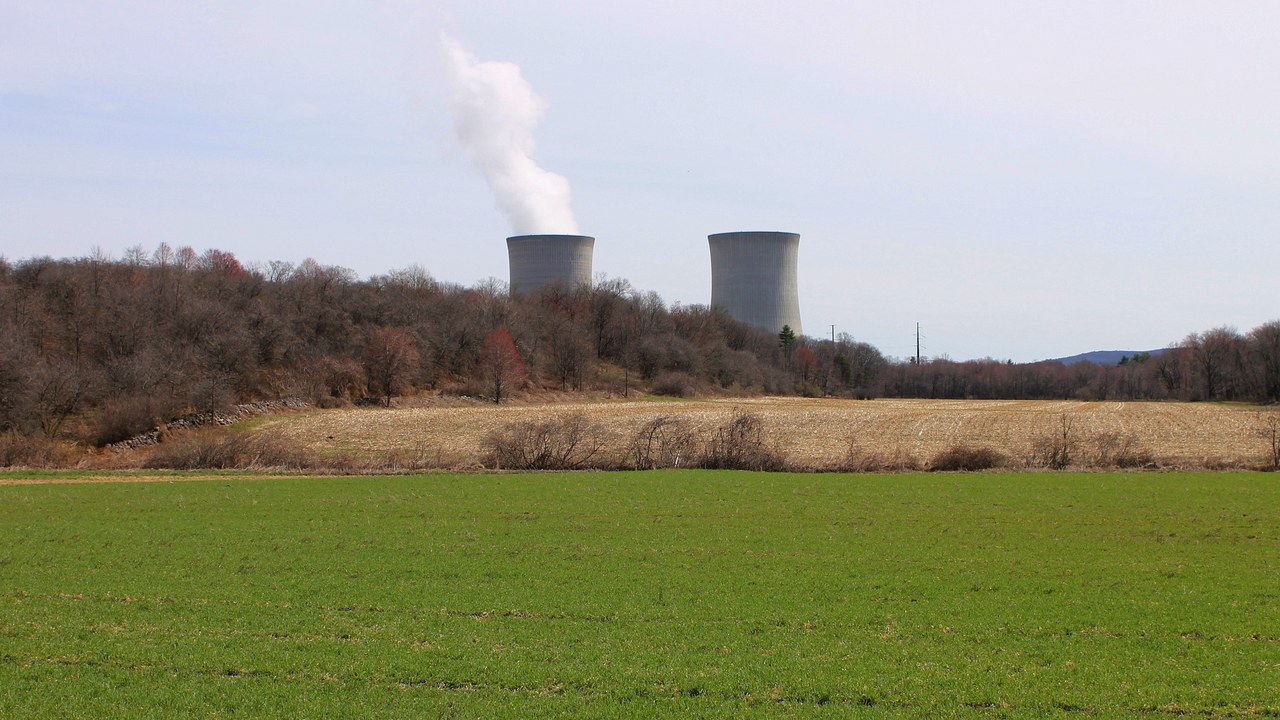
Susquehanna Steam Electric Station generates steam directly inside its reactor vessels rather than through a separate loop, a boiling-water design that sets its two large units apart from the pressurized-water reactors used at most of the country’s other big nuclear plants, according to station history. The plant takes its name from the Susquehanna River, which supplies its cooling water.
Boiling-water plants make up a smaller share of the American nuclear fleet than pressurized-water designs, yet a handful of them still rank among the biggest producers in the country. Susquehanna’s two-unit boiling-water layout has kept it among the highest-output nuclear stations in the eastern United States.
8. Comanche Peak Nuclear Power Plant: Independent Texas Grid Twin
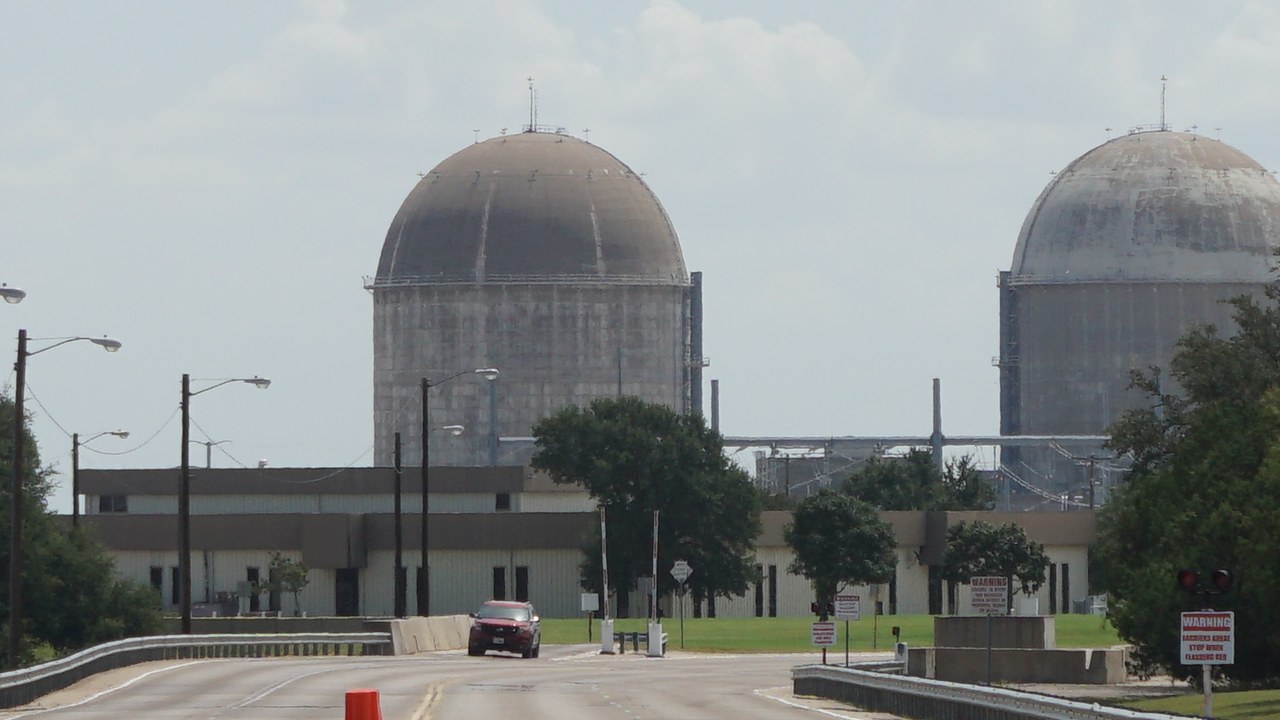
Comanche Peak Nuclear Power Plant runs two reactors near Glen Rose, Texas, and the twin-unit setup gives it a place among the country’s highest-output stations, according to plant background. Cooling water comes from Squaw Creek Reservoir, a lake built alongside the plant for that purpose.
Because Texas runs its own separate electricity grid, Comanche Peak’s output feeds a market that operates independently of the larger interconnections serving most other states. Its two-reactor design is one of several twin-unit layouts shared by the biggest nuclear producers nationwide.
9. Diablo Canyon Power Plant: California’s Last One Standing
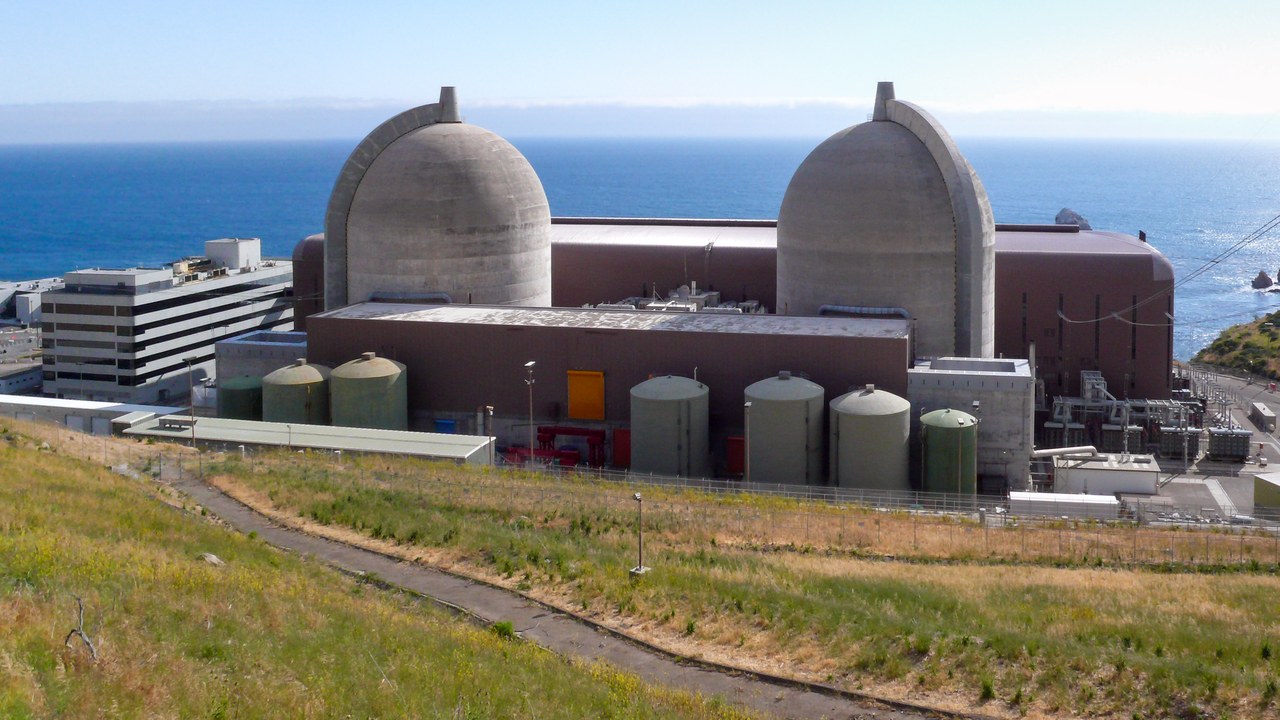
Diablo Canyon Power Plant is California’s only operating nuclear station, and its owners reversed course on a planned shutdown, keeping the plant generating past the retirement date it had once been given, according to plant history. The station sits on the Pacific coastline near San Luis Obispo.
That reversal made Diablo Canyon a rare example of a nuclear plant winning extra years of operation after already being slated to close, driven largely by concerns over California’s electricity supply. As the only nuclear station left in the state, it now carries the full weight of nuclear power’s role in California’s energy mix.
More from Morning Overview
- A California supervolcano has bulged upward about two and a half feet since 1978
- The FTC is warning about a scam quietly draining thousands from victims
- The NSA is again telling phone owners to switch off one location setting
- A handful of car transmissions are so tough mechanics say they almost never fail
