
Touchscreens now run climate, volume and drive settings on most new dashboards, replacing switches with menus and swipes. A handful of automakers still build cabins where the controls drivers use most sit on a knob or button instead of a screen. Here are nine cars that keep real, physical controls at the center of the dashboard.
1. Mazda3: The Rotary Dial Holdout
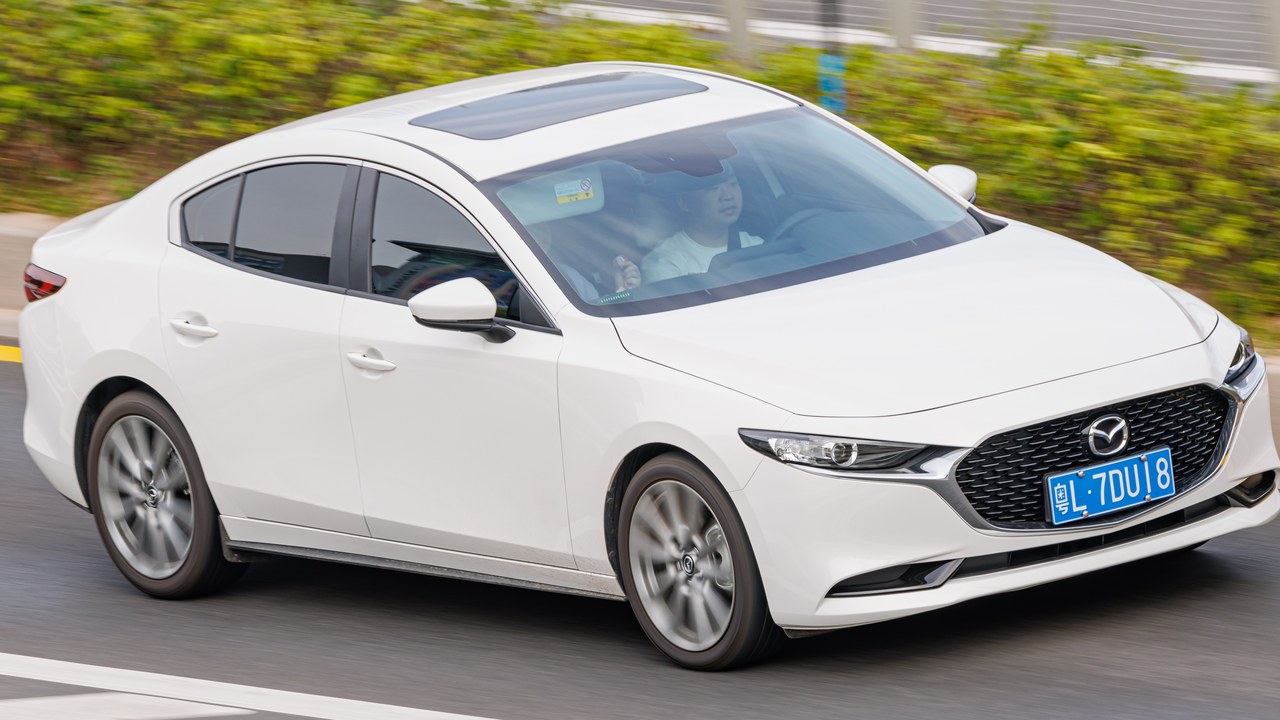
The Mazda3 keeps a rotary controller on the center console for its infotainment system, letting a driver scroll and select menus by feel instead of reaching for a touchscreen. Climate control stays on its own row of physical buttons and dials below the display, covering fan speed, temperature and airflow direction. The Mazda3 compact car has carried this layout as standard equipment across trims since its current-generation redesign.
Mazda has kept the dial across multiple generations even as rivals shift toward tap-and-swipe screens. Interior layouts still vary by trim and model year, so a buyer should confirm the climate buttons are present on the exact configuration under consideration.
2. Toyota 4Runner: Dashboard Full Of Switches
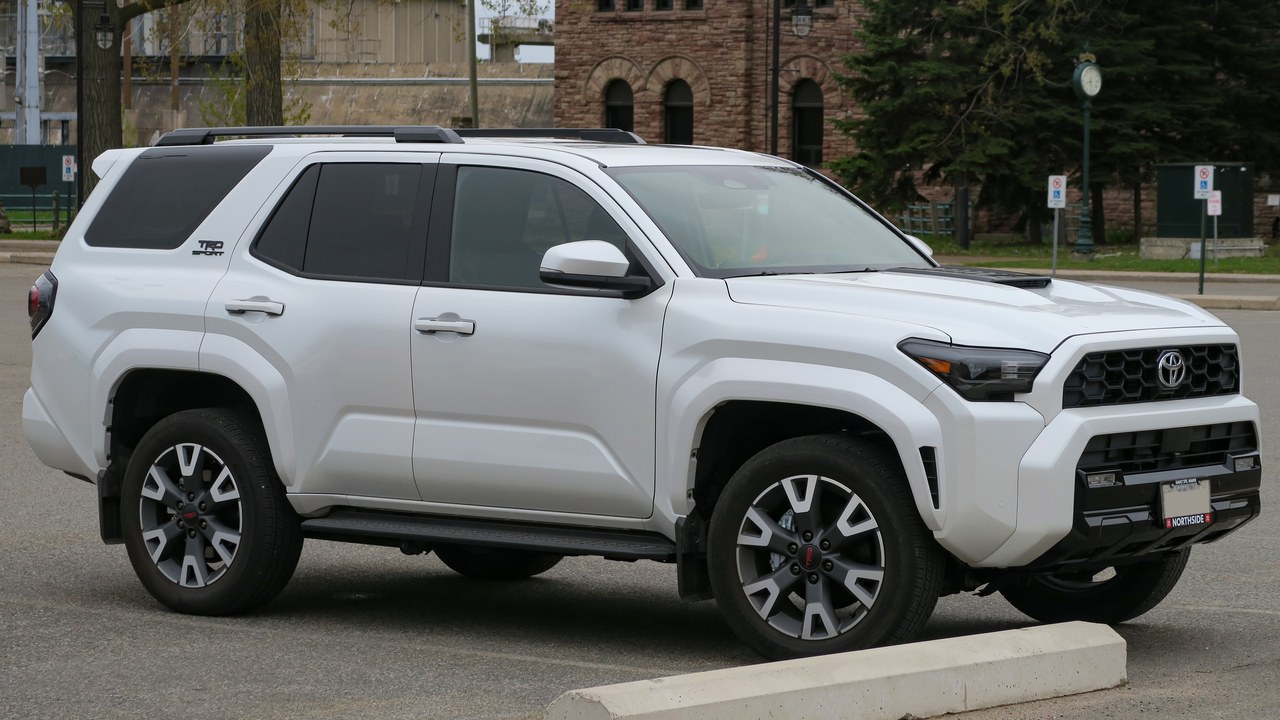
The Toyota 4Runner pairs its off-road capability with a dashboard covered in hard switches, rather than folding every function into a touchscreen menu. Climate, audio volume and drive-mode selections each get their own physical button or dial, mounted where a driver’s hand naturally rests. The Toyota 4Runner SUV has carried this switch-heavy layout through several redesigns rather than chasing a minimalist, screen-first dashboard.
That density of buttons matters most off-road, where a driver working the transfer case or locking differentials needs a control found by feel while the truck moves over rough terrain. Trim and model-year changes can shuffle which buttons appear, so shoppers comparing 4Runner configurations should check the dash layout on that exact trim.
3. Subaru Forester: Knobs For What Matters
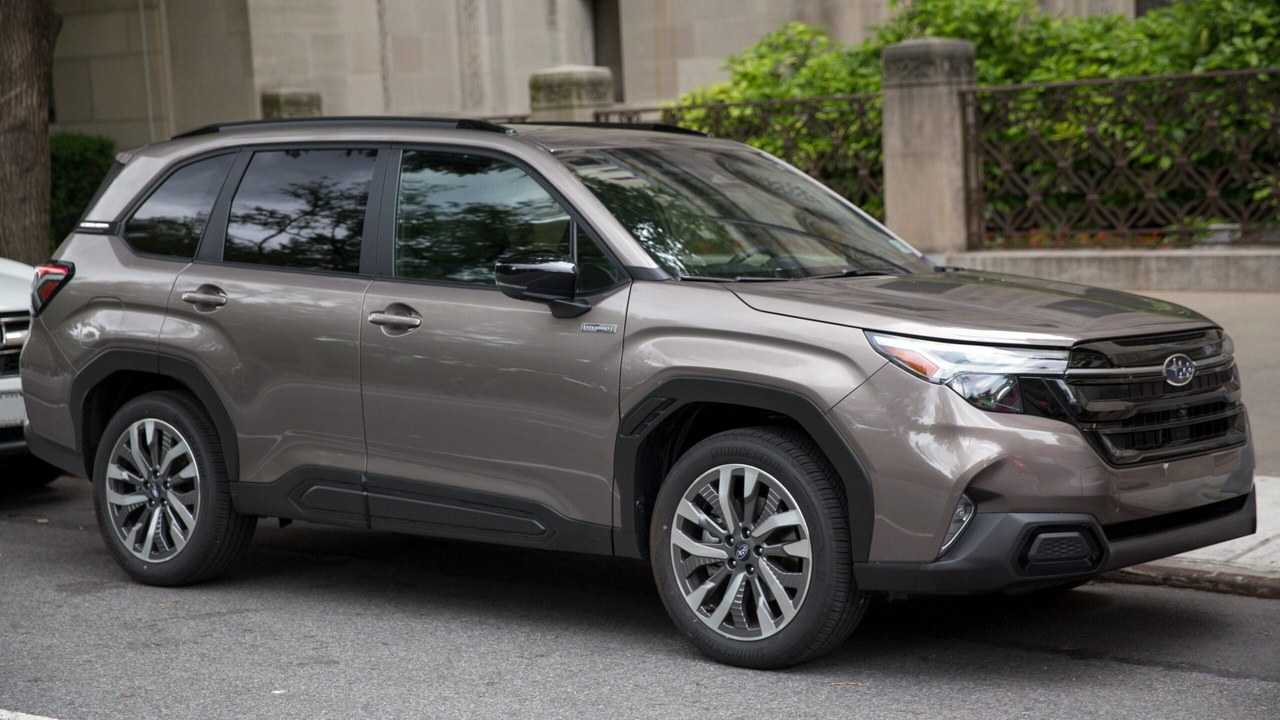
The Subaru Forester keeps a row of physical knobs and buttons for climate, volume and drive settings even as its touchscreen has grown larger over recent redesigns. Temperature and fan speed each get a dedicated dial, and heated-seat controls sit on hard buttons rather than a touchscreen submenu. The Subaru Forester crossover has kept this split between screen and switches through its current generation.
Subaru markets the layout as a practical choice for a vehicle often driven in wet, snowy or muddy conditions, where a gloved or wet hand can miss a touchscreen target. Exact button placement still shifts by trim and model year, so a buyer should check the specific Forester configuration rather than assume every trim matches.
4. Honda Civic: Volume Knob Survives
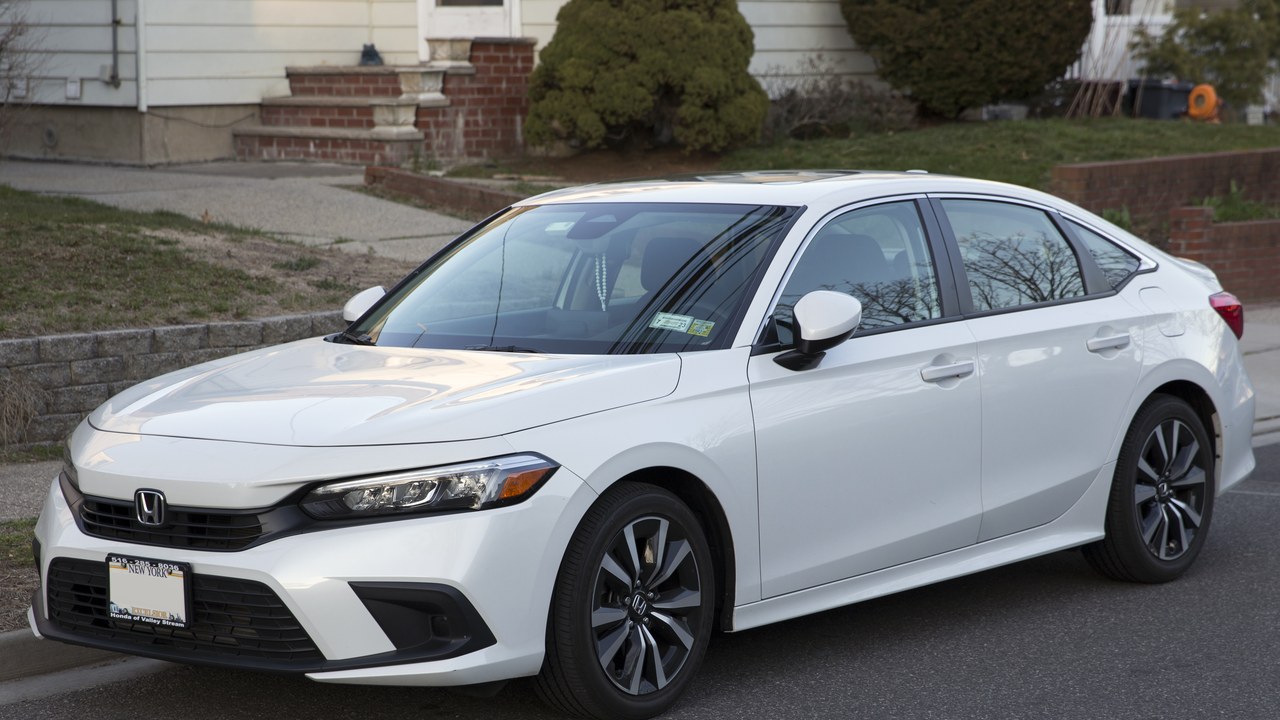
The Honda Civic kept a physical volume knob on its dashboard after Honda faced criticism for touch-based audio controls used on an earlier generation. Climate settings on most trims still run through dials rather than a touchscreen sub-menu, covering temperature and fan speed with a twist rather than a tap. The Honda Civic sedan and hatchback both carry this control layout in their current generation.
Honda’s return to a hard volume knob followed years of owner complaints about touch-sensitive audio panels that were slow and imprecise to use while driving. Higher trims and different model years can still swap in additional screen-based functions, so a shopper should confirm the dash controls on the specific Civic trim being cross-shopped.
5. Chevrolet Silverado: Glove-Friendly Truck Buttons
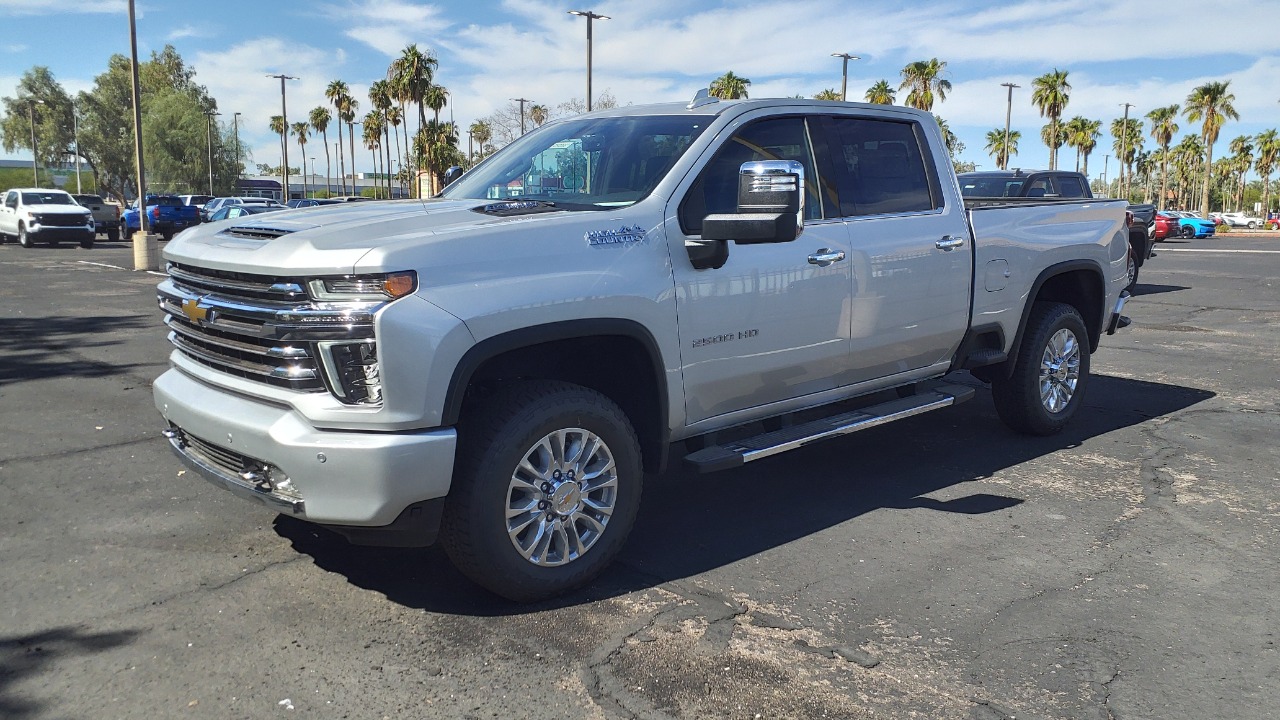
The Chevrolet Silverado’s dashboard leans on large, chunky buttons sized for a driver wearing work gloves, rather than the smaller touch targets common on car-style touchscreens. Climate and audio controls sit on physical rows below the main display, with separate dials for temperature and volume. The Chevrolet Silverado pickup has kept this button-heavy layout even as its center screen has grown larger in recent model years.
That sizing reflects the truck’s work-site audience, where a driver may need to adjust the heater or radio without removing thick gloves or looking away from a trailer. Cab configuration, trim level and model year all affect exactly which buttons appear, so a buyer should check the specific Silverado build under consideration.
6. Toyota Tacoma: Controls By Feel
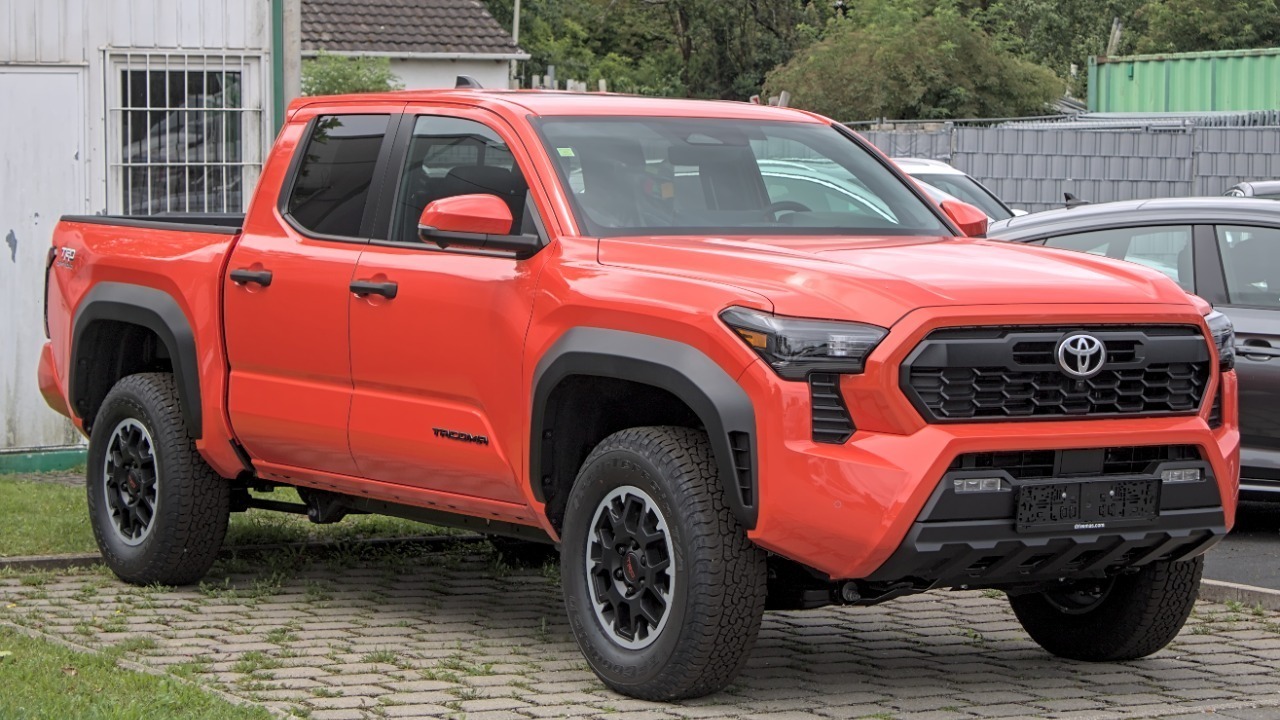
The Toyota Tacoma sticks with physical dials and buttons for climate and drive-mode functions, positioned so a driver can adjust them without taking their eyes off a trail or road. Four-wheel-drive and crawl-control settings run through dedicated switches rather than a touchscreen menu on most trims. The Toyota Tacoma pickup has carried this layout into its current generation despite a larger center screen.
Off-road-focused buyers tend to favor that arrangement because a control worked by feel is faster and safer to use while a truck is moving over uneven ground. Which specific switches appear, and where, still depends on trim package and model year, so a shopper should confirm the dash layout on the exact configuration in question.
7. Dodge Challenger: Muscle-Car Switch Gear
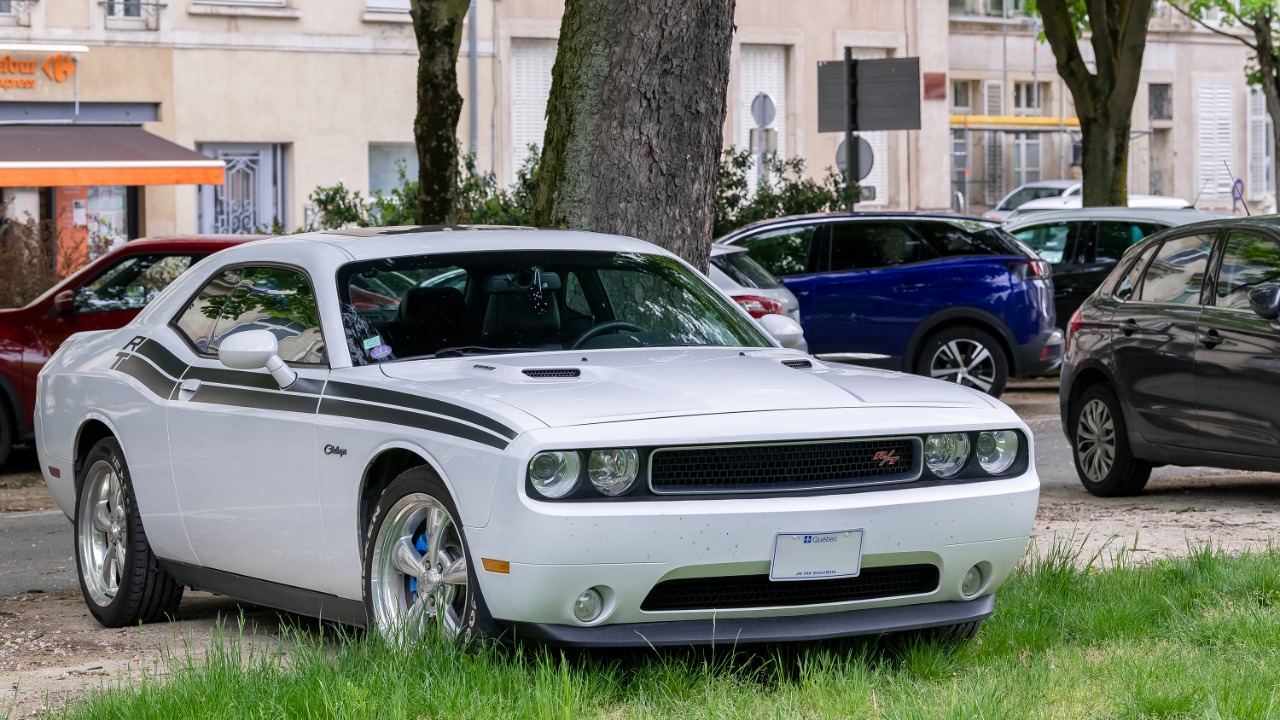
The Dodge Challenger’s dashboard keeps a set of toggle-style switches and dials for climate, drive mode and other functions, echoing the muscle-car layouts the model has referenced since its revival. Volume and tuning use a physical knob rather than a touch slider on most trims. The Dodge Challenger coupe held onto this switch-and-dial dashboard for its entire production run.
That retro control layout was part of the car’s appeal to buyers drawn to its old-school muscle-car identity rather than a minimalist, screen-first interior. Because the Challenger has since ended production, remaining new inventory and its dash layout vary by the model year and trim still available at a given dealer.
8. Lexus GX: Traditional Luxury Cabin
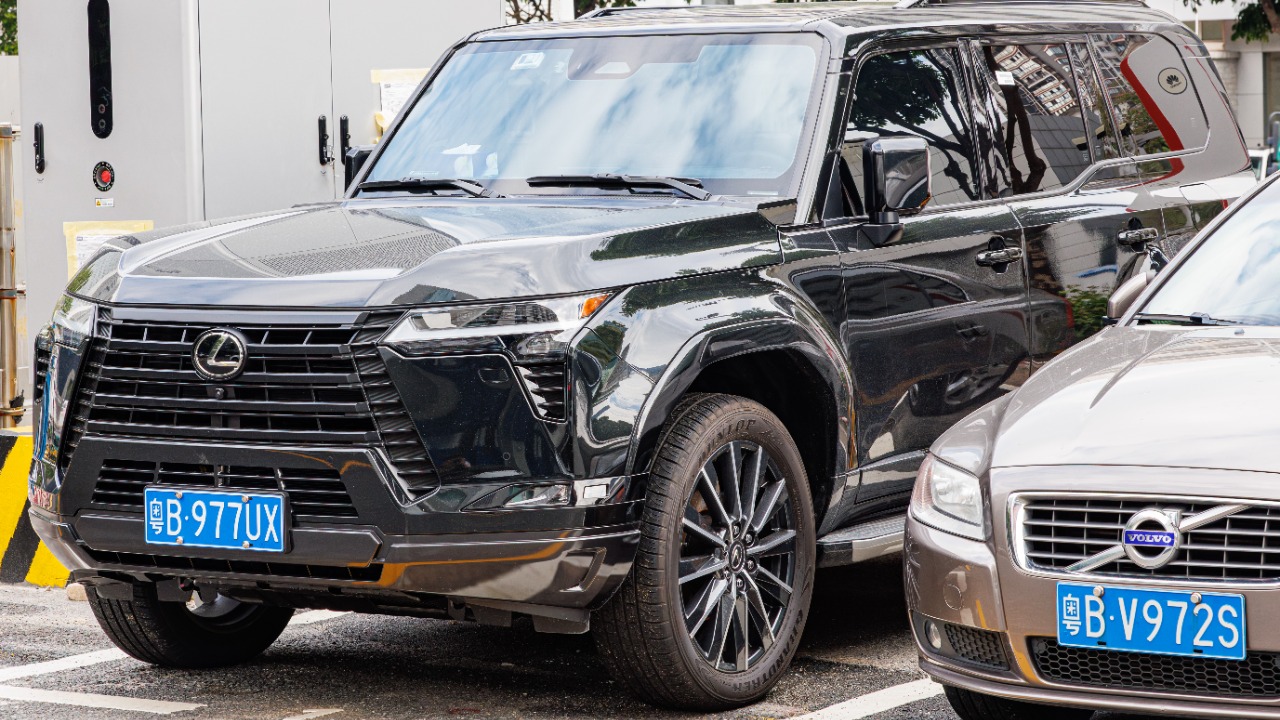
The Lexus GX pairs its off-road-capable body-on-frame platform with a cabin that keeps physical dials and buttons for climate, drive mode and seat functions rather than folding them into a touchscreen. Temperature and fan speed run through dedicated knobs positioned below the main display. The Lexus GX SUV carries this tactile control layout into its current redesign.
Lexus has positioned the GX as a traditional luxury off-roader, and the physical controls fit that positioning by letting a driver adjust settings without hunting through touchscreen menus on rough terrain. Exact button counts and placement can still shift between trim levels and model years, so a shopper should check the specific GX configuration being considered.
9. Kia Telluride: Dials For Daily Use
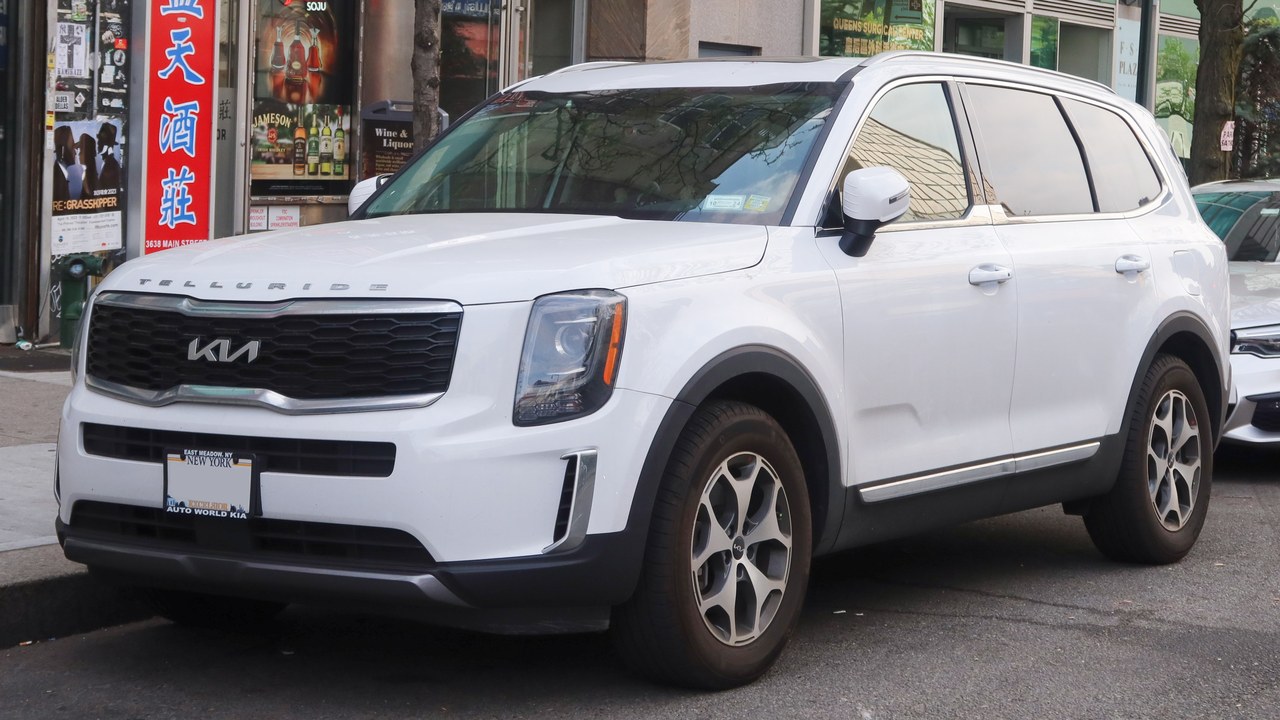
The Kia Telluride keeps hard buttons and dials for climate and audio controls on a shelf below its touchscreen, rather than pushing every setting into an on-screen menu. Temperature, fan speed and volume each get a dedicated knob, and seat heating uses physical buttons on most trims. The Kia Telluride SUV has kept this layout through its current generation.
That mix of a large screen with underlying physical controls has been a common point of praise for the three-row SUV in reviews focused on everyday usability. As with other vehicles here, specific button counts and layout can change by trim and model year, so a family cross-shopping the Telluride should confirm the dash of the exact trim they are considering.
More from Morning Overview
