
American fire departments have relied on a wide range of apparatus, from piston-pump engines to airport crash trucks. Each entry below earned its place through a documented feature, a long corporate history or a published capability. Here are nine of those machines and makers, arranged to show how varied that range became.
1. Ahrens-Fox: The Chrome Sphere
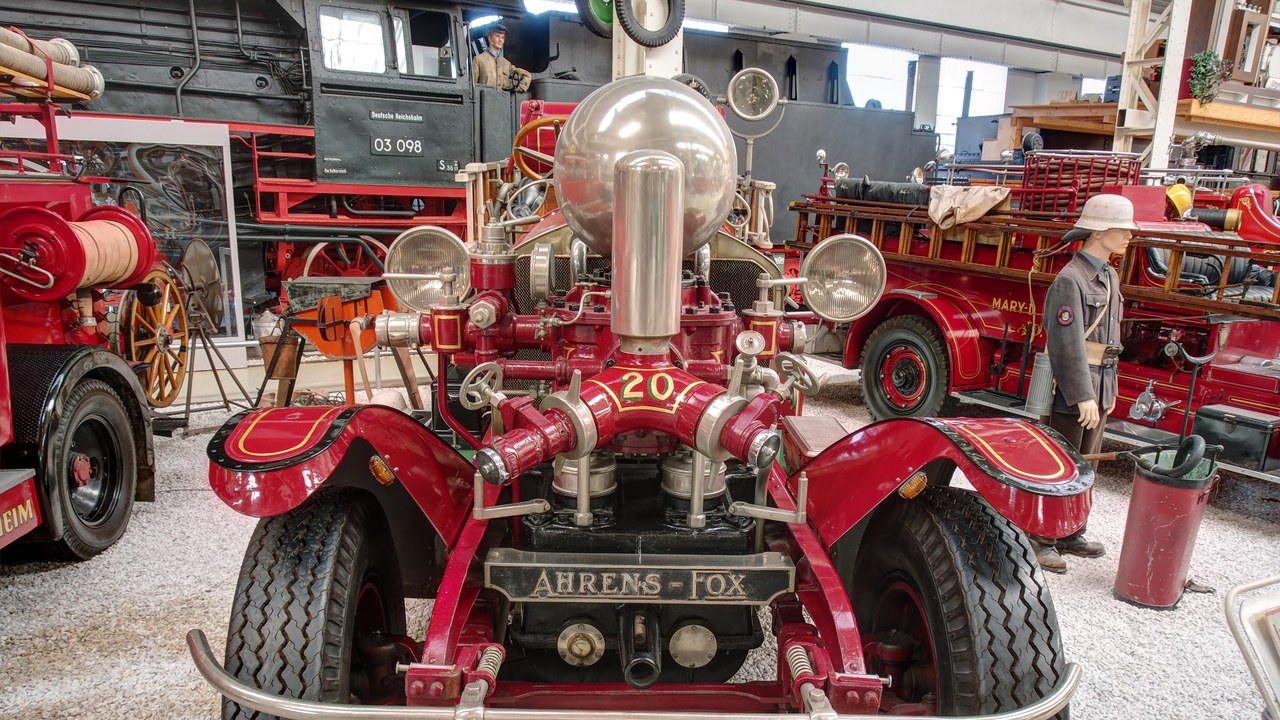
Ahrens-Fox fire engines were recognizable by the chromed sphere above the pump, which held air and smoothed the outgoing pressure fluctuations from the piston pump.
The sphere worked as an air cushion on the outgoing side of the piston pump, evening out pressure swings in the water supply. Because the chromed ball sat in plain sight above the pump, it also doubled as a visual signature that identified the make at a glance. The engine’s design therefore tied a visible styling element to a working hydraulic function, with the sphere serving both purposes. Wikipedia’s entry places the sphere above the pump, a position that kept it in view.
2. American LaFrance: Founded in 1832
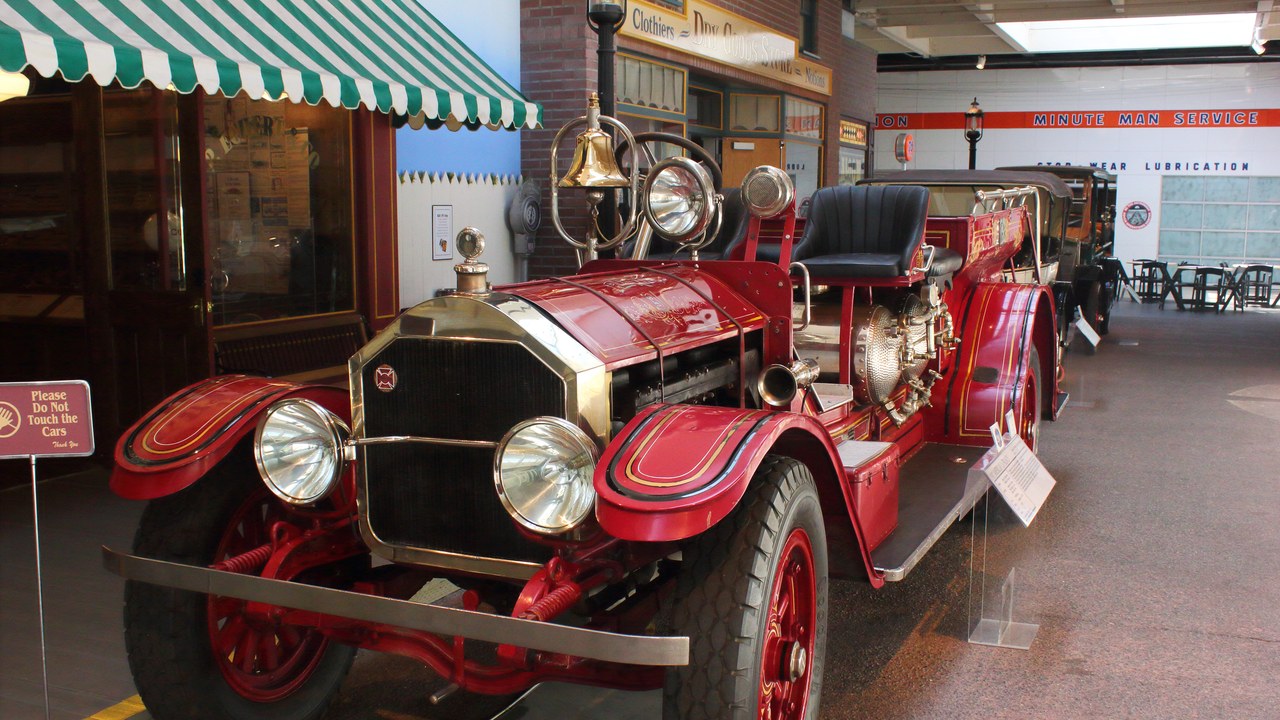
The American LaFrance Fire Engine Company traced its roots to 1832, which made it one of the oldest fire apparatus manufacturers in the United States. The company closed in 2014.
The 1832 origin and the 2014 closure bracket a span of 182 years between roots and shutdown. For anyone looking at a vintage rig, the badge points to one of the oldest names in American fire apparatus. Wikipedia’s entry frames the longevity as the notable fact, ranking the firm among the oldest American makers before its closure. Any rig bearing the name therefore comes from a builder that no longer operates.
3. Mack AC: Bulldog Chassis
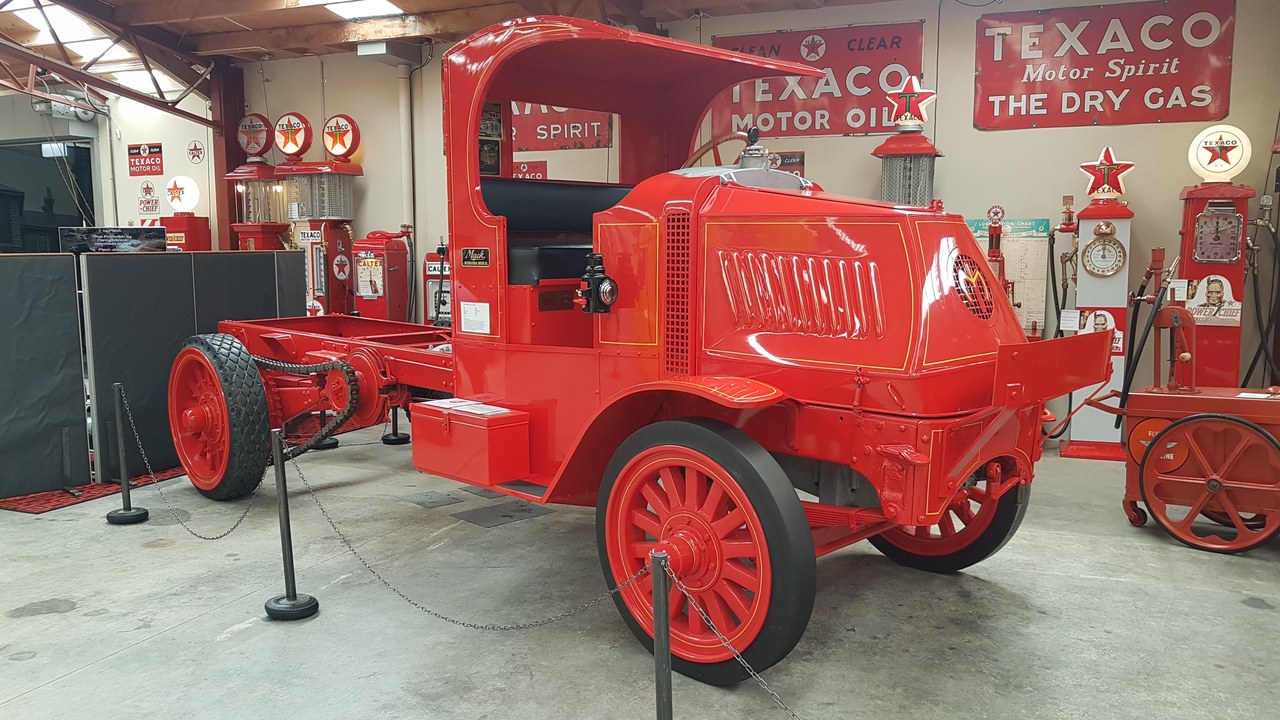
The 1916 Mack AC chassis, nicknamed Bulldog by British troops, was with the AP chassis a popular choice for fire engines, built in both rigid and articulated forms. The AC dates to 1916, so the chassis was already in production during the First World War.
The nickname came from military service, yet the same underpinnings carried firefighting bodies in two layouts. Rigid and articulated versions both existed, so the one platform covered more than a single body arrangement. The AC is grouped with the AP when fire-engine use is described, which means the choice was not limited to one model, and builders could mount bodies on the chassis in rigid form or as articulated rigs.
4. Ward LaFrance: Elmira Heights Builder
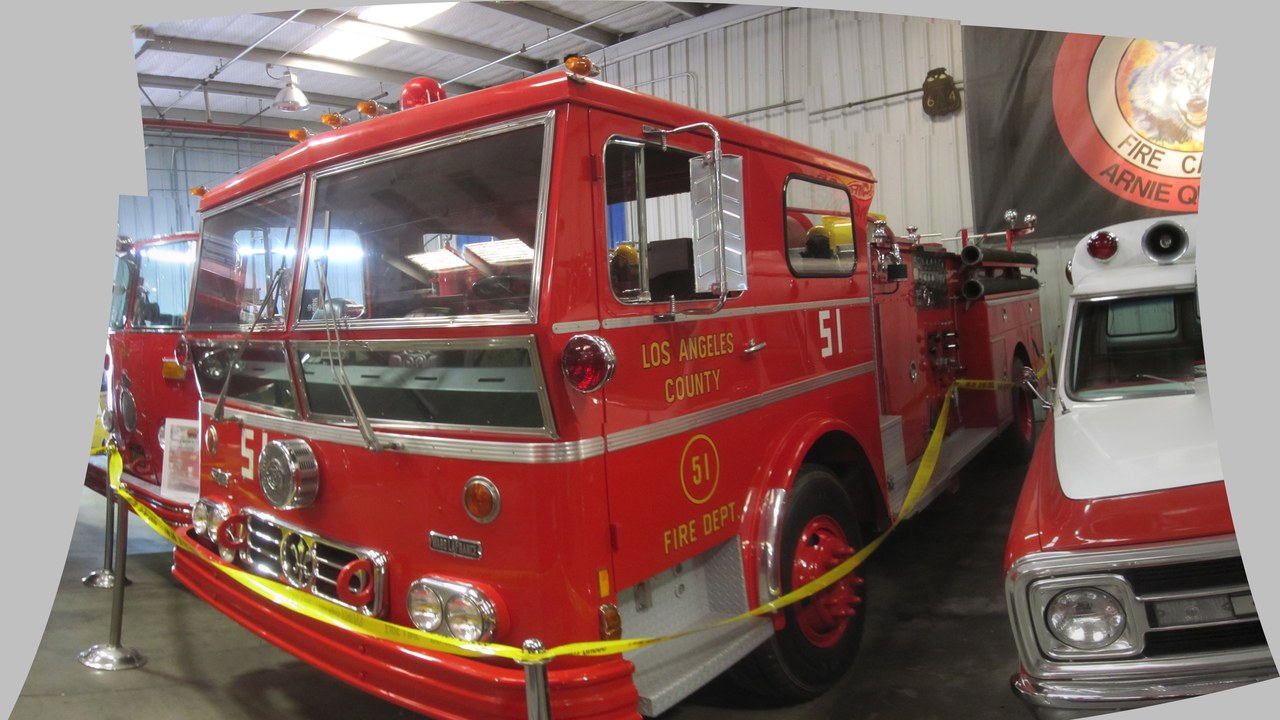
Ward LaFrance was founded in 1916 in Elmira Heights by a relative of American LaFrance’s founder. The company produced open-cab ladder trucks until 1960.
The family connection ties the firm to the older American LaFrance name earlier on this list. The 1960 end date gives a clear boundary for the open-cab ladder trucks the company built, a useful marker when dating a surviving example. The 1916-to-1960 interval runs 44 years between founding and the end of its open-cab ladder trucks. Ward LaFrance stands as a second name in the LaFrance family tree, built in Elmira Heights rather than by the original firm.
5. Ford C series: Flashers in the Bezels
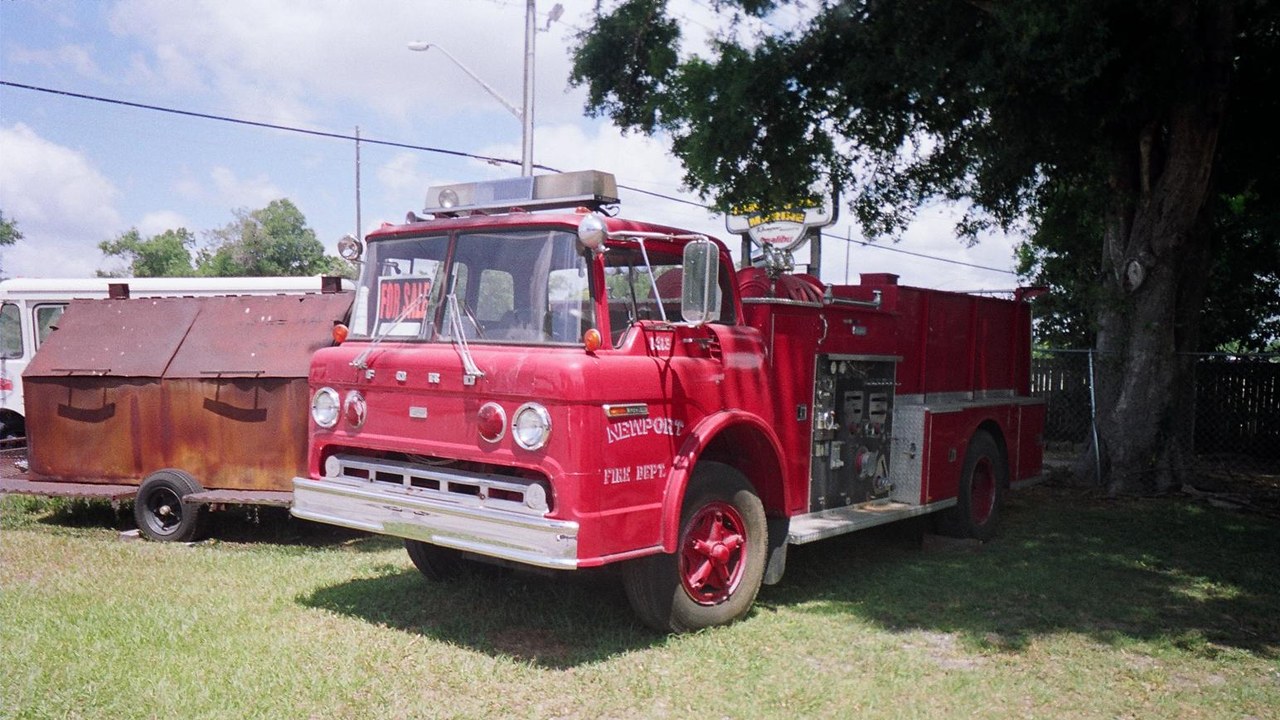
Fire departments wanted the tilt-cab Ford because its extra headlight bezels could hold emergency flashers, an emergency flasher option offered exclusively to fire and other emergency vehicles after 1960.
The option was restricted to emergency vehicles, so a Ford C series fitted with it identifies itself as a fire or emergency unit rather than an ordinary truck. The feature shows departments shaping a commercial cab to their own needs. The feature relied on the C series’ extra headlight bezels, which suggests the cab’s lighting layout was what appealed to departments, more than the engine or chassis.
6. Seagrave Marauder II: Stainless Steel Cage
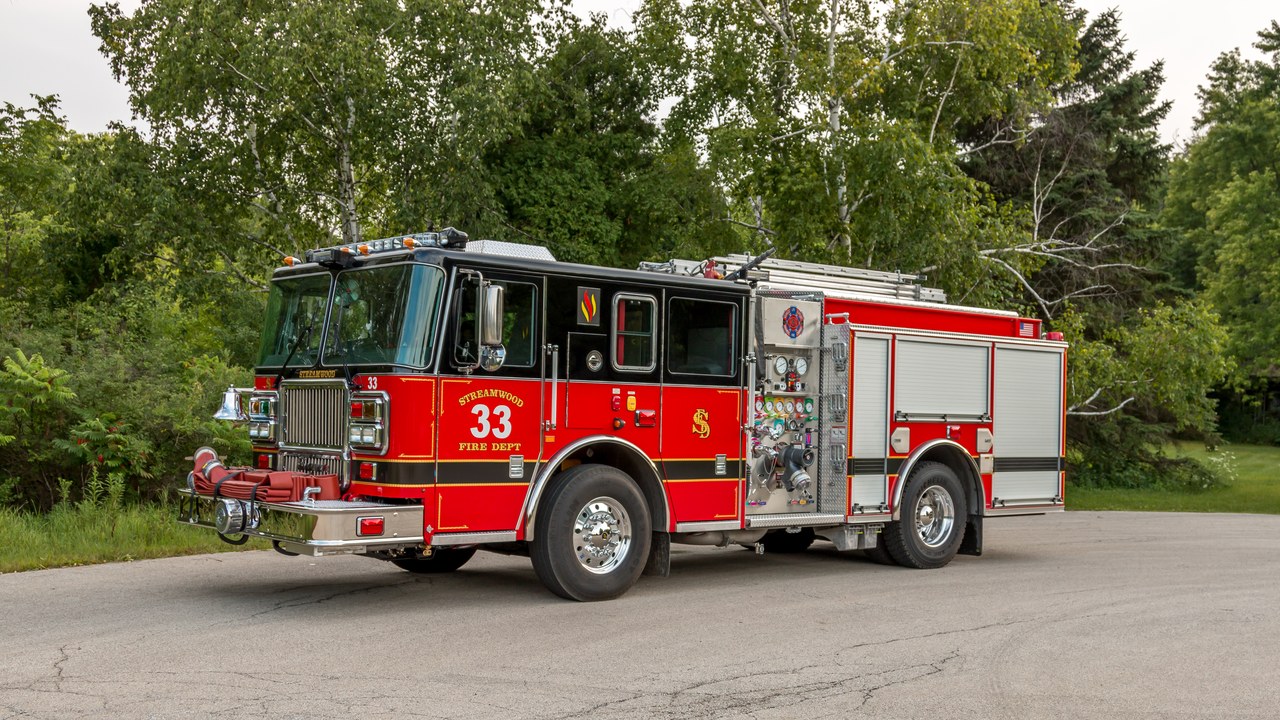
Seagrave describes its Marauder II cab as the only cab of its type to offer a rigid, stainless steel subassembly that totally surrounds and protects the driver, captain and crew.
The claim is the manufacturer’s own, so it is a design assertion and not an independent test result. For crews riding in the cab, the point of the subassembly is occupant protection on all sides, as the maker frames it. Seagrave’s listing also names three roles protected, driver, captain and crew, which shows the design covers the whole riding compartment and not only the driver.
7. Seagrave custom pumper: Built Around the Pump
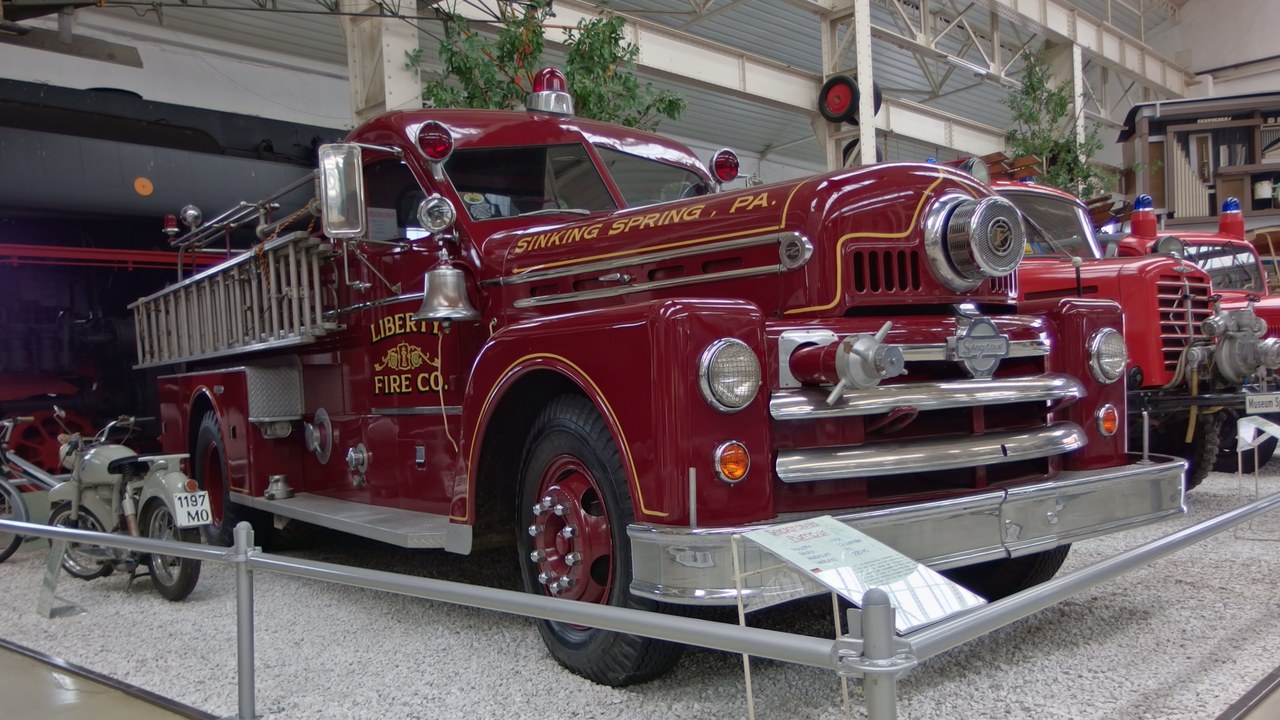
Seagrave’s pumpers feature stainless steel body construction, with Polyprene or aluminum as options. Pumps from all the major manufacturers are offered, in a wide range of capacities, single or two-stage, along with foam and CAFS delivery systems.
That menu of options means two Seagrave pumpers can differ widely in what they carry. A department specifying one picks from body material, pump stage and delivery system, with capacities set to NFPA levels. The pumps come from all the major manufacturers, so the pumper is a platform and not a single fixed specification.
8. Pierce Ascendant 107-foot tiller: A Tiller That Turns
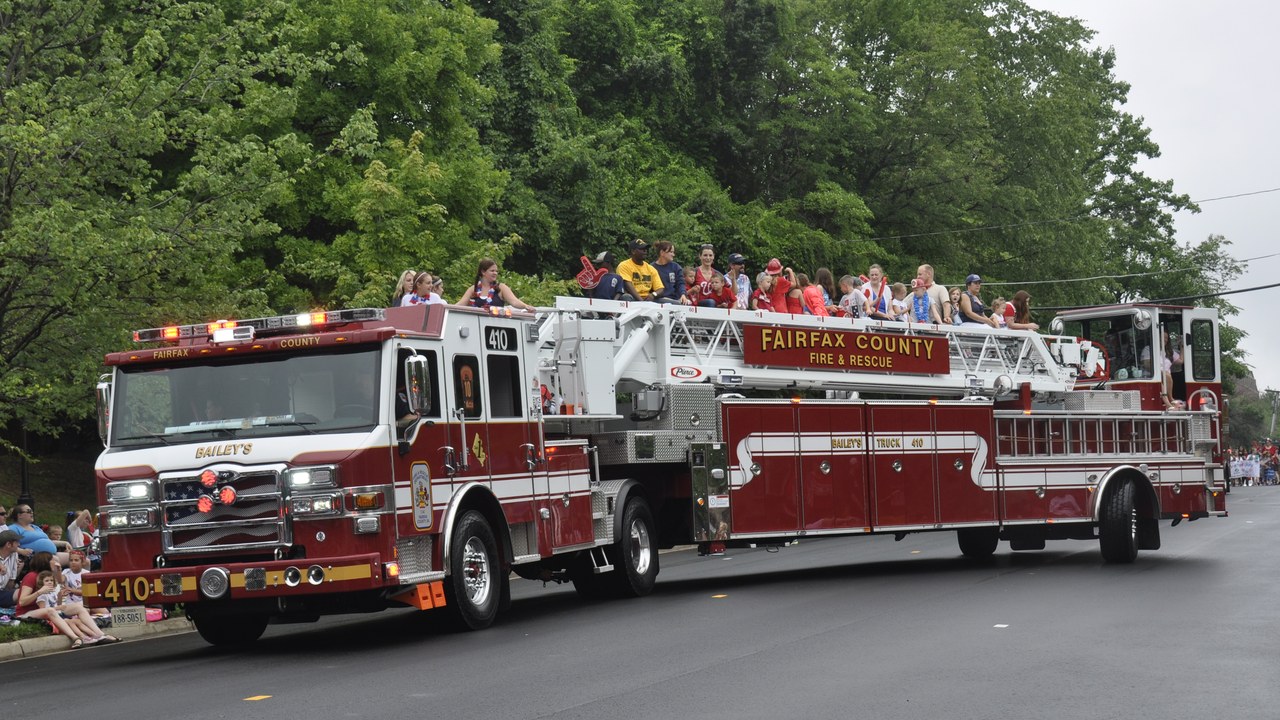
Pierce lists 107 feet of vertical reach, 100 feet of horizontal reach, a 750-pound tip load and 1,500 gpm of flow for the Ascendant 107-foot tiller, all without compromising on water capacity, performance or safety. The ladder’s 100 feet of horizontal reach is seven feet shorter than its vertical reach.
Those figures match the Ascendant Heavy-Duty Ladder, so the tiller configuration gives up none of the listed performance. The tractor-drawn layout is what lets a ladder this long keep turning corners. The maker presents the numbers as unchanged from the heavy-duty version of the Ascendant ladder, so choosing the tiller is a matter of maneuverability and not a trade in capability.
9. Oshkosh Striker: Crash Truck Acceleration
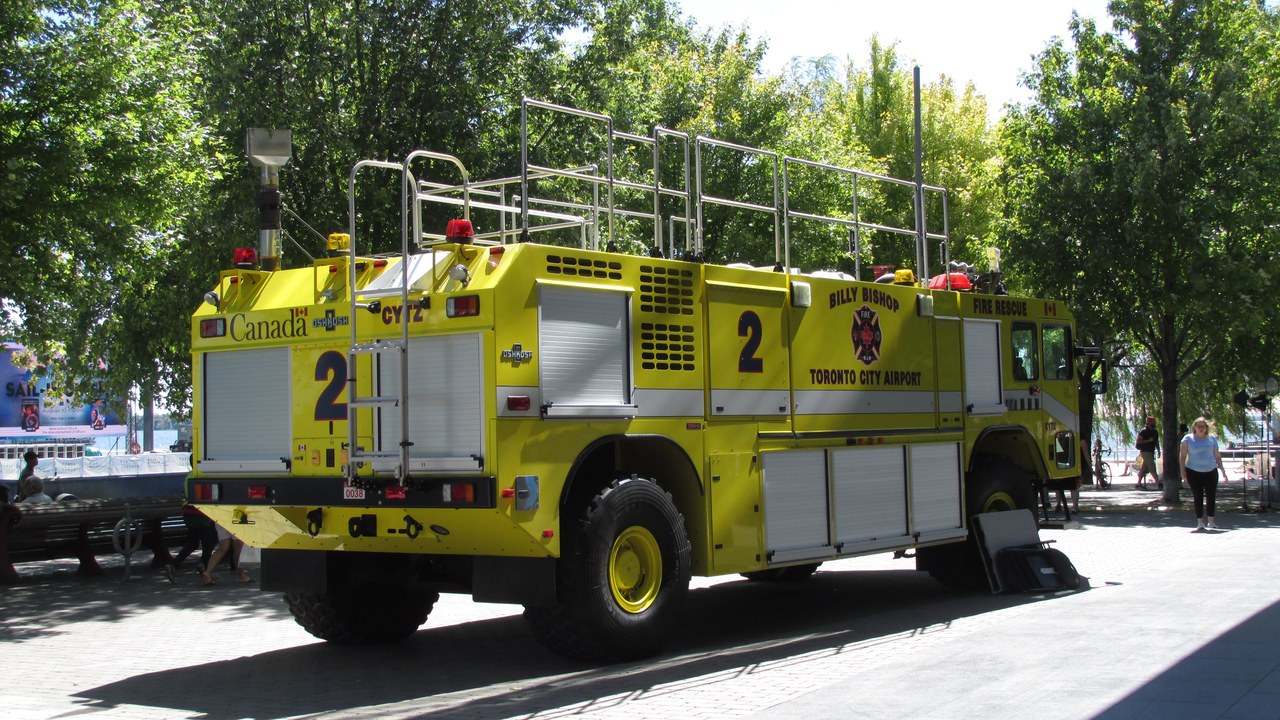
Powered by dual engines, the Striker 8×8 airport crash truck goes from 0 to 50 mph (0 to 80 kph) in 25 seconds, according to Oshkosh.
Rapid response is the stated purpose of the airport firefighting class, and the maker pitches that acceleration as its answer. The figure is a manufacturer specification for the 8×8 model, not a result from an independent test. The metric pairs a speed with a time, 50 mph in 25 seconds, which works out to an average gain of 2 mph per second. Dual engines are the feature the maker cites as the reason for that response.
More from Morning Overview
- Herbal supplements are landing Americans in the hospital with liver damage, doctors warn
- General Motors is switching on cameras that record inside your vehicle by update
- A geomagnetic storm is forecast to hit Earth today, pushing the northern lights unusually far south
- A recalled pill hid a stimulant dose linked to heart attacks and death
