
Delivering to every address in the country has long depended on a small number of vehicle designs that stay in service for decades. The Postal Service’s fleet has been supplemented over time by commercial vans and minivans and by newer electric models, while private carriers rely on step vans. Here are ten delivery vehicles that show how that mix developed.
1. Grumman LLV: Postal Workhorse
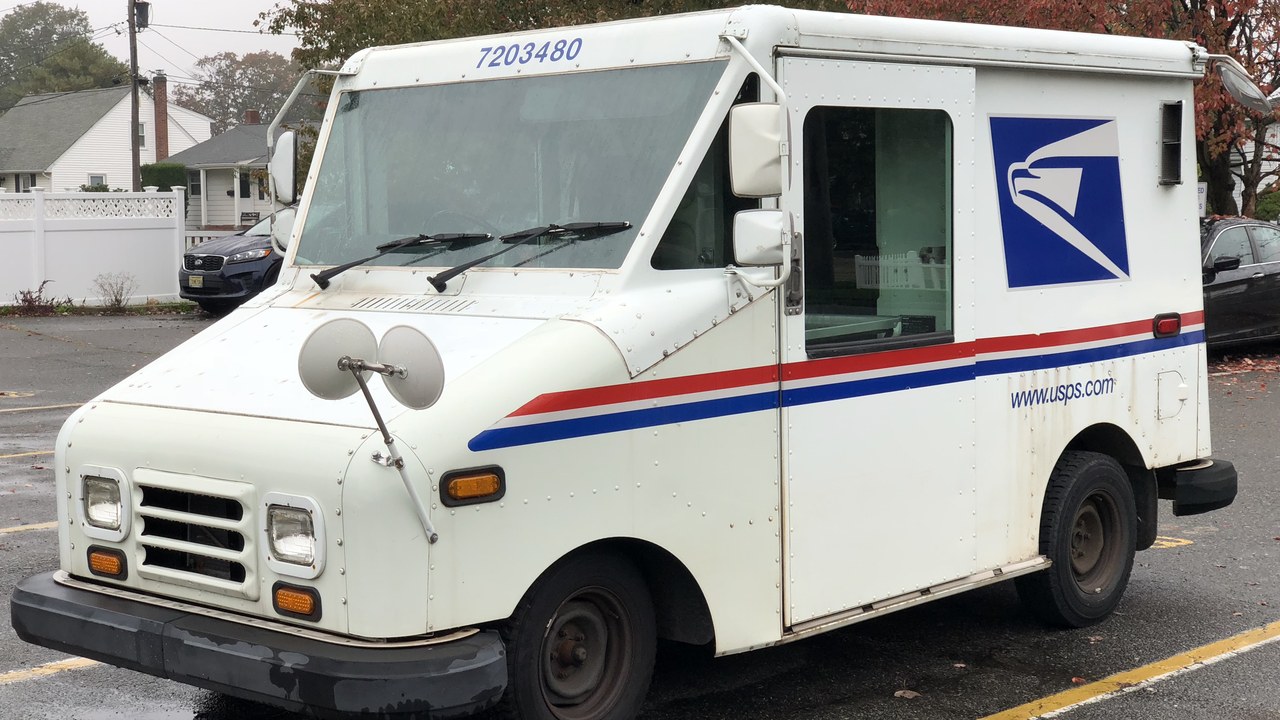
The Postal Service still had over 130,000 LLVs in service as of 2024, and every one of them was past its 30-year service life. Together they made up 57% of the local delivery fleet, so the truck remained the majority of the vehicles carriers drove on local routes.
Those figures explain why replacement became a fleet-wide project rather than a spot fix. A vehicle rated for a 30-year life that still carries most local routes beyond that mark is the practical reason the newer vans and electric models on this list exist.
2. Oshkosh NGDV: The Planned Successor
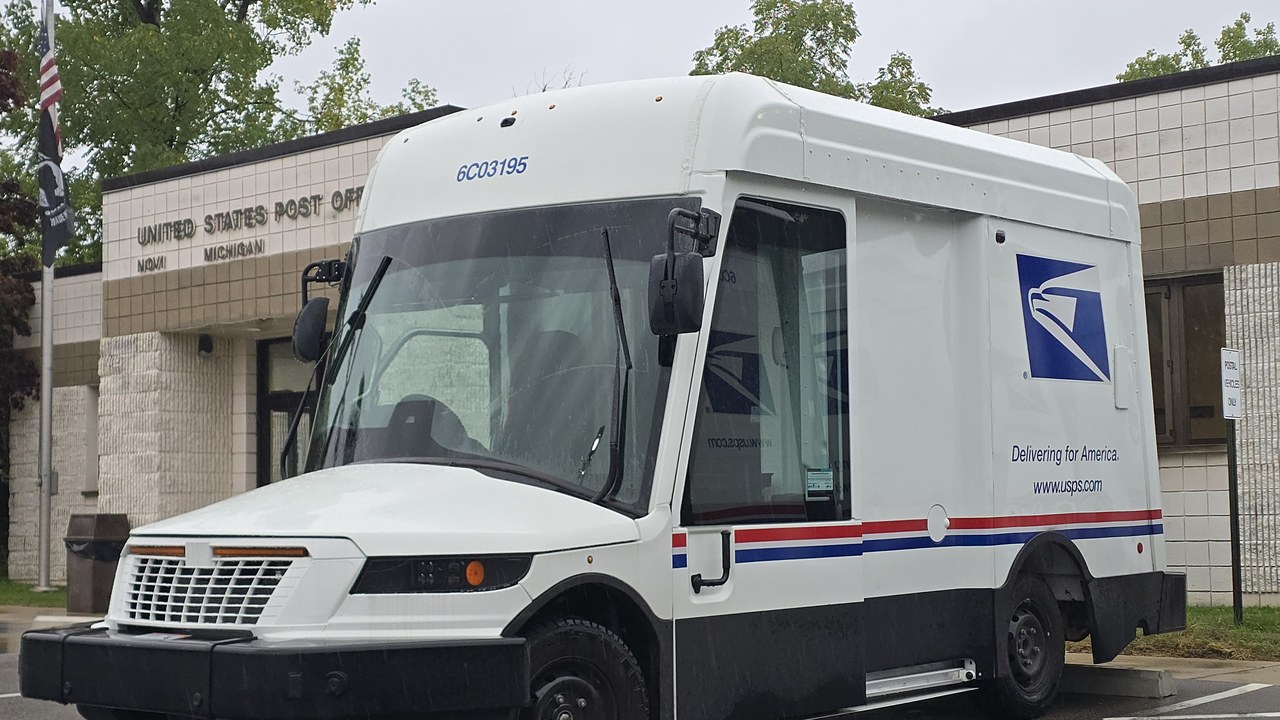
The Postal Service’s 2023 record of decision commits it to buying 106,480 new delivery vehicles under its supplemental environmental review. Of that total quantity, 62 percent would have battery electric powertrains, with the remainder using other powertrains inside the same procurement.
The record sets the scale of the replacement effort, with a purchase count that is large even beside the 130,000-plus LLVs still running. Because the commitment appears in a federal document, the numbers describe an approved plan, and the electric share reflects that scenario rather than vehicles already delivered.
3. Jeep DJ-5 Dispatcher: Winner of the 1968 Contest
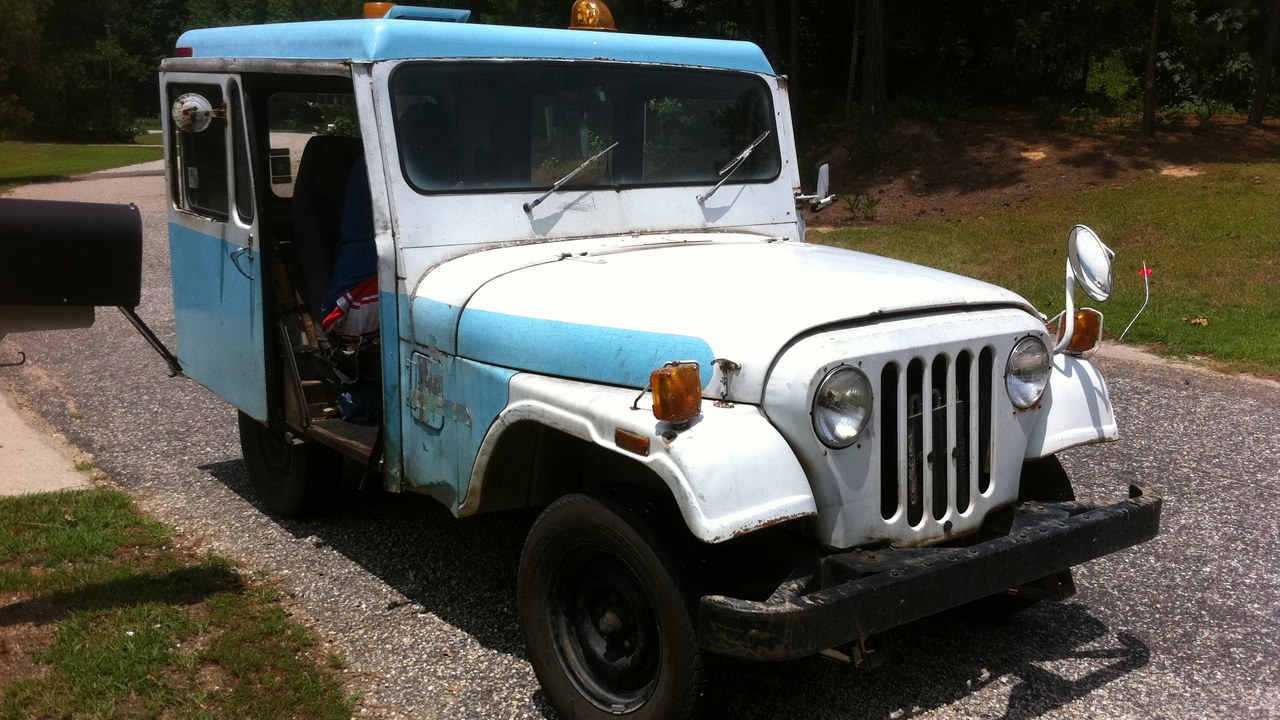
The Post Office held a 1968 competition to select a light delivery vehicle, weighing the Ford Bronco, the International Scout and the Jeep Dispatcher 100 (DJ-5). The right-hand-drive Jeep won the mail routes, ahead of the Bronco and the Scout.
The outcome made a right-hand-drive Jeep a mail vehicle instead of a Bronco or a Scout. The contest format also shows how the agency chose light delivery vehicles, by comparing several manufacturers’ trucks side by side, a method that came decades before the commercial-van purchases elsewhere on this list.
4. Mercedes-Benz Metris: Off-the-Shelf Van Buy
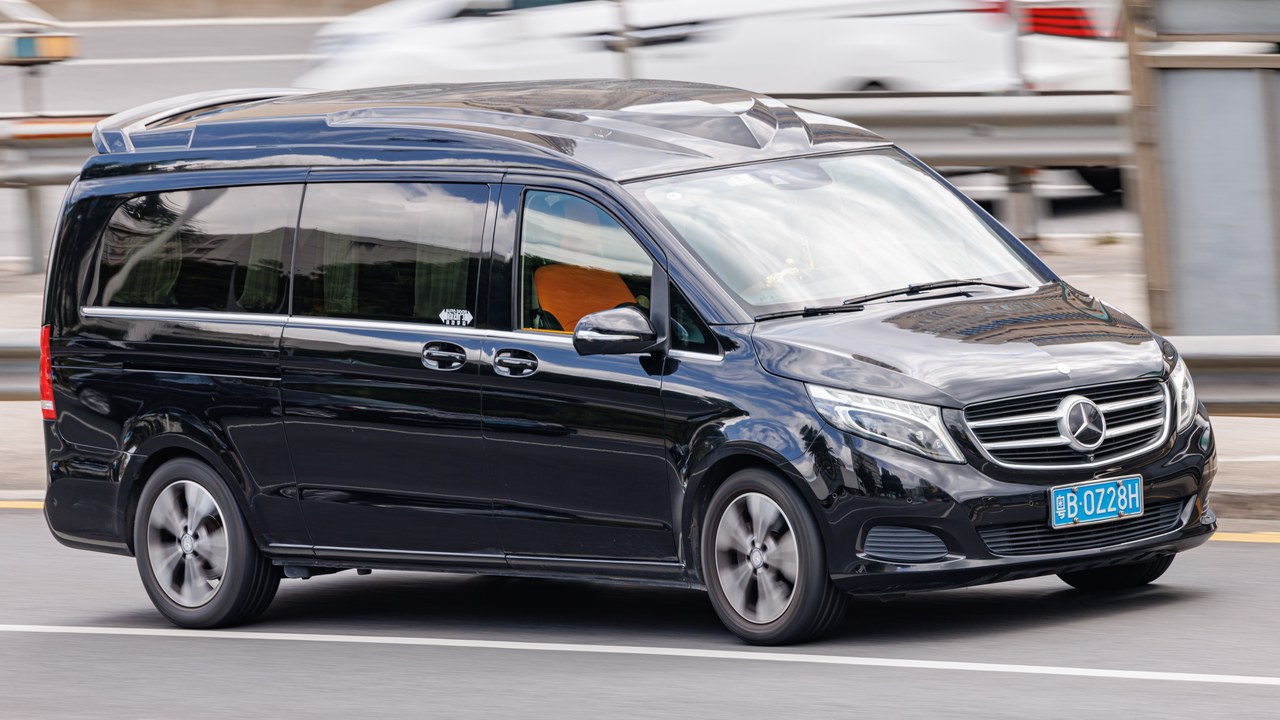
Under the Commercial-Off-The-Shelf program announced in 2018, USPS purchased up to 30,000 Metris vans built with right-hand drive. The purchase was meant to replace and upgrade its fleet of delivery vehicles.
The program’s name describes the approach, adopting a commercial van in right-hand-drive form rather than waiting on a custom vehicle. The wording is also a caveat, since ‘up to 30,000’ is a ceiling on the order and not a count of vans actually delivered to carriers. Because the vans were bought rather than designed from scratch, the program was a way to add vehicles to a fleet of delivery vehicles that already needed upgrading.
5. Ram ProMaster: Minivan Replacement
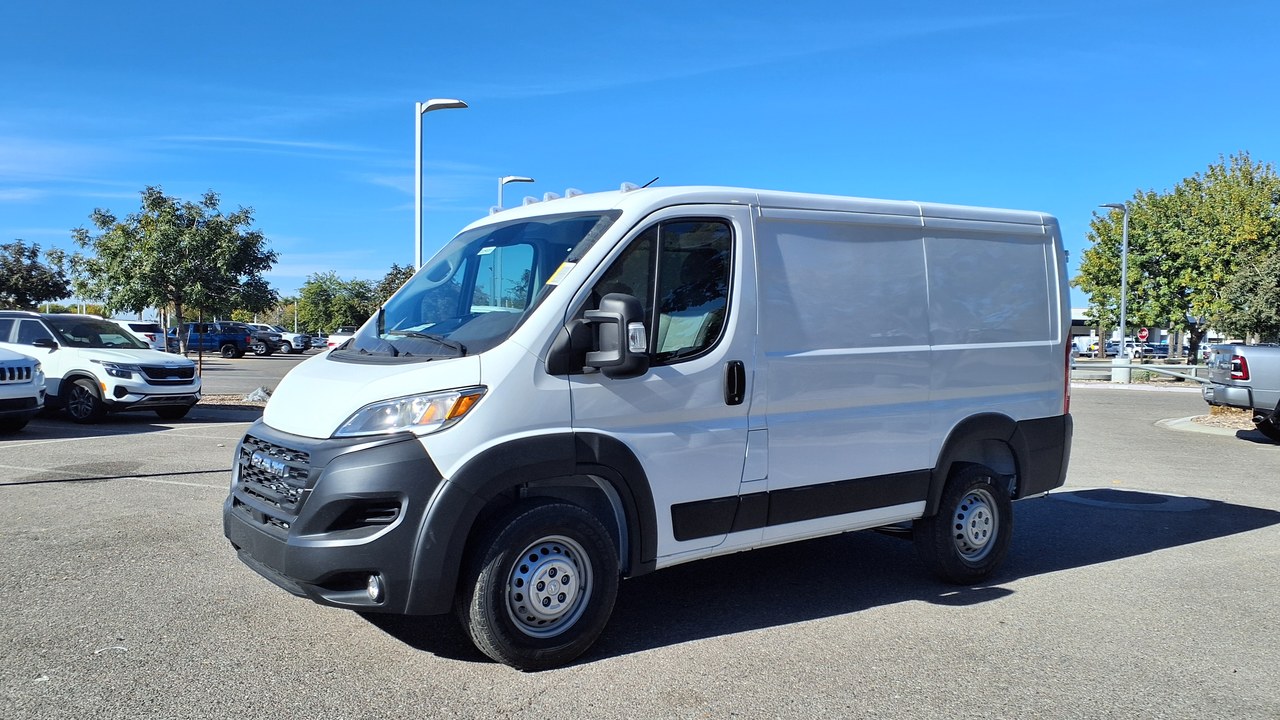
The same 2018 announcement covered 7,160 Ram ProMaster vans, purchased to replace Caravan and Uplander vehicles in the fleet. Alongside them the program listed up to 30,608 right-hand-drive Mercedes-Benz Metris vehicles.
The ProMaster therefore stepped in for the minivans that had themselves supplemented or replaced LLVs in some areas. Since the plan was announced rather than completed, the 7,160 figure is the planned order tied to the August 3, 2018 announcement, not a delivery tally. The ProMaster and the Metris were announced together, so the two vans are best read as a pair of purchases under the one program, each aimed at replacing different older vehicles.
6. Dodge Grand Caravan: Comfort in Extreme Weather
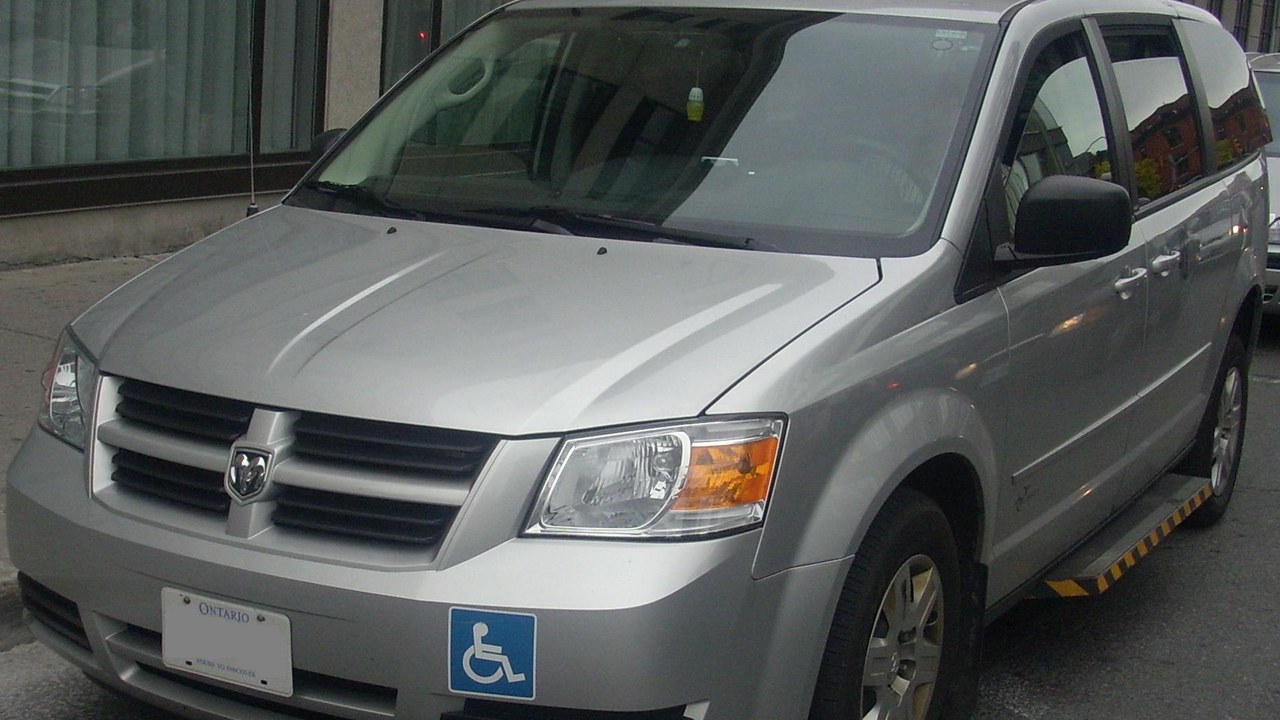
Between 2008 and 2010, USPS bought Dodge Grand Caravan and Chevrolet Uplander minivans to supplement or replace LLVs in some areas, in a 2008 to 2010 purchase that put minivans on routes. Postal workers tended to find them more comfortable, especially in extreme climates.
The stated reasoning is carrier comfort, not cargo capacity or cost. Both minivans were later named as the vehicles the Ram ProMaster was bought to replace, which shows the minivans stayed in the fleet through at least the 2018 announcement.
7. Ford E-Transit: Part of the 66,000
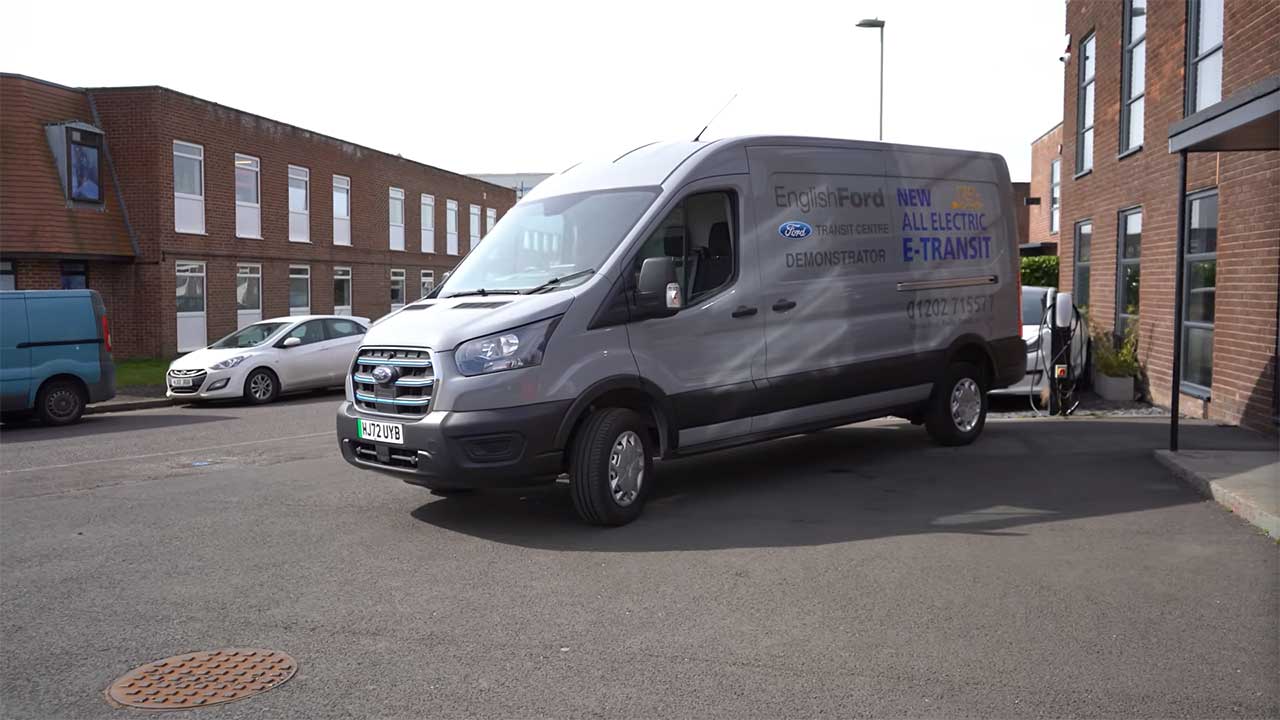
USPS has committed to acquire 66,000 electric vehicles through 2028. Of those, 45,000 are NGDVs and 9,250 are Ford E-Transit vans, which makes the E-Transit the second named component of the commitment.
The E-Transit therefore accounts for a smaller share of the electric commitment than the NGDV does, though 9,250 vans is still thousands of vehicles. The 45,000 NGDVs and 9,250 E-Transits together total 54,250, which leaves 11,750 of the 66,000 for other electric vehicles. The 45,000 NGDVs are the larger piece, so the E-Transit is best read as a supplement to the purpose-built truck rather than the main electric vehicle in the plan.
8. Morgan Olson Route Star: Step Vans for Big Brands
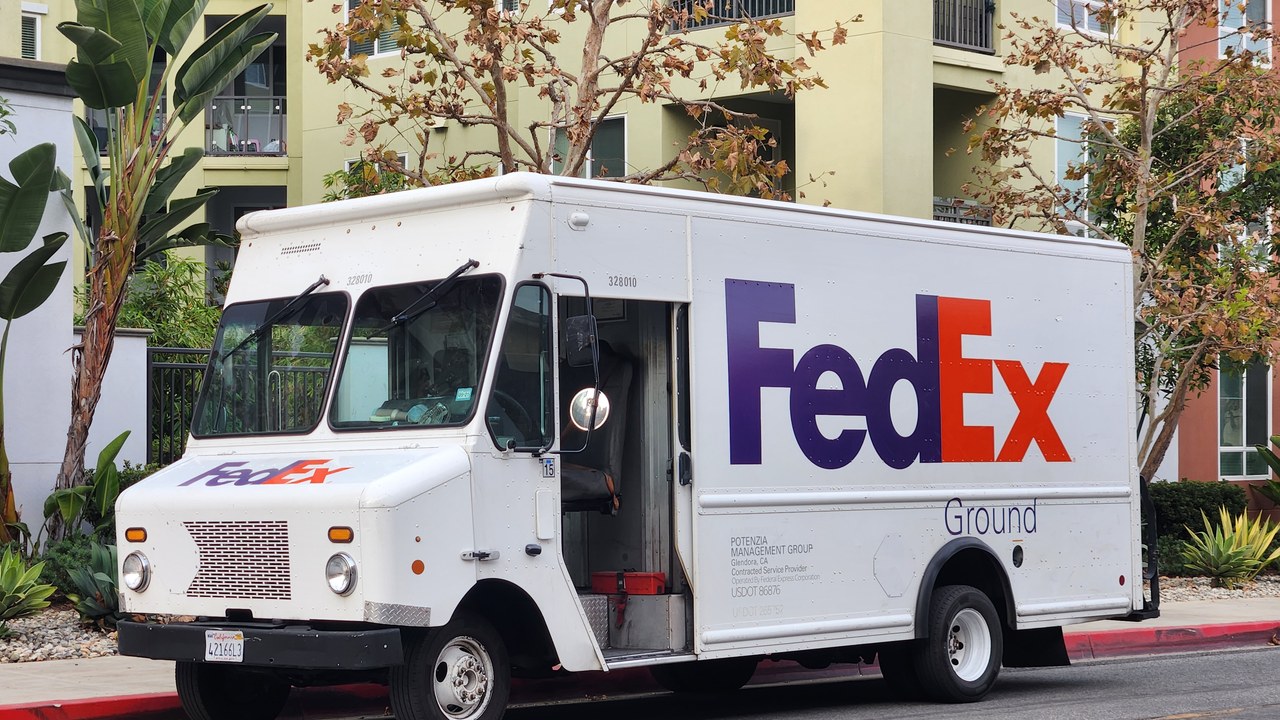
Morgan Olson says its package-delivery step vans have served some of the biggest brands in package delivery, naming UPS, FedEx, Canada Post, Purolator and Amazon, with many more besides.
The named customers show who the company says it has worked with and not how many trucks each runs. The list places the walk-in step van in both parcel and postal service, since Canada Post and Purolator appear beside UPS, FedEx and Amazon. That spread shows one body style serving very different delivery networks.
9. Rivian EDV-700: Cargo by the Numbers

Rivian’s fleet page lists the Delivery 700 at 248.5 inches long with 487 cubic feet of cargo volume. Those dimensions describe the larger commercial van in the company’s electric delivery lineup.
The page also lists a Delivery 500, so these figures apply to the 700 model only. For a fleet buyer, length and cubic feet of cargo space are among the numbers that decide how much fits on a route, and 248.5 inches works out to about 20.7 feet of body length.
10. Utilimaster Aeromaster: The Industry-Standard Claim
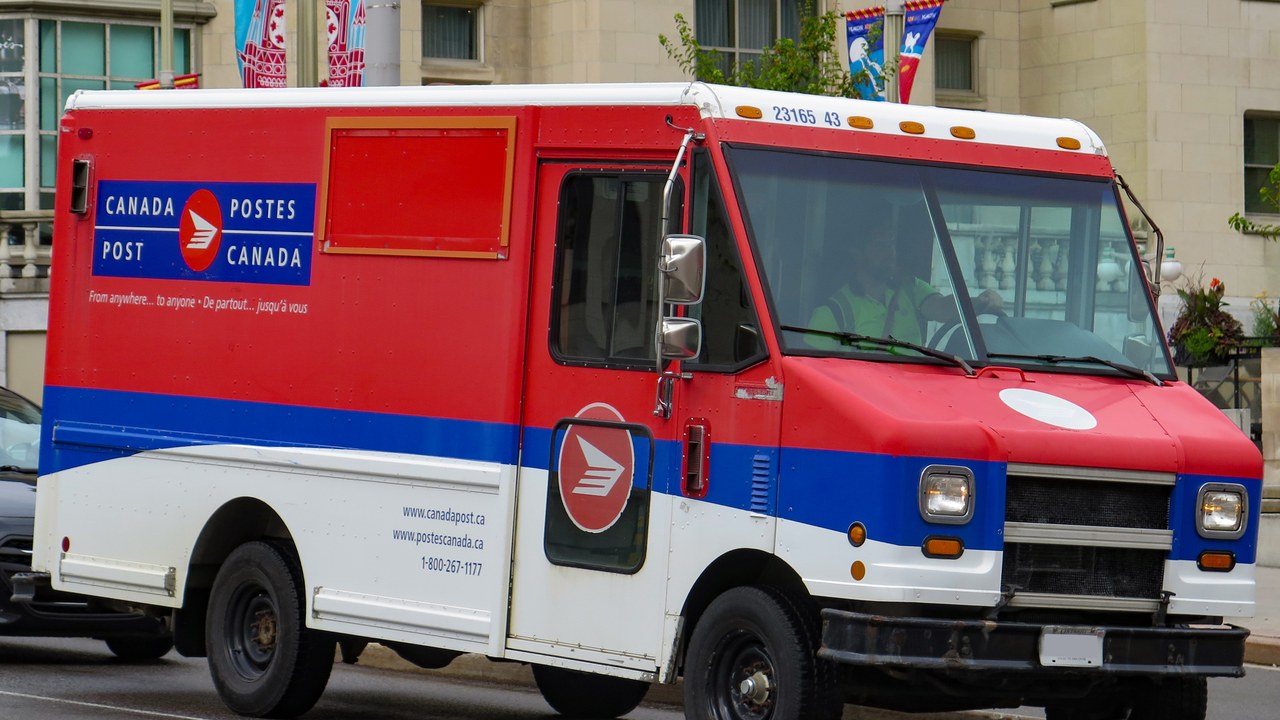
Utilimaster describes its Aeromaster walk-in step van as the industry standard for delivery and service vehicles. The van is built for hundreds of stops a day, which is the duty cycle the company designs around.
That is a maker’s description and not an independent ranking, so the label shows positioning more than market share. The stops-per-day design target is the more useful detail for fleets, since a step van is entered, exited and reloaded constantly over the course of a route. Treat the label as the company’s positioning, not a ruling.
More from Morning Overview
- Amazon’s Prime refunds are rising to $200 as millions more customers become eligible
- A handful of car engines are so tough mechanics say they almost never wear out
- The NSA is again telling phone owners to switch off one location setting
- Supplements now rank as the fifth-leading cause of death from liver disease.
