
Slow does not always mean bad, and many of these cars trade quick acceleration for low prices, economy or simplicity. Instrumented testing from several outlets puts a number on how long each takes to reach highway speed. Here are twelve new cars that still sit near the back of the acceleration pack.
The tech news worth your time: 400,000+ professionals from Google, Apple and OpenAI read Techpresso, a daily email with the most interesting tech news and insights.
We may earn a commission if you sign up.
1. Nissan Kicks Play: Top of the Slow List
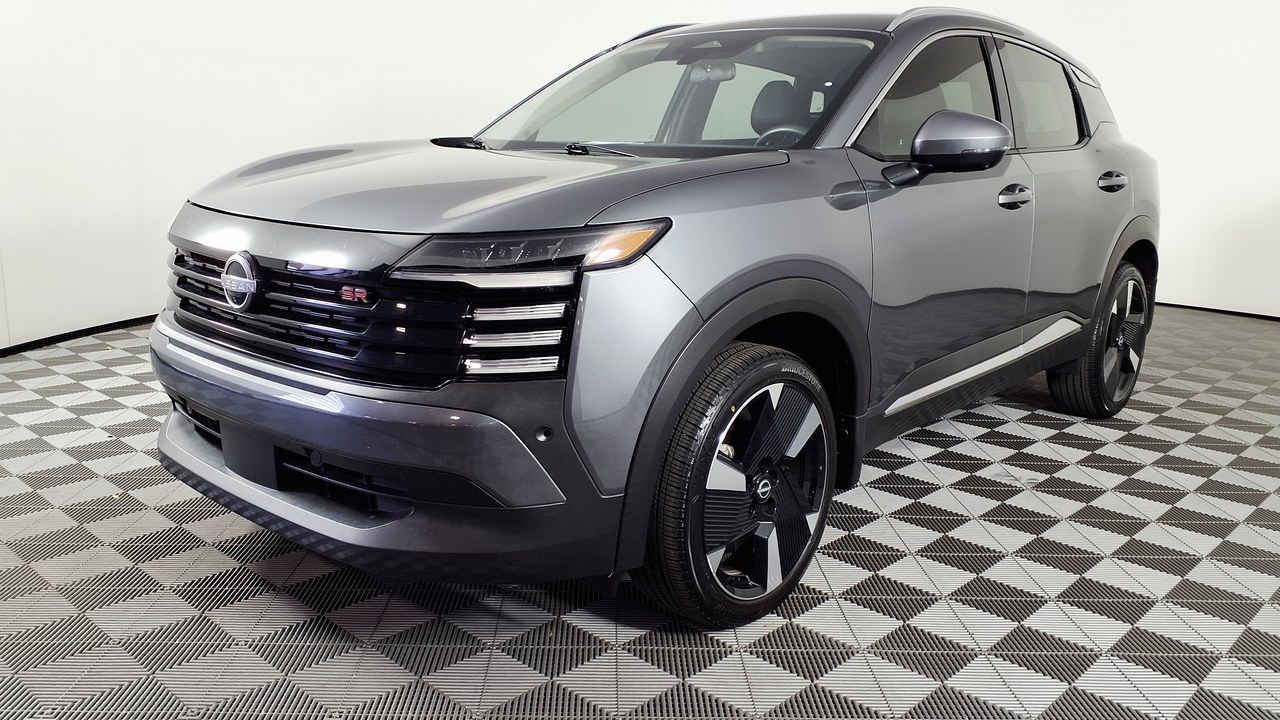
The Nissan Kicks Play needs 10.7 seconds to reach 100 km/h, about 62 mph, in its redesigned 2025 form, based on The Car Guide’s slowest list.
Among the Car Guide figures in this gallery, only the Hyundai Venue’s estimate is longer. For commuting the number matters little, but merging onto a fast highway with a full load is where the lag becomes noticeable. Shoppers who rarely leave city streets are unlikely to notice, while those who regularly climb mountain grades may prefer a stronger engine option.
2. Hyundai Venue: Estimated at Eleven Seconds
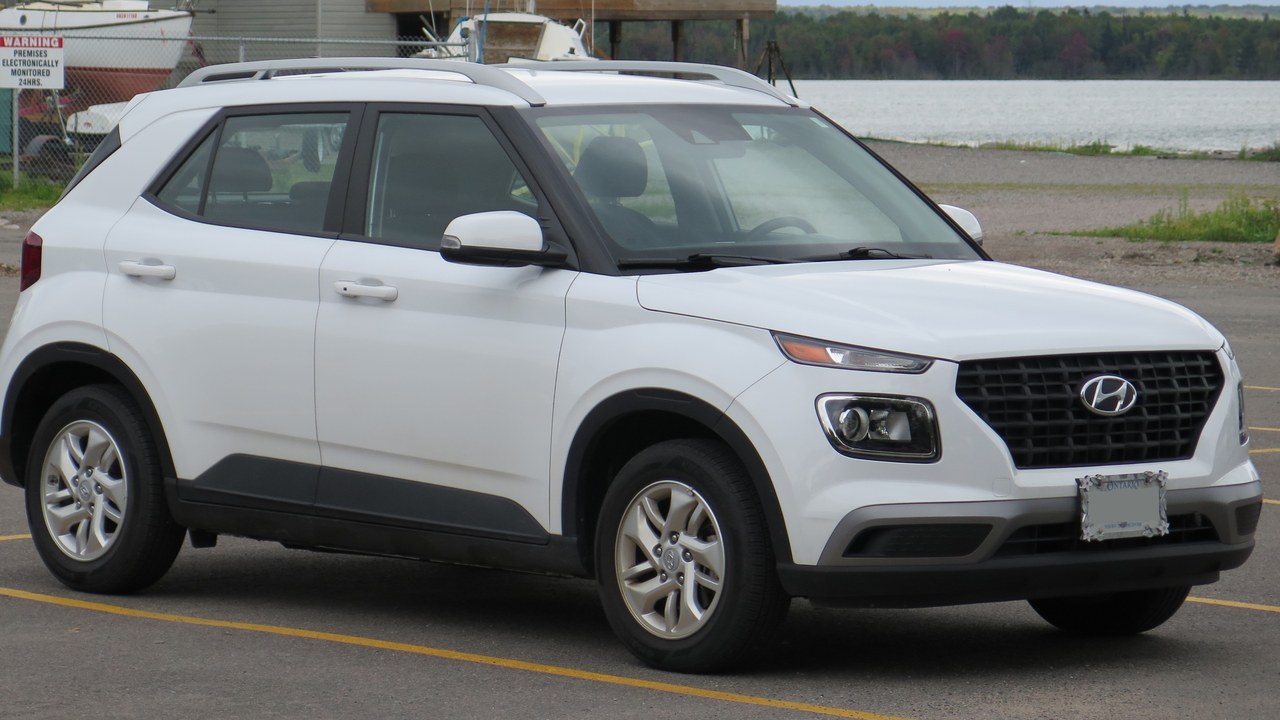
Hyundai’s Venue is estimated at 11 seconds from 0 to 100 km/h, among the slowest vehicles tested in 2025, according to the Car Guide’s 2025 roundup.
Because the figure is an estimate rather than a stopwatch run, it carries more uncertainty than the measured entries. The direction is still clear for a small crossover aimed at city driving rather than acceleration. Buyers considering the Venue are generally weighing a low entry price and easy parking, and those priorities help explain a modest acceleration time.
3. Kia Niro: Efficiency Over Urgency
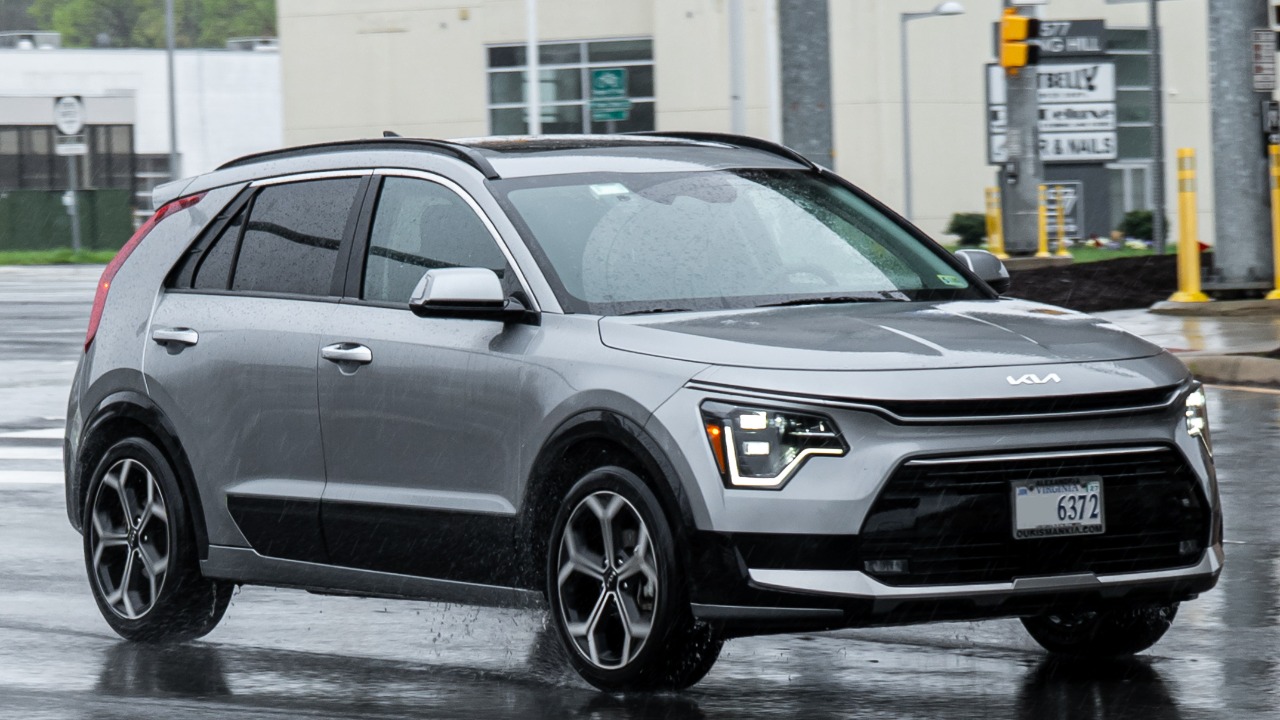
Kia’s Niro records 10.4 seconds from 0 to 100 km/h on The Car Guide’s slowest vehicles list.
Efficiency-minded vehicles often accept slower acceleration in return for lower fuel use, so a figure like this does not make the Niro a poor car. It does tell buyers what to expect on a steep on-ramp. A test drive that includes a freeway on-ramp is the simplest way to decide whether the pace feels adequate. Numbers on paper can look worse than the experience of a smooth drivetrain.
4. Subaru Impreza: A Four-Way Tie
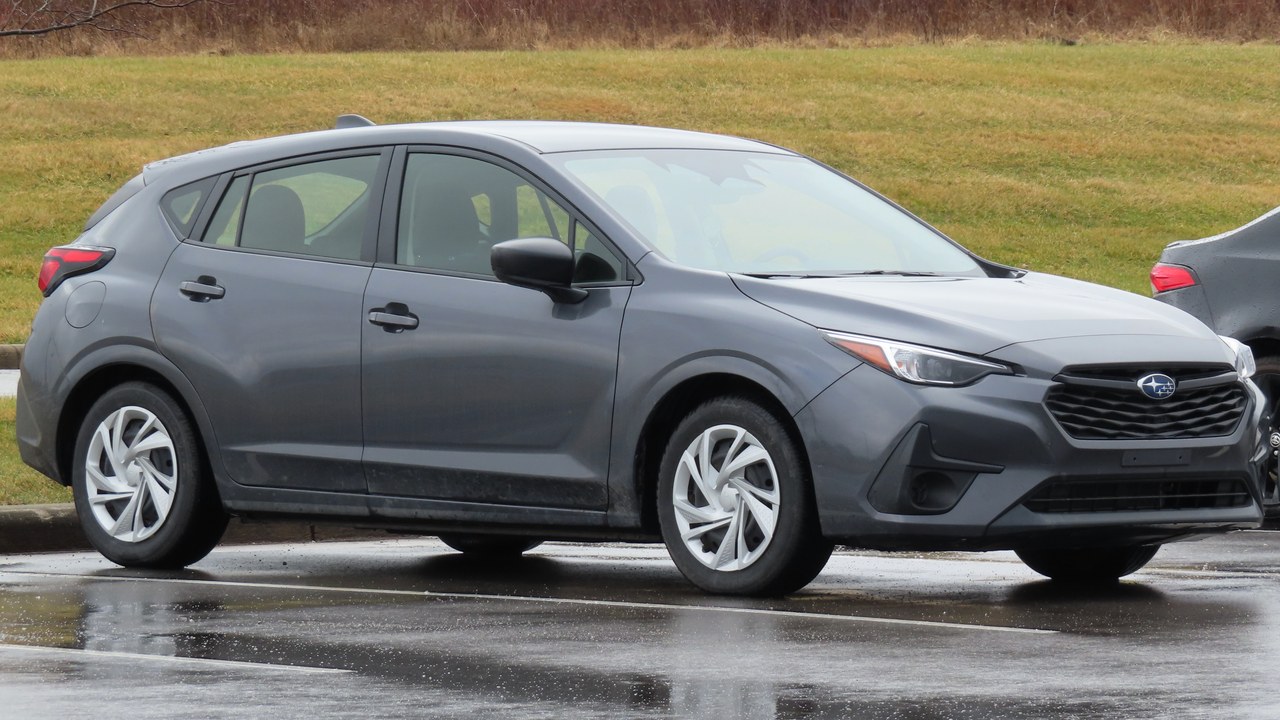
The Subaru Impreza took 10.3 seconds from 0 to 100 km/h when it was measured, a time shared with the Sportage, Corolla Cross and Versa in the Car Guide’s tested times.
A tie across four models shows how tightly packed the slow end of the market is. Differences of a tenth or two are unlikely to be noticed on a daily drive. Those hoping to tell the four apart on performance should look elsewhere, since price, interior space and equipment are the more meaningful differences.
5. Subaru Crosstrek: Nine and a Half Seconds
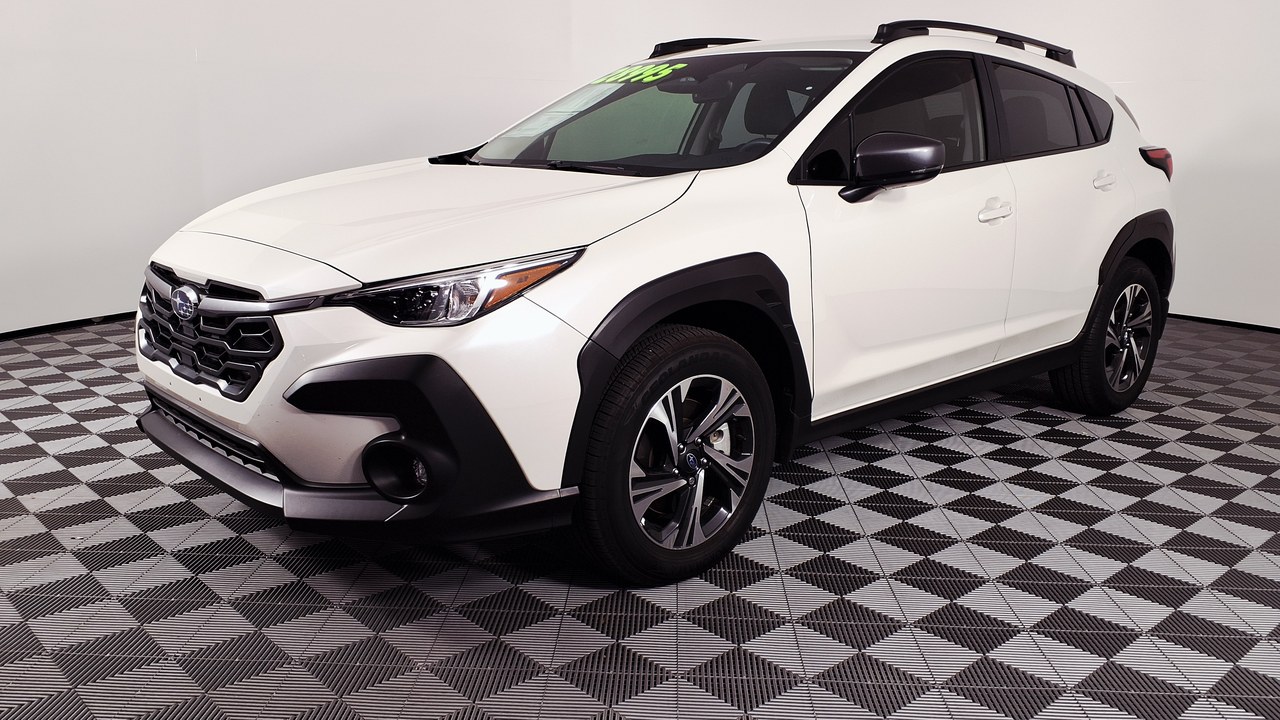
Jalopnik’s slowest accelerating cars roundup lists the Subaru Crosstrek at 9.5 seconds from 0 to 60 mph in Car and Driver instrumented testing, a time it shares with the Nissan Versa.
Part of the Crosstrek’s appeal is all-weather capability rather than speed, so the time reflects what the vehicle is built to do. Shoppers who value ground clearance and traction may reasonably accept it. Buyers who need quicker passing power can ask about stronger engine choices, where offered, though those typically come at a higher price.
6. Toyota Corolla Cross: Member of the Nine-Two Club
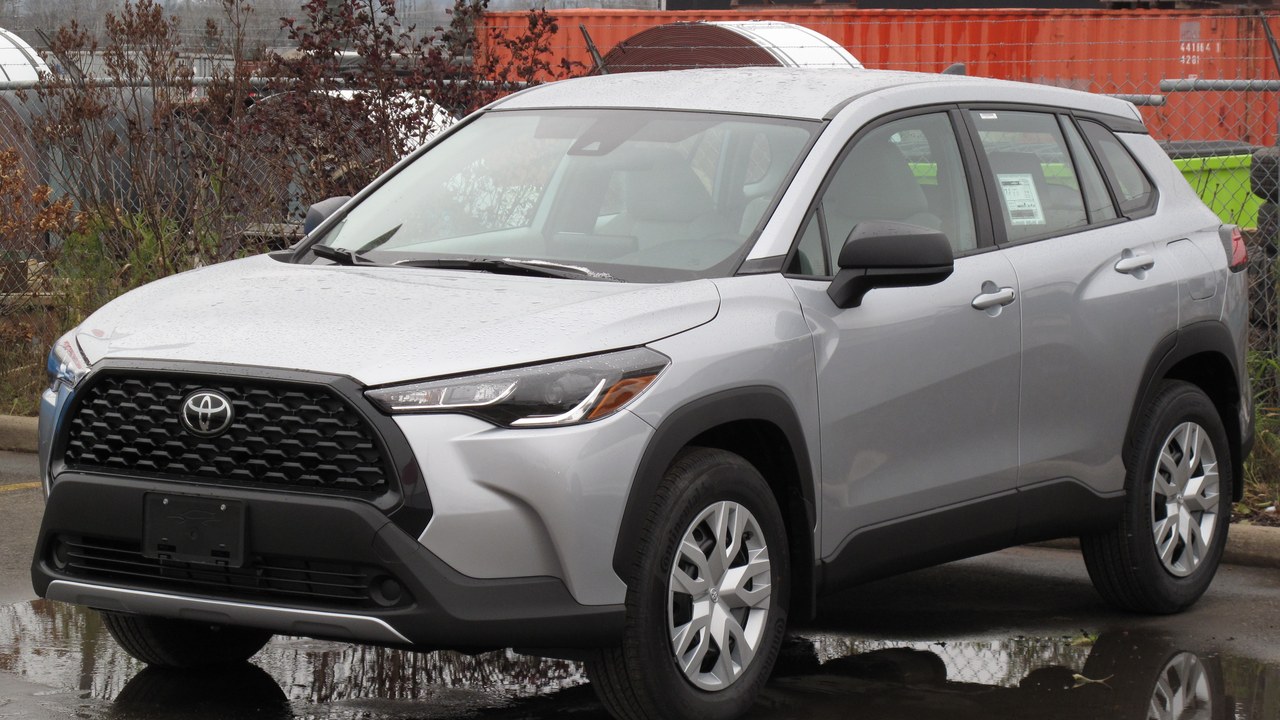
Toyota’s Corolla Cross reaches 60 mph in 9.2 seconds in Car and Driver testing, according to Jalopnik’s acceleration list. The Nissan Sentra and Hyundai Kona post the same time.
Small crossovers and compact sedans fill most of the back of the ranking. A three-way tie at 9.2 seconds means price, space and reputation, not acceleration, will separate them for most buyers. For families using a compact crossover, space and efficiency typically carry more weight than a stopwatch result, which is why such a time is acceptable to many owners.
7. Nissan Sentra: Compact Sedan at 9.2
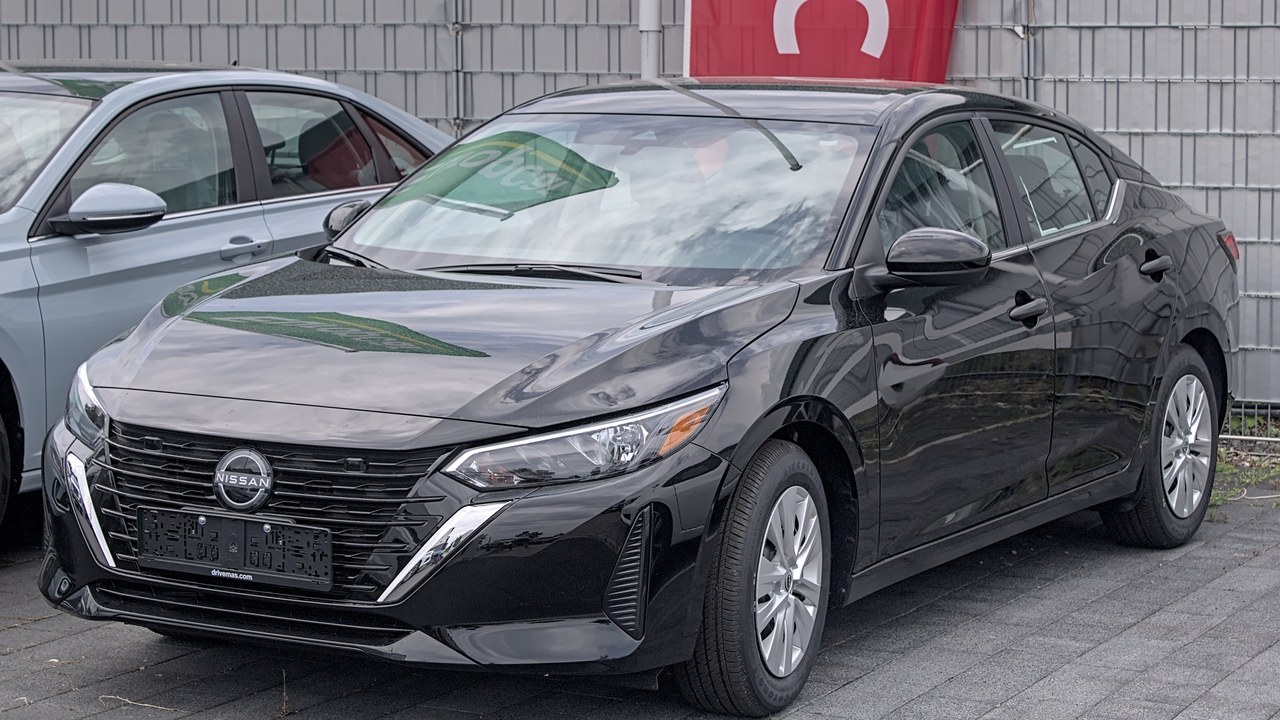
The Nissan Sentra matches that 9.2 seconds to 60 mph in Car and Driver testing, in the same Jalopnik slow-car list.
Shoppers in this segment tend to weigh price and fuel economy first, so the time rarely decides a sale. A passing maneuver on a two-lane road is the situation where the number turns into something felt. Acceleration figures also depend on testing conditions, so a different outlet could record a slightly different result. The ranking is best read as a general ordering rather than a precise measure.
8. Toyota Corolla: Fastest of the Slow
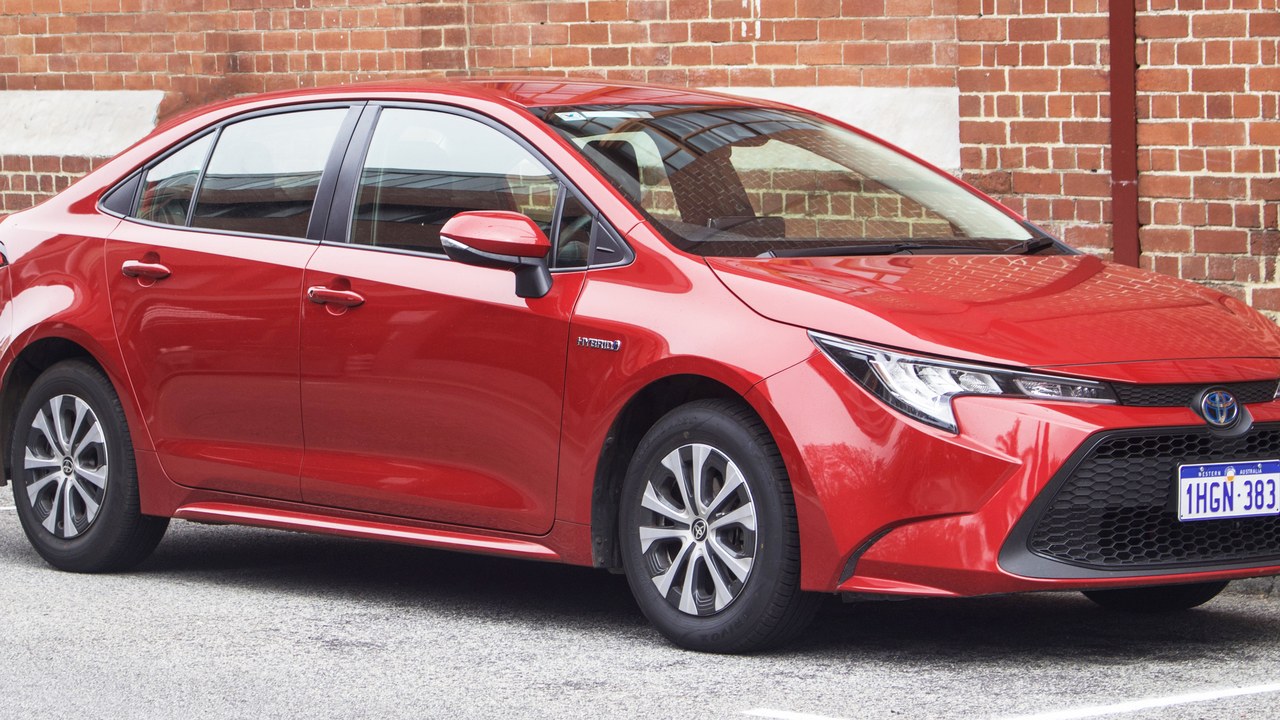
At 8.8 seconds to 60 mph in Car and Driver testing, the Toyota Corolla is quicker than most entries here, though it still appears in Jalopnik’s ranking of slow cars. The Tucson, Trax and Encore GX share the same time.
The gap between the Corolla and the 9.5-second Crosstrek is seven tenths of a second, small in daily use but visible on a stopwatch. It shows how short the distance is between slow and merely ordinary.
9. Honda HR-V: Between Two Neighbors
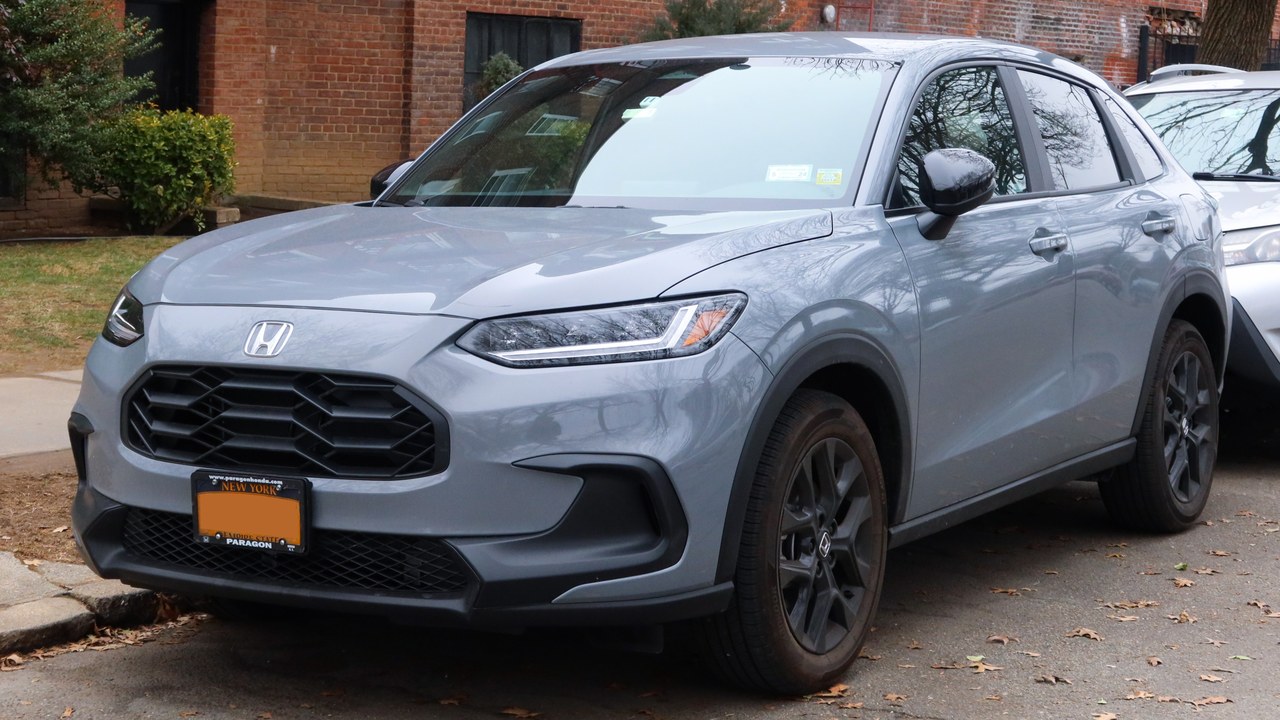
Honda’s HR-V takes 9.4 seconds to reach 60 mph in Car and Driver testing, as cited by Quartz on slow acceleration.
That places the subcompact crossover between the Crosstrek at 9.5 and the Buick Envista at 9.3 in this gallery, a narrow window where other qualities do the deciding. Anyone expecting lively performance from this subcompact should drive it before buying, and a stopwatch result like this one is a useful guide to what that drive will feel like.
10. Buick Envista: Buick’s Slow Crossover
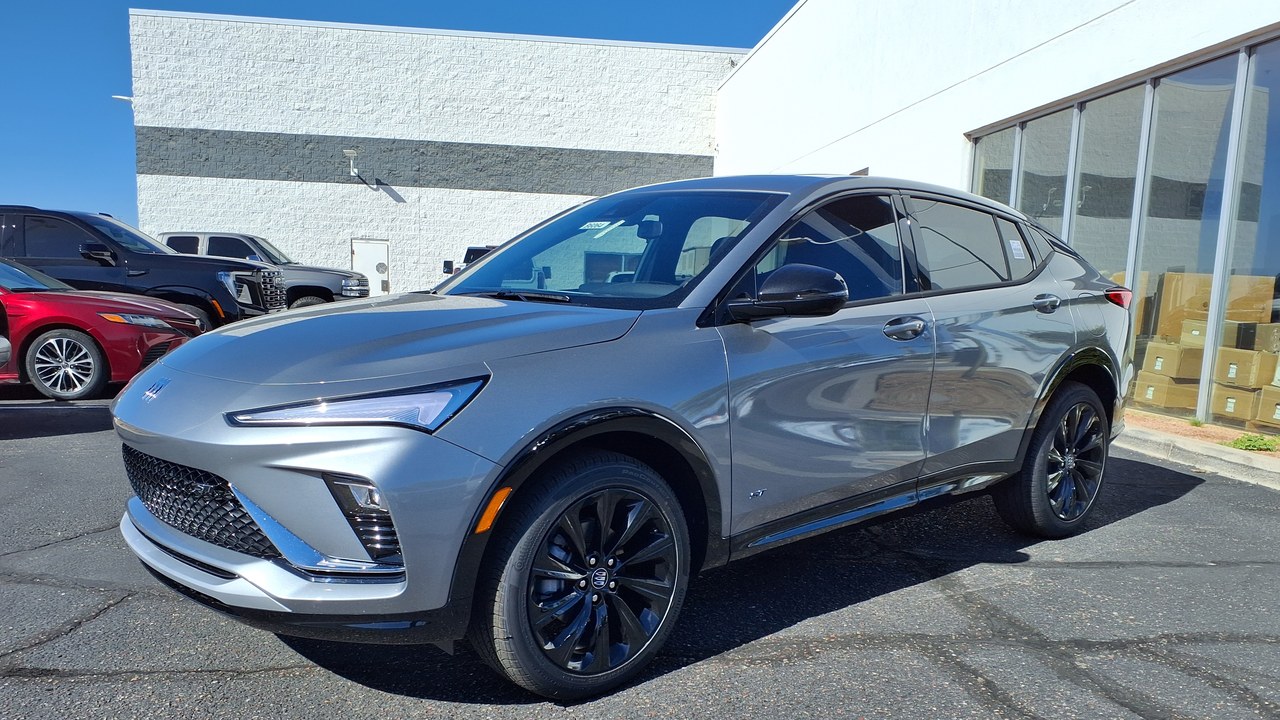
Buick’s Envista is listed at 9.3 seconds from 0 to 60 mph in Car and Driver testing in Quartz’s slowest cars ranking.
The result is nearly identical to the HR-V and the Corolla Cross, so the three crossovers can be treated as equals on acceleration. Price and features are left to settle the choice. Testing by a single outlet cannot capture every variable, but it provides a consistent yardstick across vehicles, which is what makes comparisons like this one possible.
11. Kia Sportage: A Hair Quicker
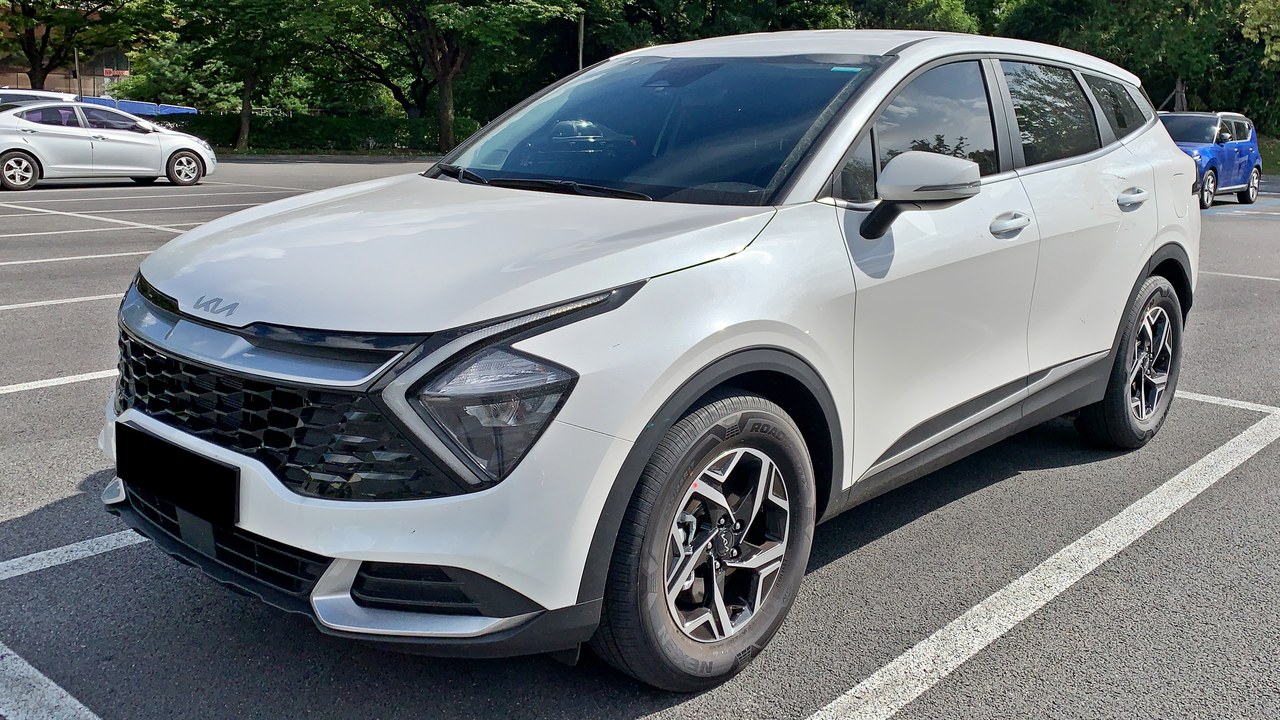
The Kia Sportage reaches 60 mph in 9.1 seconds in Car and Driver testing, per Quartz’s acceleration rundown.
That makes the Sportage a hair quicker than the Corolla Cross and the Envista, though only by a couple of tenths. Differences that small rarely register on public roads. Compact SUV buyers often shop on space, ride and warranty, and acceleration rarely tops that list. Even so, passing and merging confidence is a real part of daily driving, so a short test drive remains worthwhile before signing.
12. Chevrolet Trax: Where the Cutoff Falls
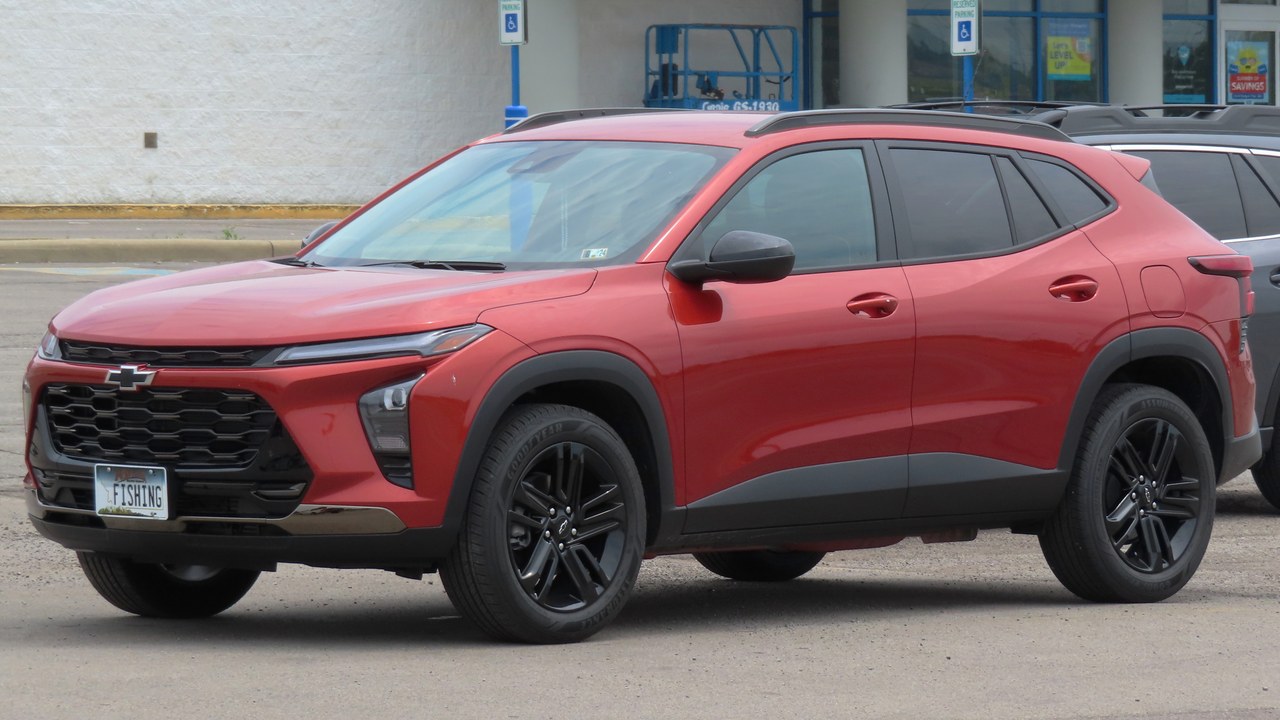
Chevrolet’s Trax records 8.8 seconds to 60 mph in Car and Driver testing, tying the Corolla, Tucson and Encore GX, according to Quartz’s slow-car feature.
Closing the gallery at 8.8 seconds shows where the cutoff sits: the slowest new cars still on sale reach into the high eights. A buyer who wants quick acceleration will need to look elsewhere in the lineup. That includes anyone who regularly carries a full load of passengers or drives on steep roads, where small differences in power are easier to feel.
The tech news worth your time: Subscribe to Techpresso →
We may earn a commission if you sign up.
More from Morning Overview
