
Old work trucks were once cheap, plentiful and easy to overlook, but collectors have since pushed some of them into serious money. Auction results and valuation guides show which models gained the most, and which climbed from modest beginnings. Here are ten classic pickups that became investments, ranging from garage-find prices to six-figure sales.
Help yourself and the planet: The Cool Down makes it easy to help yourself while helping the planet, with smart, simple changes to save more and waste less in your everyday life.
We may earn a commission if you sign up.
1. 1970 Chevrolet El Camino SS 454 (LS6): The LS6 Surprise
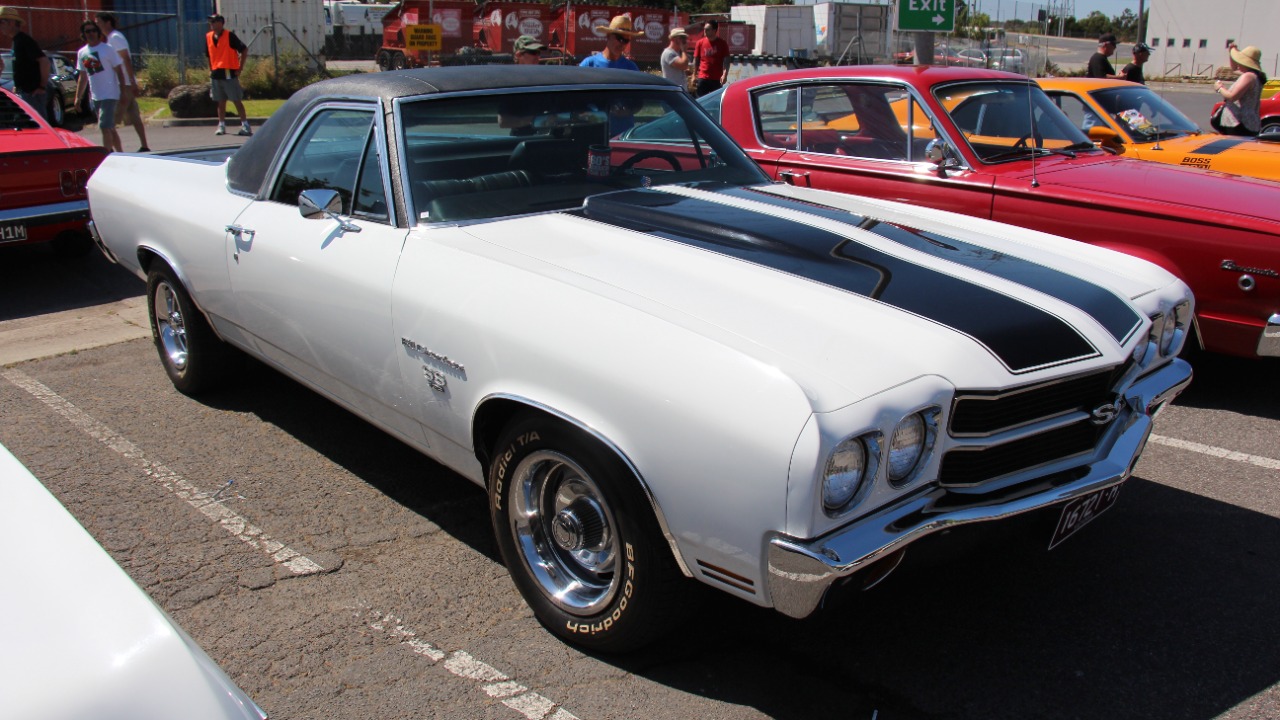
A 1970 Chevrolet El Camino SS 454 with the LS6 engine sold for $134,750 at Mecum Harrisburg in August 2017, according to a Hagerty past-sales record.
Hagerty’s note calls it a monumental price while adding that finding another LS6 El Camino in such condition would be difficult. Scarcity of the specific engine and a car-based body keep the El Camino a favorite among muscle-era collectors. As an El Camino, it blends a car-style front end with an open cargo bed, a mix that gives the model a following distinct from traditional trucks.
2. Chevrolet C10 (1967-72): Custom Money at Auction

A custom 1967 C10 sold for $203,500 at the 2025 Barrett-Jackson auction, as VehQ reported, setting the high point for this list.
Custom work drives that price, since clean stock trucks run roughly $15,000 to $40,000. The gap between the two figures shows that buyers are paying for the build, not for the original truck alone. Anyone considering a custom truck should budget separately for the work, since build quality varies widely and is hard to judge from photographs. The $203,500 figure is also the headline number for the whole gallery, so it deserves the most caution as a guide to everyday values.
3. GMC Syclone: Typhoon’s Big Brother
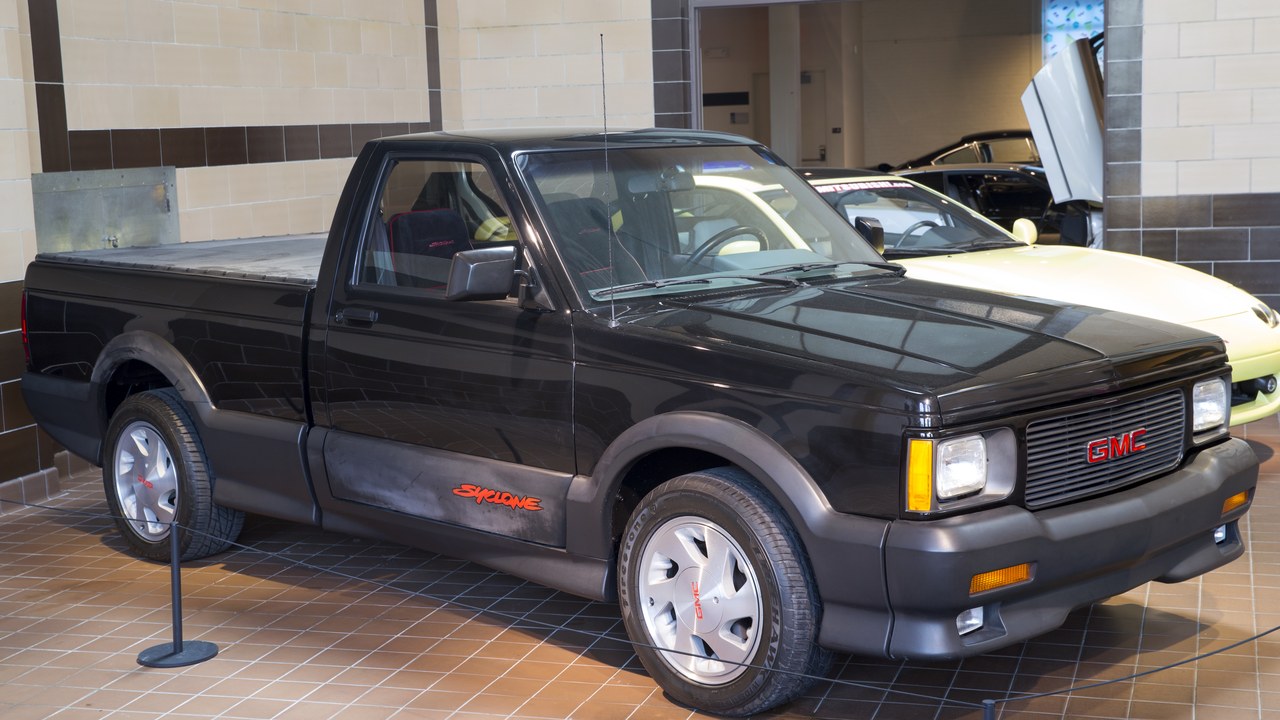
The GMC Syclone’s highest recorded auction sale reached $130,000 in May 2025, VehQ noted. Only 2,998 were built, and the truck listed at $25,970 new.
A production run that small, combined with a performance-truck reputation, explains why prices have moved so far from the original sticker. Buyers should expect condition and originality to drive value. The original list price of $25,970 makes the $130,000 result roughly five times the sticker, a ratio that explains the collector interest. Collectors tend to chase low-production performance trucks, and a build of fewer than three thousand fits that description.
4. Chevrolet 454 SS pickup: Four Years, Big Gains
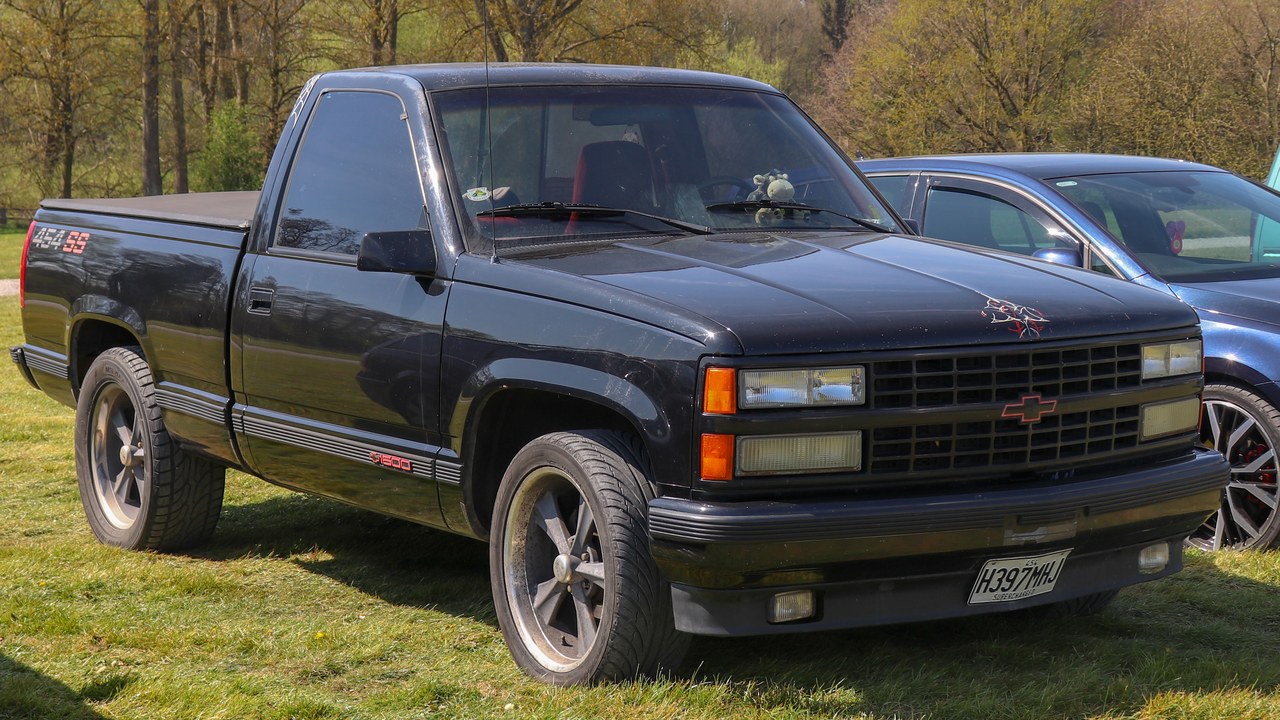
A mint Chevrolet 454 SS pickup fetched over $121,000 at auction, and VehQ’s report says Hagerty valued a 1991 at about $60,400 by early 2026, up from $23,700 in 2019.
Chevrolet built 16,953 of them across a four-year run. The increase since 2019 shows how fast a once-ordinary performance truck can appreciate, though the top auction price reflects a car in mint condition. The jump from $23,700 to $60,400 more than doubled the value between 2019 and early 2026, the kind of appreciation that draws investors. Hagerty’s valuation and the auction price describe different conditions, so the two numbers should not be compared directly.
5. Ford SVT Lightning (1993): Tripled Its Sticker
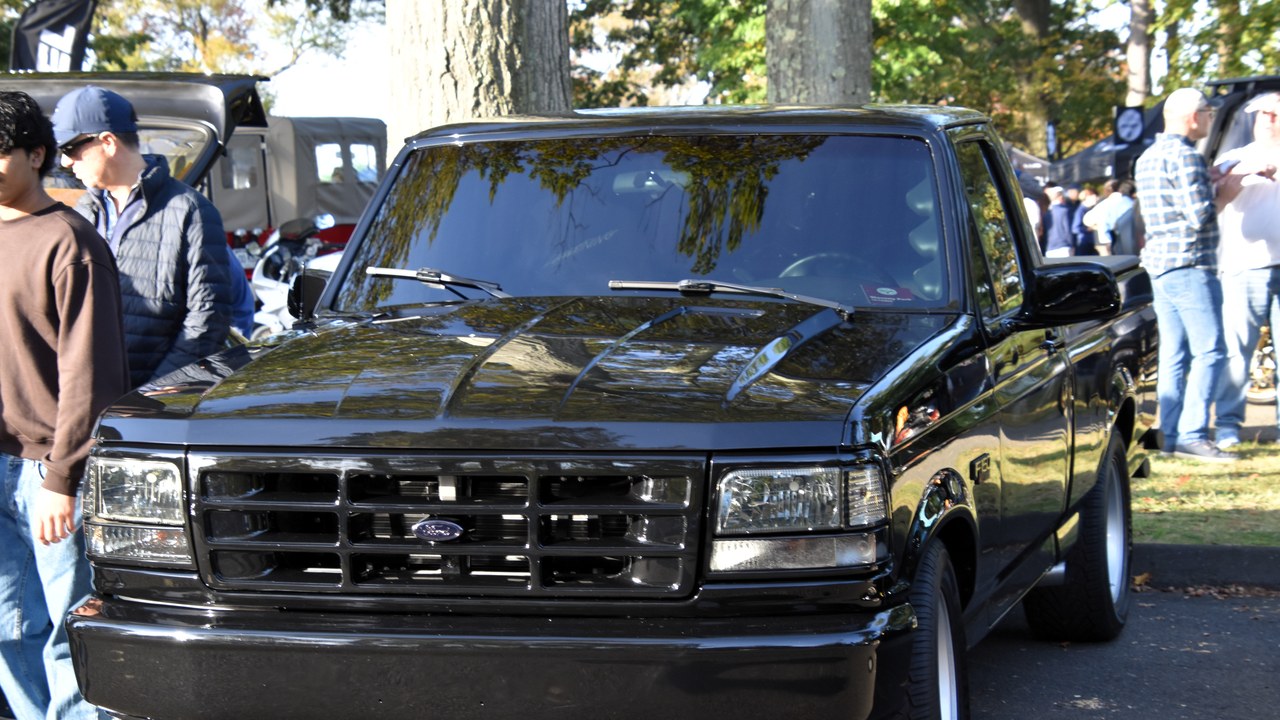
A 150-mile example of the 1993 Ford SVT Lightning sold for $75,000, roughly three times its original sticker of about $22,000, according to VehQ’s coverage. Ford built 5,276 for that first year.
Very low mileage drives that result, so a driven example would likely sell for less. The Lightning shows how a factory performance truck can outrun its original price as the supply of clean ones shrinks. The source does not cover higher-mileage Lightnings, so the $75,000 result should be seen as the top of the range rather than a typical figure.
6. 1956 Chevrolet Cameo Carrier: A Carrier With Style
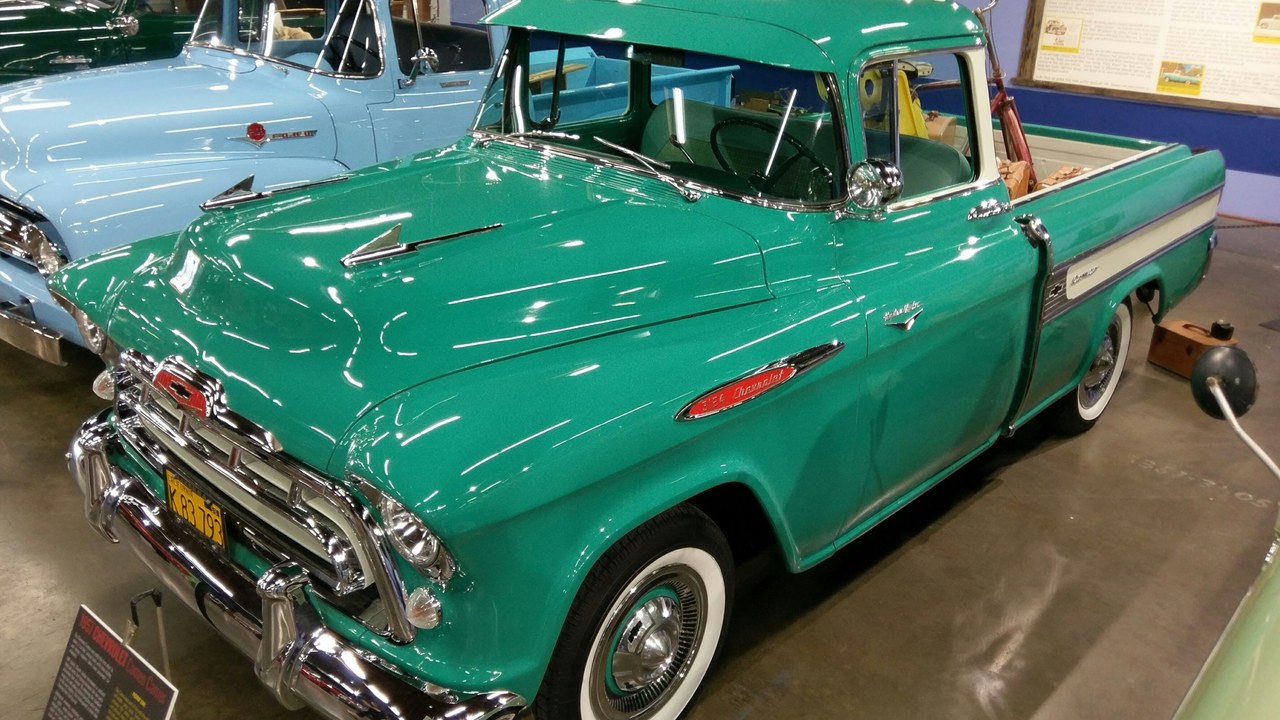
A 1956 Chevrolet Cameo Carrier sold for $43,000 at Mecum Glendale on March 8, 2024, per a Classic.com sale listing. The 1955 Cameo had listed at $1,835 new.
Its stepside-free flush bed set the Cameo apart from ordinary work trucks of its era. Compared with the $1,835 starting price of the previous year’s version, the result shows the value that decades of rarity can add. The 1955 price of $1,835 is the starting point for the appreciation, though the two figures cover different model years and sales, so the comparison is only approximate.
7. 1978 Dodge Li’l Red Express: Dodge’s Wood-Paneled Rocket
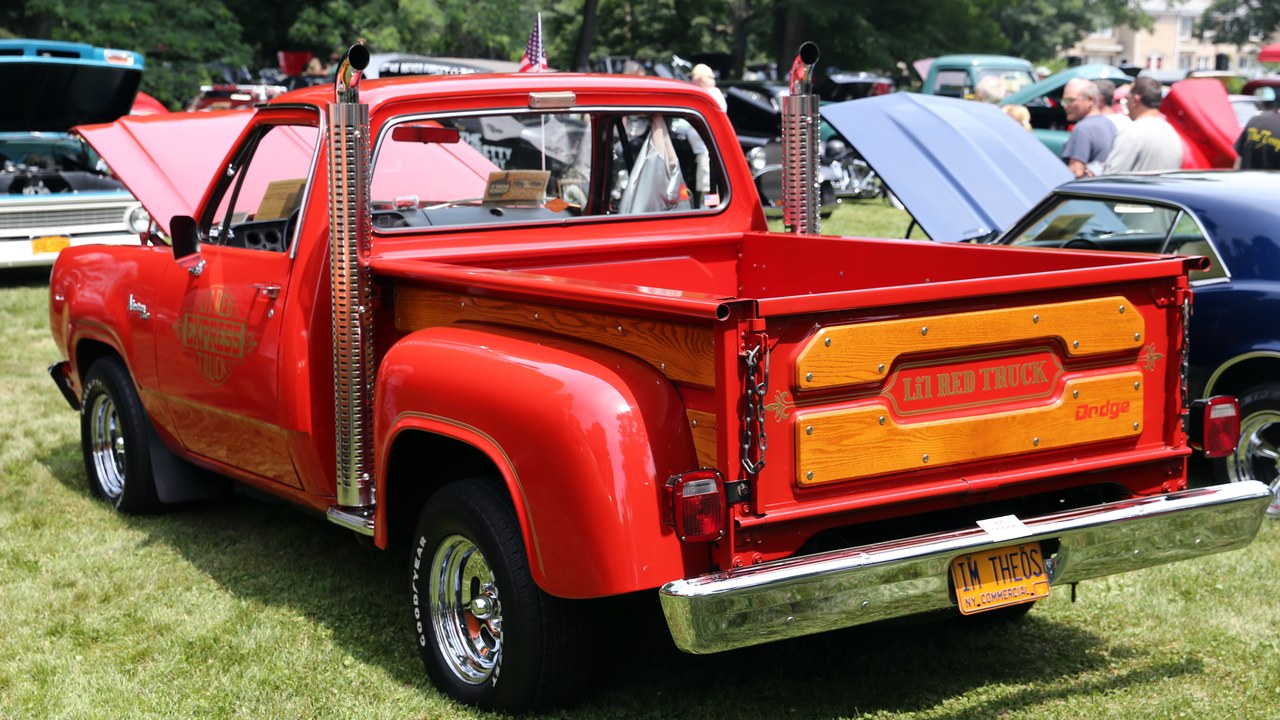
Hagerty puts a 1979 Dodge Li’l Red Express at about $22,700 in #3 condition, according to its valuation page. One sold for $18,700 at Mecum in January 2025, while the top recorded sale was $64,312.
The spread between those figures shows how much condition and provenance matter. A buyer can find the truck at modest prices, but the best examples have reached far higher. The listing is the one entry here where a typical valuation, instead of a record sale, is quoted, which makes it a useful baseline for the model.
8. Chevrolet 3100 (1948-54): Postwar Workhorse Gains
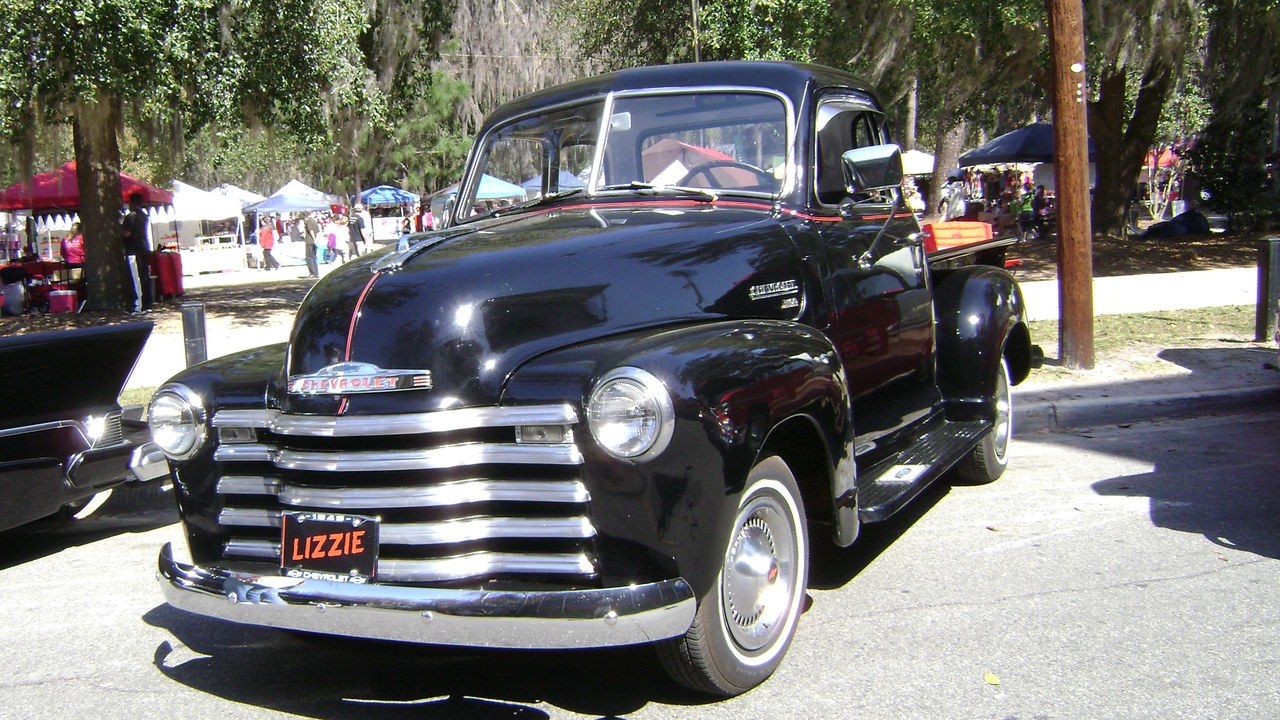
Hagerty’s #3 value for the 1948-54 Chevrolet 3100 climbed 57% in five years, from $8,643 in 2010 to $13,571 in 2015, based on Hagerty’s pickup report. The data is older.
A rise that large over five years made the 3100 an early example of trucks turning into investments. Current values have changed since, so the figures are best read as a snapshot of the trend rather than present-day prices. A 57% gain in five years works out to a rise of $4,928 in the guide’s numbers, a reminder that percentage and dollar gains tell different stories.
9. Ford F-1 (1948-52): Before the Boom
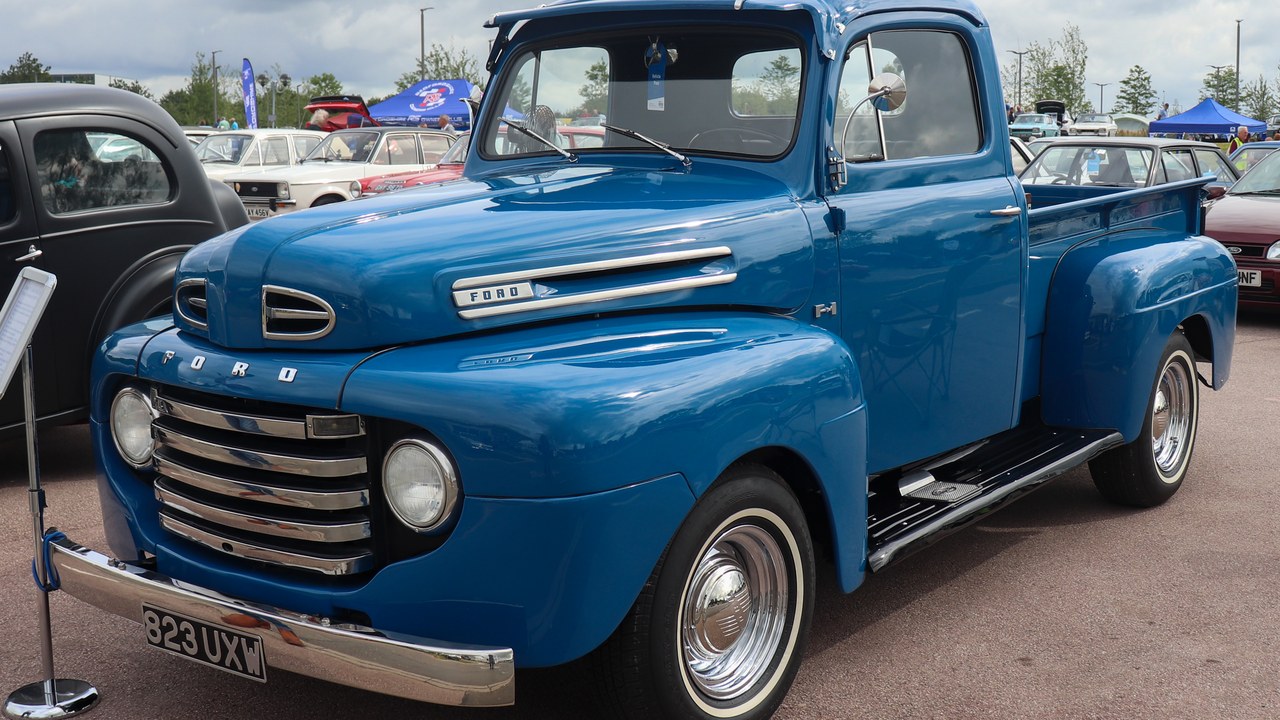
Hagerty’s #3 value for the 1948-52 Ford F-1 rose 62%, from $6,610 in 2010 to $10,720 in 2015, per Hagerty’s classic-pickup data. The figures are older.
The percentage gain outpaced the Chevrolet 3100 on the same chart, even though the dollar amounts remained lower. Like the other older figures here, these numbers show direction more than they show what a truck costs today. In dollar terms the increase was $4,110, a smaller sum than the Chevrolet’s gain, even though the percentage was higher. Because the data runs only through 2015, current values may differ considerably, and a recent valuation is the better guide.
10. Chevrolet K10 (1960-66): Biggest Percentage Jump

Hagerty’s #3 value for the 1960-66 Chevrolet K10 rose 76%, from $5,118 in 2010 to $9,046 in 2015, according to Hagerty’s pickup analysis. That is the largest gain among the older figures.
The four-wheel-drive K10 started from the lowest base of the three, which helps explain the percentage. As with the other older data, today’s market has moved on, so a current valuation should be checked before buying. The dollar gain was $3,928, the smallest of the three in absolute terms, even as the percentage was the largest.
Help yourself and the planet: Get The Cool Down →
We may earn a commission if you sign up.
More from Morning Overview
- Long use of a common prostate pill is tied to a higher chance of glaucoma
- Ford is recalling 223,472 F-150 pickups because the fuel tank can leak or detach
- Hybrids have 15% fewer problems than gas cars, while EVs and plug-in hybrids have about 80% more, Consumer Reports finds
- Regulators cleared the first U.S. small modular reactor, 4 months early
