
Predicted reliability has become the deciding factor for buyers who plan to keep a compact SUV well past its warranty. The segment is crowded, but the names that consistently earn strong dependability marks tend to repeat year after year rather than rotate. Here are nine compact SUVs whose predicted reliability for 2026 stands out from the rest of the field.
1. Toyota RAV4: The Segment Benchmark
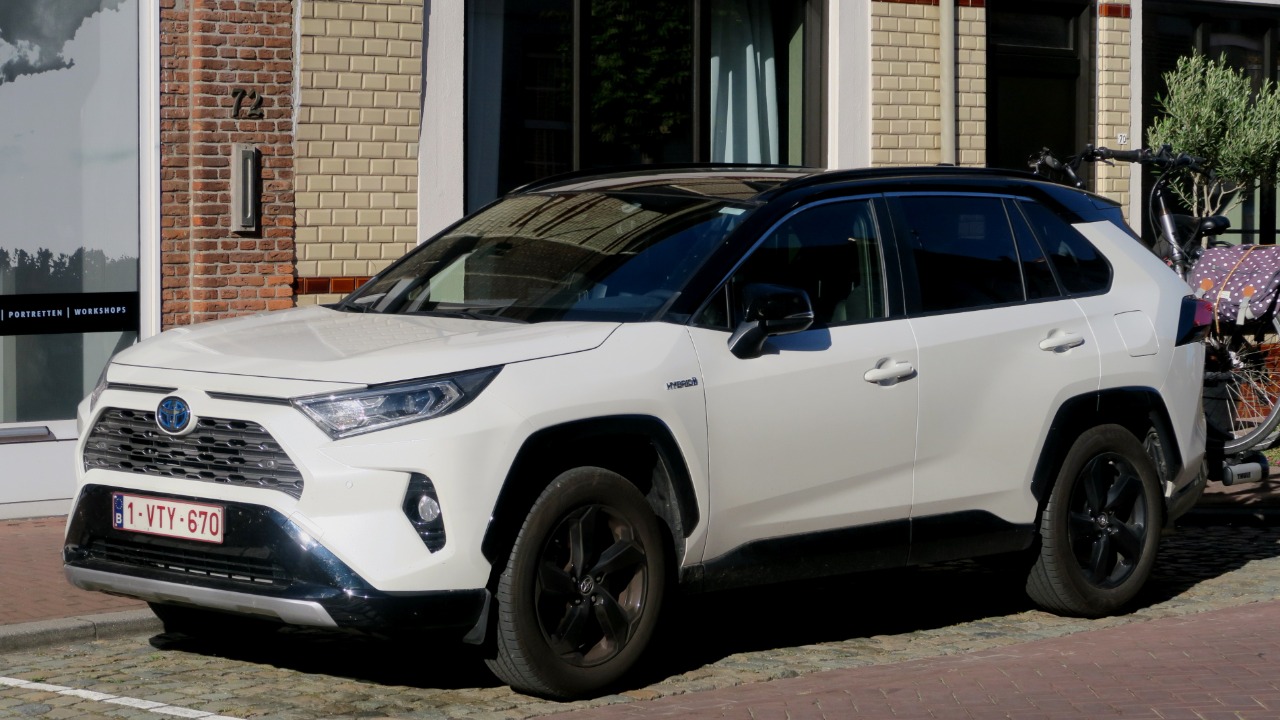
The RAV4 is the vehicle most often used as the yardstick when compact SUV dependability comes up, and Toyota’s showing in Consumer Reports brand rankings is the reason the nameplate keeps that role. Its powertrains are shared broadly across the Toyota lineup, so faults surface early and get engineered out rather than lingering quietly. Hybrid versions have been on sale long enough that their battery and drive units are a known quantity instead of an open question.
That familiarity is what a reliability-minded shopper is actually buying. Parts are everywhere, independent mechanics already know the platform, and resale stays firm because the used market trusts it too.
2. Honda CR-V: A Dependable Staple
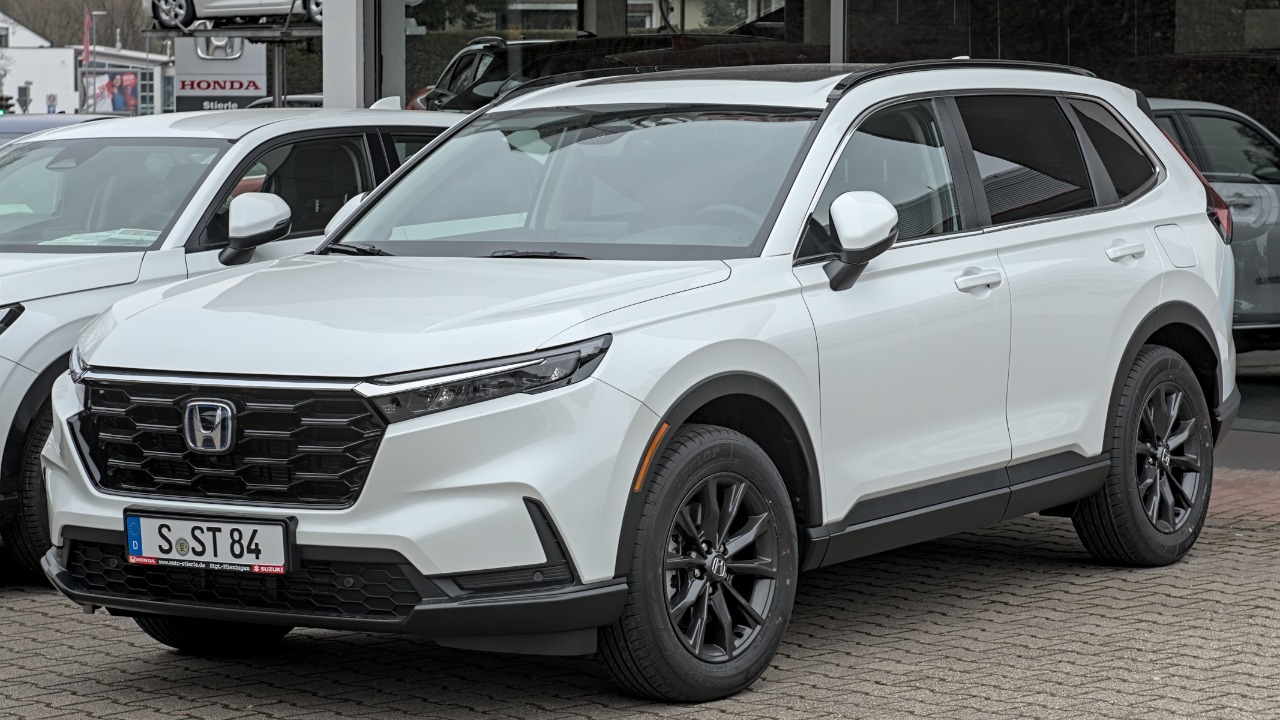
Few compact SUVs have stayed in continuous production as long as the CR-V, and that longevity underpins its standing as a dependable segment staple. Honda has evolved the formula in careful increments rather than reinventing it, which keeps unproven technology out of the equation. The payoff is a vehicle whose weak points are documented by owners across multiple generations instead of guessed at from a short service record.
Anyone trading practicality for novelty will find the CR-V conservative. That conservatism is precisely why it holds value and why service costs stay predictable deep into a second ownership cycle.
3. Subaru Forester: All-Wheel Drive As Standard
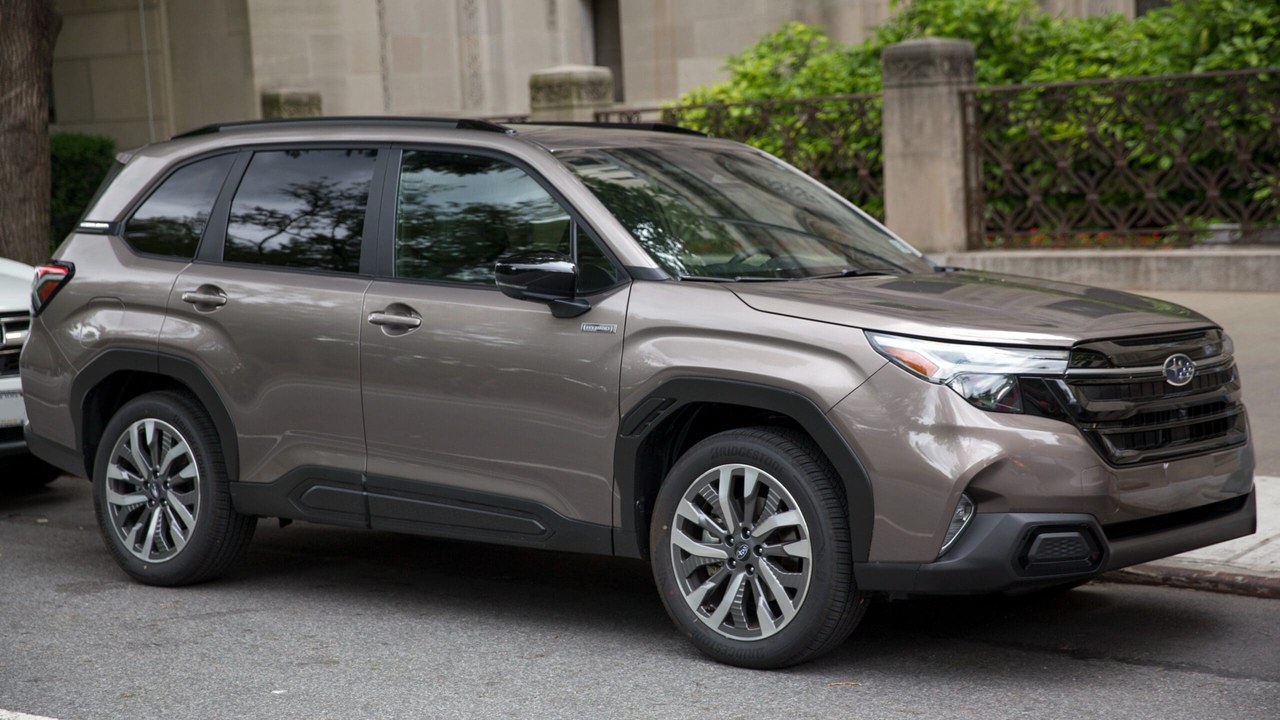
Standard all-wheel drive separates the Subaru Forester from rivals that charge extra for it, and owners report the system holding up under exactly the conditions it was built for. Subaru’s boxer engine and symmetrical driveline have been refined across generations rather than replaced, so the failure modes are well mapped by now. Visibility from the tall greenhouse is another old-fashioned virtue the model never traded away for styling.
Fuel economy trails front-drive competitors because the hardware is always engaged. In snow country, that constant traction is the trade most Forester buyers were looking to make anyway.
4. Mazda CX-5: Premium Feel, Plain Mechanicals
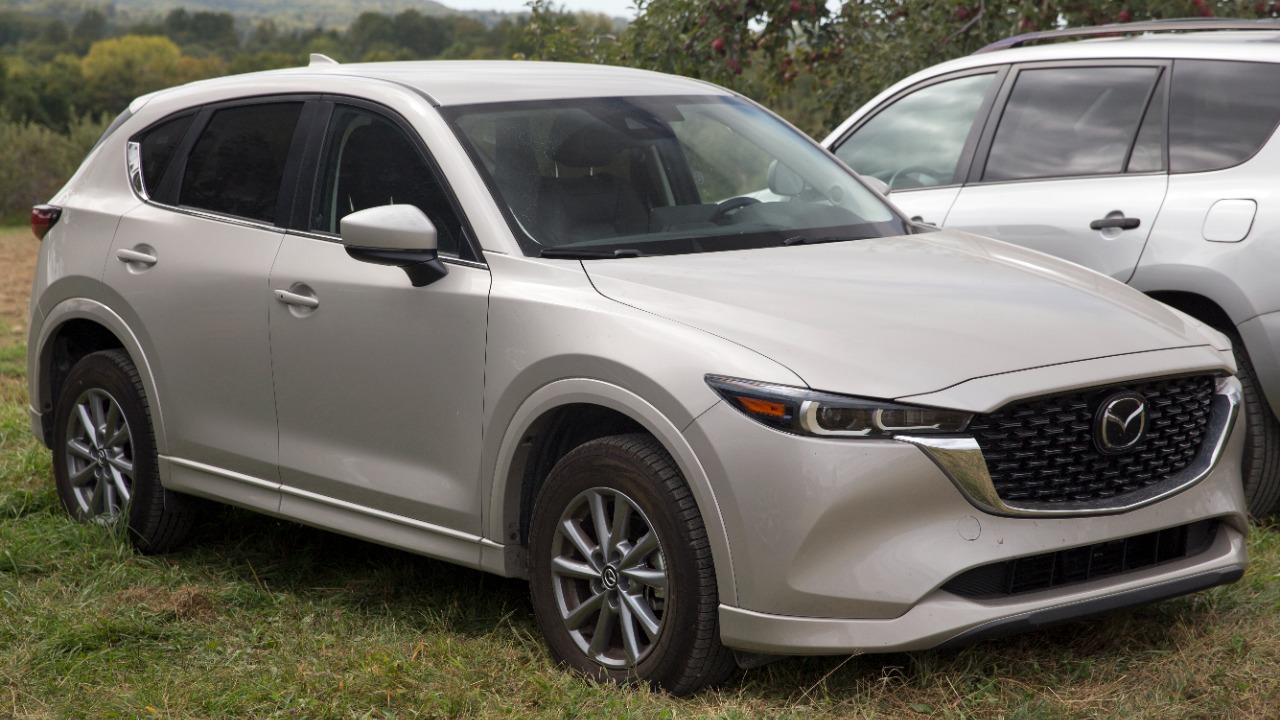
The CX-5 reads like a more expensive vehicle from the driver’s seat, yet the Mazda CX-5 platform underneath stays mechanically conventional. Mazda kept naturally aspirated and lightly turbocharged gasoline engines paired to a traditional automatic while rivals chased complexity, and that restraint shows up in dependability marks. Interior materials and steering feel are what owners talk about, but the drivetrain is what keeps them out of the service bay.
Rear seat and cargo room lag the roomiest entries in the class. Shoppers who weigh how a vehicle drives above how much it swallows tend to call that an acceptable exchange.
5. Lexus NX: Luxury Without The Risk
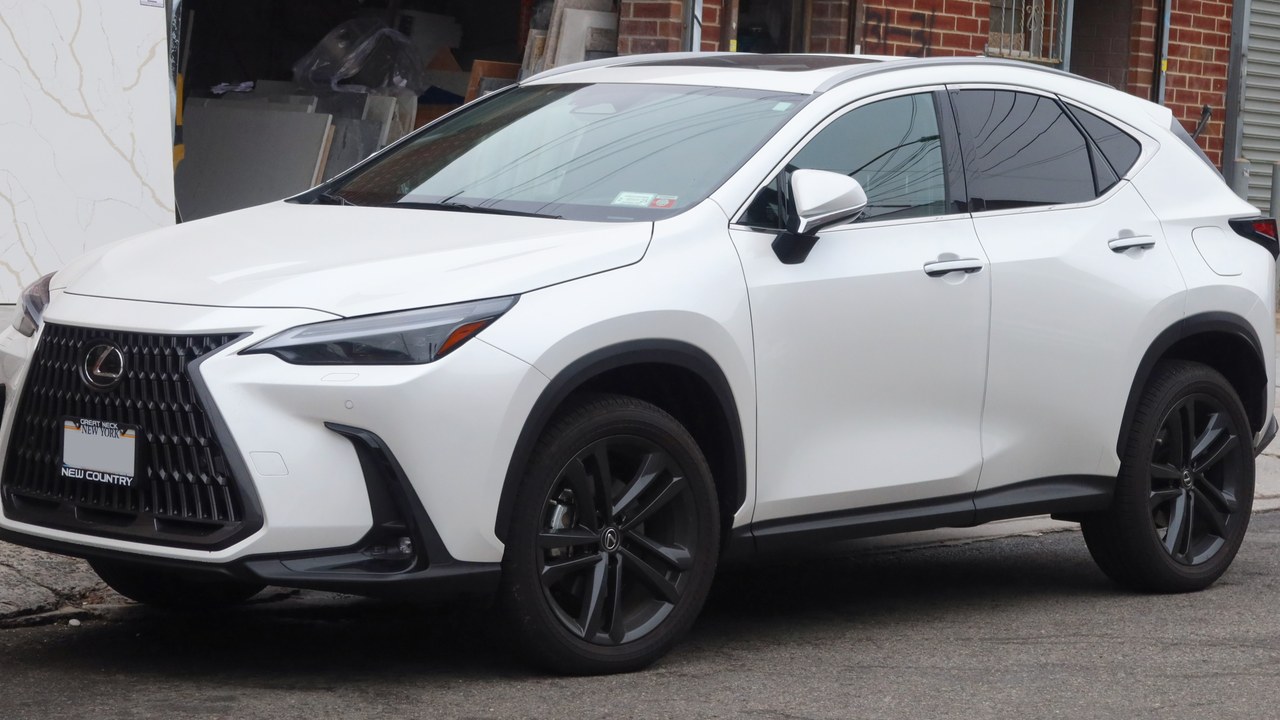
Luxury compacts usually carry a reliability penalty for their added technology, and the Lexus NX is the standing exception. It shares core engineering with Toyota’s volume models, so the hardware arrives pre-proven even when the trim, insulation and cabin design do not. Hybrid and plug-in variants draw on the same drive system Toyota has been building at scale across its lineup for a long stretch.
Servicing still happens at luxury rates, and the infotainment has drawn sharper criticism than the mechanicals ever have. Owners keeping a vehicle for a decade weigh the drivetrain more heavily than the screen.
6. Toyota Corolla Cross: New Nameplate, Old Parts
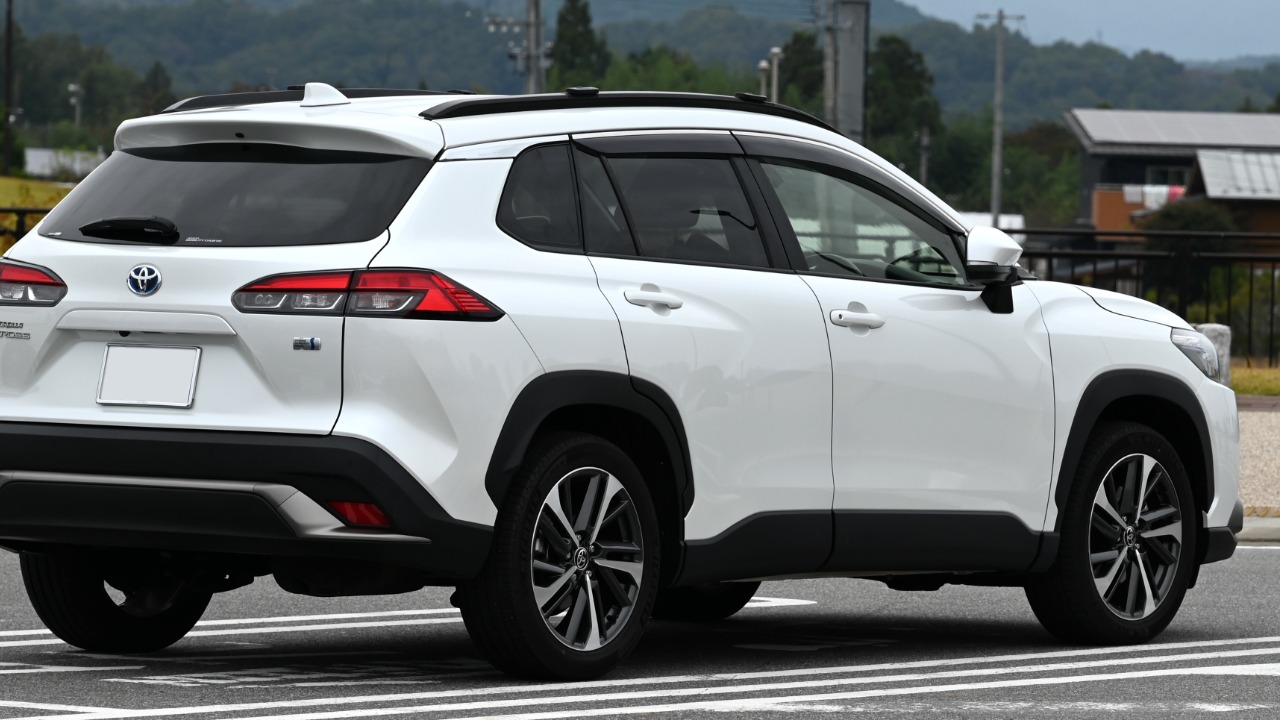
One of the newer entries here, the Toyota Corolla Cross is assembled from components that predate the nameplate by years. Its engine, transmission and hybrid system come straight from the Corolla, a car with one of the longest reliability records in the industry. A short model history normally signals unknown risk; in this case the underlying pieces have already accumulated years of hard service elsewhere.
Interior plastics and road noise reflect the lower price. Cross-shopping it against a RAV4 buys a smaller footprint and a smaller payment, not a different engineering philosophy.
7. Kia Sportage: Steadily Improving Marks
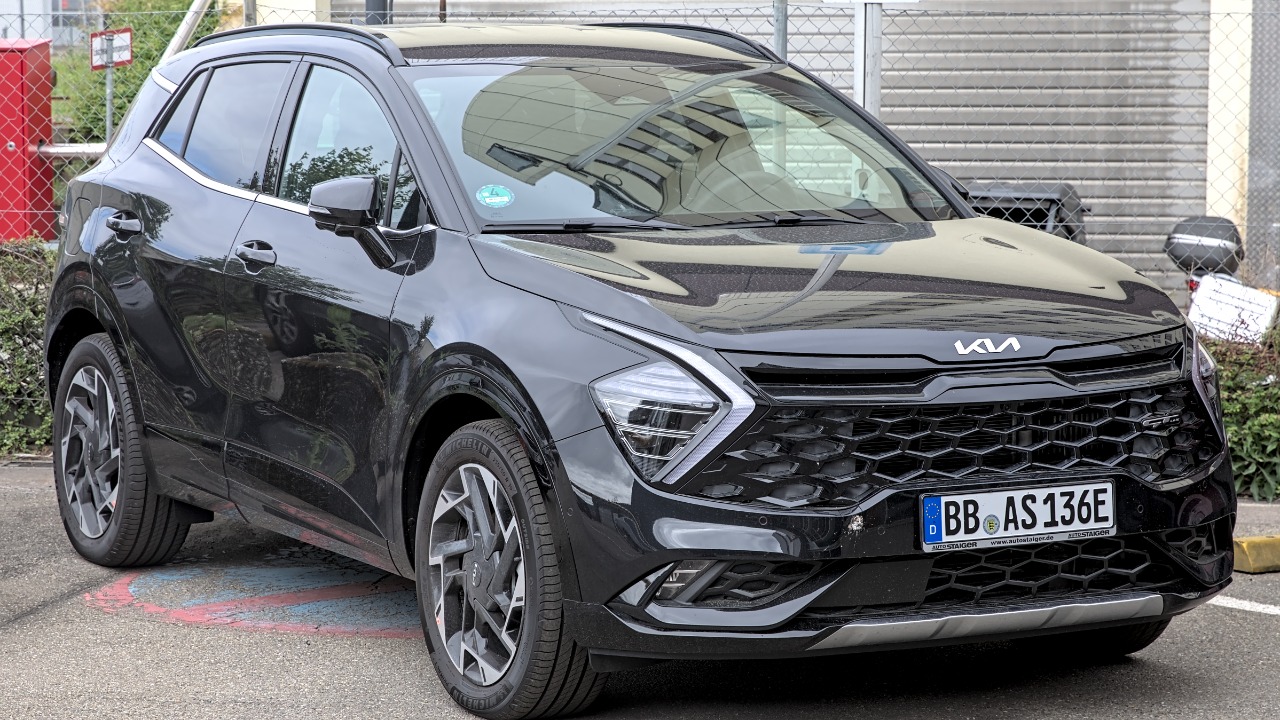
Kia spent years rebuilding its dependability reputation, and the Kia Sportage is where that work shows most clearly in the compact class. The current generation pairs sharply styled sheet metal with powertrains that have circulated through the shared Hyundai-Kia parts bin long enough to be well understood. Feature content that once counted as an upgrade now arrives without the unproven hardware that used to accompany it.
Older Kia engines carried well-publicized problems, so the brand’s earlier reputation still colors opinions. Recent owner surveys are the more useful guide for anyone shopping the current model rather than a used one.
8. Hyundai Tucson: The Value Argument
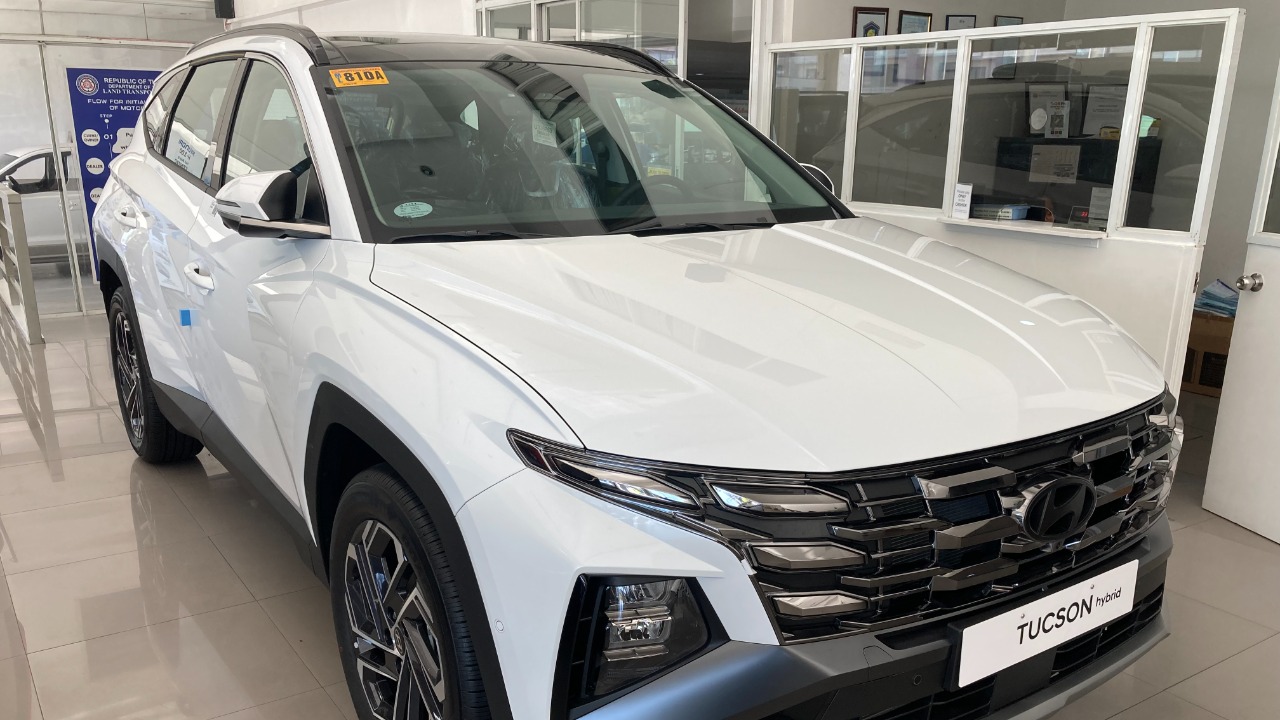
The Hyundai Tucson makes its case on content per dollar, and strong dependability scores are what keep that argument from collapsing. It shares its bones with the Sportage, which means the same maturing powertrains and the same benefit of high production volume spreading fixes quickly. Hybrid versions broadened the lineup without introducing an engineering approach Hyundai had not already tested elsewhere in its range.
Depreciation runs steeper than on the Japanese benchmarks, which stings owners who trade often. Held until the loan is paid off and then some, the lower entry price does the heavier lifting.
9. Honda HR-V: The Smallest Of The Group

Positioned below the CR-V in Honda’s range, the Honda HR-V is the smallest vehicle on this list and the least mechanically ambitious. Its powertrain is drawn from Honda’s small-car side, an arrangement that trades outright pace for simplicity and a long service record. Modest output means the engine is rarely stressed, which is part of why owner-reported dependability holds up over time.
Acceleration is the obvious compromise, particularly with a full load or on a short highway merge. Urban buyers prioritizing parking and running costs over passing power rarely notice the shortfall.
More from Morning Overview
- Card skimmers hidden on gas pumps and ATMs are draining accounts, and here’s the tell
- The FBI says hackers are hijacking outdated home routers, and it named the models to check
- Older Teslas are wearing out in ways early owners never saw coming
- A common childhood virus is now tied to multiple sclerosis years later
