
Some compact cars are built to be driven, sold, and forgotten within a decade, while a handful earn a different reputation entirely. These models keep showing up in high-mileage owner reports and used-car listings long after their original buyers have moved on, prized for mechanical simplicity and consistent parts availability. Here are nine compact cars that owners and mechanics alike trust to keep running for decades.
1. Toyota Corolla: The Reliability Benchmark
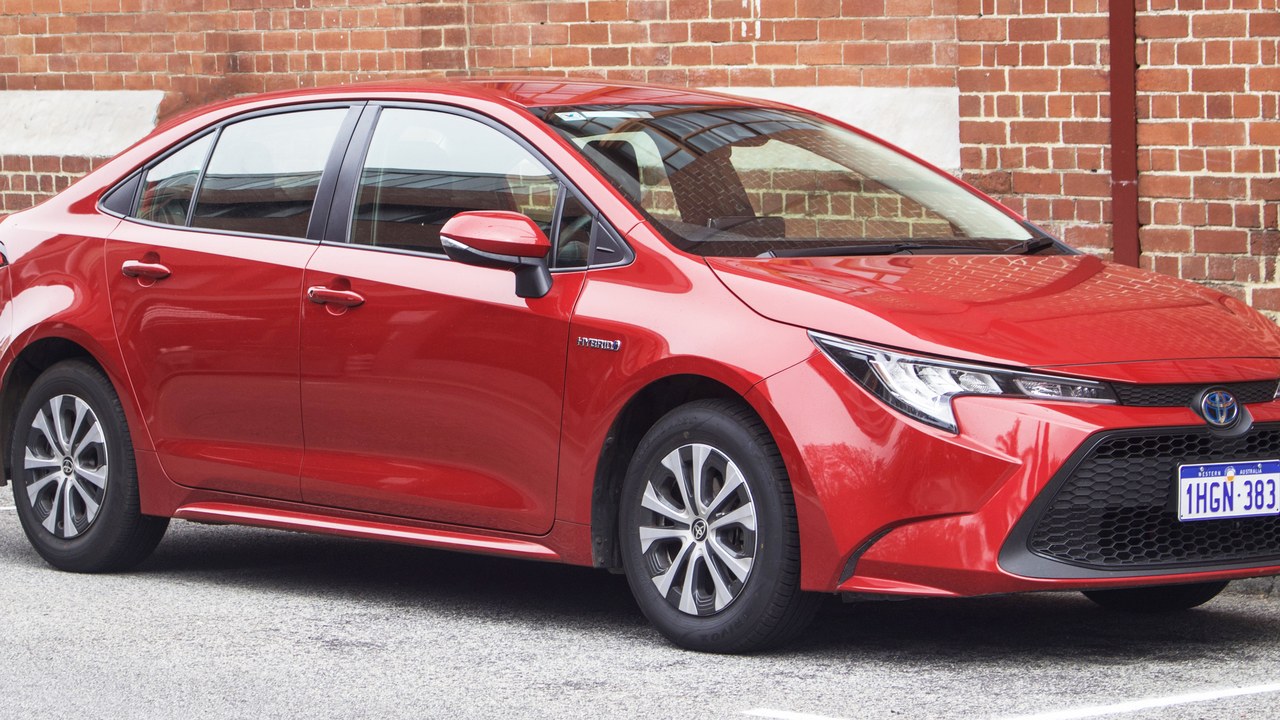
The Toyota Corolla has spent decades as the benchmark other small cars get measured against, built on straightforward engineering that a general mechanic can service without specialized tools or exotic parts. Successive generations have leaned on proven components rather than untested technology, and that conservative approach is why so many high-mileage Corollas remain daily drivers long after comparable cars have been scrapped.
Its ubiquity reinforces the reputation: parts stay cheap and plentiful, independent shops know the platform well, and resale value holds because buyers trust the track record. For a car meant to be driven rather than admired, that combination is hard to match.
2. Honda Civic: High-Mileage Champion
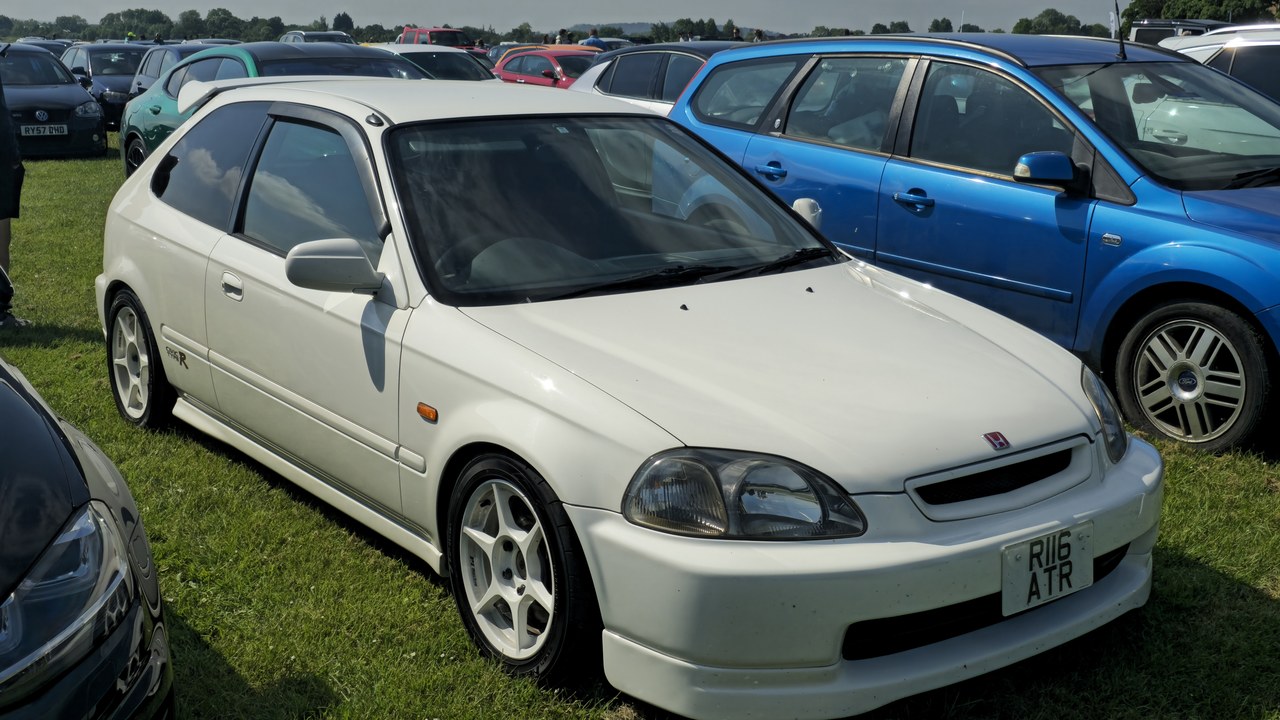
The Honda Civic earned its longevity reputation the same way the Corolla did, through light curb weight, efficient engines that avoid unnecessary strain, and a design philosophy that favors function over flash. Owners routinely report engines and transmissions that keep performing well past the point where less disciplined competitors need major repairs.
That efficiency also means less wear on brakes, engines, and drivetrain components over time, since the car simply works less hard to move itself around. Enthusiasts and commuters alike have kept Civics on the road for generations of family members, a habit that says as much about the car as any brochure could.
3. Mazda3: Built To Age Well
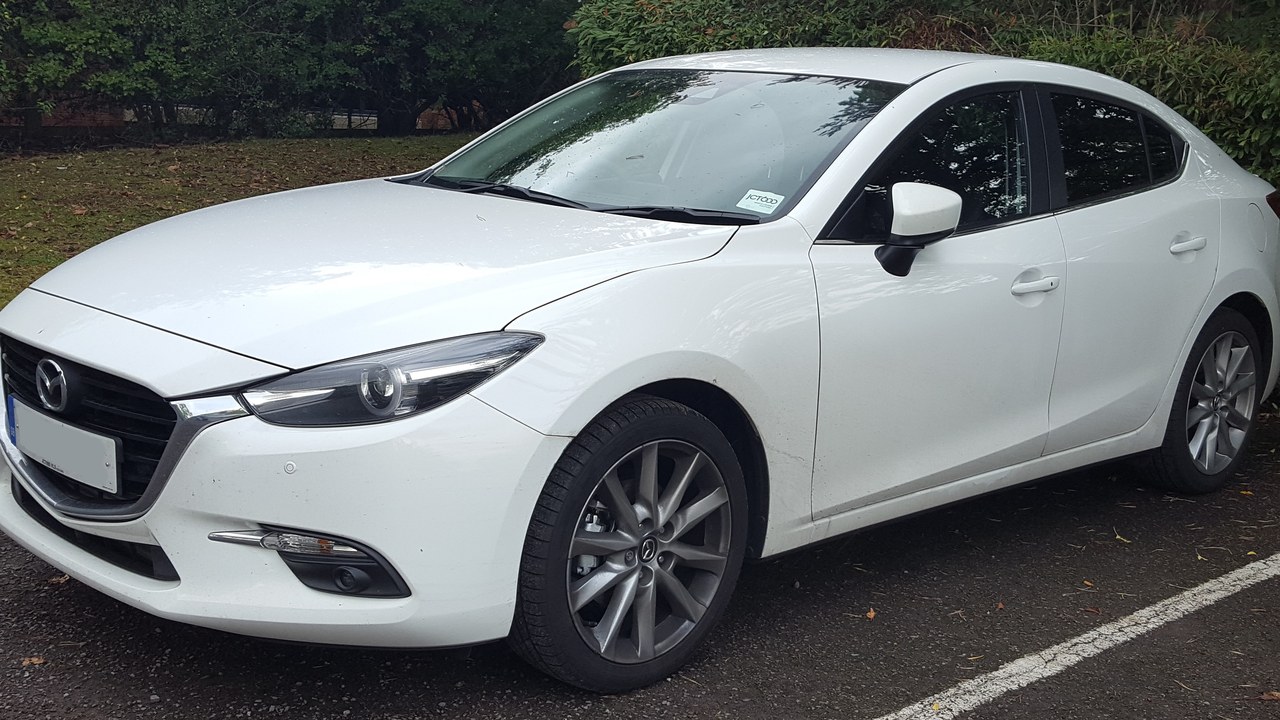
The Mazda3 doesn’t get the same longevity headlines as its Japanese rivals, but owners who keep one past the first decade tend to report the same story: solid build quality, a well-sealed interior that resists rattles, and a chassis that ages without the sloppiness that affects cheaper compacts.
Mazda’s engineering emphasis on structural rigidity and corrosion resistance pays off quietly, showing up less in flashy claims than in cars that still drive tight after years of daily use. It is the compact for owners who want durability without sacrificing how the car feels to drive.
4. Toyota Prius: The Hybrid That Outlasts
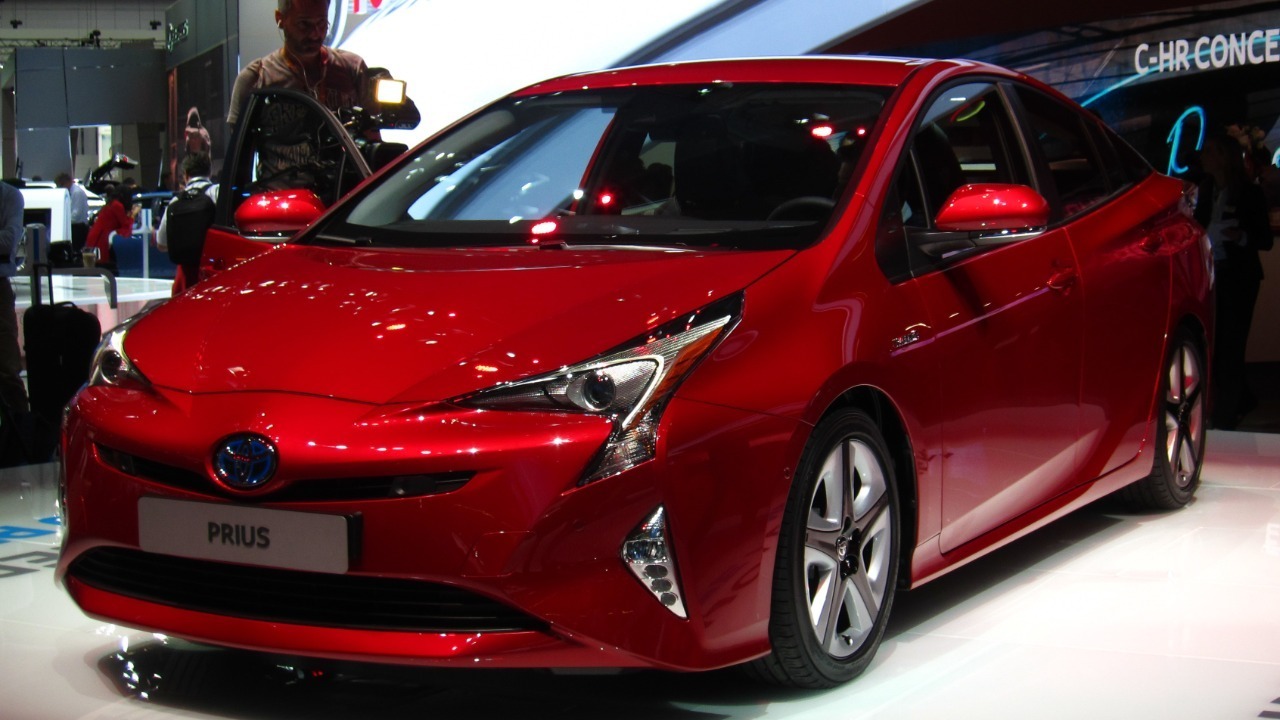
The Toyota Prius arrived with skepticism about hybrid battery life, and decades of ownership data quieted most of it: the nickel-metal-hydride packs in earlier generations have a track record of running far longer than early critics predicted, often outlasting the rest of the car around them.
That durability turned the Prius into a favorite among rideshare and taxi drivers who put unusually high mileage on their vehicles every year, a use case that doubles as a real-world stress test few other cars face. A hybrid built to survive that workload tends to survive ordinary commuting with room to spare.
5. Honda Fit: Small Car, Big Loyalty
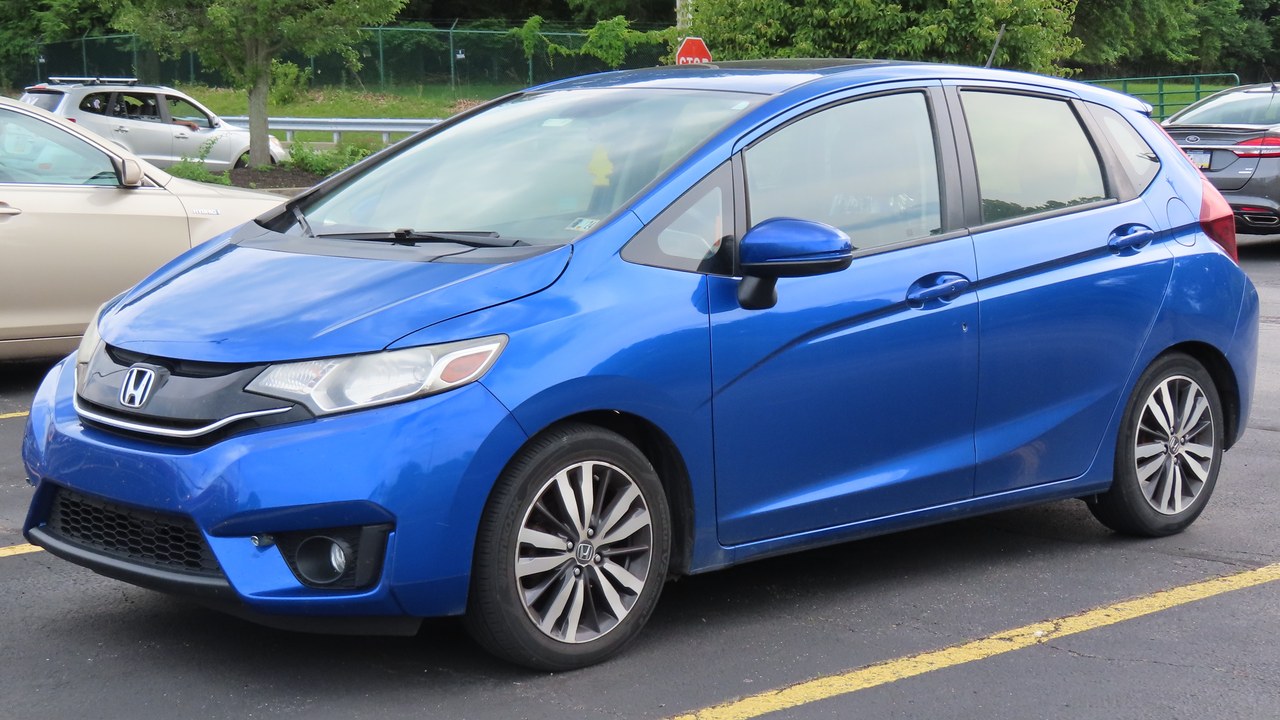
The Honda Fit is small enough to be underestimated, but its engineering borrows the same reliability-first approach that built Honda’s reputation with the Civic and Accord. A simple naturally aspirated engine, a lightweight body, and a famously versatile interior have made it a favorite for owners who need a car that just keeps starting.
Mechanics who service Fits regularly note few chronic problem areas, and the model’s cult following among enthusiasts and budget-minded commuters alike speaks to how well it has aged relative to other subcompacts. Its size never grew into a liability the way some rivals’ complexity did.
6. Subaru Impreza: Winter-Tested All-Wheel Drive
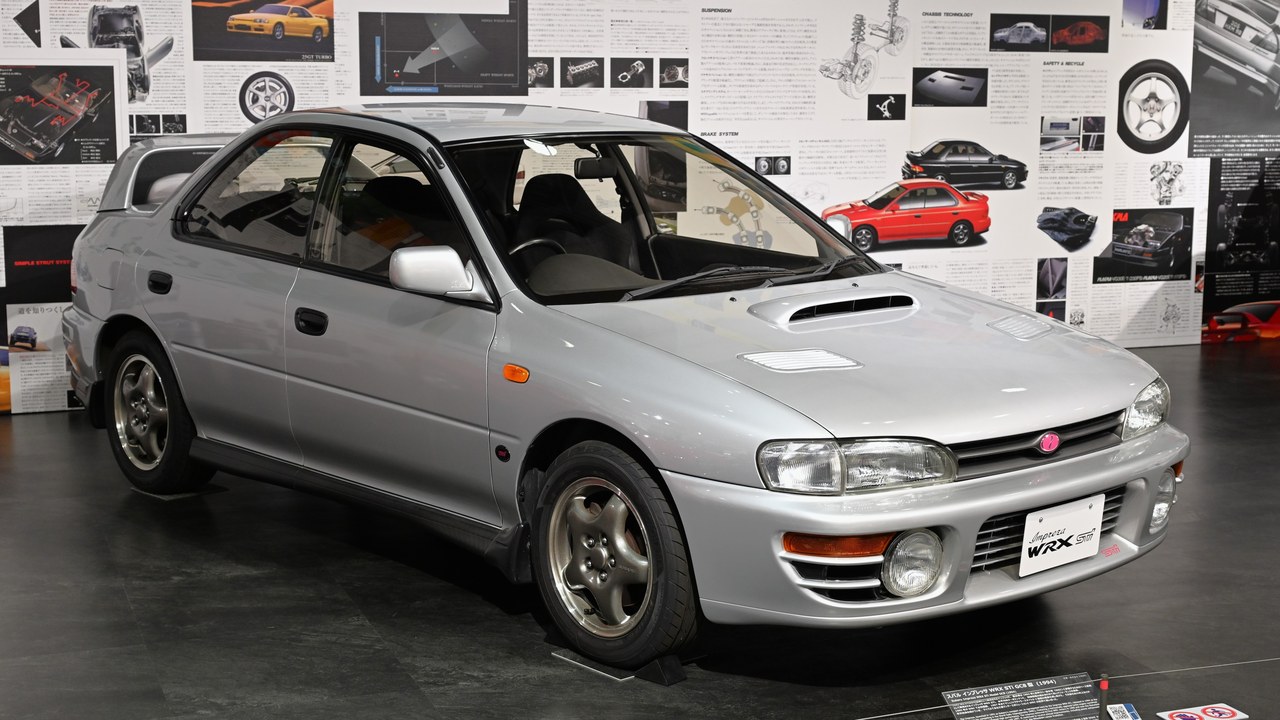
The Subaru Impreza built its reputation in places where winters are unforgiving, thanks to standard all-wheel drive and a boxer engine layout that keeps the car’s center of gravity low and stable on ice and snow. Owners in the Snowbelt and mountain West have long treated the Impreza as the compact that won’t leave them stranded.
That same drivetrain, when maintained on schedule, tends to reward owners with a car that keeps working through conditions that would sideline a front-wheel-drive-only rival. The Impreza’s loyal following in cold-weather states is less about marketing and more about accumulated years of proof.
7. Toyota Yaris: Simplicity That Pays Off
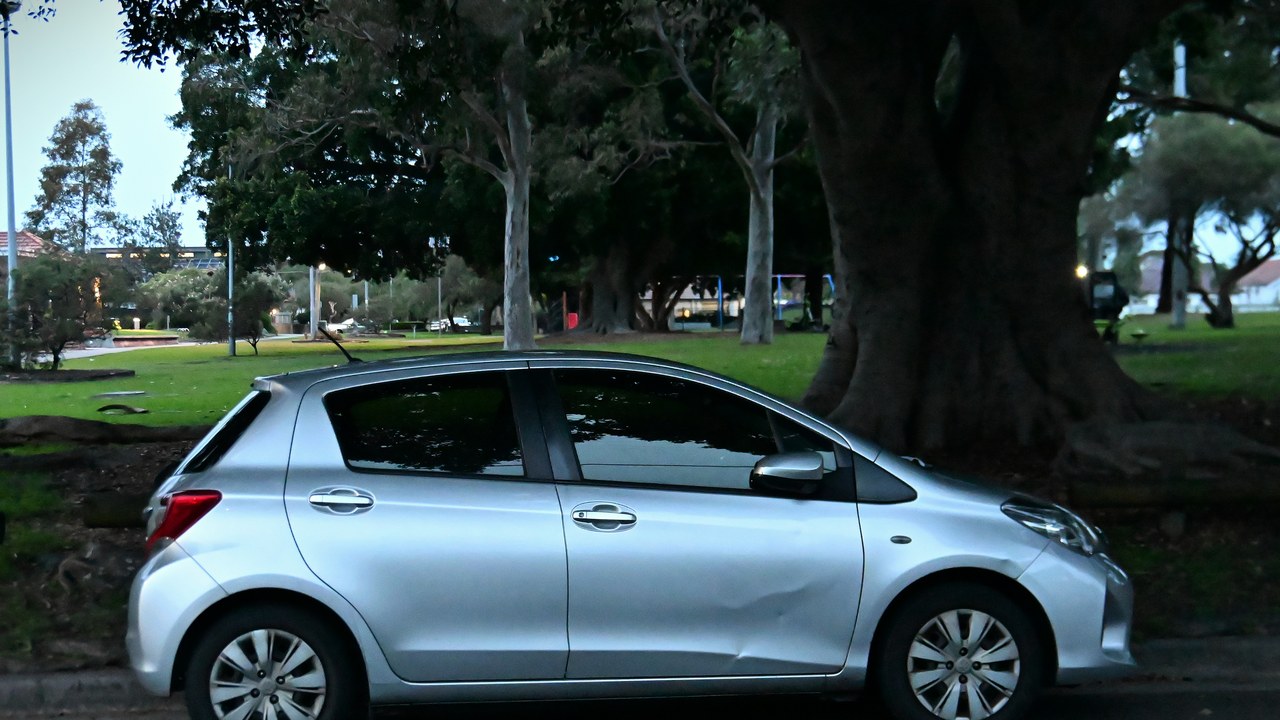
The Toyota Yaris never chased flashy features, and that restraint is exactly why it lasts. A small, low-stressed engine paired with a simple mechanical layout gives owners fewer components that can fail and fewer systems that require specialized diagnostic work down the road.
The Yaris shares much of its engineering DNA with other long-lived Toyota compacts, and that inherited conservatism shows up in owners who report minimal unscheduled repairs well into a car’s second decade. For buyers who want a car and nothing more, that simplicity is the whole appeal.
8. Hyundai Elantra: The Value Pick Matured
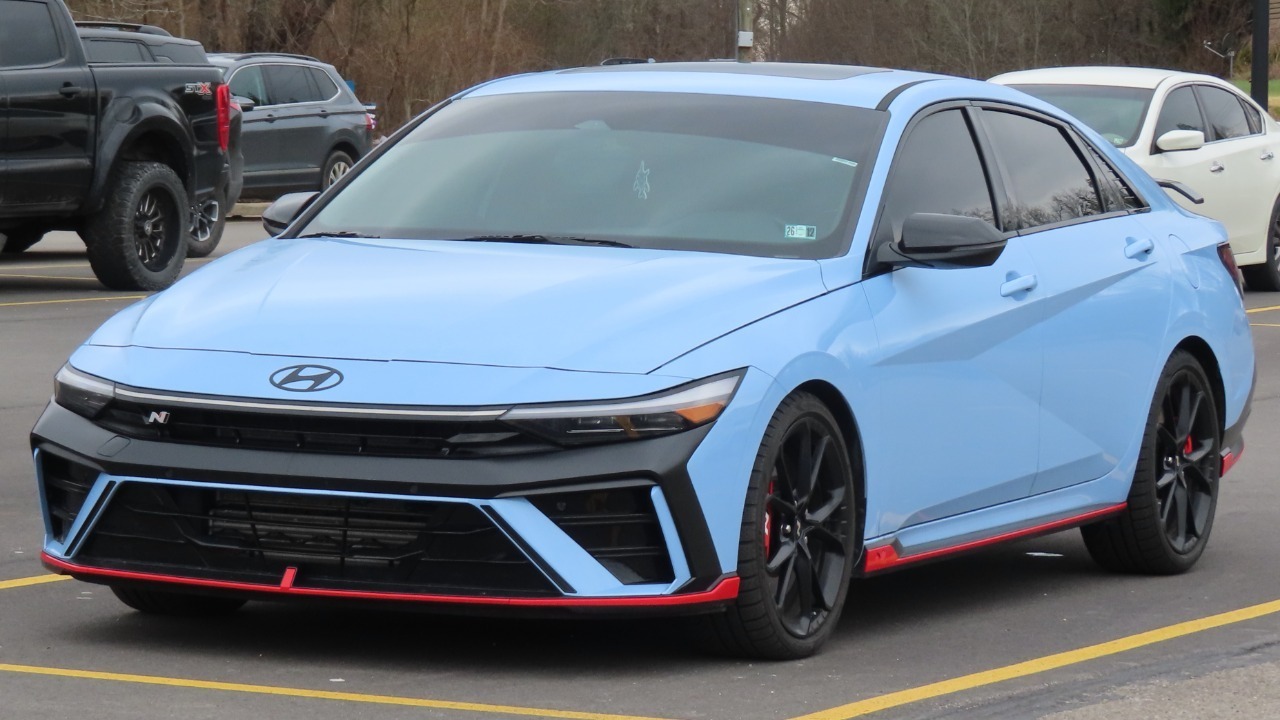
The Hyundai Elantra spent its early years known mainly for a low price tag, but recent generations have closed the durability gap with Japanese rivals through improved manufacturing quality and Hyundai’s increasingly generous factory warranty coverage. That warranty itself reflects the automaker’s growing confidence in how long the car’s major components actually last.
Owners who bought an Elantra expecting a disposable commuter car have often been surprised by how little goes wrong once the warranty period ends. It is a reminder that Hyundai’s reputation has shifted meaningfully from budget alternative to genuine long-term contender.
9. Kia Forte: Warranty-Backed Longevity
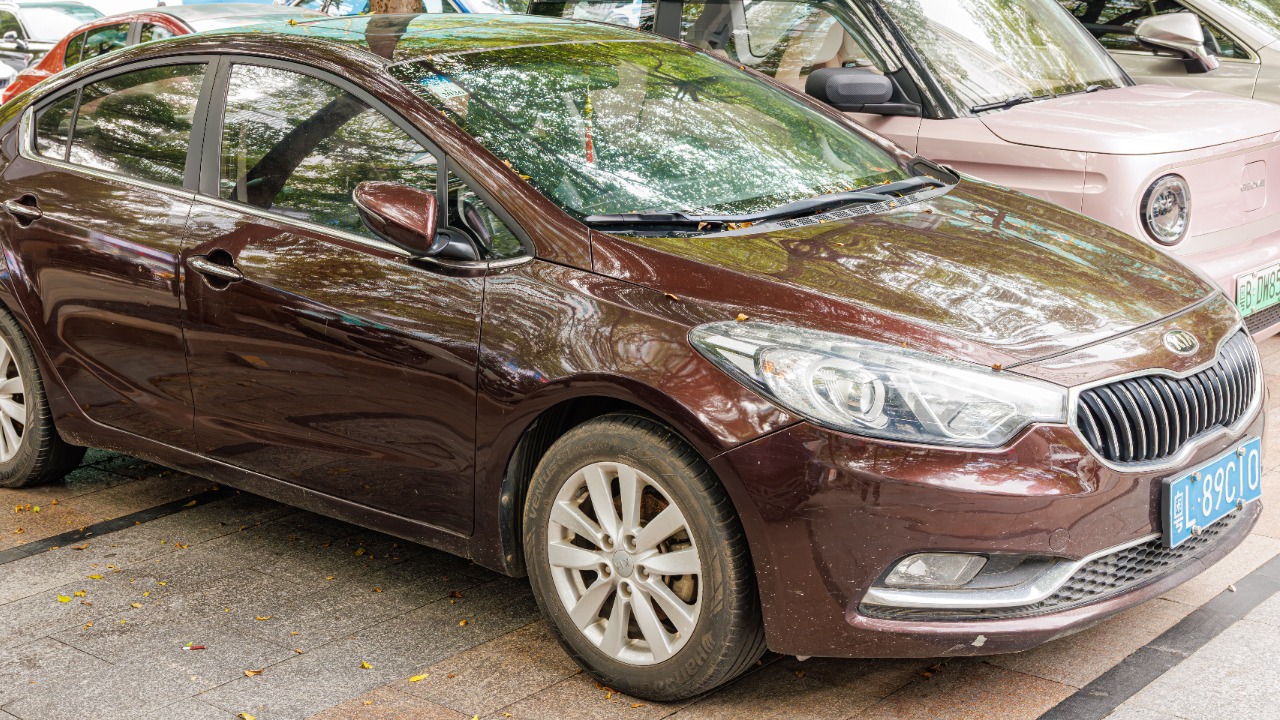
The Kia Forte pairs an affordable price with one of the longest warranties in the compact class, a combination that signals real confidence rather than a marketing gimmick. That coverage has helped build trust among buyers who might otherwise have chosen a pricier, better-established nameplate.
As Kia’s manufacturing quality has caught up to its warranty promises, the Forte has become a common sight well past the age when budget compacts traditionally get traded in. For shoppers prioritizing value without gambling on longevity, it has become a legitimate alternative to the segment’s old guard.
More from Morning Overview
- Security experts still urge phone owners to switch off one location-tracking setting
- Automakers are quietly dropping the stop-start feature many drivers love to hate
- A granite sarcophagus surfaced in Egypt with its original lid still sealed
- The FBI tells phone owners to delete these toll-payment texts draining accounts nationwide
