
Insurance premiums and repair bills can quietly double the cost of owning a car, but some compacts are engineered to keep both numbers low. Automakers achieve that by leaning on high production volume, simple mechanical layouts, long warranties and strong crash-test scores rather than any single trick. Here are nine compact cars that keep insurance and repair costs down without asking drivers to sacrifice much.
1. Honda Civic: The Parts-Bin Advantage
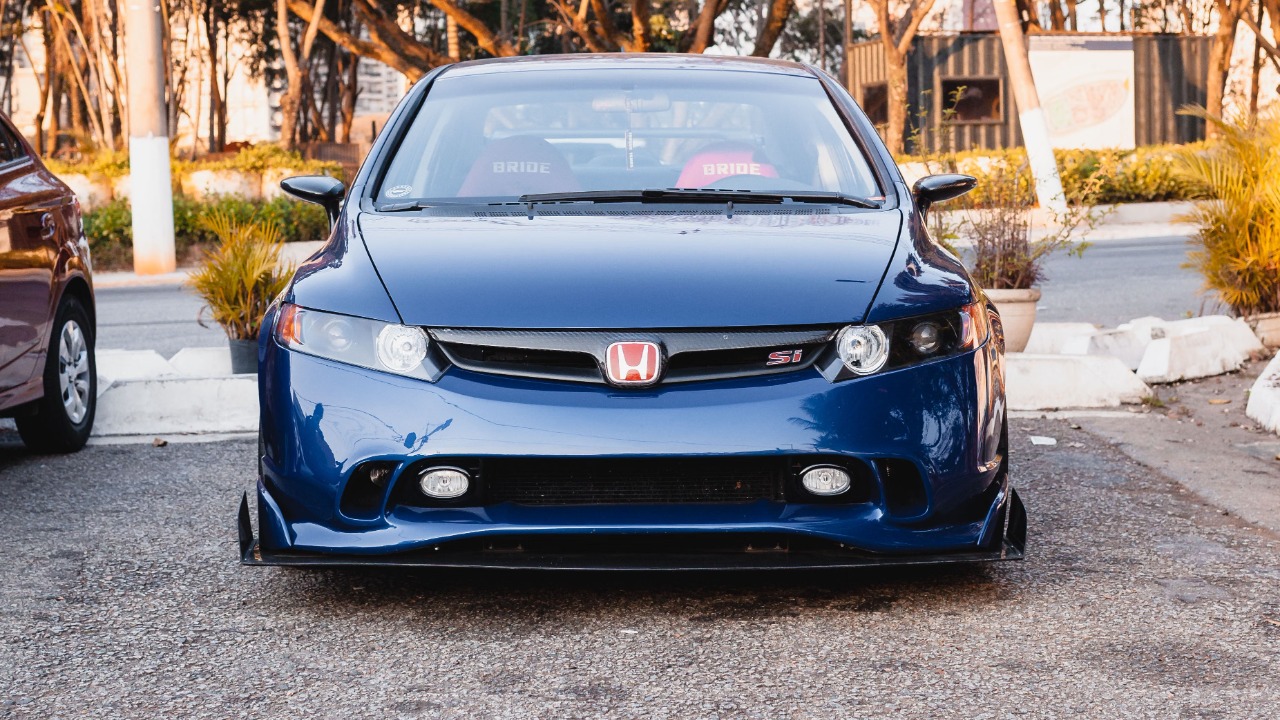
The Honda Civic remains one of the least expensive compact cars to insure, thanks to widely available parts, high production volume, and safety scores that keep claims low. Honda builds Civics by the millions at plants across North America, so body panels, bumpers and sensors cost less than equivalents from lower-volume rivals. The EPA’s fuel-economy rankings place the Civic among the most efficient gas-only compacts, trimming the fuel side of ownership too.
Independent mechanics stock Civic parts without ordering delays, which keeps labor bills down compared with cars that need dealer-only components. Its strong crash-test ratings also translate into lower collision and injury claims, a major factor insurers weigh when setting premiums for a compact sedan.
2. Toyota Corolla: Simplicity As A Strategy
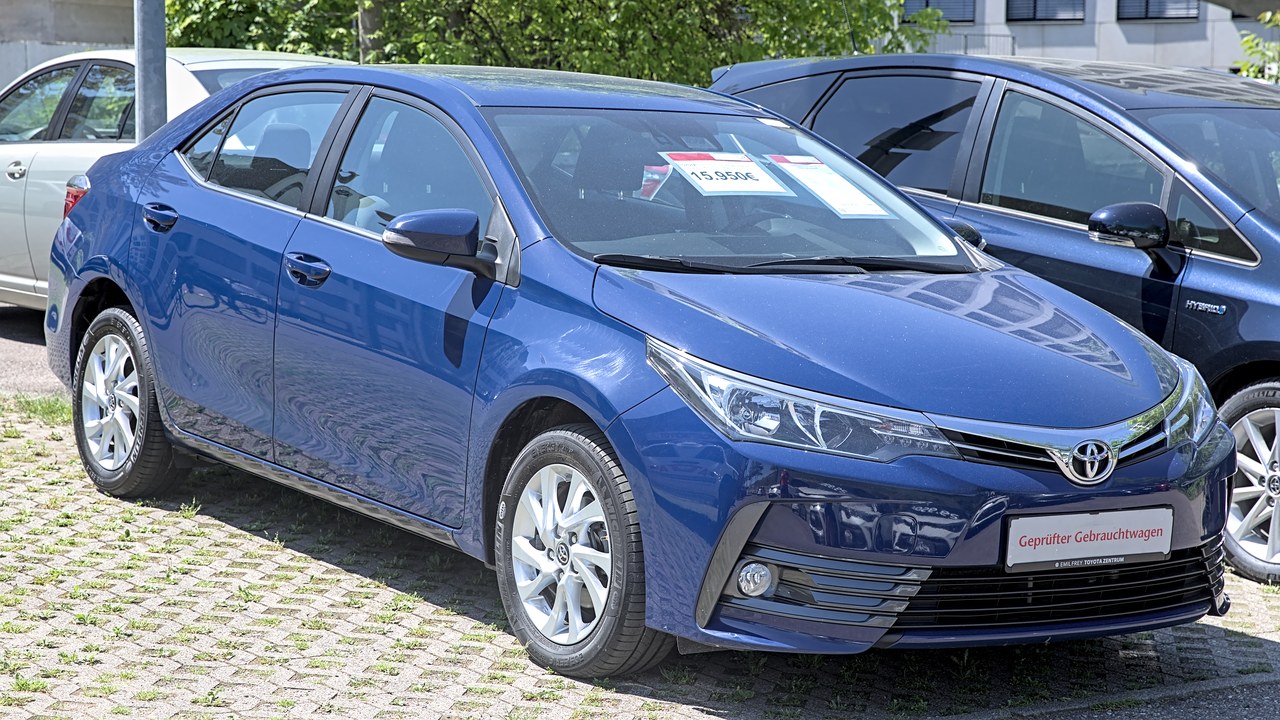
Toyota’s Corolla has built a decades-long reputation for low ownership costs by keeping its engineering simple. Four-cylinder engines use conventional parts that independent shops can service without special tools, and the Corolla’s production history spans generations sold in volumes that keep parts cheap and plentiful worldwide. Insurers track claim frequency closely, and the Corolla’s low theft rate keeps it out of the high-risk brackets that raise premiums for flashier compacts.
Resale value stays strong because buyers trust the nameplate, softening long-term ownership costs before repair bills even enter the picture. Maintenance intervals run long by segment standards, limiting the dealership visits that drive up the total cost of keeping one on the road.
3. Hyundai Elantra: A Decade Of Warranty Backup
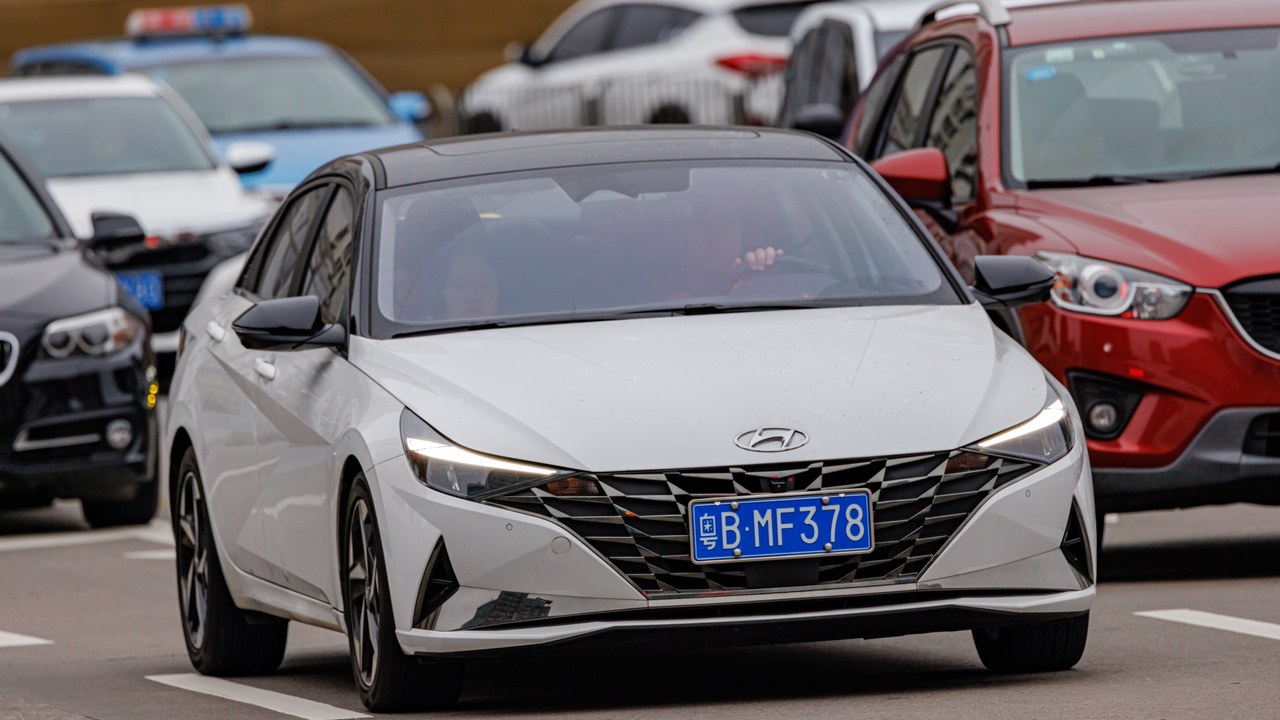
Hyundai backs the Elantra with a 10-year, 100,000-mile powertrain warranty, among the longest in the industry, shielding owners from major repair bills that hit cars after typical ownership windows end. The sedan’s model history shows steady investment in crash-avoidance tech, and those safety scores help keep premiums closer to entry-level compacts than to sportier competitors. Parts sell for less than many rivals because Hyundai shares common components across its lineup.
Routine service costs stay low thanks to a straightforward engine lineup that avoids the turbocharged complexity found in pricier trims. For buyers focused on total cost rather than sticker price, the warranty coverage alone can offset years of ordinary wear-and-tear expenses.
4. Mazda3: Sporty Looks, Modest Bills
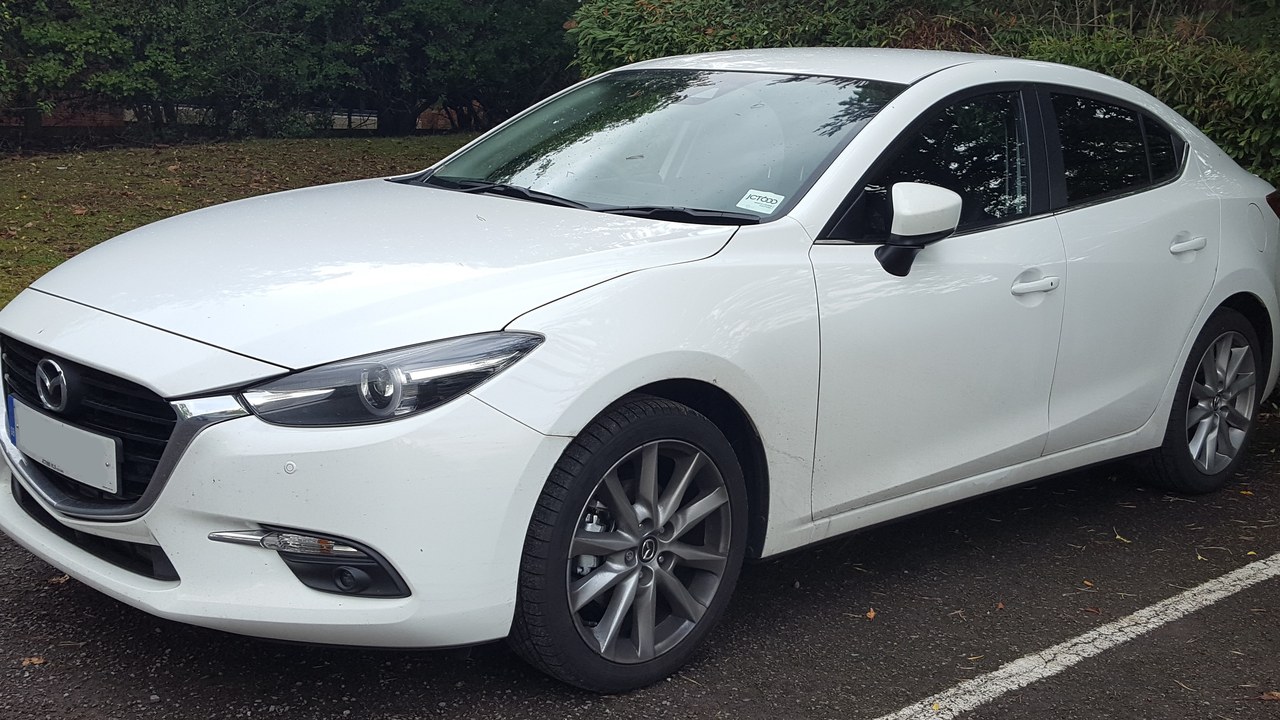
The Mazda3 wears sportier styling than most compacts, but its mechanical layout stays close to segment norms, so maintenance costs don’t carry the premium sharper handling might suggest. Mazda’s engineering approach favors naturally aspirated engines in base trims, cheaper to maintain than the turbocharged units in some rivals. Strong crash-test results also help keep the Mazda3 out of the higher insurance tiers that penalize riskier-feeling cars.
Because Mazda sells fewer 3s than Honda or Toyota sell their compacts, some specialty parts take longer to source, but routine wear items stay widely stocked and inexpensive. Owners report fuel economy and modest repair frequency offset the car’s slightly higher purchase price over time.
5. Kia Forte: Budget Compact, Big Warranty
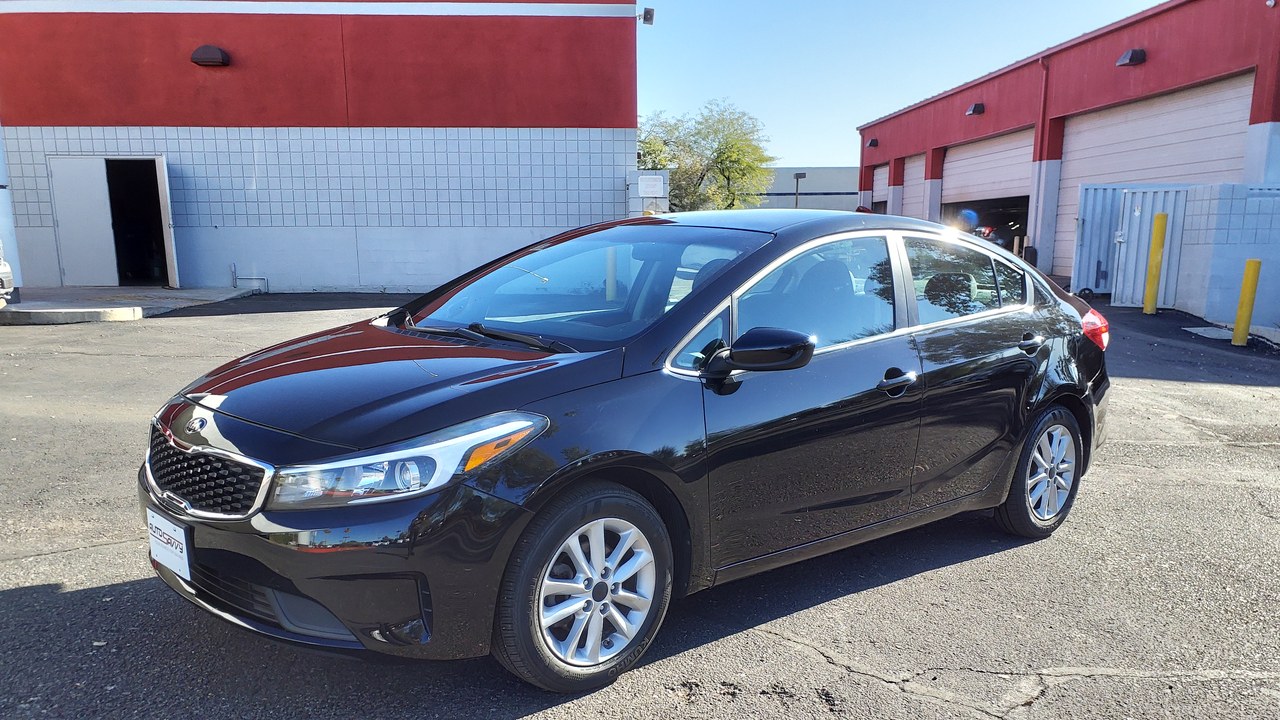
The Kia Forte undercuts most compact-sedan rivals on price while matching its corporate cousin on coverage, backed by a 10-year, 100,000-mile powertrain warranty that limits exposure to major repair costs. Kia’s model lineup keeps trim complexity low, simplifying parts stocking for independent shops and holding labor costs down. Insurance rates track its modest performance figures and unremarkable theft statistics, keeping it in the cheaper premium brackets insurers use for basic compacts.
Scheduled maintenance follows conventional intervals rather than the shorter, costlier schedules some turbocharged competitors require. For budget-focused buyers, a low price, long warranty and cheap parts make the Forte one of the least expensive compacts to keep running for years.
6. Subaru Impreza: All-Wheel Drive Without The Premium Spike
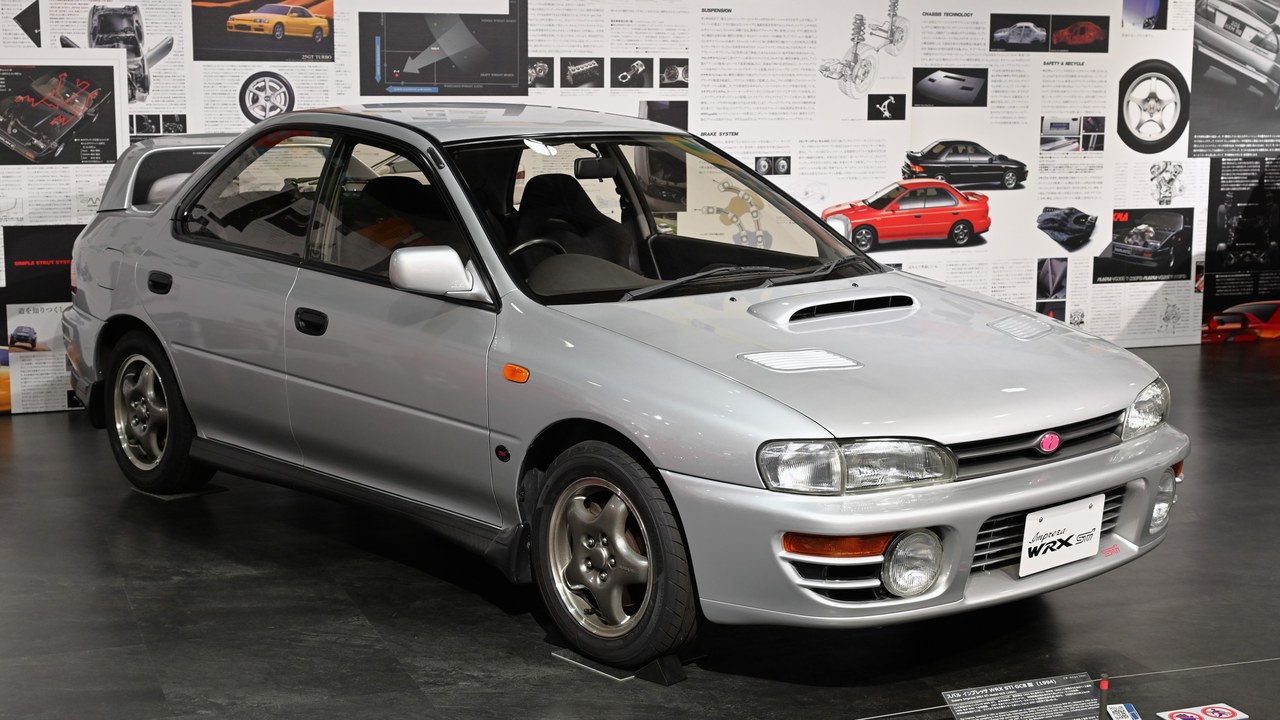
Standard all-wheel drive usually pushes insurance and maintenance costs higher, but the Subaru Impreza avoids the steepest version of that penalty because the system is standard across the lineup rather than an expensive add-on. Subaru’s drivetrain history shows the same basic AWD layout carried across generations, keeping parts and labor familiar to most independent mechanics rather than a rare specialty job. Crash-test performance has stayed strong, a factor insurers weigh for all-wheel-drive compacts.
Owners in snow-prone regions often find the AWD system’s added safety offsets its mechanical complexity when insurers calculate risk. Service costs run a bit higher than front-wheel-drive rivals, but nowhere near what all-wheel-drive systems in pricier segments typically demand.
7. Nissan Versa: The Cheapest New Car In America
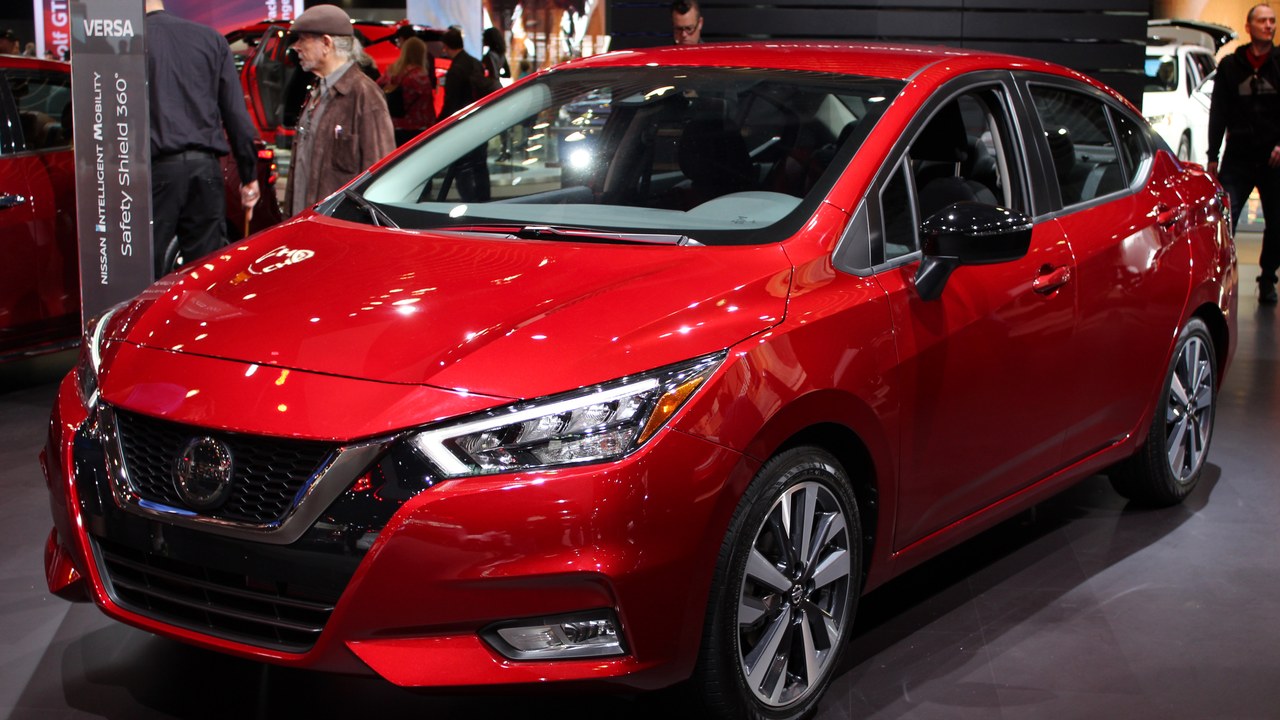
The Nissan Versa has held the title of one of the least expensive new cars sold in the United States, and that low sticker price carries through to insurance and repair costs. Its specification history shows a deliberately simple layout, with a modest engine and few complex systems that could drive up repair bills. Insurers price the Versa near the bottom of the compact segment because of its low horsepower, low theft rate and inexpensive parts.
Because Nissan sells the Versa in high volume to budget-focused buyers, parts remain cheap and widely available at dealerships and independent shops alike. For drivers prioritizing the lowest total cost of ownership, few new compacts undercut it on price or upkeep.
8. Toyota Prius: Hybrid Math That Pays Off
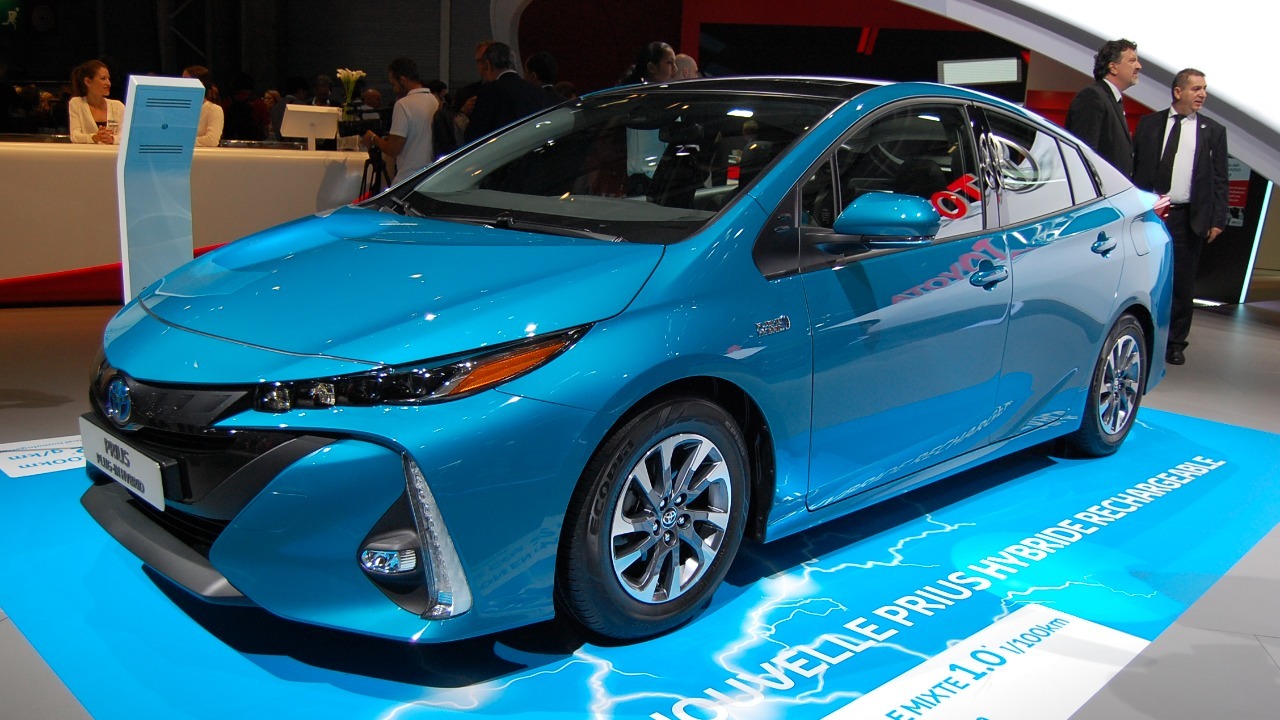
The Toyota Prius carries a reputation for an expensive hybrid battery, but its exceptional fuel economy and Toyota’s long hybrid track record keep running costs low over the car’s life. The model’s technical history shows the hybrid system has proven durable across generations, with battery failures rare enough that many owners never face the feared replacement bill. Insurers credit the Prius’s safety-technology suite and low performance figures with modest premiums relative to other hybrids.
Fuel savings alone can offset a meaningful share of ownership costs for high-mileage drivers, narrowing the gap with cheaper gas-only compacts. Toyota’s dealer network and independent hybrid specialists both service the Prius routinely, keeping labor costs competitive rather than a scarce specialty.
9. Honda Fit: Small Car, Small Bills
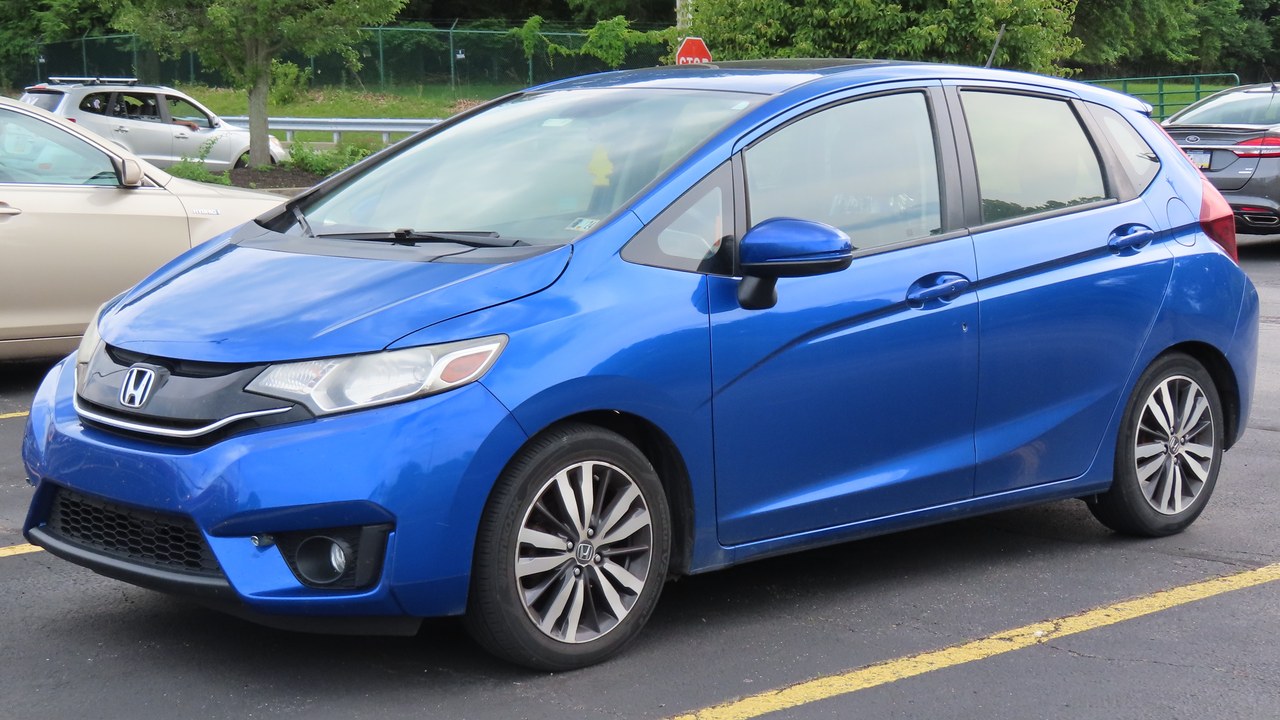
The Honda Fit built its reputation on a thrifty four-cylinder engine and a mechanically simple layout that keeps fuel and repair costs low. Honda’s production record shows the Fit shared major components with other high-volume Honda models, so parts stayed cheap and easy to source even years after purchase. Insurers rated it favorably for its low horsepower and modest claim history, keeping premiums near the bottom of the subcompact segment.
Even though Honda discontinued the Fit in the United States, used examples remain inexpensive to maintain because parts networks built for millions of units haven’t dried up. For budget-minded buyers shopping the used market, few cars combine such a low price with such cheap ongoing costs.
More from Morning Overview
- Card skimmers hidden on gas pumps are draining accounts, and there’s a quick way to spot them
- The NSA warns one messaging setting can clone your texts to a stranger
- Security experts still urge phone owners to switch off one location-tracking setting
- Automakers are quietly dropping the stop-start feature many drivers love to hate
