
Federal regulators keep a formal roster of foreign telecom and security-camera makers whose equipment cannot win new approval for sale in the United States. The FCC’s Covered List and related orders single out firms whose gear could be exploited for surveillance or was built by companies tied to foreign intelligence services. Here are nine companies now blocked or restricted from the American market.
1. Huawei: Broadest Equipment Ban
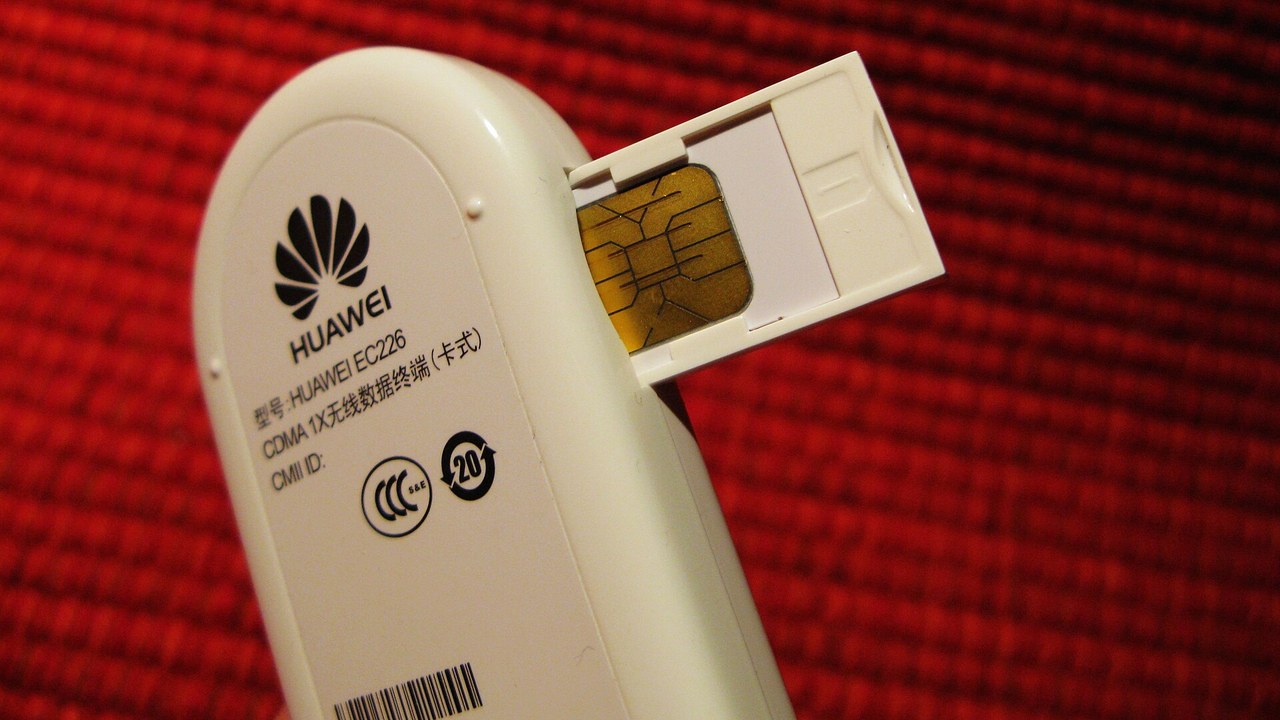
The Federal Communications Commission’s 2022 equipment order prohibits authorization of all telecommunications and video surveillance equipment produced by Huawei, along with gear made by its subsidiaries and affiliates, closing the American market to any new version of its network hardware, from cellular base stations to fiber-optic switching equipment sold under other brand names.
Huawei once supplied wireless infrastructure to small rural carriers across the country, and equipment already installed in their networks is now the target of a separate federal program that pays those operators to rip out the gear and replace it with hardware from trusted vendors instead, at a cost expected to run into the billions of dollars nationwide.
2. ZTE: Bundled With Huawei
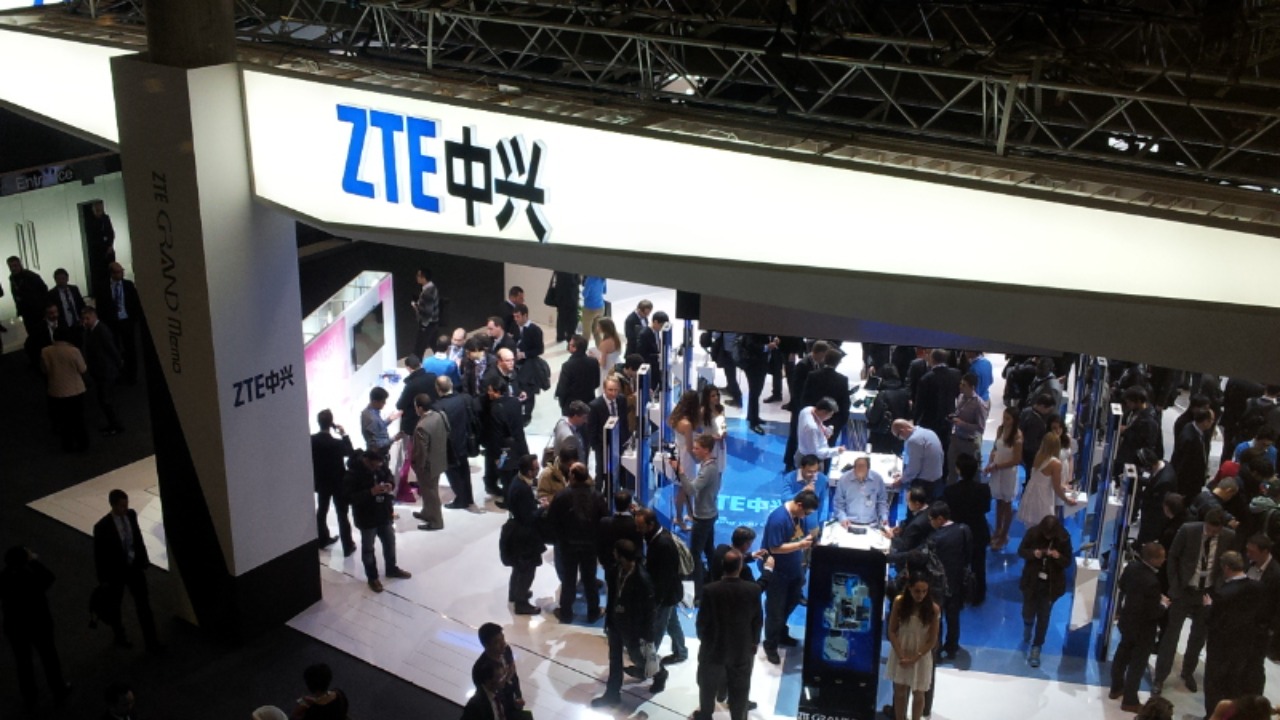
ZTE falls under the same FCC equipment order that targeted Huawei, since the 2022 rule prohibits authorization of telecommunications and video surveillance equipment produced by both companies, along with gear made by their subsidiaries and affiliates, regardless of which brand name ends up printed on the finished product.
As one of China’s largest handset and network-equipment makers, ZTE had already lost access to federal contracts and faced export penalties years earlier, so the equipment-authorization ban mainly closed off a remaining path for its gear to reach new corners of the private telecommunications market inside the country’s borders.
3. Hytera: Marketing Limits Pending

Hytera’s radios and video surveillance systems cannot win new American approval under the same order, which prohibits authorization of telecommunications and video surveillance equipment produced by Hytera, Hikvision, and Dahua until the FCC’s marketing-limit process clears each company’s equipment for sale.
The company makes two-way radios widely used by police departments, security guards, and industrial crews across the country, and it has separately faced federal prosecution in the United States over allegations that it conspired to steal trade secrets from a Chicago-based radio rival during a lengthy corporate espionage case.
4. Hikvision: Cameras Barred Outright
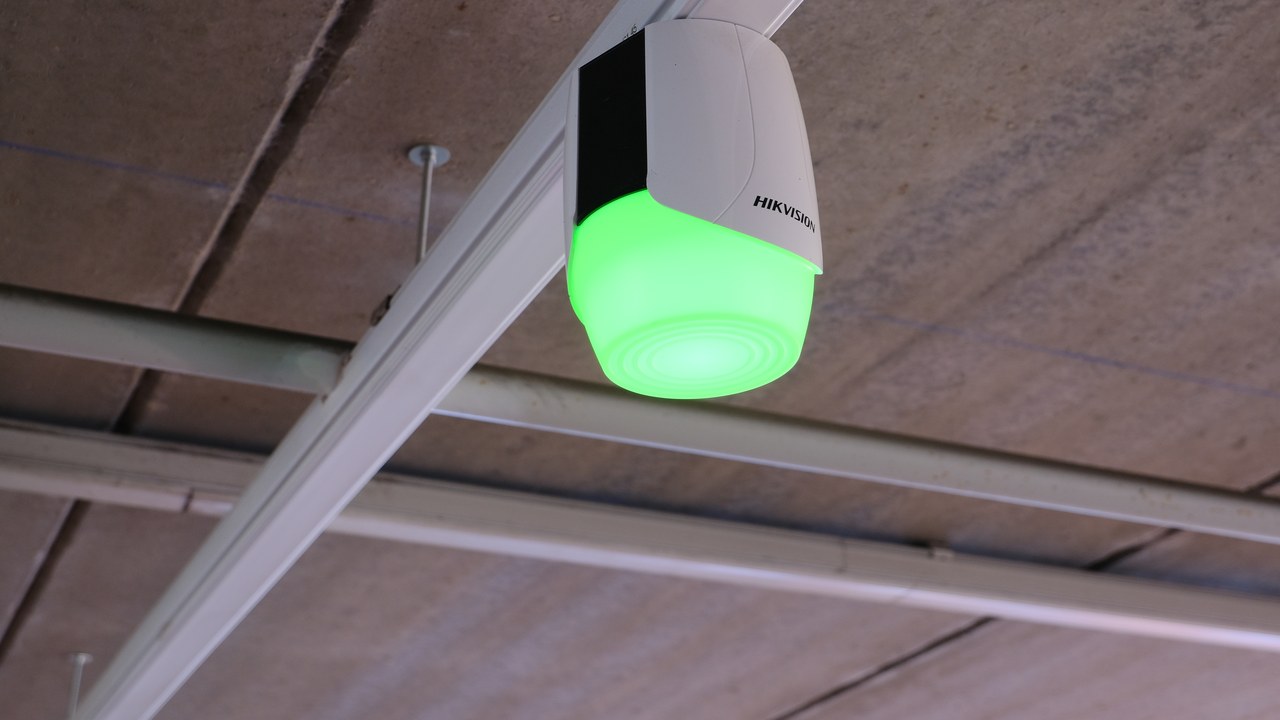
Regulators banned sales or import of Hikvision equipment outright, since the FCC’s November 2022 order found the surveillance camera giant posed an unacceptable risk to national security, making it the only company on the list barred from the market entirely rather than merely restricted.
Hikvision cameras and video recorders had spread widely through American homes, retail stores, and government buildings under private-label brands long before the ban took effect, and many of those already-installed units keep operating today even though replacements can no longer legally be sold or imported into the country.
5. Dahua Technology: Frozen By Regulators

Dahua Technology was hit with an Interim Freeze Order from the FCC for national security reasons, effectively halting the surveillance camera maker’s path to new equipment authorizations anywhere in the United States, even as its cameras remained on sale in dozens of other countries worldwide.
As Hikvision’s closest rival in the global video surveillance market, Dahua had also built a substantial retail and distribution presence across American stores, and its hardware is now barred from the same certification process that keeps unauthorized cameras off shelves, pushing buyers toward a shrinking list of approved alternatives.
6. Kaspersky Lab: Antivirus Sales Halted

Sales of Kaspersky Lab’s antivirus software inside the United States were banned starting July 20, 2024, and its software update ban took effect on September 29 of that same year, cutting off the Moscow-based firm’s remaining customers.
The cybersecurity company had built a loyal following among consumers for its antivirus and endpoint-protection tools over more than two decades, but the federal order forced American retailers to pull the software from shelves and left existing customers scrambling to migrate to a different security vendor before updates went permanently dark.
7. China Mobile: Carrier Services Covered
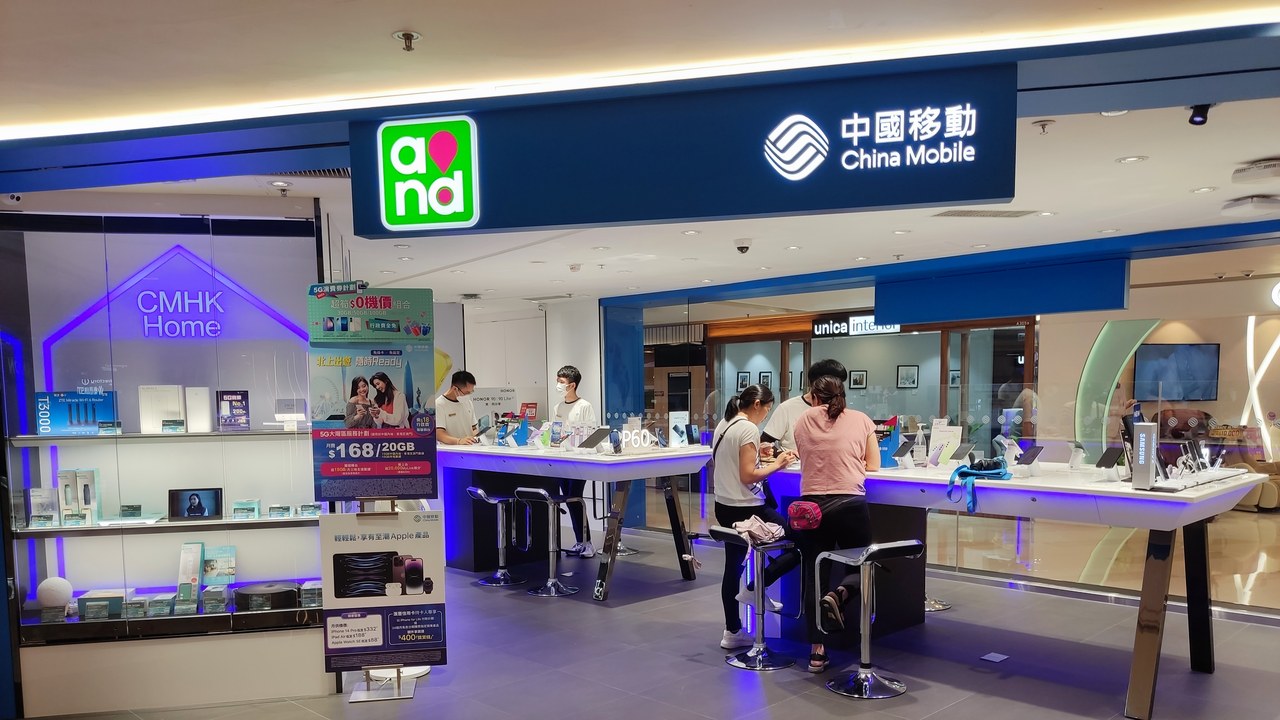
The FCC put China Mobile International USA’s telecommunications services on its Covered List entry on March 25, 2022, formally naming its international offerings an unacceptable risk to national security under federal supply-chain rules.
China Mobile is one of the world’s largest wireless carriers by subscriber count, and the designation followed the FCC’s earlier decision to deny the company’s bid to offer telecommunications services directly to American customers, a request regulators had already rejected over national security concerns years before the Covered List entry made the restriction official government policy.
8. China Telecom: Added Same Day
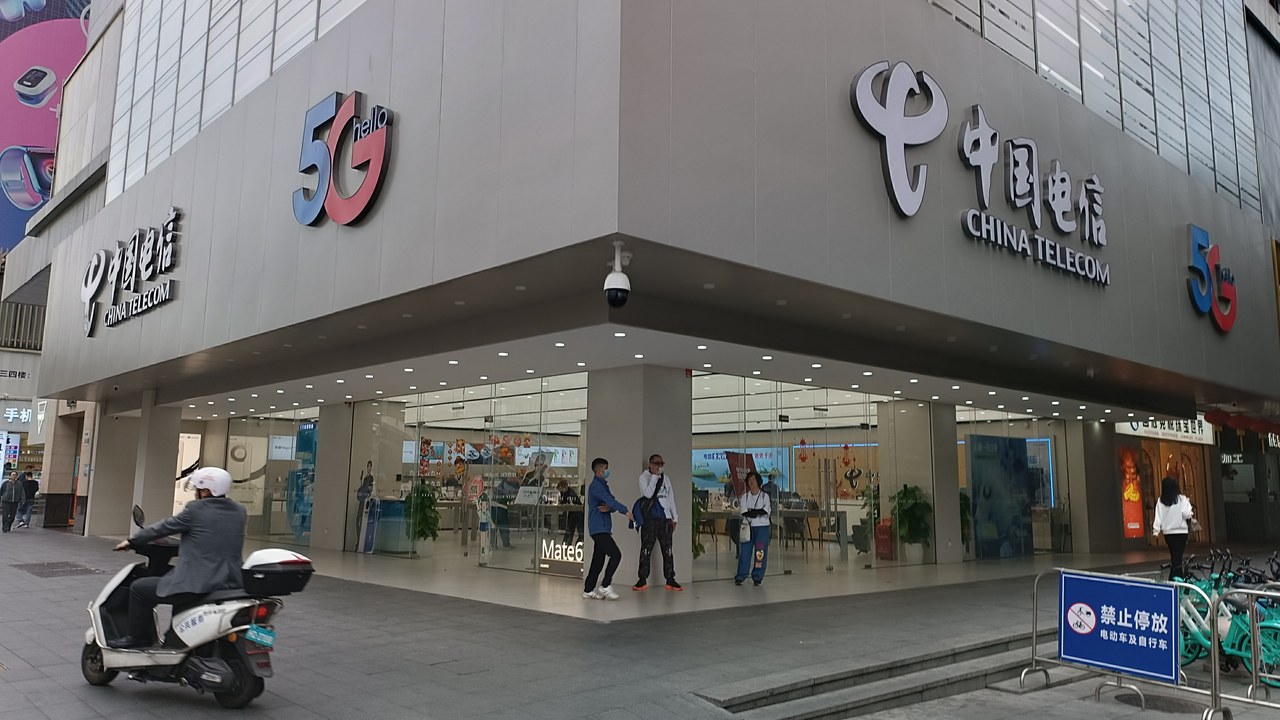
China Telecom (Americas) Corp. joined the Covered List the same day as China Mobile, with the FCC’s March 2022 filing naming its telecommunications services a national security risk requiring the same authorization restrictions that regulators later extended to other state-owned carriers.
The carrier’s American subsidiary had already lost its authorization to operate domestic and international services two years earlier, so the Covered List entry mainly formalized a restriction regulators had been building against the state-owned company since 2020, well before the broader crackdown on Chinese telecom equipment began in earnest.
9. China Unicom: Last Carrier Added

China Unicom (Americas) Operations Limited’s international telecommunications services joined the Covered List on September 20, 2022, per the FCC’s covered list update, closing out the roster of Chinese state carriers barred from new network deals.
Its addition came roughly six months after China Mobile and China Telecom, rounding out a trio of state-linked Chinese carriers that federal regulators now treat as unacceptable security risks, a designation that also blocks the company from winning new federal subsidy dollars for rural broadband and telecommunications infrastructure expansion projects nationwide.
More from Morning Overview
- Four U.S. startups fired up their first small nuclear reactors, aiming to power AI data centers on-site
- Card skimmers hidden on gas pumps and ATMs are draining accounts, and here’s the tell
- Doctors warn a silent liver disease now affects one in three American adults
- Hackers are hijacking outdated home routers, and the FBI named the models to check
