
Automakers routinely build one car and sell it under two, three or even four different names depending on the market, hiding the same platform, engine and body behind a fresh badge and a marketing rewrite. Sometimes the switch avoids an awkward translation; other times it just protects a name with decades of local loyalty. Here are nine cars that answer to a completely different name overseas.
1. Ford Fusion: The American Mondeo
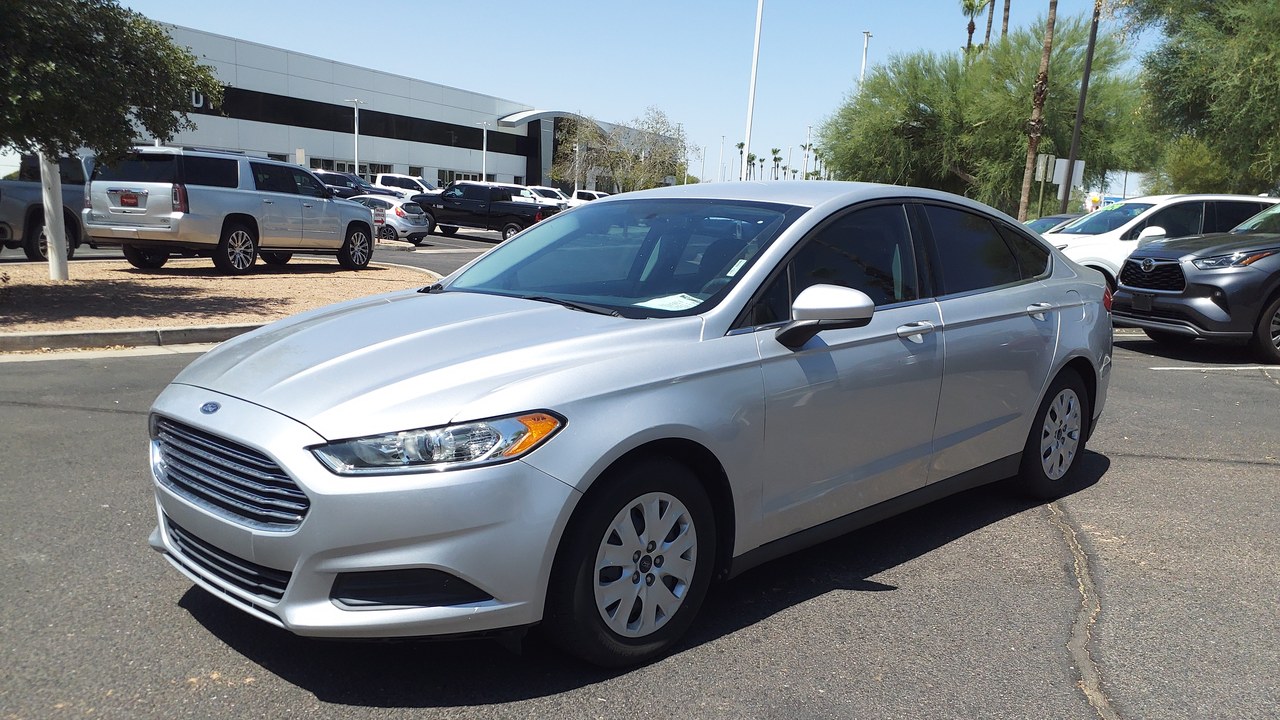
Ford sold the Fusion in North America as a mid-size sedan built on a shared global platform, and outside the region the identical car carried Ford’s Mondeo nameplate. From 2014 through 2022, buyers in Europe and Latin America drove the same sedan under that separate badge.
The naming split reflected Ford’s habit of keeping the Mondeo identity in markets with decades of recognition, even as the engineering, styling and options largely matched what American dealers offered as the Fusion. The Mondeo nameplate dates back to 1993, several generations before Ford paired it with the Fusion’s platform, and Ford ended Fusion production in 2020 while the Mondeo continued in Europe for two more years.
2. Honda Fit: The Jazz Twin
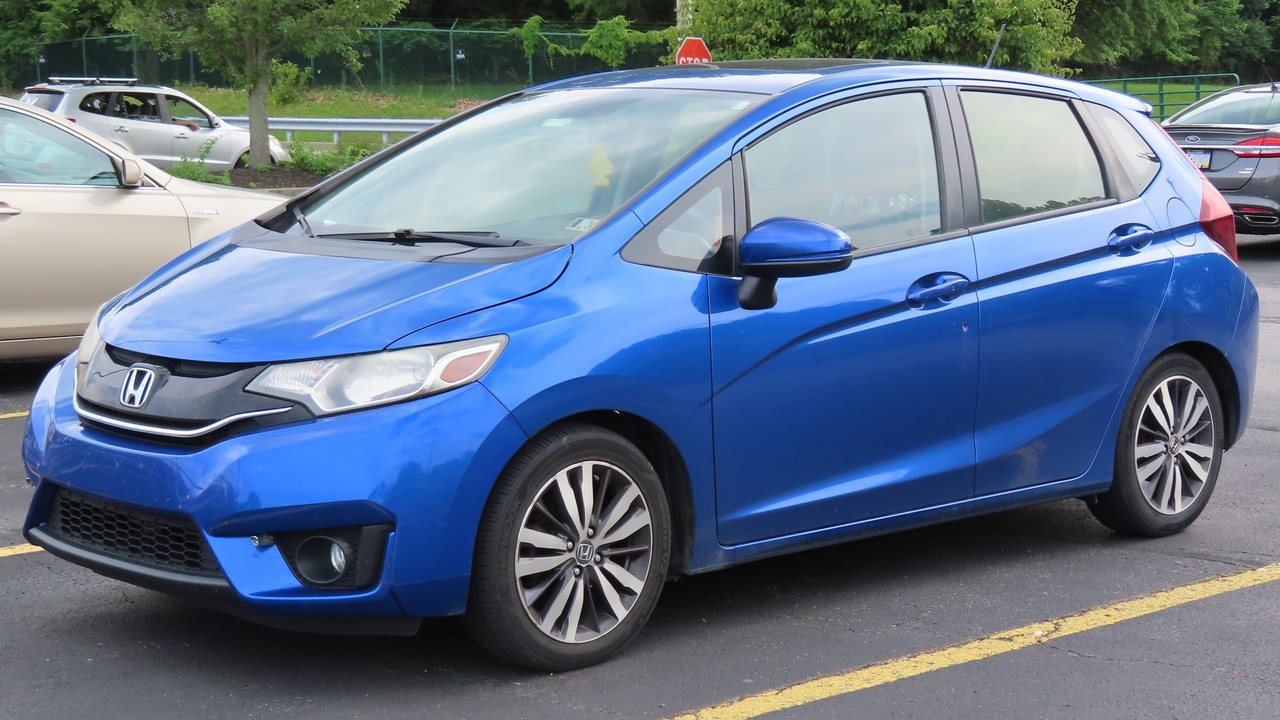
The Honda Fit sold in the United States is engineered on the same global subcompact platform Honda uses everywhere else, but almost everywhere outside North America the car carries the Jazz name instead.
Honda has used the Jazz badge in most markets since the nameplate’s debut in 2001, reserving Fit for North America and parts of Asia, a split that has persisted through four model generations without changing the car’s compact five-door hatchback design underneath either name. Honda has never officially sold a vehicle called Jazz in the United States, keeping the geographic split intact for more than two decades.
3. Mitsubishi Montero: Three Badges, One SUV
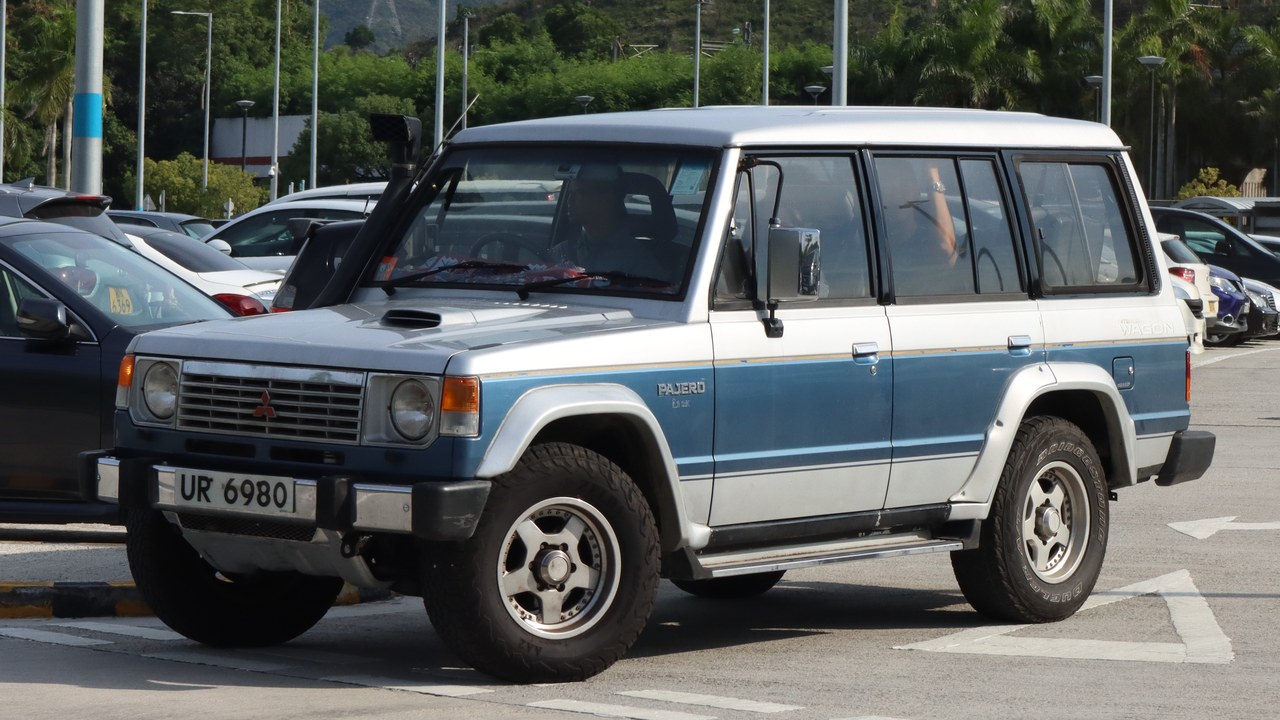
Mitsubishi’s boxy body-on-frame SUV sold in the United States as the Montero carries a different name at home, where Mitsubishi calls it the Pajero in Japan, and yet another name in Britain, where dealers list it as the Shogun.
Mitsubishi picked Montero and Shogun to sidestep translations of Pajero considered offensive in Spanish-speaking markets, so three separate badges cover what is mechanically one long-running four-wheel-drive SUV built for decades on the same underpinnings. The nameplate first reached Japanese showrooms in 1982 and continued through four generations before Mitsubishi ended Pajero production in Japan in 2021, closing out one of the longest-running badge splits in the auto industry.
4. Nissan Rogue: Same Crossover, New Name
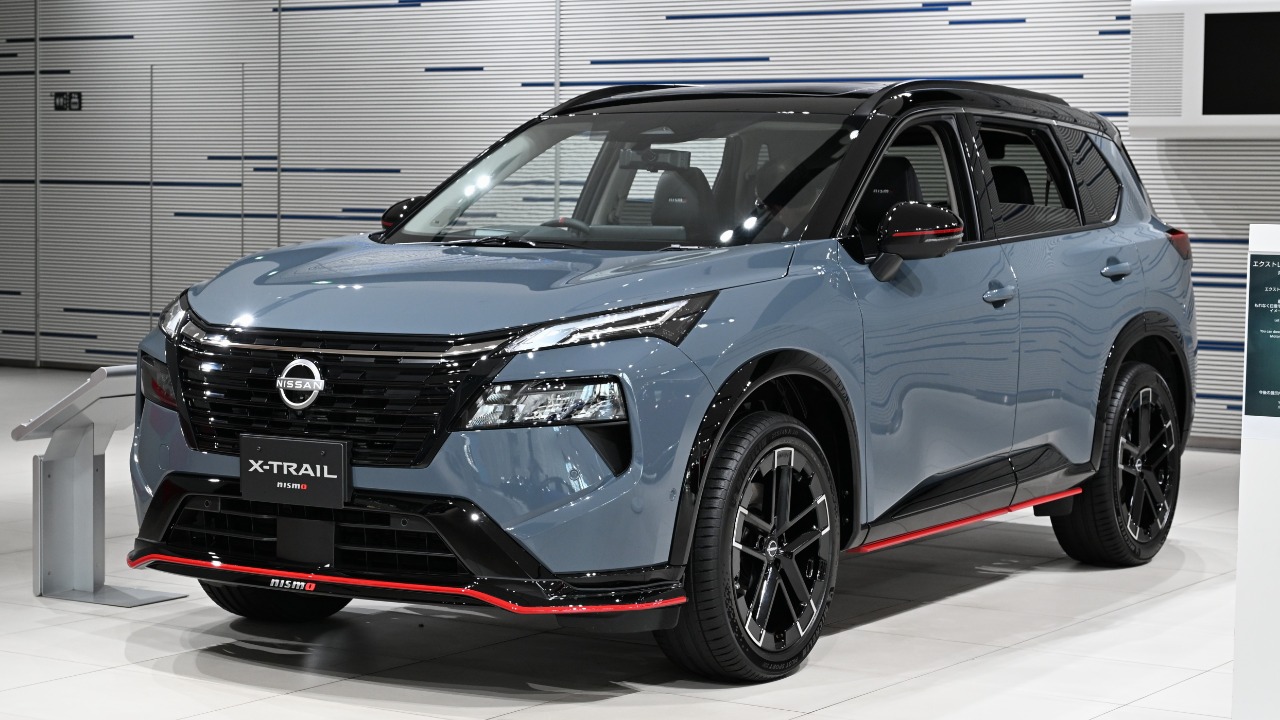
Since 2013, the Nissan Rogue sold to American drivers has been the same vehicle Nissan builds for the rest of the world as the X-Trail crossover, sharing its platform, dimensions and mechanical layout badge for badge.
Nissan kept the X-Trail name in Europe, Asia and Australia because of the following it had already built there, while North America continued using Rogue, a name that carried its own recognition before the two lineups merged into one model. The X-Trail nameplate actually predates Rogue by several years, having launched in 2000, while Nissan introduced the Rogue to American buyers only in 2007 as a smaller companion to the Murano.
5. Infiniti G35: The Skyline’s US Debut
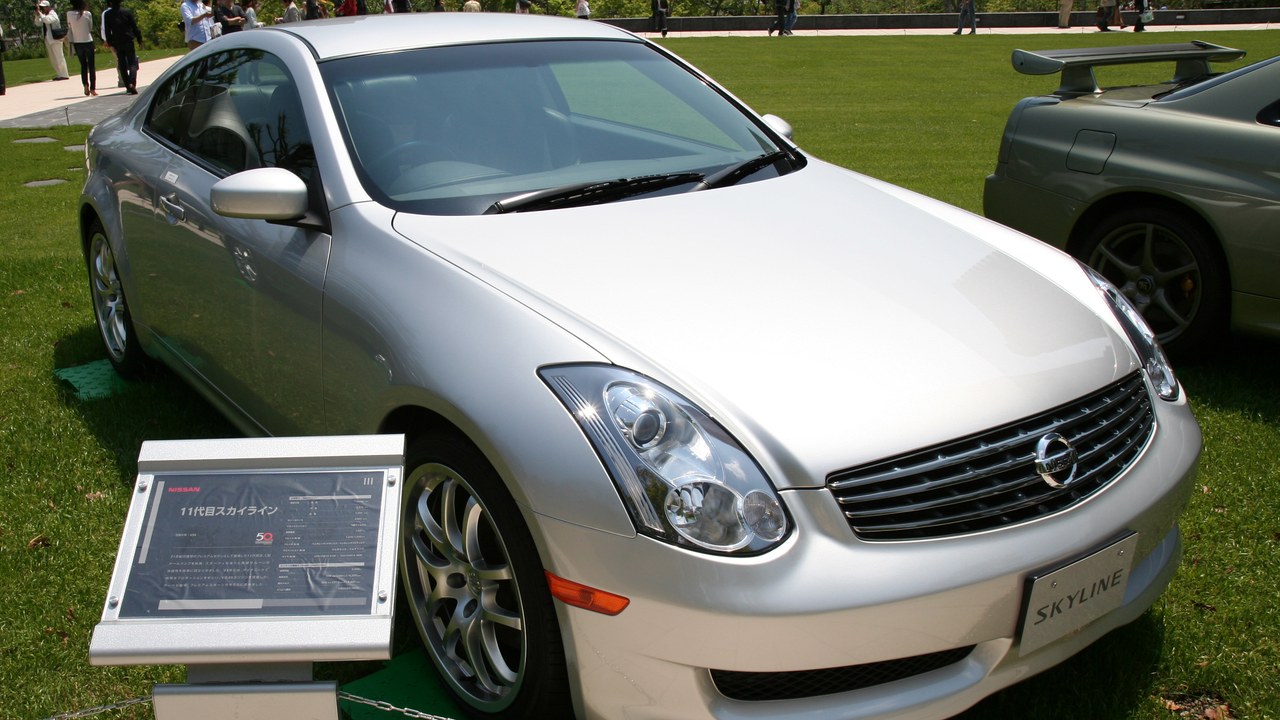
The Infiniti G35 that introduced American buyers to Infiniti’s sport sedan lineup is the export version of the Nissan Skyline V35, the first Skyline generation Nissan ever sent to North America.
Nissan reserved the storied Skyline name for its home market and used the Infiniti brand and G-series badge abroad instead, a split that continued through later generations sold in the United States as the G37 and eventually the Q60. The Skyline nameplate dates back to 1957, decades before Nissan ever exported one to North America, and the naming split lives on today in the Skyline’s current Japanese-market counterpart to the Infiniti Q50.
6. Acura RSX: Integra In Disguise
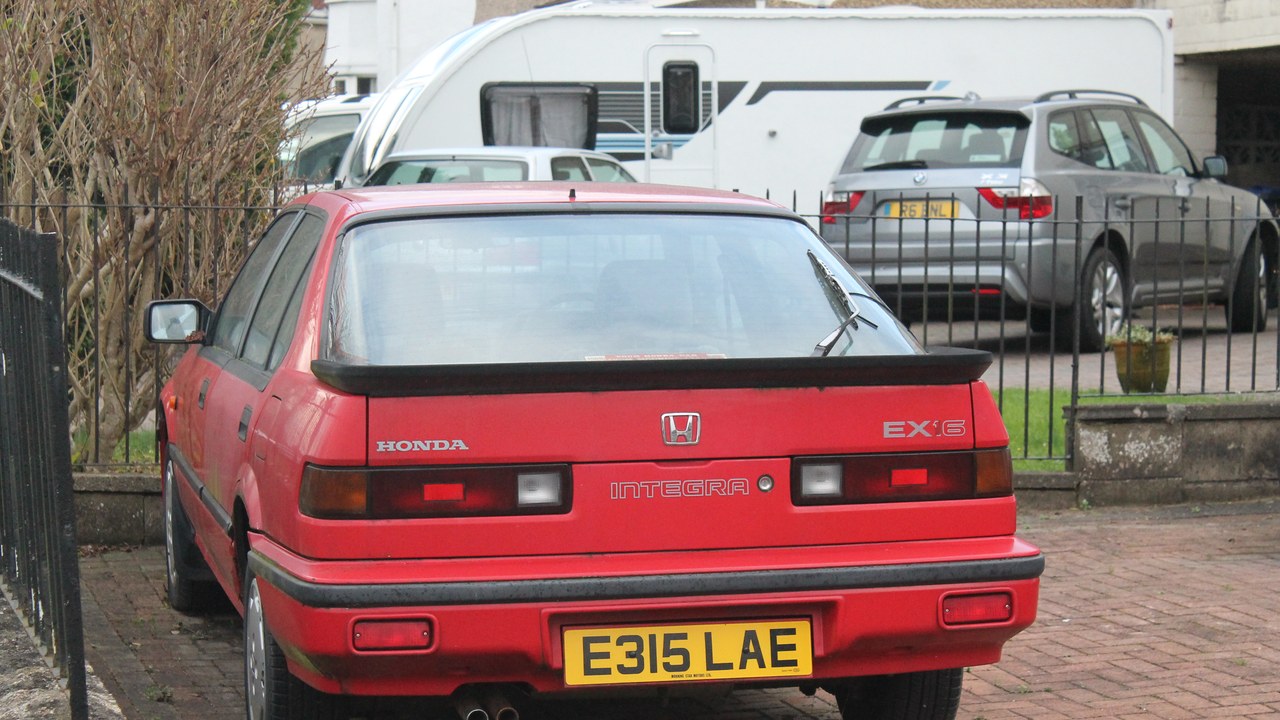
The Acura RSX sold in the United States is a rebadged version of the Honda Integra, including the sharper DC5-generation Integra Type R that Japanese buyers could get but Americans never could.
Honda kept the Integra name at home while exporting the same coupe under the Acura brand for North America, a naming split that let the two markets run different trim strategies on what was otherwise identical hardware. The Integra name dates back to 1985 in Japan, and Acura discontinued the RSX badge in the United States in 2006, though the Integra name itself later returned to American Acura showrooms in 2023.
7. Pontiac GTO (2004): An Australian GTO
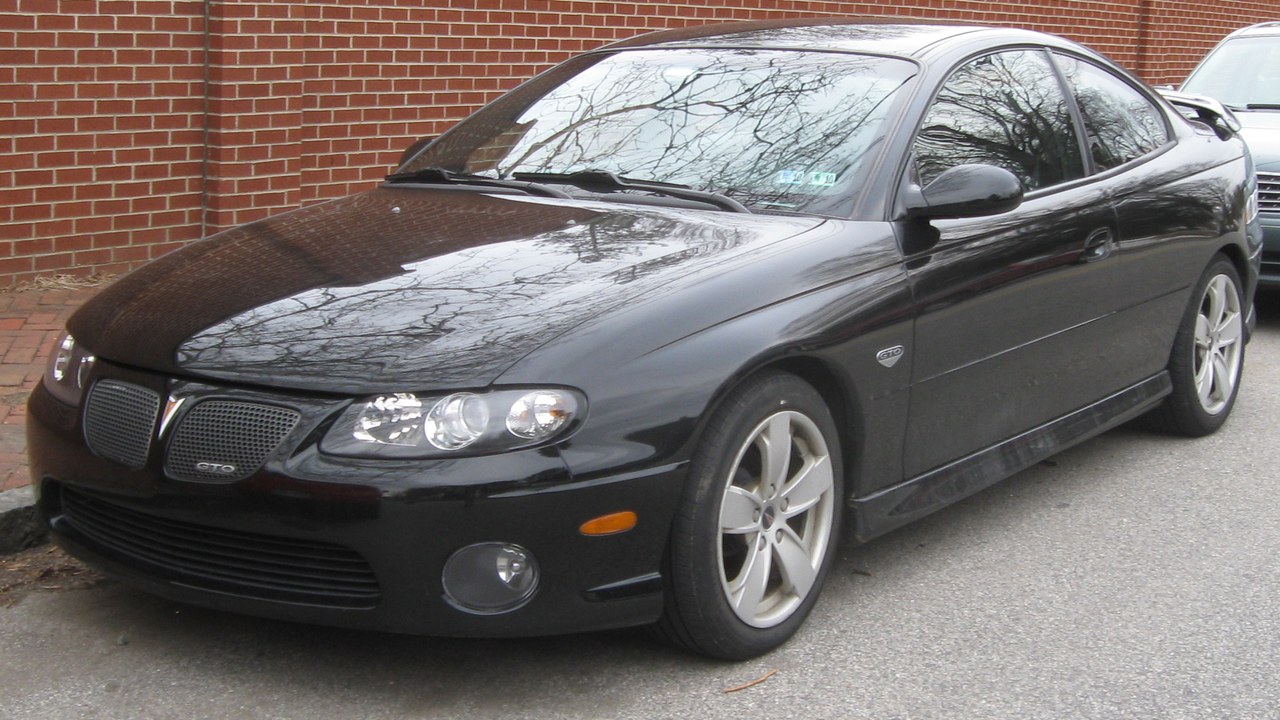
General Motors revived the Pontiac GTO in 2004 by importing a rebadged Holden Monaro coupe, built at Holden’s Elizabeth plant in South Australia and shipped across the Pacific with a new nose and fresh badges.
Aside from styling tweaks to the front and rear fascias, the American GTO kept the Monaro’s chassis, engine choices and interior largely intact, making it one of the more literal rebadges GM ever brought to market. The Monaro name traces back to 1968 in Australia, and GM stopped importing the rebadged GTO after the 2006 model year, just a few years before it retired the Pontiac brand entirely during its 2009 bankruptcy restructuring.
8. Chevrolet Volt: Britain’s Plug-In Twin
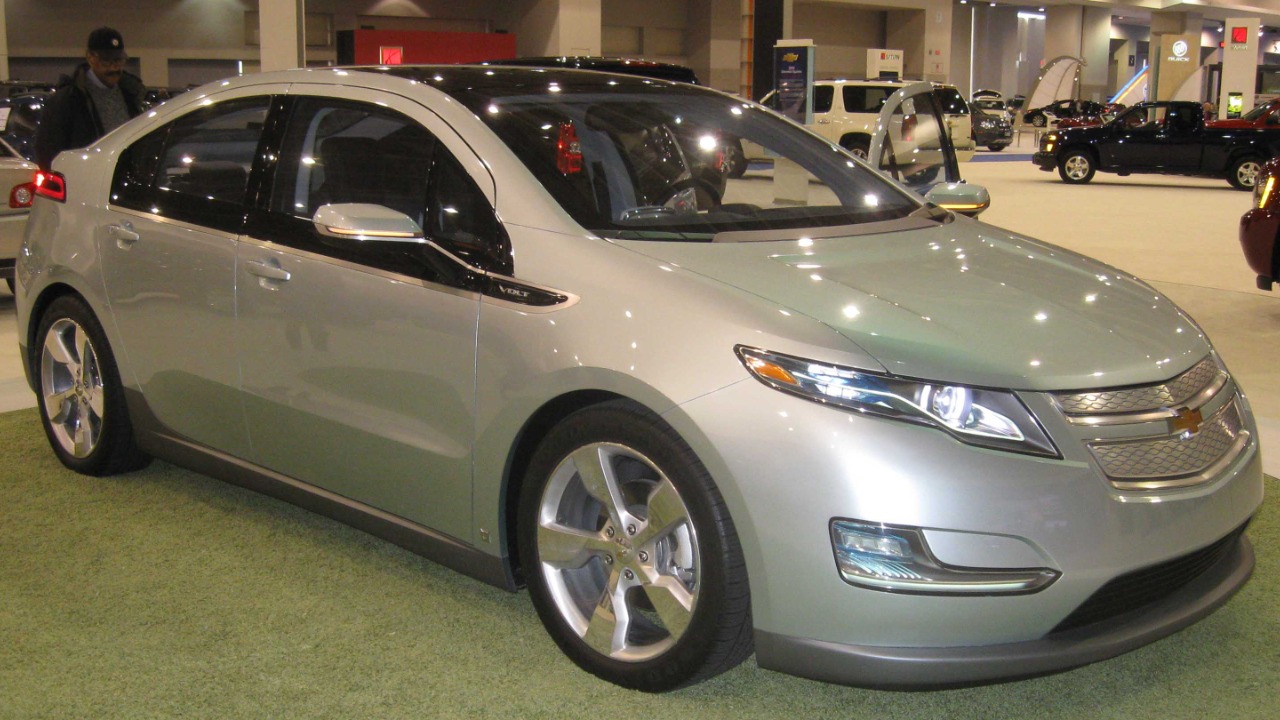
General Motors sold its plug-in hybrid Chevrolet Volt in Britain as the Vauxhall Ampera, its European sister car, which shared the Volt’s drivetrain and range-extending gas engine.
The Ampera and Volt launched close together and both won Car of the Year honors in their respective regions, evidence that the European version was never a watered-down copy but the same engineering wrapped in a different grille. General Motors introduced the Volt in the United States in 2010 and brought the Ampera to Britain a year later, though slower European sales led Vauxhall to discontinue the Ampera in 2015, four years before Chevrolet ended the Volt itself.
9. Toyota Highlander: The Kluger Connection
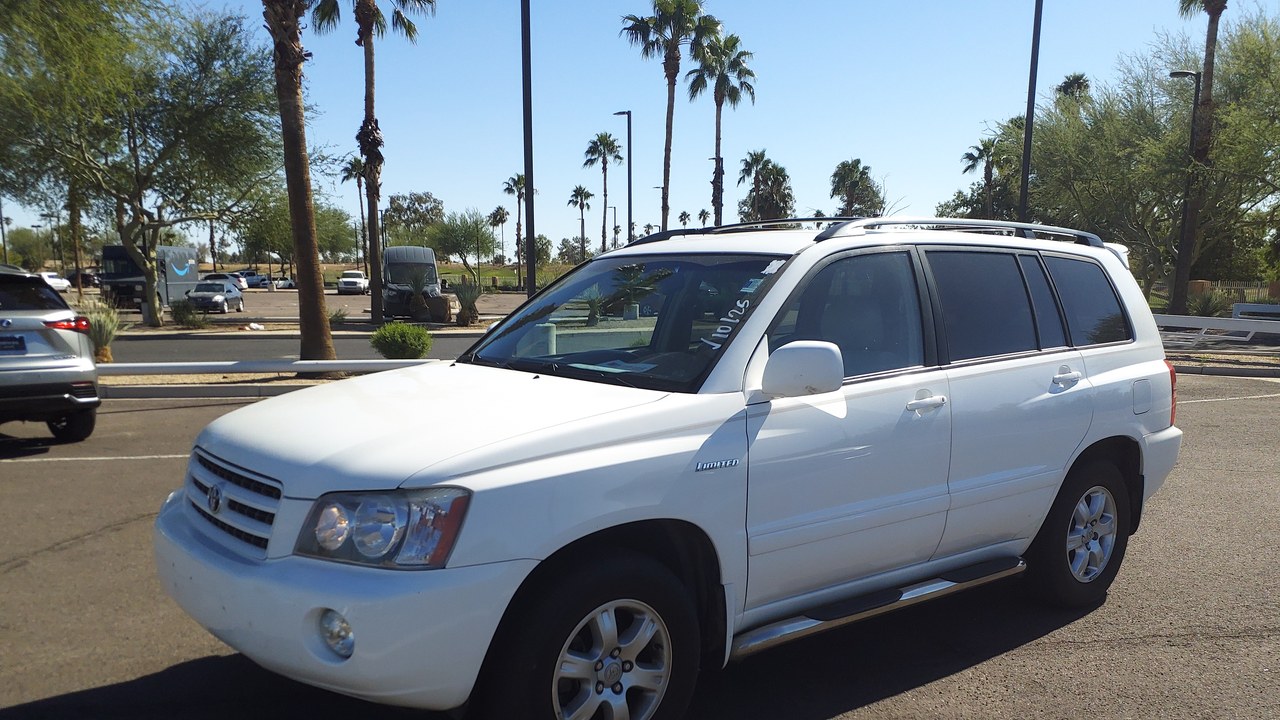
Toyota sells its three-row Highlander SUV in Australia and Japan as the Toyota Kluger, a name change with no meaningful difference in the vehicle underneath it.
Toyota has kept the Kluger badge across multiple generations even as the Highlander name became familiar to American buyers, so the two nameplates continue to describe an identical SUV depending on which side of the Pacific it is sold. Toyota introduced the Kluger nameplate in Japan the same year the Highlander launched in the United States, in 2000, and later extended the Kluger badge to Australia, where both models still share the same hybrid powertrain options today.
More from Morning Overview
