
Some cars get remembered for their doors as much as their engines. Gullwing doors hinge upward at the roof, scissor doors pivot up and forward, and suicide doors hinge at the back instead of the front, each solving a different packaging or design problem. Here are nine cars famous for gullwing, scissor or suicide doors.
1. Mercedes-Benz 300 SL: The Original Gullwing
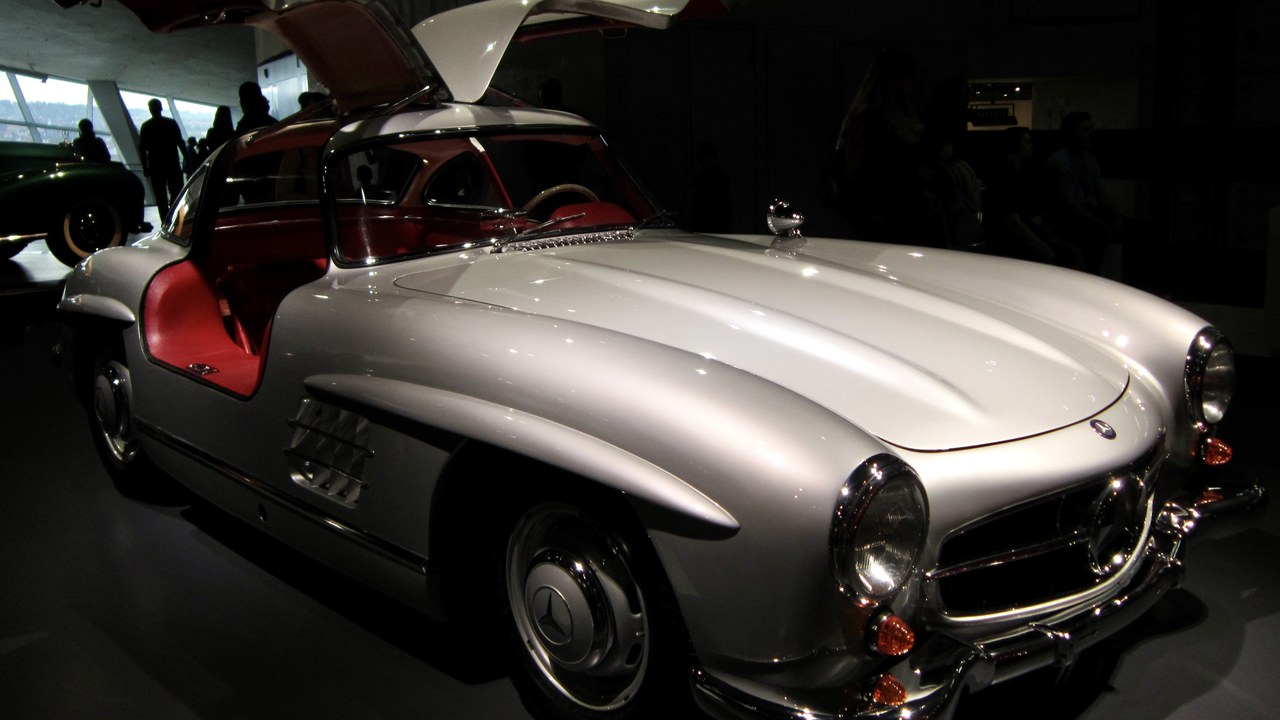
Mercedes-Benz built the 300 SL around a lightweight tubular spaceframe, and the resulting high door sills made ordinary doors impossible, so engineers hinged them at the roofline instead. The car became known for its hallmark gullwing doors, unveiled to the public in New York in February 1954.
The coupe doubled as a road-going version of Mercedes-Benz’s W194 race car, and its upward-opening doors became the template every later gullwing design on this list would be measured against. The racing version of the car had already won the 1952 Carrera Panamericana and taken first place at Le Mans before Mercedes-Benz adapted it into a production coupe for the street.
2. Mercedes-Benz SLS AMG: AMG’s Modern Gullwing
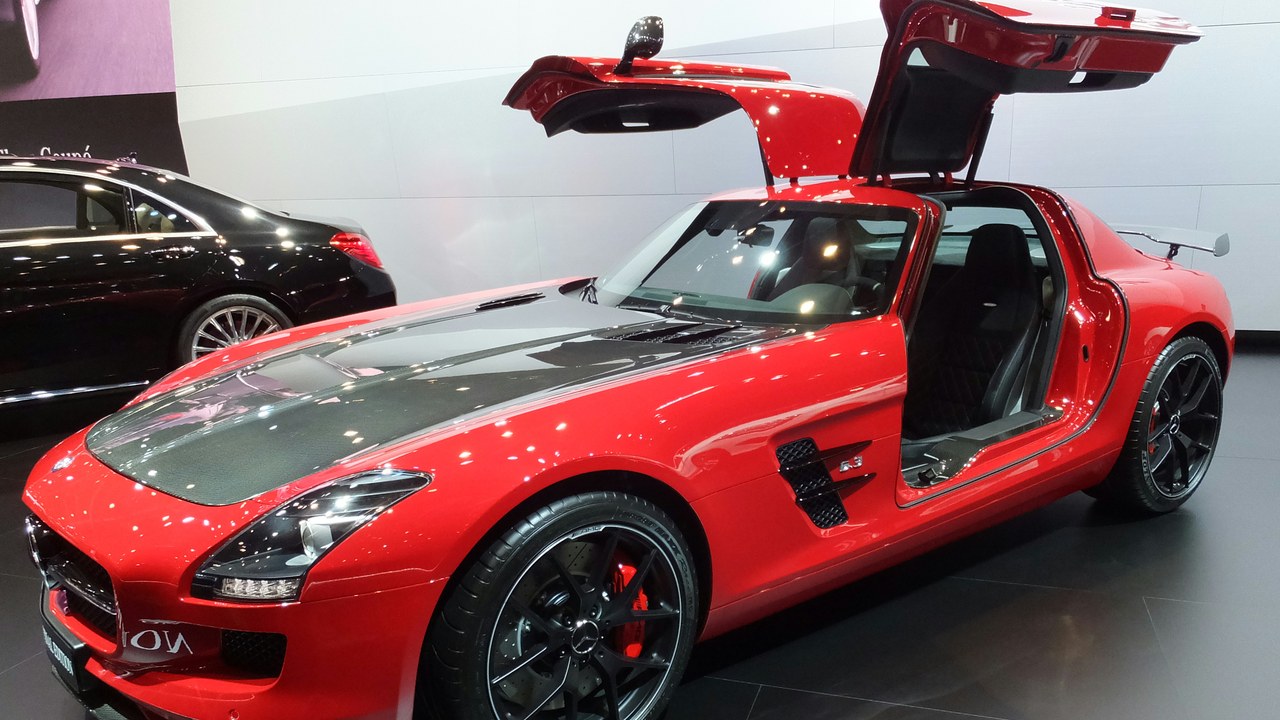
AMG designed the SLS as a spiritual successor to the 300 SL, reviving the gull-wing doors that made the earlier car famous. Mercedes-Benz built the coupe from January 2010 through 2014, wrapping a bonded aluminum spaceframe around a naturally aspirated V8.
Where the 300 SL’s doors were a workaround forced by a racing chassis, the SLS treated them as a deliberate callback, a styling cue meant to connect a modern supercar to Mercedes-Benz’s most famous production model. The coupe used a naturally aspirated 6.2-liter V8 producing 563 horsepower in its most powerful form, and Mercedes-Benz later added a fully electric SLS AMG Electric Drive variant with four motors.
3. DeLorean DMC-12: Stainless Steel And Gullwings
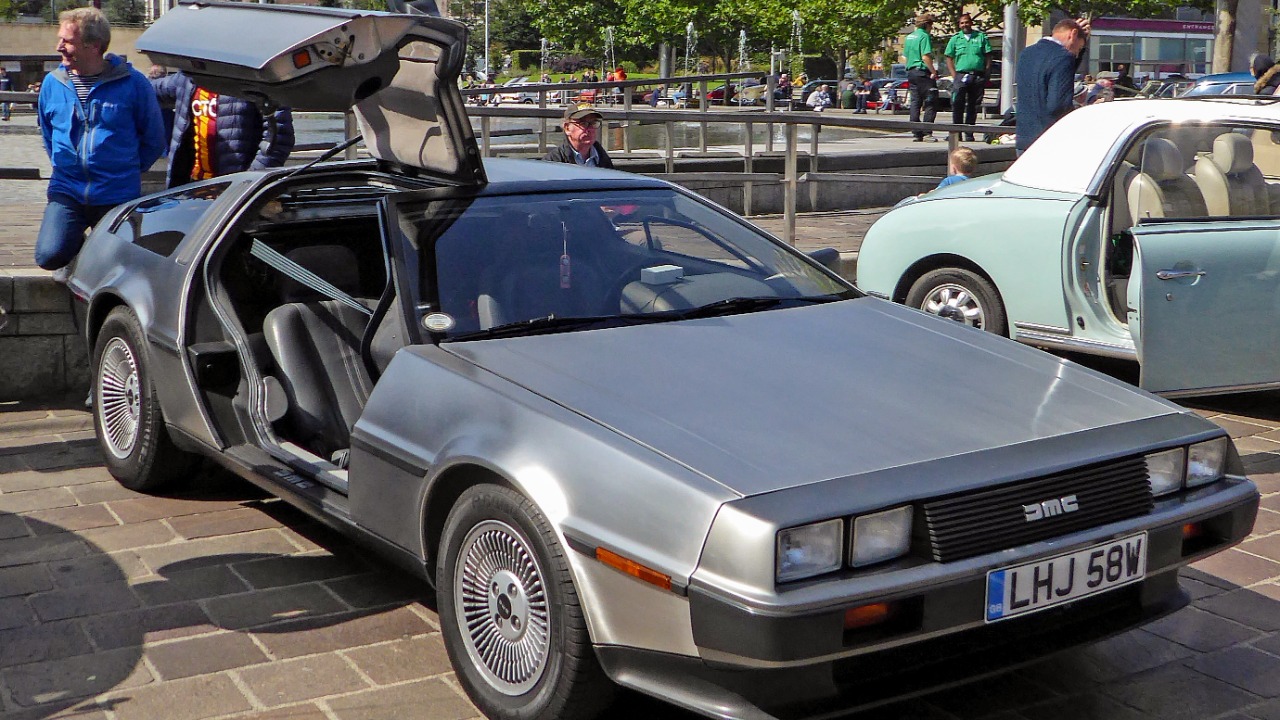
John DeLorean’s namesake sports car paired unpainted stainless-steel body panels with upward-hinged gull-wing doors, a combination no other production car offered at the time. Roughly 9,000 examples were built between 1981 and 1983 before the company collapsed.
The car’s fame outlasted its maker; a starring role as a time machine in a blockbuster film kept the stainless panels and swing-up doors recognizable to audiences who never saw one built. The car used a body designed by Giorgetto Giugiaro and a rear-mounted V6 engine, a layout uncommon among sports coupes of its era.
4. Lamborghini Countach: Scissor Doors Debut
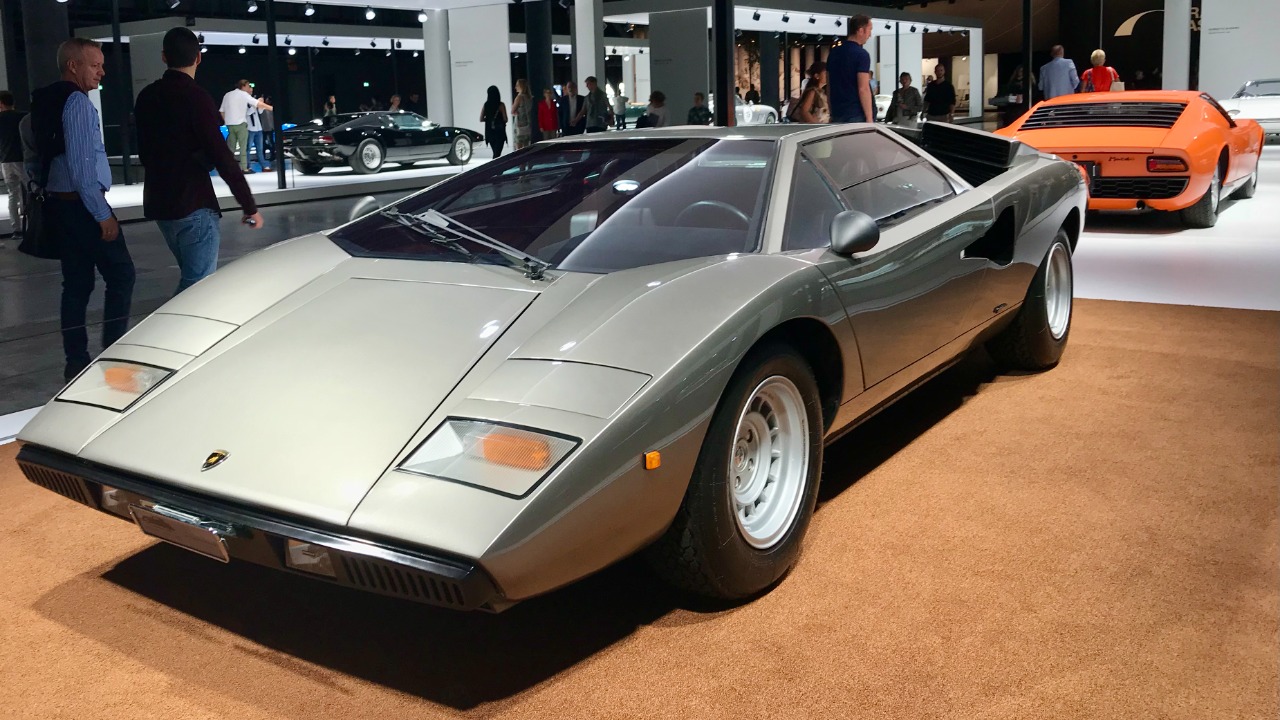
Lamborghini fitted the Countach with upward-swinging scissor doors, a hinge design the automaker itself calls an absolute novelty for a production car when it appeared in 1974. The wedge-shaped body was styled by Bertone and became one of the defining supercar silhouettes of the decade.
The scissor mechanism let doors clear narrow parking spaces without swinging wide, a practical answer that Lamborghini has kept using on its flagship models ever since. Lamborghini produced the Countach across several series from 1974 to 1990, and its wedge shape influenced supercar styling well beyond Lamborghini’s own lineup.
5. Lamborghini Aventador: Countach’s Scissor Heir

Lamborghini carried the scissor-door format from the Countach into the Aventador, building the flagship from February 2011 to September 2022 across 2012 through 2022 model years. A carbon-fiber monocoque replaced the Countach-era steel structure while the door hinge design stayed true to Lamborghini’s signature.
The doors remained a brand identifier rather than an engineering requirement, distinguishing the Aventador from rivals such as Ferrari, which stuck with conventional side-hinged doors on its own flagship models. The V12 engine mounted behind the Aventador’s cabin traced its architecture back to Lamborghini’s earliest V12s, giving the scissor-doored flagship a mechanical link to models built decades earlier.
6. Tesla Model X: Falcon-Wing Ambition

Tesla equipped the Model X with double-hinged falcon-wing rear doors that fold upward in two sections to clear low garage ceilings. Car and Driver has described the mechanism as a bit contrived for an SUV built around family hauling.
The doors use sensors meant to stop them before hitting obstacles, but the added motors and hinge points made them one of the most complex, and most debated, door designs ever put into mass production. The Model X also introduced Tesla’s Autopilot driver-assistance suite alongside its falcon-wing doors, positioning the SUV as the brand’s technology flagship when it launched in 2015.
7. Rolls-Royce Phantom: Coach Doors For Arrivals
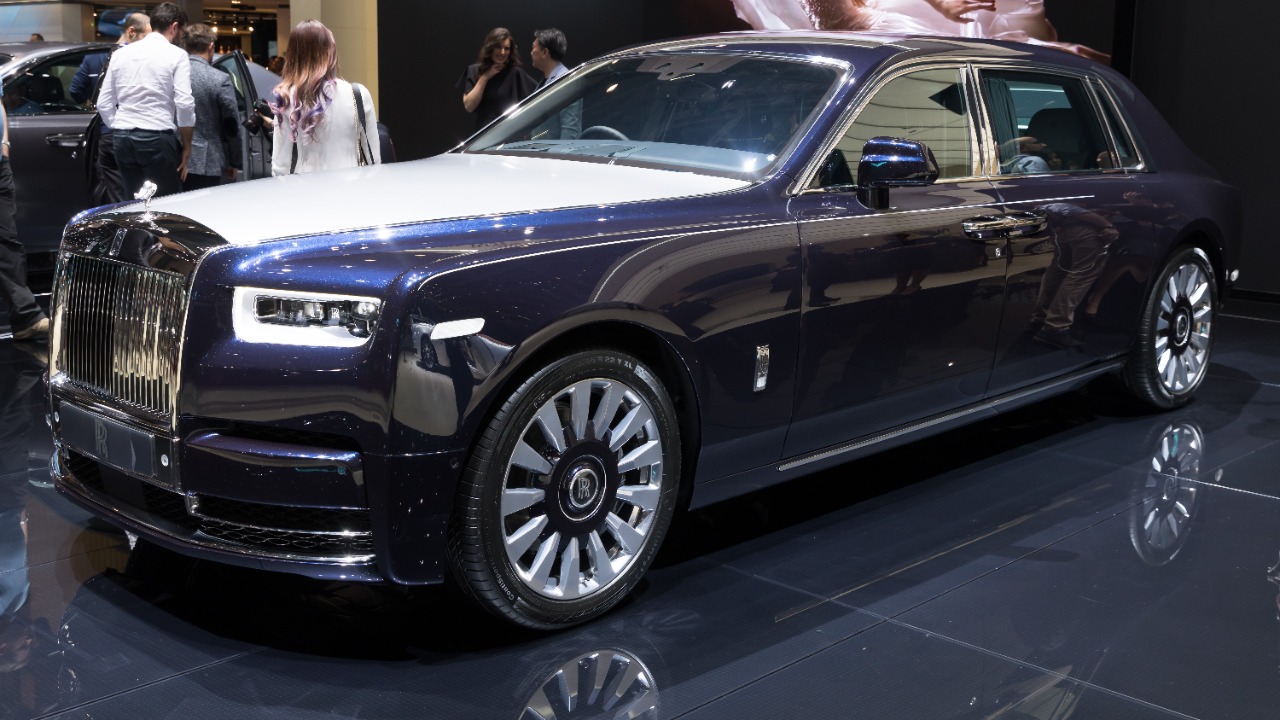
Rolls-Royce hinges the Phantom’s rear doors at the back rather than the front, a configuration the automaker calls coach doors that open wide for a formal arrival. The extended-wheelbase version stretches the body by 8.6 inches to add rear legroom behind those doors.
Rear-hinged doors let passengers step out facing forward rather than twisting toward the curb, a detail Rolls-Royce treats as part of the ceremony of arriving in the car. Rolls-Royce has built the Phantom nameplate since 1925, and the current generation continues to be assembled largely by hand at the Goodwood factory in England.
8. Lincoln Continental: Detroit’s Suicide Doors
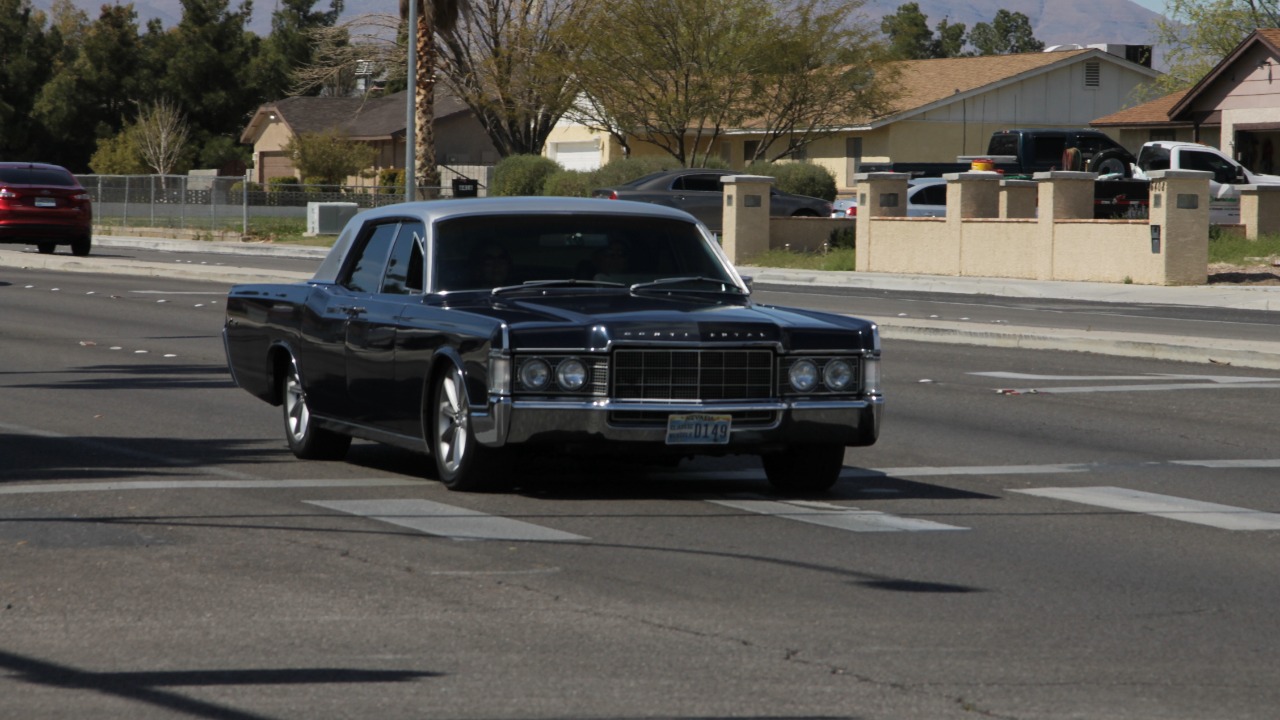
The 1961 Lincoln Continental brought rear-hinged doors, commonly called suicide doors, back to a Lincoln for the first time since 1951. The layout let rear passengers step into a four-door sedan without a center pillar blocking the opening.
The look became so tied to the Continental’s identity that Lincoln revived rear-hinged doors decades later on later models, trading on the same silhouette the 1961 car established. The 1961 redesign also shrank the car’s overall length compared with the outgoing model, a rare move in an era when American sedans kept growing larger each year.
9. Mazda RX-8: A Quad-Door Rotary Coupe
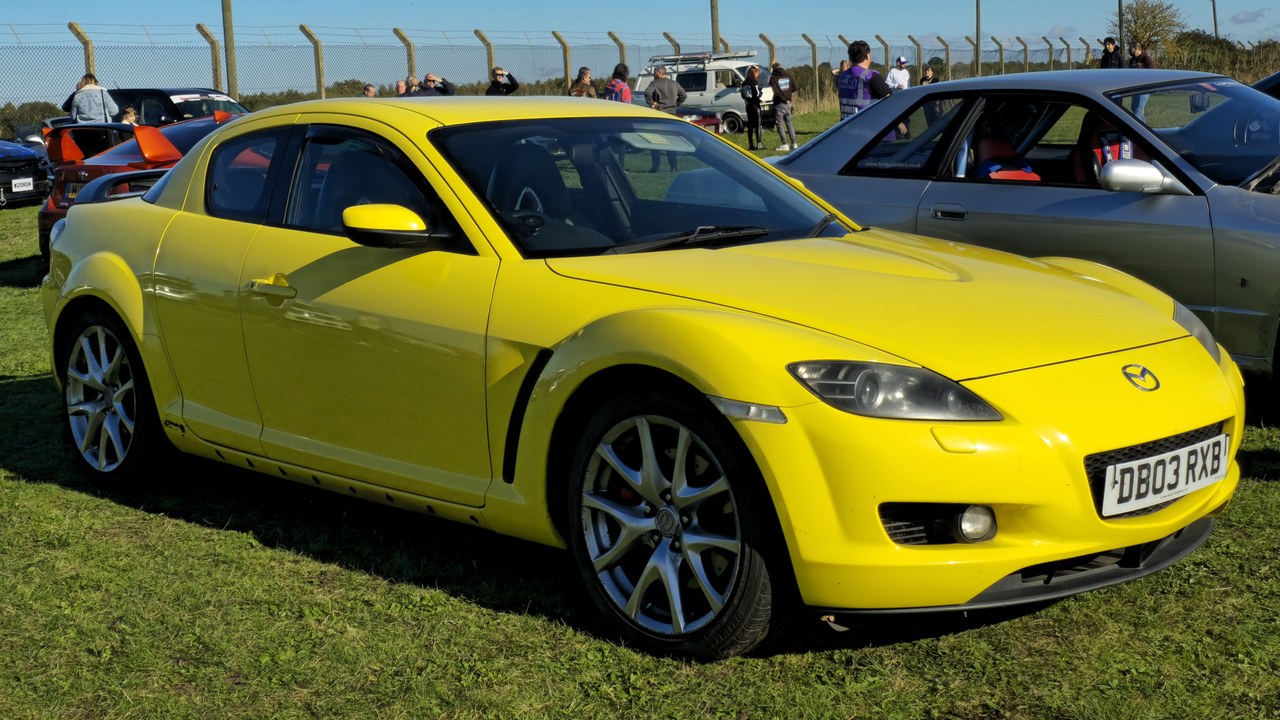
Mazda built the RX-8 with conventional front doors and rear-hinged suicide rear doors, a quad-door layout with no center pillar between them. The rotary-engined coupe was produced from 2003 to 2012.
The rear doors could only open once the front doors were open, a sequencing that let Mazda add back-seat access to a sports coupe without compromising its two-door profile up front. The RX-8 used Mazda’s rotary Renesis engine rather than a conventional piston engine, continuing a rotary lineage the brand had built since the original Cosmo Sport in the 1960s.
More from Morning Overview
