
A flat-plane crankshaft arranges its connecting-rod journals 180 degrees apart instead of the more common 90-degree cross-plane pattern, which lets a V8 rev higher and exhale through simpler, straighter exhaust plumbing at the cost of some smoothness. Automakers chasing motorsport character or outright redline reach for the layout again and again, usually on their most serious performance models. The following gallery counts down nine cars built around one.
1. Ferrari 458 Italia: Ferrari’s Last N/A Eight
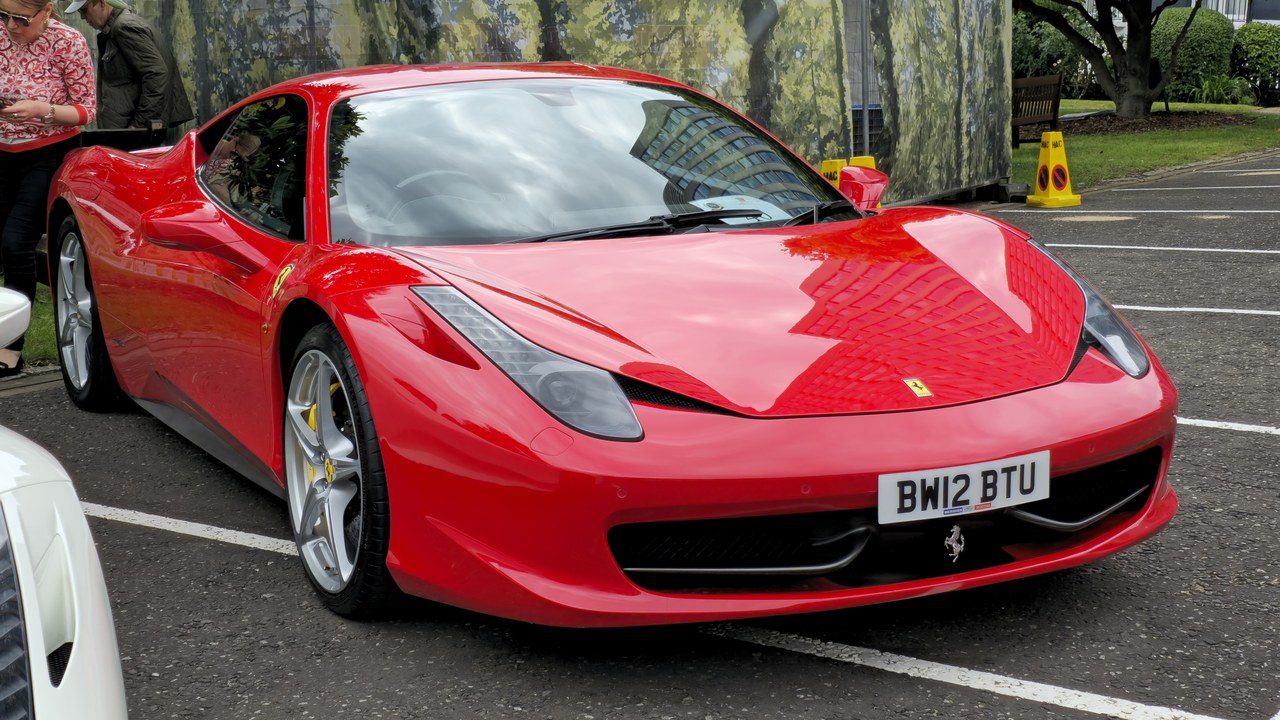
Ferrari built the 458 Italia’s 4.5-liter V8 with a flat-plane crankshaft, the layout that lets the engine rev harder and breathe more evenly through each bank. That naturally aspirated V8 made 562 horsepower without any turbocharging at all, the last time Ferrari would send a mid-engined V8 to market that way.
Every V8 Ferrari built since has added turbochargers to meet emissions and efficiency targets, which is part of why the 458’s screaming, naturally aspirated character has aged into a specific selling point among collectors.
2. Chevrolet Corvette Z06 (C8): A Flat-Plane V8 That Revs To 8,600
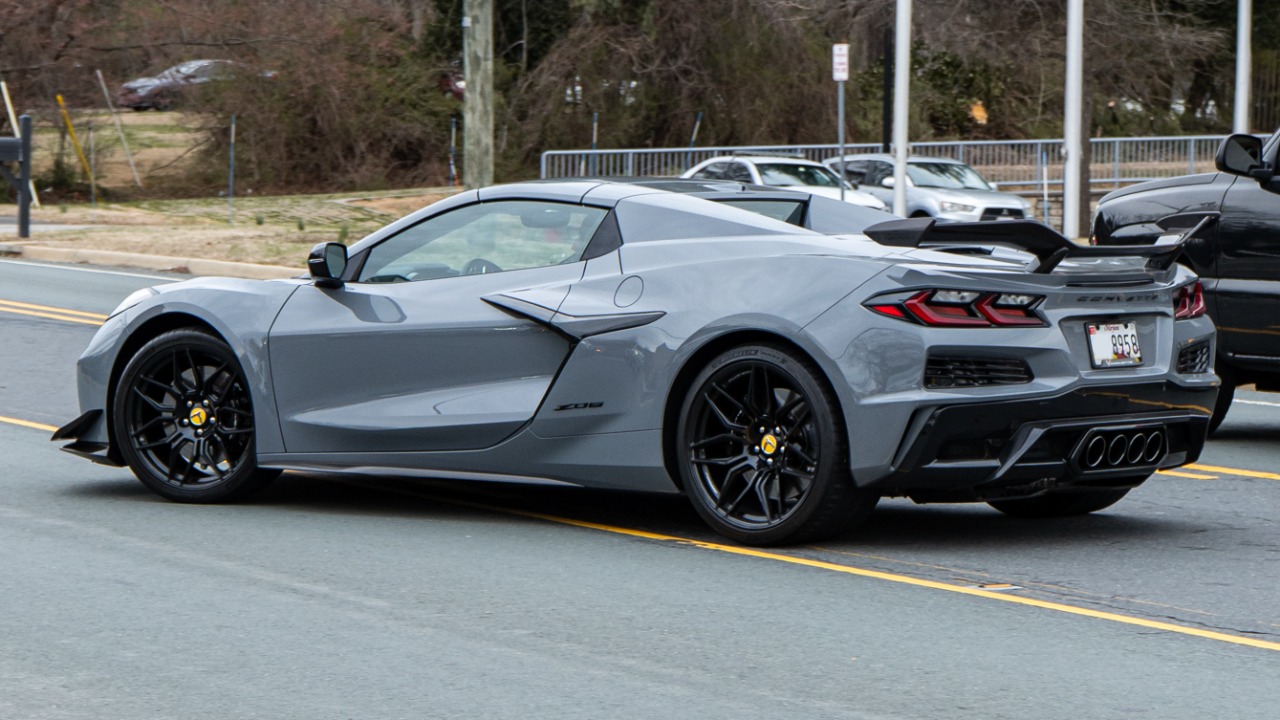
Chevrolet gave the C8 Corvette Z06 a bespoke 5.5-liter LT6, the first flat-plane-crank V8 the brand has ever put into series production. The LT6 spins to an 8,600-rpm redline and makes 670 horsepower without any forced induction, figures closer to an exotic than a traditional small-block Corvette.
Every earlier Corvette V8, going back to the original 1953 small-block, used a cross-plane crankshaft tuned for low-end torque and that familiar burbling exhaust note, so the Z06’s flat-plane engine marks a deliberate break from eight generations of small-block tradition.
3. Ford Mustang Shelby GT350: Ford’s First Flat-Plane V8
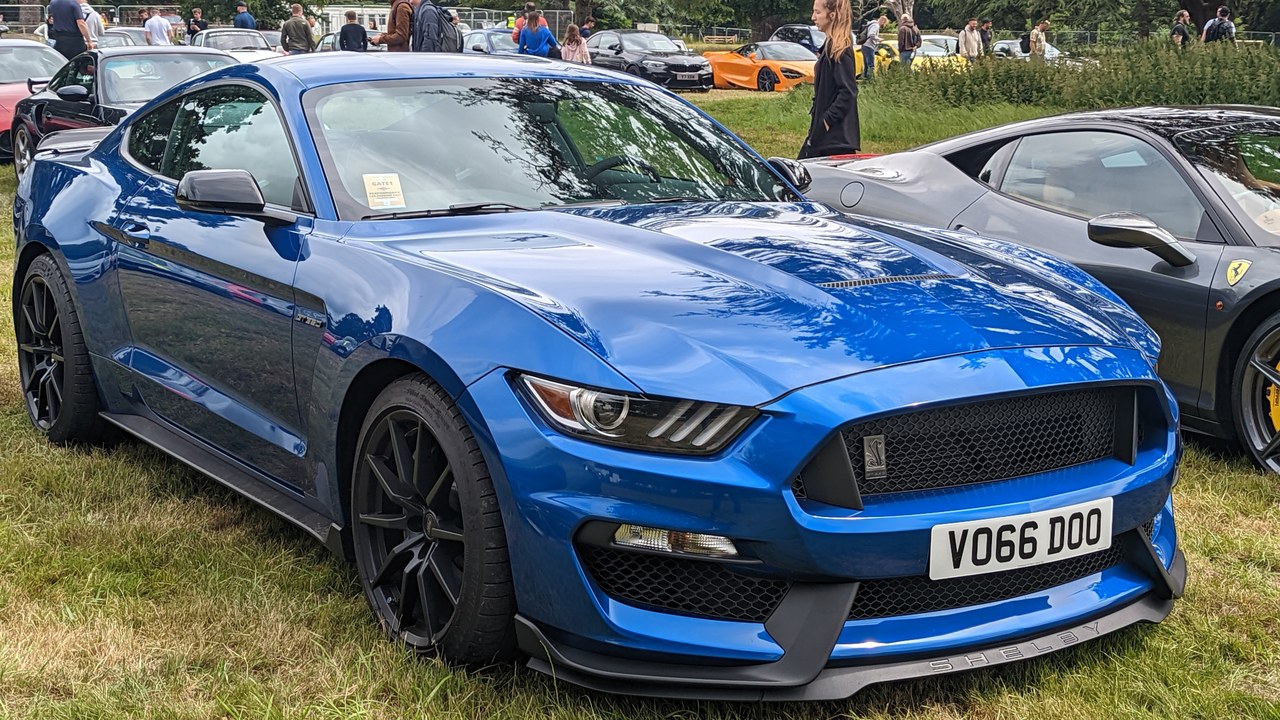
Ford built the Shelby GT350’s 5.2-liter “Voodoo” V8 with a flat-plane crank, the first time the company had put one in a production car. The naturally aspirated Voodoo made 526 horsepower and revved to 8,250 rpm, numbers that put it closer to a European sports car than a typical Mustang.
Ford paired the Voodoo only with the GT350 and its track-focused GT350R sibling, never offering the flat-plane engine in a standard Mustang GT, which kept the screaming exhaust note as one of the pony car’s rarest factory options.
4. TVR Cerbera: TVR’s In-House Flat-Plane V8
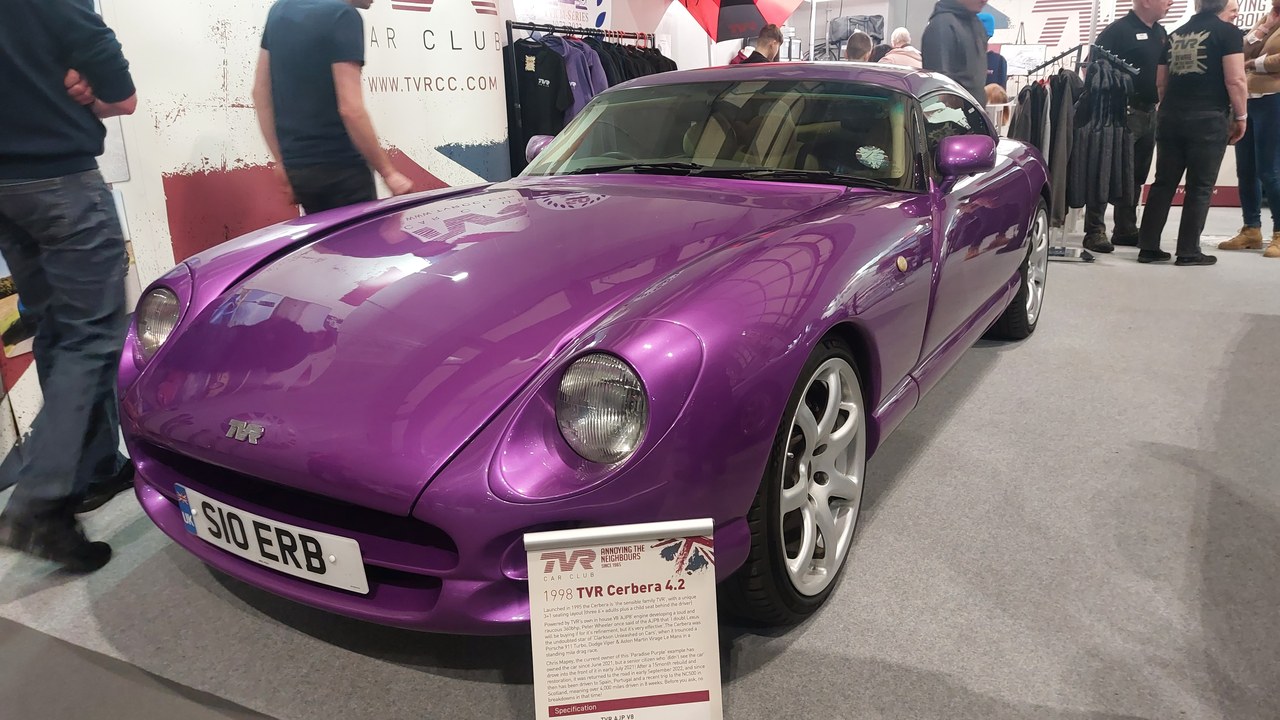
TVR designed the Cerbera around its own AJP8 “Speed Eight” engine rather than buying a V8 from another manufacturer, and the 4.2-liter unit used a flat-plane crankshaft turning through a 75-degree vee. That in-house engine made about 360 horsepower in a car light enough to feel every bit of it.
TVR built the Speed Eight itself specifically because it wanted a lighter, more compact V8 than anything available from a supplier, and the flat-plane crank was part of getting the weight and the rev range it was after.
5. Porsche 918 Spyder: Porsche’s Le Mans-Bred V8
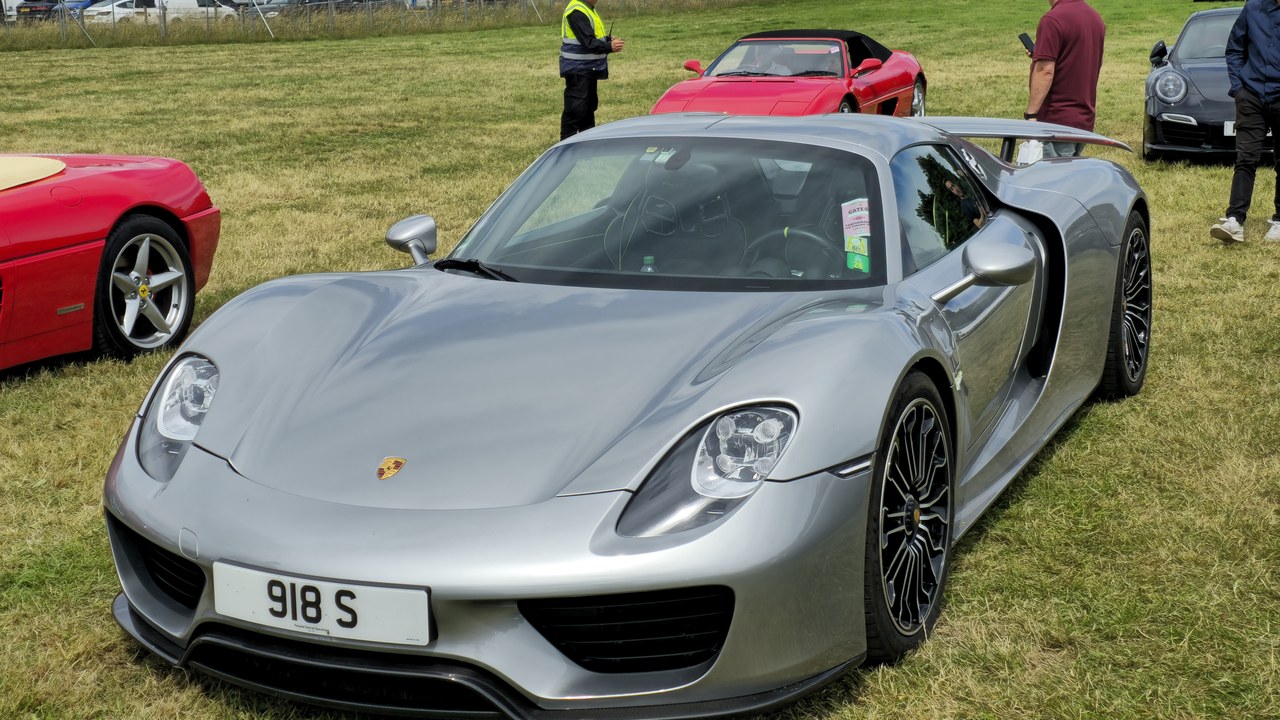
Porsche traced the 918 Spyder’s V8 directly back to its RS Spyder Le Mans Prototype racing program, then adapted the racing block for road use with a flat-plane crankshaft intact. The 4.6-liter V8 spins past 9,000 rpm, a redline more typical of a purebred race engine than anything else sold with license plates.
Two electric motors supplement that screaming V8 in the 918’s hybrid drivetrain, but the combustion engine itself kept its motorsport-derived flat-plane layout rather than the smoother cross-plane design most road-car V8s use.
6. McLaren 720S: A Twin-Turbo Flat-Plane V8
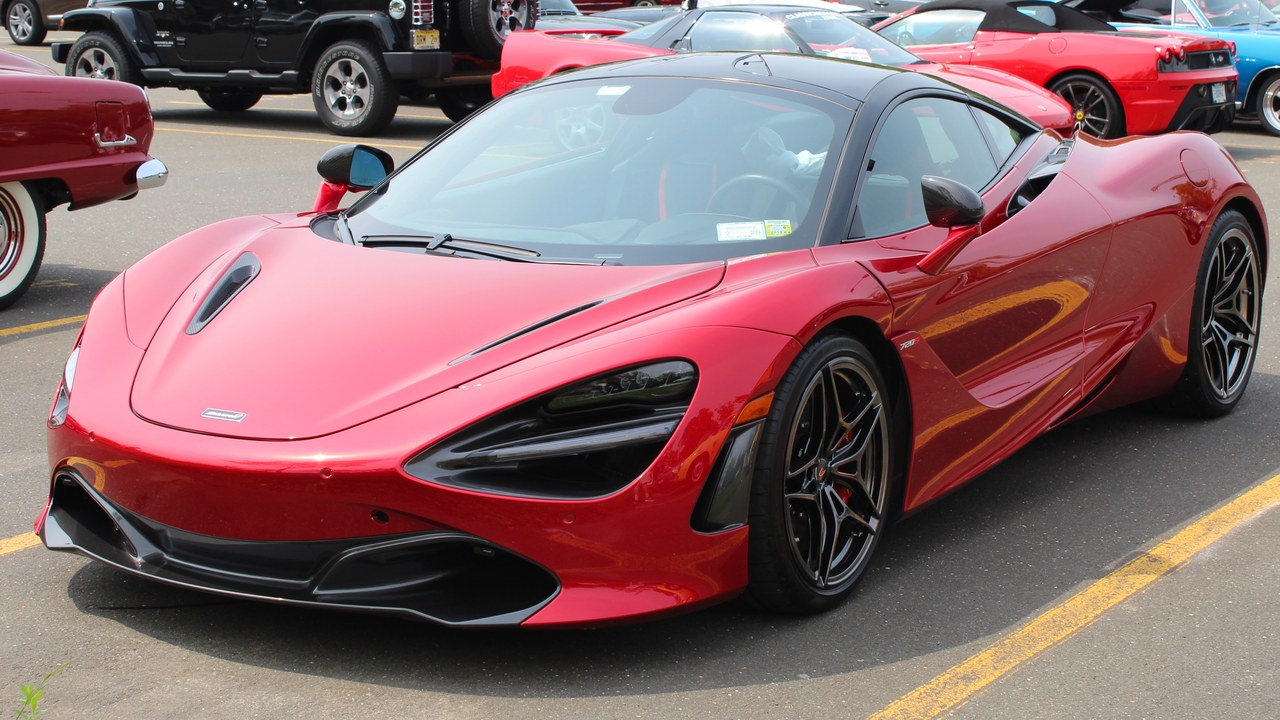
McLaren built the 720S around its M840T engine, a 4.0-liter twin-turbocharged V8 that keeps the flat-plane crankshaft found throughout the brand’s modern lineup. The M840T makes 710 horsepower, proof that the flat-plane layout works just as well with forced induction as it does in naturally aspirated exotics.
McLaren’s entire current model range, from the smallest Sports Series car up through its flagship hypercars and its earlier 12C and 650S models, shares this same basic flat-plane V8 architecture, a consistency few rival manufacturers match across their own lineups.
7. Lotus Esprit V8: A British V8 With An Italian Layout
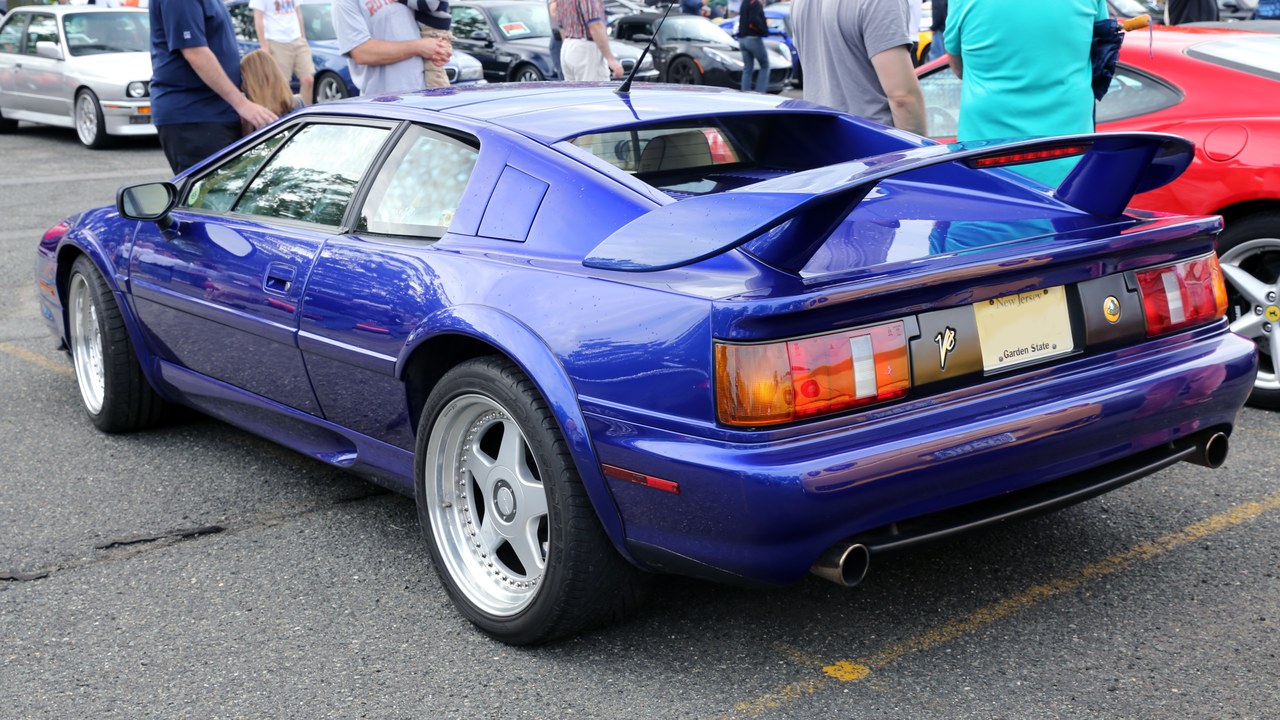
Lotus built its own all-aluminium V8 for the Esprit rather than sourcing one from another manufacturer, and the twin-turbocharged Type 918 engine used a flat-plane crankshaft despite coming from a small, low-volume British automaker. That V8 made 350 horsepower, a serious jump over the four-cylinder Esprits that came before it.
Lotus offered the V8 Esprit alongside the four-cylinder turbo model for several years in the late 1990s, giving buyers a genuine choice between the brand’s traditional lightweight formula and a proper V8 flagship built in comparatively tiny numbers overall.
8. Ferrari 488 GTB: A Modern Take On An Old Ferrari Habit
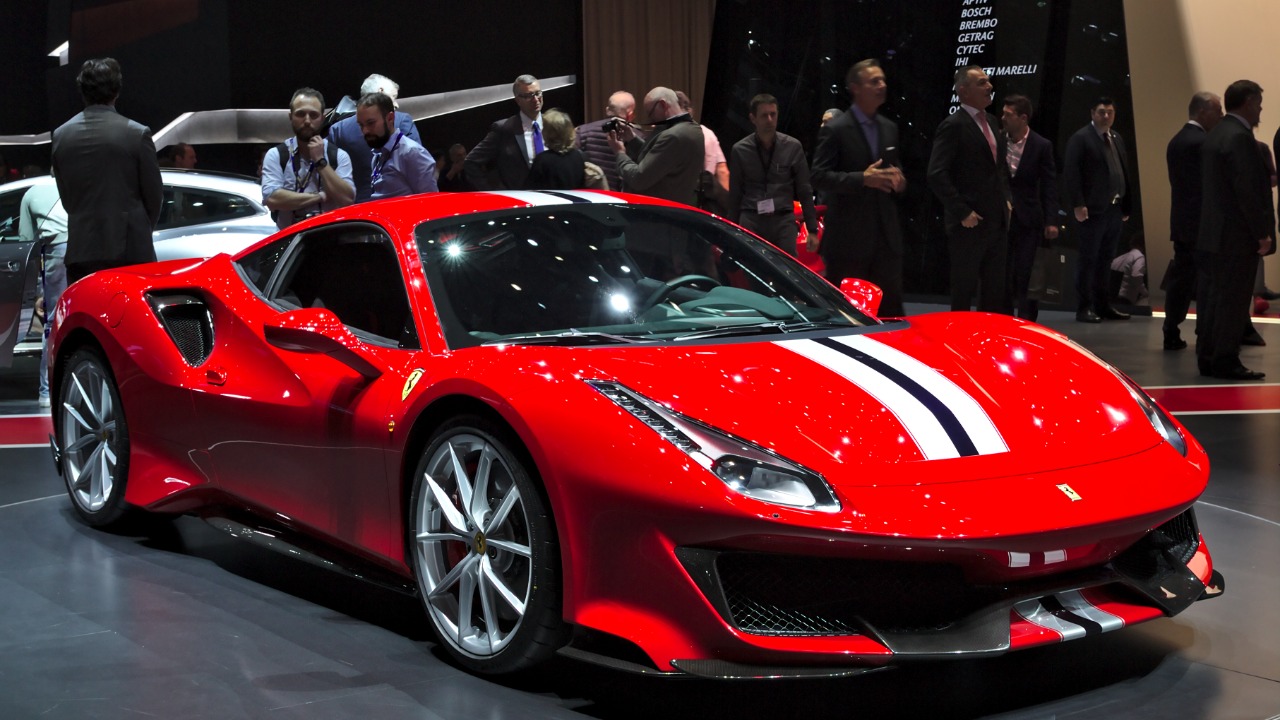
Ferrari kept the flat-plane crankshaft tradition alive in the 488 GTB’s twin-turbocharged F154 V8, a 3.9-liter unit that traces its architecture back through decades of mid-engined V8 Ferraris. The F154 retained a dry-sump lubrication system alongside its flat-plane layout, both details borrowed straight from the brand’s racing programs.
Adding turbochargers to a flat-plane V8 is harder to get right than doing it with a cross-plane engine, since the uneven firing pulses can strain a turbo’s exhaust housing, which is part of why so few other manufacturers bother.
9. Ferrari 308 GTB: Where Ferrari’s Flat-Plane V8 Habit Started
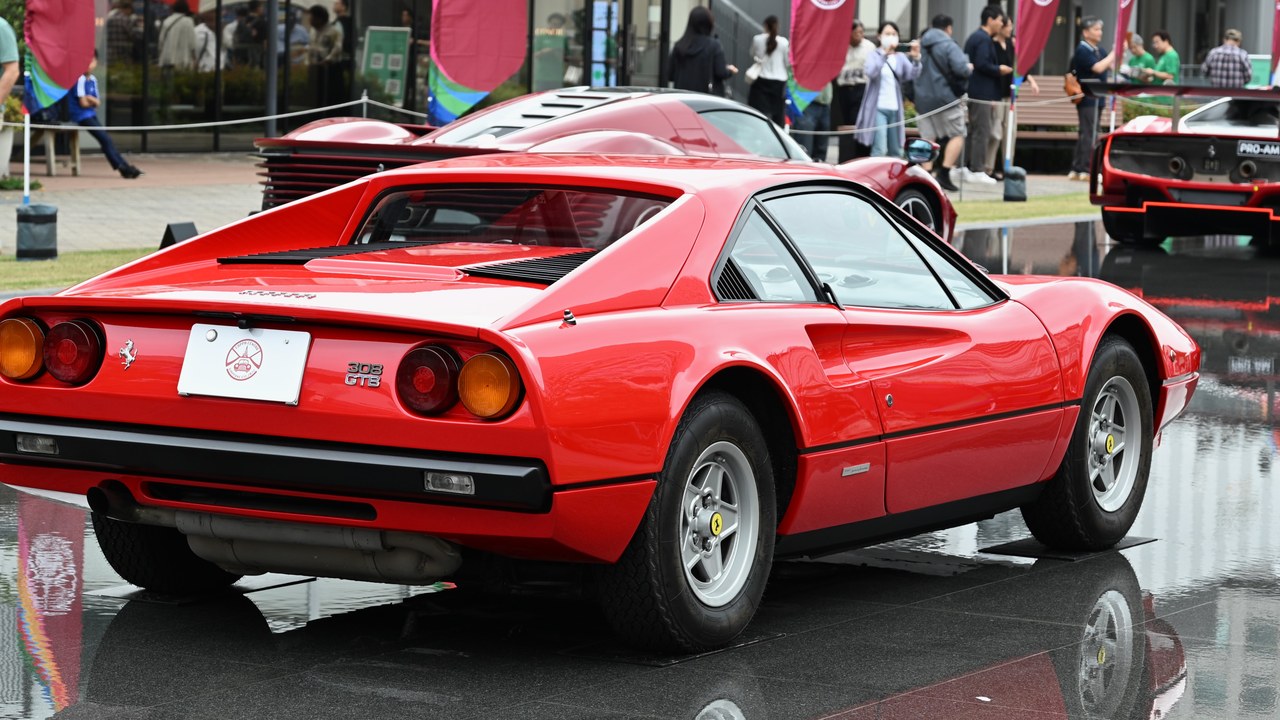
Ferrari built the 308 GTB’s V8 from its Dino engine family, and that lineage is exactly where the brand’s enduring commitment to the flat-plane crankshaft in its V8s took root. The Dino-derived V8 carried the same basic architecture that Ferrari’s V8 flagships still use today, decades and several redesigns later.
Introducing the 308 GTB in 1975 as an entry point below Ferrari’s V12 cars, the flat-plane V8 gave it a sharper, more race-derived exhaust note than a cross-plane engine would have, a trait every V8 Ferrari since has kept.
More from Morning Overview
- Herbal supplements are landing Americans in the hospital with liver damage, doctors warn
- Long-term use of common heartburn pills is linked to kidney and dementia risk
- 9 pickup trucks with a reputation for falling apart after 100,000 miles
- Consumer Reports names the 2026 models it expects to break down the most
