
Nuclear plants supply a steady share of American electricity, and the biggest sites rank among the largest power stations of any kind in the country. This gallery covers those capacity leaders along with plants that recently drew federal financing or regulatory attention. Here are ten of them.
Save more, waste less: The Cool Down’s newsletter sends smart, simple changes that help you and the planet in your everyday life.
We may earn a commission if you sign up.
1. Vogtle Electric Generating Plant: The Nation’s Biggest Plant
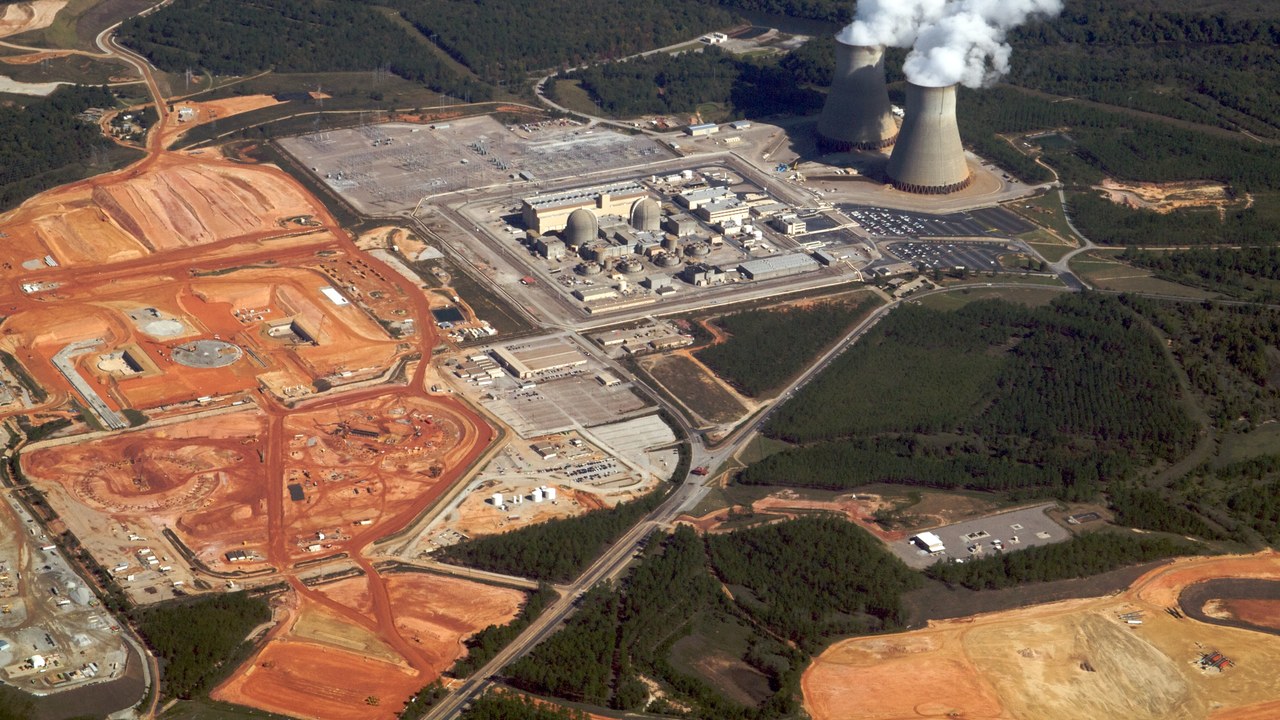
Georgia’s Vogtle tops the federal reactor capacity table, with 4,530 megawatts of net summer capacity. No other U.S. nuclear station in the table reaches that figure, which makes the site the natural opening entry on any list of plants that carry the grid.
That number is a plant-wide total rather than the output of one reactor. It reflects summer-rated capacity from the 2025 data, so the ranking describes what the site can deliver in peak conditions, not what it generates in an average hour of the year.
2. Palo Verde Nuclear Generating Station: Arizona’s Desert Giant
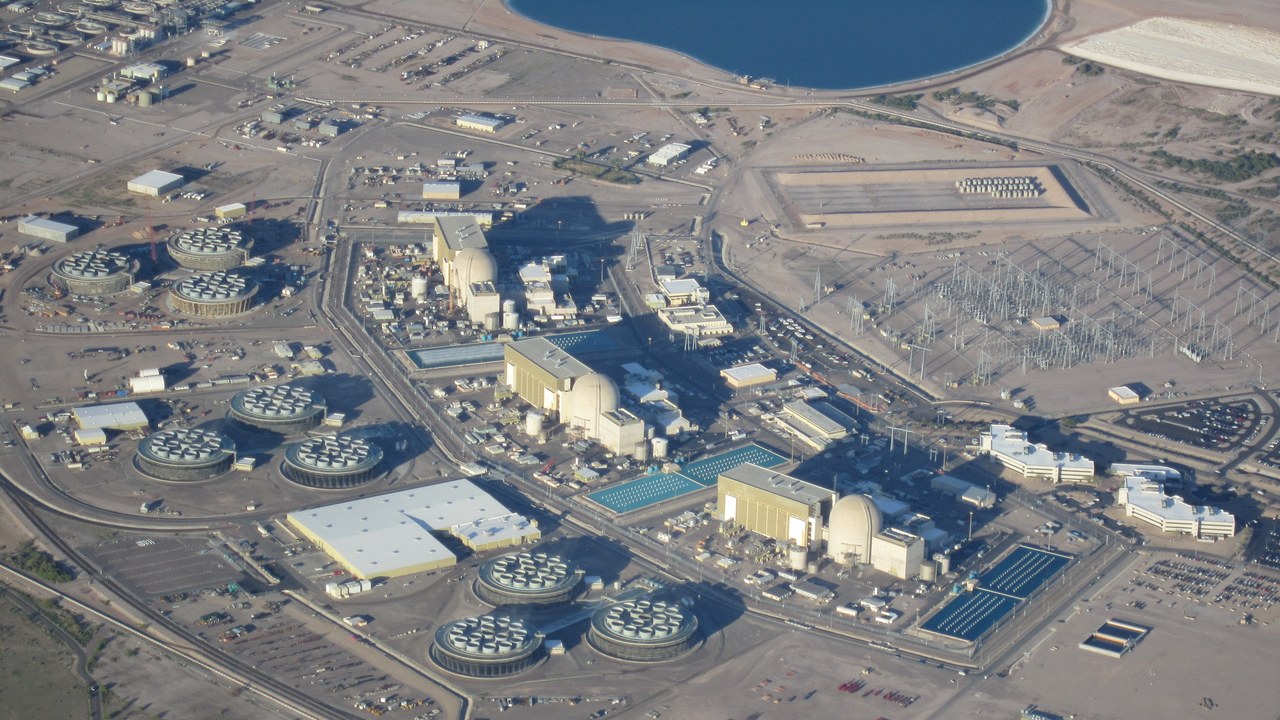
Arizona’s Palo Verde station runs three reactors, each rated at roughly 1,311 to 1,314 megawatts, according to the EIA capacity listing. Together they total 3,937 megawatts, which places the desert site second among the plants profiled here.
The total comes from adding three similar units, so the station’s strength is repetition at scale rather than any single oversized machine. That layout lets one site carry a very large block of electricity from a single footprint, and it explains why the plant is so closely watched.
3. Browns Ferry Nuclear Plant: TVA’s Largest Station
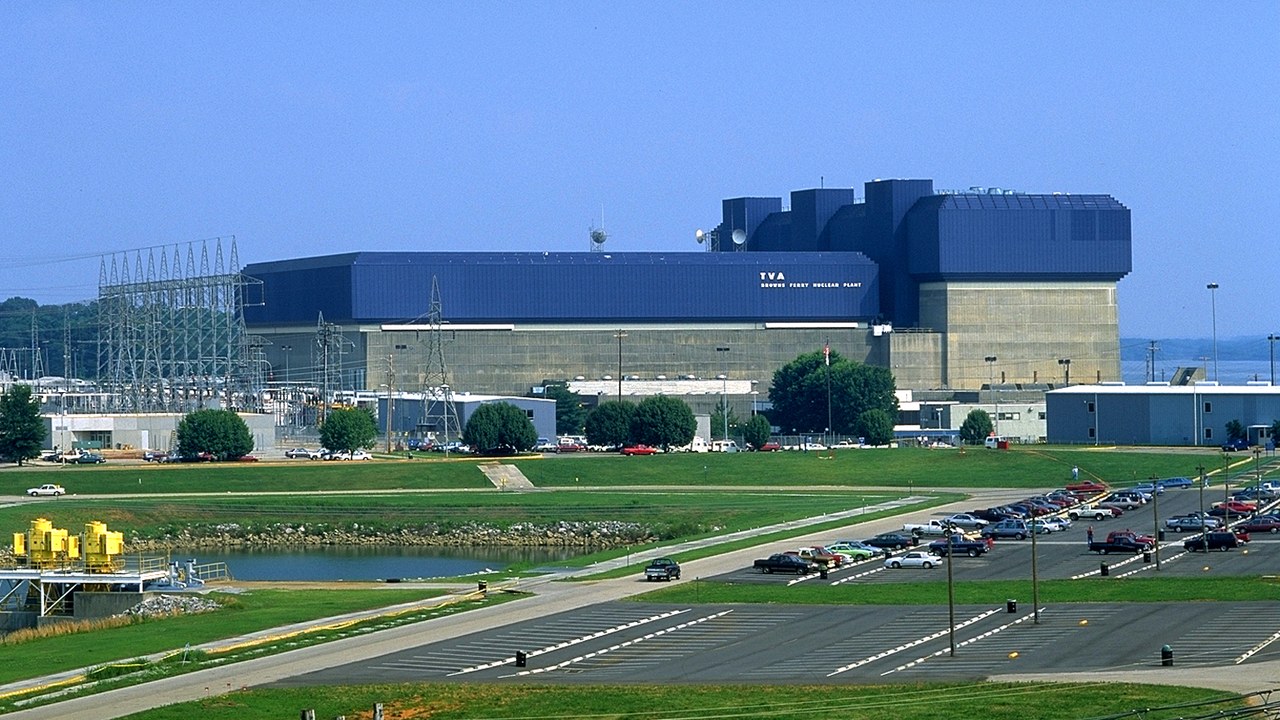
Alabama’s Browns Ferry combines three reactors for 3,662 megawatts, which the EIA reactor data shows as the largest nuclear station the Tennessee Valley Authority runs. The federal utility operates a broader fleet, and this site stands out within it.
Capacity of that size means a single station supplies power on a scale usually associated with several smaller plants. For a utility with other nuclear sites, having one clear flagship shapes how the whole system gets planned, staffed and maintained over the years.
4. Comanche Peak Nuclear Power Plant: Texas Power Southwest of Fort Worth
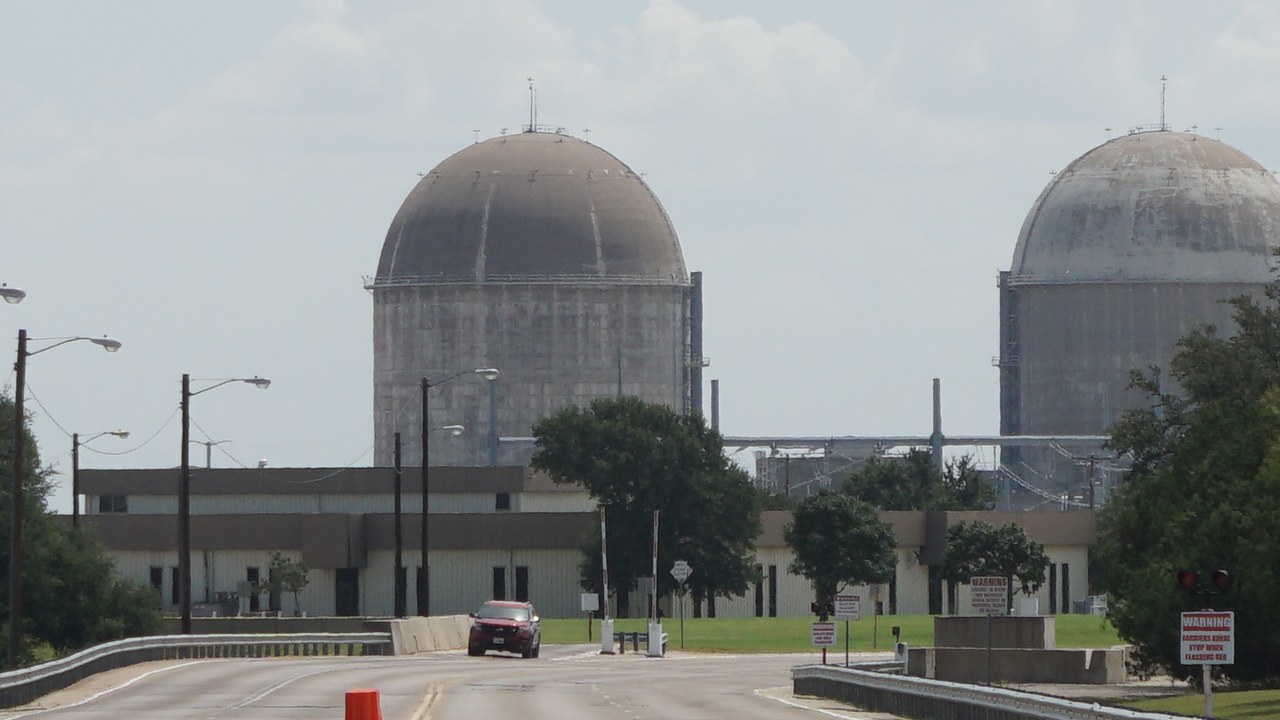
Southwest of Fort Worth, Texas, Comanche Peak is rated at 2,425 megawatts, a figure drawn from the list of largest U.S. power stations. That rating places the plant fourth among the sites featured in this gallery.
The listing compares the plant against power stations of every kind across the country, so the rating works as a practical yardstick for scale. It is a rated figure, which means actual delivery on any given day can differ with operating conditions and maintenance schedules.
5. Salem Nuclear Power Plant: Artificial Island’s Big Station
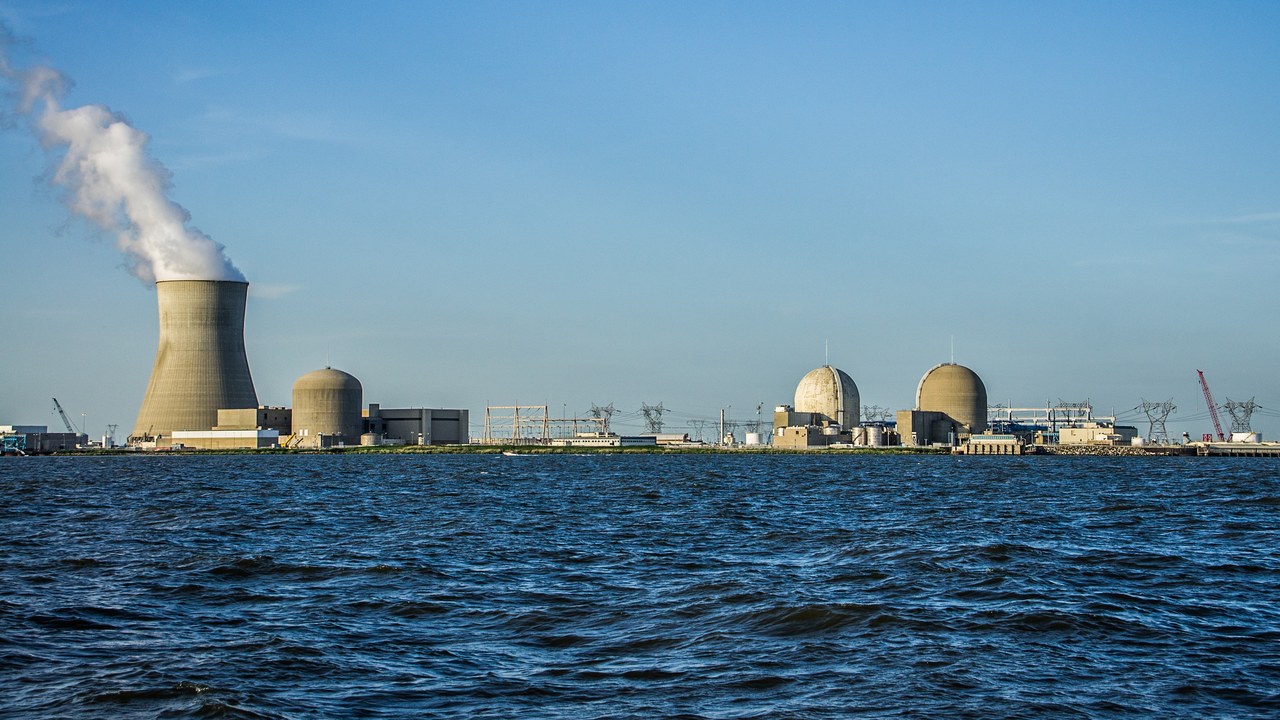
On Artificial Island in New Jersey, the Salem plant is rated at 2,327 megawatts, as the largest power stations list records. The unusual island setting gives the station a distinctive place on the state’s map.
Salem is a single entry in a ranking of the country’s biggest power stations, which shows how nuclear sites stack up against other large generators. Its mid-table position here still represents a very substantial block of steady output for the New Jersey region and beyond.
6. Diablo Canyon Power Plant: California’s Last Nuclear Station
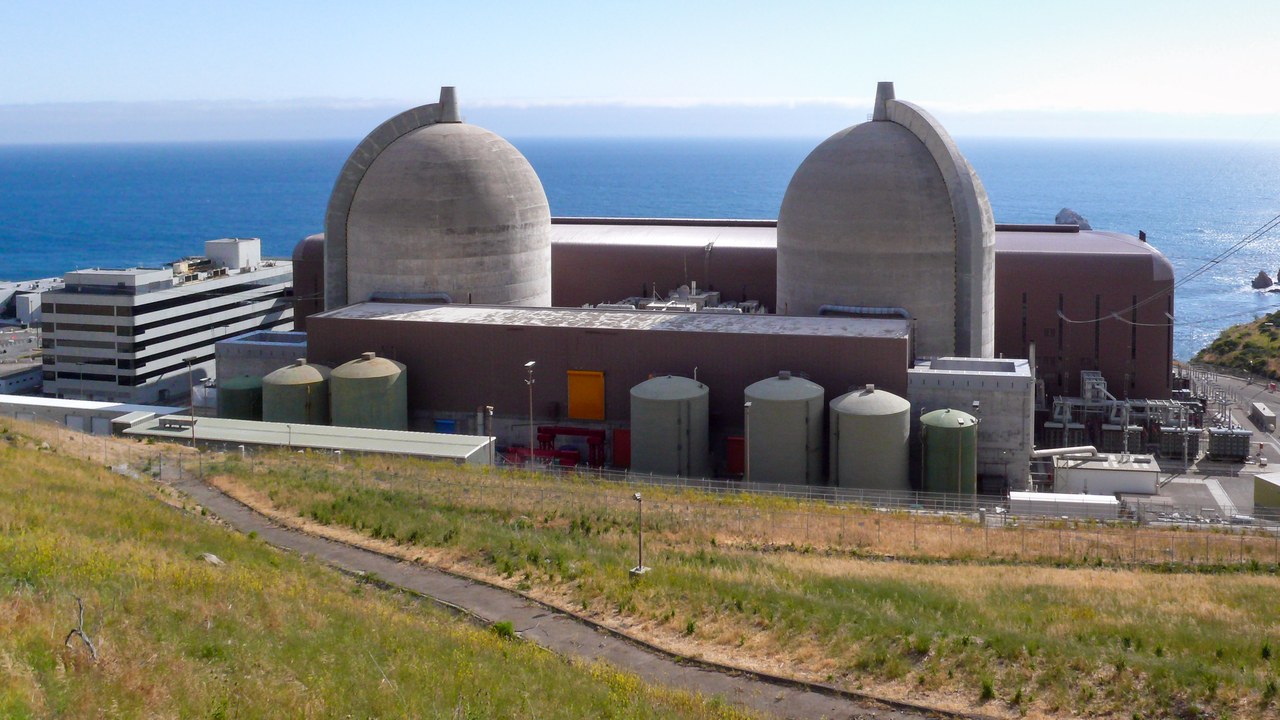
Diablo Canyon on the California coast is rated at 2,256 megawatts, according to the list of largest power stations. The plant is described as the state’s last operating nuclear station, which sets it apart from every other entry in this gallery.
As the lone survivor of California’s nuclear fleet, the plant carries outsized importance in a state with a very large electricity appetite. Its rated capacity makes it a major single source of steady, around-the-clock power that the grid there would otherwise need to replace.
7. Beaver Valley Nuclear Power Station: A Pennsylvania Plant in a $4.2 Billion Deal
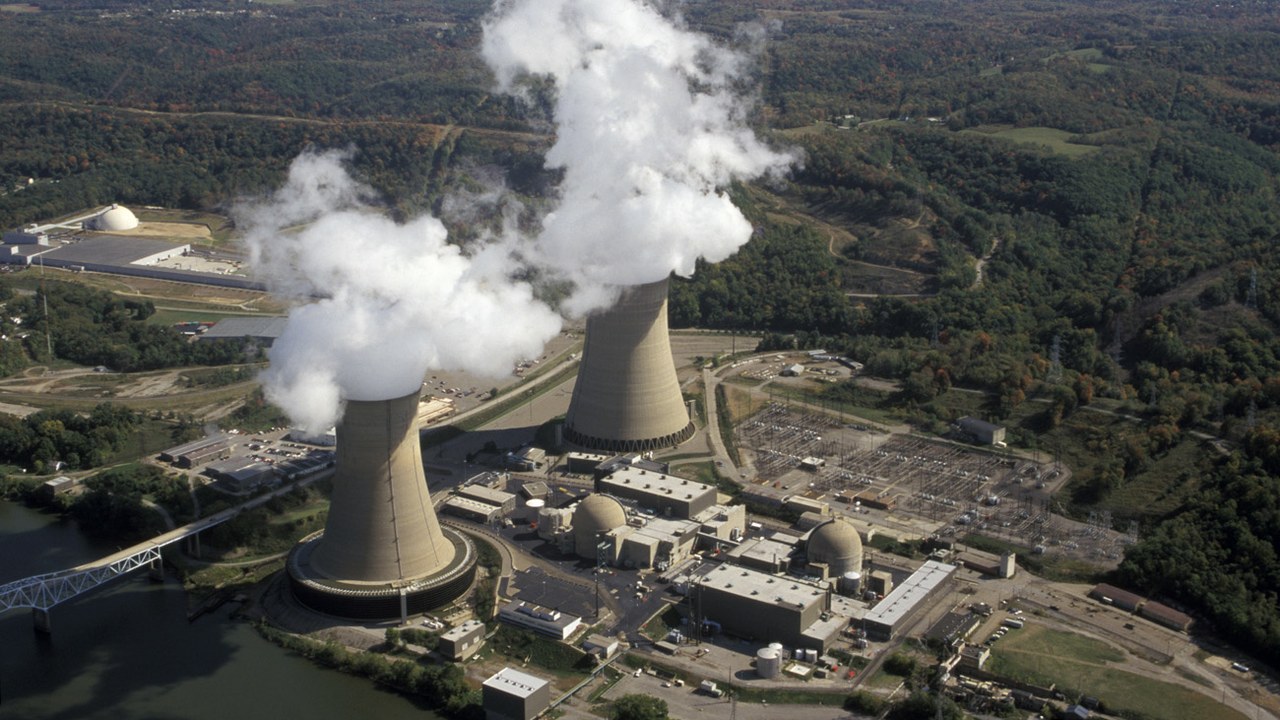
Pennsylvania’s Beaver Valley is part of a conditional loan commitment of up to $4.2 billion to Vistra, announced Oct. 5, 2026, in an Energy Department announcement. The commitment ties the plant to a federal push to strengthen nuclear generation.
A conditional commitment is not a finished loan, so the financing still depends on terms being met before money moves. The announcement nonetheless signals that Washington sees existing plants such as Beaver Valley as assets worth backing, rather than treating new construction as the only path.
8. Davis-Besse Nuclear Power Station: Ohio’s Davis-Besse and the Capacity Boost
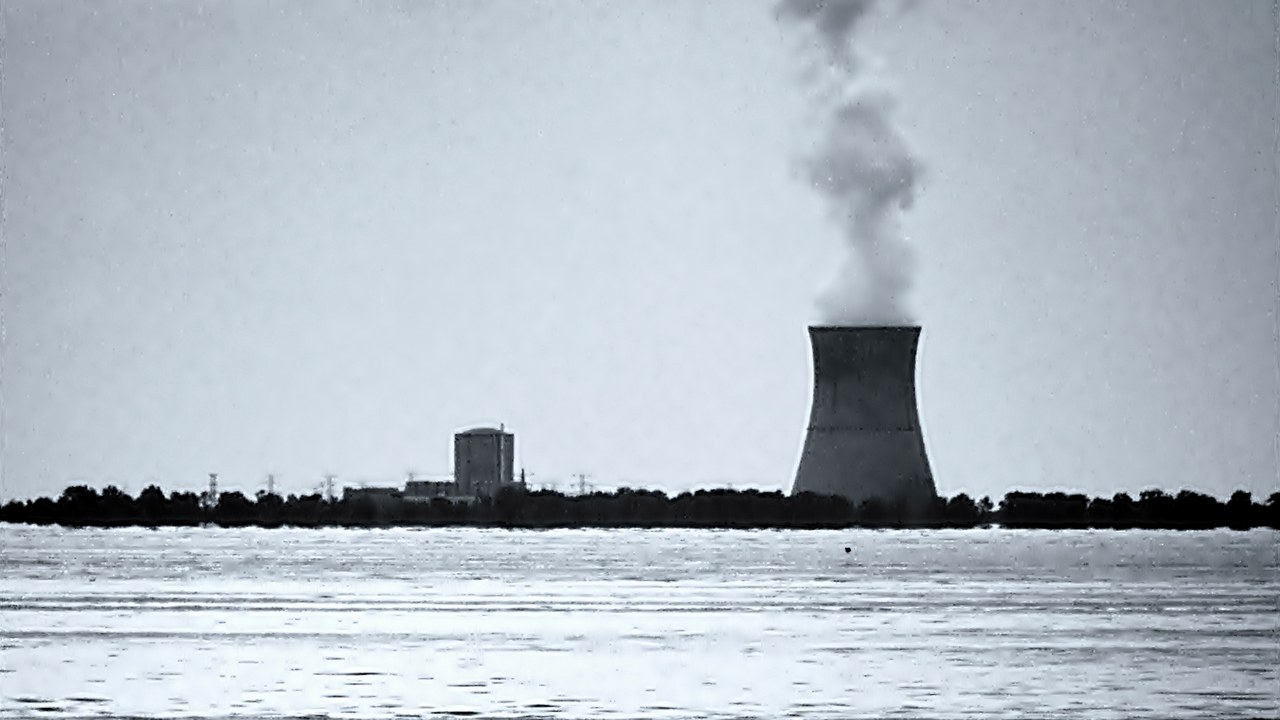
Davis-Besse is one of two Ohio plants covered by the same Vistra financing, a deal that would add 433 megawatts of new nuclear capacity, based on the Energy Department release. The Ohio plant therefore features here for a pending upgrade rather than for its size.
Adding capacity at an existing site can be quicker than building a new station from scratch, which helps explain the federal interest. The figure is tied to a conditional commitment, so it describes what the deal would deliver, not what is already running today.
9. Perry Nuclear Generating Station: Perry and Two More Decades
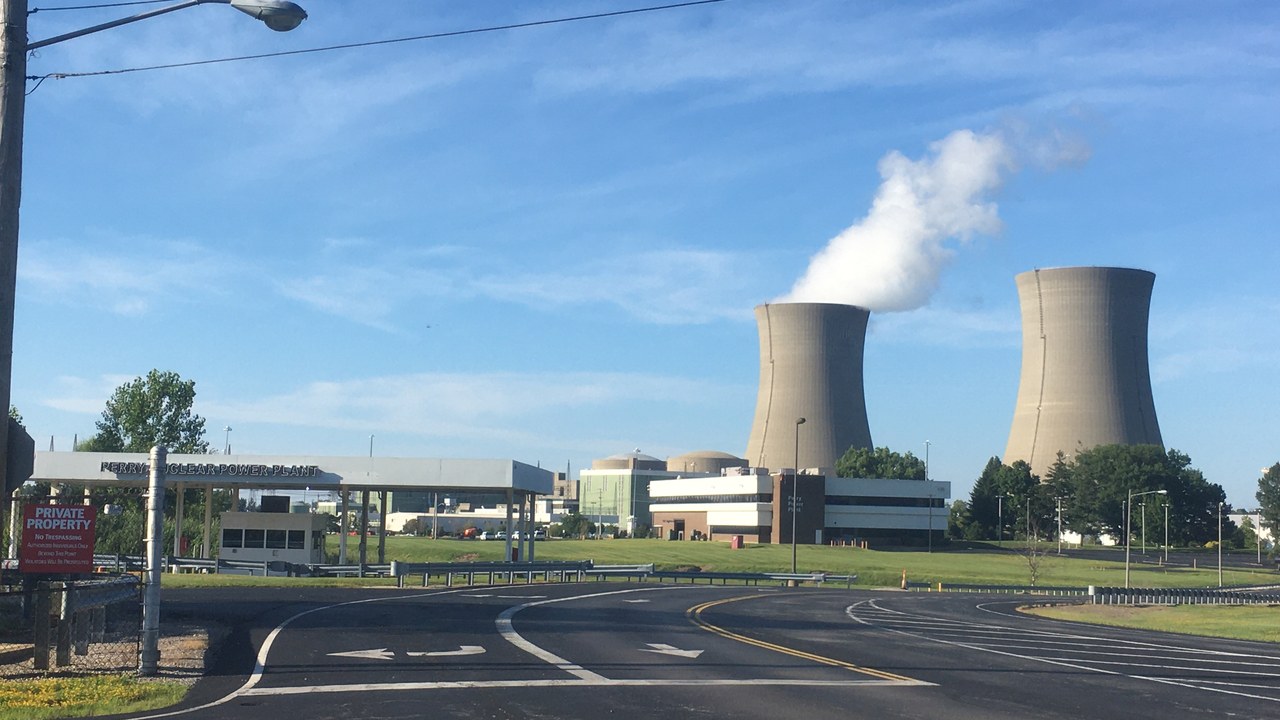
Perry is the other Ohio plant in the Vistra deal, and the financing would support operation for 20 more years beyond existing licenses, the DOE announcement states. That extension is the central reason the station appears in this gallery.
Keeping a plant running past its current license is a different goal from building new capacity, and both appear in the same federal package. The outcome rests on a conditional commitment, so the 20-year horizon remains an objective tied to the deal moving forward.
10. Dresden Generating Station: A Corroded Battery Connection
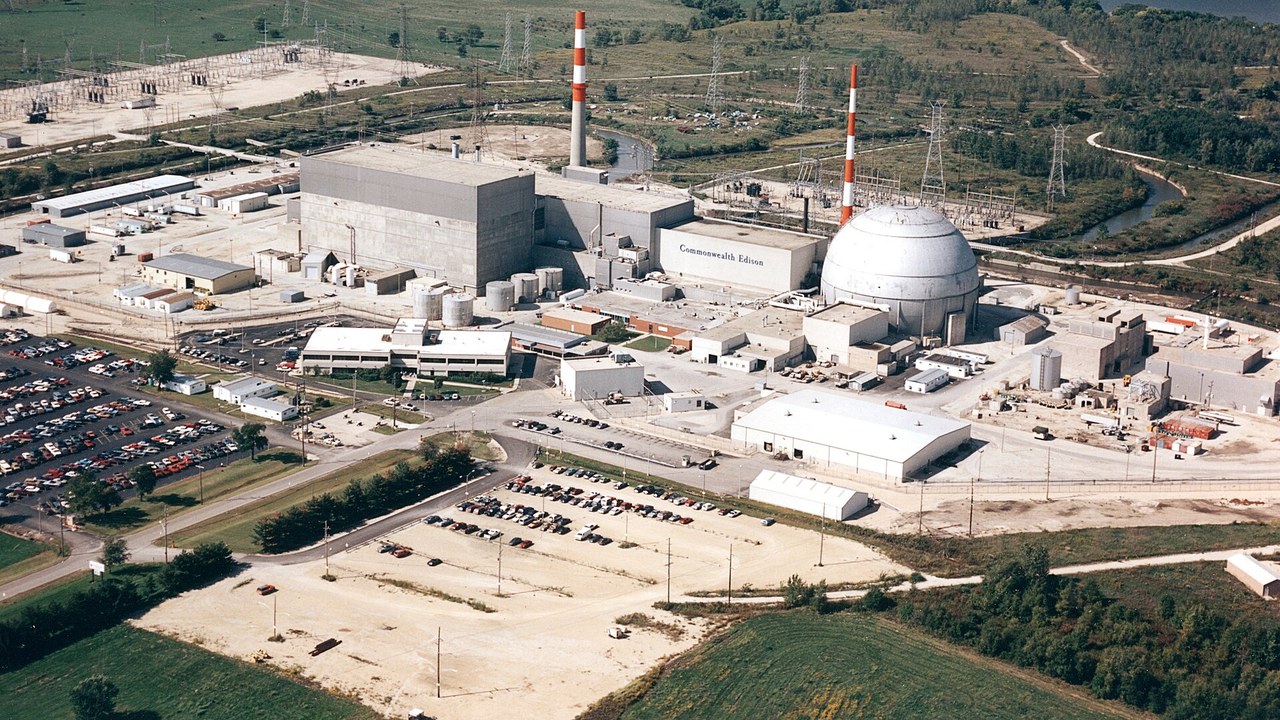
The Nuclear Regulatory Commission opened a special inspection at the two-unit Dresden plant near Morris, Illinois, after a corroded battery connection broke during maintenance, according to an NRC news release. Dresden joins the list as a plant under close federal scrutiny.
A special inspection is a step regulators take to examine the cause and significance of an event at a facility. It shows that even long-running plants face active oversight, and that a single failed component can draw a dedicated team of inspectors to the site.
Save more, waste less: Subscribe to The Cool Down →
We may earn a commission if you sign up.
More from Morning Overview
- Ford is recalling 223,472 F-150 pickups because the fuel tank can leak or detach
- Hybrids have 15% fewer problems than gas cars, while EVs and plug-in hybrids have about 80% more, Consumer Reports finds
- Regulators cleared the first U.S. small modular reactor, 4 months early
- Lake Powell sank to a record 3,517 feet, nearing the level that stops Glen Canyon Dam’s turbines
