
Market dominance in technology has proved to be one of the least durable advantages in business. Companies that once controlled the majority of a category have been reduced within a decade of their peak to licensing deals, restructurings and private buyouts, undone by a format shift they could see coming and could not act on. Here are eight technology giants whose dominance collapsed.
1. Kodak: The Film Monopoly That Invented Its Own Killer
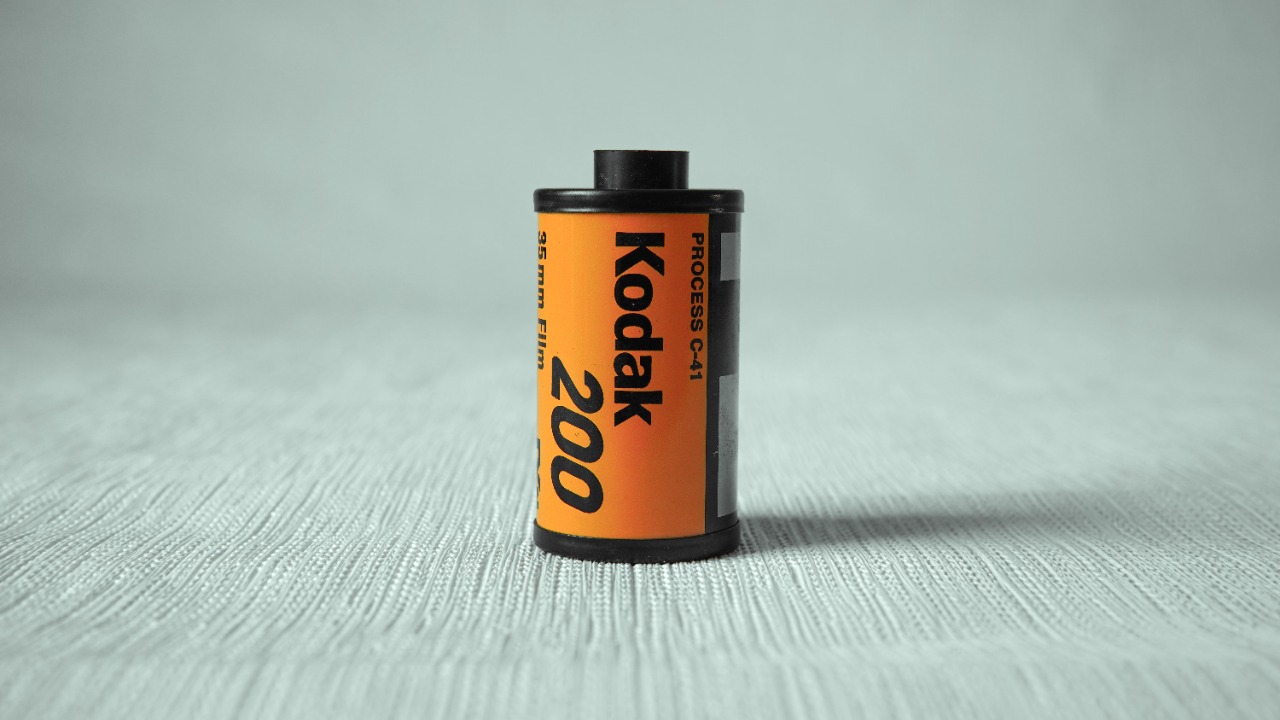
By 1976 Eastman Kodak’s film business accounted for roughly 90 percent of the photographic film sold in the United States and 85 percent of the cameras, a near-monopoly built on cheap hardware and expensive consumables. Engineer Steven Sasson had already assembled the first self-contained digital camera prototype inside the company in 1975. Management shelved it rather than cannibalize the film margin that funded everything, and that margin evaporated anyway once image sensors became cheap enough for phones.
Kodak filed for Chapter 11 bankruptcy protection in January 2012 and emerged in September 2013 as a far smaller commercial-printing and advanced-materials firm. Employment had peaked near 145,000 in the late 1980s. The company still trades, but the consumer franchise is gone.
2. Nokia: Forty Percent Of The World’s Handsets
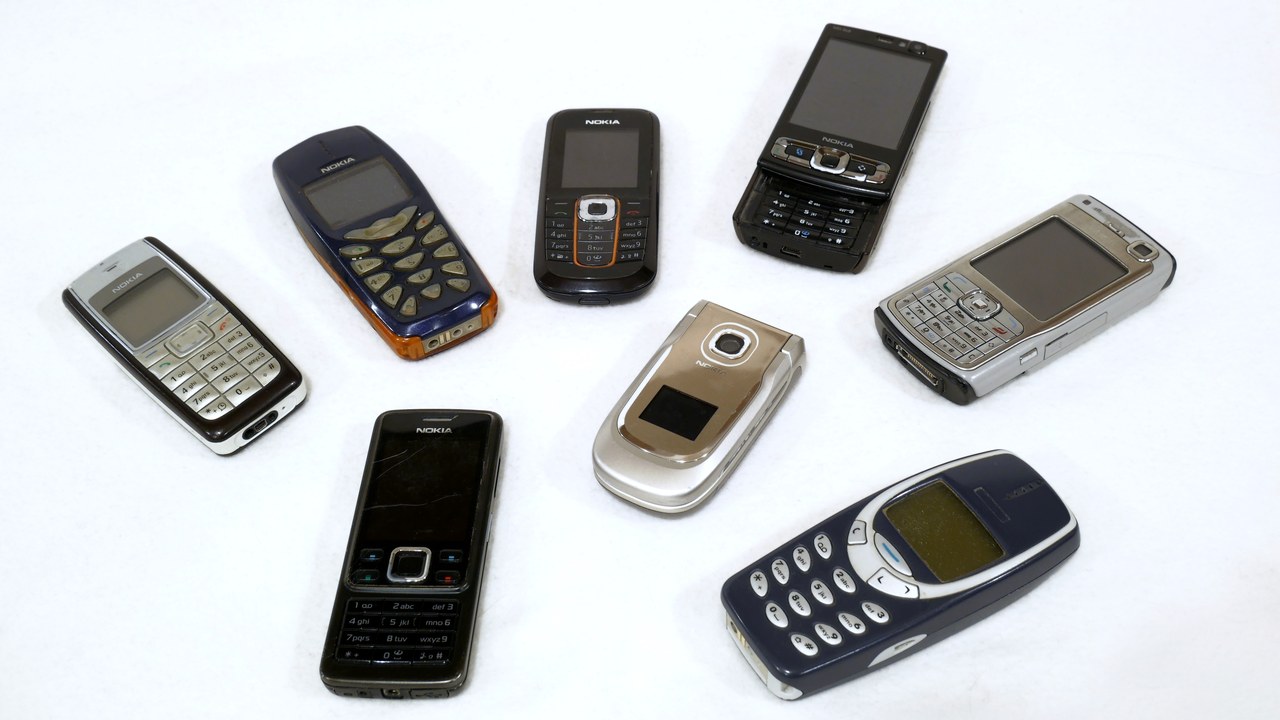
At the close of 2007, Nokia’s mobile phone unit shipped roughly 40 percent of the world’s handsets, a share no manufacturer has approached since. The Symbian software underneath those devices had been engineered for keypads and frugal hardware, and it could not be retrofitted into a touchscreen platform with a credible app store once the iPhone landed in 2007 and Android followed in 2008. A 2011 bet on Windows Phone accelerated the decline.
Microsoft bought the devices and services business in 2014 for about 5.4 billion euros and wrote off most of that value within two years. Nokia itself never disappeared: the company sells telecom network equipment from Espoo, and the phone brand now runs under licence to a separate manufacturer.
3. BlackBerry: The Corporate Standard That Lost Its Users
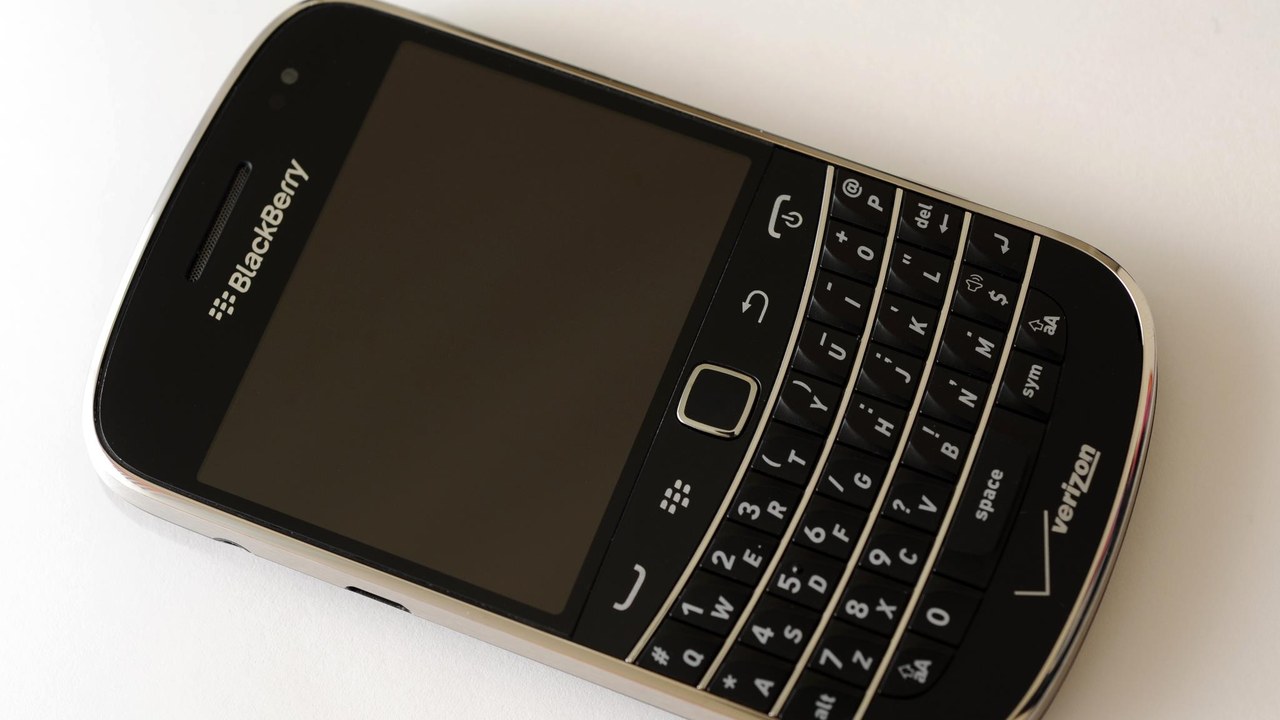
Research In Motion took close to 20 percent of global smartphone shipments in 2009 and roughly half the United States market the following year, because BlackBerry’s encrypted messaging network made the handsets standard issue in banks, law firms and government departments. Subscribers peaked near 80 million in 2012. Touchscreen rivals with vastly larger app catalogues took the consumer market first, and the corporate market followed once staff began bringing their own phones to work.
The company stopped designing its own handsets in 2016 and switched off service for legacy BlackBerry devices in January 2022. BlackBerry Limited still trades, selling cybersecurity software and the QNX operating system embedded in millions of cars.
4. Blockbuster: Nine Thousand Stores And One Refused Deal
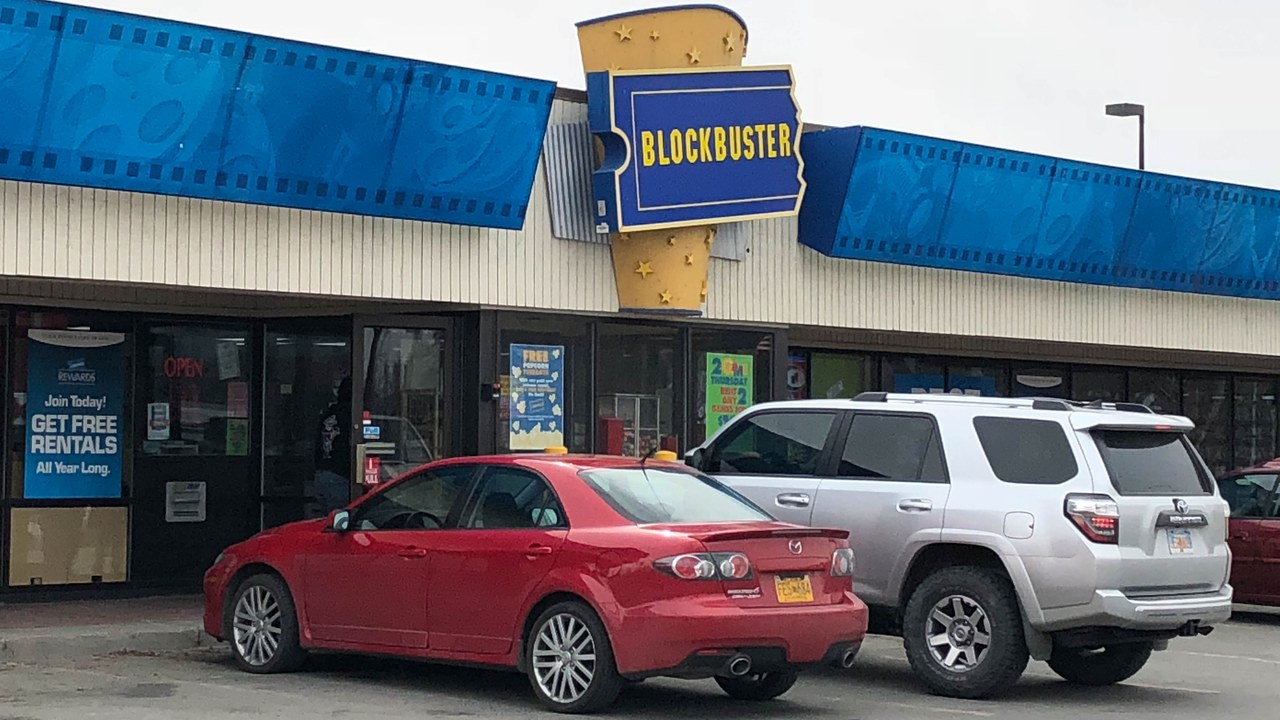
At its 2004 peak Blockbuster’s store network spanned roughly 9,000 locations and about 84,000 employees, and a substantial share of its profit came from late fees rather than the rentals themselves. In 2000 the chain declined the chance to buy Netflix, then a mail-order rental startup, for 50 million dollars. Mail delivery and then streaming removed any reason to drive to a store, and the penalty income holding up the economics vanished with the foot traffic.
Blockbuster filed for Chapter 11 in September 2010, was bought out of bankruptcy by Dish Network in 2011, and shut its last company-owned stores in 2014. One franchised outlet in Bend, Oregon is still open, trading on the nostalgia the collapse created.
5. Yahoo: The Portal That Turned Down 44 Billion Dollars
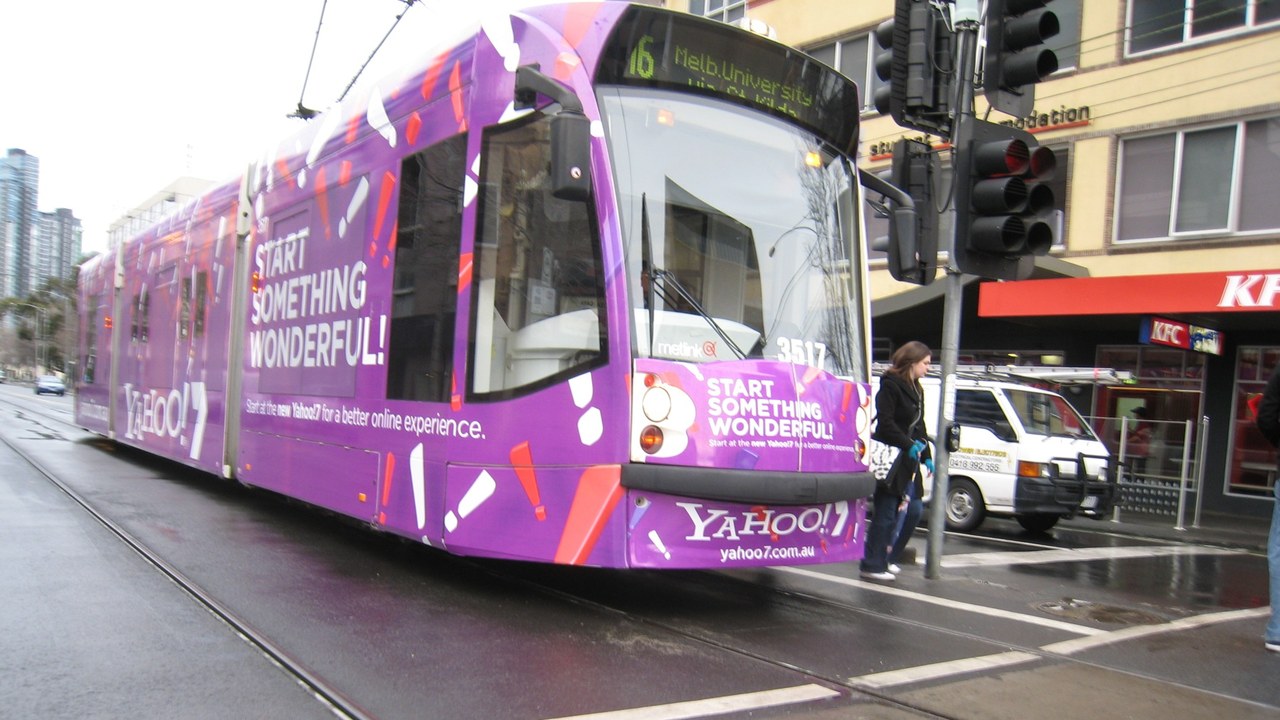
In January 2000 Yahoo’s market capitalization reached roughly 125 billion dollars, when the portal was the default front page of the web and its hand-built directory was how most people found anything online. Search was treated as a feature worth outsourcing rather than a business worth owning, and Google took both the traffic and the advertising economics attached to it. In 2008 the board rejected a Microsoft takeover offer worth about 44.6 billion dollars.
Verizon bought the core internet business in 2016 for roughly 4.8 billion dollars, a price trimmed after the disclosure of record-scale data breaches. Yahoo still runs mail, finance and news properties, owned since 2021 by the private-equity firm Apollo Global Management.
6. Palm: The Handheld Pioneer Swallowed By The Phone
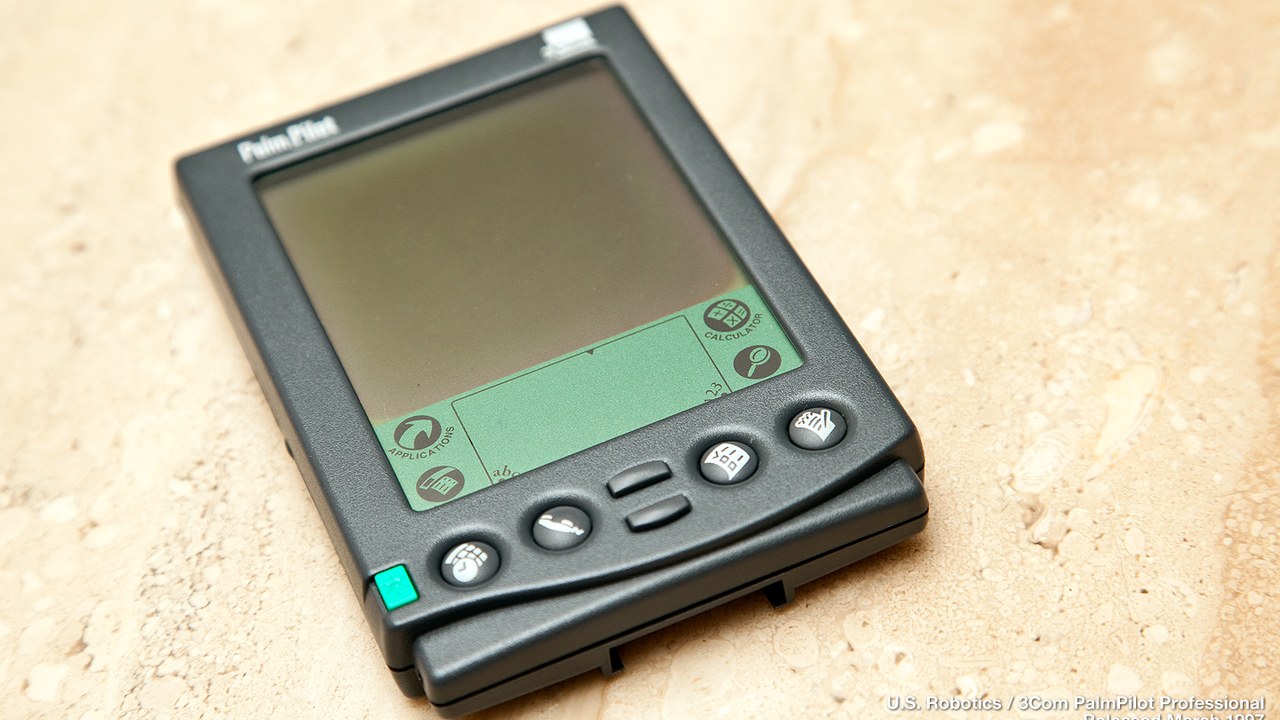
Released in 1996, the PalmPilot turned the handheld organizer into a mainstream object, and by the turn of the century Palm’s handheld operating system ran on the large majority of personal digital assistants sold worldwide. Mobile phones then absorbed the calendar, the address book and eventually email, leaving no separate device left to buy. Palm’s own answer, the webOS-powered Pre, did not reach buyers until 2009, two years behind the iPhone.
Hewlett-Packard acquired Palm in 2010 for about 1.2 billion dollars and cancelled the TouchPad tablet roughly seven weeks after launching it. LG bought webOS in 2013, and the software survives today running television sets rather than pocket computers.
7. Compaq: The Top PC Seller Absorbed By A Rival
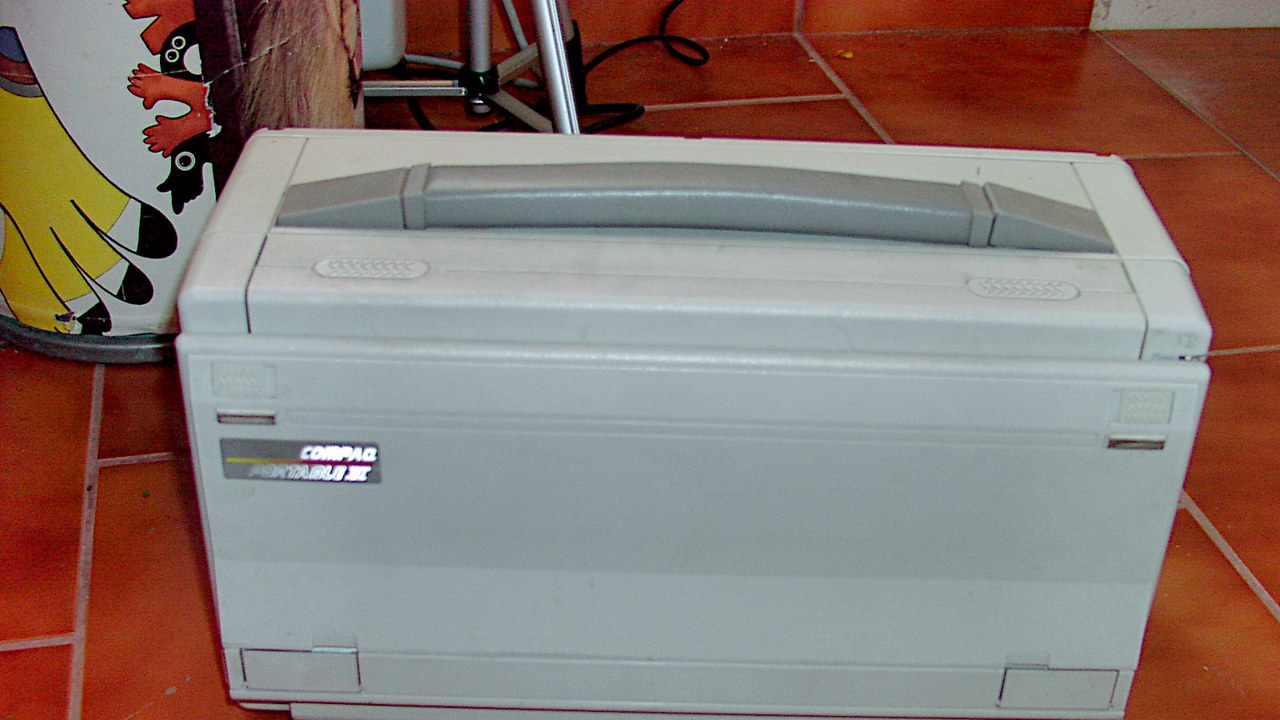
Founded in 1982 around portable IBM-compatible machines, Compaq’s personal computer business grew into the largest PC supplier in the world by the mid-1990s and paid 9.6 billion dollars for Digital Equipment Corporation in 1998. Dell’s build-to-order model then undercut the dealer channel Compaq depended on, while the Digital acquisition piled on enterprise complexity the company could not digest as PC margins collapsed.
Hewlett-Packard absorbed Compaq in a 2002 merger valued at roughly 25 billion dollars, over loud public opposition from a Hewlett family board member. The badge survived another decade on budget desktops and laptops before HP retired it in most markets.
8. Toshiba: The Conglomerate Broken Up And Taken Private
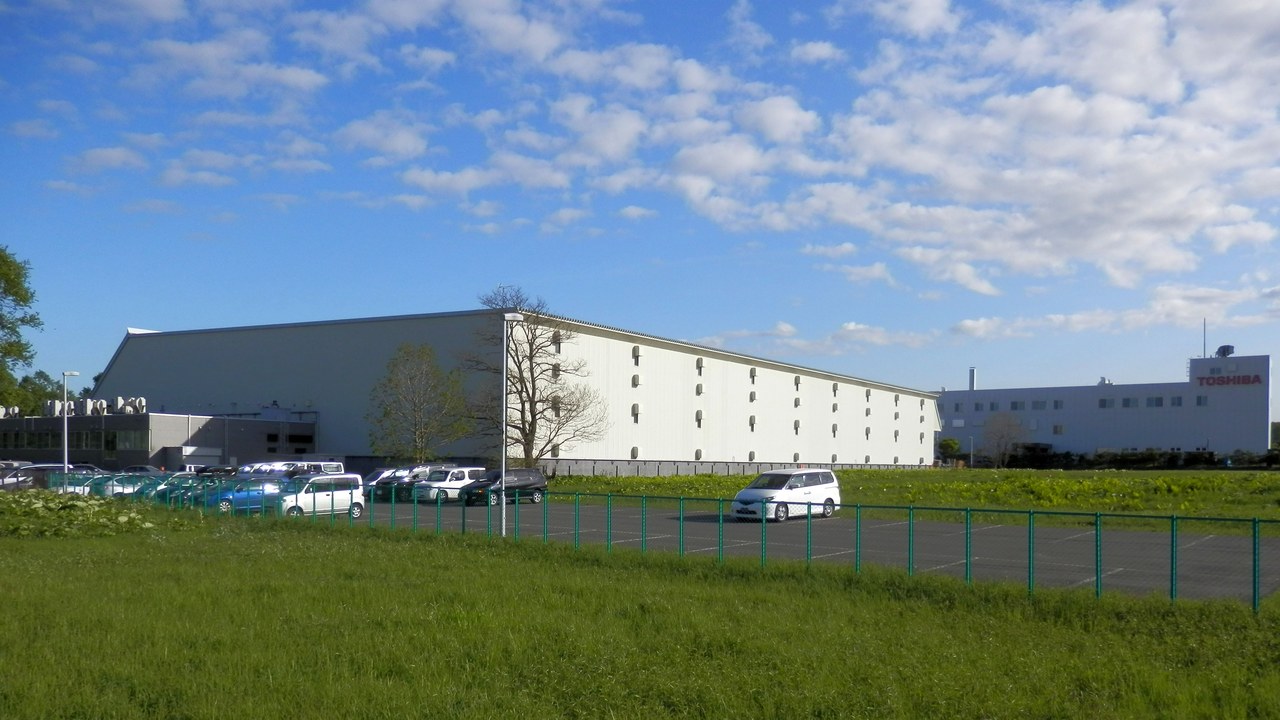
Toshiba admitted in 2015 that it had overstated profits by about 152 billion yen across seven years, and two years later Toshiba’s Westinghouse nuclear unit filed for bankruptcy in the United States, driving a loss of roughly one trillion yen. Covering that hole meant selling the best assets: the memory-chip division went for about 18 billion dollars in 2018, the television business to Hisense and the laptop business to Sharp.
A buyout led by Japan Industrial Partners took Toshiba private in 2023, ending 74 years of listing on the Tokyo Stock Exchange. The company continues to operate in infrastructure and energy equipment, but no longer as a force in consumer electronics.
