
A side-hinged rear door can turn ordinary cargo access into a geometry problem when another vehicle, wall, or shopping cart sits close behind. The design often supports a full-size spare and a broad opening, yet that long swing demands far more clearance than an upward liftgate. These eight SUVs make tight parking spaces especially unforgiving.
1. Mercedes-Benz G-Class: The Spare Swings With the Door
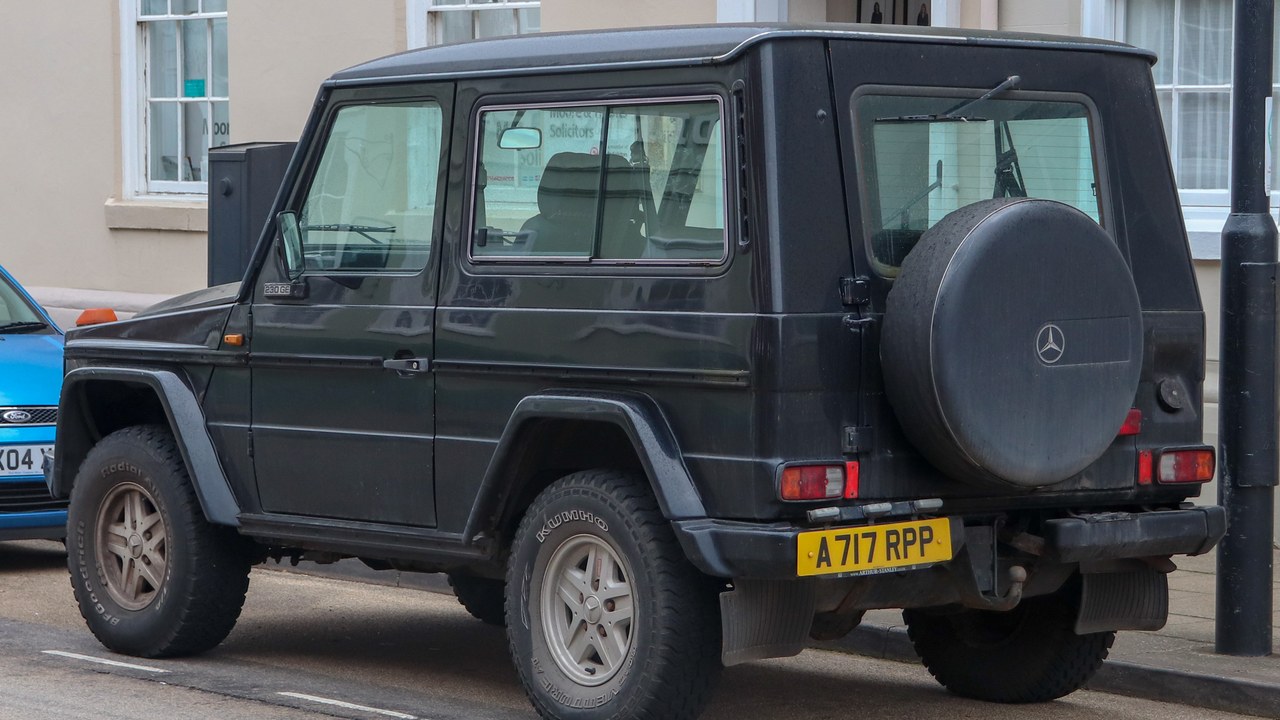
The G-Class rear door is hinged at the side and carries the exposed spare tire, turning the entire assembly into a wide, heavy barrier behind the SUV. Opening it requires a clear arc rather than the vertical space demanded by a liftgate. That difference becomes obvious when the Mercedes is backed close to another vehicle or a garage wall.
Cargo access can therefore require moving the SUV forward before the door can swing far enough to load bulky items. The squared body makes the available space easy to judge, but the spare adds depth and leverage to the opening motion. A parking spot that looks generous from the driver seat can still leave too little room for the rear door to clear an obstacle comfortably.
2. Toyota FJ Cruiser: A Broad Door Needs a Broad Arc
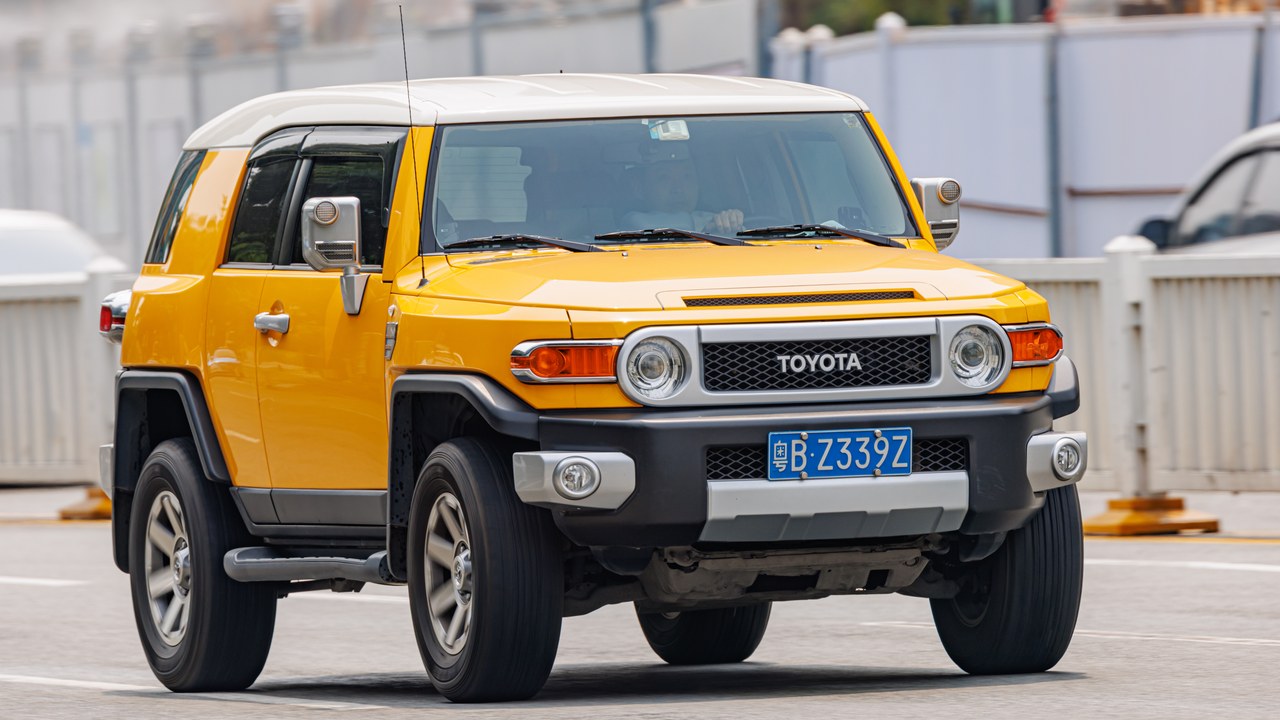
The FJ Cruiser cargo door uses a side hinge and opens as one large panel, so the space behind the Toyota must accommodate its full sweep. The arrangement suits the vehicle’s upright, utility-focused shape, yet it can aim the open door toward the curb and consume the narrow access lane beside a closely parked car.
A driver may have enough room to walk behind the bumper but still lack enough clearance to open the door meaningfully. The problem grows when the spare tire and door edge approach a wall, post, or neighboring tailgate. Loading groceries or luggage then becomes a choice between a partial opening and repositioning the vehicle, which erases much of the convenience expected from a compact SUV.
3. Suzuki Jimny: Small Footprint, Full-Width Swing
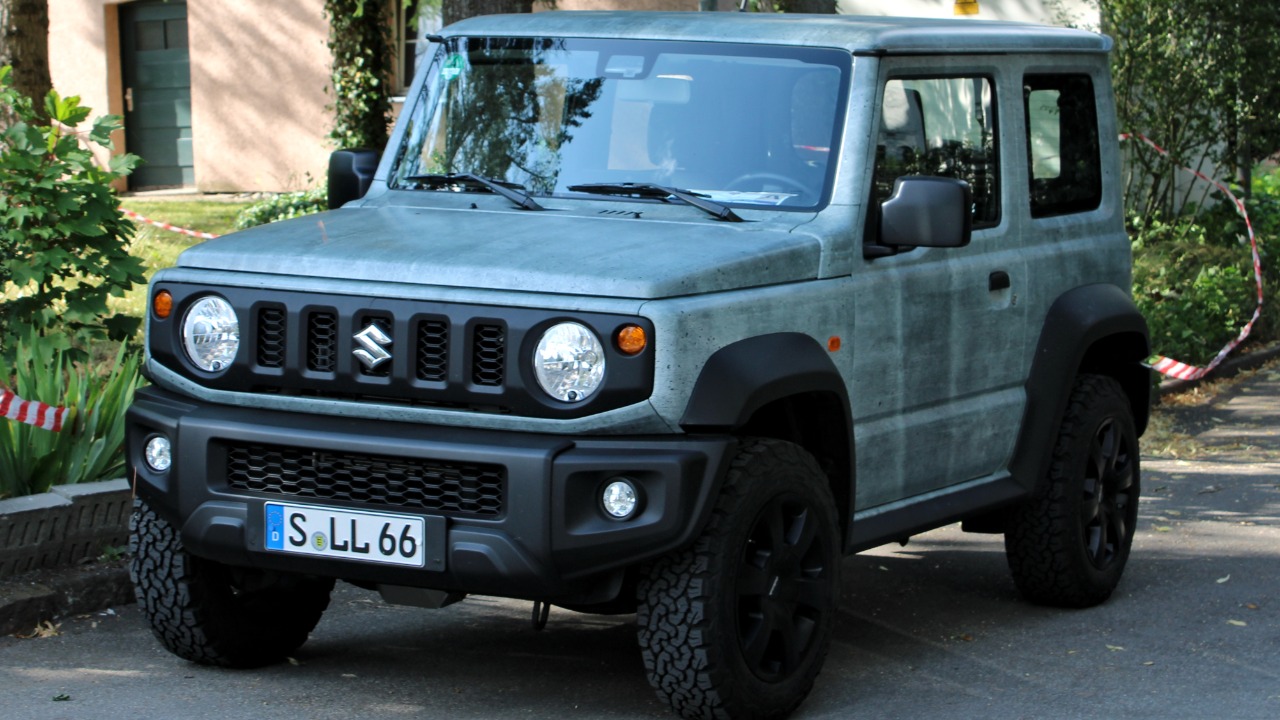
The Suzuki Jimny is compact, but its square rear door still carries the spare and swings sideways across nearly the vehicle’s full width. That contrast can catch drivers off guard: the short body fits into a modest parking space, while the cargo opening asks for a much longer patch of empty ground behind it.
Urban parking exposes the mismatch most clearly. A Jimny can slot between larger vehicles with room to spare at the bumpers, then become difficult to load because the rear door cannot trace its arc. The upright panel also blocks the approach path as it opens, so a person carrying bags needs space both for the door and for a step around it. Compact exterior dimensions do not guarantee compact cargo access.
4. Ford EcoSport: The Tailgate Opens Sideways
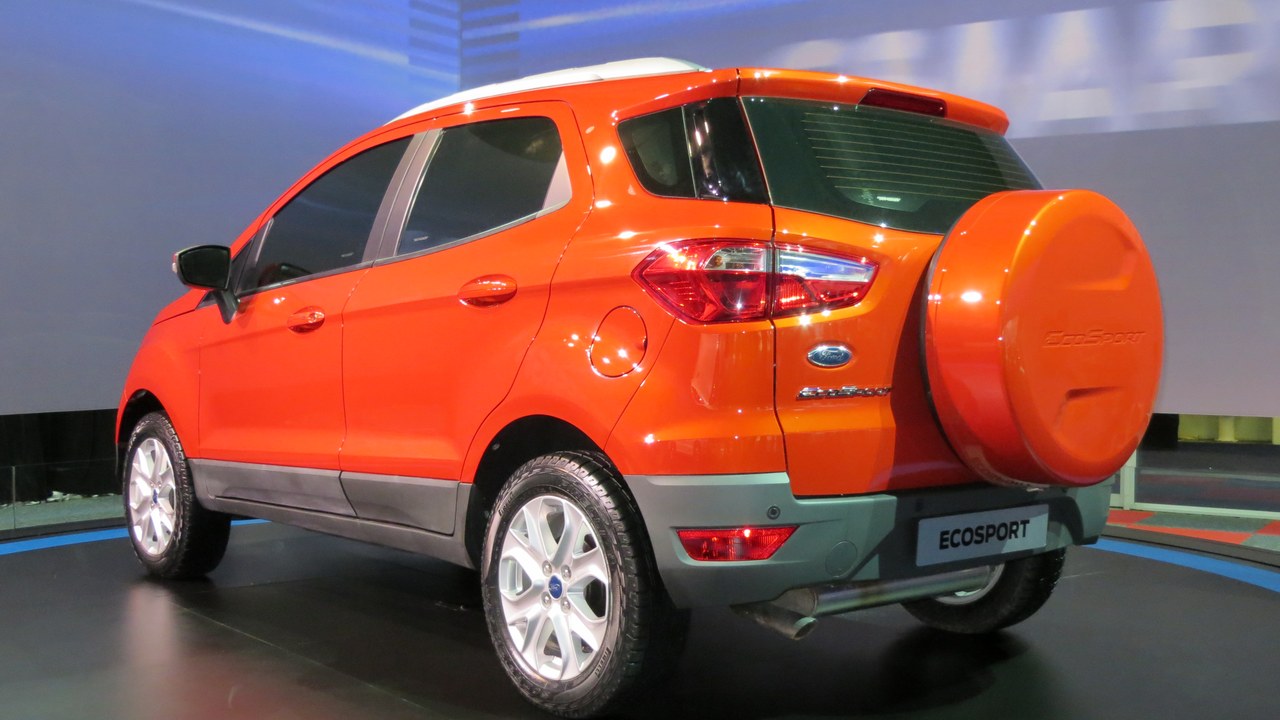
The Ford EcoSport packages a side-opening tailgate into a subcompact crossover, with the release integrated into the rear-door arrangement. The unusual motion can feel useful when overhead clearance is limited, but it transfers the space requirement to the area behind and beside the vehicle. A close wall or another bumper can stop the panel early.
The EcoSport’s small footprint makes the penalty easy to underestimate in crowded lots. A space may be large enough for the crossover itself while leaving no practical room to swing the cargo door and stand beside it. Partial openings offer limited help because a wide suitcase, stroller, or shopping load still needs a clear path through the rear aperture. Repositioning the vehicle can become part of an otherwise routine unload.
5. Jeep Wrangler: Two Motions Complicate the Exit
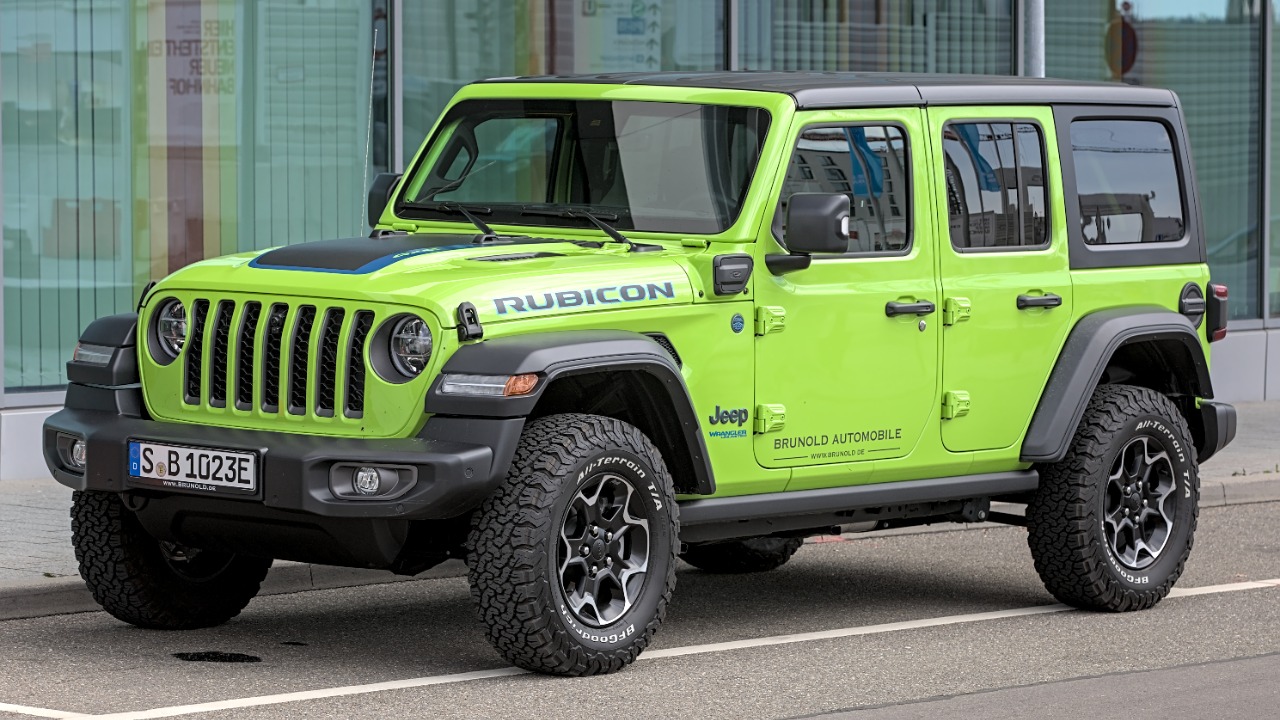
The Jeep Wrangler divides rear access into two motions: the spare-carrying lower gate swings sideways before the rear glass lifts. That sequence preserves the Wrangler’s familiar removable-roof layout, but the first step still demands a broad clear arc. Tight parking can prevent the lower section from opening far enough for useful cargo access.
The separate glass does not eliminate the clearance problem because many bags and larger objects need the full opening below it. A rear-mounted spare also places a thick obstacle at the outer edge of the swinging gate, reducing the margin around posts and neighboring vehicles. Owners loading trail equipment, groceries, or luggage may need to stop short of the space or pull forward again before the cargo area becomes fully reachable.
6. Mitsubishi Pajero: A Heavy Door Claims the Space Behind
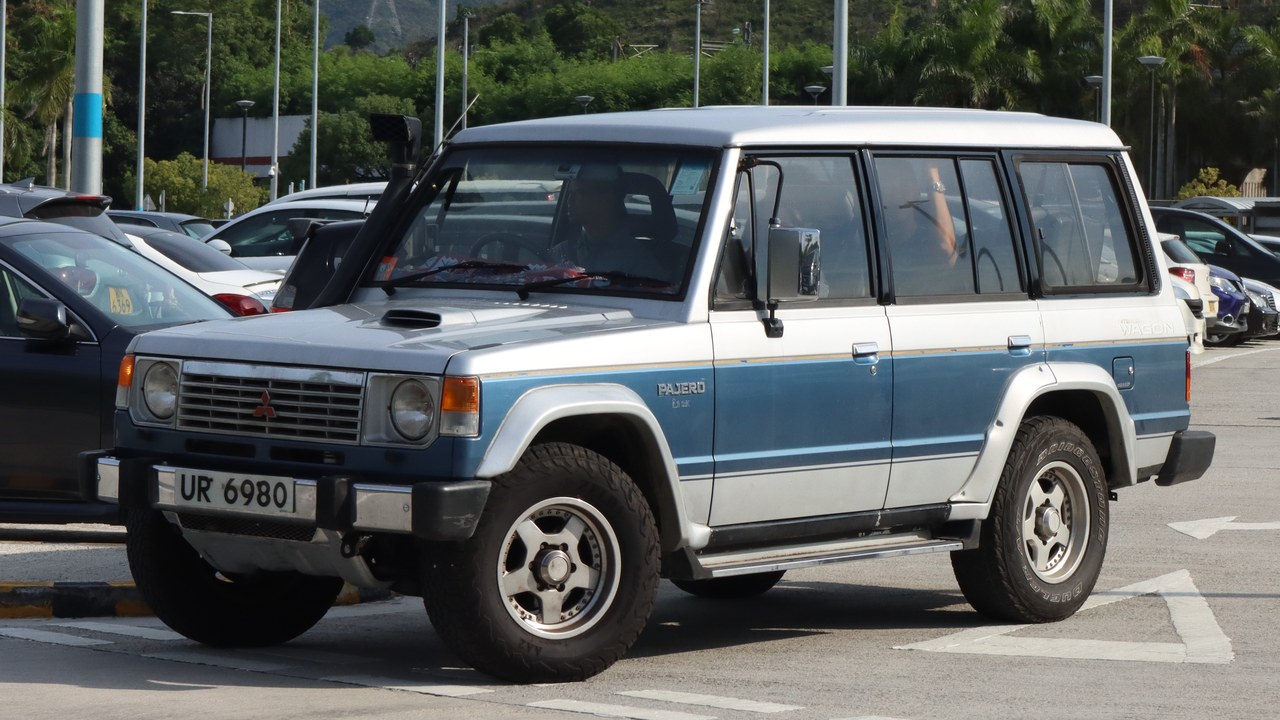
Many Mitsubishi Pajero generations pair a broad side-hinged rear door with an externally mounted spare tire. The design creates a large cargo opening once fully extended, but the door must first sweep through the same area that people typically leave for walking behind the SUV. A nearby bumper can turn that useful opening into a narrow crack.
The Pajero’s substantial body makes the required clearance especially noticeable in short garage bays and curbside spaces. Even when the rear bumper fits within the marked lines, the door can need more room than the parking geometry provides. The spare tire also makes the outer edge physically prominent, so careful opening matters near paintwork, masonry, and posts. Full cargo access often begins with more parking distance than expected.
7. Isuzu Trooper: A Split Rear Still Needs Side Room
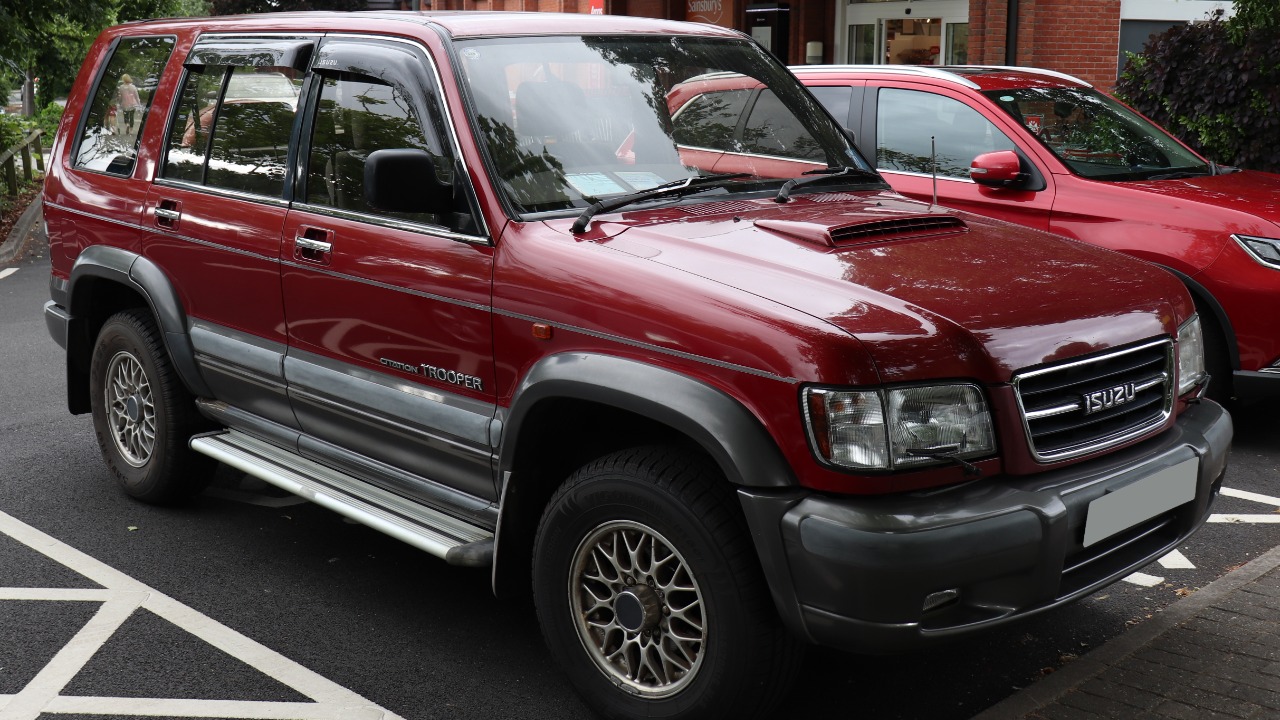
The Isuzu Trooper uses a split rear opening that includes a side-hinged door carrying the spare wheel. Splitting the opening can reduce the width of an individual panel, yet the spare-bearing section still occupies the area behind the SUV as it swings. A close vehicle or wall can interrupt that motion before the cargo opening becomes useful.
That layout rewards deliberate parking rather than a bumper-first approach to the back of a space. Room is needed not only for the moving door but also for a person to step around the panel and reach the load floor. The Trooper’s boxy cargo area promises hauling space, although the benefit is harder to use when the rear opening is trapped. Clearance behind the bumper remains the solution.
8. Toyota Land Cruiser Prado: The Spare Extends the Door’s Reach
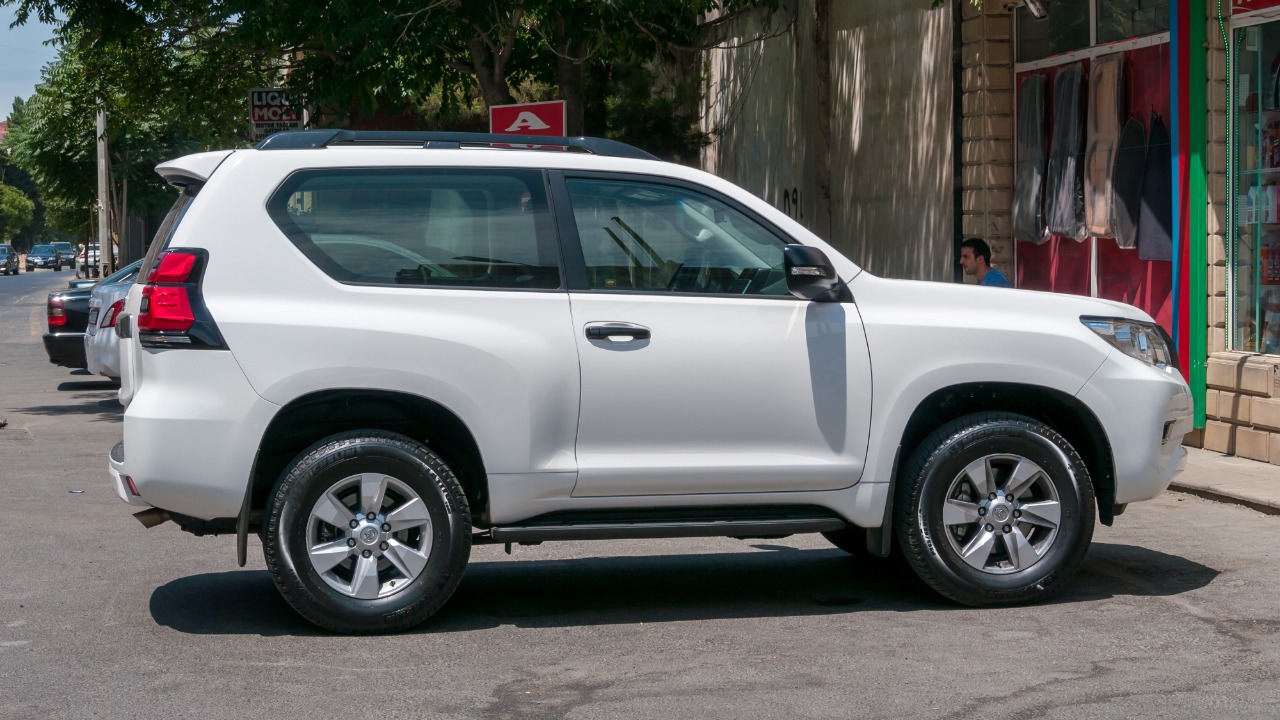
The Land Cruiser Prado can place a spare tire on a rear door that opens sideways, extending the depth and sweep of the moving panel. The arrangement supports rugged utility, but it can punish a parking position that leaves only a pedestrian-width gap behind the SUV. The door needs space before the cargo area does.
A full opening may be impossible beside a garage column or with another vehicle parked close behind. The Prado’s tall cargo aperture becomes accessible only after the spare and door have traced their arc, and that movement can occupy the exact route needed to carry bags away. Leaving a larger rear buffer avoids the problem, but doing so is often difficult in compact urban garages and tightly marked public lots.
More from Morning Overview
