
Reliability studies tend to agree on a handful of names that cost more to maintain and wear out sooner than the competition. Repair-cost data, longevity odds and owner surveys all point at the same uncomfortable group of badges, some of them prestige marques and some of them mass-market staples. Here are thirteen car brands that the numbers suggest deserve a harder look before purchase.
1. Porsche: Last Place Finish
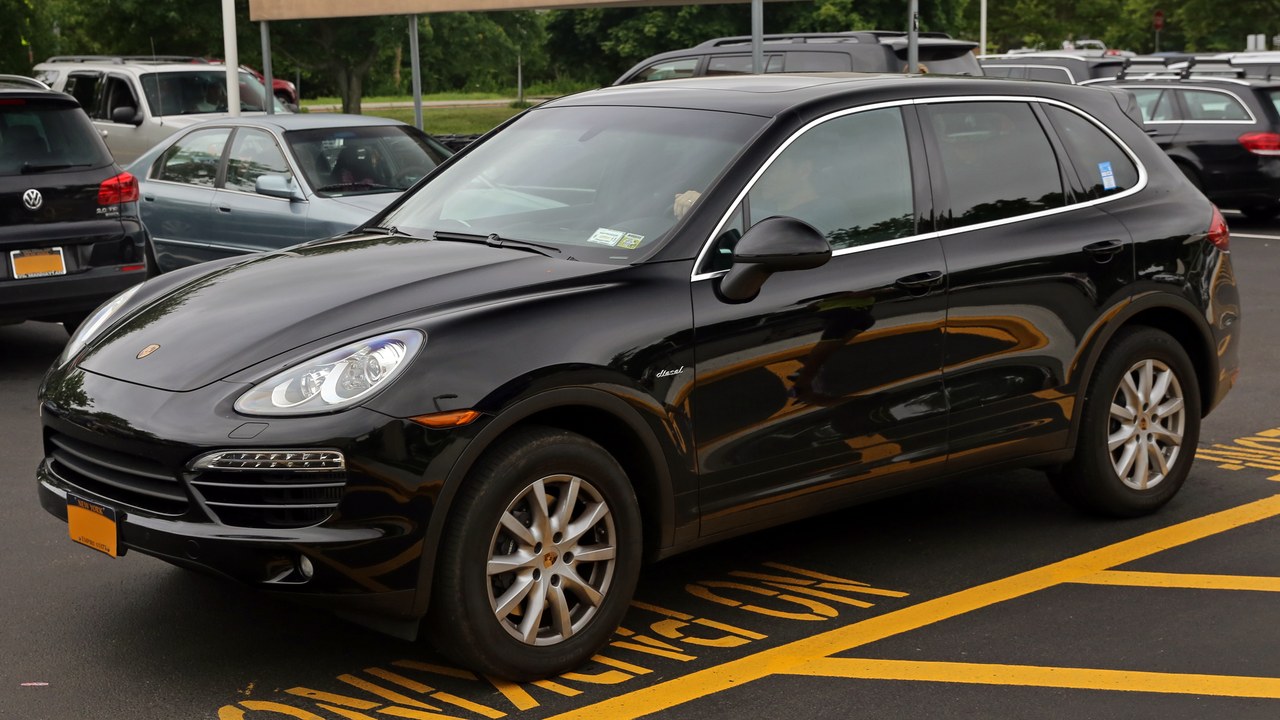
RepairPal puts Porsche at the bottom of its reliability table, a 2.0 out of 5 that ranks 32nd among 32 brands. The average annual repair bill reaches $1,192, and 21% of ownership visits involve a major repair.
The prestige badge comes with a maintenance budget well beyond the mainstream norm. Shoppers eyeing a used Cayenne or 911 should price a specialist inspection and a repair reserve before signing, since out-of-warranty surprises tend to arrive as four-figure invoices rather than small fixes.
2. Land Rover: Pricey Trail Habits
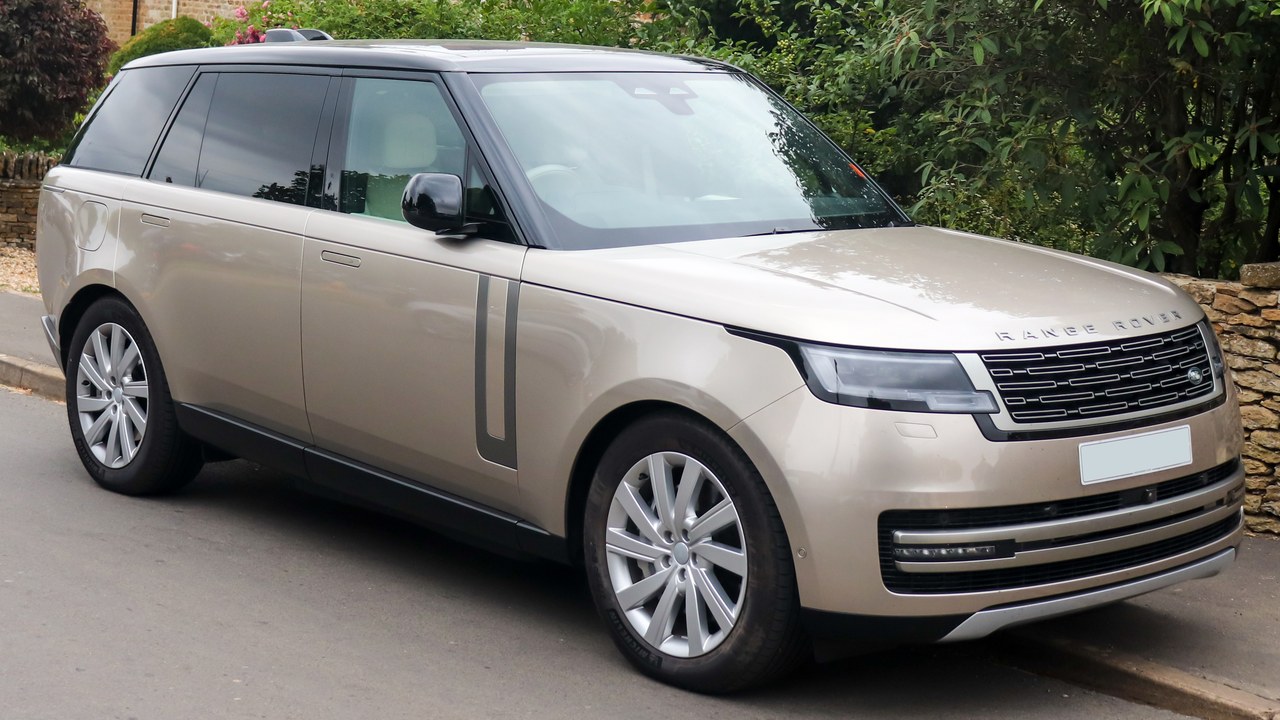
Land Rover owners spend about $1,174 a year on repairs, against $652 across all models, and RepairPal ranks the brand 31st of 32. That gap means a typical owner pays nearly double the industry average just to keep the vehicle running.
Air suspension, electronics and complex drivetrains drive much of the bill on aging Range Rovers and Discoverys. Buyers who still want one fare better with a certified pre-owned warranty and a shop that knows the marque than with a bargain-priced example from a private seller.
3. Audi: Four Rings, Big Invoices
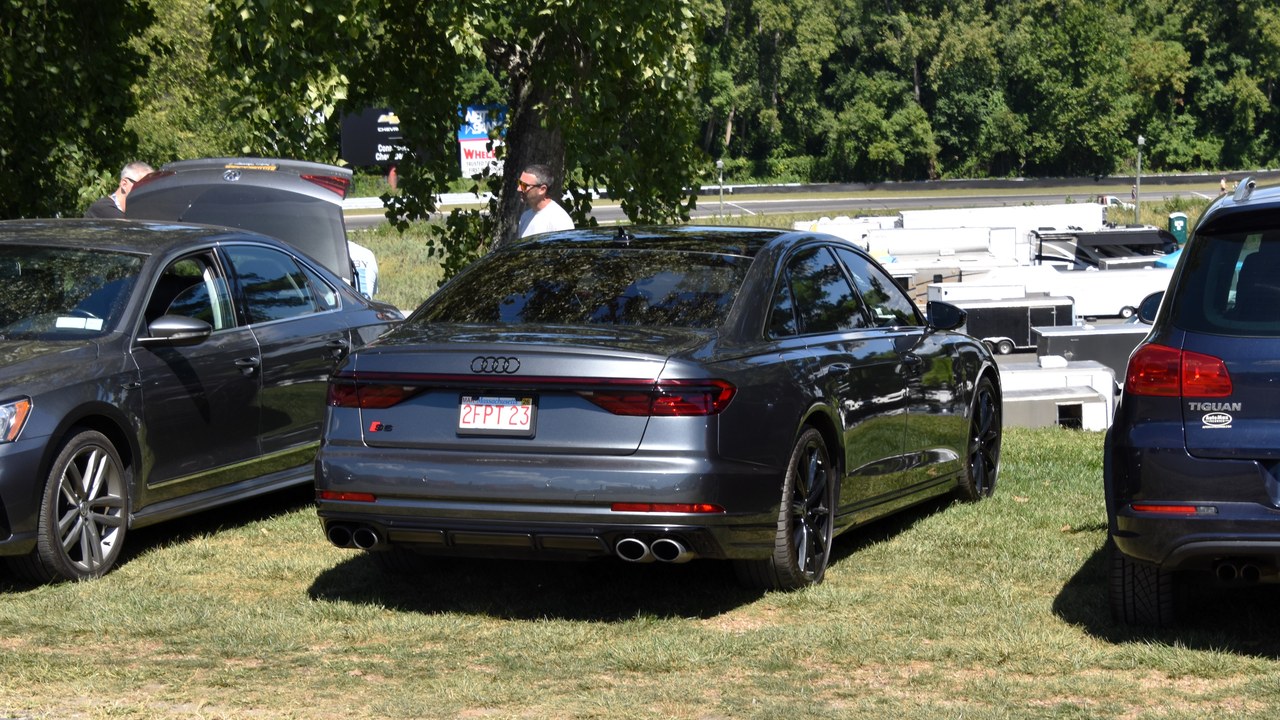
Audi lands 28th of 32 brands on RepairPal, with an average annual repair cost of $987. That figure sits well above what mainstream rivals charge, putting the German marque in the lower tier of the ranking.
Sticker price tells only part of the story with an Audi. Anyone shopping a used A4, A6 or Q5 should request complete service records, check for deferred maintenance, and plan on a yearly repair line item that runs several hundred dollars higher than a comparable Honda or Toyota.
4. Mercedes-Benz: Three Pointed Costs
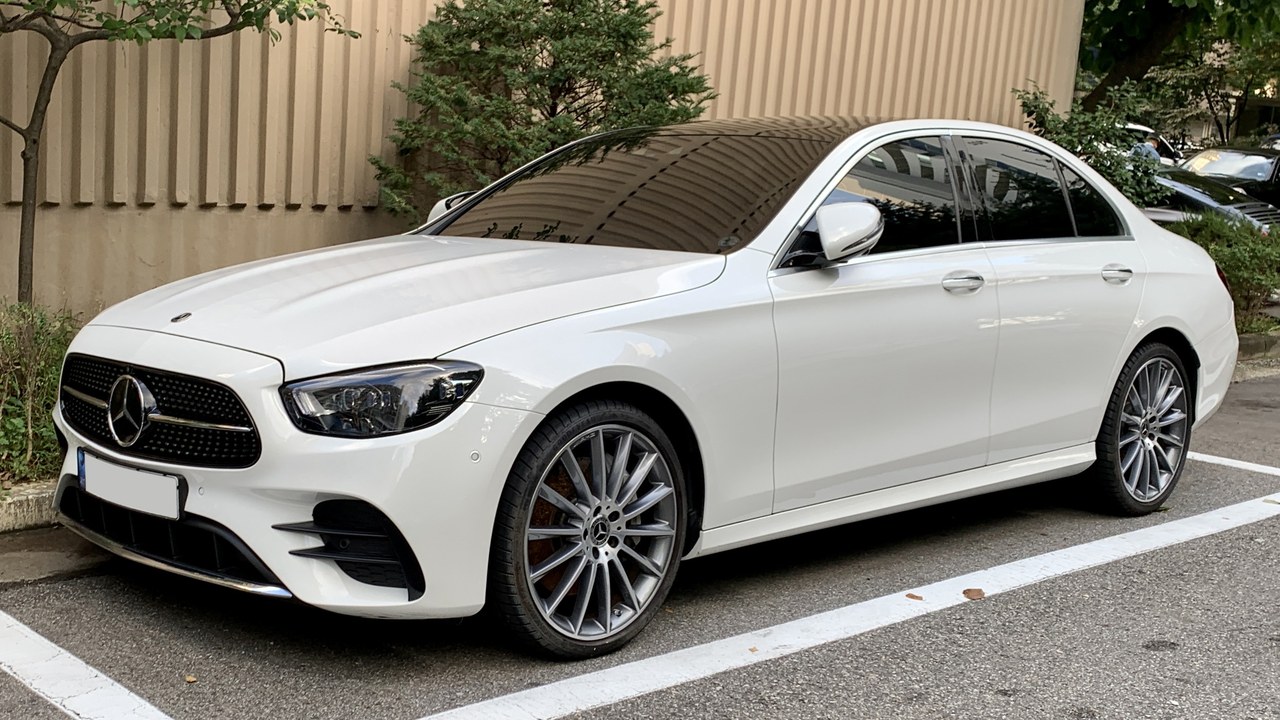
Mercedes-Benz owners pay an average of $908 a year in repairs, which RepairPal ranks 27th of 32 brands. The number trails most volume manufacturers and lands next to its German luxury competitors near the foot of the list.
Depreciation often makes a used E-Class or GLC look like a bargain, yet the repair meter keeps running after purchase. Prospective owners can soften the blow with an extended warranty, regular fluid service and an independent shop that charges less than dealer labor rates.
5. Jaguar: Zero Percent Odds
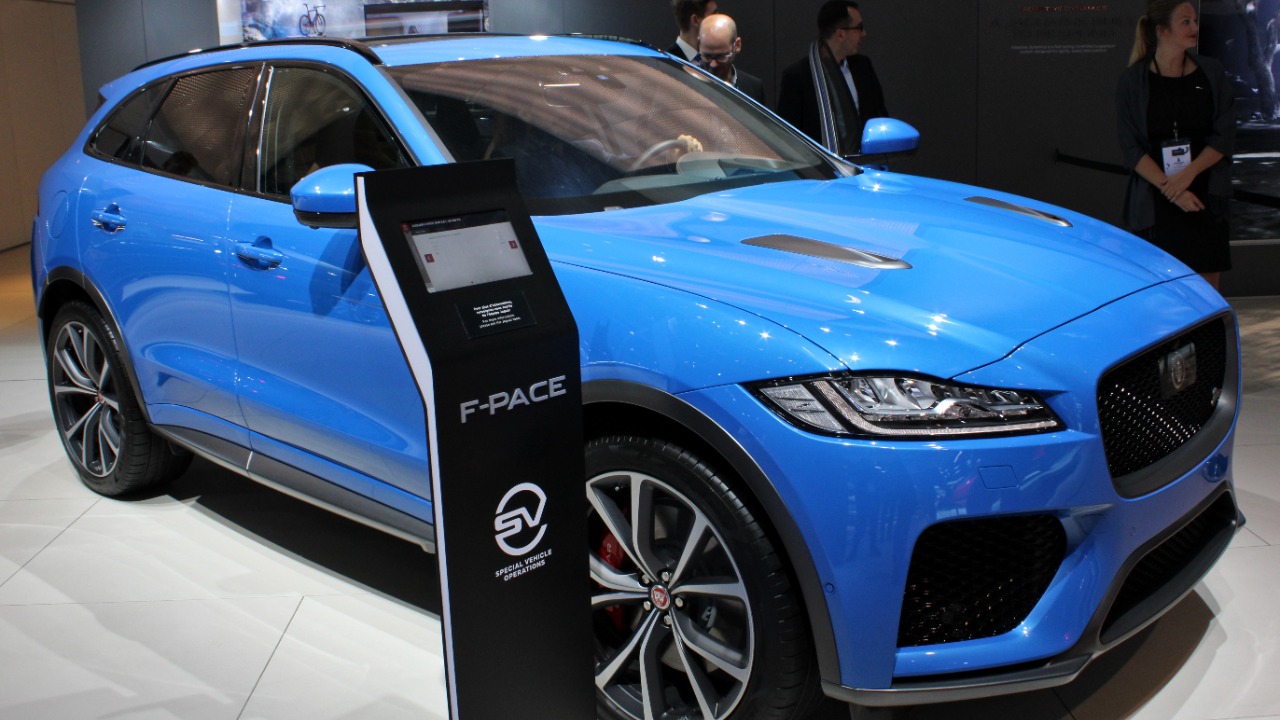
In a study of 395 million vehicles, iSeeCars found Jaguar had a 0.0% chance of reaching 250,000 miles. The average vehicle manages 5.4%, so the British brand sits at the very bottom of a long-life comparison.
Jaguar shares that zero with two other marques, which makes it hard to dismiss as a statistical fluke. Drivers who keep cars for a decade or more should treat a Jaguar as a shorter-term lease or ownership proposition, not a candidate for a quarter-million-mile run.
6. MINI: Small Car, Short Lifespan
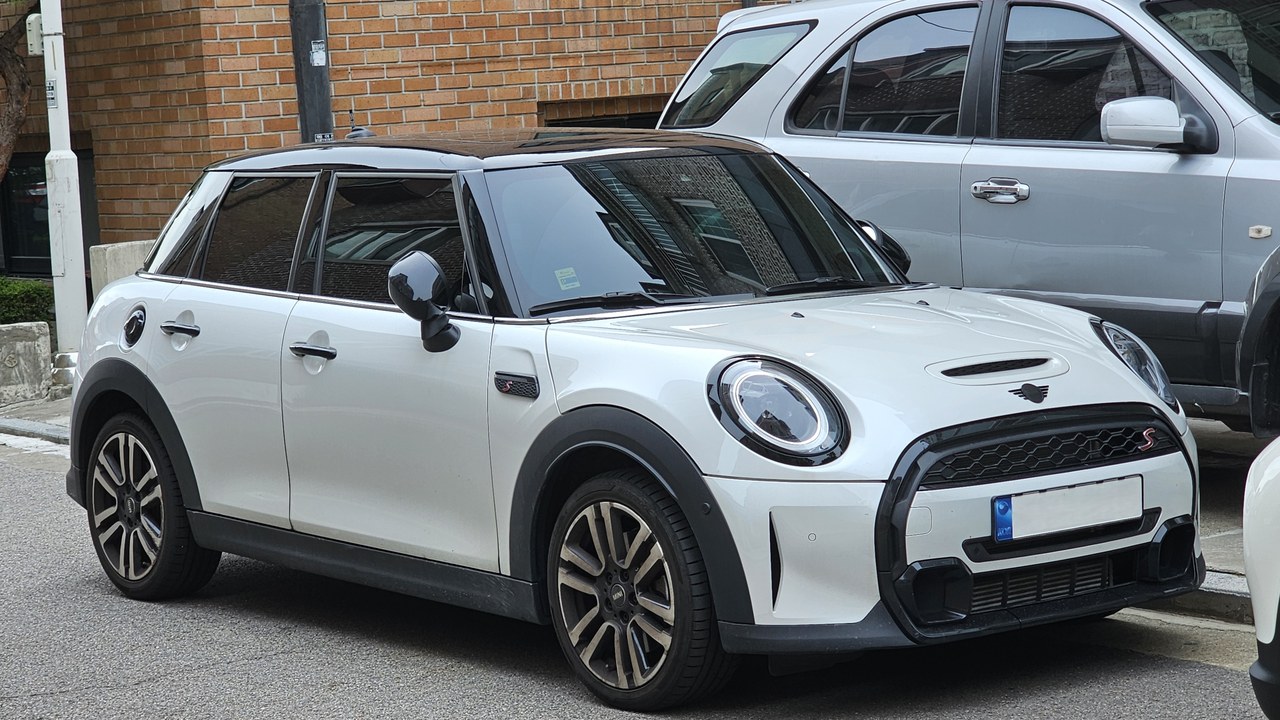
MINI also scored 0.0% for reaching 250,000 miles in the 33-brand longevity ranking compiled by iSeeCars. Not a single vehicle in the dataset got there, leaving the marque tied with Jaguar and Maserati at the bottom.
Cooper hatchbacks are fun to drive and cheap to park, but the data suggests they are not built for ultra-high mileage. Buyers planning to run a car well past 200,000 miles may find a Honda Fit or Toyota Corolla a safer long-term choice.
7. Maserati: Trident Meets Dead End
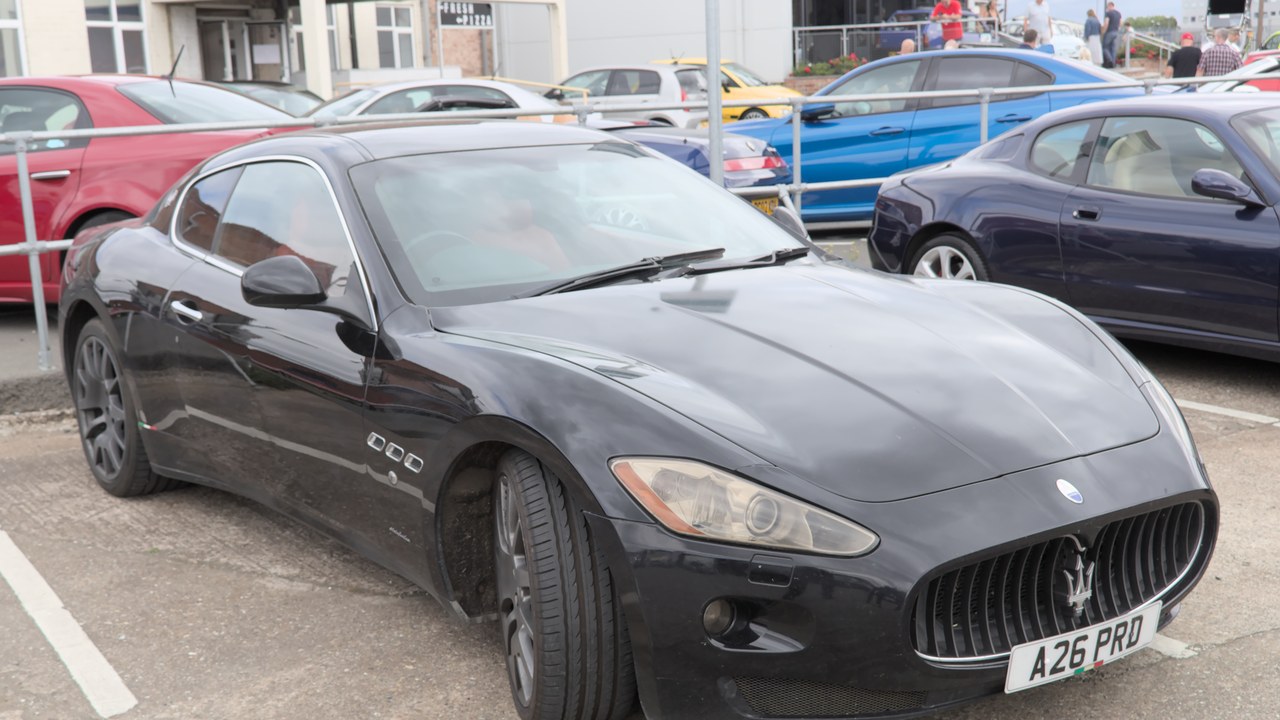
Maserati rounded out the trio of brands with 0.0% odds of reaching 250,000 miles in the iSeeCars study. The Italian marque joins Jaguar and MINI in a category where no examples cleared the bar.
Low volumes and limited sales may explain part of the result, but the finding still matters to anyone considering a used Ghibli or GranTurismo. Exotic character comes with a limited service life on paper, so a pre-purchase inspection and a firm budget for mechanical work belong in the plan.
8. BMW: Rare Air Past 250K
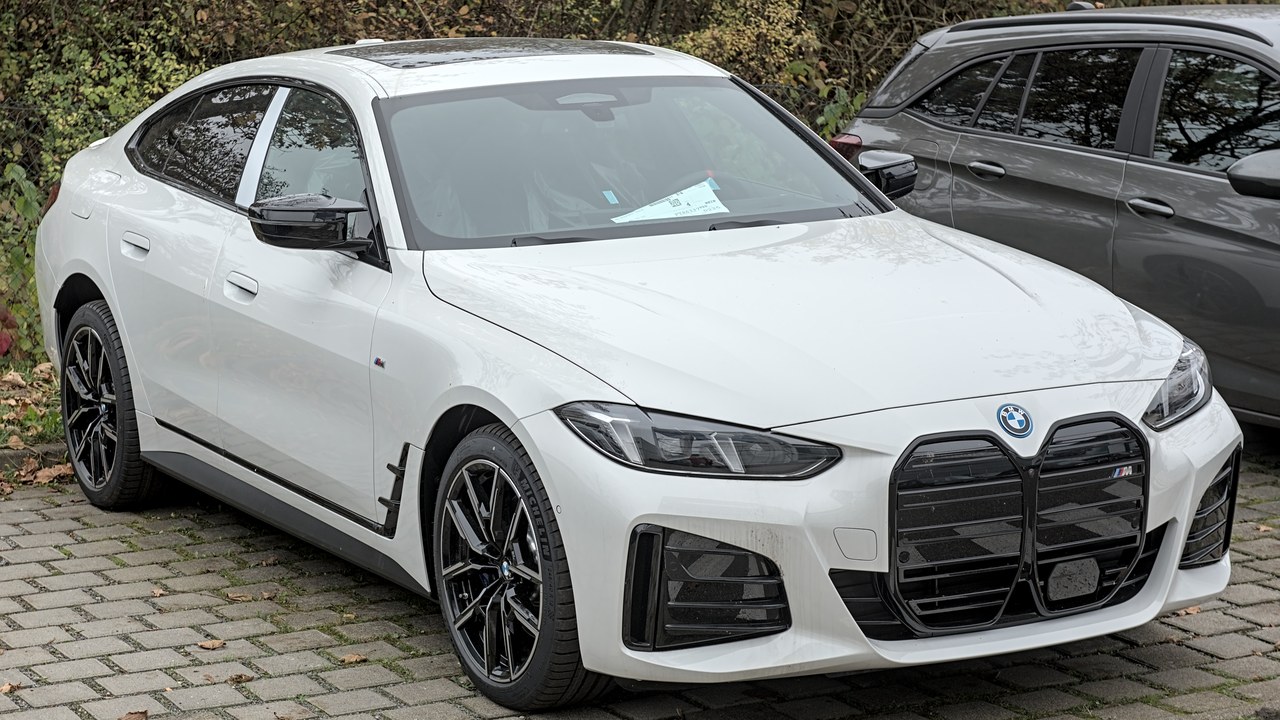
BMW managed just a 0.5% chance of reaching 250,000 miles, roughly a tenth of the 5.4% average, according to iSeeCars. That is barely above the three brands that scored zero.
Those who buy a 3 Series or X5 for long-term ownership face steep odds against a quarter-million-mile life. Keeping up on cooling system parts, oil service and timing-related items improves the chances, but the brand-wide data argues for modest expectations.
9. Chrysler: Bottom Five Domestic
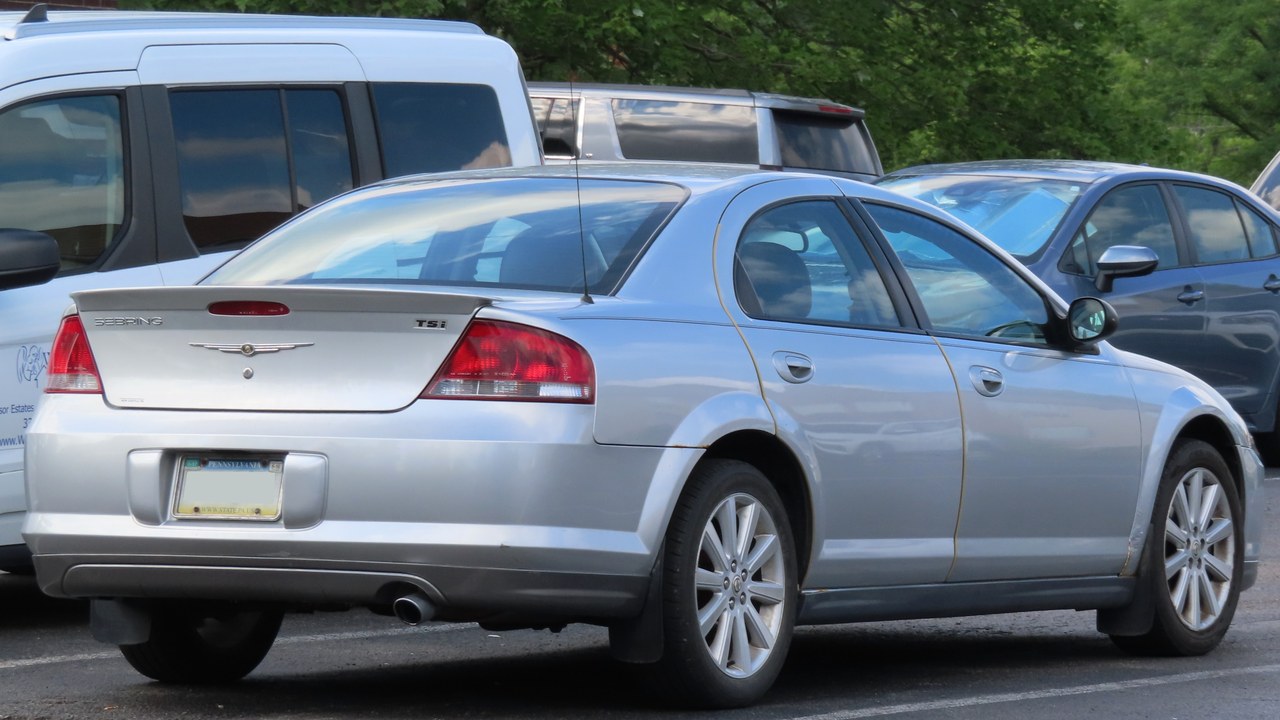
Consumer Reports puts Chrysler among its five lowest-scoring brands in a reliability ranking built on about 380,000 vehicles. The result reflects owner-reported problems across engines, transmissions, electronics and body hardware.
Pacifica minivans and other Chrysler models can still deliver strong value on the used market, but reliability scores argue for caution. Shoppers should check recall status, confirm transmission service history, and keep a repair fund ready, particularly on vehicles beyond the factory warranty window.
10. Jeep: Trail Rated, Shop Bound
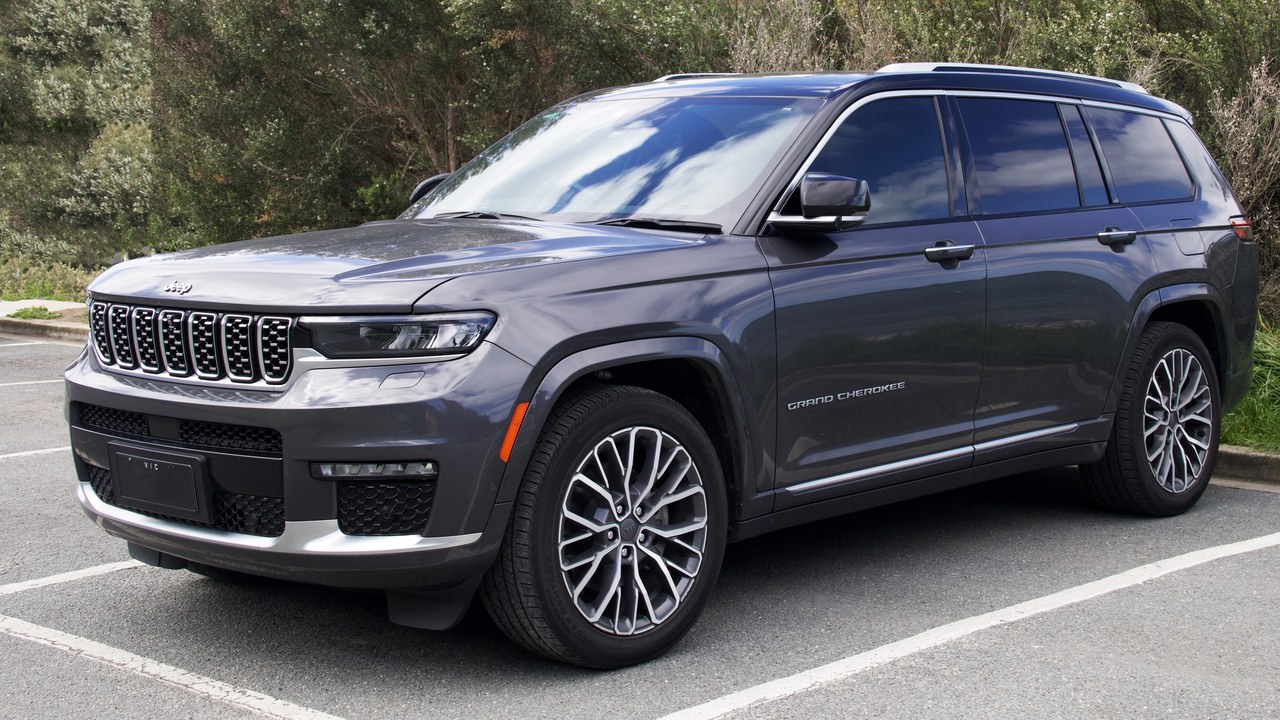
Jeep is also among the five lowest-scoring brands for reliability at Consumer Reports, a bottom group made up entirely of domestic automakers. Owner surveys flagged recurring trouble across the lineup.
Wrangler and Grand Cherokee loyalty runs deep, and resale values hold up well for many trims. Even so, buyers should lean on extended coverage, inspect electrical systems carefully, and compare the survey results for the specific model before committing to a used example.
11. Rivian: Startup Growing Pains
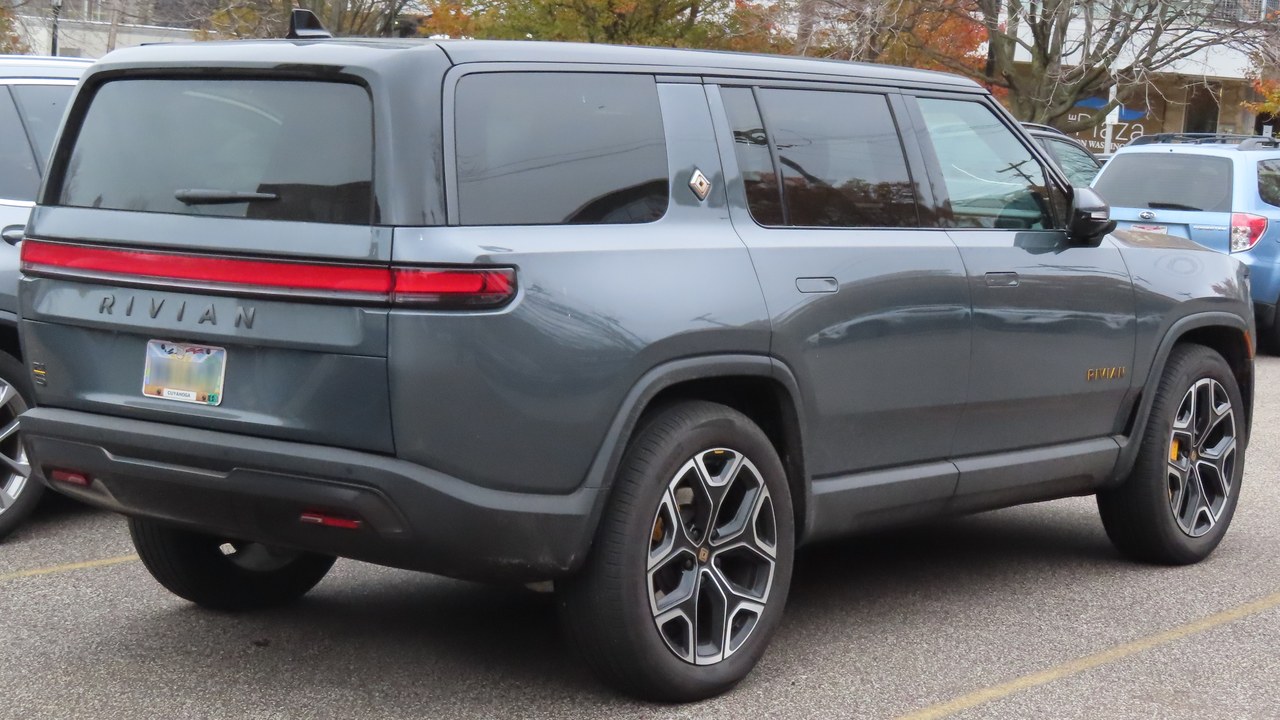
Rivian joins Chrysler, GMC, Jeep and Ram at the bottom of Consumer Reports’ brand reliability rankings. For a young electric-vehicle maker, landing in that group points to early software, build quality and service growing pains.
The R1S and R1T have won plenty of praise for performance and range, yet owners report more problems than average. Buyers considering one should confirm service center access nearby and review the warranty terms, since parts availability and repair wait times can stretch.
12. Kia: Used Models Disappoint
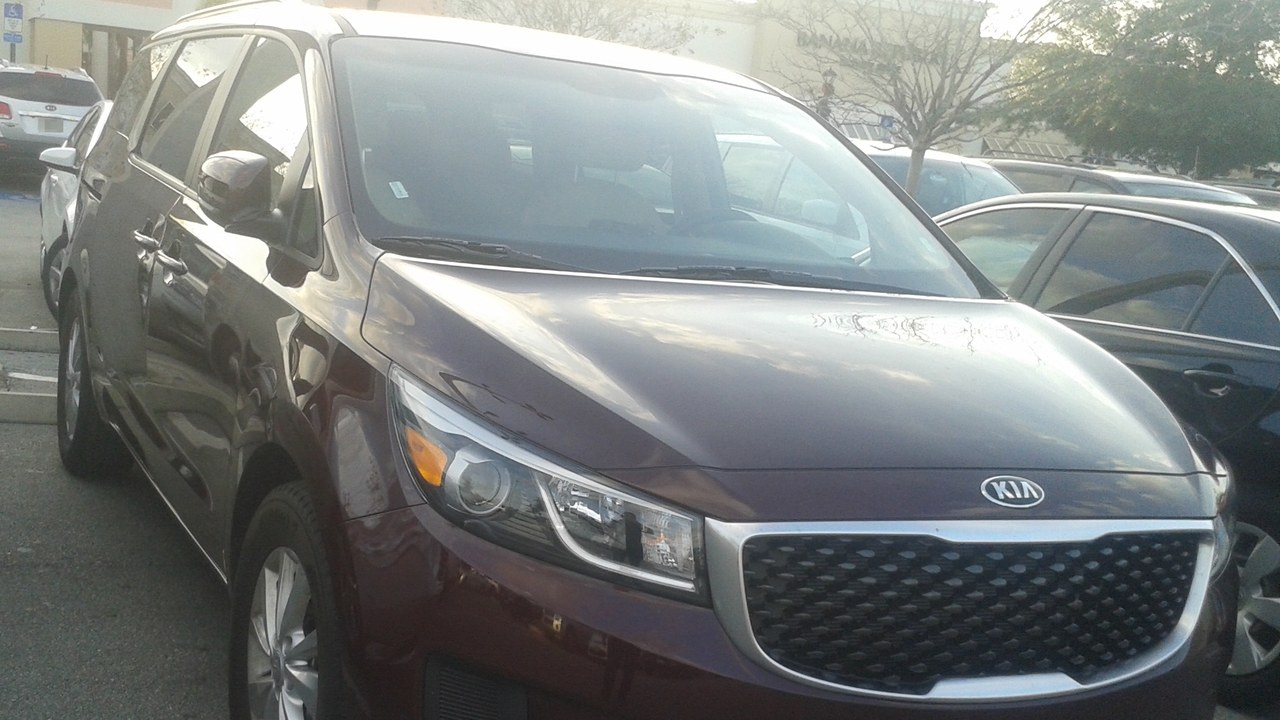
For vehicles that are five to ten years old, covering 2016 to 2021 model years, Consumer Reports places Kia among the brands with the poorest reliability. The finding runs against the brand’s reputation for value and a long warranty.
Used Kia shoppers should separate the original ten-year powertrain coverage, which often does not transfer in full, from real-world dependability. A thorough history check, attention to engine recalls and a pre-purchase inspection help avoid costly surprises on older Optimas, Sorentos and Souls.
13. Tesla: Early Model Struggles
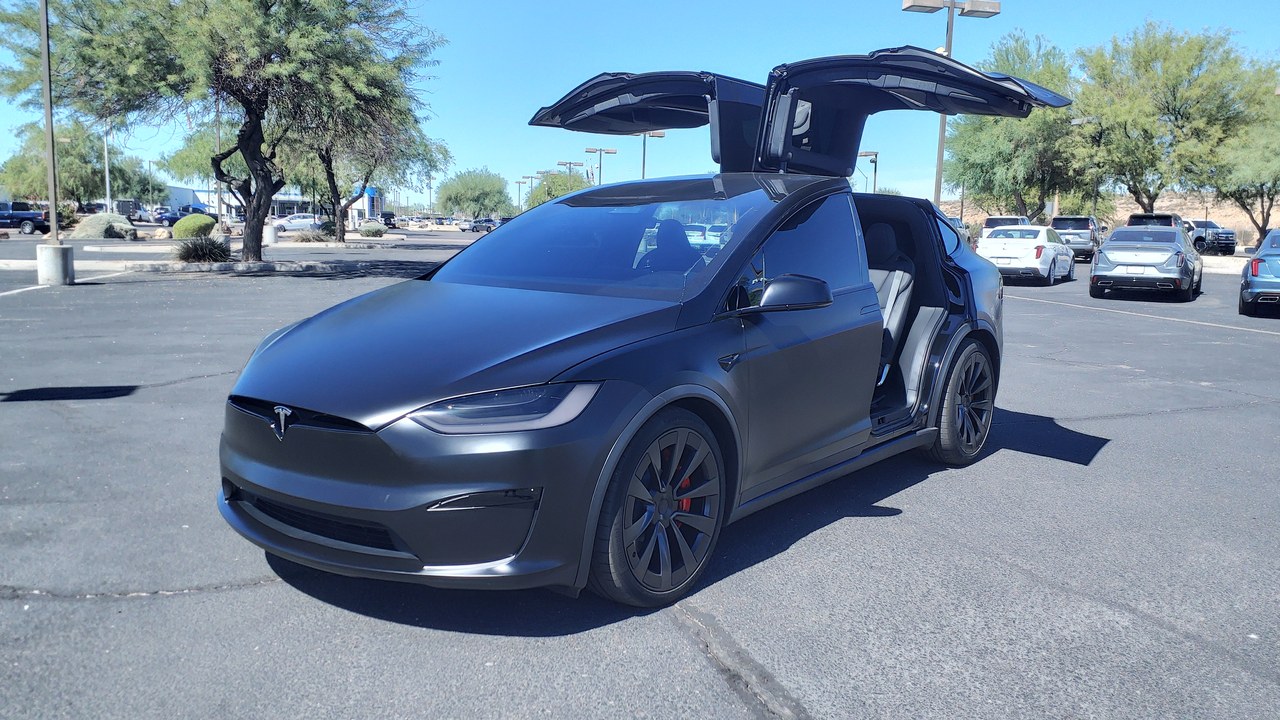
Tesla sits at the bottom of Consumer Reports’ reliability rankings for 2016 to 2021 used models, after early cars faced numerous issues. Build quality, trim fit and electronics drew repeated complaints from owners of those earlier vehicles.
Used Model S, 3 and X buyers should inspect panel gaps, check for suspension noises and review battery health reports. The older cars carry the weaker reputation, and repair bills can climb when body or touchscreen parts need replacing.
More from Morning Overview
- The NSA is again telling phone owners to switch off one location setting
- Card skimmers hidden on gas pumps and ATMs are draining accounts, and here’s the tell
- Hurricane Hunter radar shows four warning signs that a tropical cyclone is about to strengthen, a University of Miami study found
- NTSB report details how a family of four died when their plane’s nose suddenly pitched up
