
Takata’s defective air bag inflators prompted the largest automotive recall in American history, and the most dangerous units now carry an unusually stark instruction from regulators. Some of the affected vehicles are decades old and still on the road every day, often with owners who never saw a notice. Here are twelve models and model-year ranges that federal warnings say should stay parked until repaired.
1. 2005-2015 Dodge Charger: Charger Owners Told To Park It
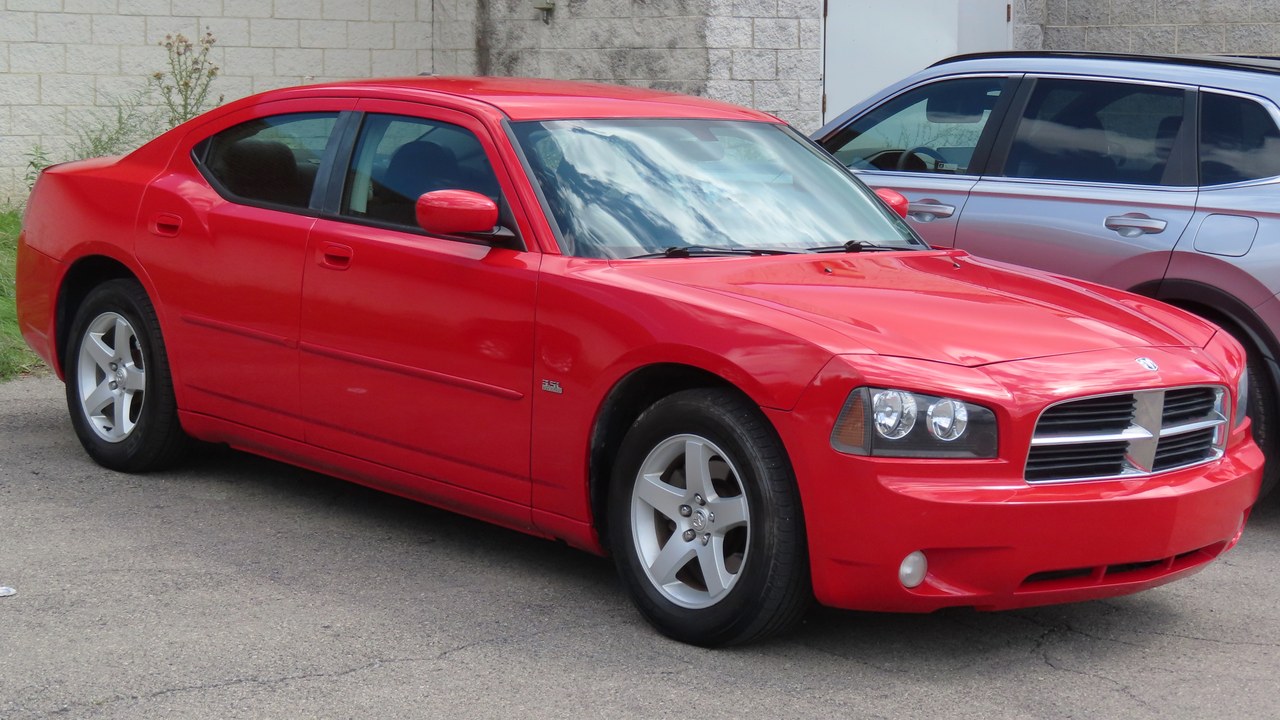
federal do-not-drive warning lists the Dodge Charger from 2005 through 2015 among vehicles whose owners are told to get the Takata air bag fixed before driving anywhere. The wording is blunt: this is a stop-driving instruction, not a routine service reminder. A long production window leaves many aging sedans that may still carry the original inflator.
Anyone who bought a used Charger should enter the VIN on NHTSA’s recall lookup before the next commute. The remedy is free at a Dodge dealer, and a car that turns up as unrepaired deserves a tow or mobile repair rather than one more drive.
2. 2005-2014 Ford Mustang: Mustang Gets The Same Order
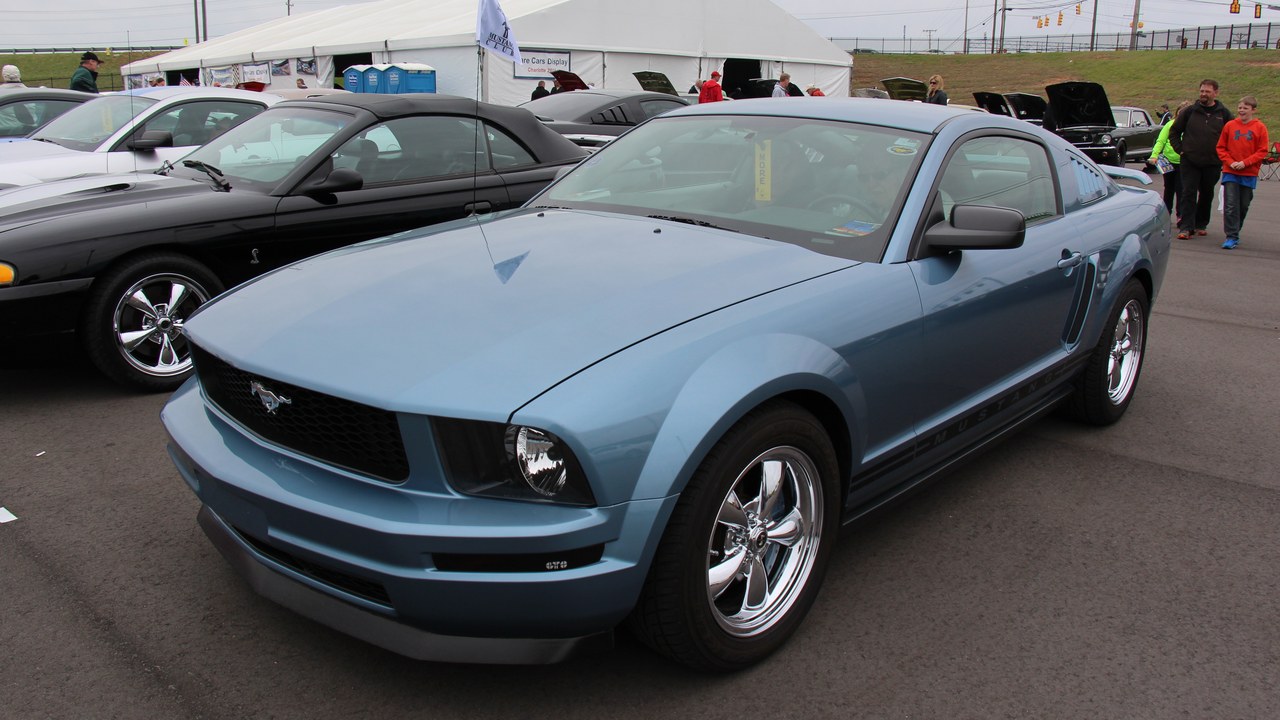
The Ford Mustang built from 2005 through 2014 appears in NHTSA do-not-drive notice, which covers vehicles carrying the most dangerous inflators. That range spans the entire fifth generation, including cars many owners treat as weekend toys or long-term keepers.
A Mustang that sits in a garage most of the year still carries the risk, because aging inflator propellant degrades with heat and humidity cycles rather than mileage. Owners should check the VIN, schedule the free replacement, and skip any dealer offer to wait for a convenient moment.
3. 2007-2016 Jeep Wrangler: Wrangler Owners On Notice
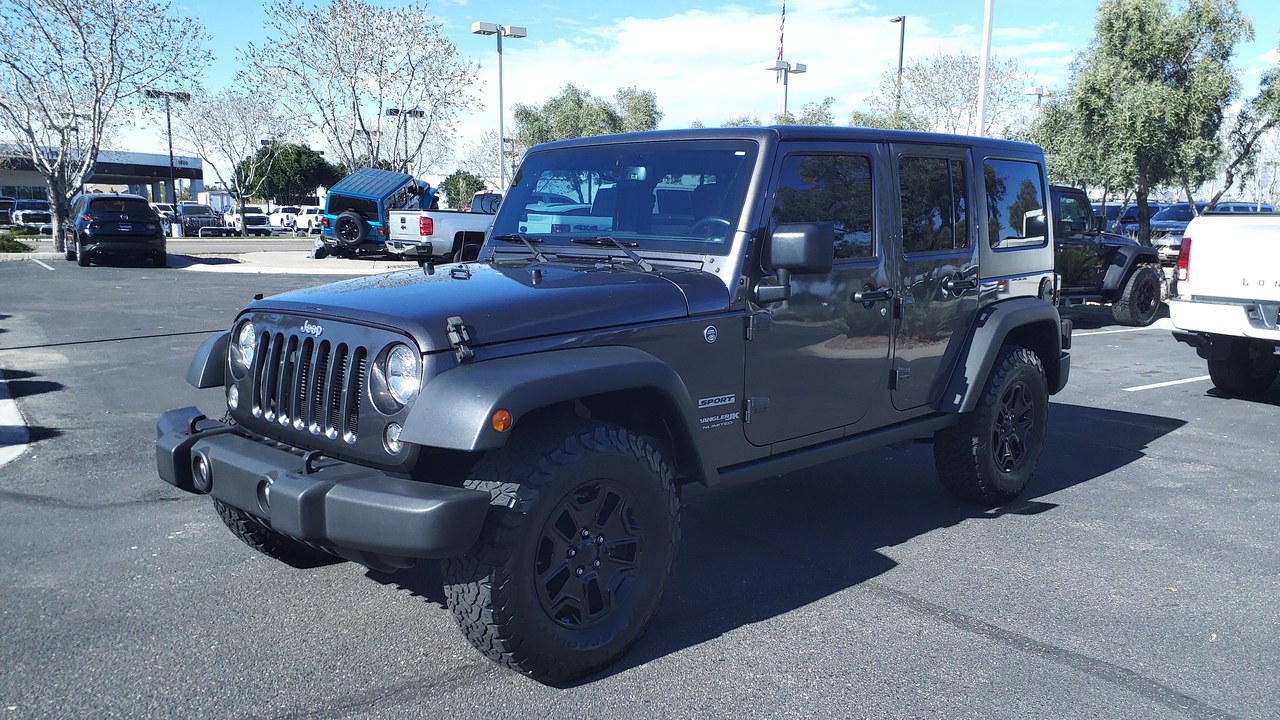
Jeep’s Wrangler from the 2007 through 2016 model years is named in federal Takata alert that tells drivers to stop using affected vehicles until repair. The span covers the whole JK generation, a vehicle often kept for a decade or more.
Wranglers frequently change hands through private sales and off-road enthusiast circles, so recall paperwork can lag far behind the vehicle. Buyers of a used JK should run the VIN before handing over cash, and owners should treat an open recall as grounds for parking the vehicle.
4. 2001-2002 Honda Accord: Accord Among The Earliest Warnings
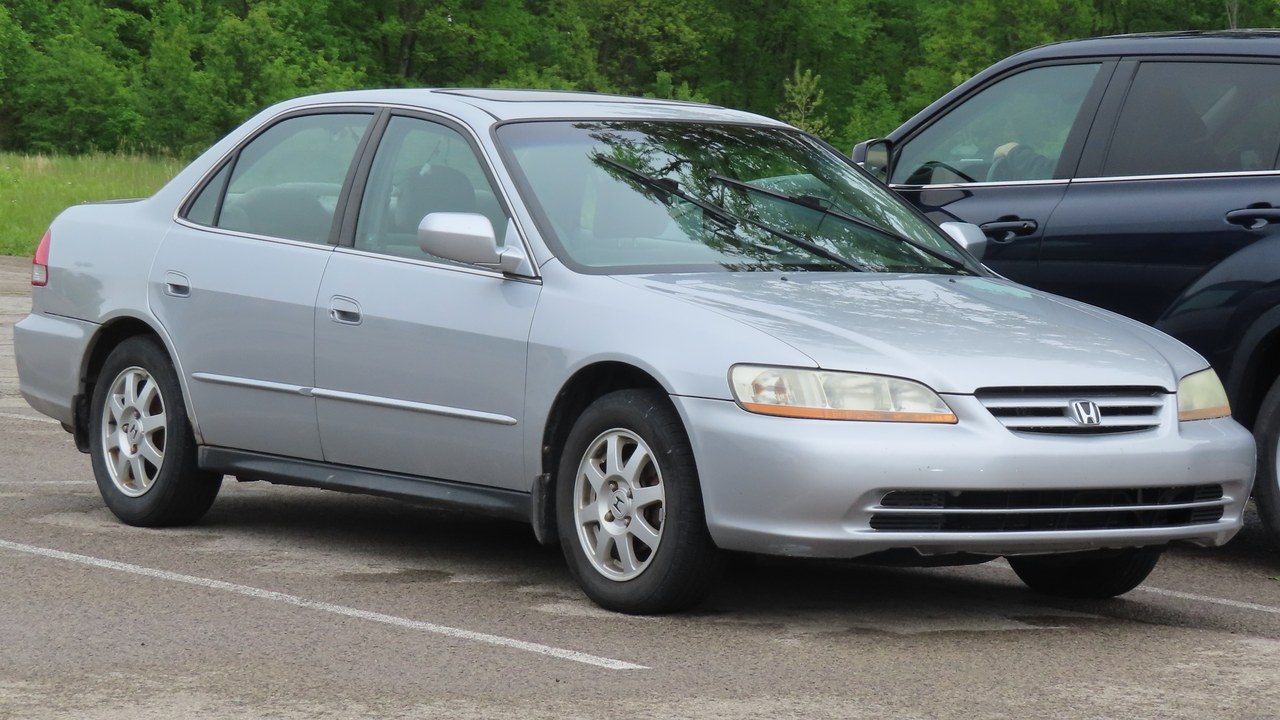
Honda’s 2001 and 2002 Accord sits in critical Takata warning, issued for certain Honda and Acura models from the early 2000s. The agency’s instruction is direct: owners should immediately call a dealer to schedule a free repair.
Cars this old are easy to lose track of, passed along to teenagers or sold for cash with the recall unresolved. Anyone driving a 2001 or 2002 Accord should check the VIN today, because the repair costs nothing and the original inflator has had more than two decades to age.
5. 2001-2002 Honda Civic: Civic Makes The Critical List
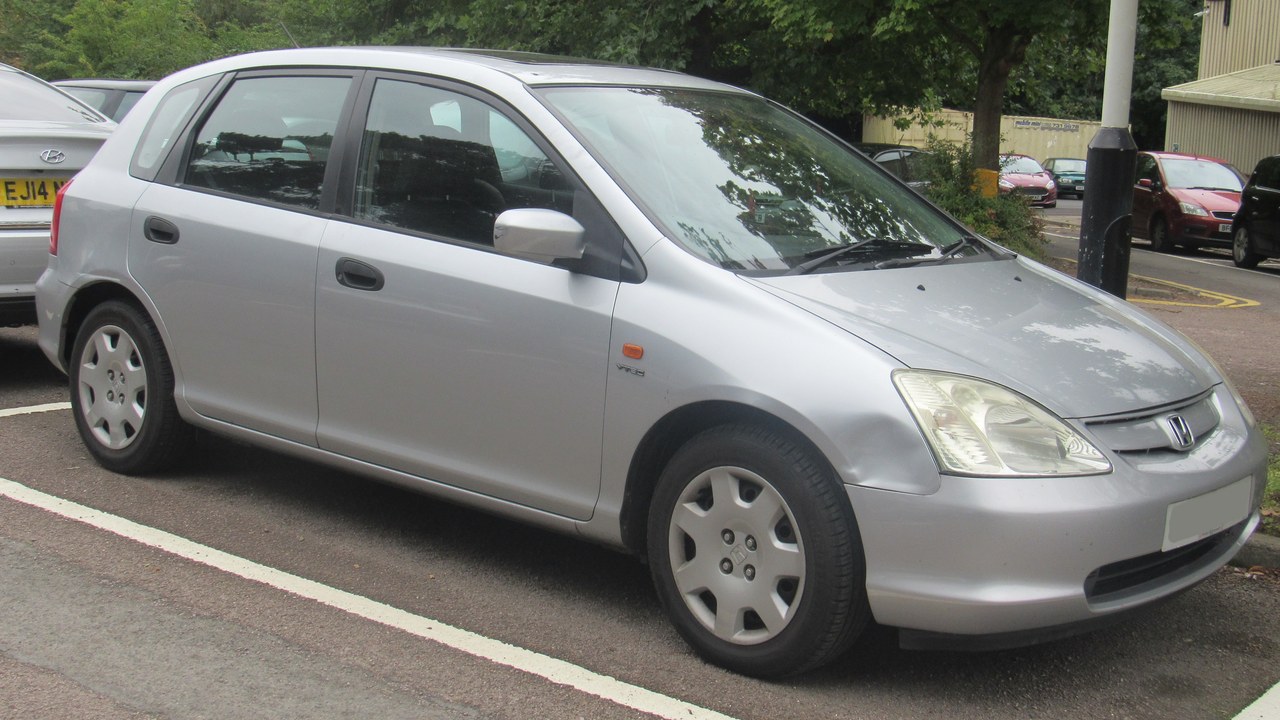
Honda Civics from the 2001 and 2002 model years are included in NHTSA critical warning covering early-2000s Honda and Acura vehicles. The notice puts these compact sedans and coupes in the group considered most urgent for repair.
Civics are popular as first cars and as cheap commuters, which means many are driven daily by owners unaware of the notice. A quick VIN lookup takes a minute, and a hit means a free replacement at any Honda dealer instead of continued exposure.
6. 2002 Honda CR-V: A Compact SUV Joins The Notice
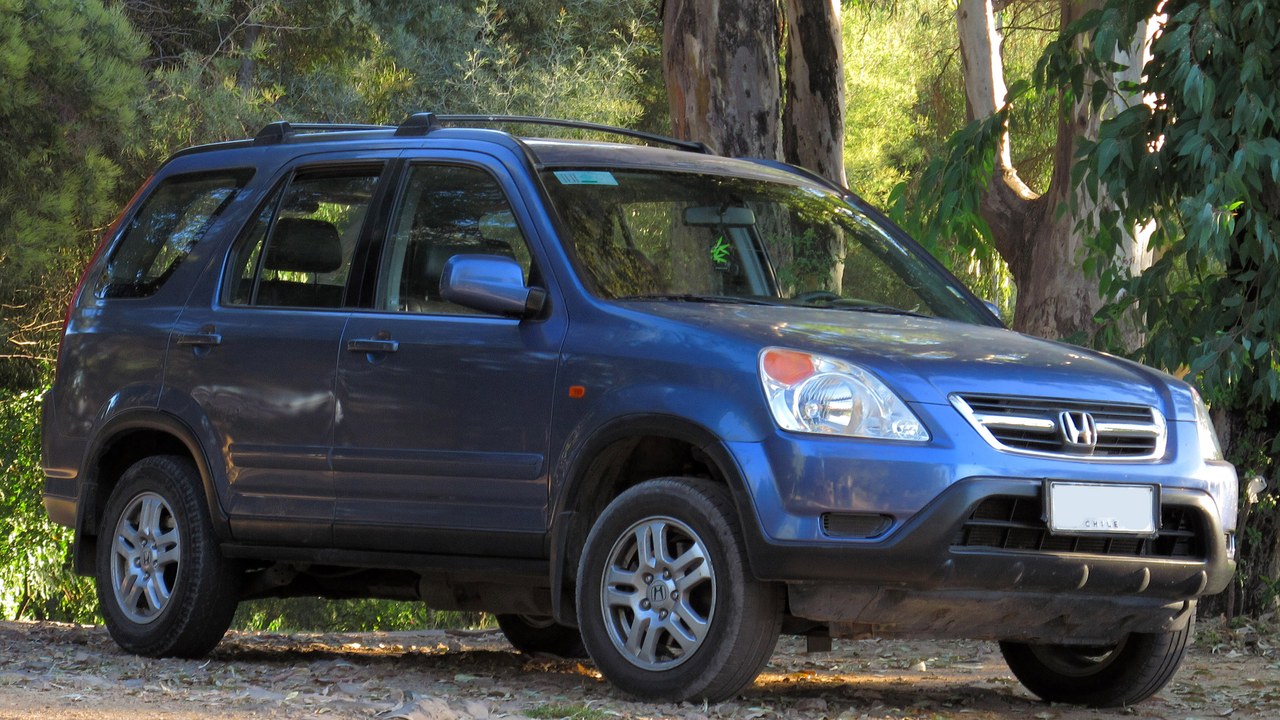
The 2002 Honda CR-V is one of the named models in early-2000s warning list, which singles out older Honda and Acura vehicles with defective inflators. Only the single model year appears, so the exposure is narrower than for models listed across a decade.
A narrow window still matters for a vehicle that was a family favorite and often stays in service as a second car. Owners of a 2002 CR-V should verify the recall status with the VIN, since a dealer can replace the part at no charge.
7. 2003-2004 Toyota Corolla: Corolla And Matrix Share The Warning
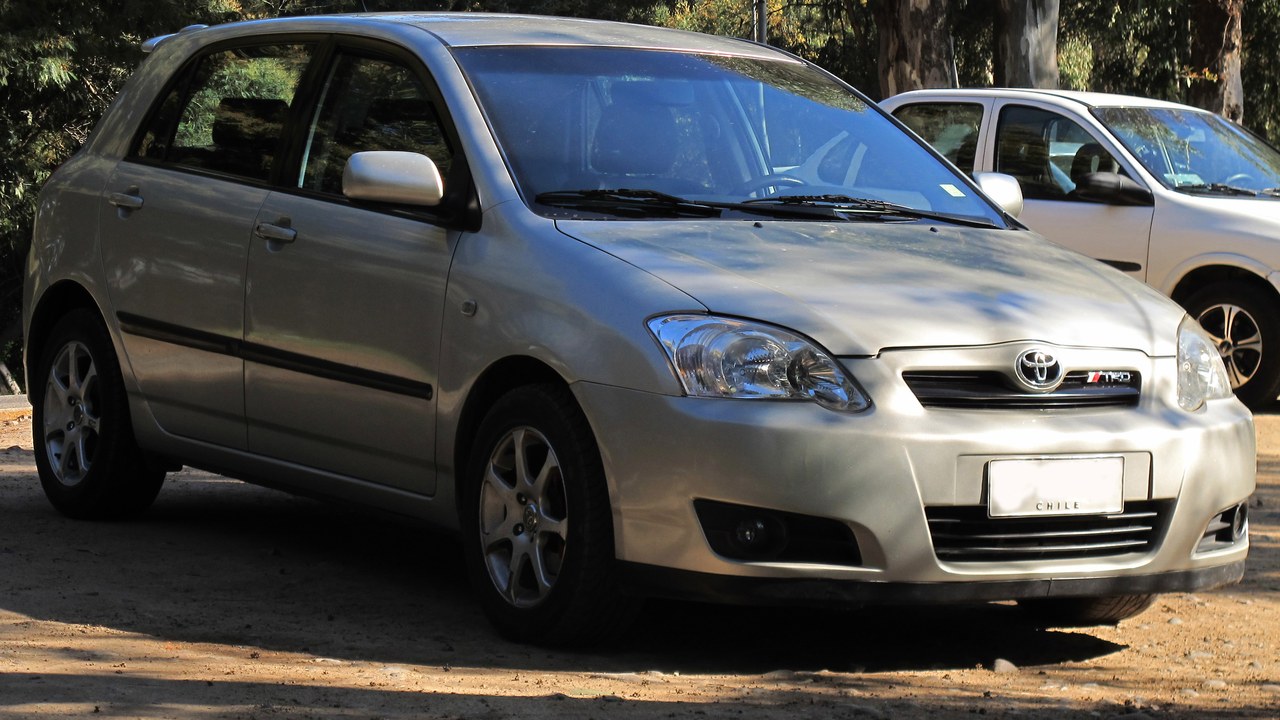
Toyota’s 2003 and 2004 Corolla is covered by critical Takata notice, alongside the related Matrix hatchback. Inclusion on that list marks these cars as ones where federal officials want repair before further driving.
Corollas have a reputation for outlasting their owners’ attention, and plenty of two-decade-old examples still commute daily. Anyone holding one should look up the VIN, confirm whether the replacement happened, and book the free repair if it did not.
8. 2002-2006 Nissan Sentra: Sentra On The Do Not Drive List
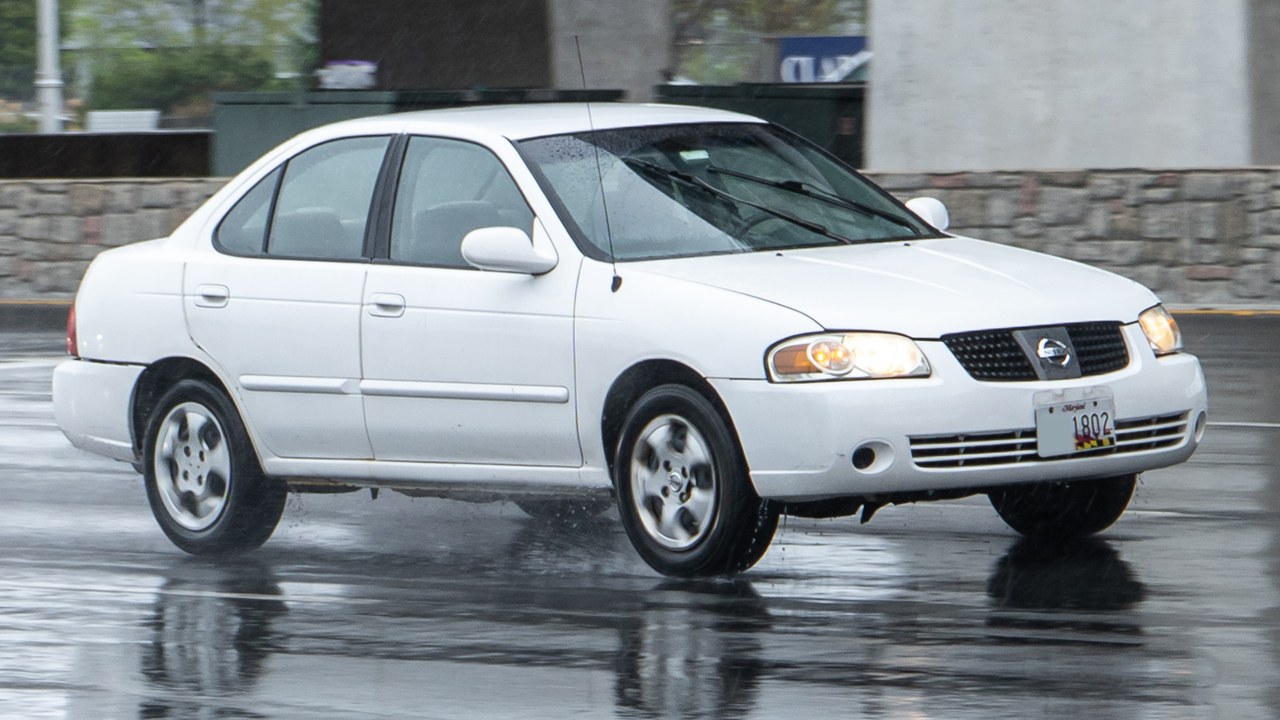
Nissan’s Sentra from 2002 through 2006 is named in Takata do-not-drive warning, which places the compact sedan on its Takata list. The five-model-year span reaches a broad group of inexpensive compact cars.
Sentras of that age often serve as budget transportation, and budget buyers are the least likely to receive recall mail. Checking the VIN on NHTSA’s site is the fastest way to learn whether the free replacement is still owed.
9. 2000-2006 BMW 3 Series (E46): E46 Three Series Is Flagged
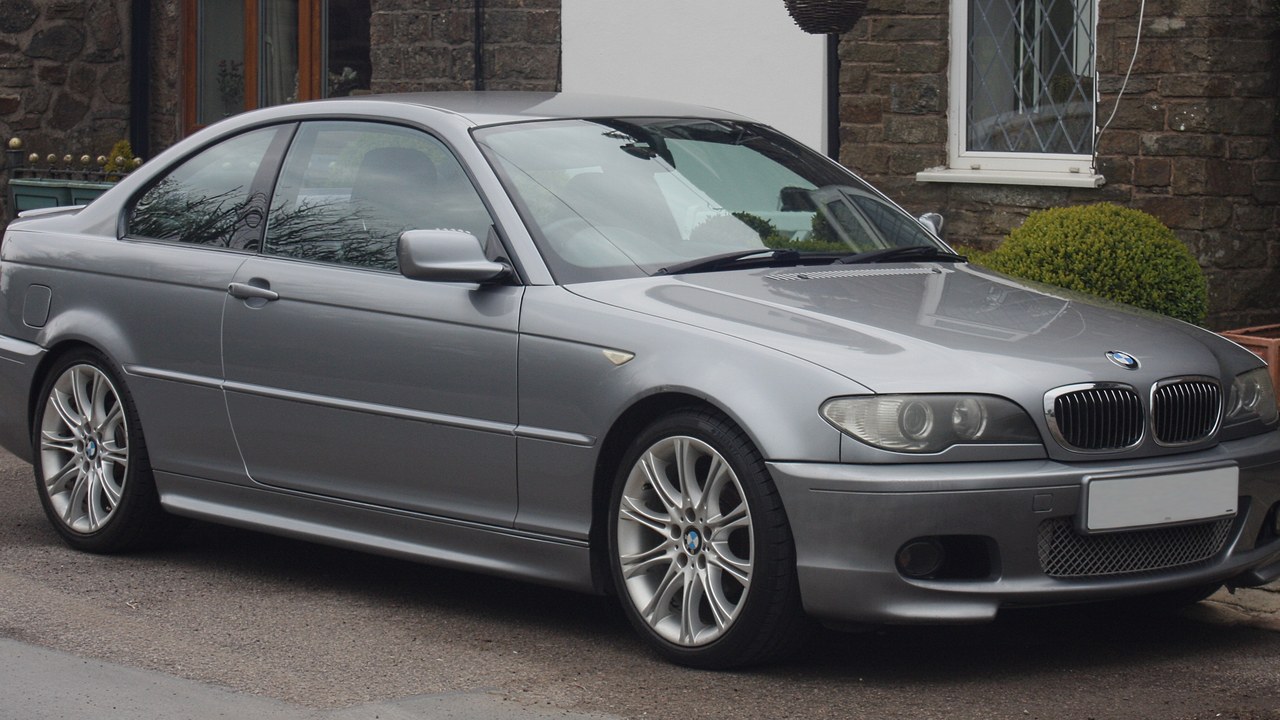
BMW’s E46-generation 3 Series, built from 2000 through 2006, appears in BMW Takata listing. The entry shows the warning reaches beyond economy brands to a premium sport sedan.
E46 cars have a loyal enthusiast following, and many owners keep them for track days or weekend drives. A car that is cherished is not a car that is safe, so a VIN check and the free dealer replacement belong ahead of any modification plans.
10. 2005-2015 Chrysler 300: Chrysler 300 Joins The List
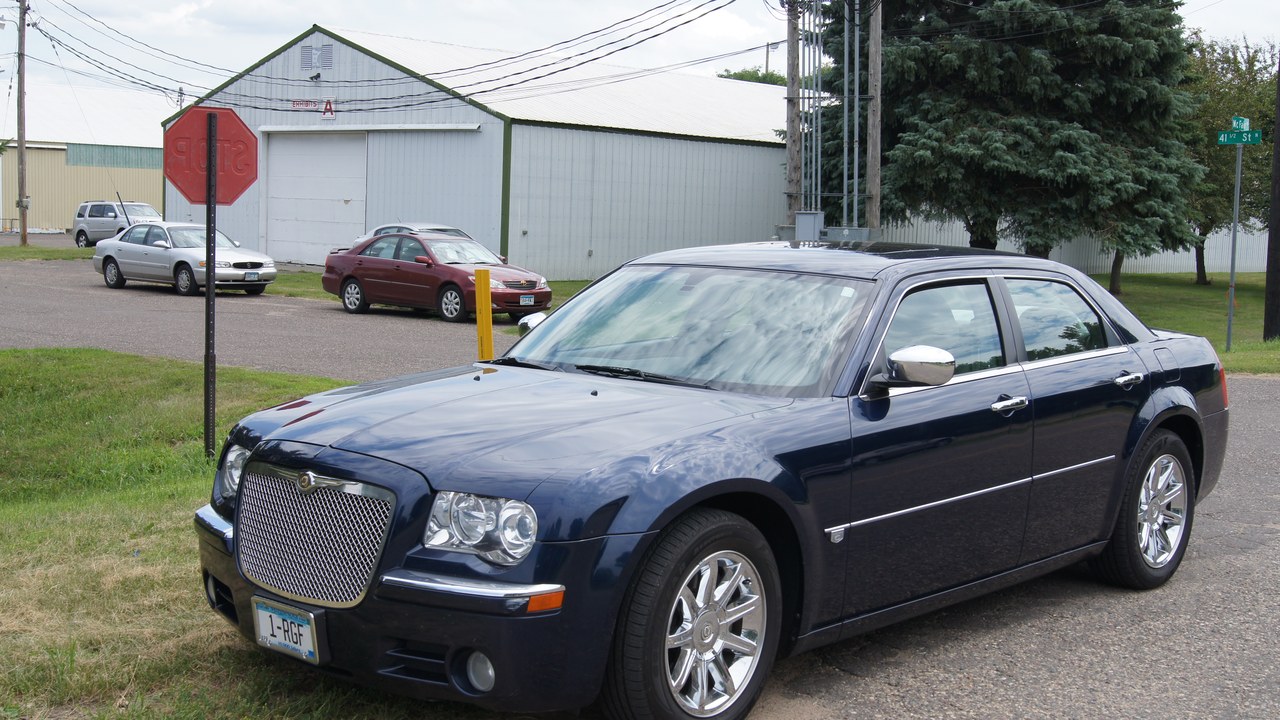
Chrysler’s 300 from 2005 through 2015 is on federal do-not-drive notice, covering the full first and second generation run of the big rear-drive sedan. That scale means a large number of cars were built with inflators now judged too risky to use.
Many 300s are now used-market bargains with murky ownership histories. Buyers should check the VIN for open recalls, and any 300 with an unrepaired inflator should stay parked until a dealer completes the free fix.
11. 2004-2005 Toyota RAV4: RAV4 Flagged For Early Cars
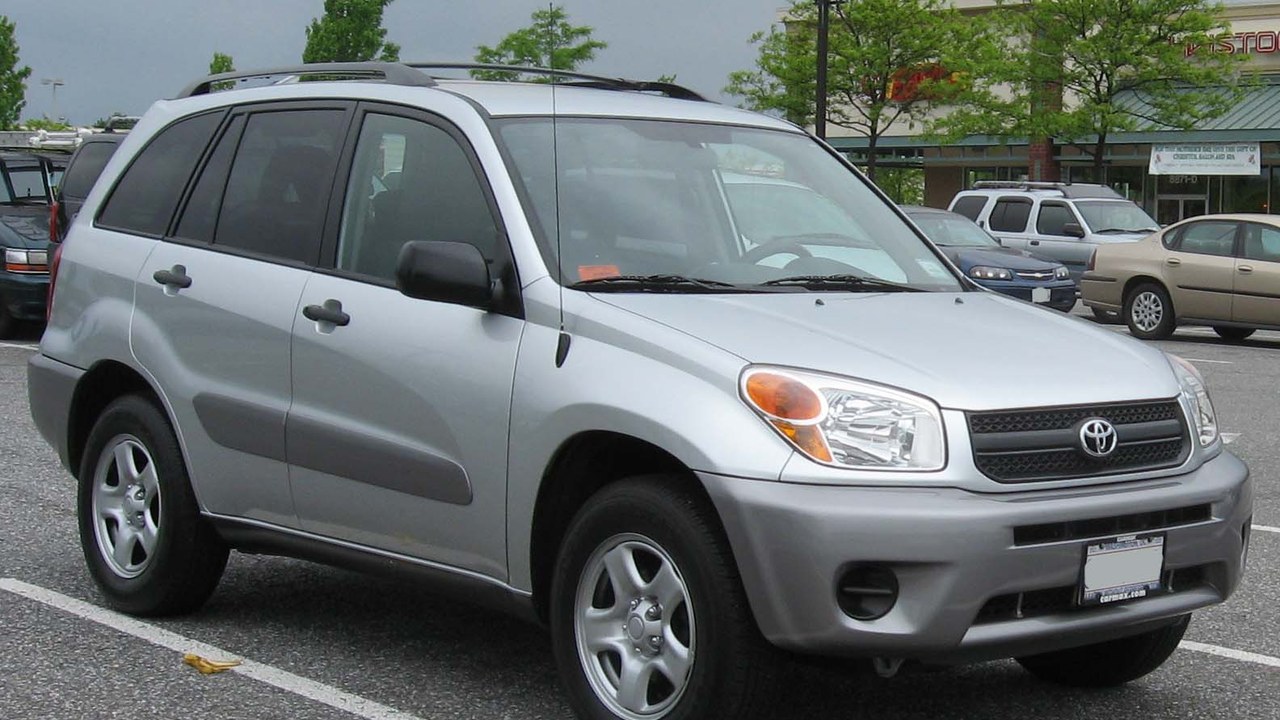
Toyota’s RAV4 from the 2004 and 2005 model years is named in Takata do-not-drive listing, placing the early compact crossover among vehicles with inflators that federal regulators call too dangerous to drive on.
RAV4s hold their value, so many of these older crossovers remain in daily service, sometimes handed down within families. A VIN lookup confirms whether the repair was done, and Toyota dealers perform the replacement at no cost when it was not.
12. 2006 Ford Ranger: Ranger Owners Told Not To Drive
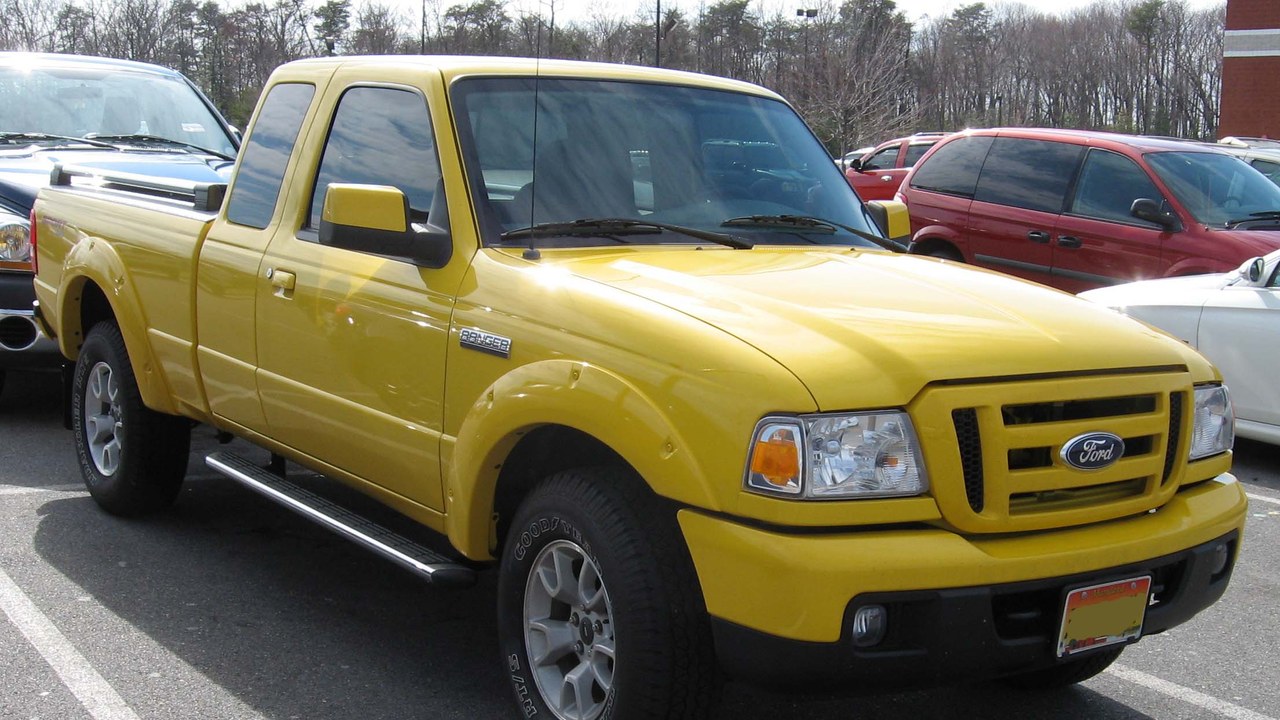
Ford and Mazda advise some owners of 2006 Rangers not to drive them, a step covered by manufacturer advisory. The reason is the Takata inflator, which has been tied to 28 confirmed U.S. deaths and at least 400 injuries.
Compact pickups like the Ranger are often kept as work trucks for decades, long after paperwork trails go cold. Owners of a 2006 model should check the VIN promptly, since a dealer can replace the inflator free and the truck should wait until that is done.
More from Morning Overview
- Tropical Storm Rachel is dumping up to 12 inches on four Mexican states on its way to major hurricane strength
- The NSA is again telling phone owners to switch off one location setting
- Card skimmers hidden on gas pumps and ATMs are draining accounts, and here’s the tell
- Hurricane Hunter radar shows four warning signs that a tropical cyclone is about to strengthen, a University of Miami study found
