
Sports cars have a reputation for expensive upkeep, but that reputation doesn’t hold for every model on the road. Some sporty coupes and roadsters share parts with ordinary sedans, use simple naturally aspirated engines, or benefit from decades of aftermarket support that keeps repair bills modest. Here are eight sports cars that are surprisingly cheap to maintain.
1. Mazda MX-5 Miata: Simplicity Keeps Costs Low
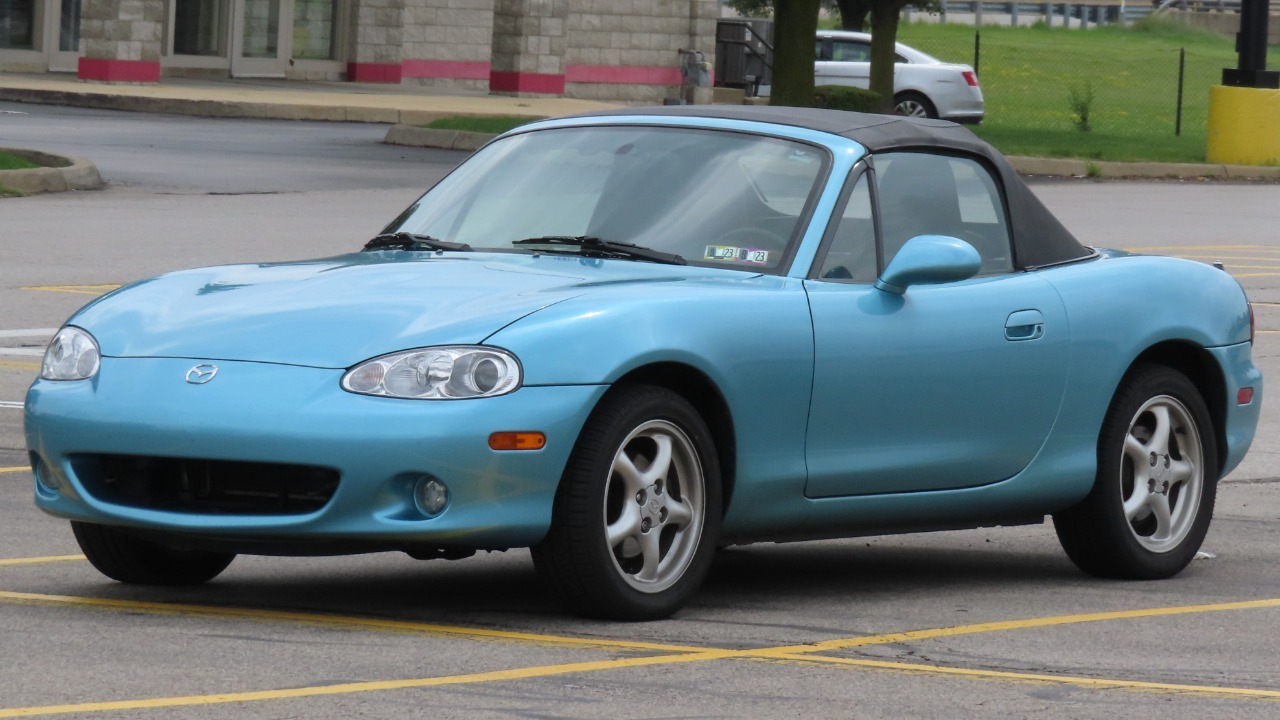
The Mazda MX-5 Miata keeps costs down through sheer simplicity: a small four-cylinder engine, rear-wheel drive, and a chassis built from mass-market Mazda components rather than exotic engineering. Because the platform has stayed lightweight and mechanically straightforward across four generations, parts remain plentiful and labor time for common repairs stays short compared with heavier, more complex sports cars.
That simplicity extends to consumables too, with standard tires, brakes, and fluids that any general shop can source without a dealer markup. The tradeoff is minimal creature comfort, but owners looking for open-top driving without a luxury-car service bill routinely find the Miata among the cheapest sports cars to keep on the road.
2. Toyota GR86: Shared Parts, Shared Savings
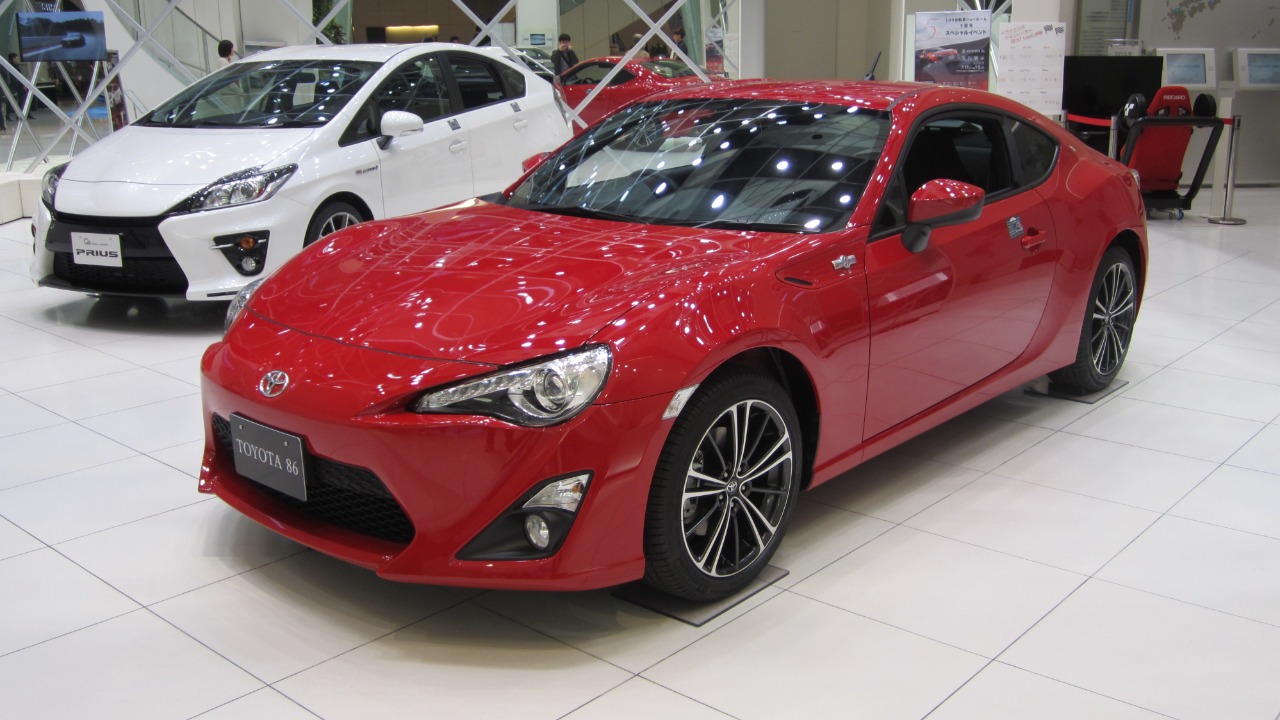
The Toyota GR86 shares its platform, engine, and many chassis parts with the Subaru BRZ, so the combined production volume of both cars keeps replacement parts common and inexpensive at dealers and independent shops alike. Its naturally aspirated flat-four avoids the turbocharger, intercooler, and associated plumbing that add failure points and labor hours to many modern performance engines.
Toyota’s reputation for mechanical reliability carries over directly, with a drivetrain built for high mileage rather than short bursts of track abuse. Insurance and routine maintenance costs land closer to a Corolla than a typical rear-drive sports coupe, making the GR86 one of the more budget-friendly ways to get genuine sports car handling.
3. Subaru BRZ: The Budget-Friendly Twin
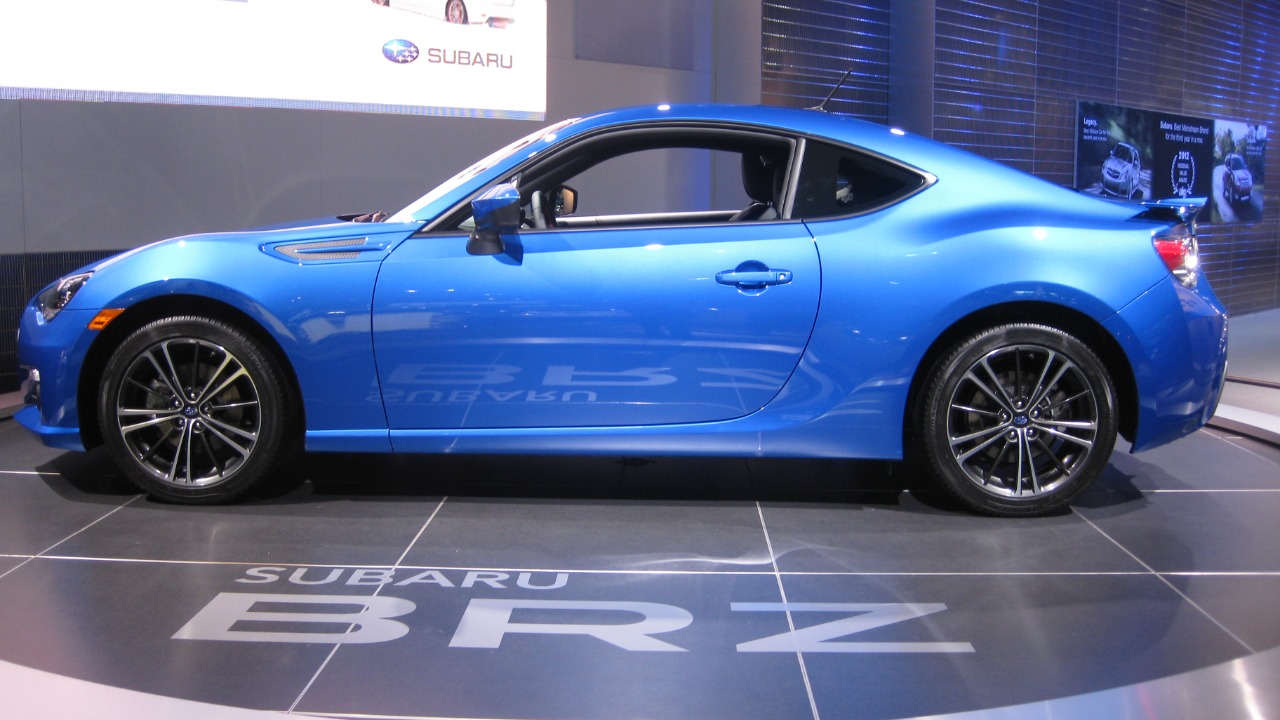
As the mechanical twin to the Toyota GR86, the Subaru BRZ inherits the same low-stress ownership profile: a naturally aspirated boxer engine, a simple six-speed manual or automatic, and a parts catalog effectively doubled by shared production with its Toyota sibling. That shared engineering means independent mechanics stock the same components for both cars, and competition between two brands’ dealer networks keeps parts pricing in check.
The boxer engine’s low center of gravity comes from a design Subaru has refined for decades, so major failure modes are well documented and easy to diagnose rather than mysterious. Combined with Subaru’s typically modest routine-service pricing, the BRZ delivers rear-drive sports car dynamics without the elevated ownership costs usually associated with all-wheel-drive Subaru models.
4. Ford Mustang: Six Decades Of Cheap Parts
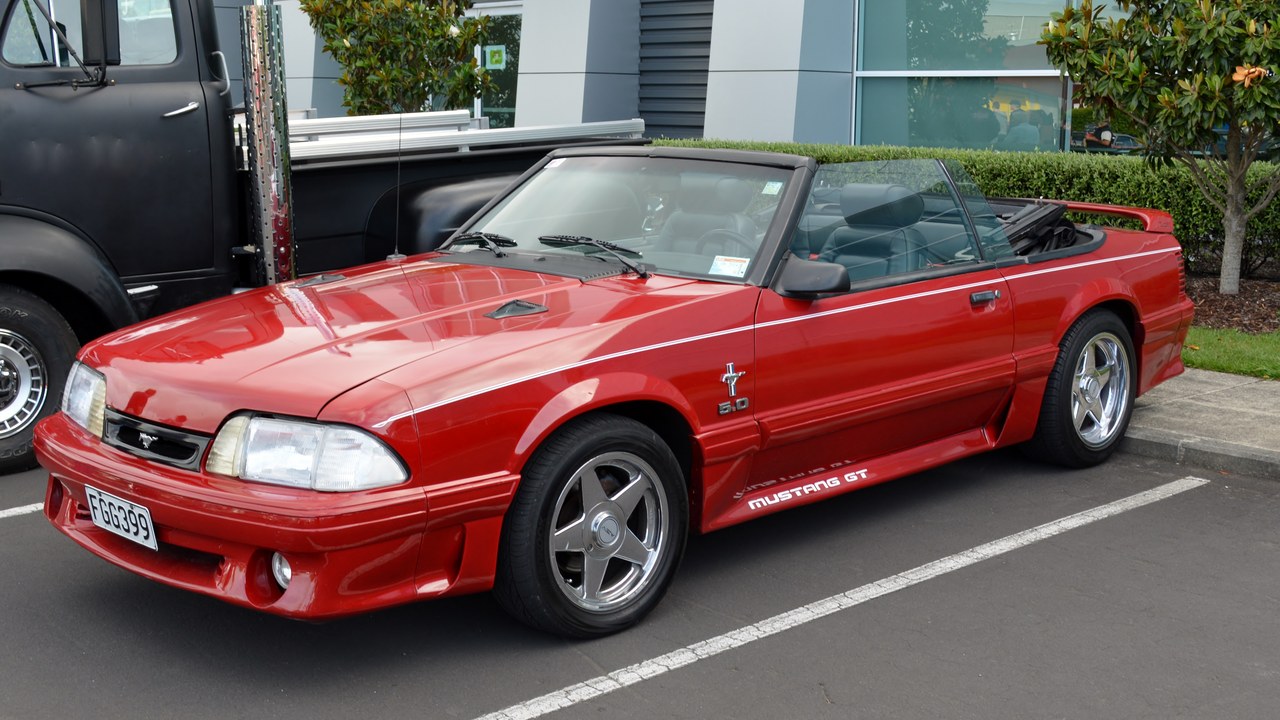
Few sports cars can match the parts availability of the Ford Mustang, which has stayed in continuous production since 1964 and spawned one of the largest aftermarket ecosystems in the industry. Six decades of sales volume mean junkyards, parts chains, and independent shops all carry Mustang components at prices well below what a low-volume performance car would command.
Base V6 and V8 models use straightforward, well-understood mechanical layouts that any competent mechanic can service without specialized training or dealer-only diagnostic tools. That combination of huge supply and broad shop familiarity keeps routine maintenance and even major repairs more affordable than the Mustang’s power and image might suggest.
5. Chevrolet Camaro: Mass-Market Parts, Muscle Car Looks
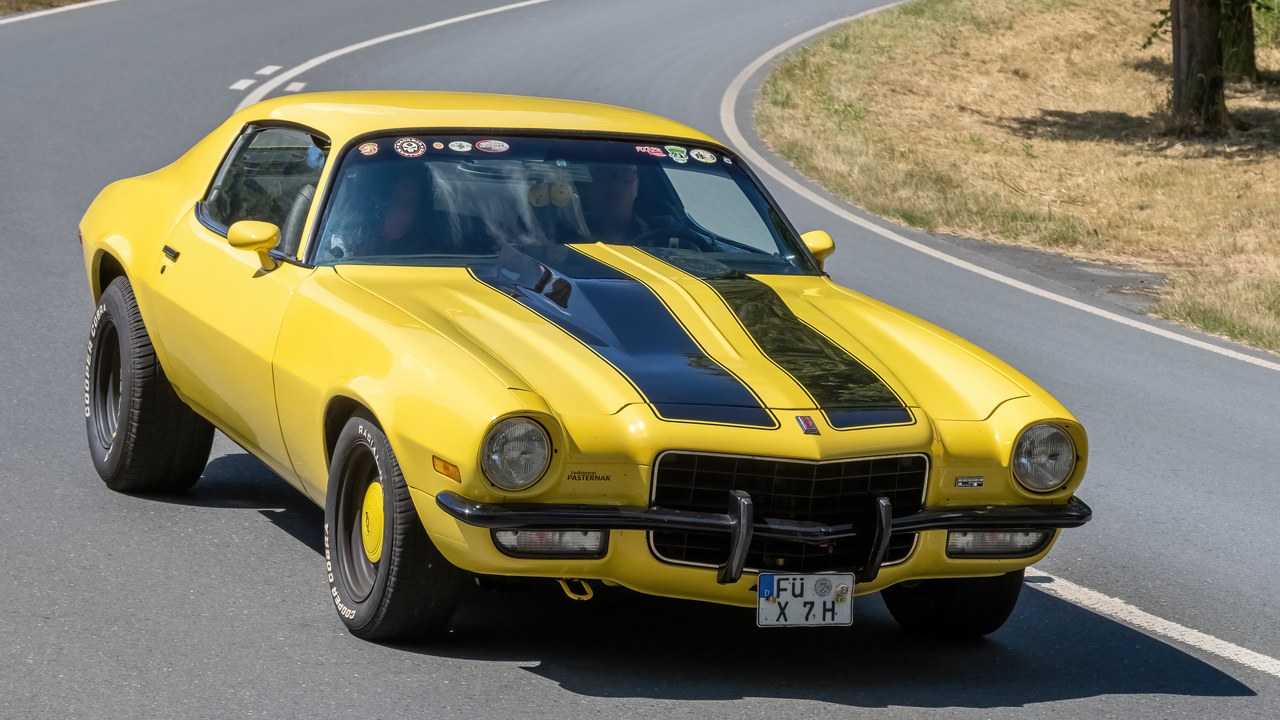
Like its longtime rival, the Chevrolet Camaro benefits from decades of high production volume and a V6 or V8 lineup built on mechanical layouts shared across much of General Motors’ broader lineup. That shared engineering means brakes, suspension components, and engine parts are mass-produced rather than bespoke, so replacement costs stay close to those of an ordinary GM sedan or truck.
The Camaro’s aftermarket support rivals the Mustang’s, giving owners a choice between dealer service and a large network of independent specialists competing on price. Combined with a chassis design proven over multiple generations, that competition keeps both routine upkeep and the eventual bigger repair bill more predictable than most rear-drive performance cars.
6. Nissan 370Z: Old Enough To Be Affordable
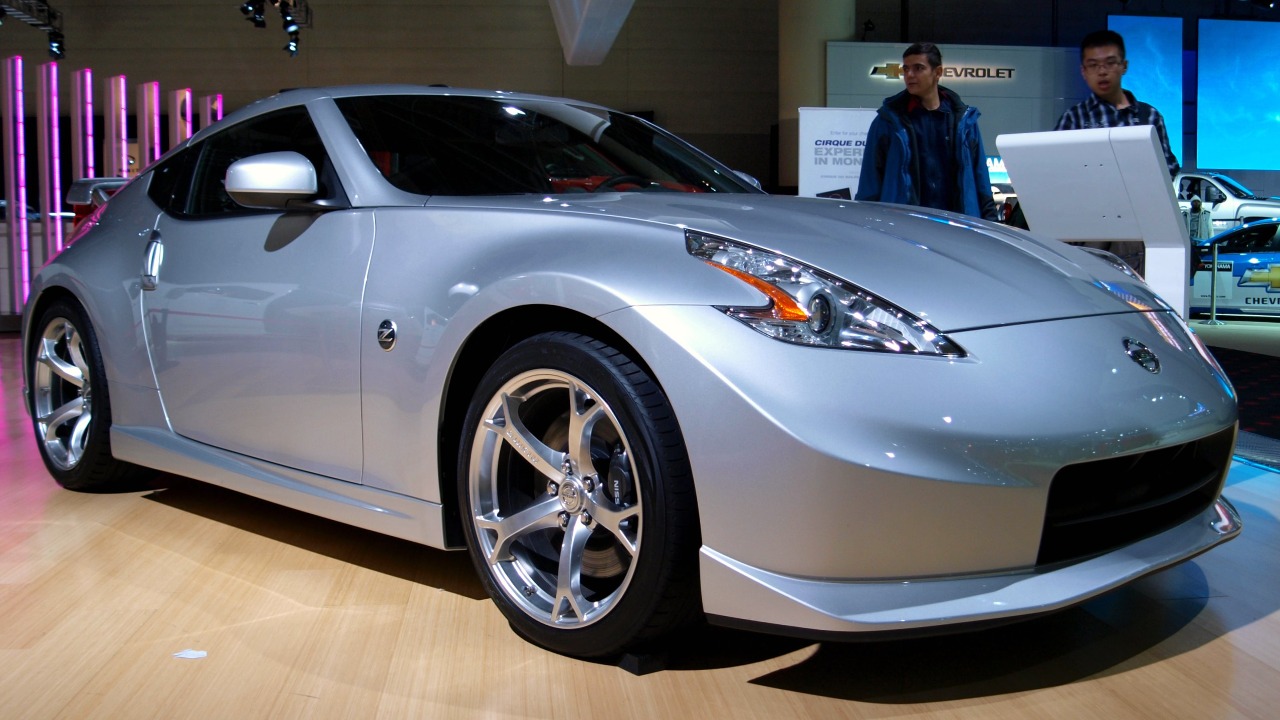
The Nissan 370Z is old enough that its naturally aspirated V6 and basic rear-drive layout have been thoroughly worked out by independent mechanics, with no turbochargers or complex hybrid systems to add cost or diagnostic difficulty. Because the platform carried over largely unchanged for most of its production run, parts interchange across model years, which widens the pool of used components available.
That long production life also means depreciation has already done its work, so insurance and typical repair estimates track a used sports coupe rather than a current-generation performance car. For an owner willing to accept dated infotainment and a firm ride, the 370Z offers rear-drive V6 performance at a running cost closer to a family sedan than a modern sports car.
7. Honda S2000: Honda Reliability, Roadster Fun

Honda built the Honda S2000 around a high-revving four-cylinder engineered with the same durability standards Honda applies to its mainstream Civic and Accord engines, so major failures are rare and well understood by any Honda-familiar mechanic. The lightweight roadster body uses no forced induction and a relatively simple manual drivetrain, cutting out expensive components that raise repair costs on turbocharged rivals.
Because Honda sold the S2000 in meaningful volume over a decade-long run, independent specialists and online parts networks have built deep expertise and inventory around the car. Regular maintenance mirrors a Civic Si more than an exotic roadster, and the engine’s reputation for tolerating high mileage keeps resale value and repair confidence unusually high for a two-seat sports car.
8. Chevrolet Corvette (C6): A Corvette Without Corvette Costs
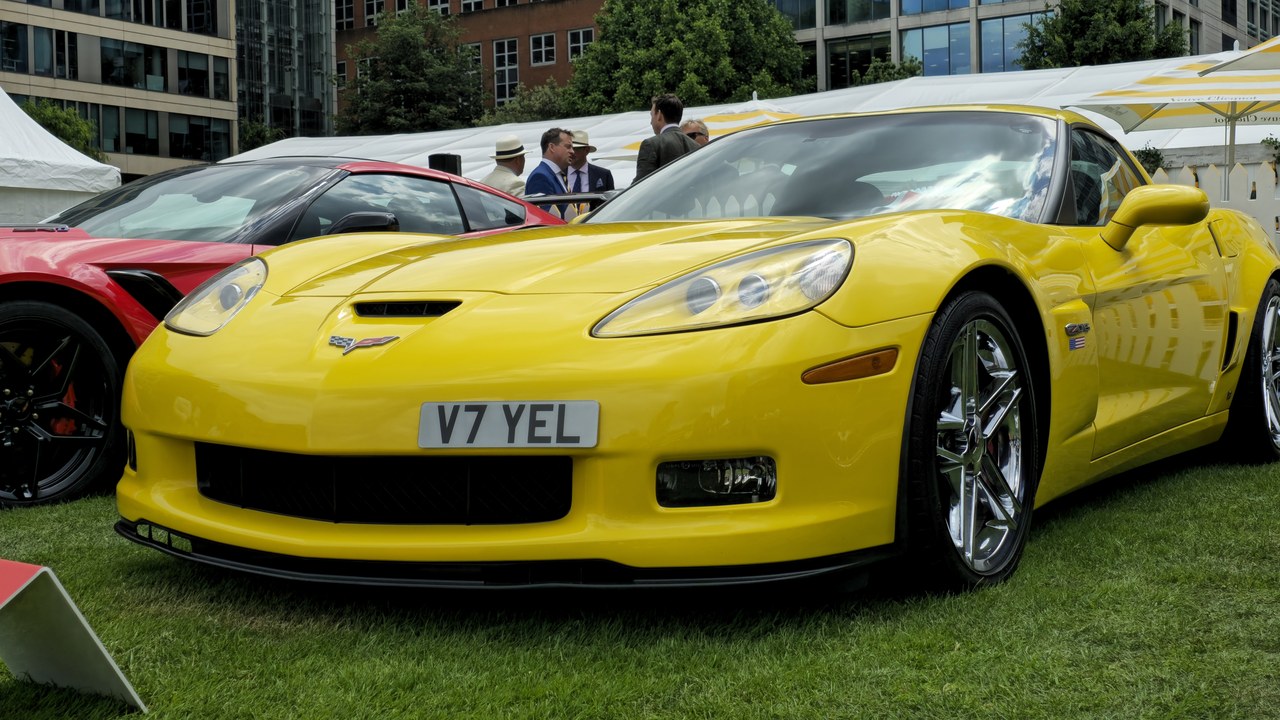
The sixth-generation Chevrolet Corvette uses a pushrod V8 that is mechanically simple compared with the overhead-cam, multi-valve engines found in most performance cars at its price point, which keeps diagnostic complexity and labor time down for routine service. GM built the C6 in large enough numbers that parts remain abundant on the used market, unlike the low-volume exotics its performance figures often get compared to.
Because the pushrod small-block architecture traces back decades and shares design philosophy with GM truck and SUV engines, mechanics across the country already understand how to service it without specialized training. Depreciation has also pulled used C6 prices well below the car’s original sticker, so a used Corvette now competes on ownership cost with far less capable sports coupes.
More from Morning Overview
- Automakers are quietly dropping the stop-start feature many drivers love to hate
- A granite sarcophagus surfaced in Egypt with its original lid still sealed
- The FBI tells phone owners to delete these toll-payment texts draining accounts nationwide
- Herbal supplements are landing Americans in the hospital with liver damage, doctors warn
